In this article:
- What Nishiki Market Is
- What to Eat at Nishiki Market
- Shopping Beyond Food
- When to Go and How to Behave
- Getting There and What’s Nearby
- Visiting Nishiki Market: Common Questions
What Nishiki Market Is
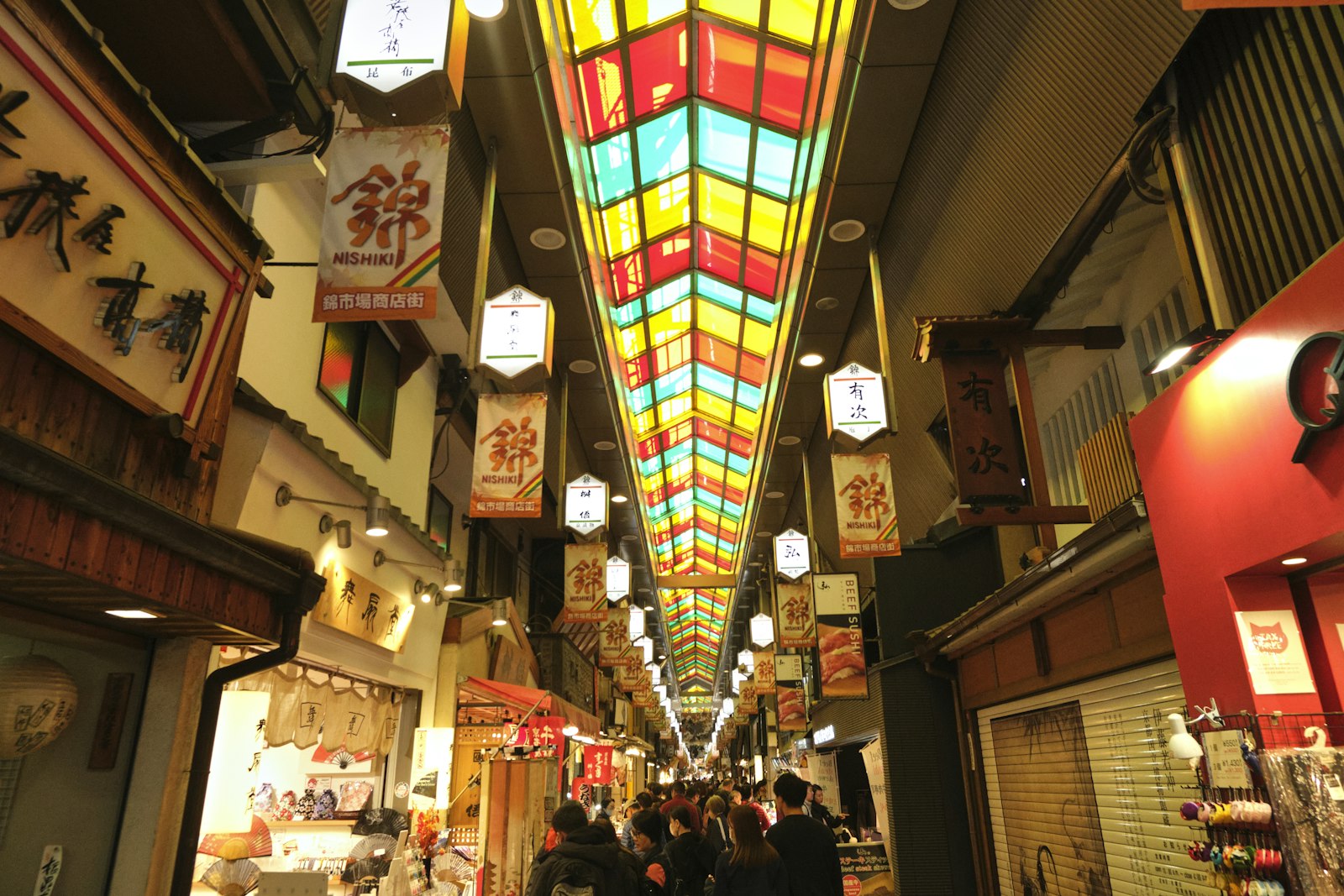
Nishiki Market is a covered shopping street in central Kyoto, five blocks long and barely wide enough for two people to pass with shopping bags, lined end to end with food stalls and specialist shops. Locals call it Kyoto no daidokoro — Kyoto’s kitchen — and the name is literal. For centuries this is where the city’s restaurants, households, and tea houses have bought their fish, vegetables, pickles, and tofu.
It is also, now, one of Kyoto’s most visited places, which means the experience has two faces. Come at the wrong time and it is a slow shuffle through a crowd. Come at the right time and you can still see it working as the food street it has always been, with chefs buying for the evening and old shops selling things they have sold for generations.
Four Centuries of History
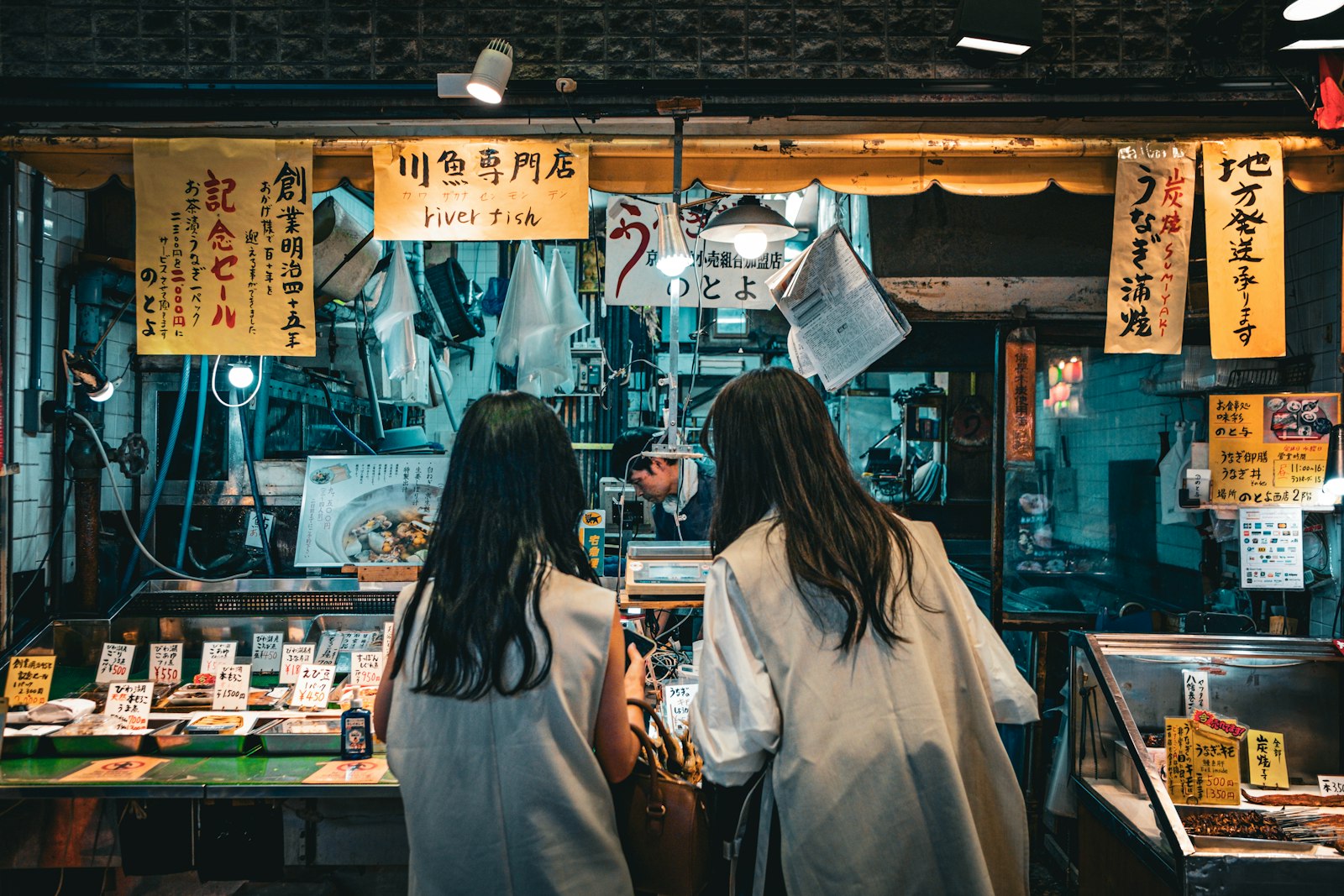
The market’s roots run back roughly 400 years, with origins as a wholesale fish district — cold groundwater beneath the street made it a natural place to keep and sell fresh fish before refrigeration. Families established themselves here over generations, and the market grew into the full range of Kyoto food culture it is today. Some of the shops you pass have been run by the same families for centuries, which is not a marketing line but a documented fact of the place.
The 400-Metre Arcade
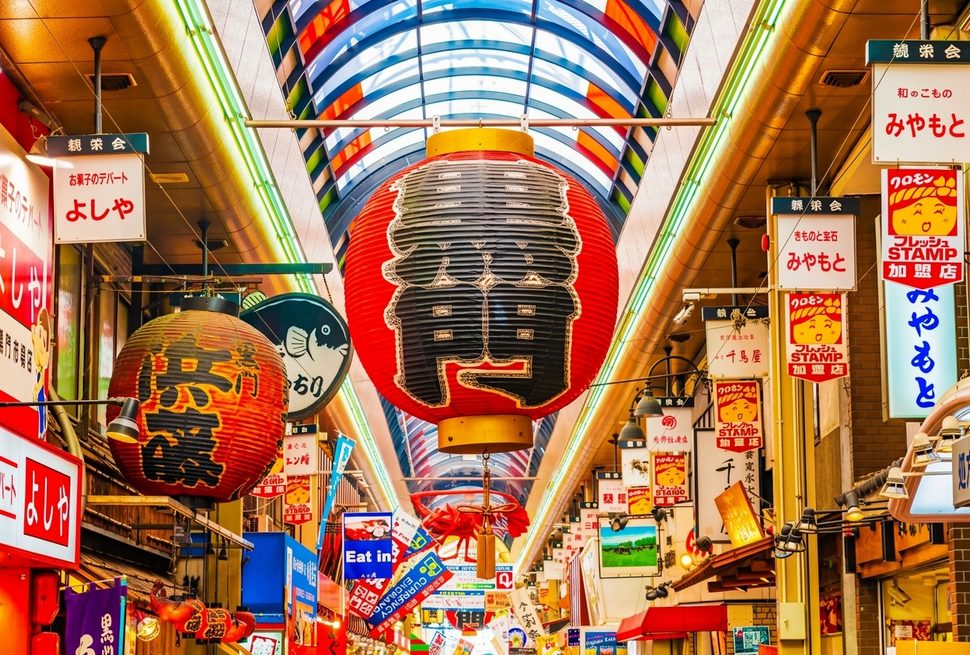
The whole market runs about 400 metres under a vaulted, coloured-glass roof that throws soft light down the lane. Roughly a hundred shops and stalls line it, and the density is the point: tofu, pickles, knives, sweets, grilled seafood, tea, and produce, one after another with almost no gaps. Walking it slowly from end to end, without a fixed plan, is the right way to take it in.
A Living Museum of Craft
What sets Nishiki apart from a generic food street is the depth of specialisation. There are shops that sell only tofu and its by-products, only Kyoto pickles, only tea, only knives. Each is the accumulated expertise of a family that has done one thing for a very long time. In our experience, travelers who treat the market as a museum of craft — and not only as a place to snack — get far more out of it.
Expert Tip
The single best window is a weekday morning, shortly after the shops open around 9 to 10am. The stock is fresh, the chefs are buying, and the worst of the tour-group crush has not arrived. By early afternoon, especially on weekends, the lane fills to a standstill. If you can only come midday, enter from the quieter Teramachi end and work west against the flow.
What to Eat at Nishiki Market
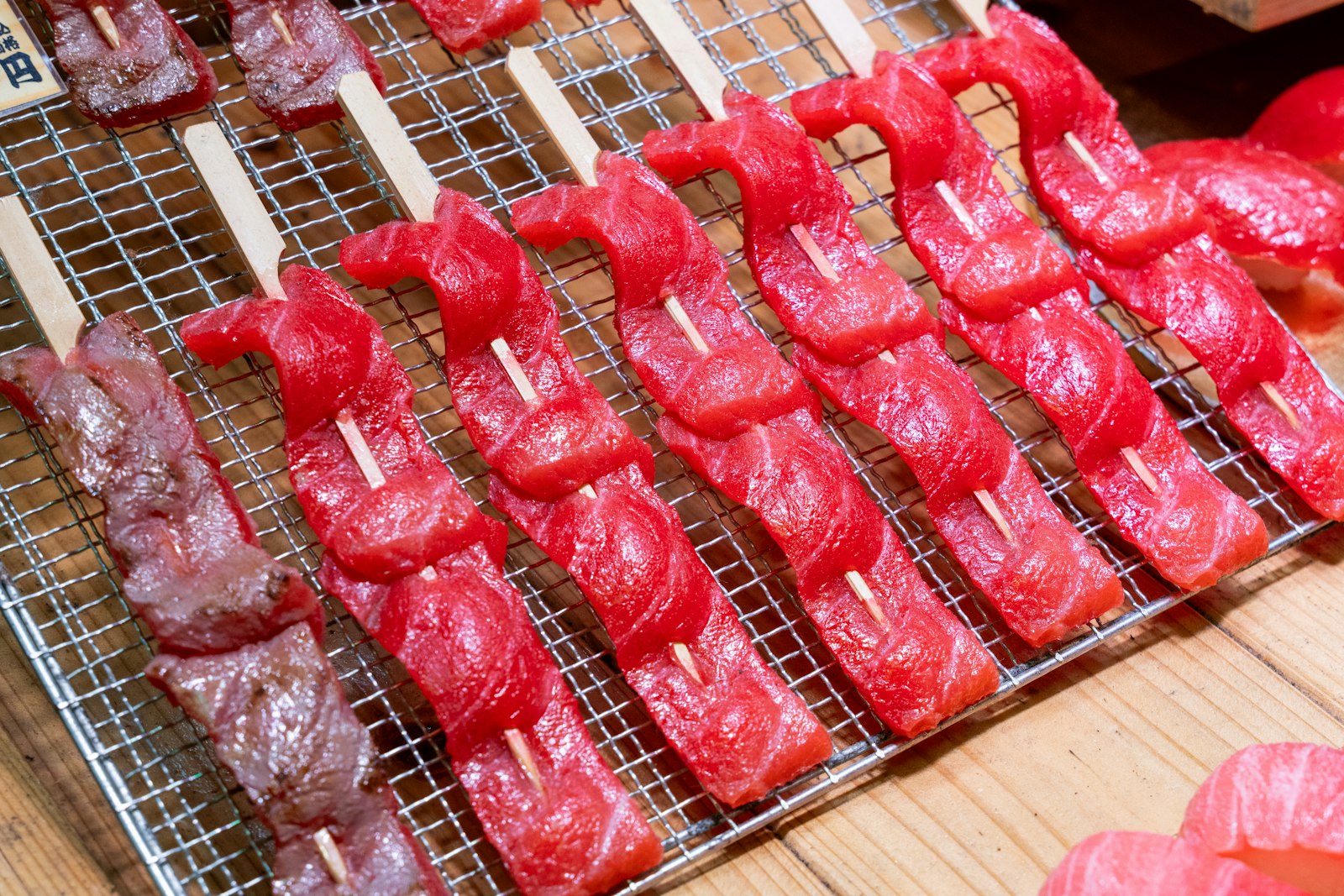
The eating is the reason most people come, and the range runs from one-bite skewers to small sit-down counters. The trick is restraint early on — the best things are often halfway down the lane, and it is easy to fill up in the first fifty metres.
Seafood and Skewers
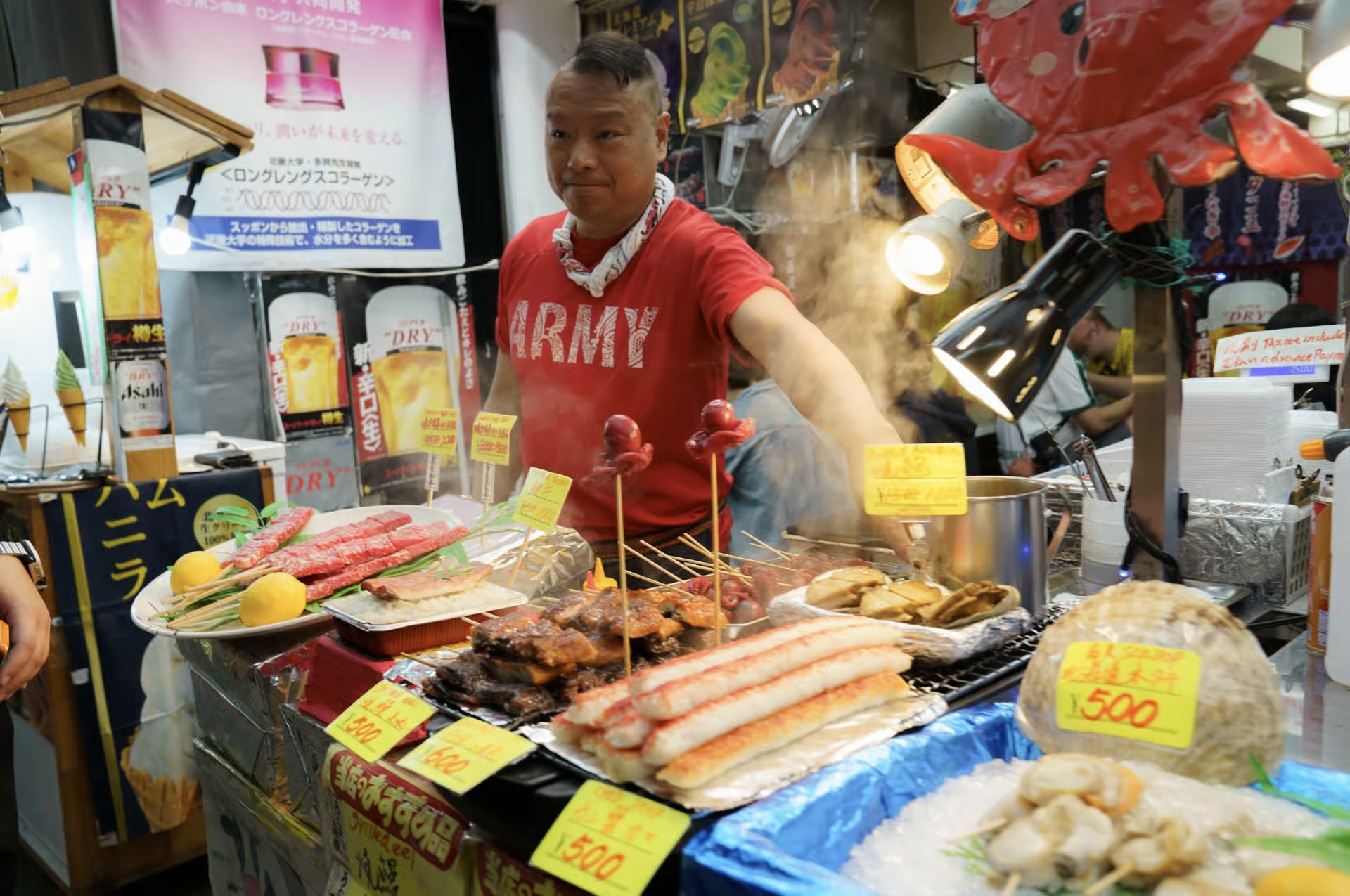
The market’s most photographed bite is tako tamago: a small candied octopus with a quail egg tucked into its head, glazed sweet and served on a skewer. It is odd, and worth trying once. Beyond it, look for freshly grilled unagi (eel), skewers of grilled seafood, and the seasonal fish that the market built its name on. These are eaten standing at or near the stall — more on that below.
Kyoto Specialities
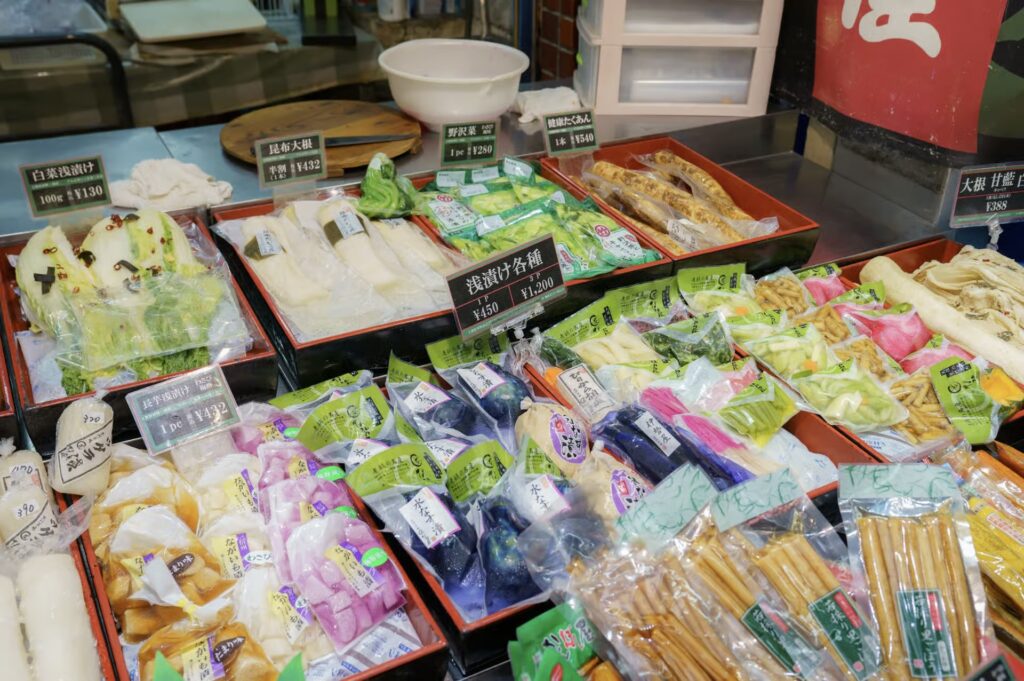
Two things define Kyoto’s palate, and Nishiki does both well. Dashimaki tamago is a rolled omelette cooked with dashi stock until it is custard-soft and faintly savoury-sweet; watching it made on a rectangular pan is half the pleasure. Kyoto pickles — tsukemono — are a serious local art, from barrel-aged daikon to the bright purple shiba-zuke, and most pickle shops will let you taste before you buy. Between the two, you get the gentle, stock-driven character that makes Kyoto food distinct from Tokyo’s.
Sweets and Tea
For something sweet, the soy-milk doughnuts — light, faintly beany, sold warm — are a market staple, as is matcha mochi and soft-serve in the deep, slightly bitter Uji green tea the region is known for. Several tea shops will brew you a cup of properly made Uji matcha or sencha on the spot, which is a calmer, more rewarding stop than the queue at any single doughnut window.
Where to Sit Down
Not everything has to be eaten on your feet. A number of stalls have a few stools or an attached micro-counter, and some shops run a small bar where you can sit with a plate of grilled seafood and a glass of sake or local beer. If the standing crowds wear on you, these tucked-away seats are the move — they turn a graze into an actual meal and give your legs a rest.
Shopping Beyond Food
Some of the best things to carry out of Nishiki are not eaten on the spot at all. For anyone who cooks, or who wants a souvenir with substance, the market’s specialist shops are the real find.
Kyoto Knives and Cookware
Nishiki is one of the best places in Japan to buy a serious kitchen knife. Several shops sell hand-forged blades and will explain the difference between steels, grinds, and intended uses, and many will engrave the handle with your name while you wait. A good Japanese knife is a lifetime object, and buying one here — with advice, from people who know — beats the airport display case by a wide margin. Bring it home in checked luggage, not carry-on.
Ingredients Worth Carrying Home
Beyond knives, the market sells edible souvenirs that actually survive the journey: dried seafood, good dashi-making ingredients, specialist spices, and yuba, the delicate tofu skin that is a Kyoto speciality. These keep, they pack flat, and they let you cook a little of Kyoto into a meal back home. They make far better gifts than the generic boxed sweets sold near the stations.
Wagashi and Seasonal Sweets
The traditional Japanese sweets — wagashi — sold here are arranged with the precision of jewellery, and they shift with the season: cherry in spring, chestnut and persimmon in autumn. They are as much about appearance and seasonal feeling as taste. A small boxed assortment is one of the more elegant things you can bring back, though the freshest kinds are best eaten within a day or two.
When to Go and How to Behave
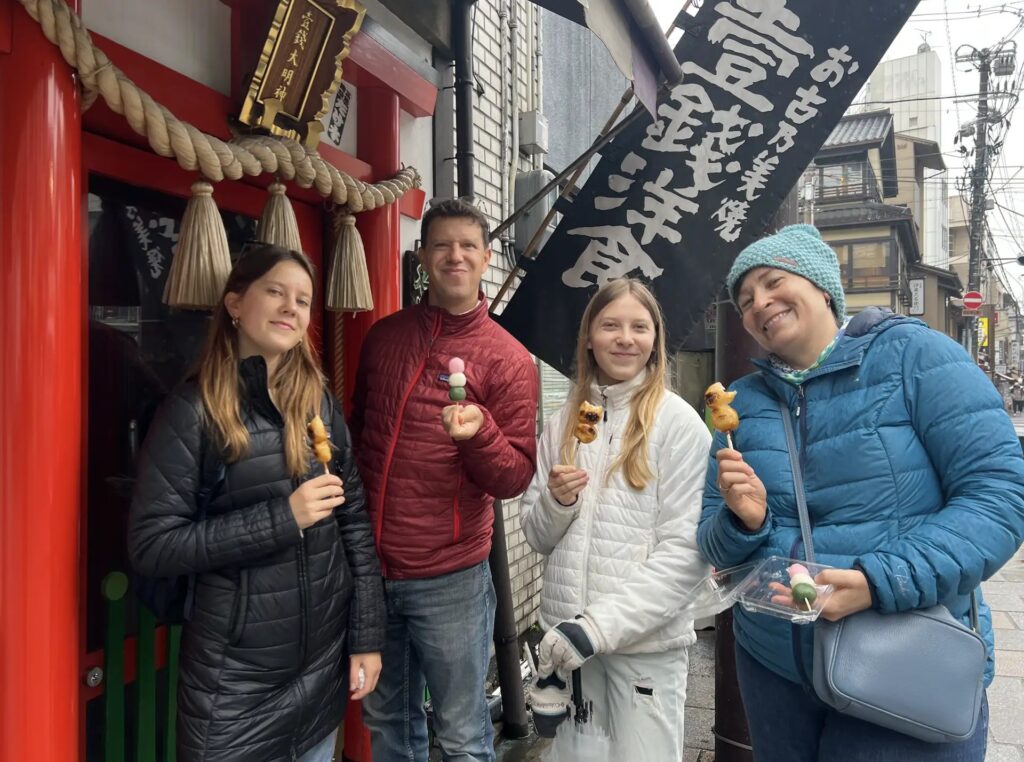
Nishiki has become busy enough that how you visit now matters as much as what you eat. A few points of timing and etiquette will keep your visit pleasant and keep you on the right side of the shopkeepers.
The Rule That Changed: No Eating While Walking
For years, grazing as you strolled was simply how the market worked. As crowds grew, that changed: the market now discourages tabearuki — eating while walking — because of the mess and congestion it causes in such a narrow lane. The expectation now is to eat at or beside the stall you bought from, then move on. Watch for the signage and follow what locals are doing; standing to one side to finish your skewer is the courteous move.
The Best Time to Visit
Weekday mornings are calm and fresh; weekend afternoons are a crush. If your schedule is fixed to a busy slot, accept that it will be crowded and adjust your expectations rather than your patience. Early is always better here. The market rewards the visitor who shows up when the shops open, not the one who arrives after lunch.
Opening Hours and Closures
Most shops run roughly 9 or 10am to around 5 or 6pm, though individual stalls vary and some close earlier once they sell out. Note that not every shop keeps the same days — some traditionally close mid-week — so on a quiet Wednesday you may find a few shutters down. The market as a whole is open daily, but if there is a specific shop you have your heart set on, check its own hours.
Getting There and What’s Nearby
Nishiki sits in the dead centre of Kyoto, which makes it easy to fold into a day rather than treat as a separate trip. Its location is part of its usefulness.
How to Reach It
The market runs parallel to Shijo Street, one block north. The nearest subway stop is Shijo Station on the Karasuma line, and the Hankyu Karasuma and Kawaramachi stations are both a short walk away. From most central Kyoto hotels it is an easy walk or a single short ride. The eastern end spills directly onto the Teramachi and Shinkyogoku covered arcades.
Combining It With the Arcades
At its eastern end, Nishiki connects to the Teramachi and Shinkyogoku shopping arcades, which run perpendicular and sell everything from stationery and incense to clothing and second-hand goods. The transition from food market to general shopping street is seamless, and the two together make for an easy, weatherproof afternoon — useful insurance on a rainy Kyoto day.
Where to Go Next
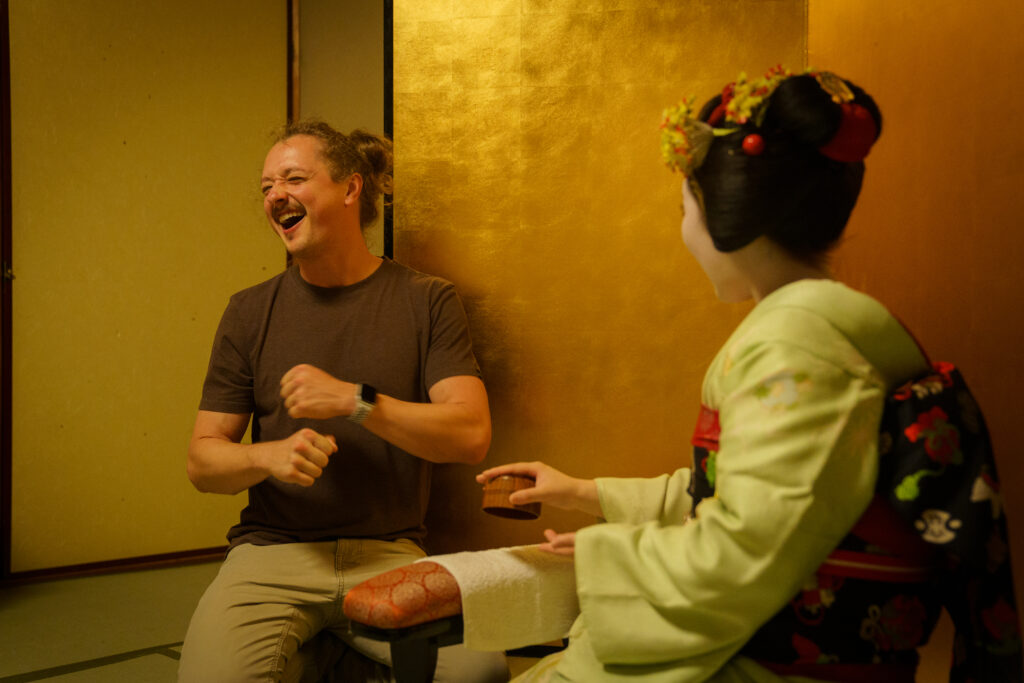
Nishiki pairs naturally with the rest of central and eastern Kyoto. Gion, the historic geisha district, is a walkable distance east across the river, and Nijo Castle lies to the northwest. A common and sensible plan is to graze through Nishiki in the late morning, then walk east into Gion for the afternoon and evening. The market is a beginning, not a whole day.
Visiting Nishiki Market: Common Questions
Are there still free samples at the stalls? Some, but fewer than there used to be. Many pickle, tea, and sweet shops still offer a taste to genuine prospective buyers, and trying before buying a tub of pickles is normal and welcome. What has faded is casual grazing on samples without intent to purchase, which the crowds made unsustainable. Taste with the intention of buying, and the courtesy still flows freely.
Can vegetarians and vegans find options? Reasonably well, with care. The market’s tofu, yuba, pickles, many sweets, and some produce are plant-based, and a vegetarian can graze happily. The main caution is dashi — Kyoto’s beloved stock is usually made with bonito (fish) and turns up in many savoury items, including the famous dashimaki omelette. Strict vegans should ask, or stick to the clearly plant-based shops.
Is the market wheelchair and stroller friendly? Only partly. The lane is flat and covered, which helps, but it is narrow and can become extremely congested, which makes navigating with a wheelchair or stroller difficult at peak times. If you need the space, come early on a weekday morning when the crowd is thin. At midday on a weekend, the press of people is the real obstacle, not the layout.
Related Tours

Conclusion
Nishiki rewards the visitor who treats it as more than a snack run. Come early, walk the whole length before you commit, eat where you buy, and give as much attention to the knife shop and the pickle barrels as to the octopus skewers. Done that way, it is the clearest window into how Kyoto has fed itself for four hundred years.
Plan Your Japan Trip with Local Experts
Our team has guided 40,000+ travelers across Japan. Tell us about your trip and we’ll get back to you within 24 hours.