In this article:
- Why Osaka Lives to Eat
- The Dotonbori Classics
- Noodles and Hot Pots
- Osaka’s Fine Dining
- Practical Tips for Eating in Osaka
- Osaka Food: Common Questions
Why Osaka Lives to Eat
Osaka’s relationship with food is different from the rest of Japan’s, and the city knows it. Where Kyoto prizes refinement and Tokyo prizes the perfecting of a single craft, Osaka prizes appetite — generous, unpretentious, joyful eating, often standing up, frequently fried, always with enthusiasm. The local self-image is built around it, and a few days here will convince you the reputation is earned.
For a traveler, this makes Osaka one of the most rewarding eating cities anywhere. The barrier to a great meal is low, the street food is genuinely excellent rather than a tourist trap, and the range runs all the way from a 500-yen plate of octopus balls to a hushed sushi counter. Come hungry and stay that way.
Kuidaore: Eat Until You Drop
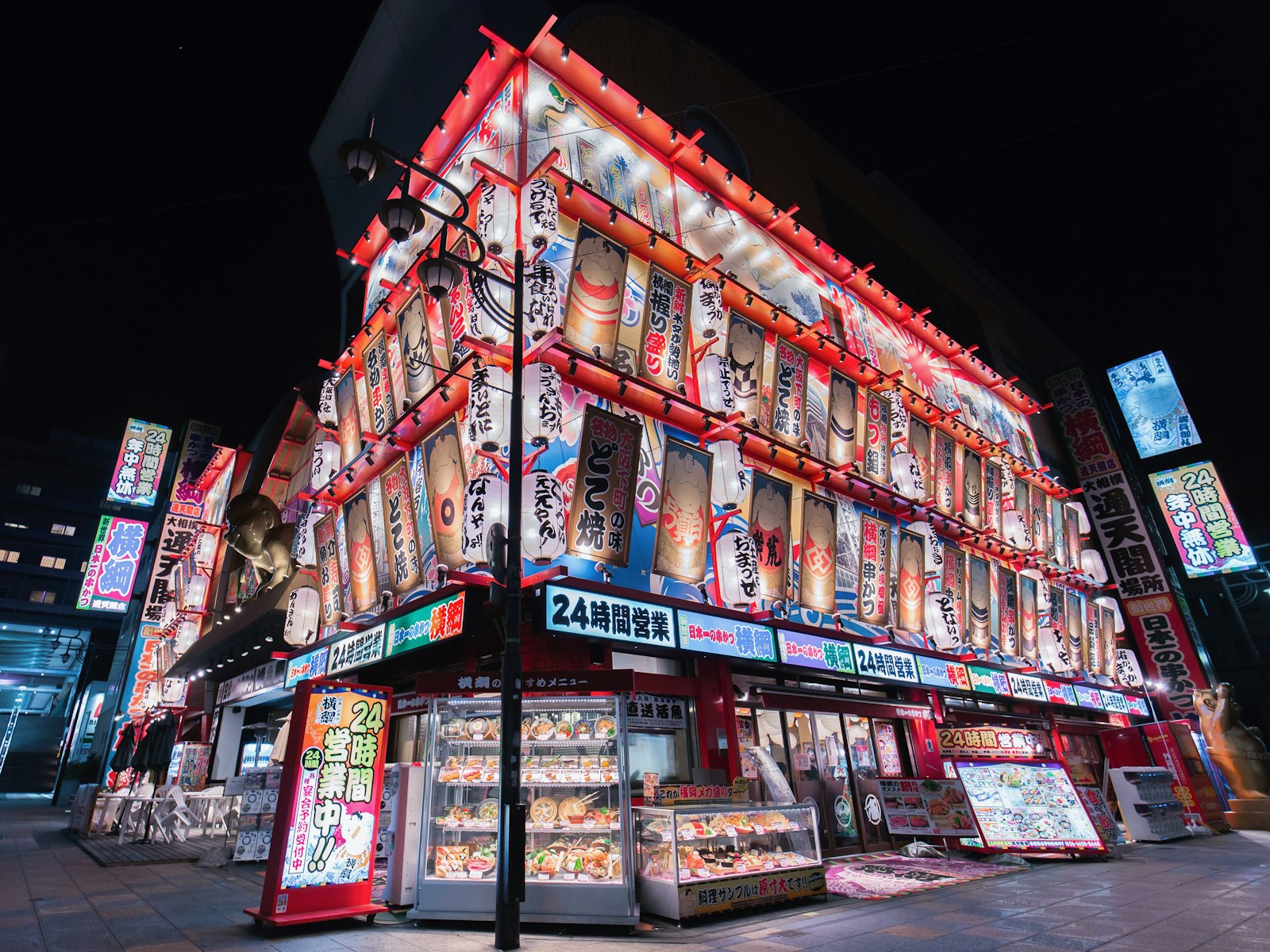
The word locals use is kuidaore — roughly, “to eat oneself into ruin,” or to eat until you drop. It is said half in jest and wholly in earnest: the idea that Osakans will happily spend their money on food above almost anything else. This is not gluttony so much as a cultural priority, a centuries-old identity as a merchant city that ate well. Understanding kuidaore explains why the whole place feels organised around the next meal.
Dotonbori, the Epicentre
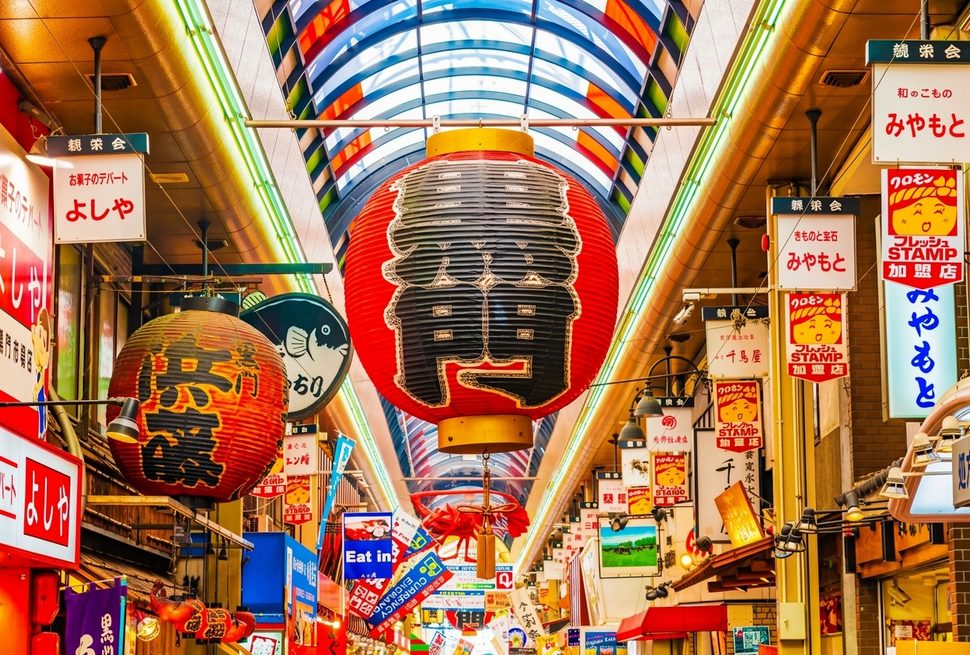
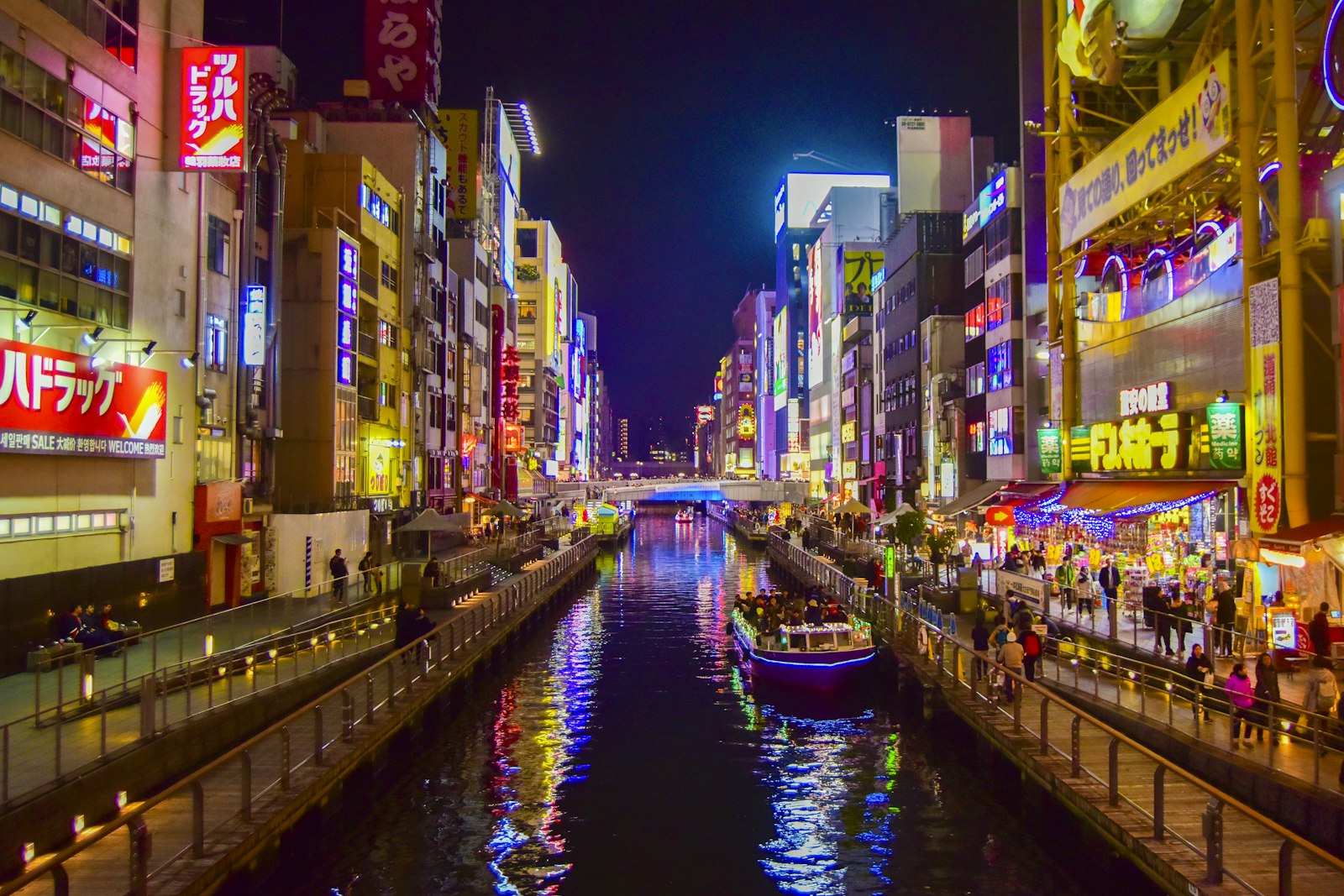
The heart of it all is Dotonbori, the canal-side entertainment district drenched in neon, giant mechanical crabs, and the famous running-man billboard, lined end to end with food. It is loud, crowded, unashamedly garish, and the single best place to begin eating in Osaka. Yes, it is touristy; it is also where many of the city’s iconic dishes are best sampled in one walkable stretch. Embrace the spectacle and eat your way along it.
Stalls and Hidden Counters
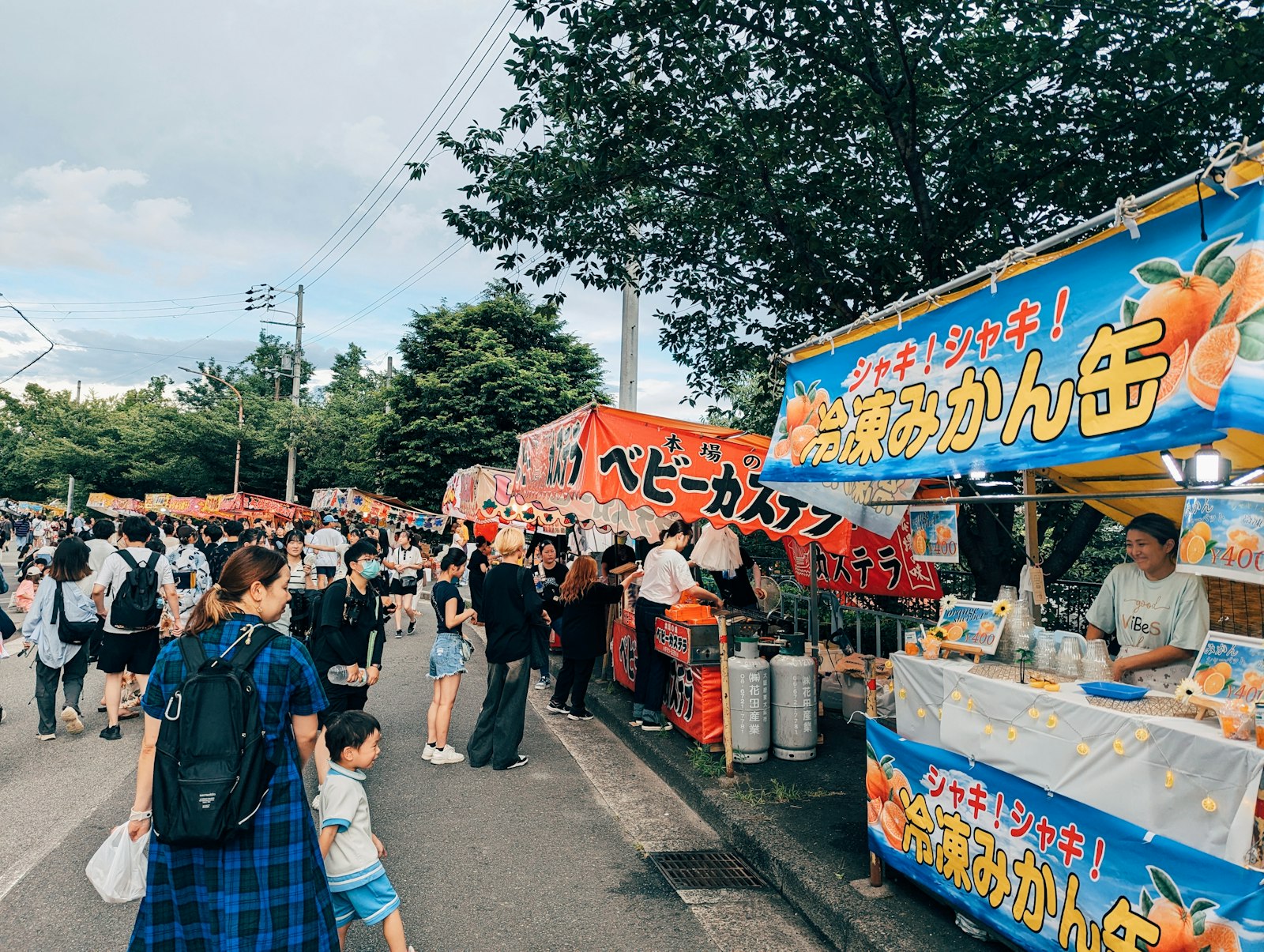
Osaka eating runs on two registers. There is the bright, handheld street food of Dotonbori and the covered shopping arcades, and there are the quiet, tucked-away counters and tiny restaurants down the side streets and in districts like Shinsekai and Kitashinchi. The best trips do both — graze the stalls for the famous snacks, then seek out a small counter where a single cook does one thing brilliantly. The contrast is the full Osaka experience.
Expert Tip
Do not try to eat Dotonbori in one sitting. The famous dishes — takoyaki, okonomiyaki, kushikatsu — are each substantial, and the rookie mistake is to over-order at the first stall and run out of stomach before the third. Buy small, share between your group, and pace yourself down the street over an evening or across two visits. Osaka rewards grazing widely over eating heavily in one spot.
The Dotonbori Classics
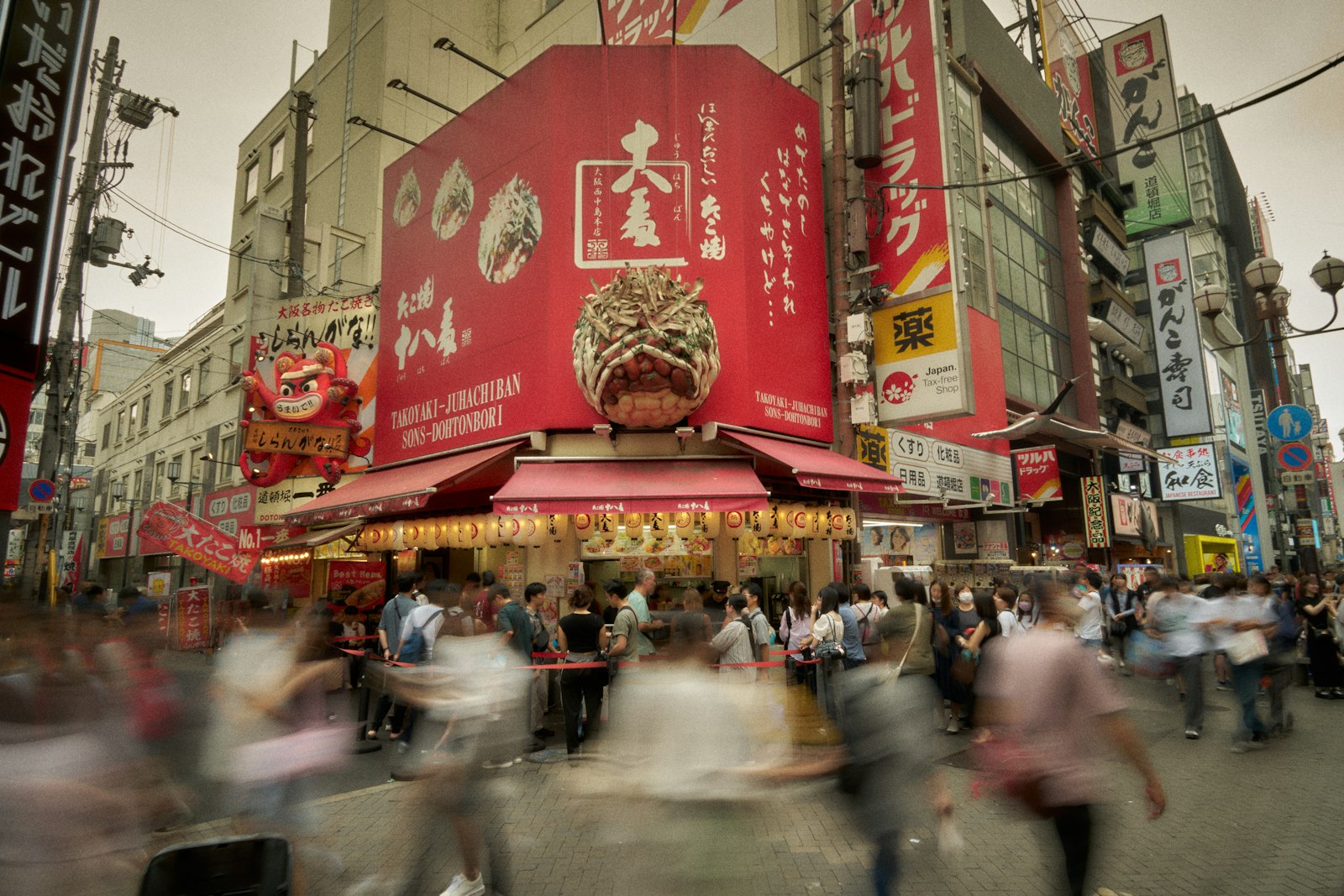
A handful of dishes define Osaka street food, and you will see them everywhere in Dotonbori. These are the non-negotiables.
Takoyaki
Takoyaki — molten balls of savoury batter with a chunk of octopus inside — is the signature Osaka snack, invented here and best eaten here. Cooked in special dimpled iron pans and flipped with picks into crisp-outside, gooey-inside spheres, they come brushed with a sweet-savoury sauce, mayonnaise, dried bonito flakes, and seaweed, though some stalls offer a simpler salt or dashi version. They arrive scaldingly hot — let them cool a moment or you will burn your mouth on the first one. Everybody does anyway.
Okonomiyaki
Okonomiyaki is the Osaka-style savoury pancake: a thick batter packed with shredded cabbage and your choice of pork, shrimp, squid, cheese, or all of it, griddled and finished with sauce, mayo, bonito, and seaweed. The name means “grilled as you like it.” Many places cook it in front of you on a teppan griddle set into the table, and some let you cook your own. It is filling, savoury, and the comfort-food heart of Osaka eating.
Kushikatsu
Kushikatsu — skewers of meat, seafood, and vegetables breaded and deep-fried golden — is Osaka’s great drinking food, especially in the Shinsekai district. Each skewer is dipped into a communal vat of thin sauce at your table, which leads to the one rule every visitor must know: no double dipping. You dip once, before you bite; once you have bitten, the skewer does not go back in the shared sauce. Use the provided cabbage to scoop more sauce if you need it. Break this rule and you mark yourself instantly.
Kani-man and Other Handhelds
Beyond the big three, look for the smaller specialities, like kani-man — steamed buns filled with rich crab meat — sold hot from takeaway windows, a warming, less famous bite that locals love. The arcades and side streets hide many such handhelds: grilled seafood, butaman pork buns, and seasonal specialities. Part of Osaka’s pleasure is wandering off the main canal and finding the steamy little window everyone is queuing at.
Noodles and Hot Pots
Osaka is not only street snacks. The city has its own noodle traditions and some celebrated hot-pot specialities worth sitting down for.
Kitsune Udon
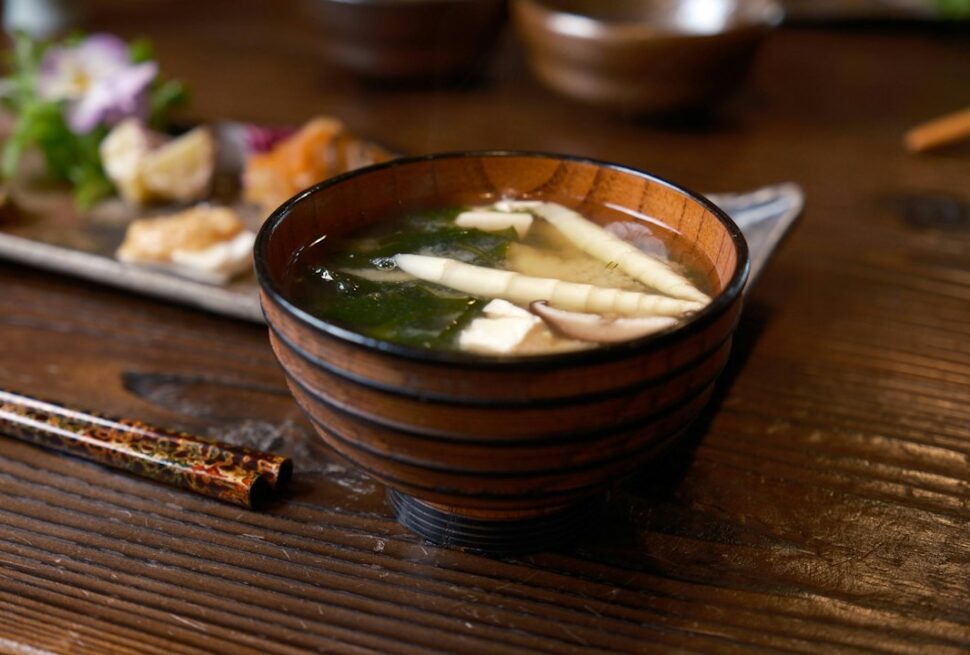
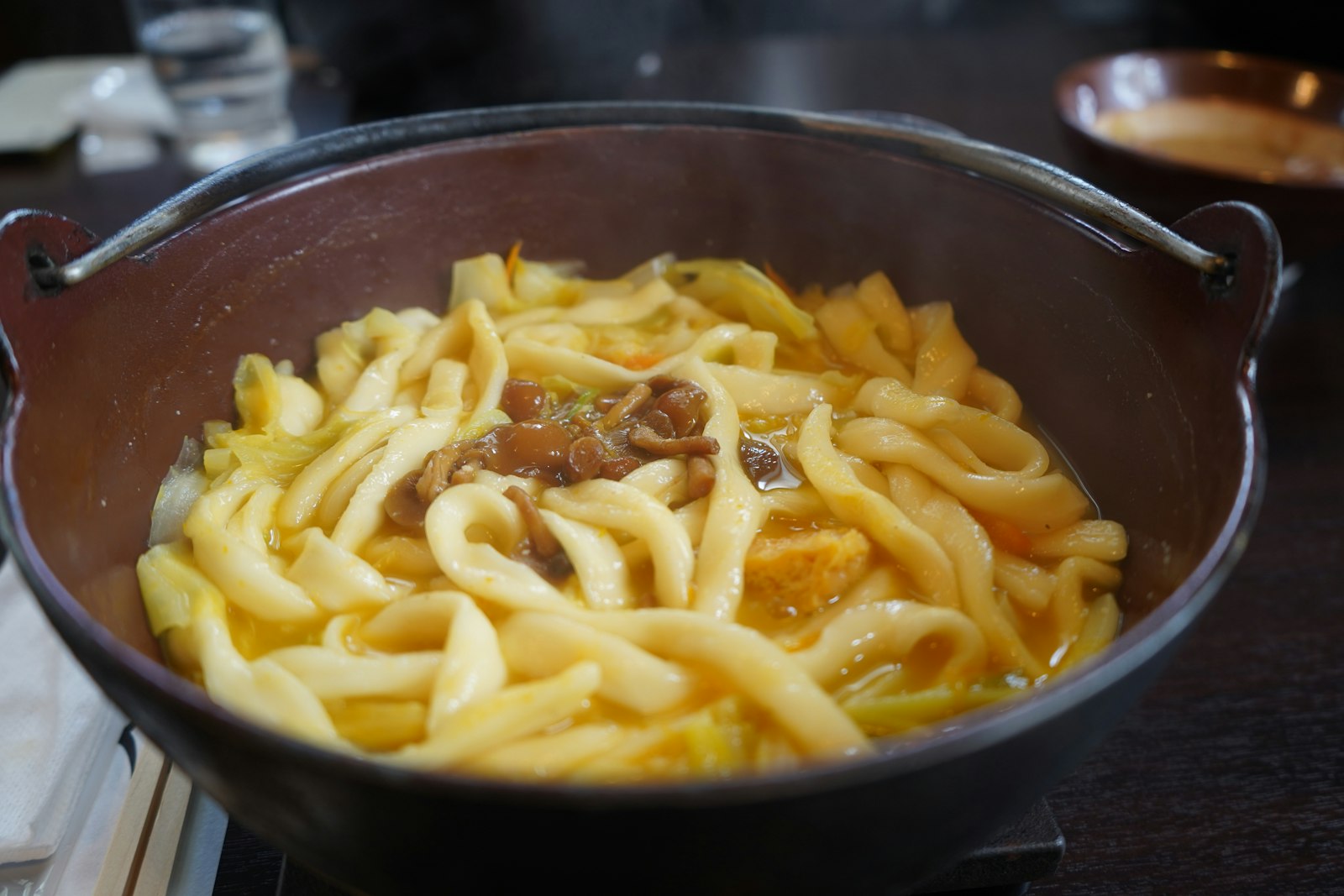
Kitsune udon is an Osaka classic and a window into the region’s gentler side: thick, soft udon noodles in a clear, refined dashi broth, topped with a piece of sweet, deep-fried tofu (aburaage) that gives the dish its name. The Kansai-style broth is lighter and more delicate than the darker soy-heavy soups of eastern Japan, and a good bowl is a quiet, soulful counterpoint to all the fried street food. It is also cheap, warming, and found everywhere.
Osaka Ramen
While not as internationally famous as the ramen of other cities, Osaka has its own hearty bowls, from rich pork-bone tonkotsu to savoury soy-sauce variations, often served in no-frills shops aimed at locals rather than tourists. For a late-night, stomach-lining meal after a session of kushikatsu and beer, a bowl of Osaka ramen does the job perfectly. Seek out the busy, unpretentious shops down the side streets rather than the polished tourist-facing ones.
Fugu: Tecchiri and Tessa
Osaka is Japan’s great fugu — blowfish — city, and eating it here is safe, legal, and a genuine local speciality. It comes two main ways: tessa, wafer-thin sashimi arranged like petals on a plate, and tecchiri, a hot pot of fugu simmered with vegetables at your table. The fish is mild and delicate, and the experience is as much about the ritual and the reputation as the flavour. Eaten at a licensed, specialist restaurant, it is one of Osaka’s most distinctive sit-down meals.
Osaka’s Fine Dining
For all its street-food fame, Osaka is also a serious fine-dining city, with a deep bench of high-end restaurants for travelers who want one special meal among the snacks.
Kaiseki
Kaiseki — the traditional multi-course meal that is Japanese haute cuisine — is practised at a high level in Osaka, presenting seasonal ingredients across a sequence of small, precise, beautiful courses, often including charcoal-grilled fish and dishes served on fine ceramics. It is the formal, refined opposite of a takoyaki stall, and experiencing both in the same trip shows the full range of the city’s food culture. Reserve well ahead and expect a significant cost for the experience.
Sushi Counters
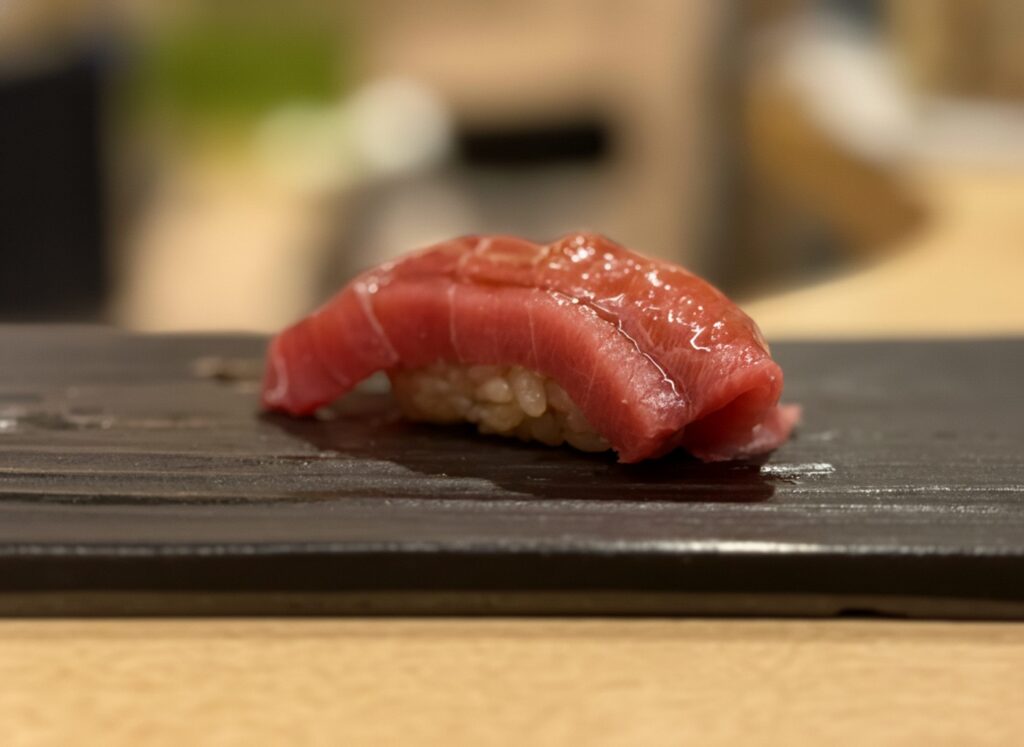
Osaka has excellent sushi, including intimate counters where a master chef serves you piece by piece across the bar — the close, quiet, one-on-one dining that represents sushi at its peak. These small counters book out, sometimes far in advance, and the best are not the ones with the biggest signs. A seat at a serious sushi counter is one of the finest meals you can have in the city, and a deliberate contrast to the street.
The Kitashinchi District
For high-end dining concentrated in one area, Kitashinchi is Osaka’s premier upscale restaurant and nightlife district, home to refined tempura, exclusive counters, and sommelier-curated pairings. It is where Osaka does grown-up, expensive, excellent food, away from the neon of Dotonbori. If you want one memorable splurge in elegant surroundings, this is the district to look, and reservations are essential at the best addresses.
Practical Tips for Eating in Osaka
A few practical habits keep your Osaka eating smooth, whether you are grazing stalls or booking a counter.
Carry Cash
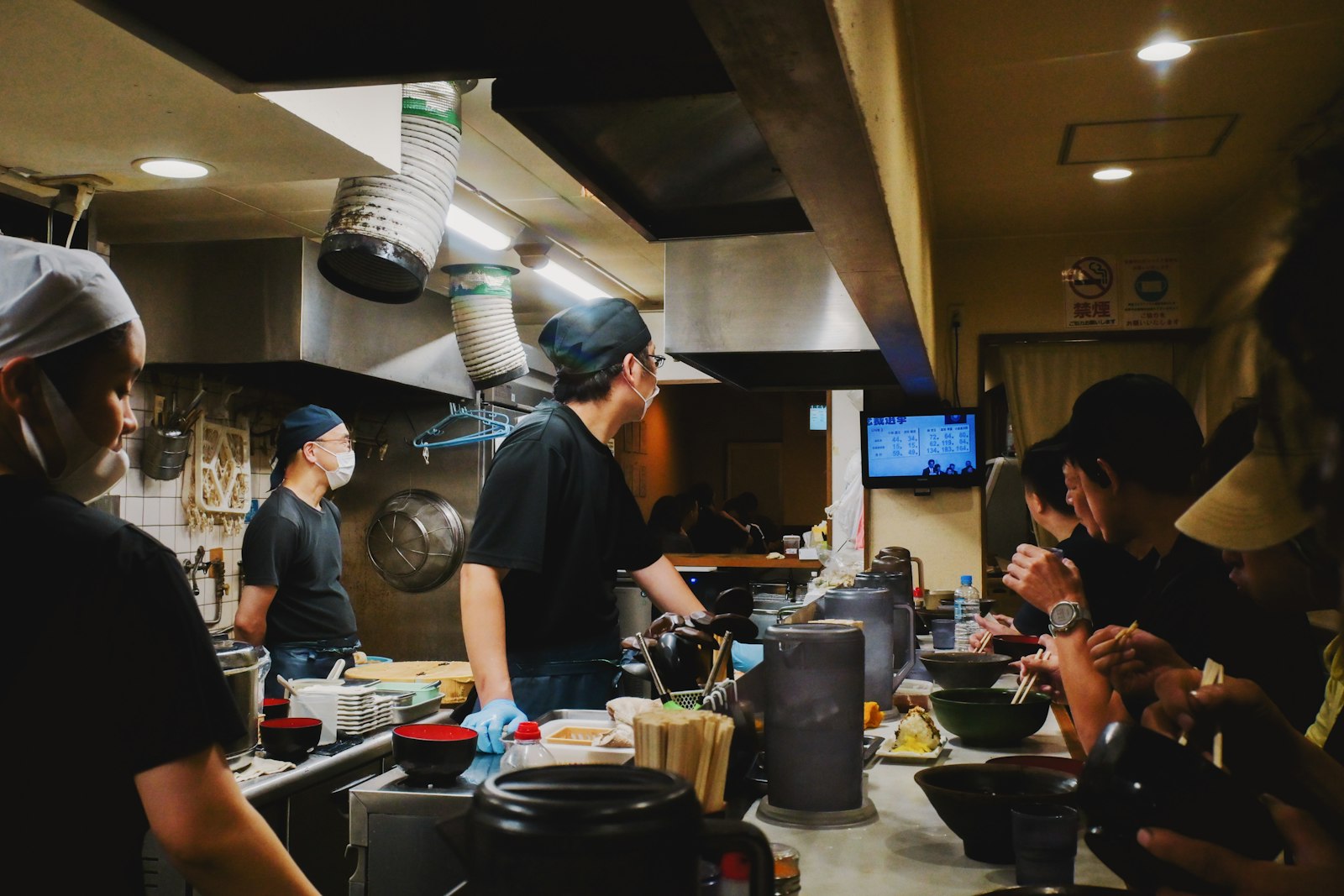
Electronic payment is growing fast, but many small street stalls and older shops still run on cash, and quick transactions go fastest with 100-yen coins and 1,000-yen notes. Carry a few thousand yen in small denominations so you never hold up a takoyaki queue fumbling for change. Larger restaurants and the fine-dining venues take cards, but the street is still a cash world more often than not.
Mind the Eating Etiquette
As across Japan, eating while walking through dense crowds is discouraged, and Dotonbori has grown crowded enough that the courteous move is to eat at or beside the stall you bought from rather than strolling with a dripping skewer. Many stalls provide a small standing space and a bin for their packaging. Eat your takoyaki where you bought it, bin the tray, and move on — it keeps the famous street pleasant for everyone.
Book the Serious Meals Ahead
The street food needs no reservation, but the high-end sushi counters, kaiseki restaurants, and the best fugu and Kitashinchi addresses do — sometimes well in advance, as the small ones fill fast. If a special meal is part of your Osaka plan, book it before you arrive rather than hoping to walk in. Leaving the splurge to chance is the one reliable way to miss it.
Osaka Food: Common Questions
What’s the difference between Osaka and Hiroshima okonomiyaki? The two regional styles are genuinely different. Osaka-style mixes all the ingredients — batter, cabbage, and fillings — together before griddling, producing a thick, uniform pancake. Hiroshima-style layers the ingredients instead, building up batter, a large mound of cabbage, fillings, and a portion of fried noodles in distinct strata, for a taller, noodle-heavy result. Osakans and Hiroshimans each defend their own with some passion; trying both, if your trip allows, is the only fair way to judge.
Are there vegetarian or vegan options in Dotonbori? It takes some care. Much of Osaka’s street food contains meat, seafood, or fish-based ingredients — even seemingly simple items use bonito flakes or dashi stock. Vegetarians can find vegetable kushikatsu, some okonomiyaki made without meat or fish toppings if requested, and dishes at dedicated vegetarian and vegan restaurants that have grown in number. Strict vegans should ask specifically about dashi and bonito, and seek out the specialist spots rather than relying on the general stalls.
How much should I budget for a day of street food? Street food in Osaka is very affordable, which is part of its joy. Individual snacks like takoyaki, a skewer of kushikatsu, or a kani-man typically run from a few hundred yen each, so a full day of grazing across many stalls can be done comfortably on a modest budget — a few thousand yen will feed you well. The cost only climbs if you add a fine-dining meal, which is a separate, larger budget entirely.
Related Tours


Conclusion
Osaka is the easiest city in Japan to eat brilliantly, and the hardest to eat moderately. Graze the Dotonbori classics — takoyaki, okonomiyaki, kushikatsu — in small portions across an evening, balance them with a quiet bowl of kitsune udon or a fugu hot pot, and if you have the appetite and budget, book one serious counter for contrast. Carry cash, mind the no-walking-and-eating courtesy, and pace yourself.
Plan Your Japan Trip with Local Experts
Our team has guided 40,000+ travelers across Japan. Tell us about your trip and we’ll get back to you within 24 hours.