In this article:
- Geiko, Maiko, and What the Words Mean
- Kyoto’s Five Geisha Districts
- How to See Authentic Geiko and Maiko
- The Etiquette That Now Carries Fines
- Geisha in Kyoto: Common Questions
Geiko, Maiko, and What the Words Mean
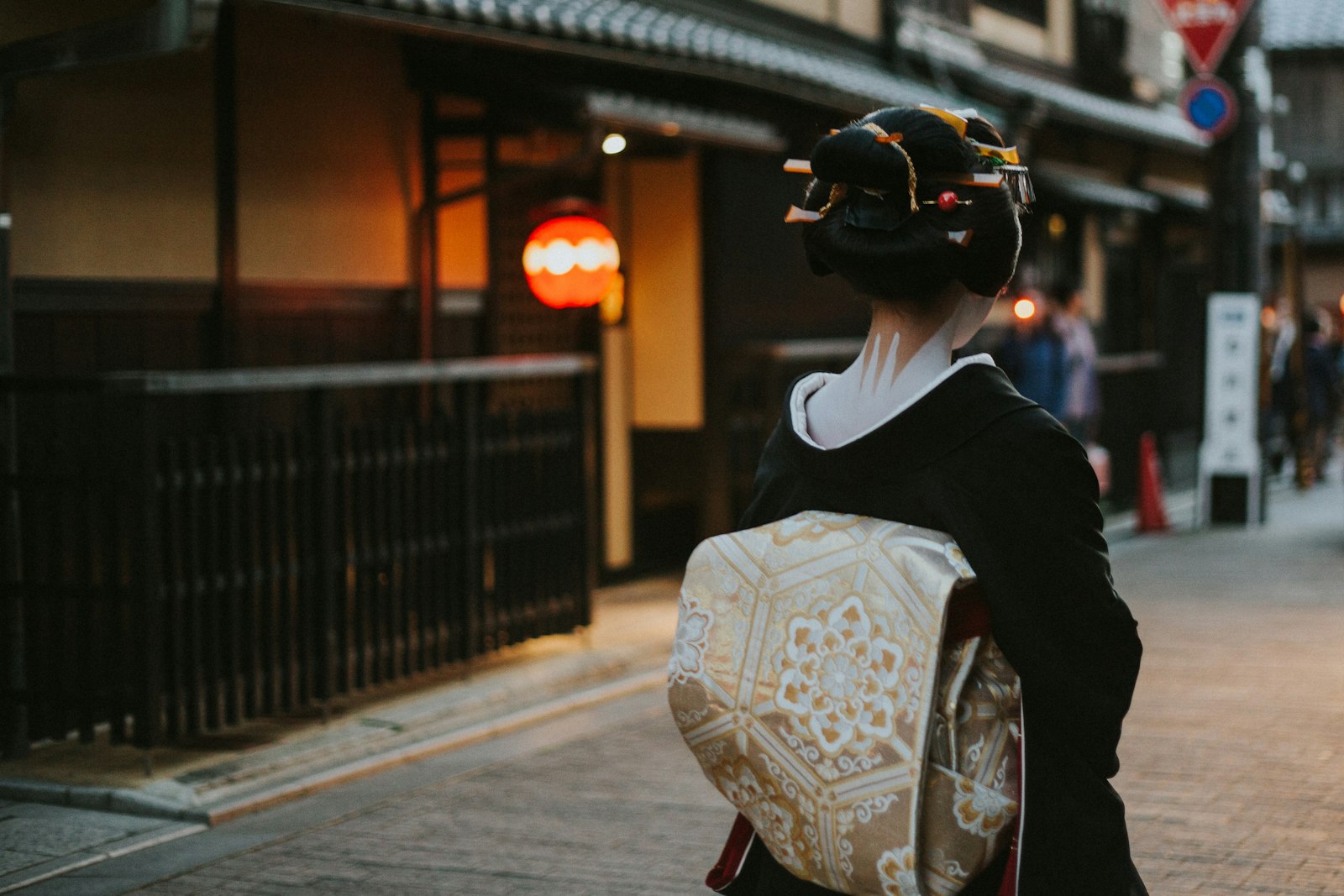
Start with the vocabulary, because in Kyoto the word “geisha” is not the one locals use. These are highly trained professional artists — dancers, musicians, and conversationalists — who have devoted years to mastering classical Japanese arts. They are not, and never were, what Western pop culture has often implied. Understanding what they actually are is the first act of respect a visitor can offer.
The romance and mystery around them is real, but it sits on top of something concrete: a demanding profession, a rigorous training system, and a small, closed world that survives in just a few neighbourhoods of one city. Knowing how it works makes any encounter far more meaningful.
Why “Geiko” and “Maiko”
In Kyoto, a fully fledged geisha is called a geiko — literally “woman of art.” Her teenage apprentice is a maiko, “dancing girl.” The general term “geisha” is used more in Tokyo and elsewhere; in Kyoto, geiko and maiko are the correct words, and using them signals that you understand the local tradition. The maiko is the apprentice; the geiko is the accomplished professional she is training to become.
How to Tell Them Apart
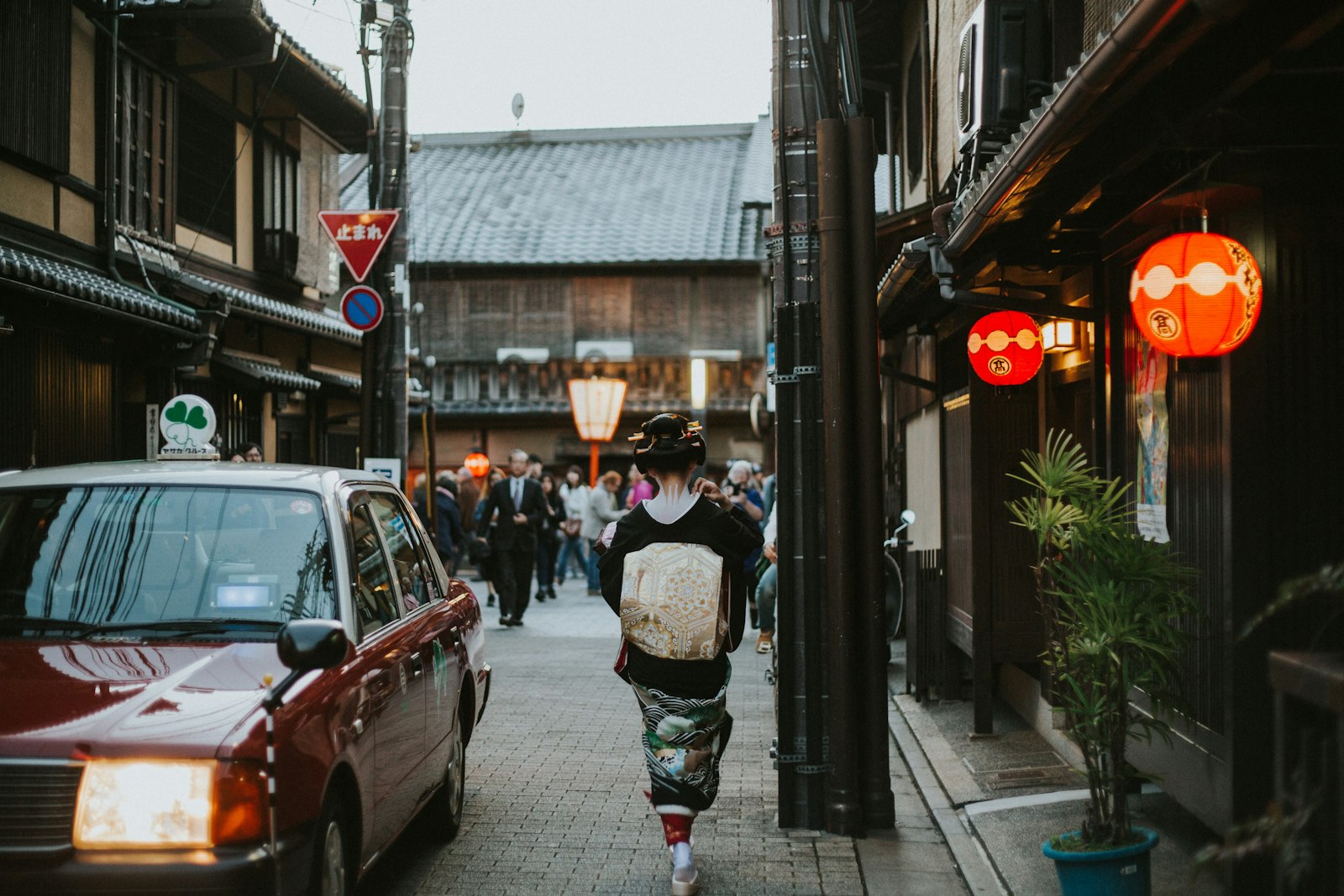
The visual differences are precise once you know them. A maiko, being younger and an apprentice, wears the more elaborate version of everything: long, trailing kimono sleeves, a long hanging obi sash, taller okobo clogs, and her own hair styled with seasonal ornaments. A geiko dresses more soberly — shorter sleeves, a tied-up obi, a wig rather than her own styled hair, and restrained ornamentation. In short, the more spectacular and youthful the look, the more likely you are seeing a maiko.
The Makeup and the Clogs
The white face paint, red-accented eyes, and painted lips are most heavily applied on maiko, often with a deliberate strip of bare skin left at the nape of the neck. The tall wooden okobo clogs a maiko wears produce her distinctive careful, swaying walk. These elements are not costume in the casual sense; each carries meaning within the tradition and marks rank and stage of training, which is part of why casual tourist “dress-up” versions sit so awkwardly beside the real thing.
The Path to Becoming a Geiko
Behind the image is years of work. A girl typically begins as a shikomi, a live-in trainee, doing household duties while studying, before debuting as a maiko in her teens and training intensively in dance, music, tea, conversation, and etiquette for several years before graduating to geiko. It is a full-time vocation entered young, governed by a strict house system. Seeing one on the street is seeing a professional in the middle of a demanding career, not a performer on a break.
Expert Tip
The surest sign you are looking at a genuine maiko rather than a costumed tourist is the time of day and the manner. Real maiko and geiko are professionals heading to or from appointments, usually in the early evening, walking briskly and purposefully, often accompanied. The elaborately dressed figures posing for photos in Gion in the middle of the day are almost always tourists who have paid for a maiko-style makeover. The real thing is moving with somewhere to be.
Kyoto’s Five Geisha Districts
The geiko world survives in five historic districts of Kyoto, collectively the gokagai — the “five flower towns.” Each has its own character, and knowing them helps you understand where you are and what you are seeing.
Gion Kobu and Gion Higashi
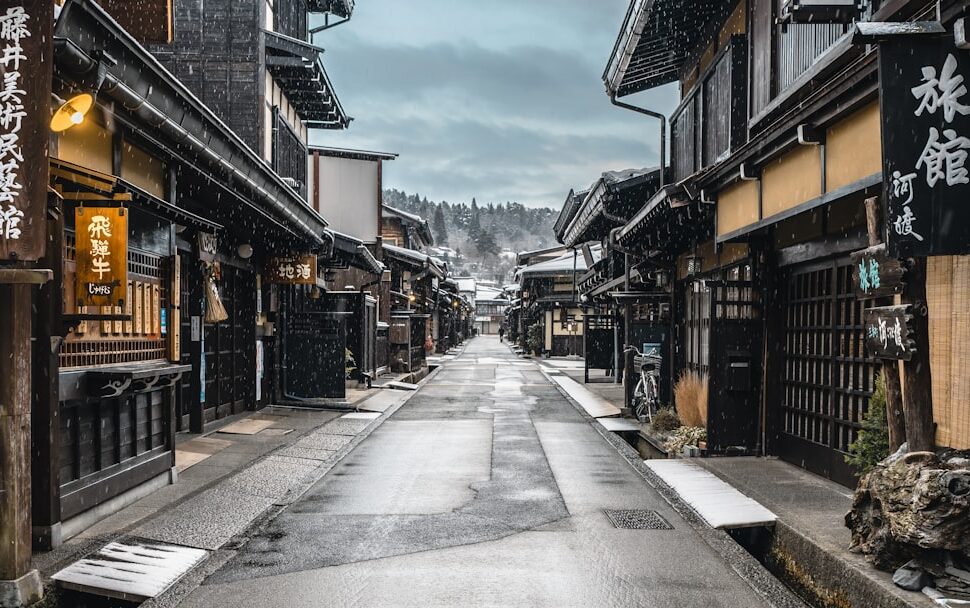
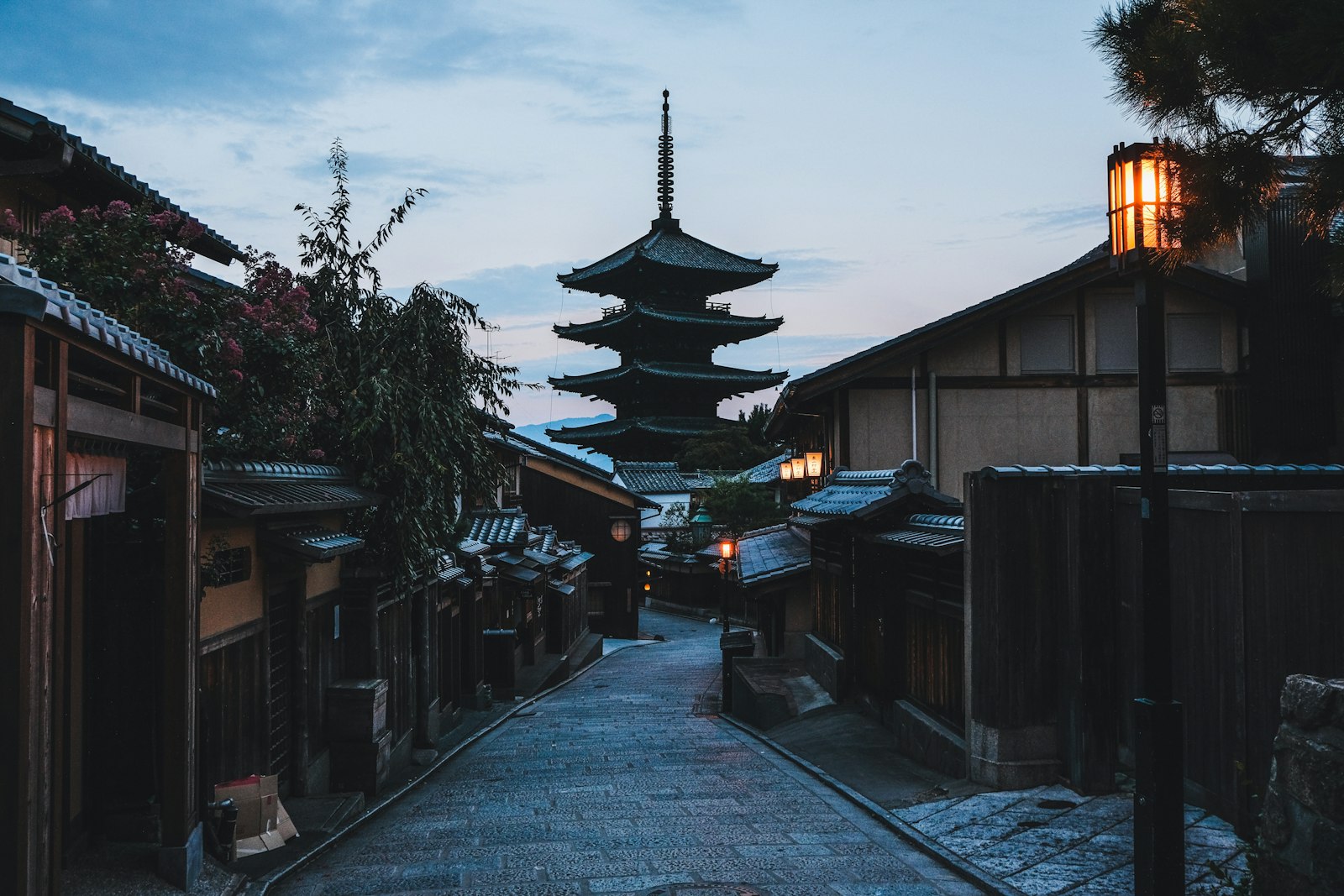
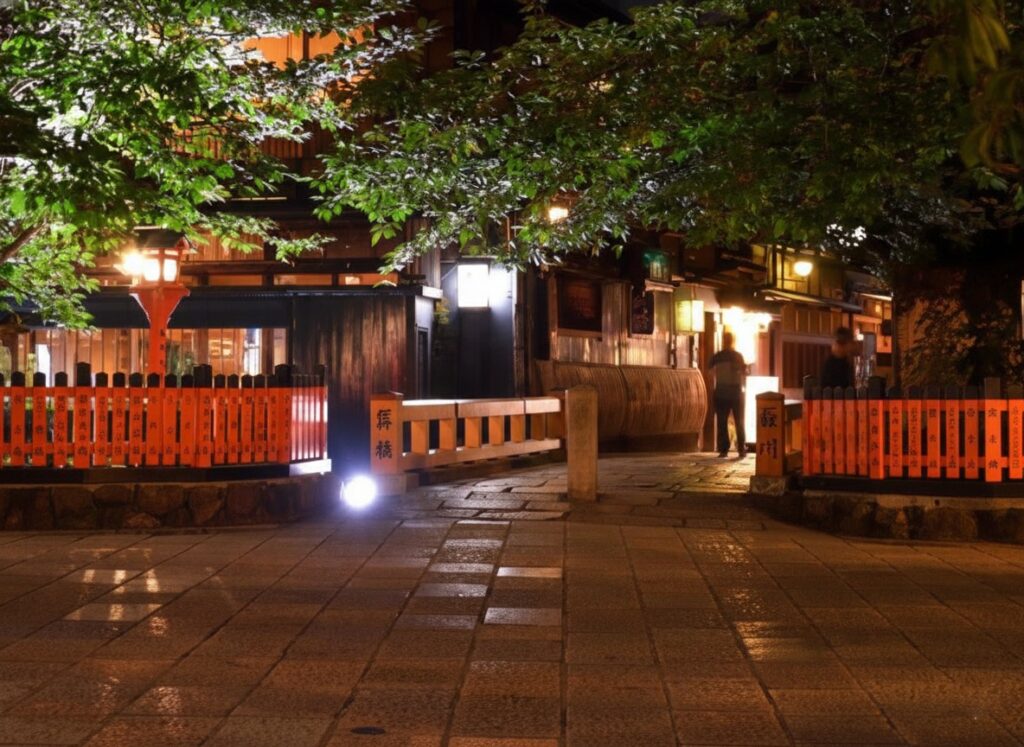
Gion, near Yasaka Shrine, is the most famous geisha quarter in Japan, and it is divided into two districts: Gion Kobu, the largest and most prestigious, and the smaller Gion Higashi. This is the area most visitors picture — wooden teahouses, lantern-lit lanes, the celebrated Hanamikoji street. It is also where the etiquette problems are most acute, because its fame draws the heaviest crowds. Walk it with particular care.
Pontocho
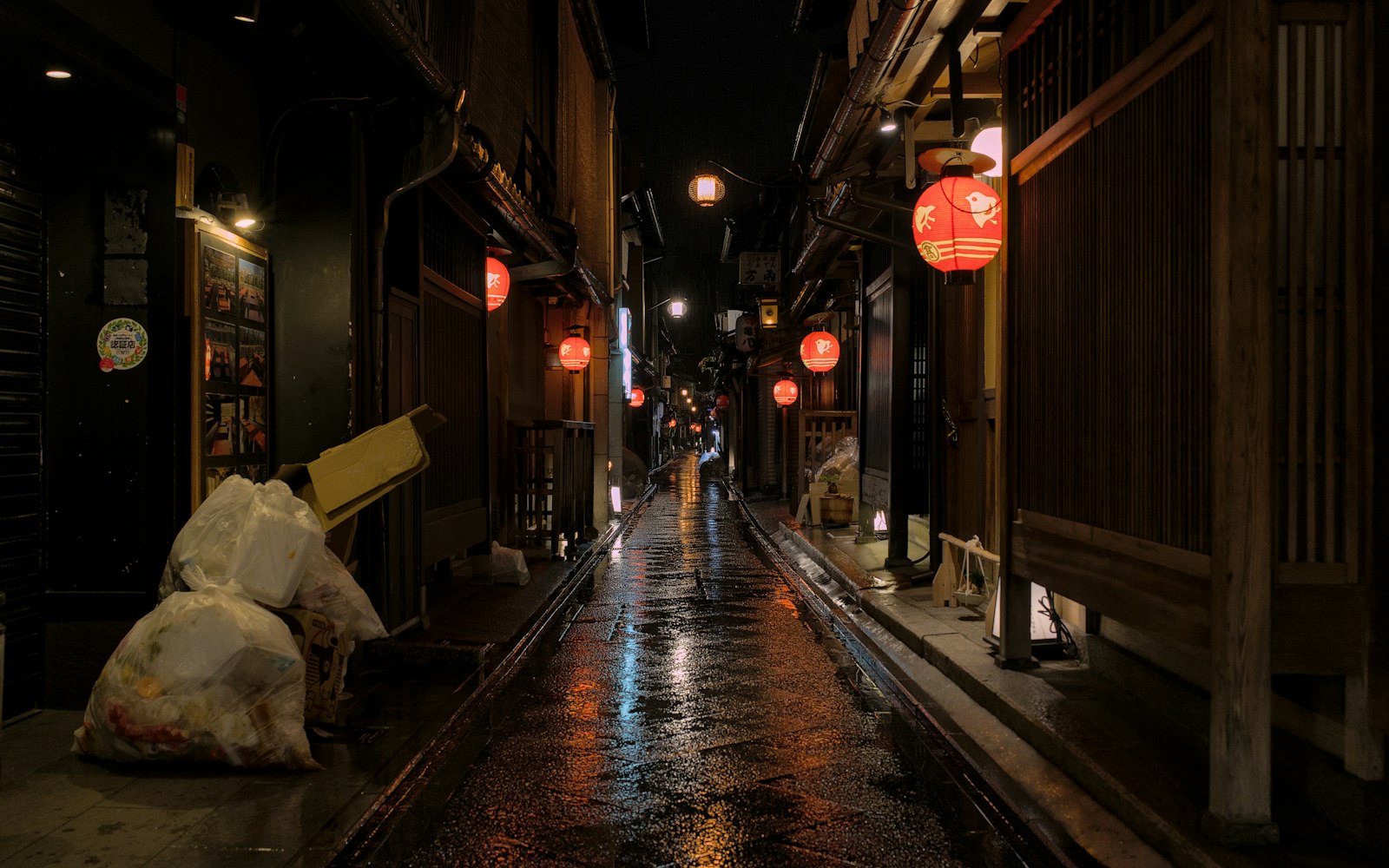
Pontocho is a single narrow, atmospheric alley running parallel to the Kamogawa river, packed with traditional teahouses and restaurants and strung with lanterns. In summer, the restaurants along its river side open elevated platforms over the water. It is one of the most evocative lanes in Kyoto to walk in the evening, and a working geisha district, so the same respect applies — it is not a film set but a place of business and homes.
Miyagawacho and Kamishichiken
The remaining districts see fewer tourists. Miyagawacho lies near the Kamogawa, south of Gion, and retains a quieter, more lived-in feel. Kamishichiken, near Kitano Tenmangu shrine in the northwest, is the oldest of the five districts and the most tranquil, with a strong connection to the tea ceremony. For travelers who want the atmosphere without the Gion crowds, these two are the more rewarding places to wander respectfully.
How to See Authentic Geiko and Maiko
The good news is that you can see real geiko and maiko perform, legitimately and without intruding — but the casual “spot one on the street” approach is both unreliable and, increasingly, unwelcome. Here are the proper routes.
Why You Can’t Just Walk Into a Teahouse
The traditional venue, the ochaya teahouse, operates on a system called ichigensan okotowari — “no first-time guests.” You cannot simply book a table; entry requires an introduction from an established, trusted patron, and bills are settled later through that relationship of trust. This closed system protects the geiko and the houses, and it means the authentic teahouse banquet is not directly accessible to a passing tourist. The routes below exist precisely to give visitors legitimate access without breaking that system.
Gion Corner
The easiest and most affordable option is Gion Corner, a theatre that stages short, accessible performances of traditional arts for the public, typically including maiko dance alongside other classical forms. It is designed for visitors, requires no introduction, and is an honest, low-cost way to watch genuine maiko dance in a respectful setting. For many travelers it is the right answer — you see real performance without intruding on anyone’s working life.
The Annual Odori Dances
At certain times of year, Kyoto’s geisha districts stage public dance performances — the odori — that are the highlight of the geiko calendar. The Miyako Odori of Gion Kobu and the Kamogawa Odori of Pontocho, among others, present full-scale seasonal productions with many geiko and maiko on stage. Tickets are sold to the public and bookable in advance. If your trip aligns with one of these seasons, it is the finest way to see the art at full scale.
Premium Experiences
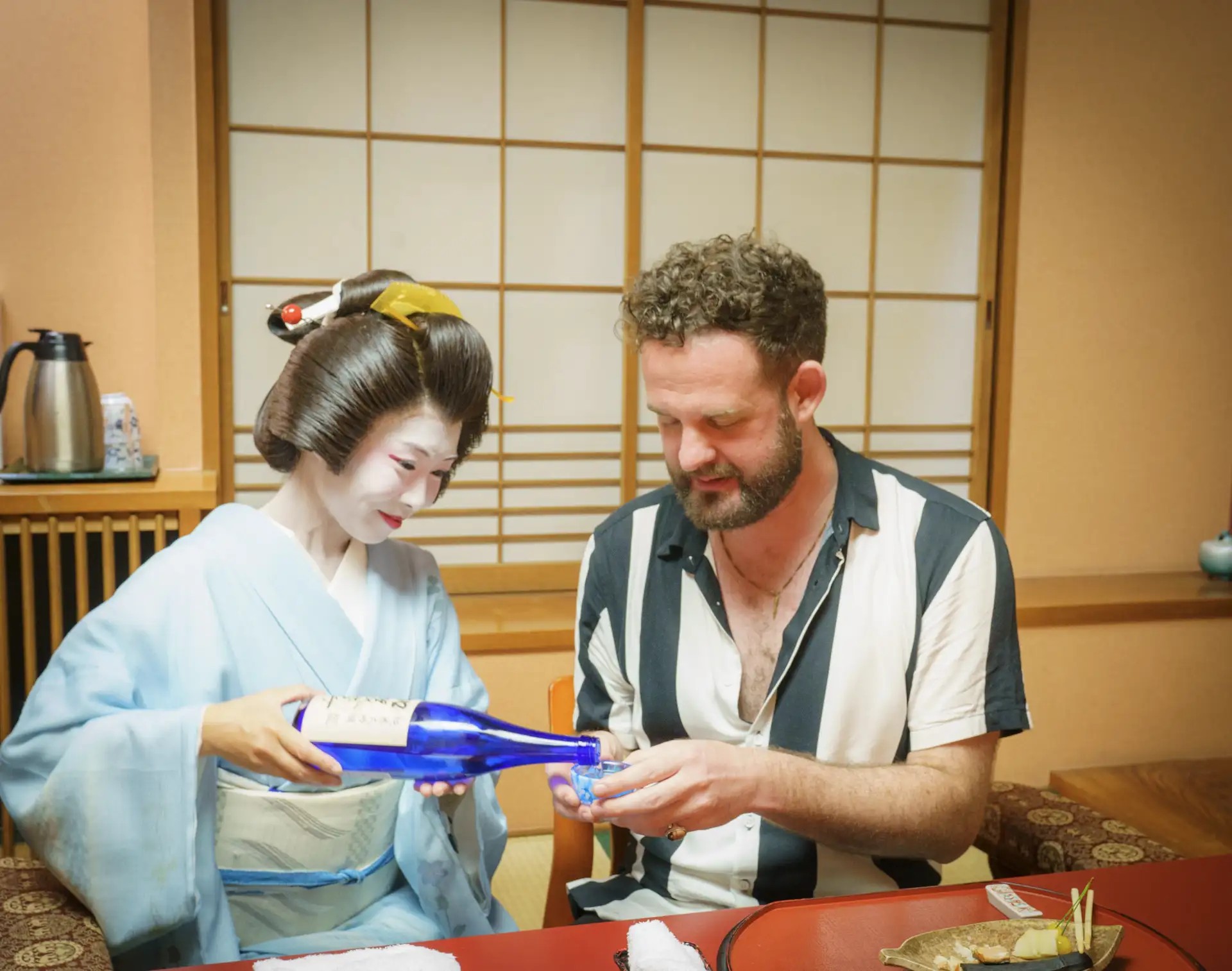
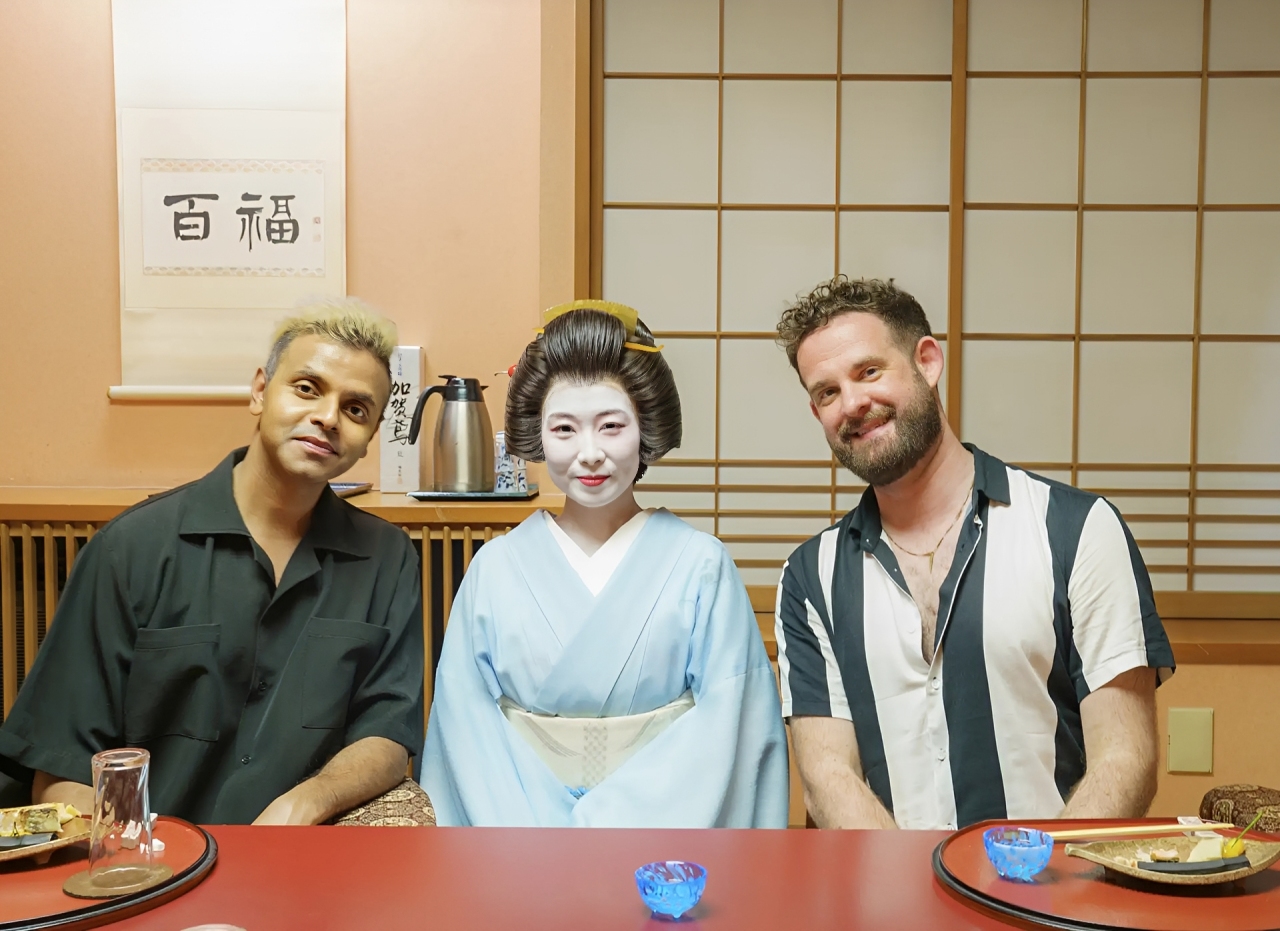
Between the theatre and the closed teahouse sit curated experiences: tours, dinners, and arranged gatherings — including ozashiki asobi, the traditional banquet games — booked through agencies or hotels that have the necessary introductions and relationships. These cost considerably more, but they offer genuine, close interaction with a maiko or geiko in an appropriate setting. For travelers who want the real banquet experience, this is the legitimate door into it.
The Etiquette That Now Carries Fines
This is the part that has changed most, and that visitors most need to know. Years of tourist misbehaviour led Kyoto’s geisha districts to impose real restrictions, and ignorance is no longer much of an excuse. Treat the following as firm rules, not suggestions.
The Photography Ban in Gion
Photography is now banned on certain private streets and alleys within Gion, with fines for breaking the rule. The restriction came after geiko and maiko were repeatedly chased, surrounded, and harassed by people seeking photos. On the private lanes, do not photograph at all; respect the posted signs. The mistake of treating these streets as a free photo set can now cost you money as well as goodwill, and it is entirely avoidable.
Look, Don’t Touch
If you do encounter a geiko or maiko, never touch her, her kimono, or her hair, never block her path, and never follow her. She is a professional on her way to work in an elaborate, delicate outfit that took a long time to assemble. Step aside, let her pass, and if you take a permitted photo from a distance, do it without impeding her. The single rule is to treat her exactly as you would any professional going about her job — because that is what she is.
Spotting the Tourist Lookalikes
Much of the friction comes from confusion, so it helps to know: most of the “maiko” seen posing in Gion during the daytime are tourists who have paid for a maiko-style makeover and kimono rental. There is nothing wrong with this, and they are happy to be photographed. But it means the crowds chasing photos are often chasing other tourists, while disturbing the genuine professionals who pass quietly in the evening. Knowing the difference lets you behave correctly toward both.
Geisha in Kyoto: Common Questions
Is it actually illegal to take photos on the main public streets in Gion? The restrictions apply to specific private streets and alleys in Gion, where photography is prohibited and fines can be imposed — not to every street in the district. Major public thoroughfares are treated differently from the private lanes owned and managed by the local community. Watch for the signs, which mark where the bans apply, and when in doubt, do not photograph. The simplest safe rule in Gion is to put the camera away unless you are certain it is permitted where you stand.
How much does a private dinner with a geiko or maiko cost? A genuine arranged banquet with geiko and maiko is expensive, reflecting their skill and the hours involved — typically running to a substantial sum once you include the entertainers, the venue, and the meal, often into the hundreds of dollars per person and well beyond at a traditional ochaya. Curated tourist-accessible versions vary widely in price and format. It is a significant splurge, not a casual outing, so book through a reputable agency and understand the cost before committing.
Are solo and female travelers welcome at these experiences? Yes. Public options like Gion Corner and the seasonal odori dances are open to everyone, including solo and female travelers, and curated maiko experiences and dinners welcome women and solo guests without issue. The geiko world is, after all, a profession practised by women and historically patronised by a wide range of guests. There is no barrier to attending alone or as a woman; book the experience that suits you.
Related Tours
Conclusion
Seeing Kyoto’s geiko and maiko well comes down to a shift in mindset: from hunting a photo to witnessing an art. Use the legitimate doors — Gion Corner, the seasonal odori, a properly arranged experience — rather than stalking the streets, learn the difference between a working professional and a costumed tourist, and obey the photography rules that now carry fines in Gion.
Plan Your Japan Trip with Local Experts
Our team has guided 40,000+ travelers across Japan. Tell us about your trip and we’ll get back to you within 24 hours.