In this article:
- The KFC Phenomenon: Japan’s Holiday Ritual
- The Iconic Japanese Christmas Cake
- Festive Toasts and Market Bites
- December’s Romantic Dinner Culture
- Where to Experience the Festive Food
- Japanese Christmas Food: Frequently Asked Questions
The KFC Phenomenon: Japan’s Holiday Ritual
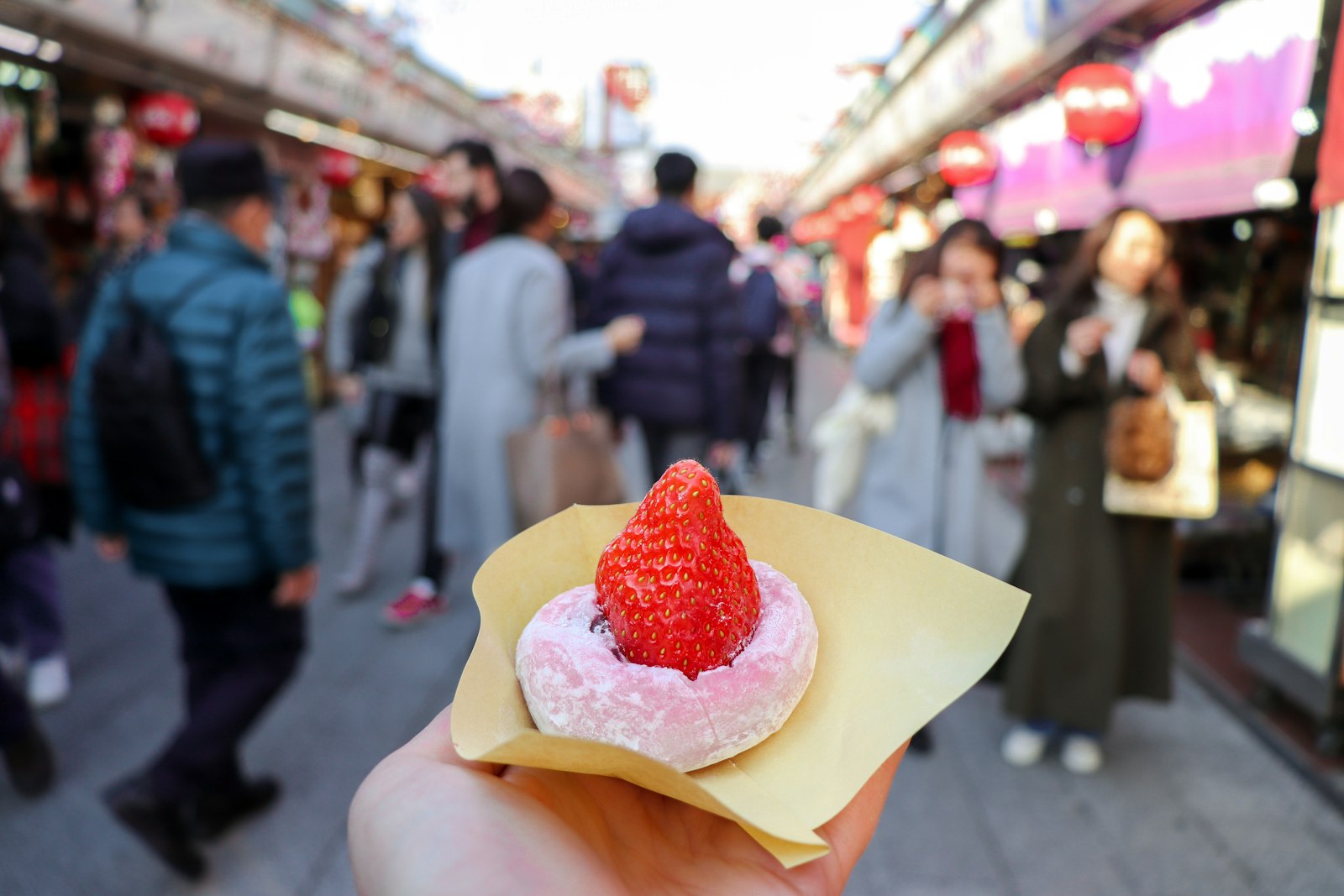
Ask anyone in Japan what you eat at Christmas and the answer, remarkably, is fried chicken — specifically KFC. Millions of families order buckets weeks in advance, queues stretch out the door on Christmas Eve, and the chain runs its single biggest sales day of the year. To a Western visitor it is baffling; to Japan it is simply what Christmas tastes like.
“Kentucky for Christmas”
The tradition traces to a 1970s marketing campaign, “Kurisumasu ni wa Kentakkii” — Kentucky for Christmas — that filled a vacuum: Japan had no turkey tradition and few Christmas foods of its own, and KFC positioned fried chicken as the festive centrepiece. It worked so completely that the association is now unshakeable, passed down as if it were ancient custom rather than a corporate campaign barely fifty years old. It is one of the most successful pieces of food marketing in history.
The Pre-Order Madness
Demand is so intense that KFC in Japan takes Christmas orders weeks ahead, offering special party barrels and roast-chicken sets, and locals reserve theirs to avoid the two-hour queues that form on the 24th. Walking in on Christmas Eve without a reservation can mean a long wait or an empty counter. If you want the full experience as a visitor, order ahead like everyone else.
The Iconic Japanese Christmas Cake
The other pillar of a Japanese Christmas is the cake — and not fruitcake or yule log, but a specific, beloved creation: a round sponge layered and topped with fresh whipped cream and bright red strawberries. It appears in every bakery and convenience store through December, and no Christmas Eve is complete without one.
A Symbol of Prosperity
The white-and-red Christmas cake became popular in the post-war decades as a small, affordable luxury — the clean white cream and vivid strawberries reading as festive, celebratory, and modern. The colours happen to echo the Japanese flag, and the cake came to symbolise prosperity and the good life during the country’s boom years. Today it is pure tradition, ordered ahead from favourite bakeries or grabbed from a konbini on the way home.
Seasonal Wagashi
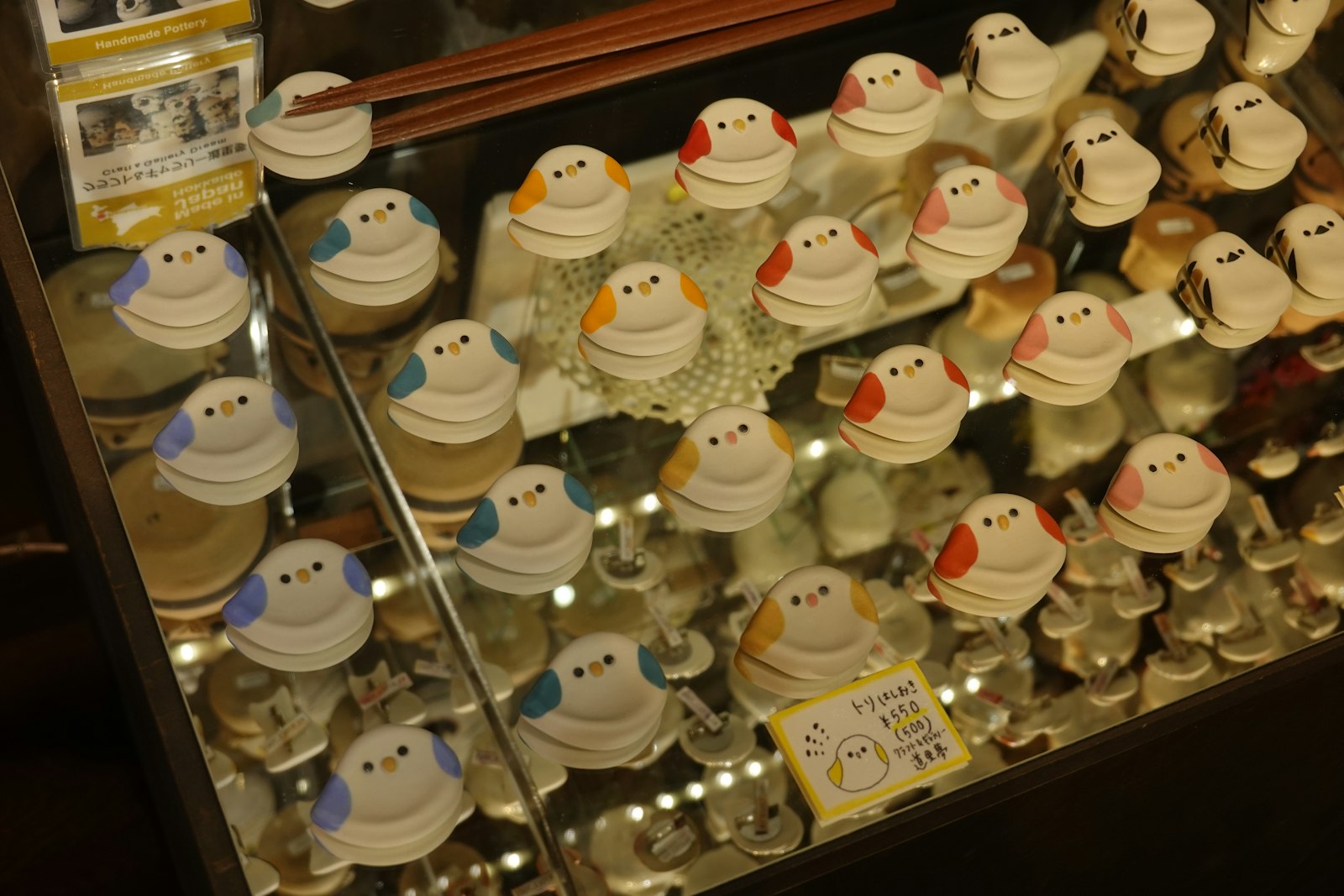
Alongside the Western-style cakes, traditional confectioners produce seasonal wagashi shaped for the holidays — delicate sweets moulded and coloured to suggest Santa, reindeer, or winter scenes. These are quieter, more artful, and a lovely thing to seek out if the cream cake feels too familiar. They make a distinctive edible souvenir of a Japanese December.
Festive Toasts and Market Bites
Beyond the chicken and the cake, a Japanese Christmas has its own festive drinks and, increasingly, European-style markets bringing new flavours to the season.
Chanmery Culture
For families with children, the celebratory drink is chanmery — a non-alcoholic, fruit-flavoured sparkling drink sold in champagne-style bottles, complete with a foil-wrapped cork to pop at the table. The name blends “champagne” and “merry,” and it lets the whole family join the festive toast. It is a small, charming detail of the Japanese holiday that most visitors never hear about.
German-Style Winter Markets
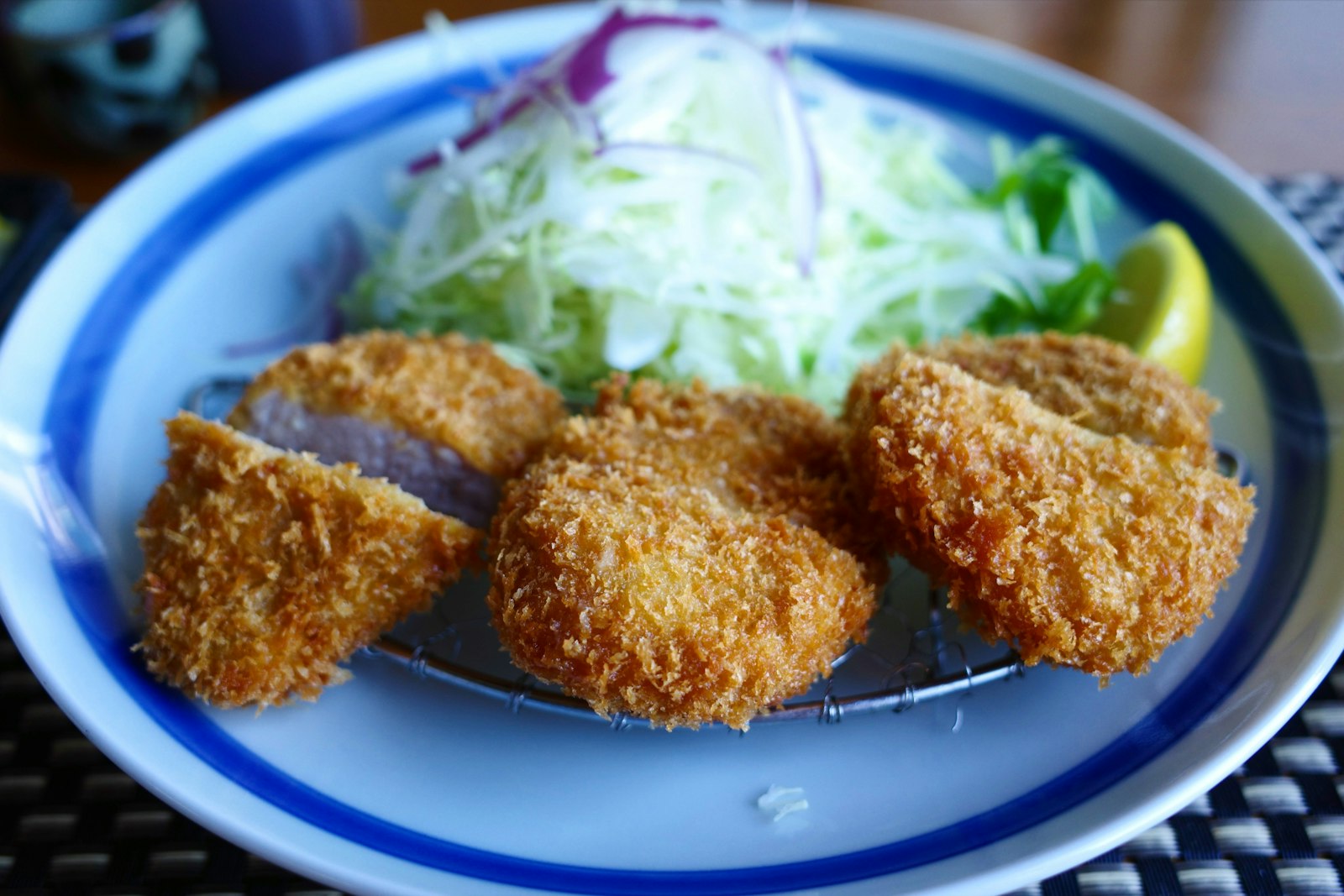
Over the past two decades, German-style Christmas markets have taken root in Tokyo, Osaka, and other cities, importing the wooden stalls, mulled wine (glühwein), stollen, and roasted nuts of a European Christmas. Set against the country’s elaborate winter illuminations, they have become popular evening outings. For a visitor, they are a warm, easy way to spend a December night, glass of hot wine in hand.
December’s Romantic Dinner Culture
The biggest surprise for Western visitors is what Christmas means socially in Japan. It is not primarily a family holiday but a romantic one — closer to Valentine’s Day than to a Western Christmas — and the food culture follows.
The Christmas Eve Date
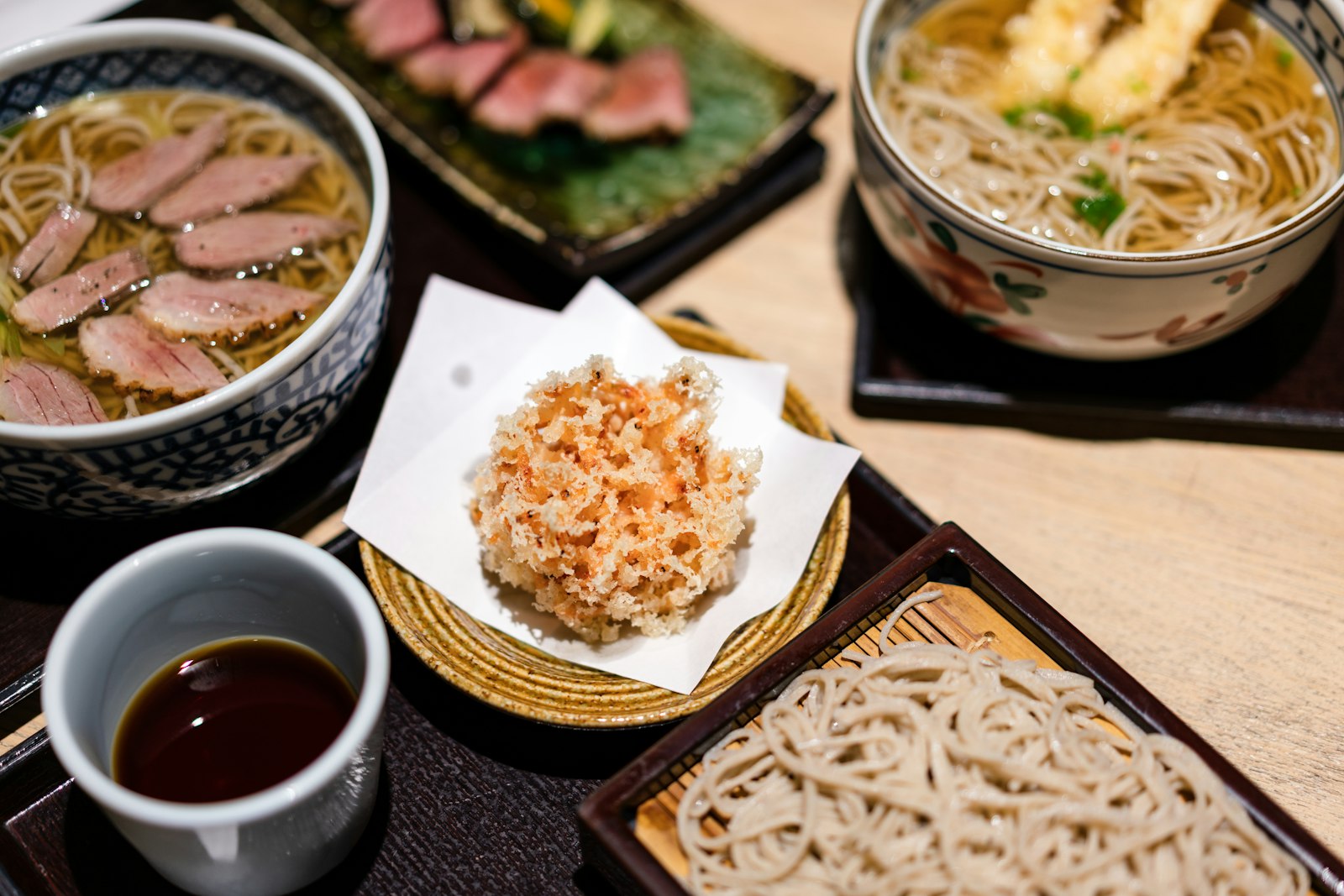
Christmas Eve in Japan is date night, when couples book dinner at upscale French and Italian restaurants months ahead and the best tables sell out completely. The evening is built around a romantic meal, illuminations, and time as a couple, rather than around family and gifts. For restaurants, it is one of the most lucrative nights of the year, and reservations are essential.
Why Christmas Is Romantic Here
Christianity is a small minority in Japan, so Christmas arrived without its religious or family meaning and was adopted as a secular, festive occasion — and marketing shaped it into a couples’ holiday. New Year, not Christmas, is the family gathering in Japan, the time for going home, eating osechi, and visiting shrines. Understanding this distinction explains why the food of Christmas here skews toward treats and restaurant dinners rather than a home-cooked family feast.
Where to Experience the Festive Food
For a visitor in Japan over the holidays, the festive food is easy to find if you know where to look — and two everyday places do it best.
Department Store Food Halls
The basement food halls of major department stores, the depachika, go all out for Christmas, with gorgeous holiday cakes, roast chickens, and gourmet party platters laid out in glittering displays. Even if you buy nothing, they are worth walking through for the spectacle. It is the single best place to see, and taste, the high end of Japanese Christmas food.
Convenience Store Surprises
At the other end, Japan’s convenience stores embrace the season with seasonal Christmas buns, mini strawberry cakes, and festive snacks sold right up to the 25th. They are cheap, genuinely good, and the most accessible way to try the traditions on the go. A konbini Christmas cake and a can of chanmery is a perfectly authentic Japanese holiday snack.
Expert Tip
If you are travelling in Japan over Christmas, plan the food ahead just as locals do. Order a KFC bucket or a bakery cake in advance if you want the classic experience, and book any special Christmas Eve dinner well before you arrive — the good restaurants fill up weeks out. And remember the calendar quirk: Christmas is an ordinary working day here, while New Year is the real holiday, so shops and trains run normally on the 25th but many businesses close for several days at New Year.
Related Tours
Japanese Christmas Food: Frequently Asked Questions (Q&A)
Can I just walk into a KFC on Christmas Eve without pre-ordering? You can try, but expect a long queue or to find the special sets sold out — Christmas Eve is KFC Japan’s busiest day by far, and locals reserve weeks ahead. If the KFC experience matters to you, place a pre-order through the chain when the Christmas menu opens, usually in November. Otherwise, be prepared to wait or to eat regular menu items rather than the festive barrel.
Is Christmas a public holiday in Japan? No. December 25th is an ordinary working and school day, and businesses, trains, and shops operate as normal. The festive atmosphere is real — illuminations, cakes, dates — but it sits on top of a regular day. The major winter holiday in Japan is New Year, when the country genuinely shuts down for several days.
Can solo travellers buy single portions of the strawberry Christmas cake? Yes. While the classic whole cake is sold for sharing, bakeries and especially convenience stores offer single-serving slices and mini versions throughout December, so a solo traveller can easily try one. The konbini mini-cakes are cheap, widely available, and a perfectly authentic taste of the tradition without committing to a whole cake.
Conclusion
Japanese Christmas food is a case study in how a culture borrows a holiday and remakes it entirely — no turkey, no religion, no family feast, but fried chicken booked weeks ahead, a strawberry shortcake on every table, and a romantic dinner for two. None of it is old, and all of it is now beloved tradition.
Plan Your Japan Trip with Local Experts
Our team has guided 40,000+ travelers across Japan. Tell us about your trip and we’ll get back to you within 24 hours.