In this article:
- Temple or Shrine? How to Tell the Difference
- Architectural Icons You Should Visit
- Temple Etiquette: Behaving Respectfully
- Collecting Goshuin and Omamori
- Temple Stays: Experiencing Monastic Life
- Visiting Japanese Temples: Frequently Asked Questions
Temple or Shrine? How to Tell the Difference
The first thing to understand is that Japan has two distinct religious traditions, and its sacred sites belong to one or the other. Buddhist temples and Shinto shrines look superficially similar to a newcomer, but a few clear markers let you identify either at a glance — and knowing which you are visiting shapes how you behave there.
Buddhist Temples (Tera)
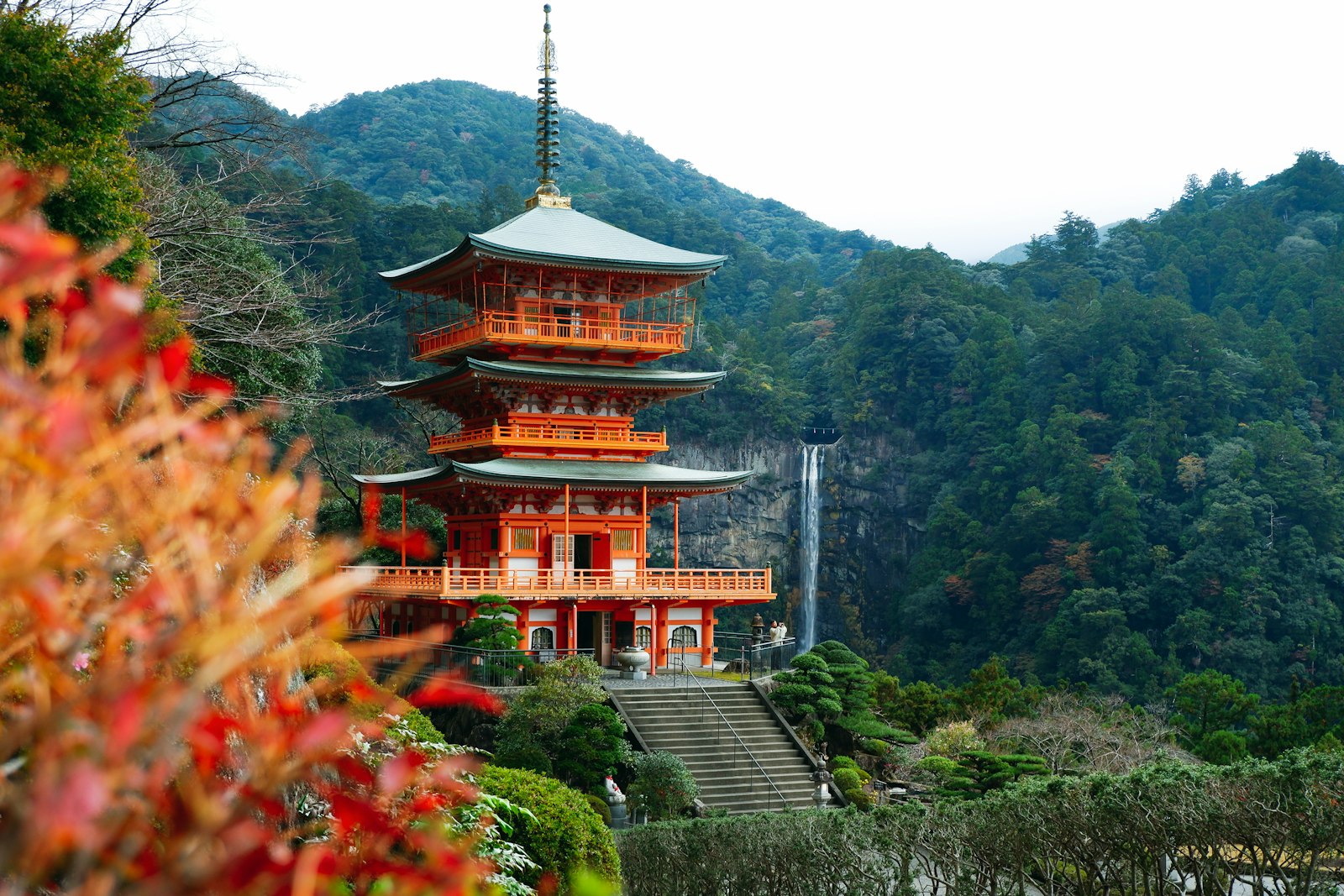
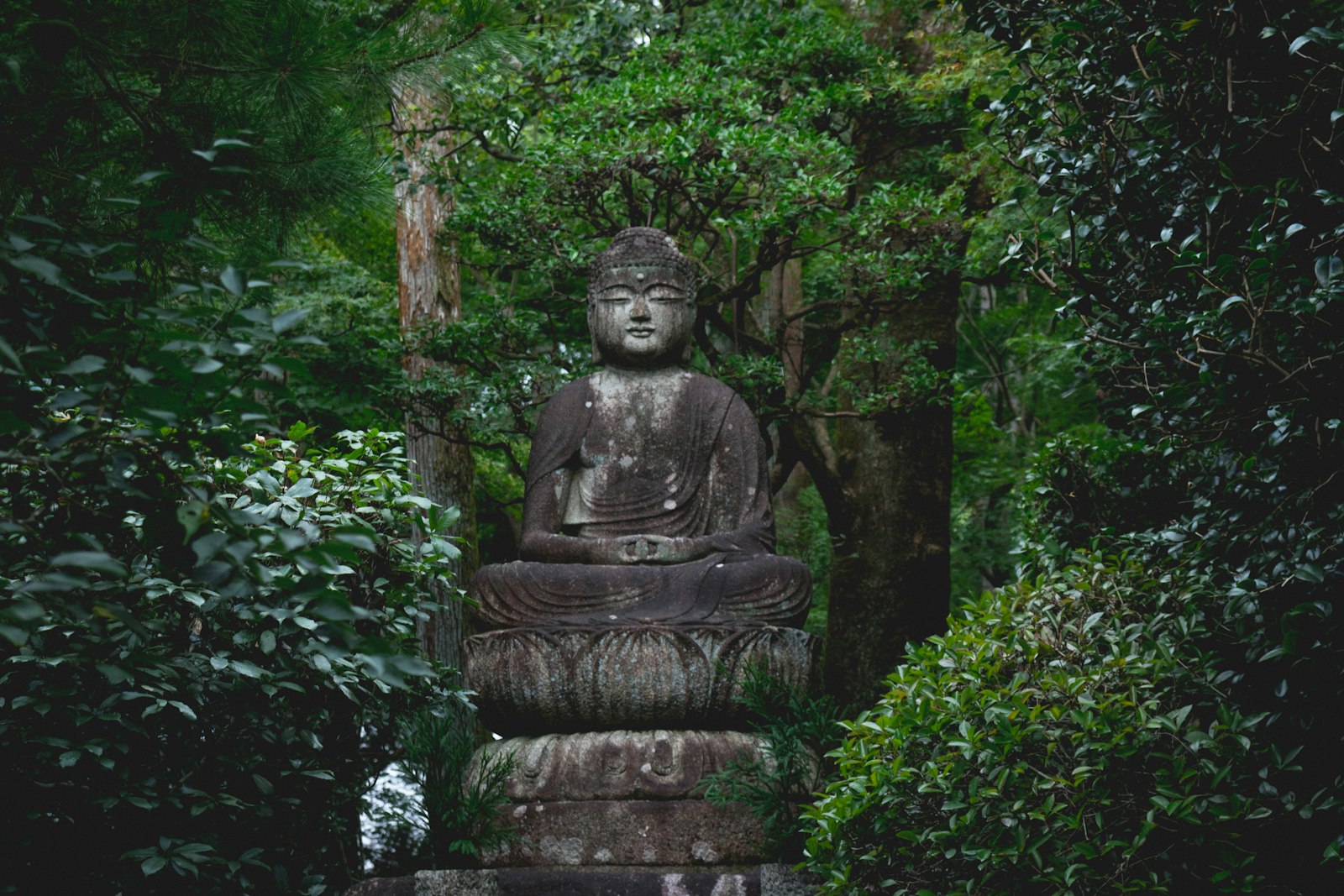
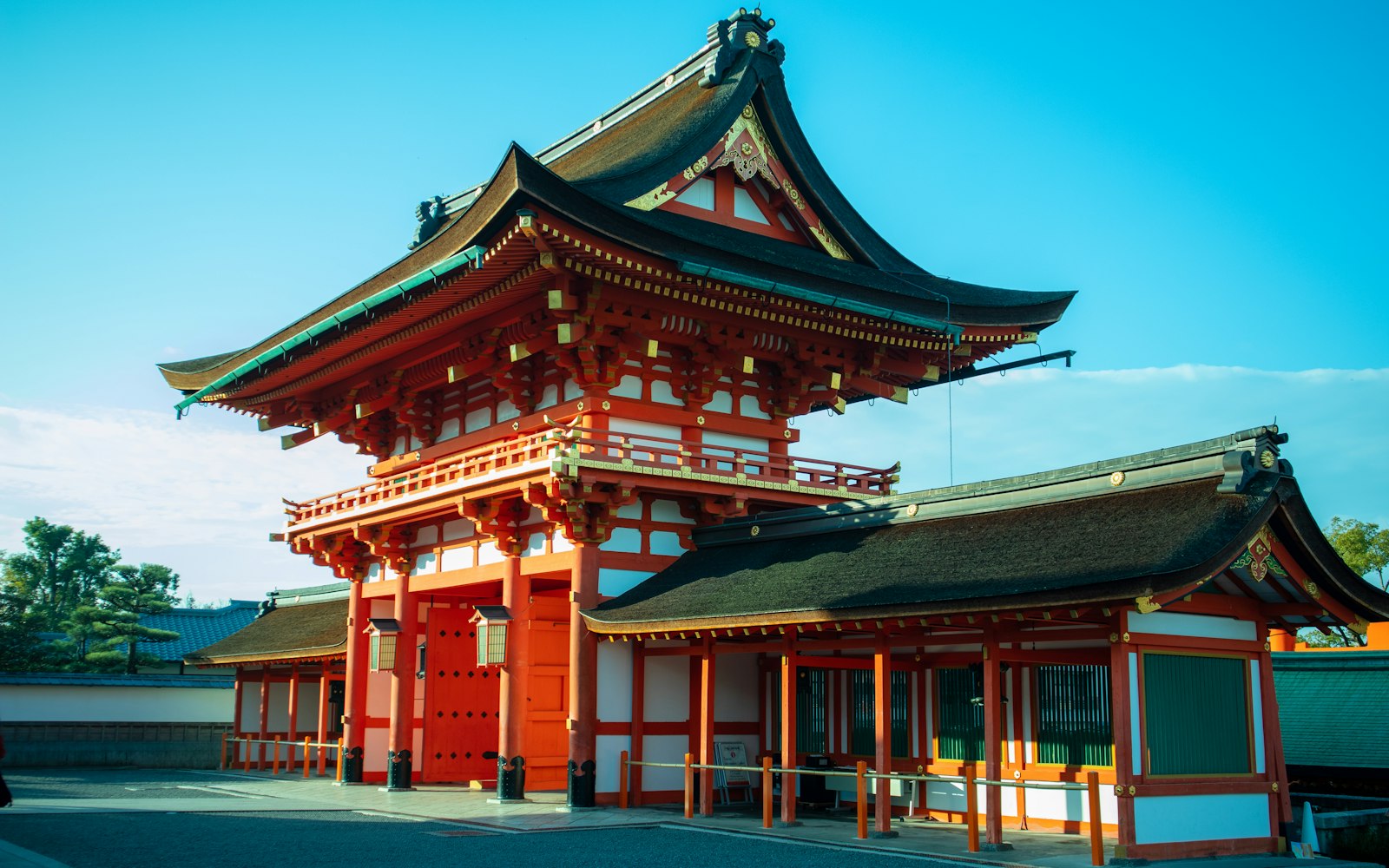
A Buddhist temple, tera or -ji, is marked by an image of the Buddha — a statue in the main hall, sometimes colossal — and often by a multi-storeyed pagoda, a large incense burner whose smoke visitors waft over themselves for health, and a cemetery on the grounds. The entrance gate, a sanmon, is typically a solid roofed structure, sometimes guarded by fierce guardian statues. Where you see incense, pagodas, and Buddha figures, you are at a temple.
Shinto Shrines (Jinja)
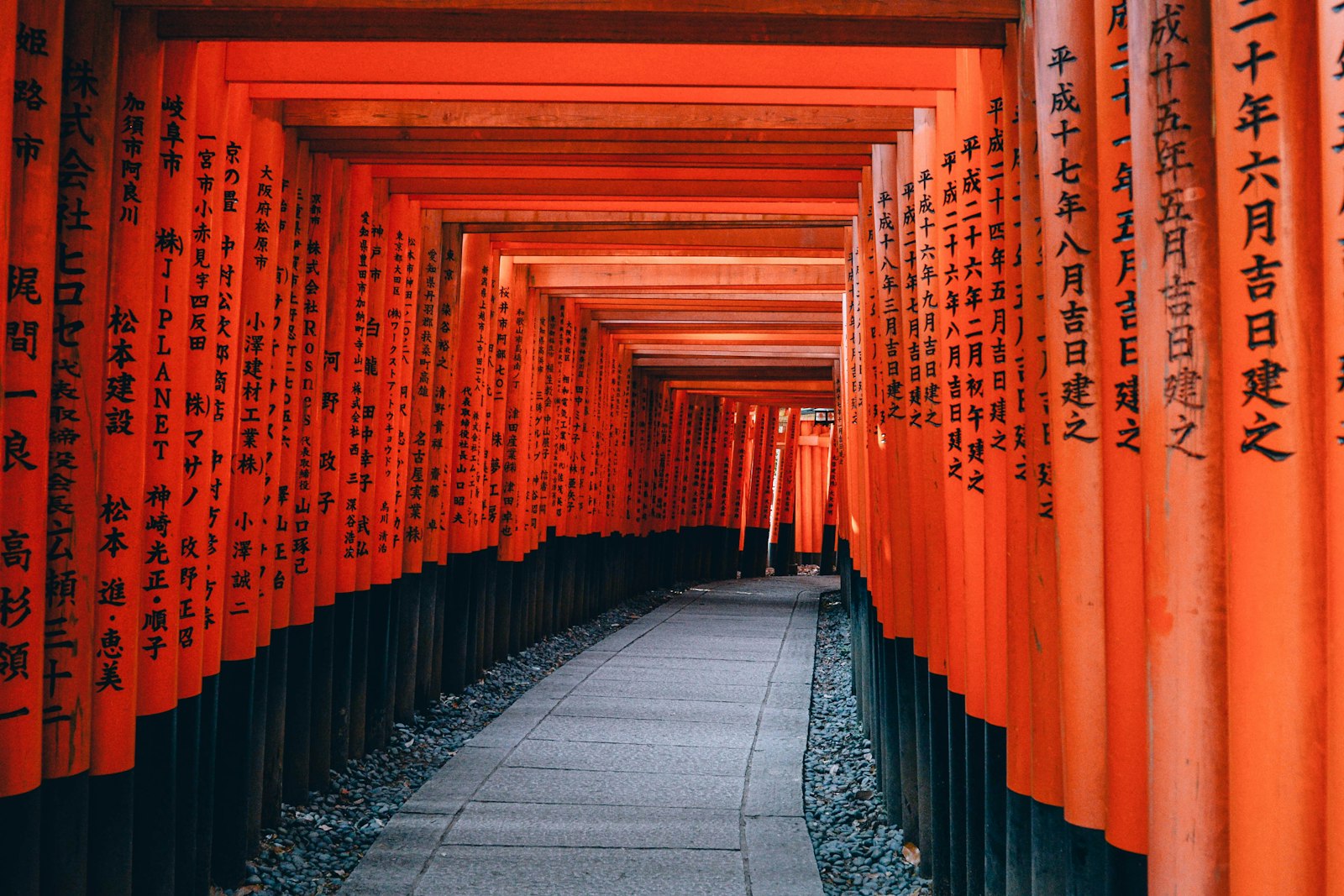
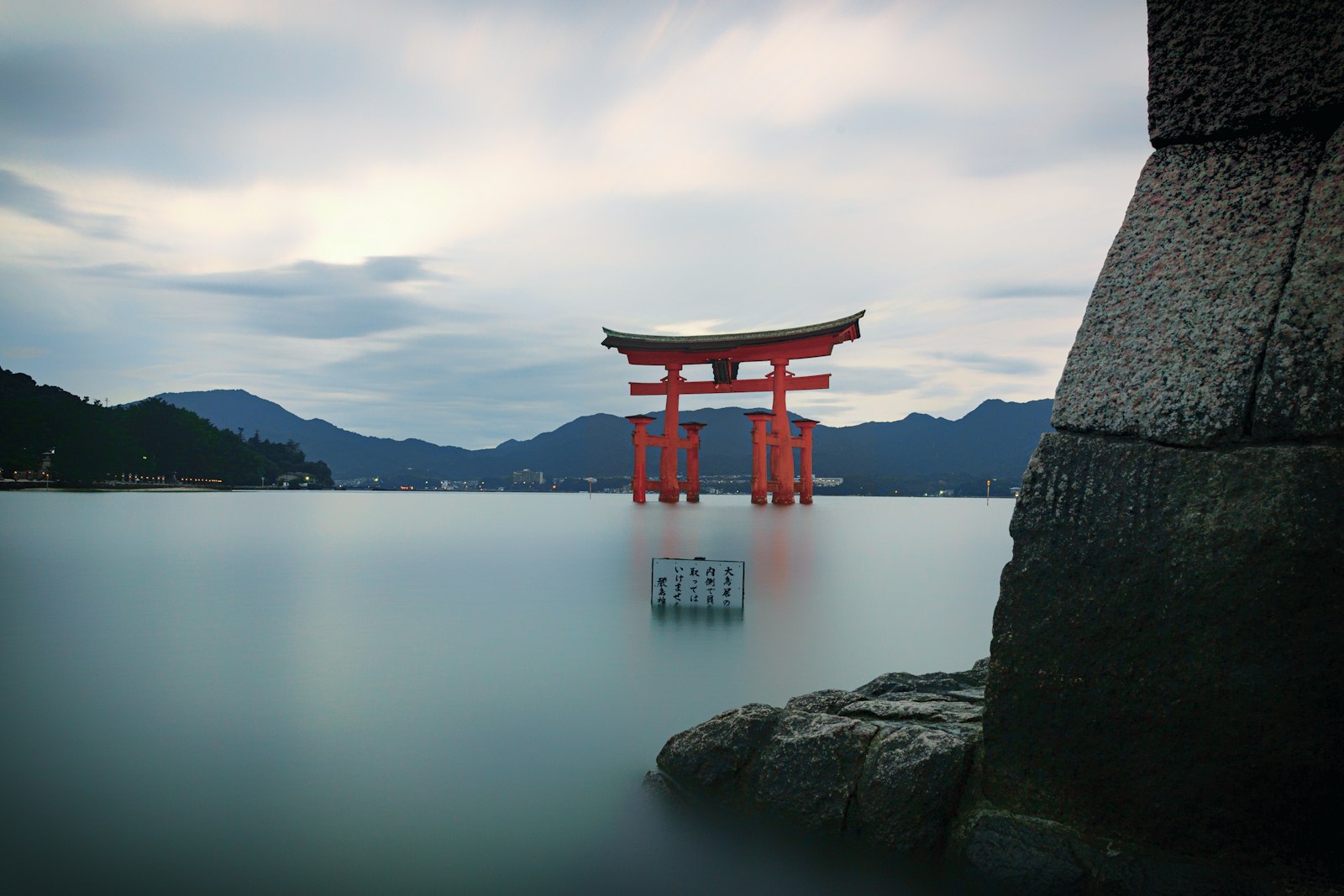
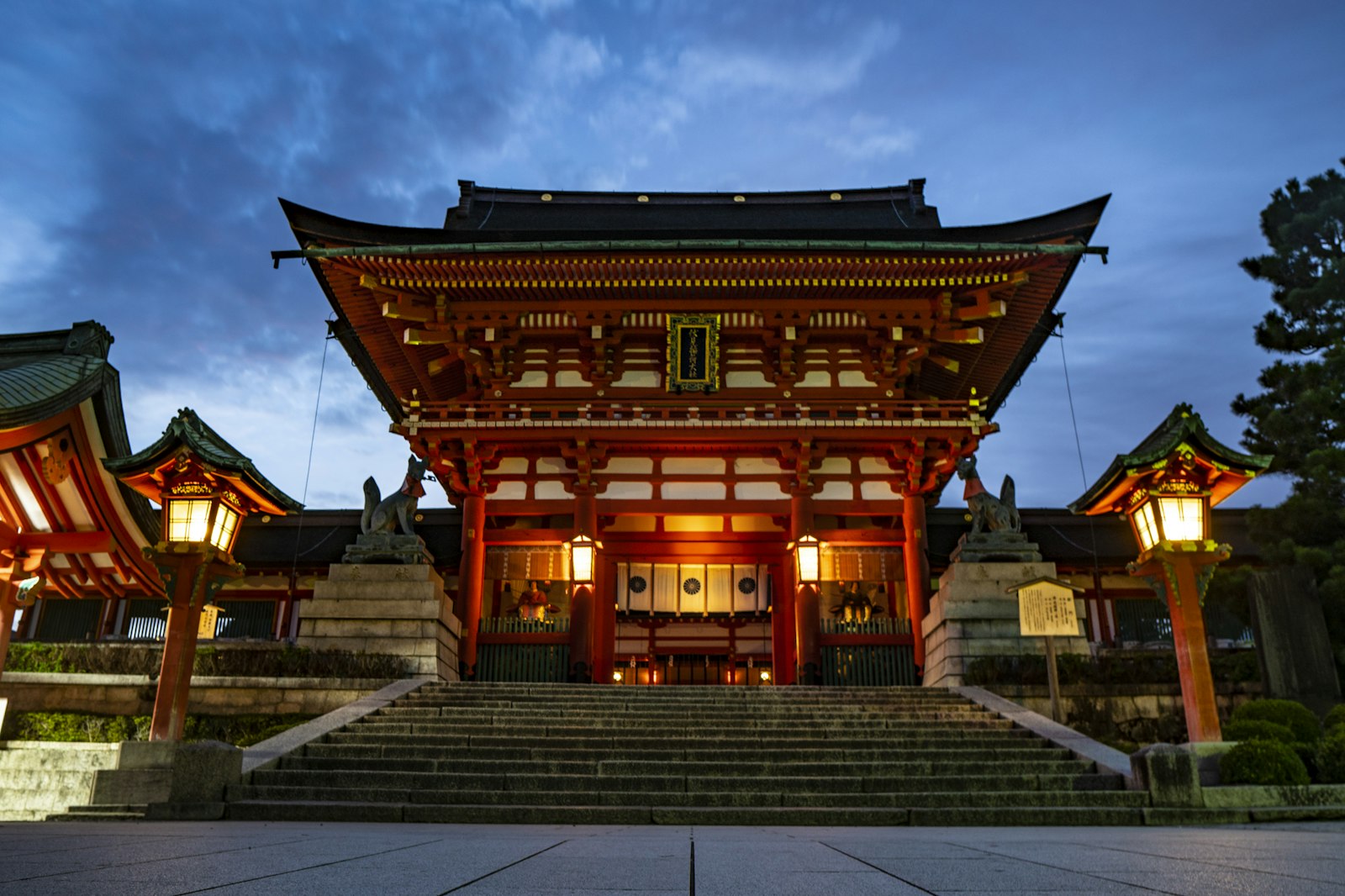
A Shinto shrine, jinja or -jingu, is announced by the torii gate — the simple two-post gateway, often vermilion, that marks the threshold into sacred space. Inside you will find a purification basin, guardian animal statues (often foxes or lion-dogs) rather than Buddhas, thick sacred ropes called shimenawa, and no cemetery, since Shinto keeps death at a distance. If you passed through a torii, you are at a shrine.
Architectural Icons You Should Visit
Some of Japan’s temples are masterpieces of wooden architecture and among the finest buildings in the country. A handful stand above the rest, and they are the ones to prioritise if your time is limited.
Todai-ji in Nara
Todai-ji’s Great Buddha Hall is one of the largest wooden buildings in the world, and it was built to house a colossal bronze Buddha over fifteen metres tall that still sits within it, dim and enormous in the incense-scented gloom. The scale is genuinely humbling. Outside, the deer of Nara Park wander the approach, adding to the sense of a place apart. It is essential viewing on any first trip.
Kiyomizu-dera and Kyoto’s Temples
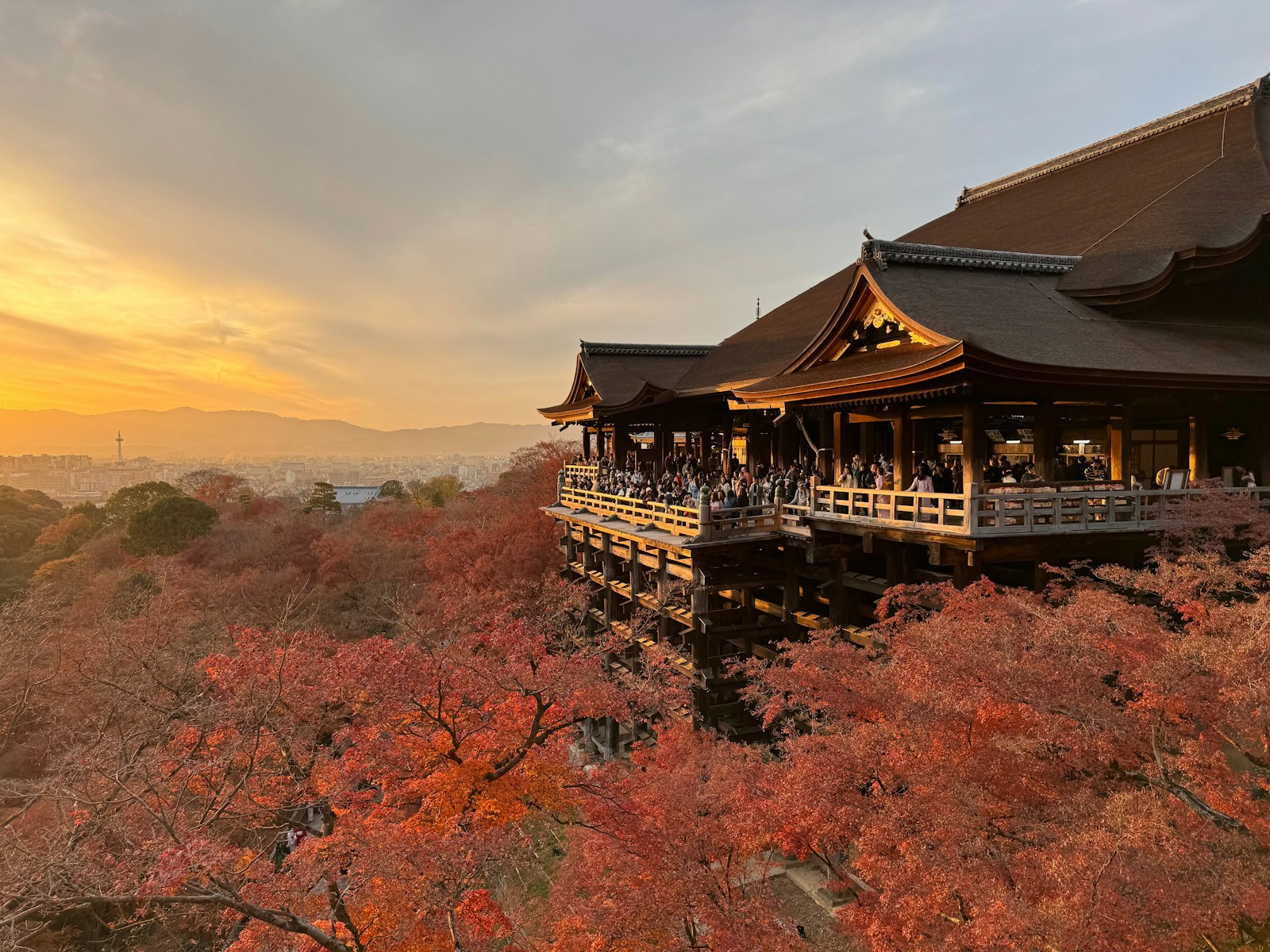
Kiyomizu-dera clings to a Kyoto hillside on a vast wooden veranda built without a single nail, jutting out over a valley of cherry and maple that blazes in spring and autumn. Nearby, the Golden Pavilion (Kinkaku-ji) shimmers in gold leaf above its pond, while the Silver Pavilion (Ginkaku-ji) offers the opposite — restrained, unadorned wabi-sabi beauty. Together they show the full range of Japanese aesthetics, from opulence to studied simplicity.
Senso-ji in Tokyo
Tokyo’s oldest temple, Senso-ji in Asakusa, is its most vivid — approached through a giant red lantern gate and a long arcade of traditional stalls, ending at a grand hall wreathed in incense smoke. It is busy, colourful, and alive in a way the serene Kyoto temples are not. Go early morning or after dark to see it without the daytime crush, when the lit hall against the night is at its most striking.
Temple Etiquette: Behaving Respectfully
These are active places of worship, not museums, and a little etiquette goes a long way. The basics are simple, and following them marks you as a respectful guest rather than an intrusive tourist.
The Purification Ritual
At the water basin near the entrance, the temizuya, purify yourself before approaching: take the ladle in your right hand, rinse your left, switch and rinse your right, then pour a little into a cupped left hand to rinse your mouth — never touching your lips to the ladle — and finally let the water run down the handle to clean it. It takes fifteen seconds and is expected at both shrines and temples. Watching a local do it first is the easiest way to learn.
Praying: Temples vs. Shrines
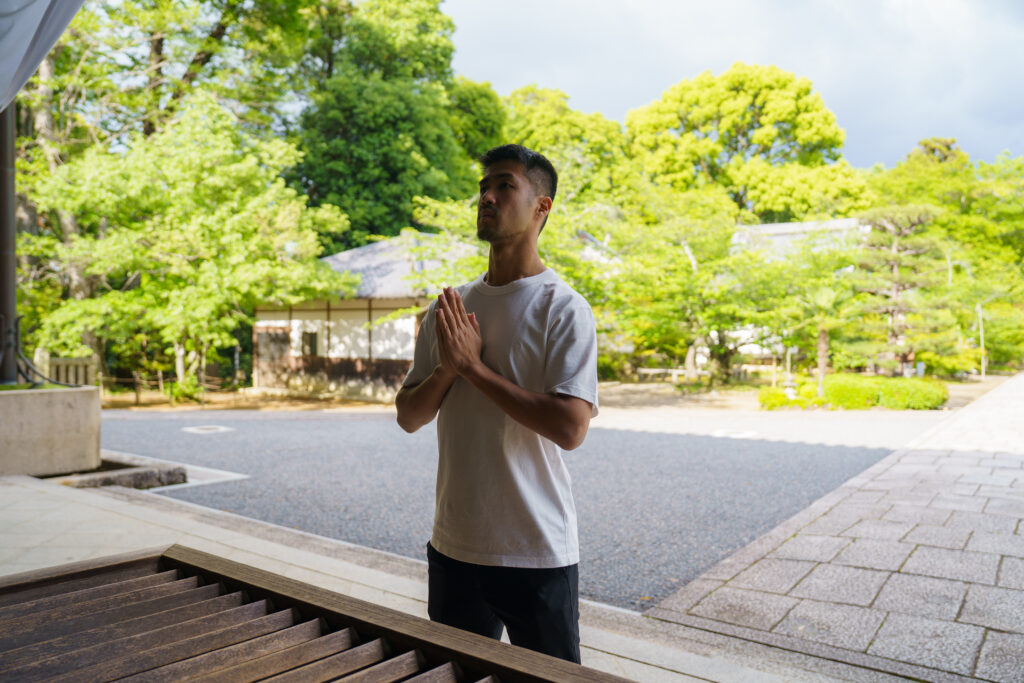
The gestures differ between the two traditions, and it is worth getting right. At a Buddhist temple, offer a coin, put your palms together silently, bow, and pray — without clapping. At a Shinto shrine, the form is bow twice, clap twice, pray, then bow once more. The clap is the giveaway: clapping belongs at shrines, silence at temples. Keep your voice down and your phone away in the main halls either way.
Collecting Goshuin and Omamori
Two traditions let you take a piece of these sacred places home in a meaningful way — one a work of calligraphy, the other a charm.
Goshuin Calligraphy Stamps
Many temples and shrines offer goshuin — beautiful stamps combined with handwritten brush calligraphy, created individually for each visitor for a small fee. You collect them in a dedicated accordion-fold book, a goshuin-cho, which you can buy at the larger sites. Request one respectfully at the temple office; understand that it is a devotional item, not a tourist stamp, and each is brushed by hand while you wait. A completed book becomes a genuinely personal record of your journey.
Omamori Amulets
Omamori are small embroidered cloth amulets sold at shrines and temples, each offering protection for a specific purpose — health, safe travel, success in study, love. They make thoughtful, inexpensive gifts and keepsakes, and choosing one for someone at home is a lovely gesture. Traditionally they are valid for a year and then returned to a shrine to be respectfully burned, though no one will mind if you keep yours.
Temple Stays: Experiencing Monastic Life
For travellers who want more than a visit, some temples open their doors overnight, offering a rare window into monastic life and its food.
Staying Overnight at Koyasan
Koyasan, a mountaintop temple complex south of Osaka, is the classic place for a shukubo, a temple lodging. You sleep in a simple tatami room within a working monastery, and may join the monks’ early-morning prayers and rituals — a quiet, atmospheric experience far from the sightseeing crowds. The town’s vast cedar-shaded cemetery, walked at dawn or by lantern light, is one of the most moving places in Japan. Book a temple lodging ahead; the popular ones fill up.
Shojin Ryori Cuisine
Part of a temple stay is shojin ryori, the elegant vegetarian cuisine developed by Buddhist monks — no meat, fish, or strong flavours, but subtle, seasonal, and surprisingly satisfying dishes built around tofu, vegetables, and mountain plants. Served on lacquerware in your room, it is a meal that reframes what vegetarian food can be. Even without staying overnight, some temples serve it to daytime visitors by reservation.
Expert Tip
Temple and shrine fatigue is real — see too many in a row and they blur into one. Rather than racing to tick off a dozen in Kyoto, choose three or four that offer genuine contrast (a golden pavilion, a raked-gravel Zen garden, a vast wooden hall) and give each proper time, ideally early morning before the crowds and tour groups arrive. One temple experienced in stillness beats five seen in a scrum. Depth, again, beats breadth.
Related Tours

Visiting Japanese Temples: Frequently Asked Questions (Q&A)
Can I take photographs inside the main halls with the Buddha statues? Often not. Many temples permit photography of the grounds and exteriors but prohibit it inside the main halls, especially around the principal Buddha images, and signs will usually indicate this. Where it is forbidden, respect the rule without exception — these are sacred objects of worship. When in doubt, ask or simply refrain, and never use flash near old paintings and statues.
What should I do with old omamori amulets from a previous trip? Traditionally, you return an omamori to a shrine or temple after about a year, where it is ritually burned, and many sites have a designated box for old charms. It does not have to be the same place you bought it. That said, there is no obligation — keeping an omamori as a memento is perfectly fine, and no one polices this. The tradition is a courtesy, not a rule imposed on visitors.
Is there a dress code for visiting temples in Japan? There is no strict dress code at most temples and shrines, and ordinary travel clothes are fine, but modest, tidy attire is respectful in an active place of worship. Cover shoulders and avoid very revealing clothing, and be ready to remove your shoes where required to enter wooden halls, so easy-off footwear helps. At a few stricter sites or during a temple stay, more modest dress may be expected.
Conclusion
Once you can tell a temple from a shrine, and know the small rituals of water, coin, and bow, Japan’s sacred sites open up from pretty backdrops into places you can actually participate in. The torii means shrine, the Buddha and incense mean temple, and a quiet, respectful visitor is welcome at either.
Plan Your Japan Trip with Local Experts
Our team has guided 40,000+ travelers across Japan. Tell us about your trip and we’ll get back to you within 24 hours.