In this article:
- The Original Twelve Surviving Castles
- Famous Reconstructions Worth Visiting
- Reading Castle Architecture and Defenses
- Practical Visitor Tips
- When to Photograph Japan’s Castles
- Exploring Japanese Castles: Frequently Asked Questions
The Original Twelve Surviving Castles
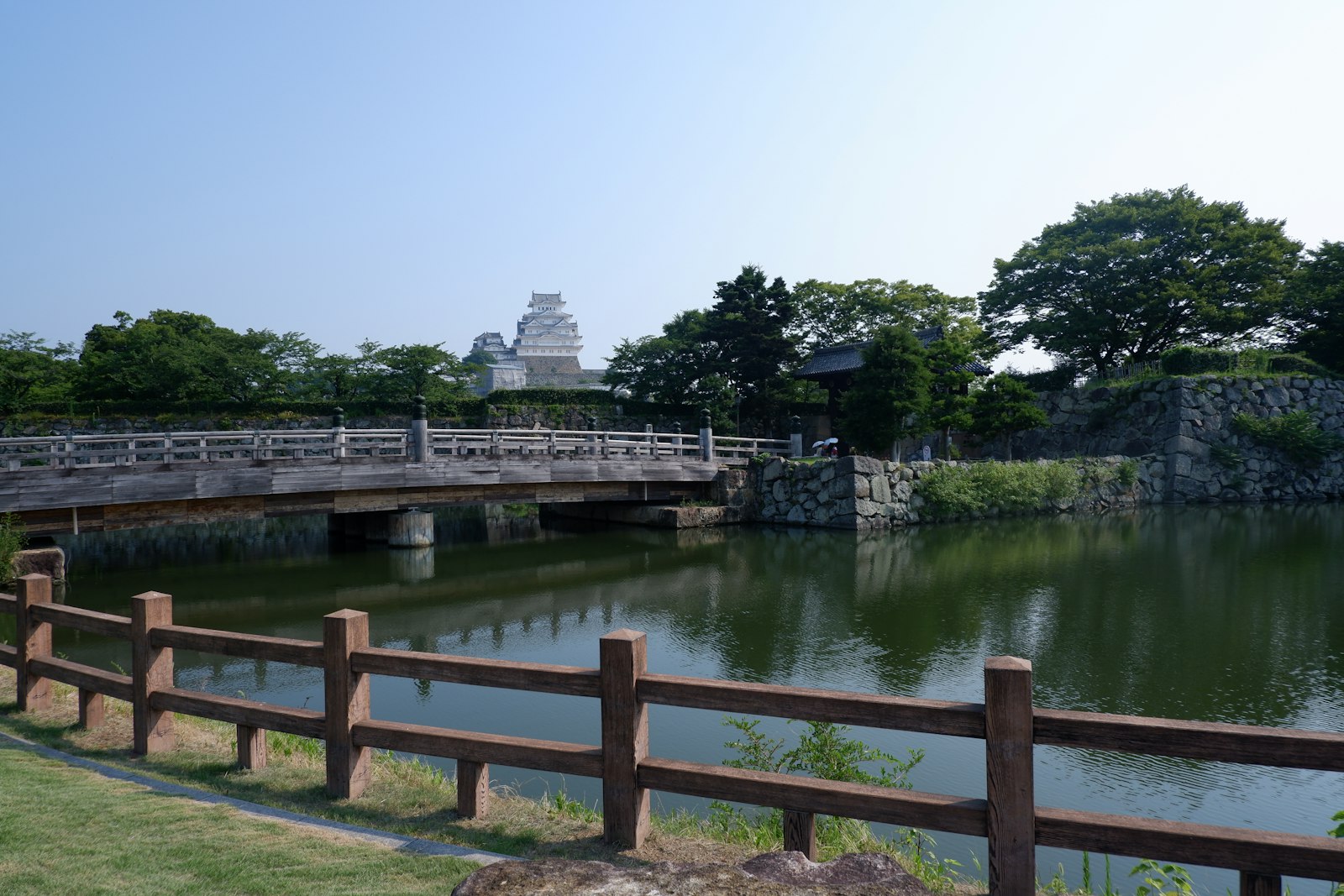
Here is the fact that reframes castle-visiting in Japan: of the country’s many castles, only twelve still have their original main keep, built before the end of the feudal era and never destroyed by fire, war, or demolition. These genzon tenshu are the real thing — actual samurai-era timber, not post-war concrete — and seeking them out is a different experience from touring a reconstruction.
Himeji Castle
Himeji is the masterpiece and the one to see if you see only one. Nicknamed the White Heron for its brilliant white plaster and the way its tiered roofs seem poised to take flight, it is a UNESCO World Heritage Site and Japan’s largest original castle, a genuine labyrinth of gates, walls, and staircases designed to confuse attackers. Walking up through its defensive maze to the top of the five-storey keep, all original timber, is the finest castle experience in the country.
Matsumoto Castle
Matsumoto, in the Japan Alps, is Himeji’s dark twin — the Black Crow, clad in black-lacquered wood panels that stand out starkly against the snow-capped mountains behind it. It is one of the oldest surviving keeps, ringed by a water moat that reflects the black tower beautifully. The steep, ladder-like internal staircases are original and demanding, a reminder that these were fortresses first and monuments second.
The Smaller Original Keeps
Beyond the two headliners, the surviving twelve include intimate, less-visited castles like Hikone and Inuyama, each holding National Treasure status and a quieter charm. Inuyama, perched above a river near Nagoya, is among the oldest of all. These smaller keeps reward castle enthusiasts precisely because they are uncrowded and human in scale, where Himeji can overwhelm. If you are chasing the originals, they are worth the detour.
Famous Reconstructions Worth Visiting
Most of Japan’s famous castles are reconstructions, rebuilt in concrete in the twentieth century after their originals burned or were lost to war. This does not make them worthless — several are spectacular and historically important — but it is worth knowing what you are looking at.
Osaka and Nagoya Castles
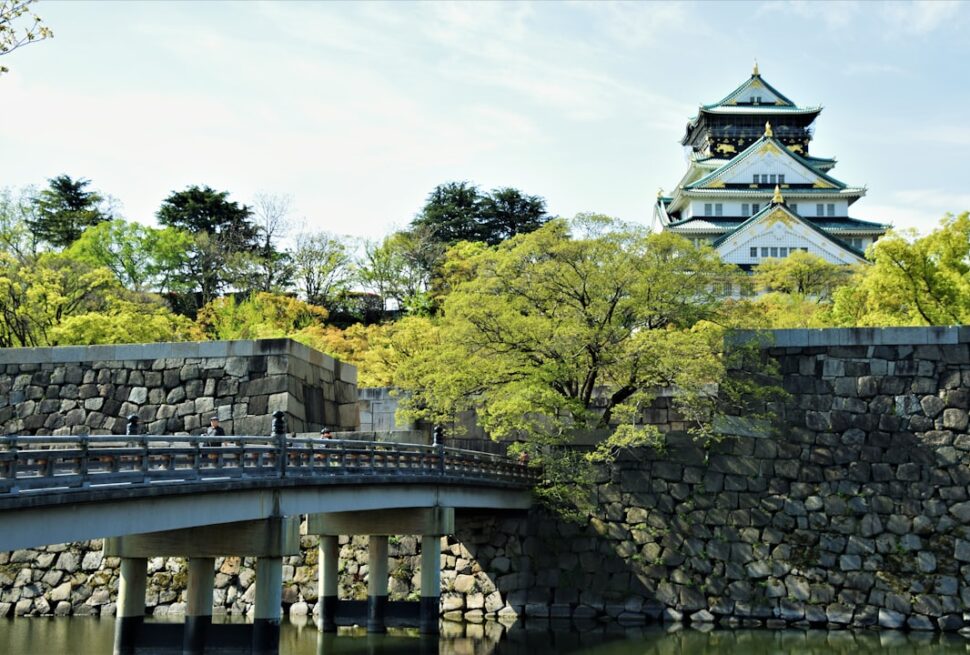
Osaka Castle, a symbol of the city, is a striking green-and-gold reconstruction rising above massive original stone walls and moats, housing a modern museum of the warlord Toyotomi Hideyoshi who built the first version. Nagoya Castle is famous for the golden shachihoko — mythical fish ornaments — crowning its roof. Both trade authentic interiors for polished museum displays and elevators, and both remain genuinely impressive from the outside, especially the surviving stonework at their base.
Kumamoto Castle
Kumamoto, on Kyushu, is renowned for its formidable stone walls, curved and steepened to be unclimbable — some of the finest castle engineering in Japan. The castle was heavily damaged in the 2016 earthquakes, and its ongoing restoration has itself become part of the visit, a live demonstration of how these structures are rebuilt. The resilience of its stonework, and the painstaking work to repair it, tell a story the intact castles cannot.
Reading Castle Architecture and Defenses
A castle becomes far more interesting once you can read it — not as a pretty tower, but as a machine for defense, every feature designed to stop an attacker. Look past the keep to the walls and the traps.
Stone Walls and Moats
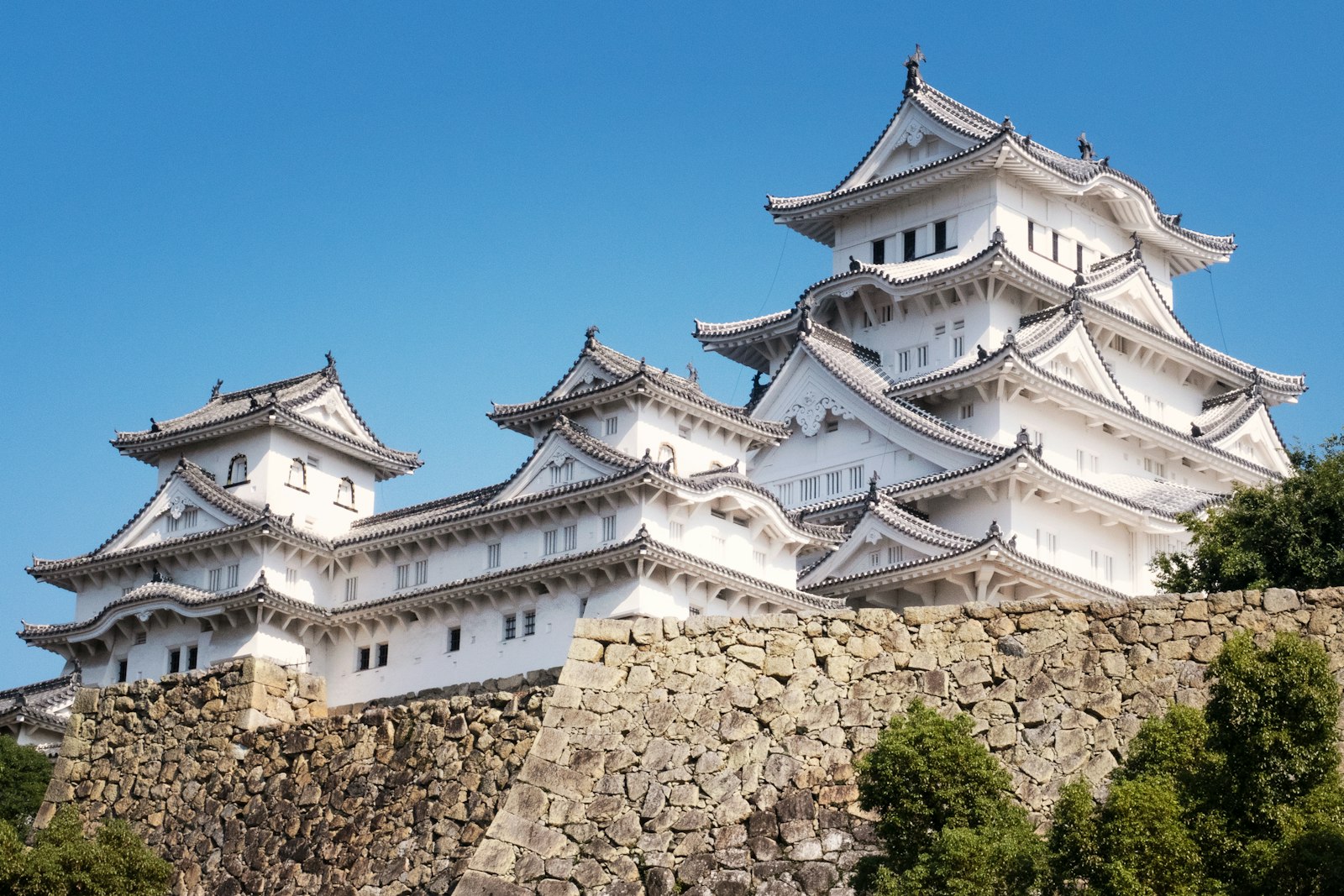
The genius of Japanese castles is often in the ground, not the tower. The sloping stone walls, ishigaki, were fitted without mortar yet have stood for centuries and survived earthquakes, their curved profile both stable and hard to scale. Wet and dry moats forced attackers into narrow, exposed approaches. Spend time on the walls and the layout; at many castle sites, the original stonework is the oldest and most impressive thing there.
Hidden Defensive Traps
Inside and around the keep, look for the deliberate defensive details: narrow slits, sama, cut in the walls for archers and gunners; concealed stone-drop openings, ishi-otoshi, over the gates for dropping rocks on anyone below; and twisting, dead-end approaches meant to trap and expose invaders. Himeji is the best place to spot these. Once you know to look, a castle reveals itself as a carefully designed killing ground dressed in beautiful architecture.
Practical Visitor Tips
Visiting an original castle is more physical than visiting a reconstruction, and a couple of practical points make the experience smoother.
Shoes Off and Steep Stairs
At the original wooden keeps you remove your shoes at the entrance and carry them in a bag as you climb, so wear socks and easy-off footwear. The internal staircases are original — steep, narrow, and closer to ladders than stairs, with polished wooden treads that can be slippery. They are not suitable for everyone, and there are no elevators in the authentic keeps. Take your time and use the handrails.
Allow Time for the Grounds
A castle is not just its tower. The grounds — gates, baileys, walls, gardens, and outer defenses — are often vast, and the walk up to the keep through the fortifications is half the experience. Allow a couple of hours rather than rushing to the top and back. At Himeji especially, the approach through the defensive maze is as memorable as the keep itself.
When to Photograph Japan’s Castles
Castles photograph beautifully in the right season, and timing a visit around the weather and the calendar pays off for anyone who cares about the pictures.
Cherry Blossom Season
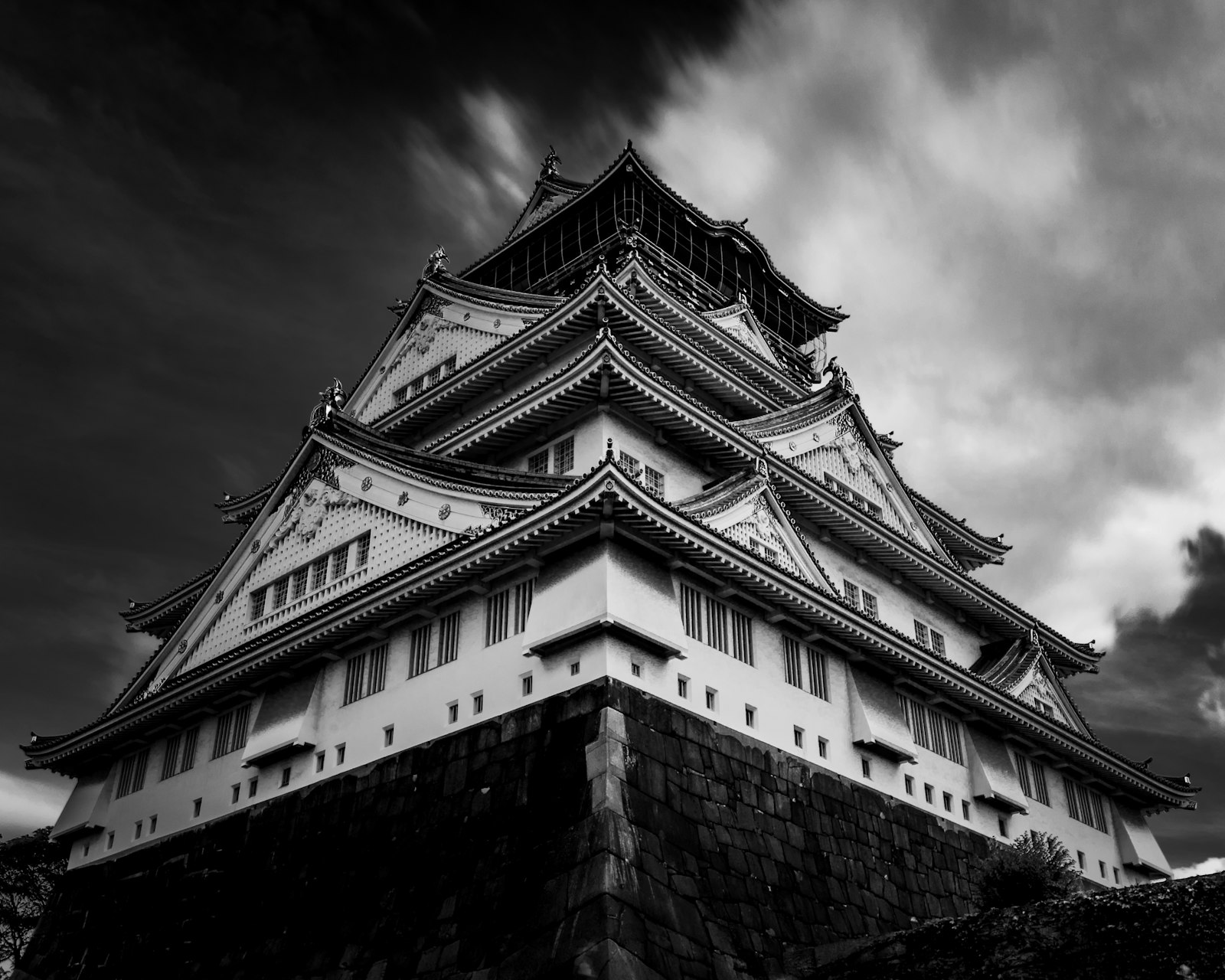
The classic castle image is a keep rising above a froth of cherry blossom, and it is no accident — castle grounds are often planted with cherries, and their moats catch fallen petals in drifts on the water. Himeji, Matsumoto, and Osaka are all famous spring sights. The blossom window is short and hard to predict, but catching a castle in full bloom is one of Japan’s great photographic rewards.
Winter Snow
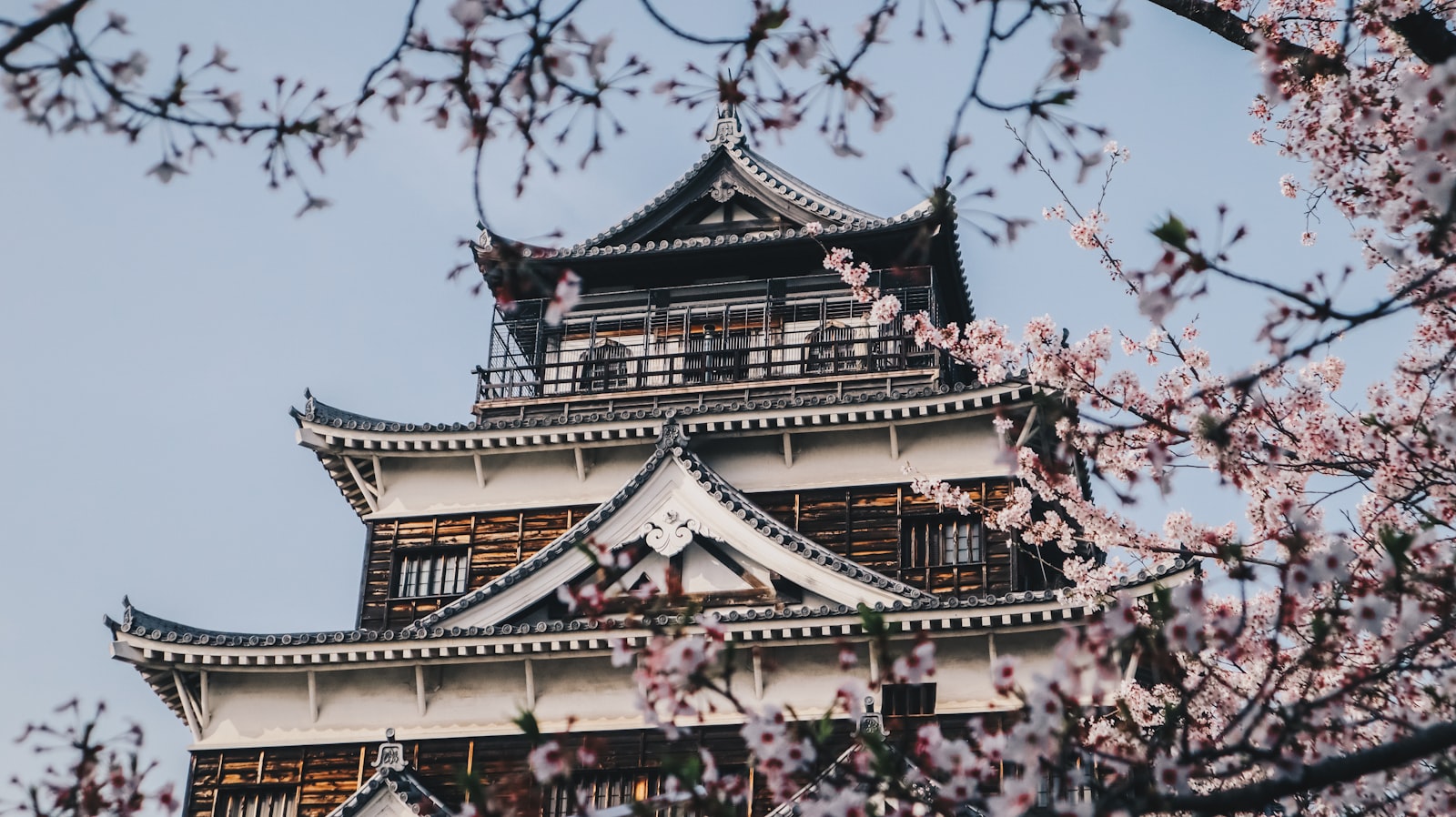
The other great castle season is winter, when snow settles on the dark roofs and the whole structure is thrown into crisp relief against a grey sky or white ground — Matsumoto’s black keep under snow is especially dramatic. Fewer visitors come in the cold, so you get the grounds to yourself. For a moody, uncrowded castle photograph, a snowy morning is hard to beat.
Expert Tip
Before you visit, find out whether the castle you are seeing is an original keep or a reconstruction — it changes what to expect entirely. At an original like Himeji or Matsumoto, prioritise the interior climb and the authentic timber, steep stairs and all. At a concrete reconstruction like Osaka, the inside is a modern museum, so focus your energy on the exterior views and the original stone walls and moats at the base, which are usually the genuinely old parts.
Related Tours

Exploring Japanese Castles: Frequently Asked Questions (Q&A)
Do original castles have elevators for visitors with limited mobility? The original twelve keeps do not — they preserve their authentic interiors, which means steep, ladder-like wooden staircases and no elevators, and the upper floors are not accessible to everyone. The concrete reconstructions, by contrast, often do have elevators and modern facilities. If step-free access to the keep interior matters, a reconstruction like Osaka is more suitable, though the grounds of the originals can still be enjoyed at ground level.
Why are some castles white and others black? The colour reflects the era and the finish of the original: castles like Himeji were coated in white fire-resistant plaster, while others like Matsumoto used black-lacquered wooden boards, a style associated with an earlier period. The nicknames — the White Heron, the Black Crow — come straight from these finishes. Both were functional choices as much as aesthetic ones.
Can I collect commemorative stamps at castles like at temples? Yes. Many castles offer their own stamps and, increasingly, special commemorative “castle seals” (gojoin) that echo the goshuin tradition of temples and shrines, sold at the ticket office or shop. Castle enthusiasts collect them in dedicated books much as pilgrims collect temple calligraphy. Ask at the entrance whether the castle you are visiting offers them.
Conclusion
The single most useful thing to know about Japanese castles is which ones are real. The twelve original keeps offer something no reconstruction can — actual feudal timber, authentic defensive design, and the physical experience of climbing a fortress as a samurai would have. The great reconstructions are impressive in their own way, but they are museums wearing a castle’s shape.
Plan Your Japan Trip with Local Experts
Our team has guided 40,000+ travelers across Japan. Tell us about your trip and we’ll get back to you within 24 hours.