In this article:
- Japan’s Best Onsen Towns
- Step-by-Step Onsen Etiquette
- Understanding Mineral Types and Benefits
- Onsen with a View: Nature Bathing
- Public Baths vs. Ryokan
- Navigating Japanese Onsen: Frequently Asked Questions
Japan’s Best Onsen Towns
Japan sits on so much volcanic activity that hot springs bubble up across the entire country, and whole towns have grown around them over centuries. A few stand out as destinations in their own right — worth building a night or two of a trip around. Here is where we send people first.
Kusatsu Onsen
Kusatsu, in the mountains of Gunma, has some of the highest-volume, most potent hot-spring water in Japan, and its centrepiece is the Yubatake — a wooden “hot water field” in the town centre where steaming mineral water is channelled and cooled in open troughs, glowing at night. The town also stages the yumomi, a traditional performance of stirring the fierce water with long paddles to cool it. It is the most dramatic hot-spring town to simply walk around.
Kinosaki Onsen
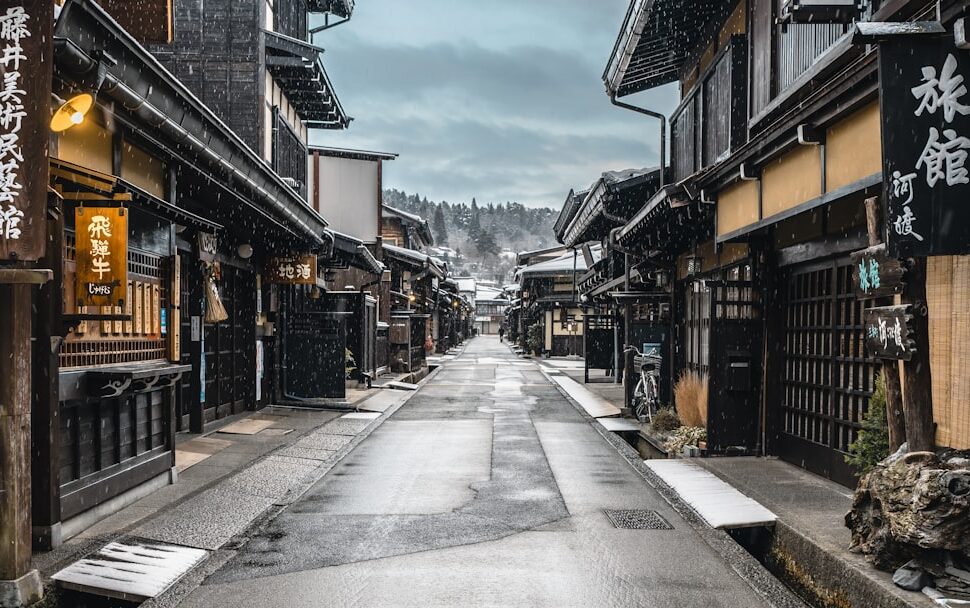
Kinosaki, on the Sea of Japan coast, is the picture-book onsen town: a willow-lined canal, wooden inns, and seven public bathhouses that guests stroll between in yukata robes and wooden geta sandals, going from bath to bath through the evening. Staying at a ryokan here typically grants free access to all seven. Wandering the lantern-lit streets between soaks, clip-clopping in geta, is the quintessential onsen-town experience.
Kurokawa Onsen
Kurokawa, tucked in a wooded gorge in Kyushu, is the connoisseur’s choice — a deliberately low-key town of rustic ryokan with secluded rock baths hidden along a river, free of neon and concrete. A single pass lets you bathe at three of the town’s outdoor baths. For travellers who want the natural, hidden-in-the-forest ideal of an onsen rather than a busy resort, Kurokawa is the one.
Step-by-Step Onsen Etiquette
The rules are what stop most first-timers, and they should not — the etiquette is logical, quickly learned, and the same nearly everywhere. Get these steps right and you will bathe with the confidence of a local.
Undress Completely
Onsen bathing is done fully naked; swimsuits are not permitted in authentic hot springs. You undress completely in the changing room, leaving all clothing in a basket or locker, and enter the bathing area with only a small towel. Baths are almost always separated by gender, marked with noren curtains — red or the character 女 for women, blue or 男 for men. The nakedness feels strange for about ninety seconds and then entirely normal; everyone is in the same situation.
Wash Before You Enter
This is the rule that matters most: you must wash your body thoroughly before getting into the shared bath, never in it. Sit on a stool at the washing station, and use the provided shower and soap to clean yourself completely, rinsing off all suds. The communal water is for soaking clean bodies, and entering unwashed is the one genuine faux pas. Take your time; a proper scrub is part of the ritual.
Managing Your Towel
The small towel you carry in never goes into the bath water. Most bathers fold it and rest it on their head, or set it on the rocks at the pool’s edge while they soak. Keeping it out of the shared water keeps the bath clean for everyone. When you are done, wipe yourself down with the damp towel before returning to the changing room so you do not drip everywhere.
Soak, Cool, and Hydrate
Enter the water slowly — good onsen water is hot, often around 40–42°C — and soak calmly rather than swimming or splashing. If you feel lightheaded, get out and cool down; overdoing it is easy. Hydrate afterward, ideally with the cold bottled milk or water that onsen traditionally sell, and rest before dressing. The deep relaxation that follows a proper soak is the whole point.
Understanding Mineral Types and Benefits
Not all hot-spring water is the same. Onsen are classified by their mineral content, and each type has a different character, colour, and reputed benefit — part of the pleasure is sampling the range.
Different Waters, Different Effects
Clear sulphur springs, often smelling faintly of eggs, are prized for the skin and circulation; iron-rich waters run cloudy brown or red and are said to warm deeply and ease aches; simple alkaline springs leave the skin notably smooth, earning the nickname “beauty baths.” The water’s mineral makeup is usually posted at the bath. Trying a few different types across a trip, and feeling the genuine differences, is one of the quiet rewards of onsen travel.
The Wellness Tradition
Japan has a centuries-old tradition of toji, extended hot-spring stays taken for health and recovery, and modern research supports the basics — warm mineral bathing aids circulation, eases muscle and joint pain, and reduces stress. It is not a cure-all, but the combination of heat, minerals, and enforced rest is genuinely restorative. Treated as wellness rather than mere sightseeing, a night at an onsen is one of the best things you can do for yourself in Japan.
Onsen with a View: Nature Bathing
The finest onsen experiences pair the water with the landscape, and Japan excels at positioning baths where nature does the rest.
Riverside and Forest Baths
Some of the best rotenburo, outdoor baths, sit beside mountain streams or deep in forest, so that you soak to the sound of running water with trees closing overhead. Free public footbaths, ashiyu, also appear along streams in onsen towns, letting you rest your feet in hot water mid-stroll. Bathing outdoors, exposed to the cold air with hot water to the shoulders, is a different order of experience from an indoor tub.
Ocean and Mountain Views
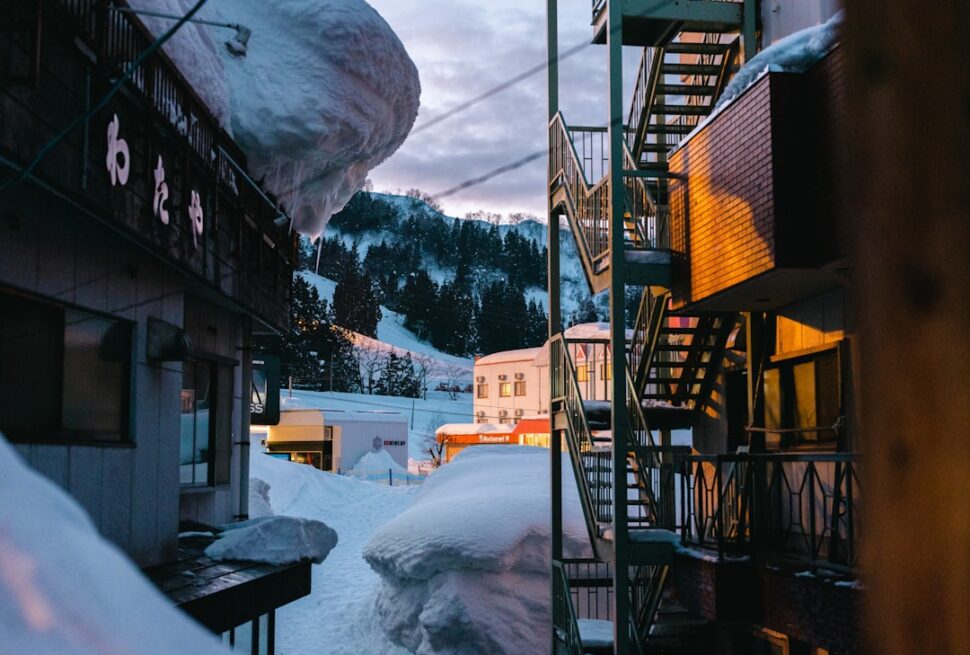
Coastal onsen place their baths above the sea, so you watch waves break while you soak; mountain onsen frame snow-covered peaks or valleys of autumn colour. In winter, the contrast of hot water and falling snow — a yukimi-buro, snow-viewing bath — is the most atmospheric bathing in the country. Choosing a ryokan for its bath’s outlook is entirely reasonable; the view is part of what you are paying for.
Public Baths vs. Ryokan
There are two main ways to experience an onsen — a public bathhouse or an overnight ryokan stay — and understanding the difference helps you choose.
Public Baths and Ryokan Baths
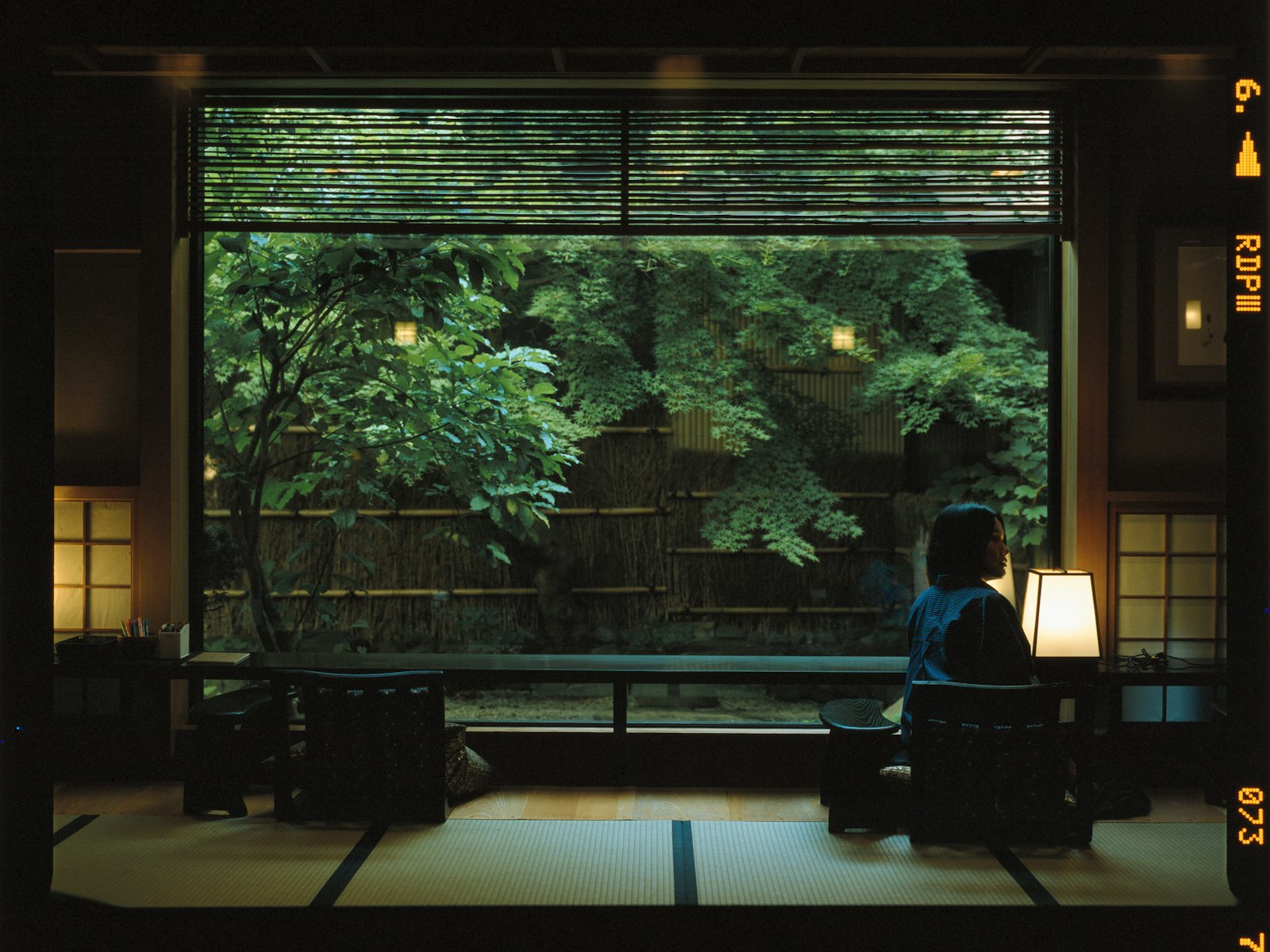
Public bathhouses, soto-yu, are open to anyone for a small entry fee and are the cheap, social, everyday way to bathe — perfect for a quick soak while touring an onsen town. A ryokan’s own baths, uchi-yu, are reserved for staying guests and paired with a room, dinner, and the full overnight ritual. For a first, immersive onsen experience, an overnight ryokan stay is what we recommend; for sampling many baths in a town like Kinosaki, the public route is ideal.
Wearing Yukata Correctly
At a ryokan or onsen town you will wear a yukata, the light cotton robe, both to the baths and out around town. One rule matters: always wrap the left side over the right — right over left is used only to dress the dead, and getting it wrong is a small but noticeable faux pas. Tie it with the provided sash, and add the outer jacket in cold weather. Worn correctly, it is comfortable and completely acceptable in public in an onsen town.
Expert Tip
Tattoos remain the one real barrier at many Japanese onsen, where they are still associated with organised crime and can bar entry to public baths. If you have ink, you have good options: choose a tattoo-friendly bathhouse (Kinosaki’s public baths welcome everyone), cover a small tattoo with a waterproof patch, or book a private family bath (kashikiri) or a room with its own in-suite bath, where the rules simply do not apply. Plan this ahead rather than risking an awkward turn-away at the door.
Related Tours
Navigating Japanese Onsen: Frequently Asked Questions (Q&A)
What if the water feels too hot for me? Japanese onsen run genuinely hot, often 40–42°C, and there is no shame in easing in slowly or keeping your soak short. Enter gradually, sit rather than submerge fully at first, and step out to cool down whenever you need — alternating between the water and the cool air is normal and pleasant. Many onsen have baths at different temperatures, so look for a cooler pool if the main one is too much.
Are men’s and women’s baths always separated? Almost always, yes — the standard is gender-separated bathing, marked by blue and red noren curtains, and this is what you will encounter nearly everywhere. Mixed-gender baths, konyoku, still exist in a small number of traditional rural onsen but are increasingly rare. Some ryokan also offer private baths you can reserve for a couple or family, which sidestep the question entirely.
Can pregnant women or people with medical conditions bathe safely? Caution is warranted. The heat of an onsen can be taxing, and pregnant women, and anyone with heart conditions, high or low blood pressure, or similar concerns, should consult a doctor before bathing and keep soaks short and cooler. Avoid bathing alone if you are unsure, stay well hydrated, and get out at any sign of dizziness. When in doubt, a private bath at a controlled temperature is the safer choice.
Conclusion
An onsen is the experience travellers most often tell us was the surprise highlight of their trip — the moment Japan stopped being a series of sights and became a feeling. The etiquette that scares people off is genuinely simple: undress fully, wash thoroughly, keep the towel out of the water, and soak in peace. That is almost all of it.
Plan Your Japan Trip with Local Experts
Our team has guided 40,000+ travelers across Japan. Tell us about your trip and we’ll get back to you within 24 hours.