In this article:
- Why Are Tattoos Restricted in Onsen?
- Tattoo-Friendly Destinations to Visit
- Cover-Up Patches and Waterproof Stickers
- The Private Bath Solution (Kashikiri)
- Resources for Tattooed Travelers
- Tattoo-Friendly Onsen: Frequently Asked Questions
Why Are Tattoos Restricted in Onsen?
Before working around the rule, it helps to understand it — because the reasoning is specific to Japan and explains why attitudes are slowly shifting. The tattoo ban at many onsen is not about the ink itself so much as what it has historically signified in Japanese society.
The Yakuza Association
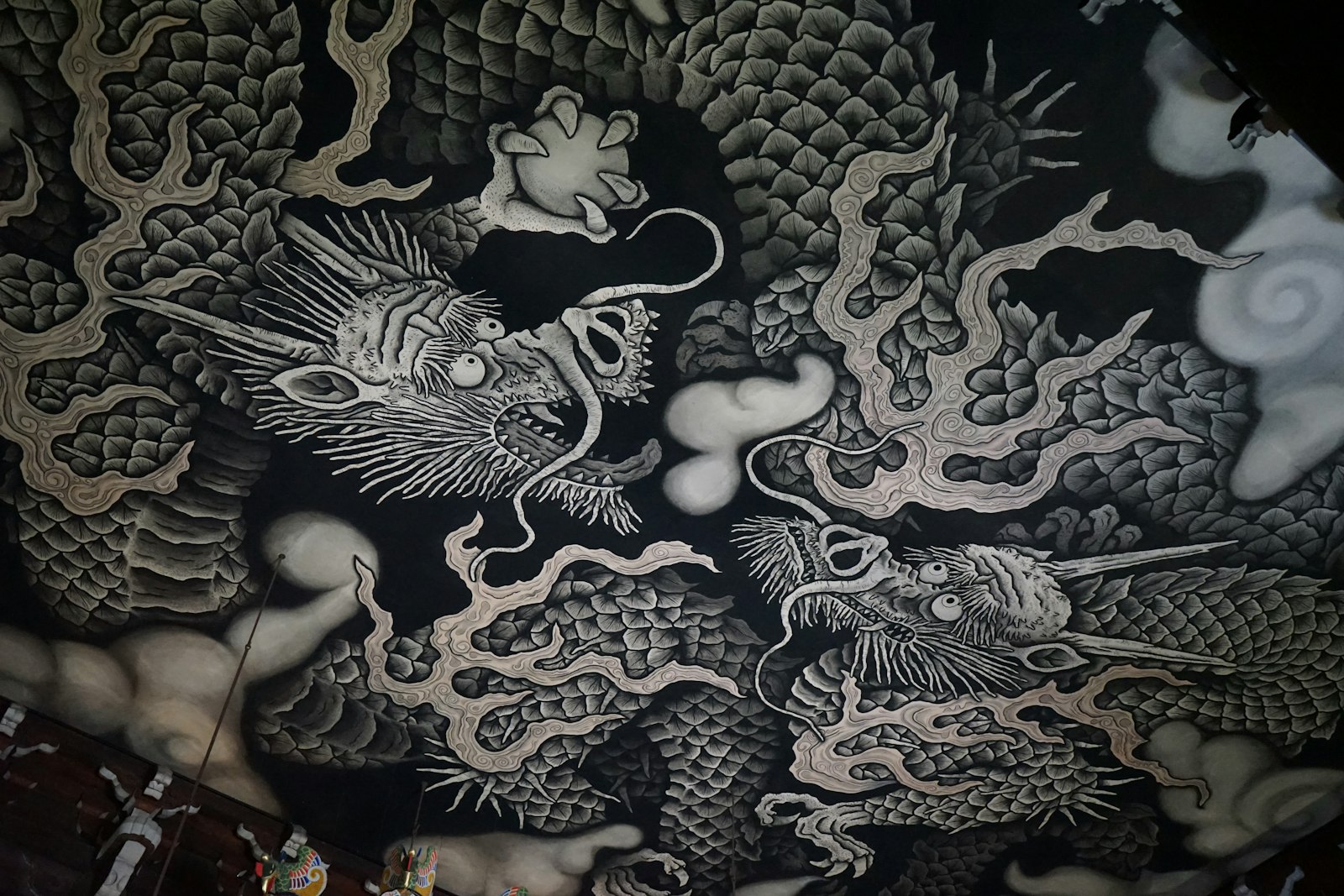
For generations, elaborate body tattoos in Japan were the mark of the yakuza, the organised crime syndicates, whose members wore full-body irezumi. Banning tattoos from public baths was, in effect, a way to keep gangsters out and reassure other guests. That association runs deep, and it is why a small, tasteful Western tattoo can still trigger a rule written with something very different in mind. The policy targets a symbol, not you personally.
A Gradual Shift
Attitudes are changing, driven largely by the surge in foreign tourism and the growing normality of tattoos worldwide. Ahead of major international events, tourism bodies encouraged onsen to relax their stance, and a growing number now admit tattooed guests or offer workarounds. Progress is uneven — many baths still enforce a strict ban — but the direction is clearly toward more openness, and the practical options for inked travellers keep expanding.
Tattoo-Friendly Destinations to Visit
The simplest solution is to go where tattoos are genuinely welcome. Some onsen towns and bathhouses have no restriction at all, and knowing them in advance takes all the anxiety out of the trip.
Kinosaki Onsen’s Open Arms
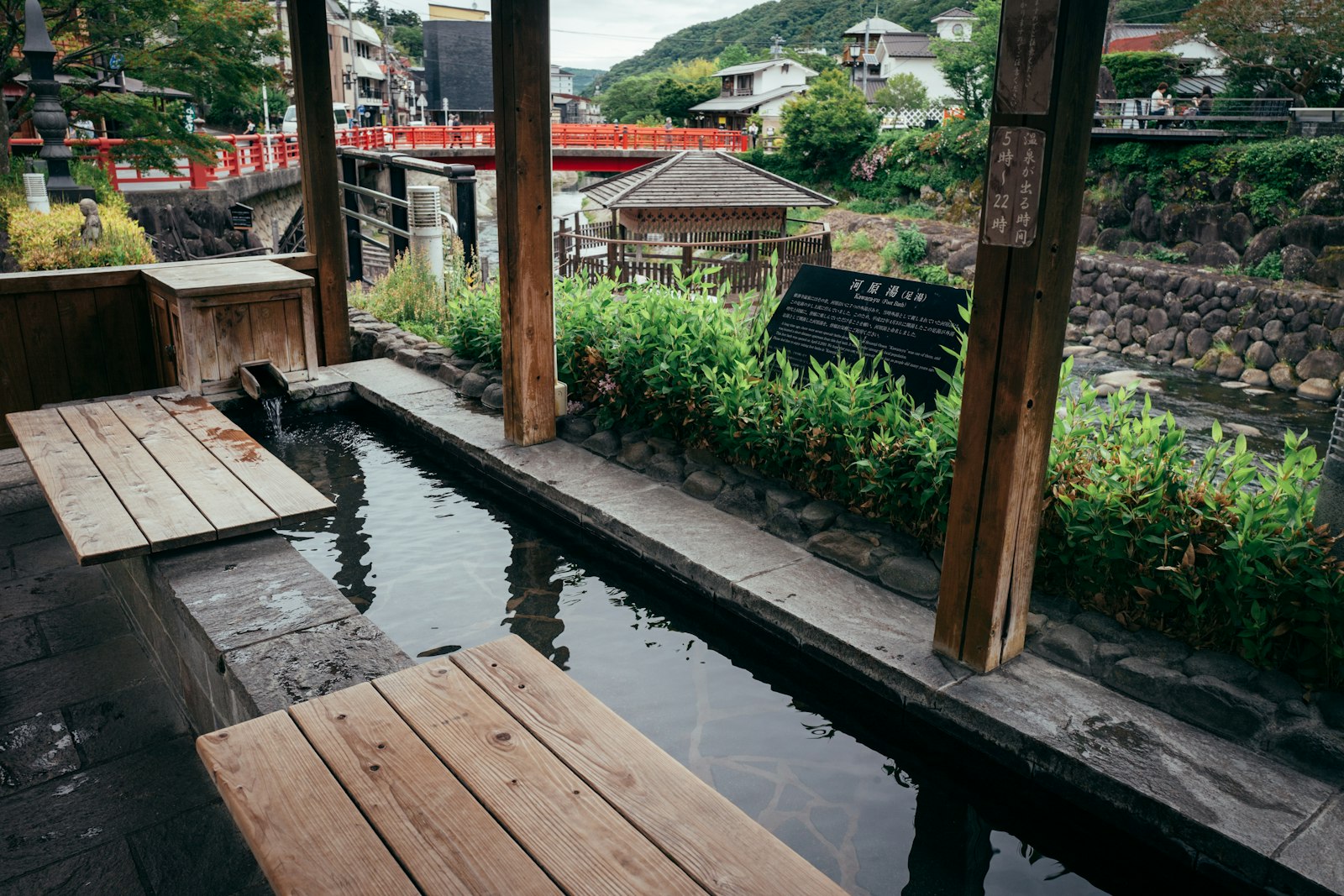
Kinosaki, the willow-lined onsen town on the Sea of Japan coast, is the standout — its seven public bathhouses welcome tattooed guests without restriction, making it one of the easiest places in Japan to bathe freely with ink. You can stroll between all seven in a yukata, soaking wherever you like, exactly as other guests do. For a tattooed traveller who wants the full onsen-town experience, Kinosaki is the first place we recommend.
Neighbourhood Sento
Beyond the famous towns, many local sento — the everyday public bathhouses of Tokyo, Kyoto, and other cities — routinely accept tattooed bathers, being neighbourhood institutions rather than tourist onsen. They are cheap, unpretentious, and a great way to experience Japanese bathing culture without the tattoo worry. Policies vary by individual bath, so a quick check ahead is wise, but sento as a category are far more relaxed than resort onsen.
Cover-Up Patches and Waterproof Stickers
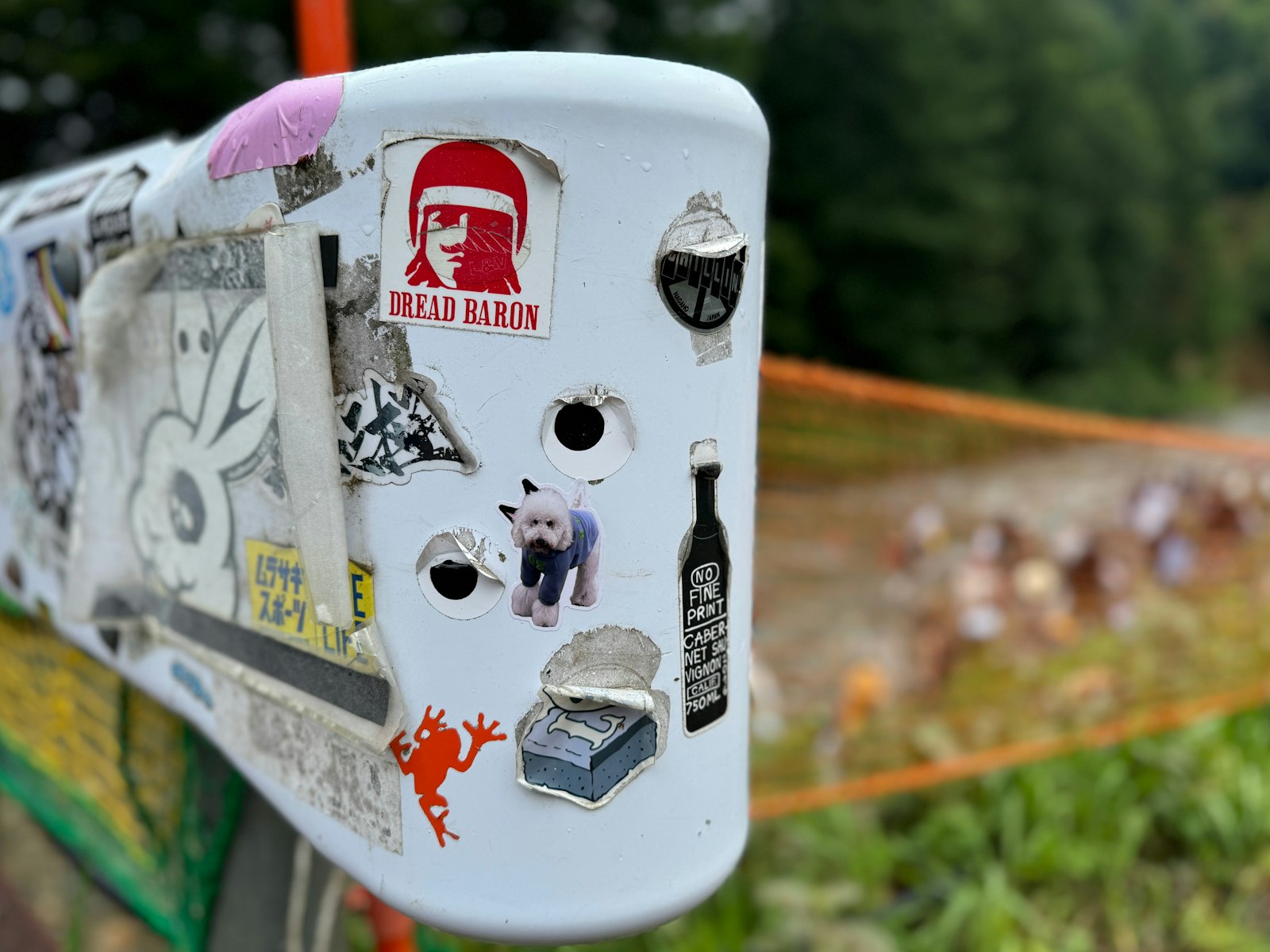
For small and medium tattoos, a cover-up is often all it takes to bathe at an otherwise strict onsen without any fuss.
Hiding Small Tattoos
Flesh-toned waterproof patches and tapes, made specifically for this purpose, will conceal a small to medium tattoo well enough to pass at most baths. They are sold in Japan at pharmacies, some convenience stores, and online, and come in various sizes to match your ink. A tattoo up to roughly the size of a hand is usually coverable; full sleeves and back pieces are not, and need a different approach.
Applying Them Properly
Apply the patch to clean, dry skin before you reach the changing room, pressing out any air or wrinkles so it stays put in hot water. Bring spares, as steam and soaking can loosen them over a long bath. Understand that a cover-up is a courtesy that lets you use a bath that would otherwise refuse you, so keep the patch discreet and intact; if one slips, it is polite to leave the water and reapply rather than expose the tattoo.
The Private Bath Solution (Kashikiri)
For anyone with large or extensive tattoos, or who simply wants to bathe without a second thought, the cleanest answer is a private bath — because in a private space, the public rules do not apply at all.
Reserving a Family Bath
A kashikiri-buro is a private bath you reserve for yourself, a couple, or a family for a set time, often by the hour, at a ryokan or bathhouse. Because no other guests share it, tattoos are a non-issue, and you soak in complete privacy. Many onsen ryokan offer these alongside their public baths, and booking one is the stress-free way for heavily tattooed travellers to enjoy genuine hot-spring water.
Rooms with a Private Bath
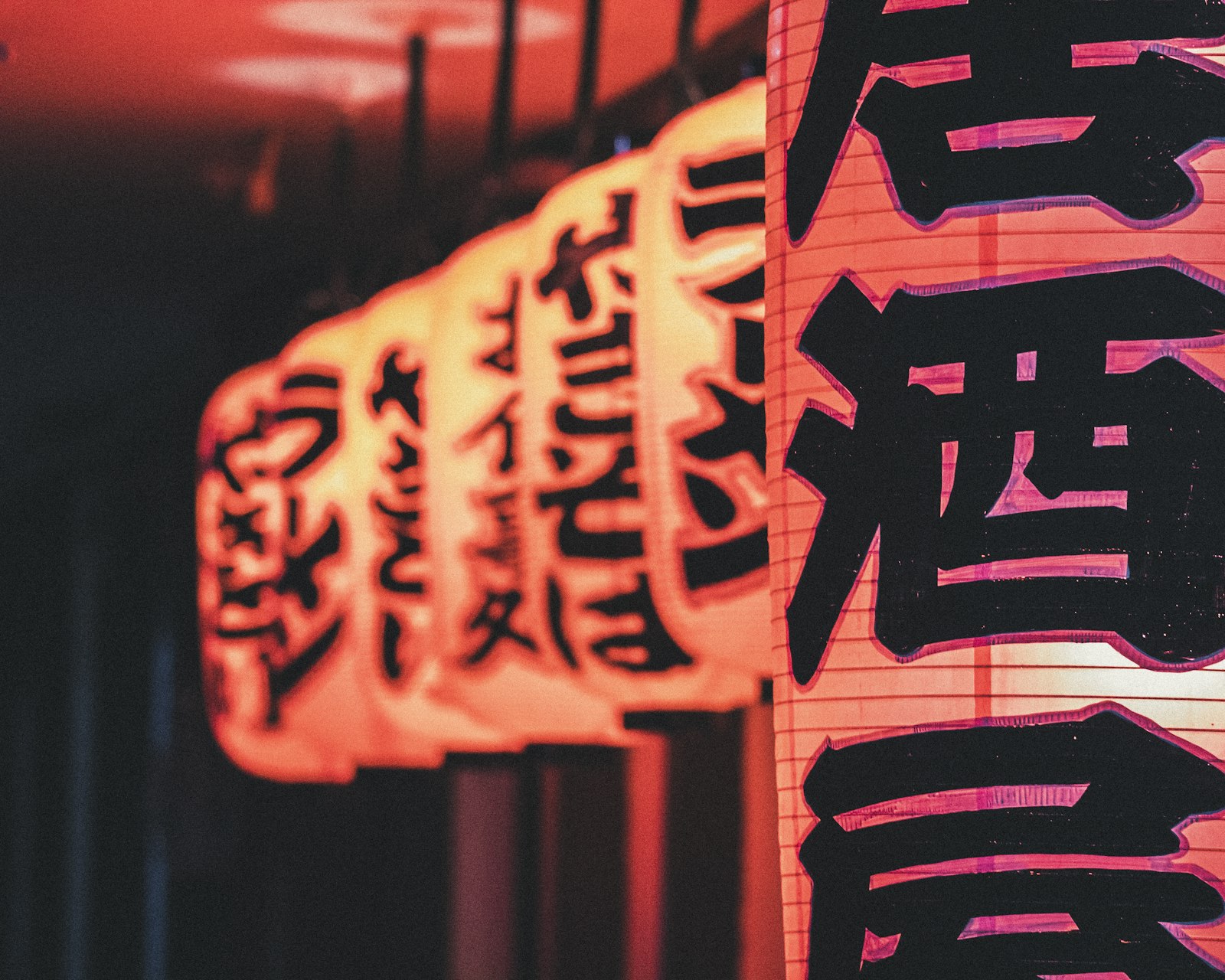
The ultimate solution is a ryokan room with its own in-suite open-air bath, a private rotenburo on your balcony or in a walled garden, fed by the same hot-spring water. You bathe whenever you like, in total privacy, with no rules to navigate and no towel to hide behind. It costs more, but for tattooed travellers — and for anyone wanting the most luxurious version of an onsen stay — it removes every obstacle at once.
Resources for Tattooed Travelers
A little research before you go turns the tattoo question from a source of anxiety into a solved problem. Two habits make all the difference.
Tattoo-Friendly Databases
Crowd-sourced websites and databases specifically list tattoo-friendly onsen, sento, and ryokan across Japan, letting you verify a specific bath’s policy before you travel or turn up. Consulting one while planning means you arrive knowing exactly where you can bathe. They are the single most useful tool for an inked traveller, and worth checking for each place you plan to visit.
Asking Ahead Politely
When in doubt, contact the ryokan or bathhouse in advance and ask directly about their tattoo policy and whether a private bath is available. A short, polite enquiry — by email through the hotel, or via your accommodation’s front desk — avoids any awkwardness at the door and often surfaces options you would not have known about. Hosts generally appreciate the courtesy of asking first.
Expert Tip
Do not simply turn up at a random onsen and hope for the best — being refused entry at the door, undressed and ready, is the awkward scenario worth avoiding entirely. Instead, lock in your plan before the trip: pick a tattoo-friendly town like Kinosaki, book a ryokan room with a private bath, or confirm a kashikiri reservation, and carry cover-up patches as a backup for smaller ink. Ten minutes of planning means you spend the trip soaking, not negotiating.
Related Tours
Tattoo-Friendly Onsen: Frequently Asked Questions (Q&A)
Will I be thrown out if a hidden tattoo becomes visible? If a covered tattoo slips into view at a strict onsen, staff may ask you to cover it again or, in some cases, to leave — enforcement varies, but the polite response is to step out of the water and reapply the patch rather than argue. This is exactly why planning ahead matters: at a tattoo-friendly bath or a private one, there is nothing to hide and no risk of this happening. Carry spare patches to handle any slippage discreetly.
Are full sleeves or large tattoos allowed if I book a private bath? Yes. In a private kashikiri bath or a room with its own in-suite bath, tattoos of any size are completely fine, because the rules that apply to shared public baths do not extend to a private space. This is precisely why the private route is the recommended solution for anyone with extensive ink. You bathe in the same hot-spring water, simply on your own.
Can I wear a rash guard or swimwear into the onsen to cover my tattoos? Generally no. Authentic onsen require full nudity, and swimwear or rash guards are not permitted in the bathing water, so covering tattoos with clothing is not an accepted workaround. The proper solutions are cover-up patches for small tattoos, tattoo-friendly baths, or private baths. Some water parks and bathing facilities that do allow swimwear are a different category and more relaxed, but they are not traditional onsen.
Conclusion
A tattoo no longer has to mean missing out on one of Japan’s best experiences. Between genuinely welcoming towns like Kinosaki, discreet cover-up patches for smaller ink, and private baths where the rules fall away entirely, every tattooed traveller has a comfortable way into the hot springs — as long as the plan is made before the trip, not at the door.
Plan Your Japan Trip with Local Experts
Our team has guided 40,000+ travelers across Japan. Tell us about your trip and we’ll get back to you within 24 hours.