In this article:
- What makes Kyoto cuisine distinct from the rest of Japan
- The essential Kyoto food tour neighborhoods
- What to eat: Kyoto’s defining dishes
- The Nishiki Market guide
- Gion and Pontocho: evening eating
- Practical tips and timing
- Frequently asked questions
Introduction
Kyoto’s food culture operates on a different set of principles than Tokyo’s. Where Tokyo eats boldly — rich broths, grilled over charcoal, aggressive seasoning — Kyoto tends toward restraint. The cuisine here, called Kyoryori or Obanzai, is built around subtle dashi, seasonal vegetables, careful presentation, and the idea that a dish should not overwhelm. This is not timidity. It’s precision.
The city’s food identity is inseparable from its Buddhist temple culture. Centuries of shojin ryori (vegetarian temple cuisine) shaped how Kyoto handles vegetables, tofu, and yuzu — and that influence runs through the entire food culture, even at non-vegetarian restaurants. The tofu here is different. The pickles are different. The dashi is lighter and more floral than anywhere else in Japan.
However, Kyoto is also a practical city with serious izakayas, excellent ramen, and a covered market that has fed the city for four centuries. A food tour here rewards both the fine dining enthusiast and the person who wants to graze through a market with a warm skewer in hand.
What Makes Kyoto Cuisine Distinct
The Dashi Foundation
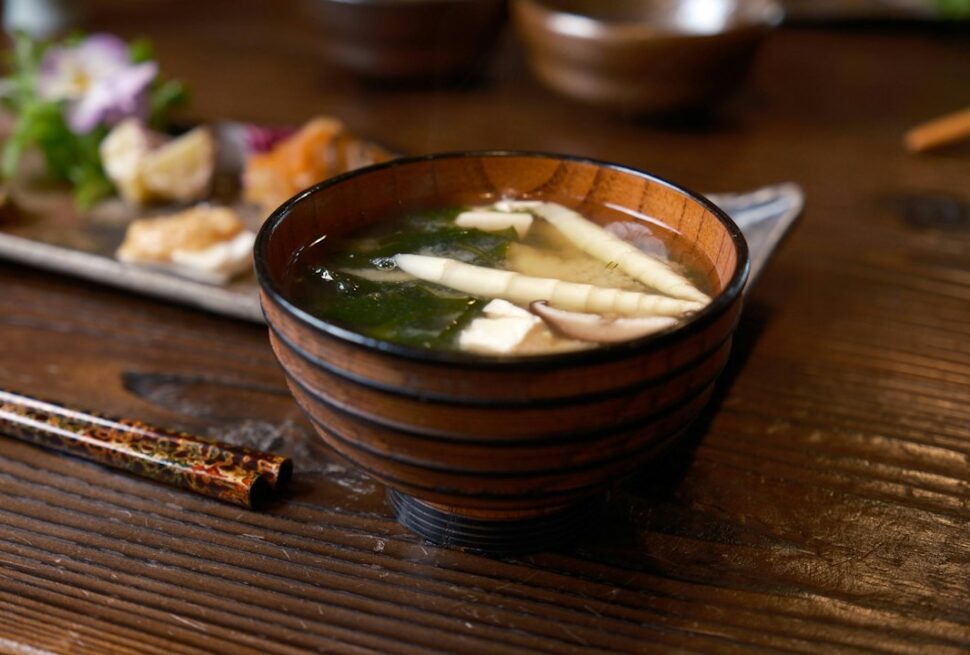
Kyoto dashi is typically made with kombu (kelp) rather than the katsuobushi (bonito flakes) more common in Tokyo. The result is lighter, more mineral, and more umami-forward without the smokiness. This kombu base shows up in almost everything — miso soup, nimono (simmered dishes), tofu preparations, and the broths used in noodle dishes specific to Kyoto.
Understanding this baseline helps explain why Kyoto food tastes different even when the ingredients are similar. The same dish made in Tokyo and Kyoto will taste different, and Kyoto’s version will typically be more restrained.
Seasonal Precision
Kyoto restaurants take seasonality more seriously than most cities. The spring menu in April uses bamboo shoots (takenoko), young burdock, and sakura-flavored preparations. Summer brings cold tofu, grilled sweetfish (ayu), and watermelon. Autumn is matsutake mushrooms, chestnuts, and the beginning of the duck season. Winter is fugu, crab from the Japan Sea, and warming hotpots.
Visiting in any season, you’ll find that the best restaurants are serving something specific to that week — not a general “seasonal menu” but actual ingredients at their precise peak.
The Essential Kyoto Food Tour Neighborhoods
Nishiki Market
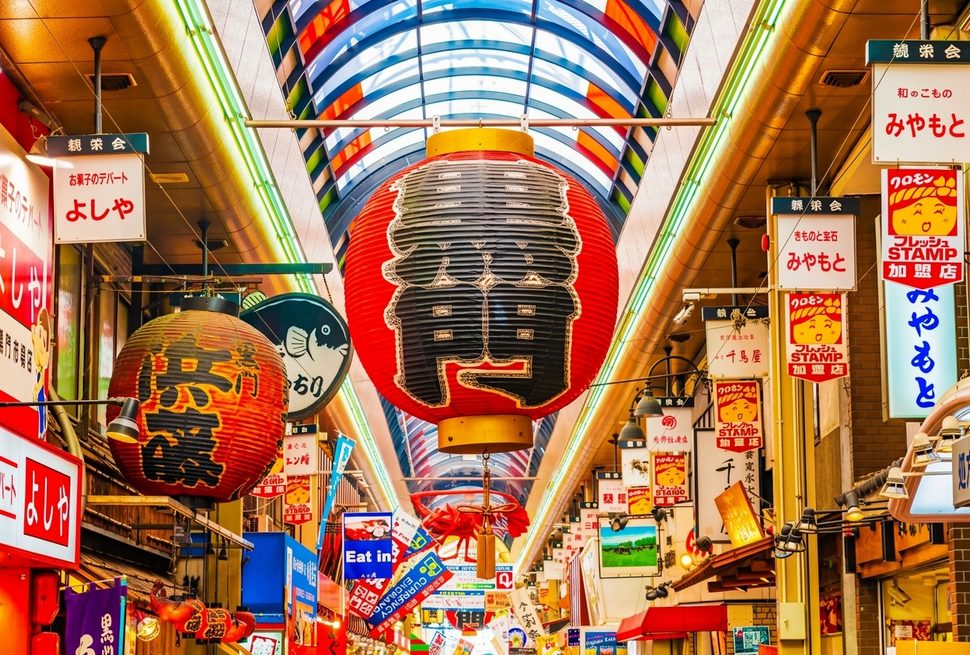
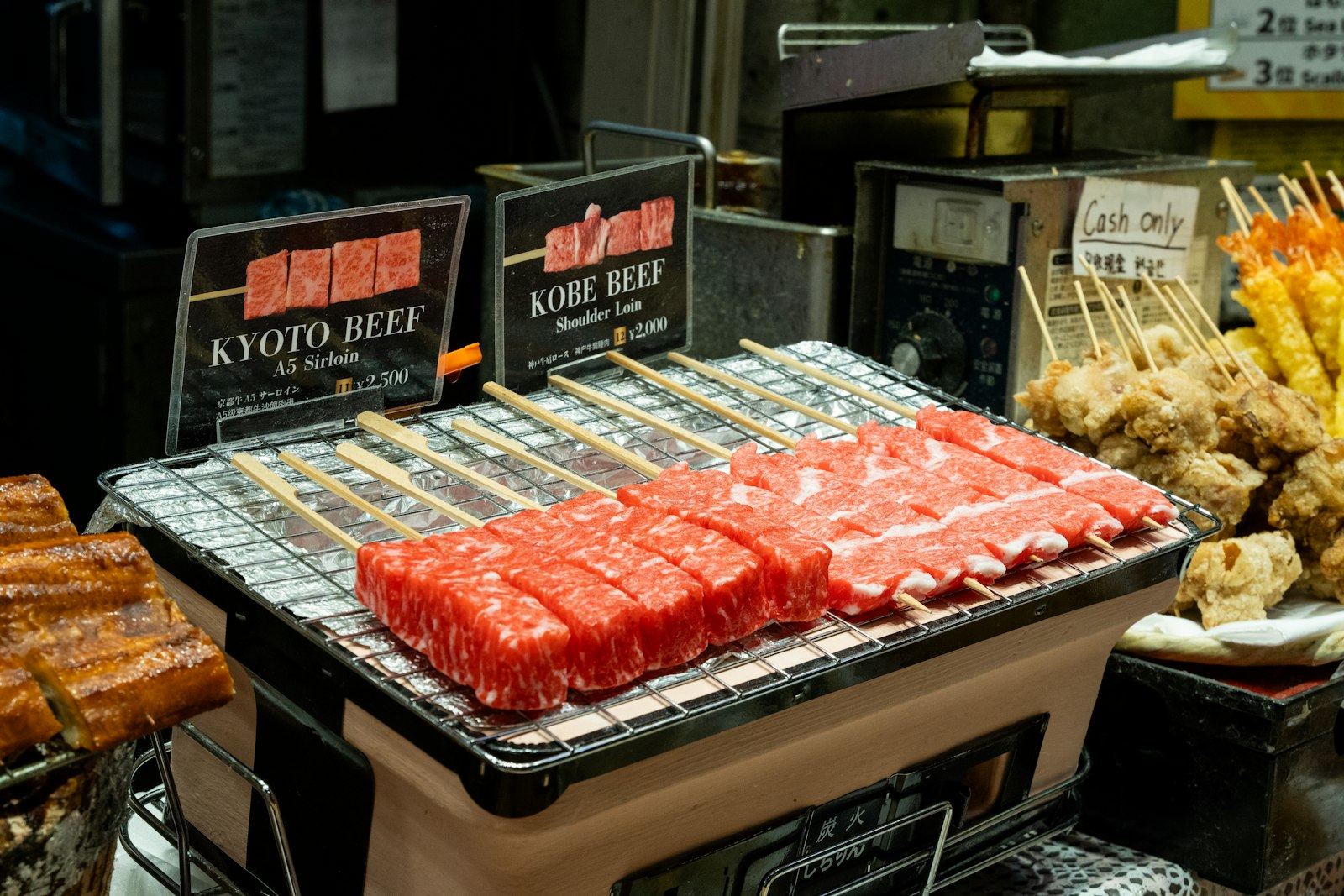
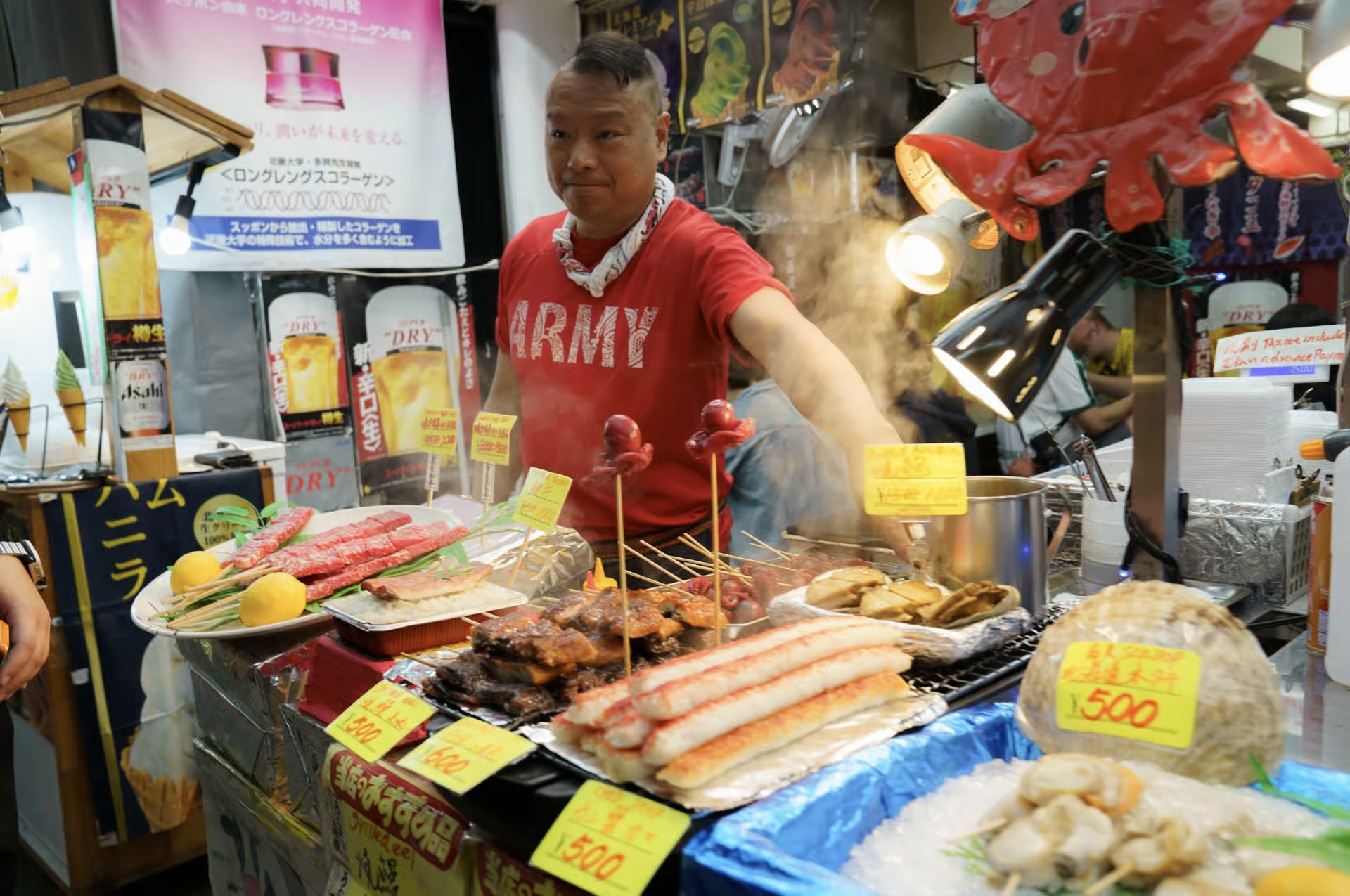
Nishiki Market — five blocks of covered shopping street, 400 years old — is the most concentrated food experience in Kyoto. The stalls sell pickled vegetables of varieties that don’t exist outside the city (including kyo-yasai, heirloom Kyoto vegetables), fresh tofu, soy sauce made on the premises, dried fish, Japanese sweets, and, increasingly, street food prepared to order.
The best strategy is to walk the full length once without buying anything, identify what you actually want to taste, then work backwards. The market runs east–west near Shijo Street and is busiest 10am–3pm. Arrive before 10am for the calmest experience.
Gion and Pontocho
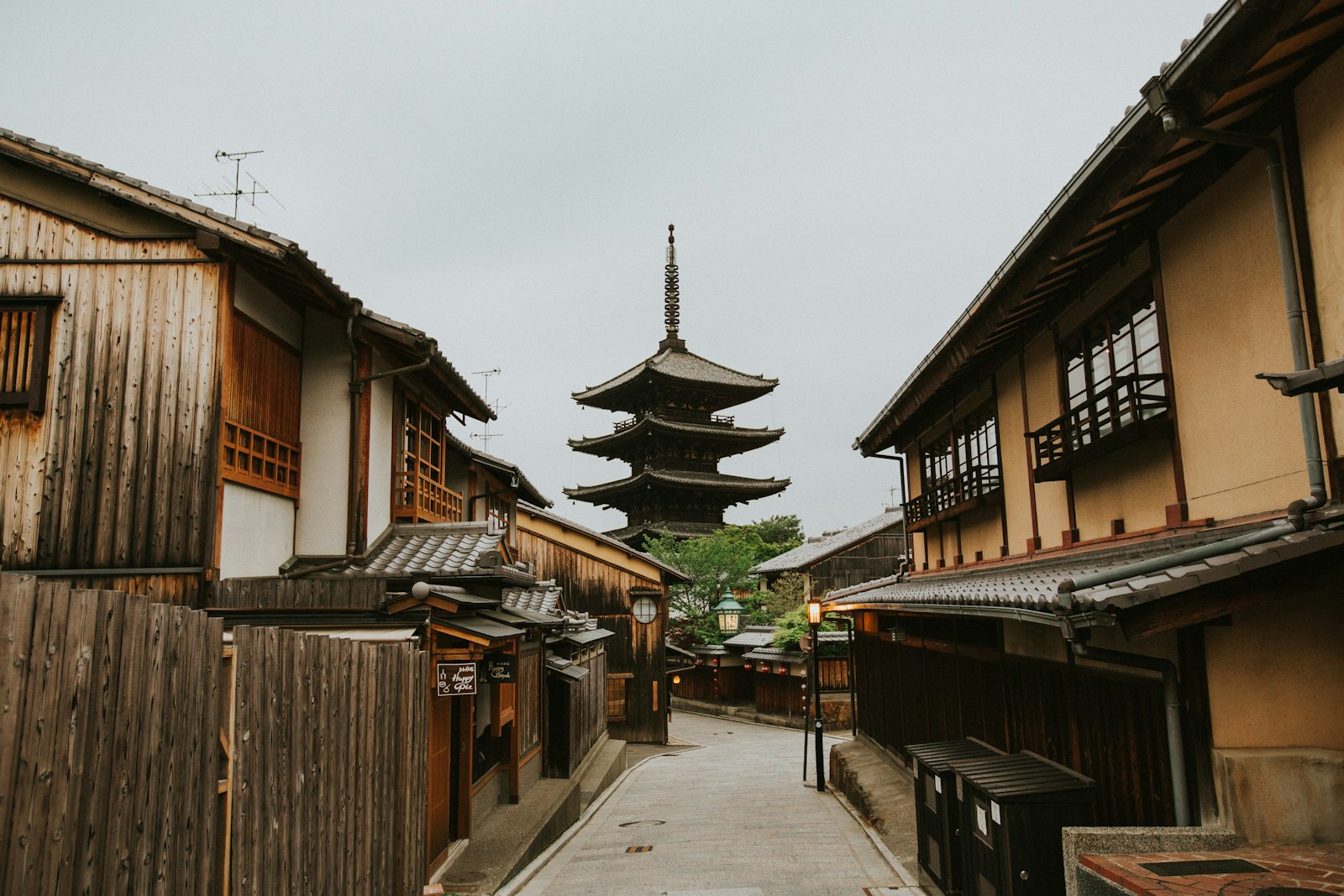
For evening eating, Gion and Pontocho are the city’s two most atmospheric options. Pontocho is a single narrow alley running parallel to the Kamo River, lined with restaurants from budget izakayas to high-end kaiseki. The river-facing terraces (kawayuka) are open from May to September — eating outside above the Kamo River on a summer evening is one of the better dining experiences in Japan.
Gion has more formal options and several of the city’s most serious kaiseki restaurants. It’s also where Kyoto’s oldest confectionery shops operate, making it the right place to explore wagashi (traditional sweets) before or after dinner.
Fushimi and Fushimi Inari
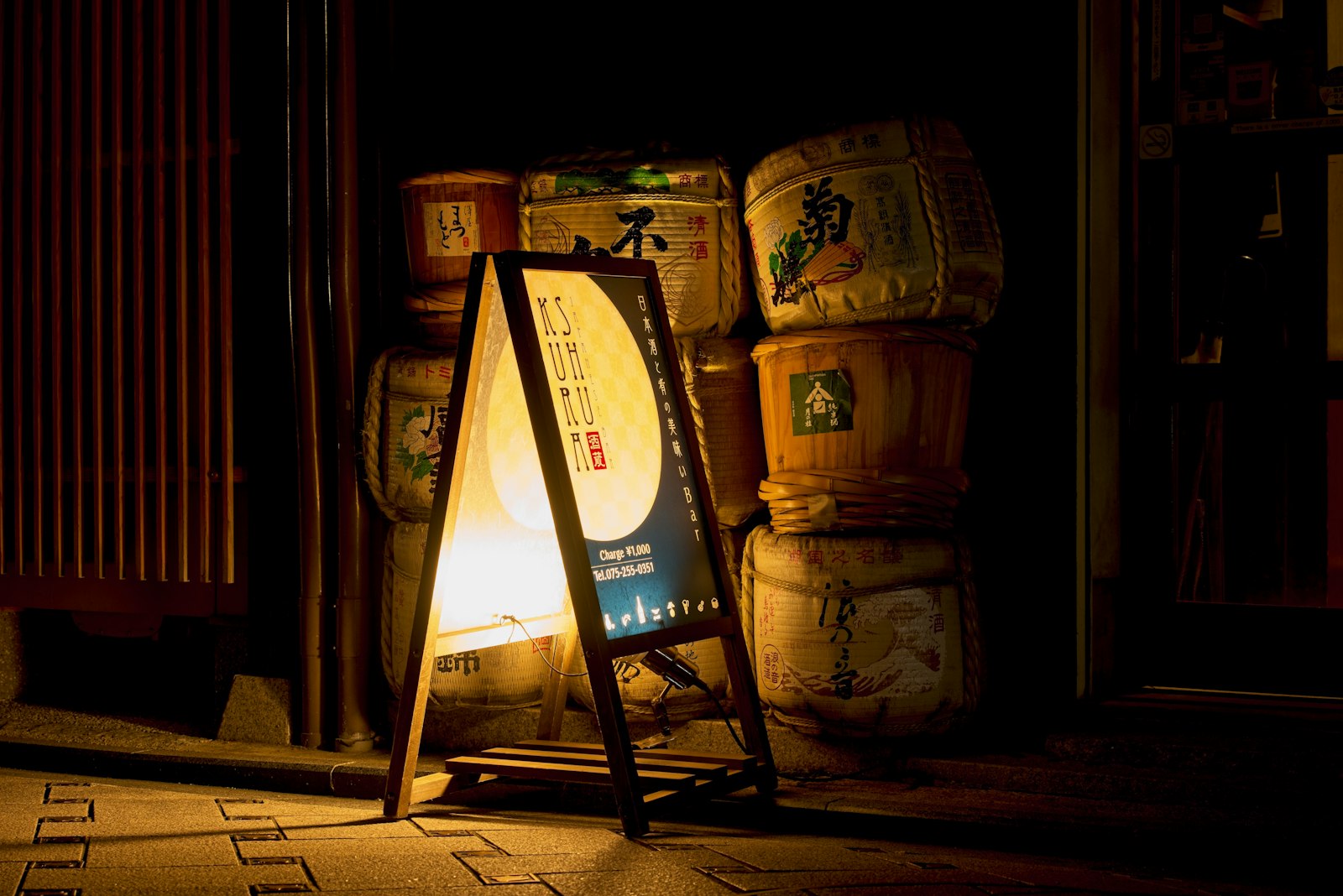
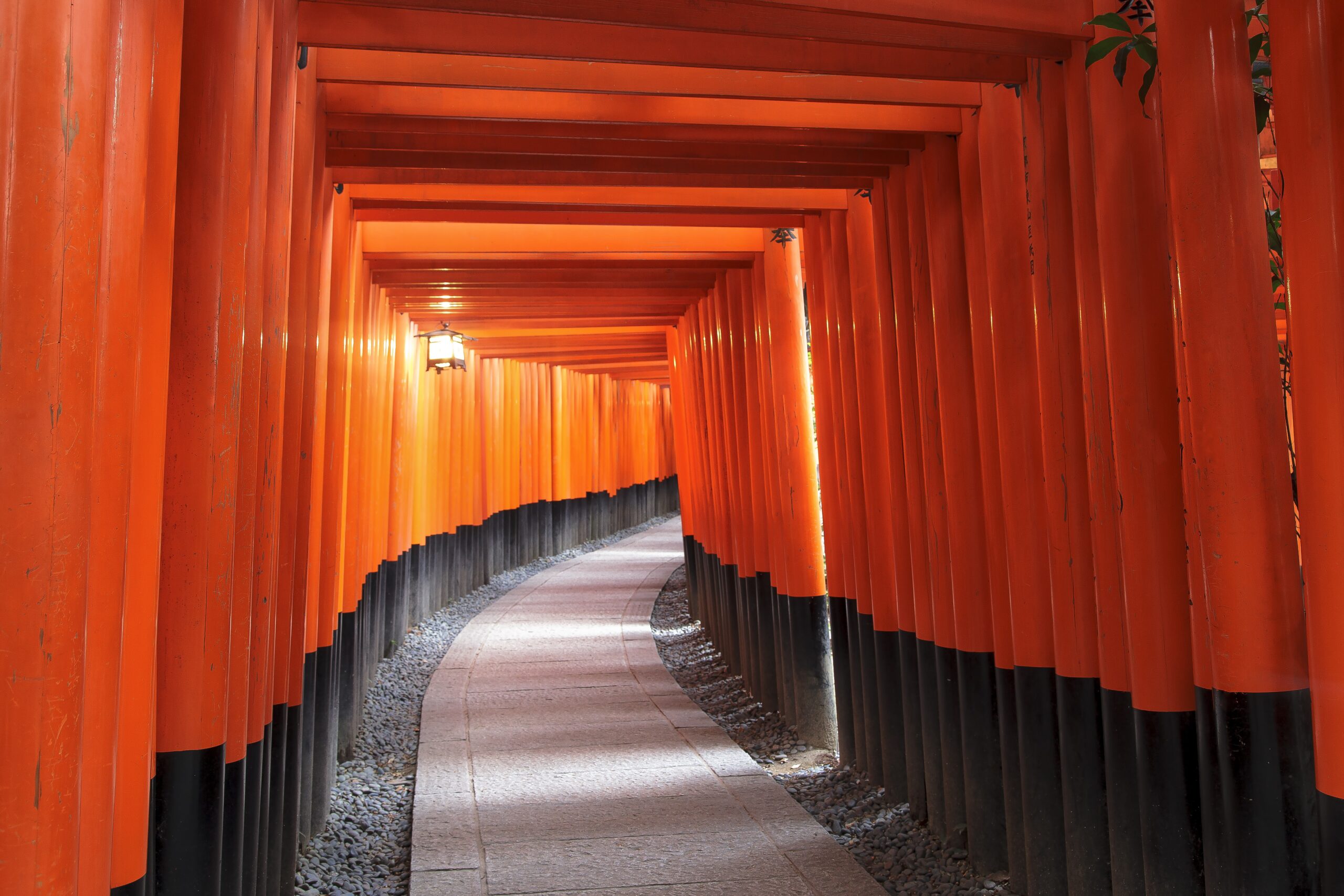
Fushimi, south of central Kyoto, is the city’s sake brewing district. The groundwater here — drawn from the same aquifer system — produces the soft, slightly sweet water that gives Fushimi sake its character. Several breweries offer tastings, and the area around Fushimi Inari Shrine has good casual eating. Less visited than the central neighborhoods, it rewards the traveler with a half-day to spare.
What to Eat: Kyoto’s Defining Dishes
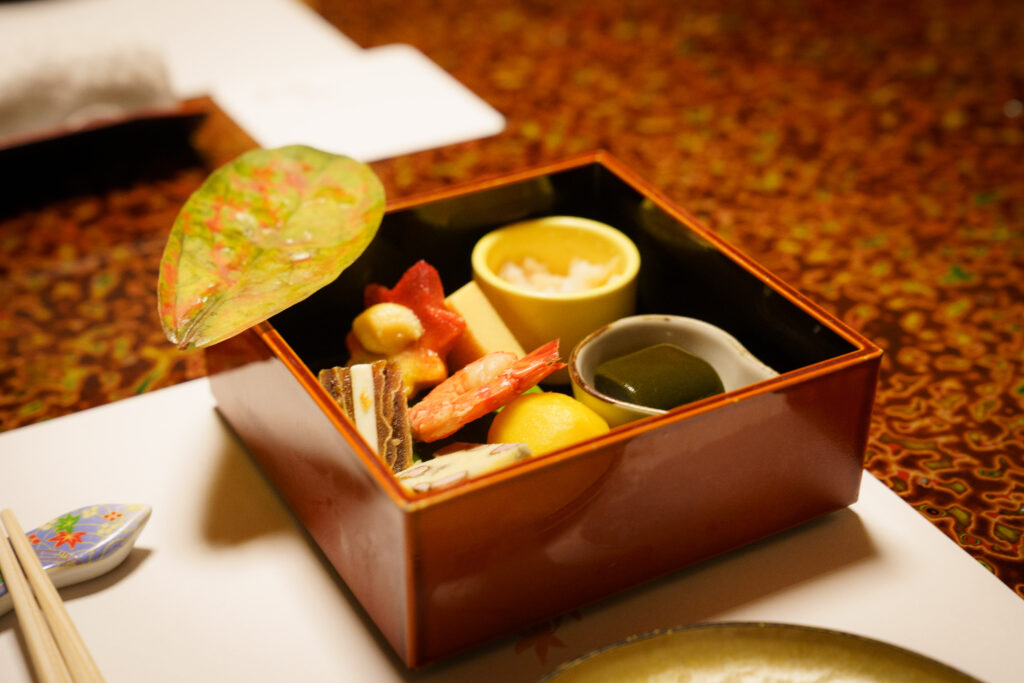
Kaiseki
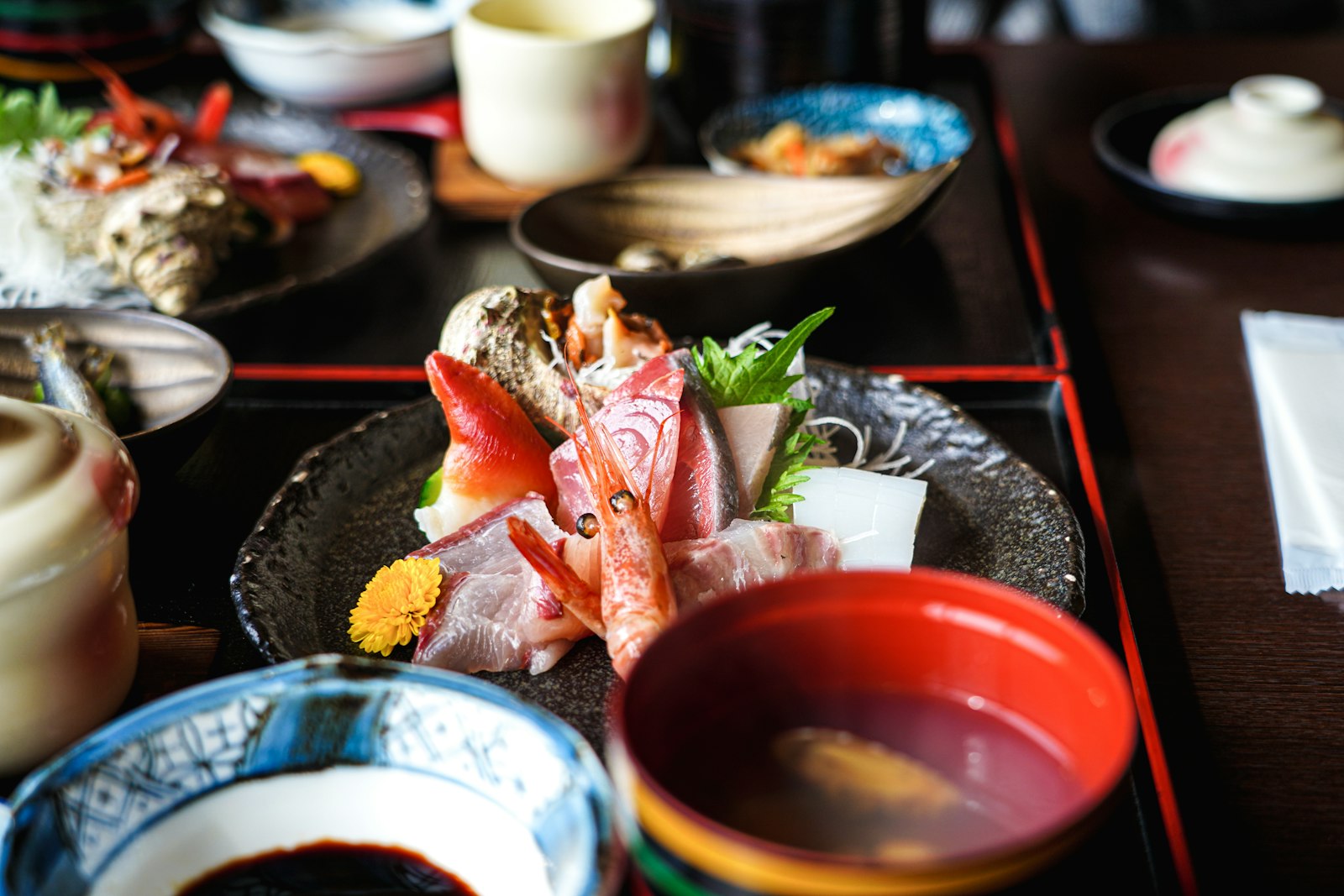
Kaiseki is Kyoto’s most celebrated contribution to Japanese cuisine — a multi-course meal that follows the principles of seasonal produce, minimal intervention, and aesthetic presentation. A full kaiseki dinner runs ¥15,000–50,000 per person and requires reservations made weeks or months in advance. However, lunch kaiseki at the same restaurants typically costs ¥5,000–10,000 and is considerably easier to book.
For a first experience, a restaurant that serves kaiseki-style lunch at the ¥5,000–8,000 level gives you the structure and craftsmanship without the full evening commitment.
Obanzai
Obanzai is Kyoto’s everyday cuisine — small dishes of simmered vegetables, pickles, marinated fish, tofu preparations, and egg dishes, served at room temperature and meant to be eaten with rice. It’s the opposite of kaiseki: humble, practical, built around using what’s available. Good obanzai restaurants serve it buffet-style or as a set meal at lunch for ¥1,200–2,000. This is the most honest window into how Kyoto actually eats day to day.
Tofu Cuisine
Kyoto’s tofu is made from the same soft water that makes its sake distinctive, and the difference is perceptible. Yudofu (tofu simmered in kombu broth, served with condiments) is the most common preparation and is best eaten at a restaurant near Nanzenji or in Arashiyama, where the tradition of tofu cuisine developed near the temples. Don’t approach it as a vegetarian fallback — approach it as a preparation that rewards attention.
Kyoto Ramen (Tori Paitan)
Kyoto has its own distinct ramen style: a rich, milky chicken broth (tori paitan) with thin straight noodles, often topped with chicken chashu and green onion. It’s richer than you might expect in a cuisine known for restraint — but ramen in Japan has always been separate from fine dining culture, and Kyoto’s ramen shops have developed their own character independently.
Expert Tip
Kyoto’s best food experiences tend to be at lunch, not dinner. Kaiseki lunches cost half the evening price with the same kitchen. The market eats best before noon. Pontocho’s kawayuka terraces accept same-day reservations on weekdays if you call after 4pm. Dinner reservations for the restaurants everyone knows (Nakamura, Kichisen, Mizai) require months — but there’s an entire tier of excellent restaurants that take reservations a week or two out.
The Nishiki Market Guide
What to Buy and Taste
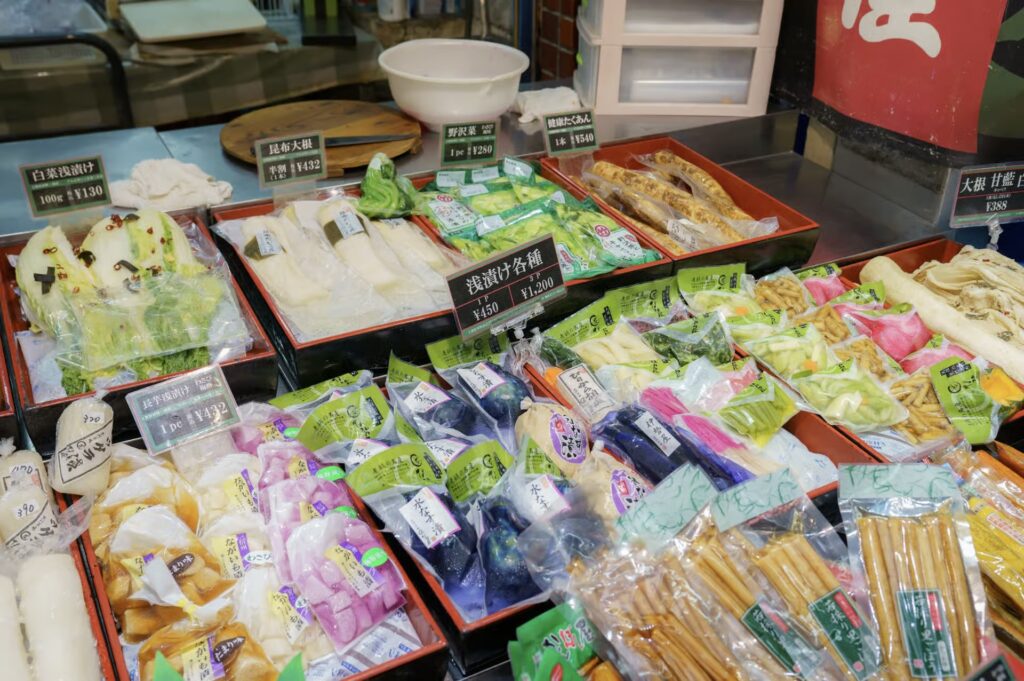
Worth tasting on a Nishiki walk: the tamagoyaki from Fushimi Inari’s dedicated stalls (sweeter than Tokyo style, eaten warm on a stick), the sesame tofu from Tousuiro, kyo-tsukemono (Kyoto pickles) at any of the pickle specialists in the western half, and the grilled mochi from the shops near the Teramachi end. Skip the overly touristy takoyaki shops — better versions exist elsewhere.
Worth buying: the pickles, which travel well, and the sesame products from dedicated sesame shops that process everything in-house.
Timing and Crowds
Nishiki on a Saturday afternoon in peak season is genuinely difficult to navigate — the alley is 4 metres wide and fills completely. Weekday mornings (9–10:30am) before the market fully opens are dramatically calmer. Some stalls don’t open until 10am, but the ones worth visiting for pickles and tofu are typically open from 9am.
Gion and Pontocho: Evening Eating
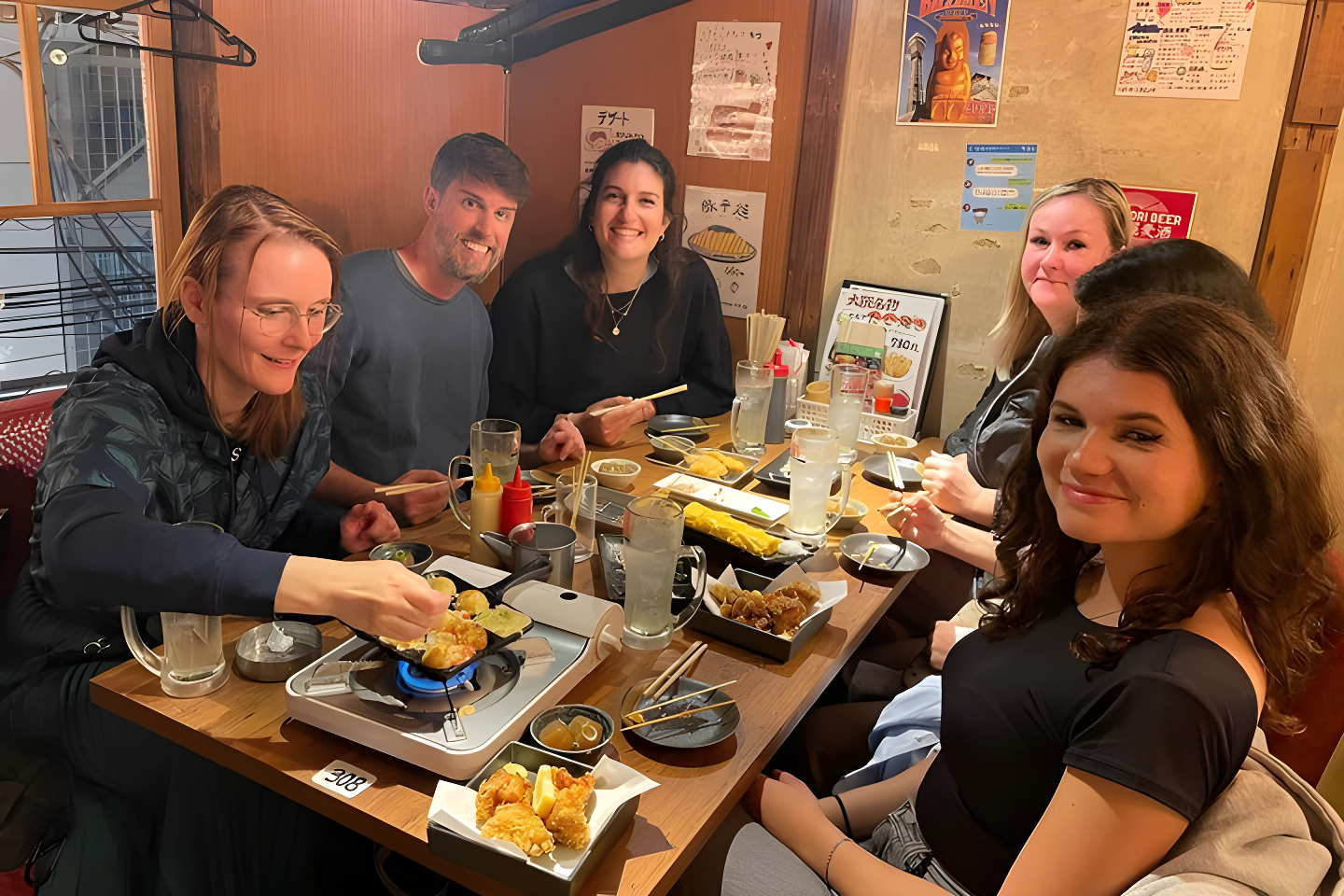
The choice between Gion and Pontocho for dinner depends on what you’re looking for. Pontocho is more accessible — the alley is compact, restaurants are visible, and the range from ¥1,500 izakaya sets to ¥20,000 kaiseki means there’s an entry point for any budget. Gion has higher average prices and more formal restaurants, but also several of the city’s best-value obanzai places in the quieter side streets east of Hanamikoji.
For a first evening in Kyoto, Pontocho between 6pm and 8pm — walking the full length, finding a restaurant with a window table or riverside terrace — covers the visual and culinary character of the city simultaneously.
Practical Tips for Eating in Kyoto
Budget Expectations
Kyoto’s mid-range is slightly more expensive than Tokyo’s equivalent. A lunch obanzai set runs ¥1,200–2,000. A serious kaiseki lunch is ¥5,000–10,000. Evening izakaya with food and drinks is ¥3,000–5,000 per person. The market food at Nishiki is mostly ¥300–800 per item — plan for ¥1,500–2,000 for a thorough graze.
Reservations
For kaiseki at any restaurant you specifically want to visit, book as far in advance as possible. For Pontocho izakayas and obanzai restaurants, same-day booking by phone at 5–6pm usually works on weekdays. For the market, no booking needed. Google Maps is reliable for checking current hours — many Kyoto restaurants take full days off mid-week.
Frequently Asked Questions
Is Kyoto good for vegetarians? Better than most of Japan, given the temple cuisine tradition. Shojin ryori (Buddhist vegetarian cuisine) is available at several temple restaurants. However, hidden fish stock (dashi) remains a challenge — carry an allergy card in Japanese for kitchens that can accommodate.
How much time should I spend on a Kyoto food tour? A half-day covers Nishiki, a lunch, and one afternoon neighborhood. A full day adds evening Pontocho or Gion dining. Two food-focused days allows you to add Fushimi and a proper kaiseki lunch.
Is Nishiki Market worth it? Yes — but approach it as a tasting experience, not a shopping trip. Eat as you walk, focus on the specialty stalls, and don’t rush.
Related Tours
Conclusion
Kyoto’s food culture rewards patience and attention more than most cities. The most memorable meals here are not always the most expensive or the most famous — they’re often a quiet obanzai lunch in a neighborhood that doesn’t appear on tourist maps, or a pickled vegetable at Nishiki that tastes like nothing you’ve had before. Give yourself the time to find those, and the more celebrated meals will land better for the context.
Plan Your Japan Trip with Local Experts
Our team has guided 40,000+ travelers across Japan. Tell us about your trip and we’ll get back to you within 24 hours.