In this article:
- Why October Is the Month Many Travelers Prefer
- Where to Find the Earliest Autumn Leaves
- Harvest Landscapes and Rural Traditions
- October Festivals Worth Planning Around
- What to Eat in October
- National Parks and the Outdoors in October
- October in Japan: Common Questions
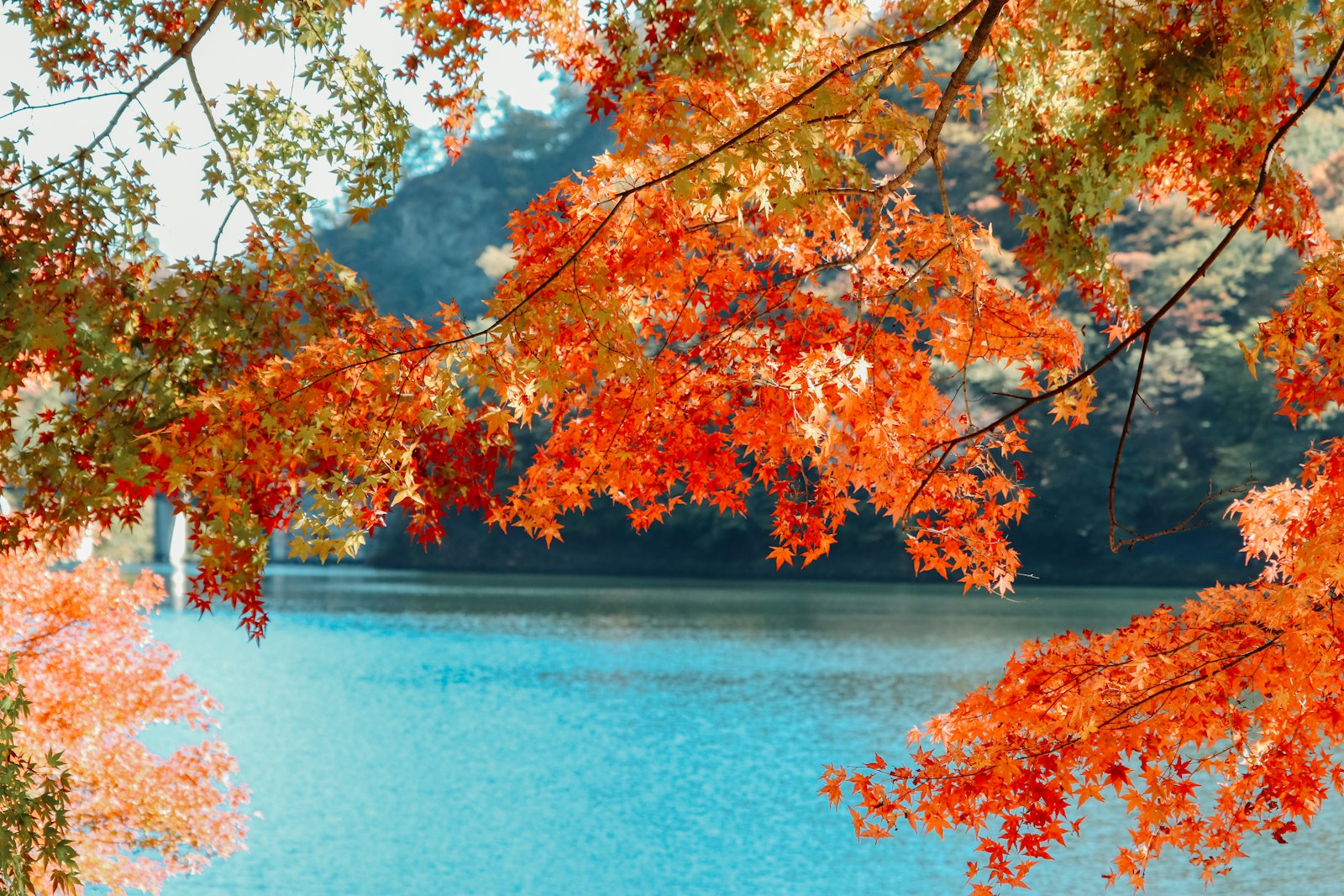
Why October Is the Month Many Travelers Prefer
There is a particular quality to an October morning in Japan. The humidity that defined the summer is gone, the sky holds a hard, washed blue, and the temperature in Tokyo and Kyoto settles around 18 to 22 degrees by midday — warm in the sun, cool in the shade. After the heat and the typhoon risk of September, the relief is physical. Travelers who have visited in both seasons rarely go back to summer.
What makes October genuinely different from the more famous November is timing. The crowds that descend on Kyoto for peak foliage have not yet arrived. The mountains have started to turn while the cities are still green. You get the first act of autumn without the congestion that comes later, and you can move through major sights at a pace that November simply does not allow.
The Weather: Clear Skies After the Typhoons
By early October, the typhoon season that peaks in August and September is winding down. It is not gone entirely — a late system can still cross the country in the first two weeks — but the dominant pattern shifts to dry, stable high pressure. Average daytime temperatures in Tokyo sit near 19 degrees, dropping into the low teens at night. Rainfall falls sharply from the September figures.
The practical upshot is reliability. You can plan a hiking day or a long walk through a temple district with reasonable confidence that the weather will hold. That is rarely true of June or September.
The Season of Arts and Culture
Cooler weather coincides with the start of Japan’s cultural calendar. Major museums in Tokyo and Kyoto launch their autumn exhibitions in October, and the season is traditionally associated with reading, art, and appetite — geijutsu no aki, the autumn of the arts, is a phrase you will see everywhere. If a rainy afternoon does arrive, the Mori Art Museum in Roppongi or the National Museum of Western Art in Ueno make the day rather than salvage it.
How to Pack for a Range of Temperatures
The single mistake we see most often is packing for one climate. In October you may stand in 24-degree sun in Tokyo and, three days later, hike at 8 degrees in the Japanese Alps. Layers solve this. A light merino base, a packable insulating layer, and a shell that handles wind cover almost every scenario. Leave the heavy coat at home; bring the layers you can add and shed through a single day.
Expert Tip
If your itinerary includes both the cities and the northern mountains in the same week, check elevation, not just the city forecast. Kamikochi at 1,500 metres can sit ten degrees below central Tokyo on the same afternoon, and trails there see frost by late October. A glance at the mountain forecast the night before saves a cold, miserable morning.
Where to Find the Earliest Autumn Leaves
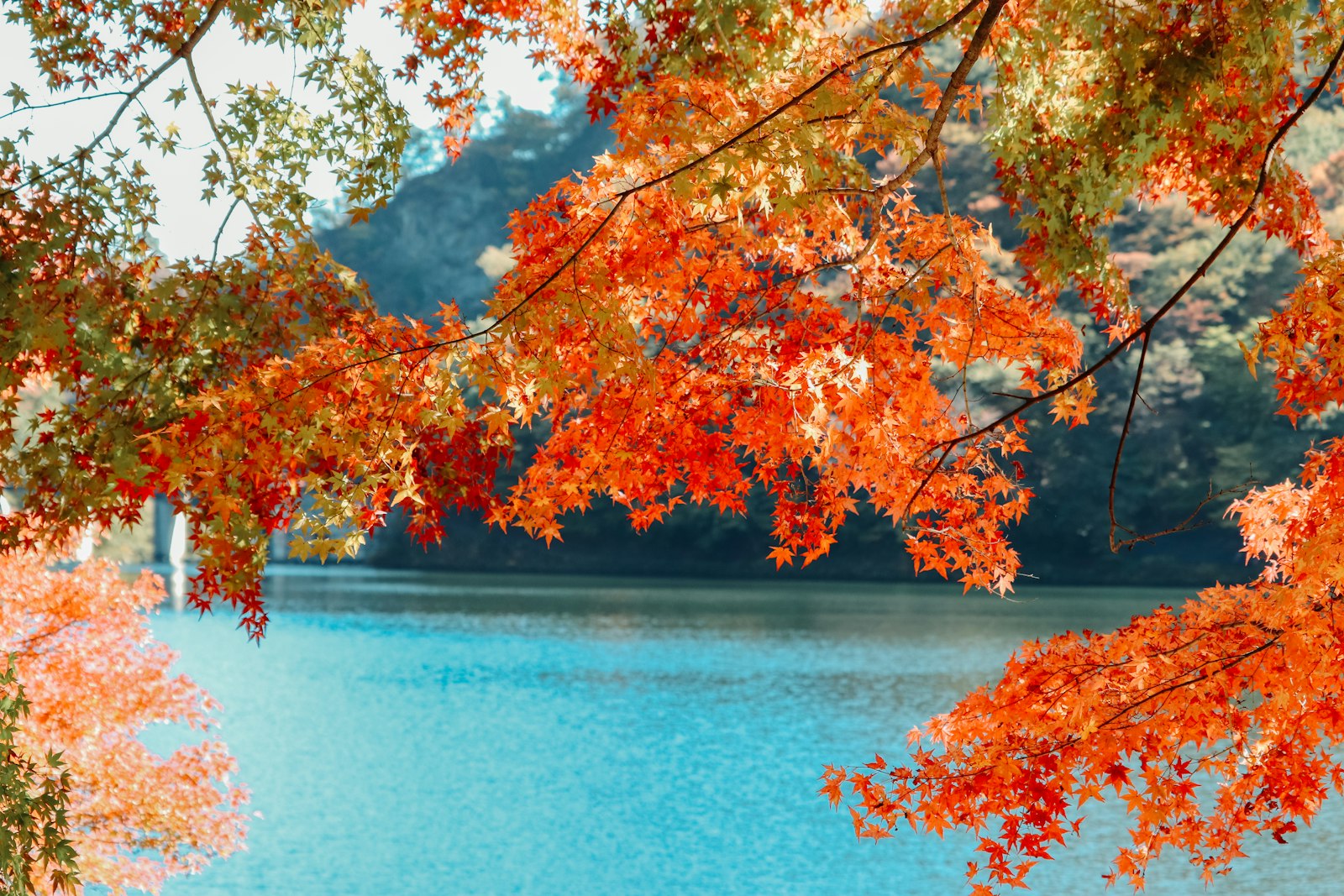
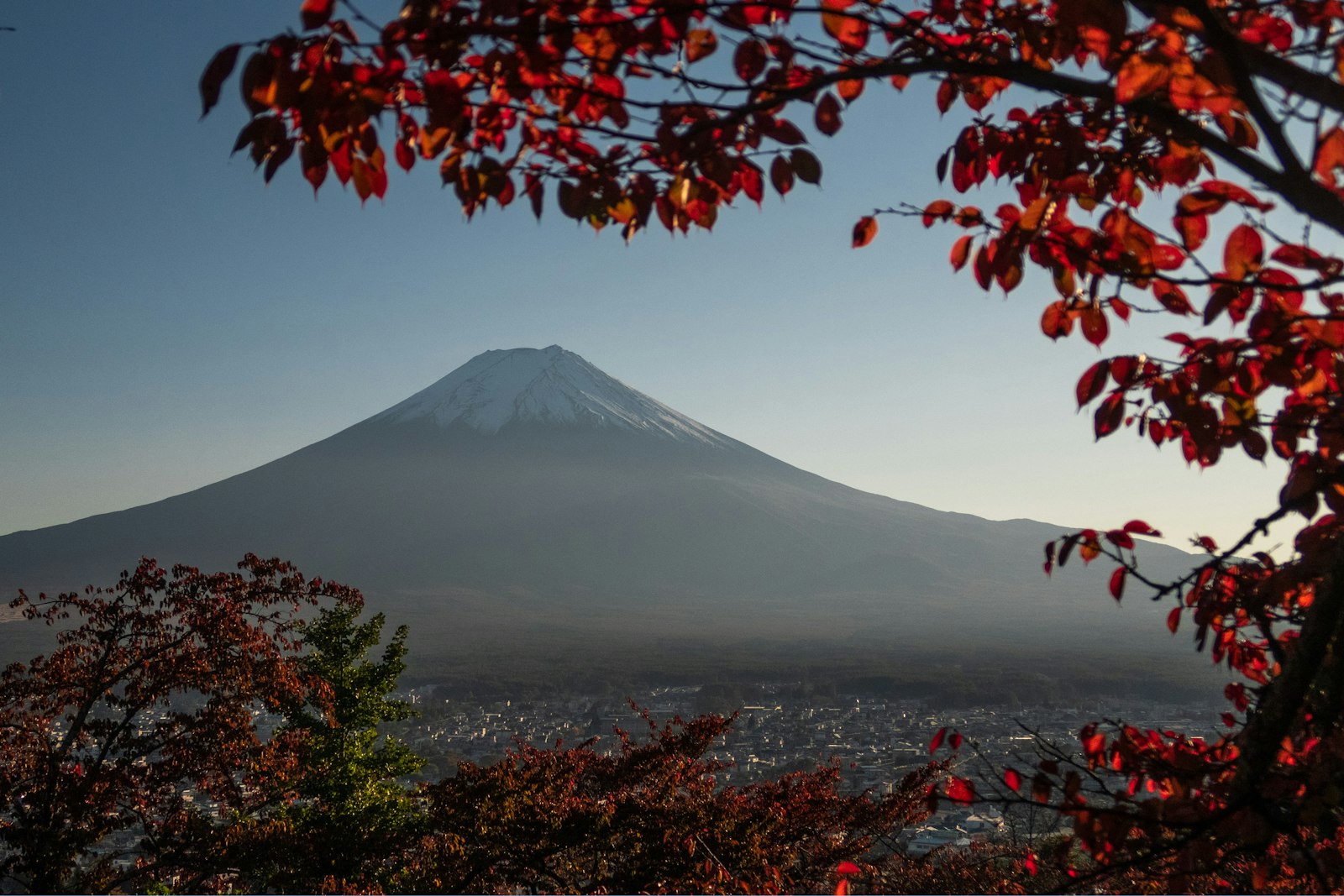
The koyo, or autumn foliage, does not arrive everywhere at once. It begins in the high north and the mountains and moves south and downhill over roughly six weeks. In October, that means looking up and looking north. Tokyo and Kyoto will not show real colour until mid-to-late November, but several places are already at their peak while the cities sleep through summer’s end.
Hokkaido’s Early Peak: Daisetsuzan
Daisetsuzan National Park, in central Hokkaido, holds the earliest reliable colour in the country. The slopes around Asahidake and Kurodake turn in the first half of October, and on a clear day the combination of crimson maple, golden birch, and dark volcanic stone is among the most concentrated autumn scenes in Japan. Take the ropeway up Asahidake and walk the boardwalk loop; you do not need to be a serious hiker to reach the best of it.
The Japanese Alps: Kamikochi and the Tateyama Kurobe Route
Through mid-October, the high valleys of the Japanese Alps come into their own. Kamikochi, a protected river valley in Nagano, offers flat, accessible walking along the Azusa River beneath turning larch and beech. The Tateyama Kurobe Alpine Route — a chain of cable cars, buses, and a trolley crossing the mountains between Toyama and Nagano — climbs through colour that shifts with altitude as you ascend. Both close for winter, so October is effectively the last window.
Northern Gorges: Kurobe and Oyasu
For travelers willing to go further off the standard route, the gorges deliver. The Kurobe Gorge Railway runs a small open-sided train along a dramatic ravine in Toyama, best in mid-to-late October. In Akita, the Oyasu Ravine pairs autumn colour with rising steam from natural hot springs along the riverbed. Neither is on a first-timer’s itinerary, which is precisely the point.
Harvest Landscapes and Rural Traditions
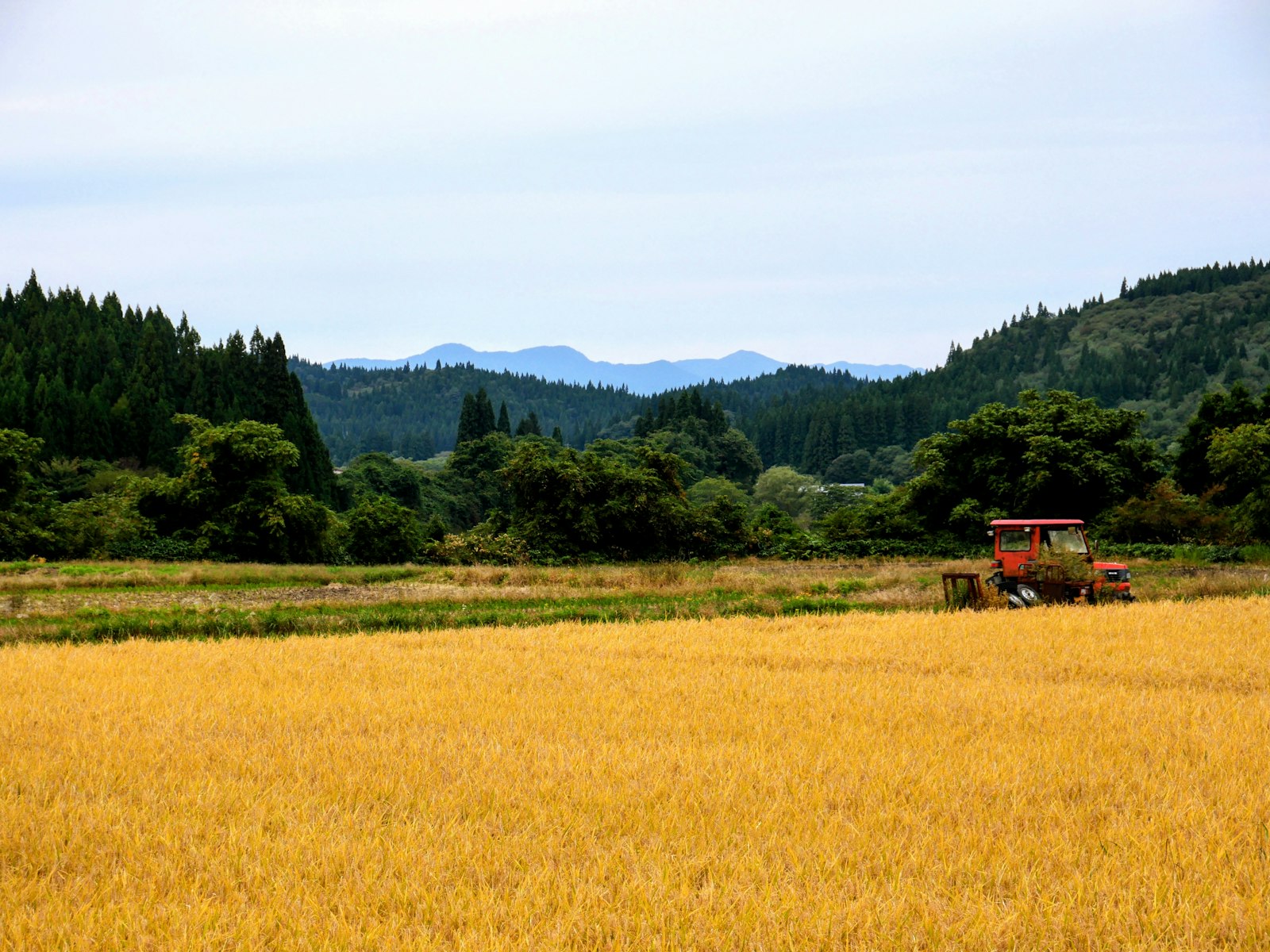
October is harvest, and the rural landscape reflects it. The rice that has stood green all summer turns gold and comes down, and the countryside takes on a brief, specific beauty that disappears within weeks of the cut. If your interest runs to landscape and rural life rather than temples and cities, this is the month to leave the main routes.
The Rice Harvest at Hoshitoge
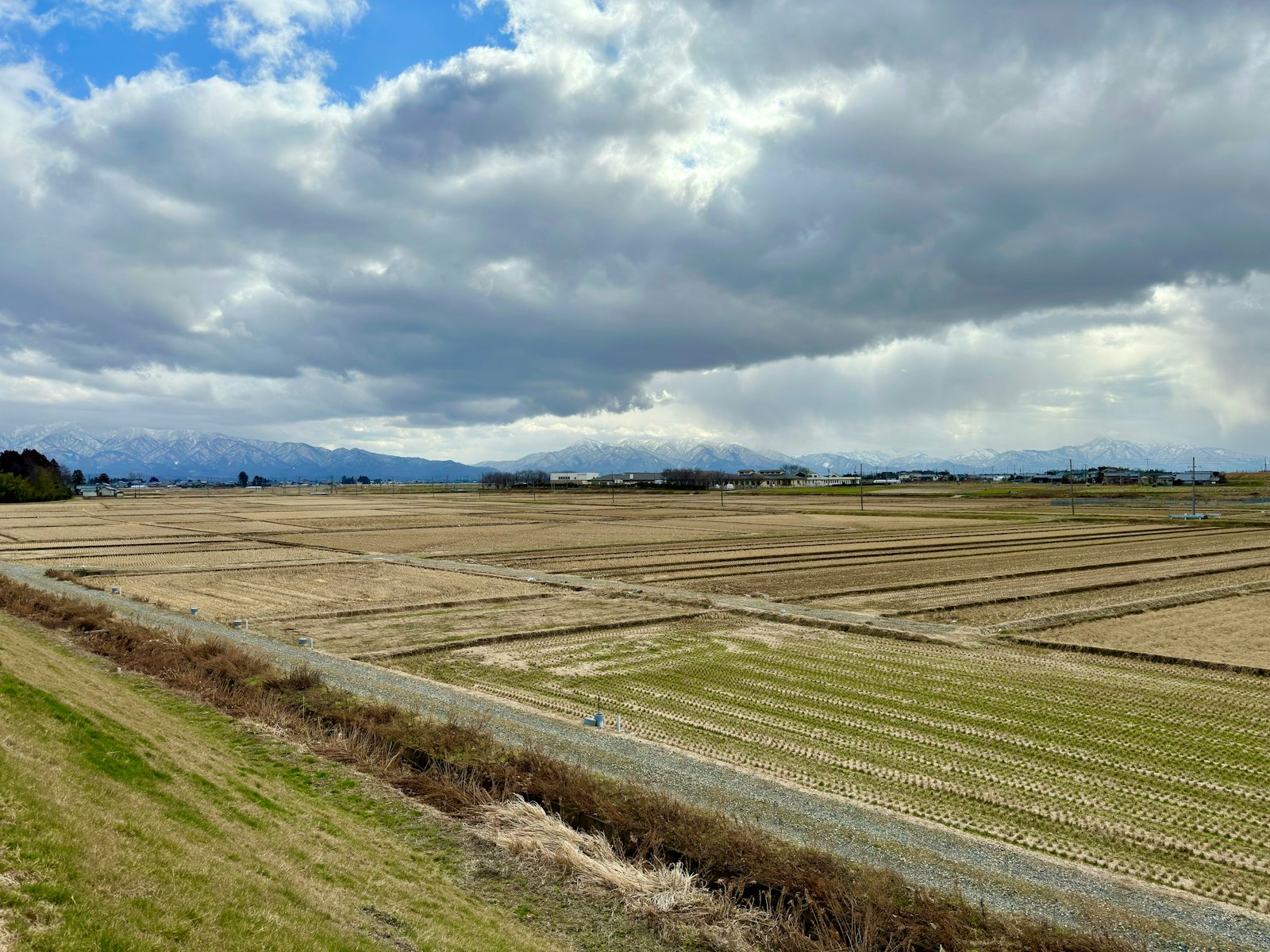
The Hoshitoge rice terraces in Niigata are the image most people have in mind without knowing the name: a fan of curved paddies stacked up a hillside, holding the dawn light and, on still mornings, a layer of mist. Early October catches them gold before the cut. Arrive before sunrise — the mist burns off within an hour, and the photographers who make the trip know it.
Rural Art: Inakadate Rice Field Art
In the village of Inakadate in Aomori, farmers plant different varieties of rice to compose enormous, detailed pictures across the fields — a practice that has grown into a genuine art form. The images are best viewed from the village’s observation tower, and the late-season display holds into early October before harvest. It is a strange, quietly impressive thing to stand in front of.
Orchards: Apples in Nagano, Grapes in Yamanashi
October is picking season. The orchards of Nagano open for apple picking, and the vineyards of Yamanashi — Japan’s wine country, an easy day from Tokyo — run grape harvest and tastings. For a family, or for anyone who likes their travel to involve doing rather than only looking, an afternoon in an orchard is an easy, low-key pleasure that locals build their own autumns around.
October Festivals Worth Planning Around
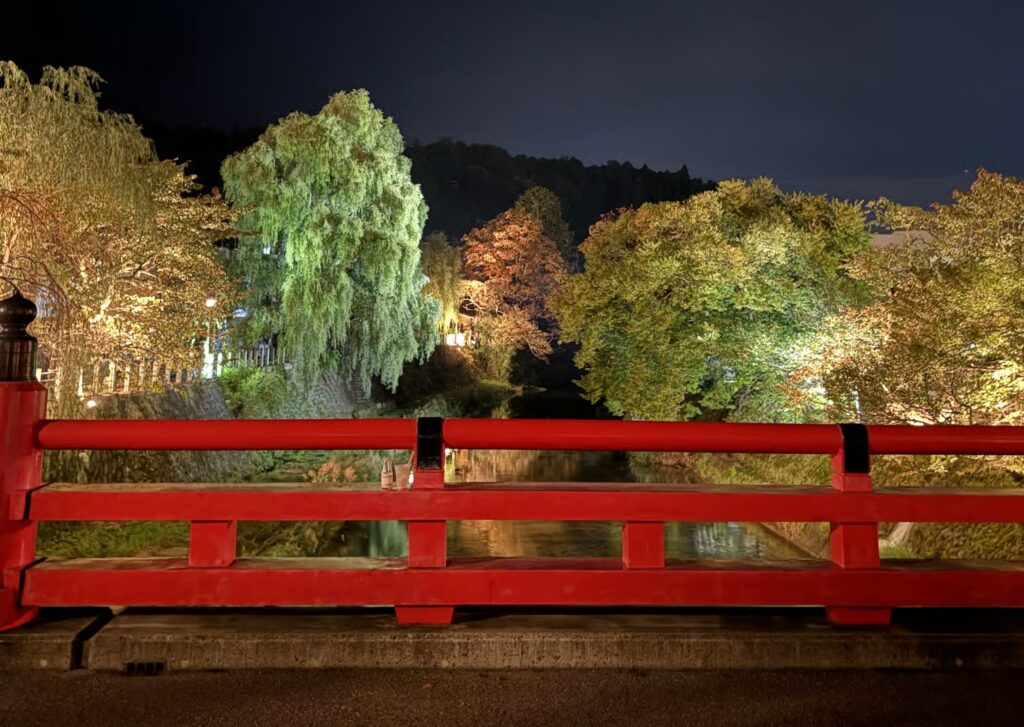
Autumn is festival season, and a few October matsuri are worth shaping an itinerary around rather than catching by accident. These are not the enormous summer crowds; the autumn festivals tend to be more measured, more about craft and procession than spectacle.
Takayama Autumn Festival
The Takayama Matsuri in Gifu, held on October 9th and 10th, is among the most refined festivals in the country. Its centrepiece is a procession of ornate festival floats — yatai — some carrying mechanical marionettes operated by hidden puppeteers, all built and maintained over generations. In the evening the floats are hung with lanterns and pulled through the old town. The dates are fixed; plan around them, because Takayama fills up.
City Festivals and Lantern Nights
Closer to the cities, October offers smaller pleasures. The Tokyo Yosakoi in Ikebukuro fills the streets with energetic team dancing, while in Fukuoka the Hakata Toumyou lantern festival lays thousands of small candles through the precincts of a temple. Around the same time, Kagurazaka in Tokyo runs its Bakeneko festival, a cat-themed Halloween procession that is exactly as odd and charming as it sounds — a reminder that not all Japanese tradition is centuries old.
What to Eat in October
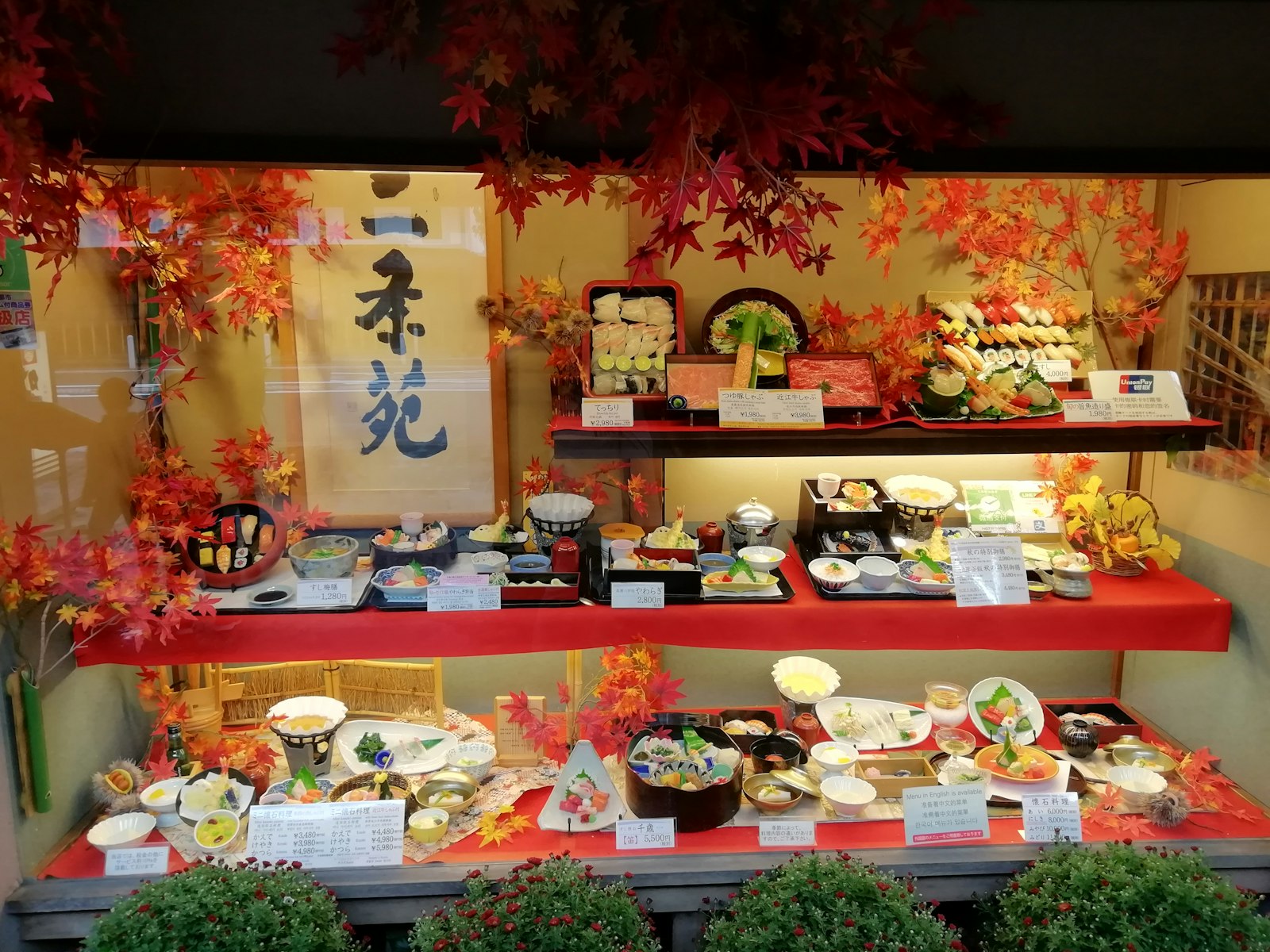
Autumn is the season Japanese food culture takes most seriously, and October is its opening. The word shun — the precise moment an ingredient is at its best — governs how people eat here, and in October the calendar turns over to a set of flavours that define the whole season.
The Prized Earth: Matsutake, Chestnuts, Persimmons
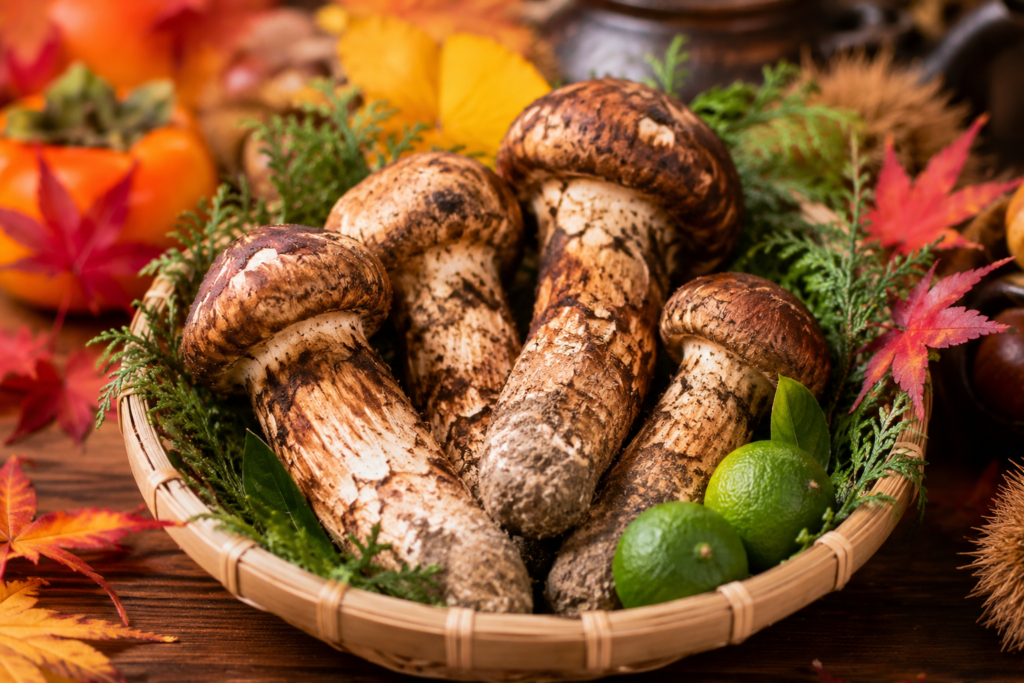
Matsutake mushrooms are the luxury at the top of the autumn table — intensely aromatic, wildly expensive, and served simply, often grilled or steamed in a clear broth so nothing competes with the scent. Below them in price but not in pleasure: roasted chestnuts sold warm on the street, and kaki, the sweet astringent-free persimmon that appears in markets and on the trees of half the gardens in the country.
From the Sea: Sanma and Autumn Salmon
Sanma — Pacific saury — is the fish of Japanese autumn, grilled whole over flame until the skin blisters, served with grated daikon and a squeeze of citrus. It is cheap, oily, and seasonal in a way that makes people genuinely happy to see it return. Autumn salmon, aki-zake, runs at the same time and turns up in hot pots and over rice. In Fukuoka, the yatai street-food stalls along the river are at their best now that the heat has gone.
The Liquid Harvest: Seasonal Sake
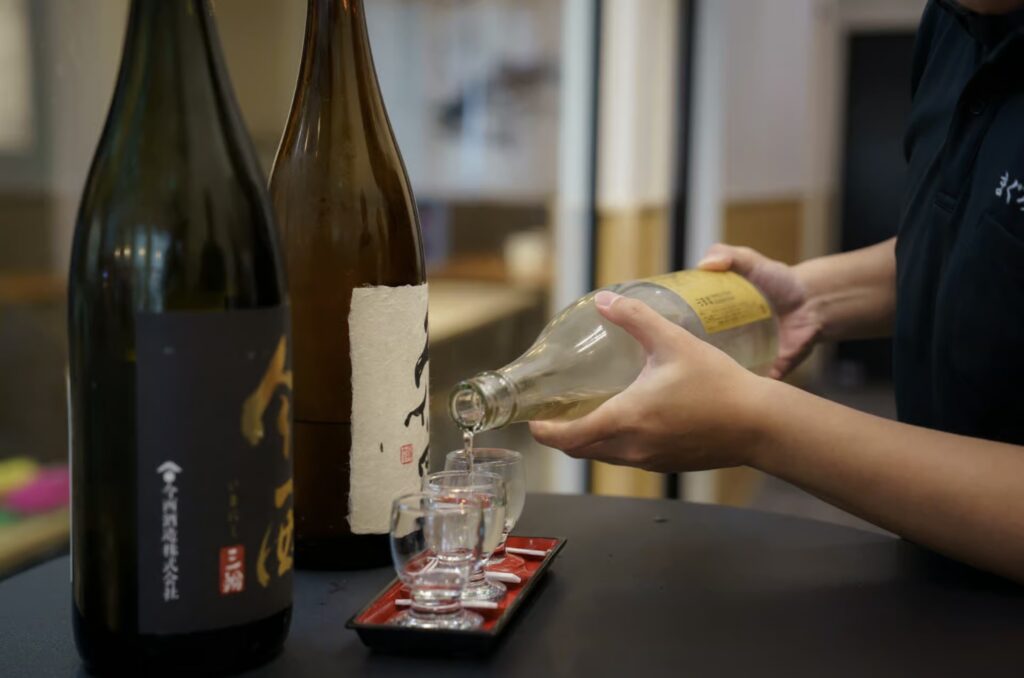
October is when the previous winter’s sake has matured and the hiyaoroshi — a once-pasteurised, autumn-release sake — reaches the shops. It is rounder and softer than the sharp spring releases. If you have any interest in sake at all, this is the month to drink it in the regions that make it: Niigata, Nagano, the Tohoku north.
Expert Tip
Matsutake at a restaurant can run to eye-watering prices, but you do not need a formal kaiseki dinner to taste the season. A simple dobin-mushi — matsutake and other ingredients steamed in a small teapot and poured into a cup — appears on autumn set menus at modest izakaya and is the most direct way to understand what the fuss is about. Order it early in the evening; it sells out.
National Parks and the Outdoors in October
With the weather settled and the colour arriving, October is the best hiking month of the Japanese year. The trails are dry, the air is clear, and the worst of the summer insects have gone. A few national parks reward the effort more than others.
Towada-Hachimantai and Oze
Towada-Hachimantai, spread across Akita, Aomori, and Iwate, offers wide, accessible wilderness — caldera lakes, forest trails, and roadside colour that needs no hiking at all. Oze National Park, straddling several prefectures north of Tokyo, is built around high marshland crossed by boardwalks, making for flat, easy walking through an unusual landscape. Both peak for colour in early-to-mid October.
City Walking and Museum Days
You do not have to leave Tokyo to feel the season. The walk from Roppongi through the gardens around the art museums, or a slow afternoon in Ueno Park moving between the museums and the trees, gives you autumn in the city without a single train transfer. By contrast with the rush of November, October lets you do this unhurried.
October in Japan: Common Questions
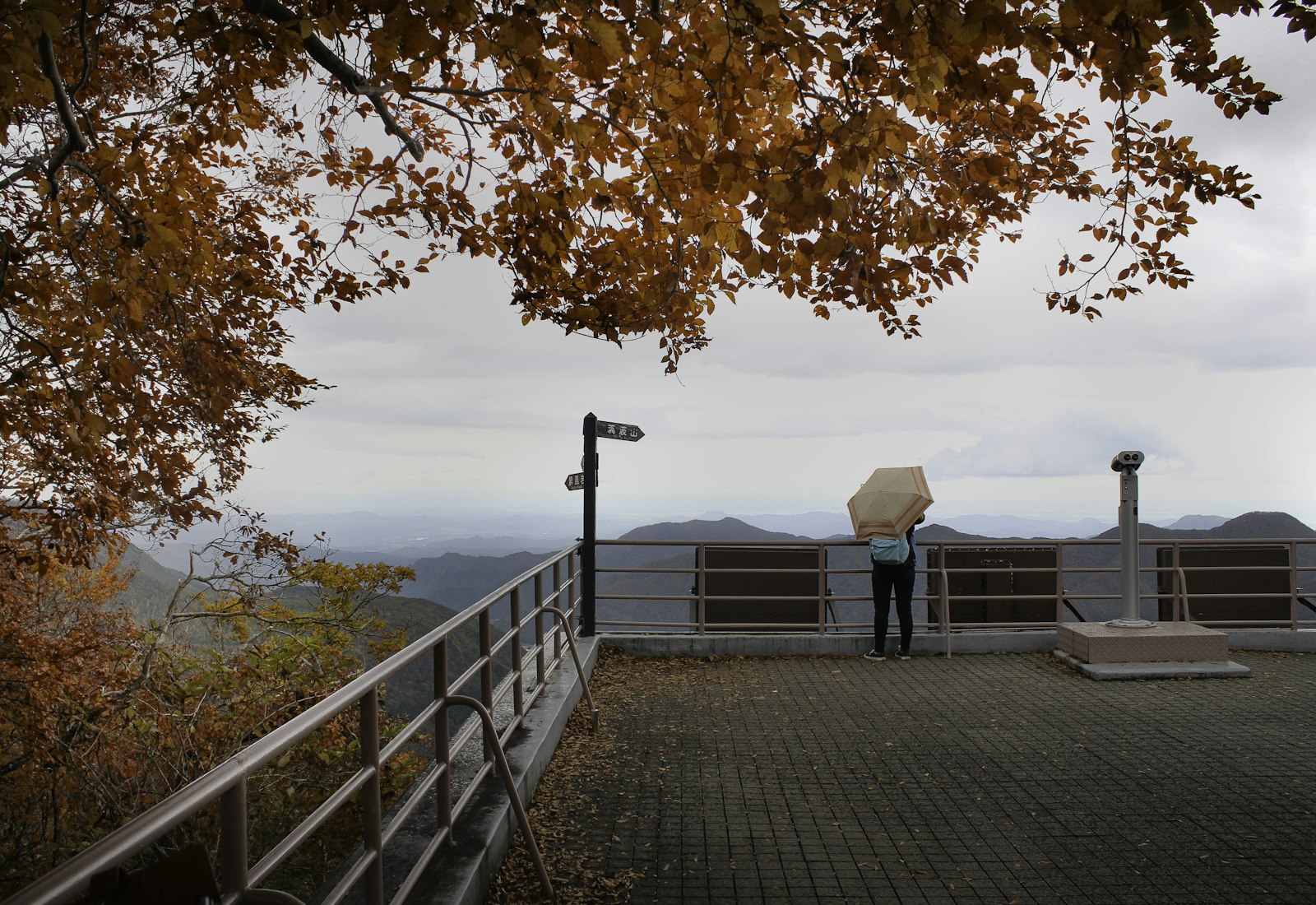
Can I see autumn leaves in Tokyo or Kyoto in October? Not really, and it is worth being clear about this. The cities do not reach meaningful autumn colour until mid-to-late November. In October, the colour is in the mountains and the north — Hokkaido, the Japanese Alps, the northern gorges. If foliage is your priority and you can only do the cities, late November is your month, not October.
How cold does it get at night in northern Japan? In Hokkaido and the high mountains, nights drop close to or below freezing by late October, and frost on alpine trails is normal. In the cities, nights sit in the low teens — a light jacket is enough. The gap between a Tokyo evening and a Daisetsuzan dawn is the thing to plan for.
Are the high-altitude trails open all month? Mostly, but the season is closing. Routes like the Tateyama Kurobe Alpine Route and the trails around Kamikochi shut for winter, typically in early-to-mid November, and higher passes can close to snow earlier. Treat late October as the last reliable window for serious alpine walking, and check current conditions before committing.
Related Tours
Conclusion
The case for October is that it gives you the beginning of autumn without the cost the beginning of autumn usually carries: clear weather, real colour in the mountains, the year’s best food, and cities you can still move through. The trade is that you have to go to the season rather than wait for it to reach the famous places.
Plan Your Japan Trip with Local Experts
Our team has guided 40,000+ travelers across Japan. Tell us about your trip and we’ll get back to you within 24 hours.