Tsuruga/Fukui: Private Customizable Tour with Local Guide
The port where thousands of Jewish refugees stepped ashore, and almost nobody knows it.
Area
Tsuruga
Duration
6-8 hours
Language
English
Booking
Instant confirmation
From
¥30,000 per person
approx. US$190
Free cancellation up to 24 hours before
Instant confirmation
Overview
A guided tour of Tsuruga on the Sea of Japan. Kehi Jingu and its great wooden torii, the red brick warehouses on the waterfront, the Port of Humanity museum and the fish market. Tsuruga was where refugees carrying Sugihara's transit visas landed, and the museum tells that story.
Highlights
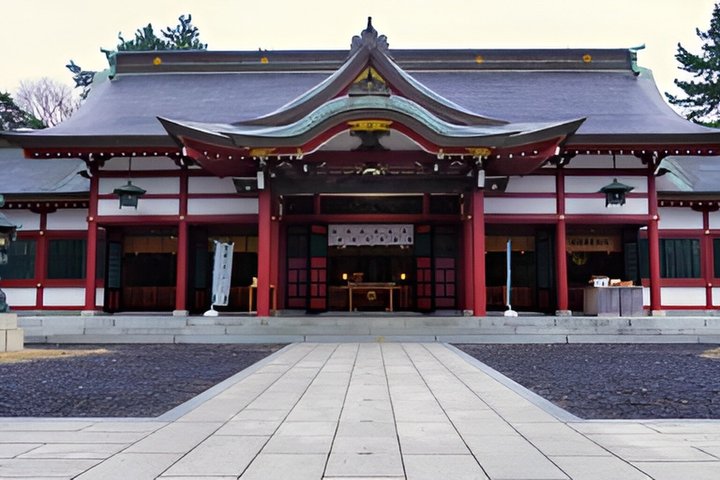
Kehi Jingu, and one of Japan's three great wooden torii
The Port of Humanity museum, and the refugees who landed here
Tsuruga Red Brick Warehouse, now cafés and exhibits
The waterfront, and ships coming into the harbour
Grilled mackerel and seasonal crab from the Sea of Japan
Experience
The gate
Kehi Jingu's torii is one of the three great wooden gates in Japan and has stood since the seventeenth century. It is over ten metres high and you walk under it into a quiet forested shrine complex in the middle of a working port town. The shrine itself is far older than the gate.
What happened at this port
In 1940 a Japanese diplomat in Lithuania issued transit visas, against instructions, to thousands of Jewish refugees. Those who used them crossed Russia, sailed from Vladivostok and came ashore here at Tsuruga. The Port of Humanity museum is on the quay where they landed and tells the story through the people who were there, including the townspeople who fed them.
The waterfront
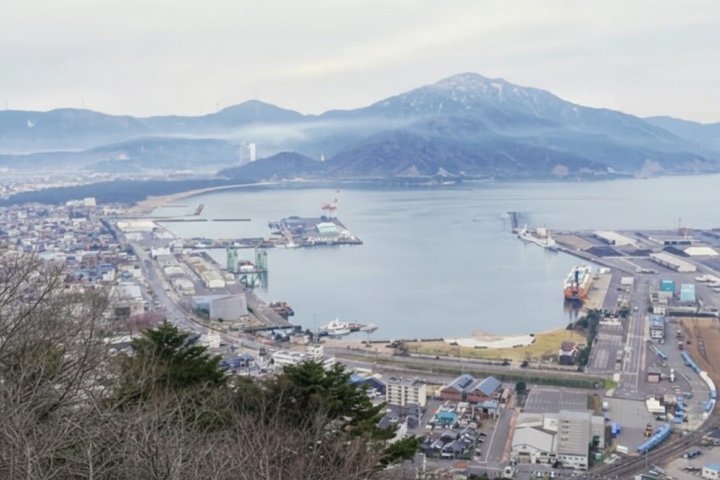
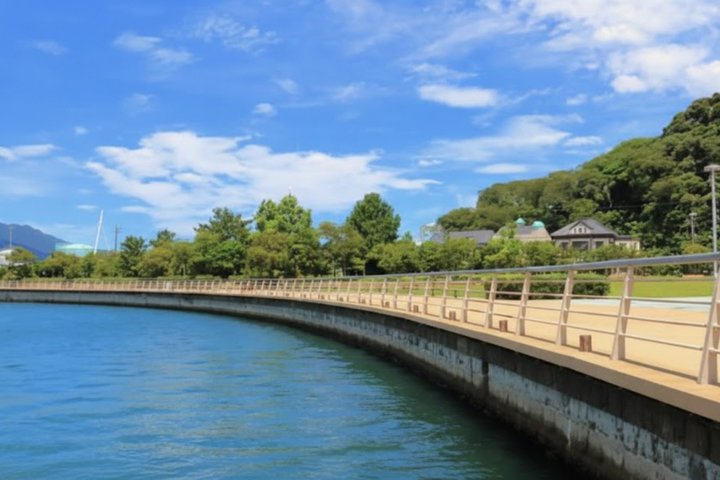
The red brick warehouses date from the port's years as the terminus of a rail and sea route to Europe. They have been kept and now hold cafés, shops and a model of the town as it was. The promenade outside runs along the harbour and ships still come and go past it.
The fish market
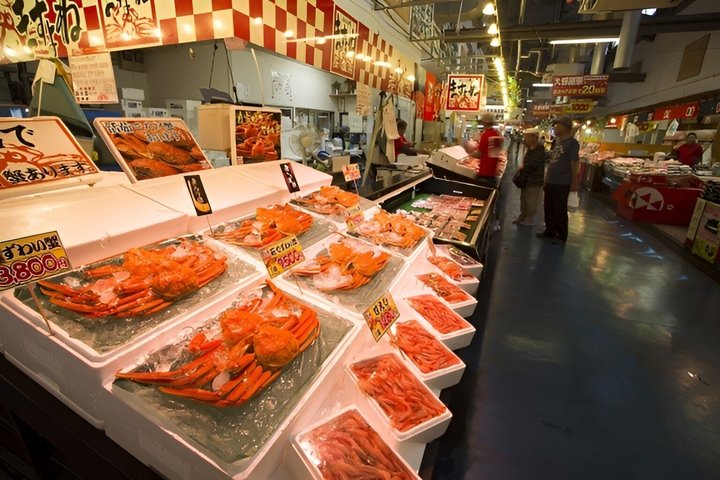
Tsuruga faces the Sea of Japan and eats accordingly. Grilled mackerel is the local dish and winter brings crab. Your guide will take you to the market or to a counter, depending on the day and the season.
Itinerary
Tsuruga
Meet your guide at the LAWSON in Akasaki.
Kehi Jingu
The great wooden torii and the shrine.
Red Brick Warehouse
The waterfront and the exhibits.
Port of Humanity Museum
The refugees who landed here in 1940.
The fish market
Grilled mackerel, or crab in season.
Meeting point
LAWSON Tsuruga Akasaki, Tsuruga, Fukui. Your guide will contact you on WhatsApp beforehand.
Includes
Private tour
English speaking guide
Personal expenses
Entrance fees (for yourself)
Lunch (for yourself)
Private transportation
Guide's necessary expenses during the tour
Gallery
Important Information
There is little public transport between the sites, so a private vehicle is worth arranging. Tell us when you book.
Crab season runs from November to March and is the main reason locals come.
Entry fees, transport and meals are paid as you go, including your guide's. Bring cash.
Your guide will contact you through WhatsApp before the tour, so please install it in advance.
We can accommodate most dietary preferences with advance notice. If you have strict requirements such as vegan, halal or severe allergies, tell us when you book and your guide will plan the day around them.
FAQ
What is included in the price, and what do I pay for on the day?
The price covers your English-speaking guide. Transport, entrance fees and meals are paid as you go, and by convention you also cover your guide's. Bring cash.
How do we get to Tsuruga?
It is on the line between Kyoto and the Hokuriku coast, roughly an hour from Kyoto. Many guests stop here on the way to or from Kanazawa.
Is the Port of Humanity museum in English?
The exhibits carry English, and your guide will fill in the rest. It is the reason most international visitors come.
Is it worth a full day?
A half day covers the shrine, the waterfront and the museum. A full day lets you add the coast and a proper seafood lunch.
What is the cancellation policy?
Free cancellation up to 24 hours before the start time. Bookings are confirmed instantly.