In this article:
- What makes Gion a serious food destination (not just a sightseeing stop)
- The best restaurants and food experiences in Gion
- Pontocho: the alley next door
- Traditional Kyoto sweets in Gion
- Evening eating: the right approach
- Practical tips and budget
- Frequently asked questions
Introduction
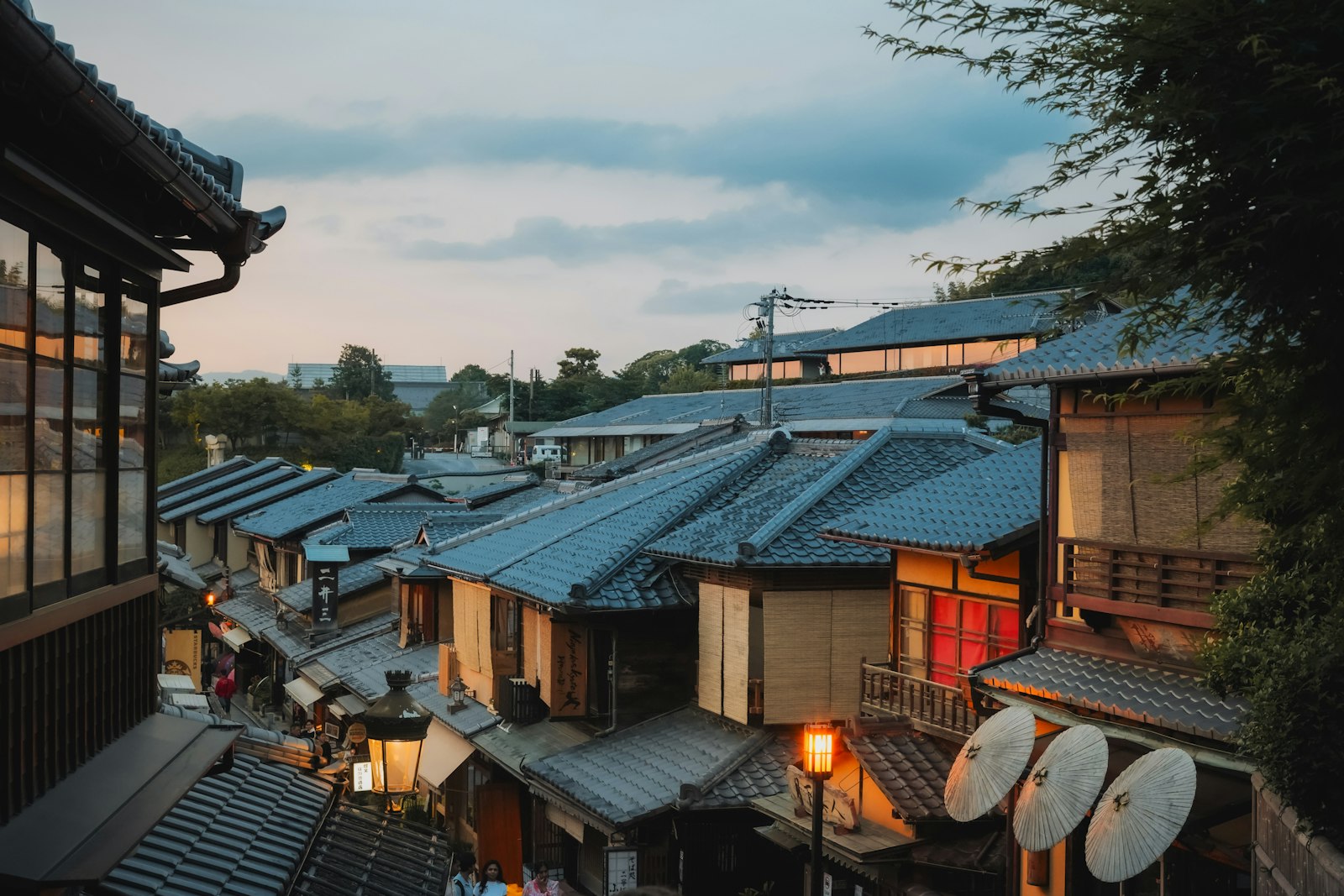
Most visitors to Gion come for the architecture, the lantern-lit lanes, and the chance of seeing a geiko heading to an evening appointment. The food tends to be an afterthought — a restaurant picked by proximity to Hanamikoji rather than merit. That’s a mistake. Gion and its immediate surroundings constitute one of the most interesting food destinations in Kyoto, with everything from the city’s oldest confectionery shops to some of Japan’s most serious kaiseki restaurants operating within a 15-minute walk.
The key is knowing what to look for. Gion’s tourist-facing restaurants — the ones on the main drag with English menus and photographs in the window — are largely mediocre. The good eating happens in the narrow side streets, in the tea houses that have been converted to restaurants, and in the specific shops that have been doing one thing for 150 years. This guide covers those.
What Makes Gion a Serious Food Destination
The Ochaya Restaurant Conversion
Gion’s former tea house buildings — the machiya townhouses used for geisha entertainment — have gradually been converted to restaurants over the past few decades as the ochaya economy contracted. The best of these conversions maintain the original architecture and the aesthetic of eating in a historic Kyoto building while serving food that justifies the space. Several of Kyoto’s most celebrated kaiseki restaurants operate from converted machiya in Gion’s side streets.
The Specialty Shop Tradition
Gion has an unusual concentration of shops that have been doing one thing for multiple generations. Kagizen Yoshifusa — operating since the Edo period — sells kuzukiri (kudzu jelly with black sugar syrup) from a tearoom attached to the confectionery shop. Gion Tsujiri (separate from the chain of the same name) produces matcha from Uji on-site. These are not tourist souvenirs — they’re businesses maintained for the pleasure of people who know what they’re buying.
Best Food Experiences in Gion
Kaiseki: The Serious Option
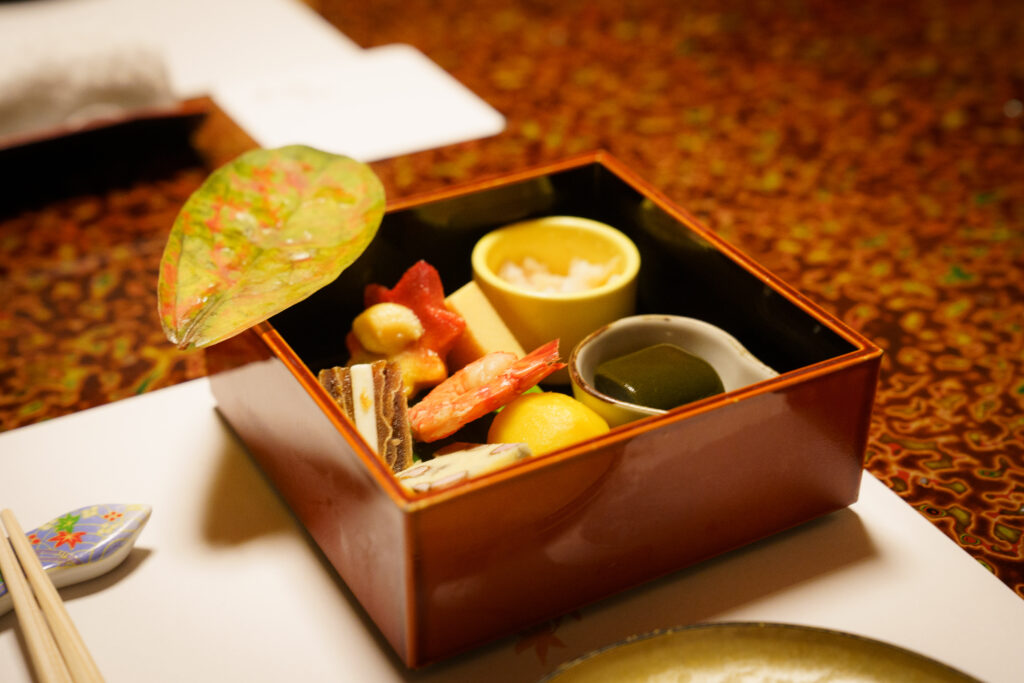
Gion contains several of Japan’s most celebrated kaiseki restaurants. The names that appear in international food media — Kikunoi, Gion Nanba, Mizai — require reservations made months in advance and charge ¥25,000–60,000 per person for dinner. However, the same kitchens typically serve kaiseki lunches at ¥8,000–15,000 that offer the same seasonal ingredients and technique at roughly half the evening price.
For travelers who want kaiseki without the planning involved in the ultra-prestigious names, there’s an entire tier of excellent kaiseki restaurants in Gion’s side streets that take reservations 1–3 weeks in advance at ¥6,000–12,000 for lunch. These represent some of the best value in Japanese fine dining.
Kuzukiri at Kagizen Yoshifusa
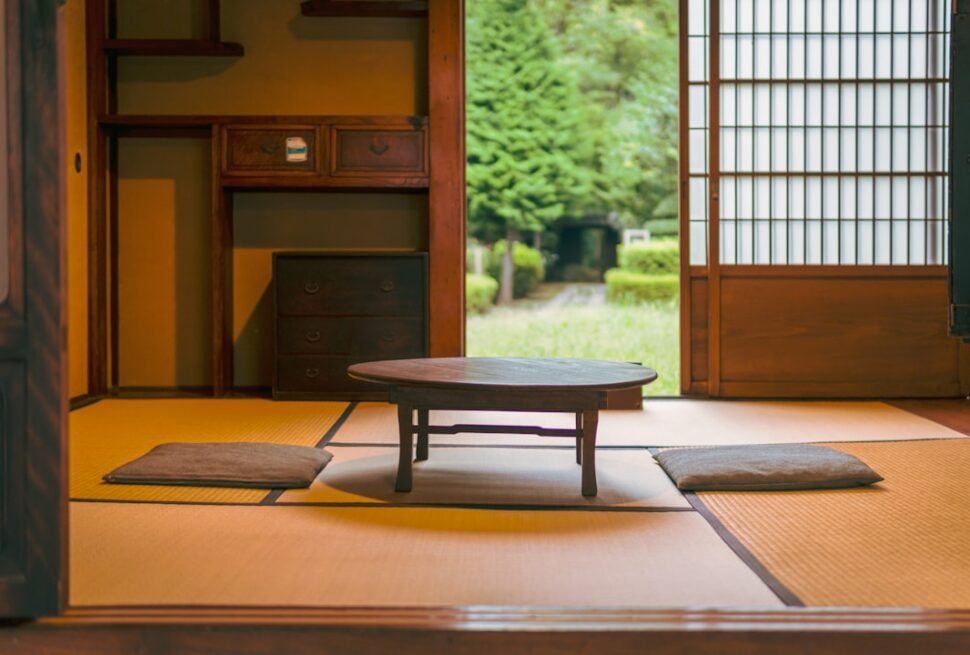
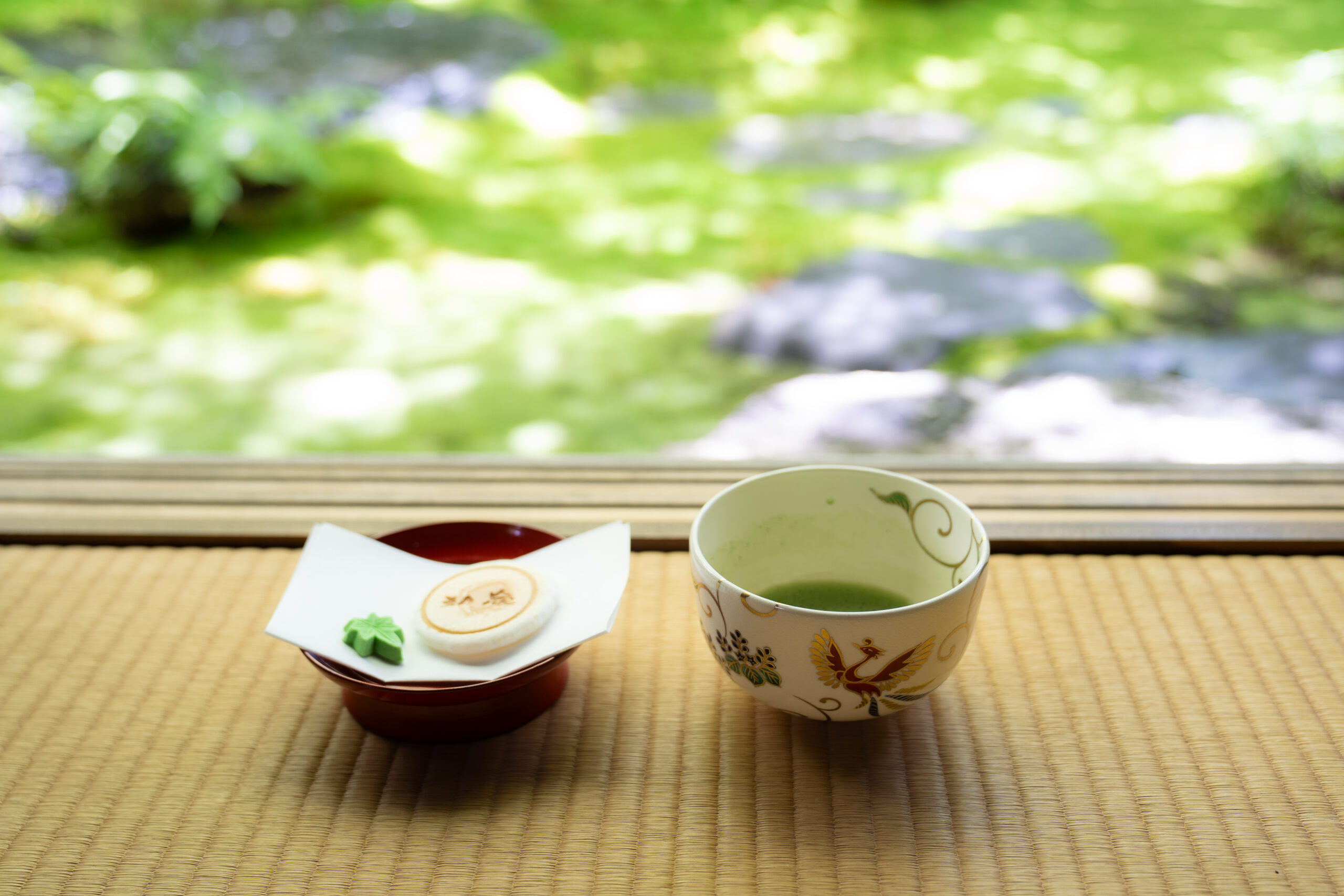
Kagizen Yoshifusa, operating since the Edo period on Hanamikoji, sells kuzukiri from a small tearoom at the back of the shop — through the confectionery display cases, past the sweets, into a quiet room. The kuzukiri (translucent kudzu jelly strips, served cold with black sugar syrup or matcha) is seasonal and specific to Kyoto. Eating it in the tatami tearoom of an Edo-period confectionery while the Hanamikoji crowds move past outside is the kind of experience Gion offers that other neighborhoods don’t.
Tofu Cuisine
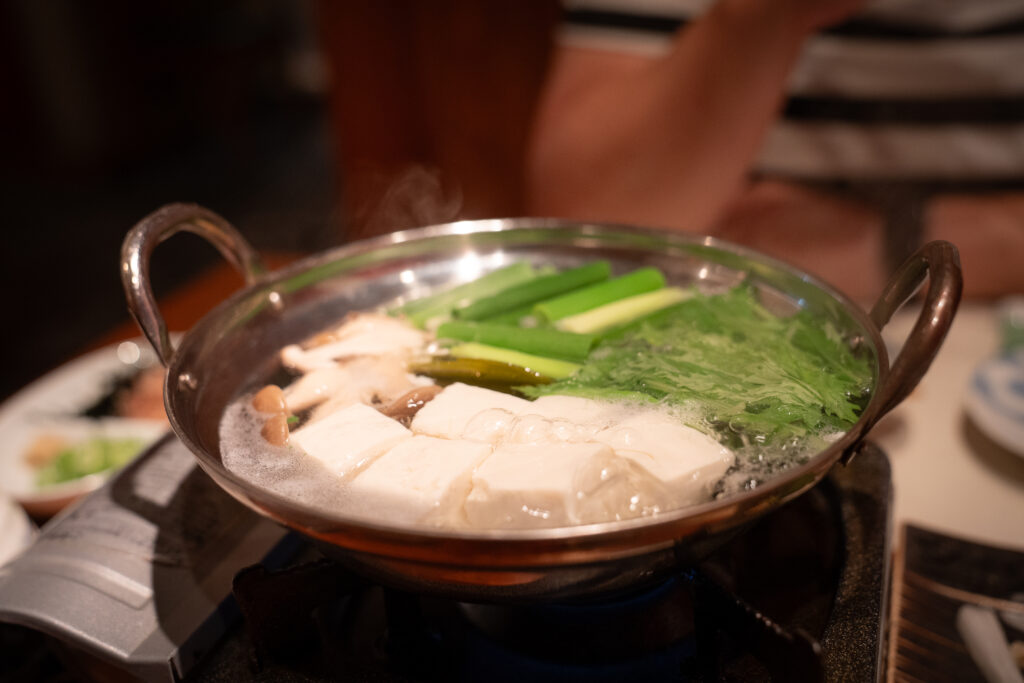
Several restaurants in the Gion area specialize in Kyoto tofu cuisine — the soft, water-specific tofu that is distinctly different from supermarket tofu. Yudofu (simmered tofu with condiments) at a proper restaurant is a meditative eating experience: a small brazier, a pot of simmering water, blocks of fresh tofu, condiments, and rice. At ¥2,000–3,500, it’s accessible and gives you a concrete sense of what Kyoto cuisine is at its quietest.
Obanzai
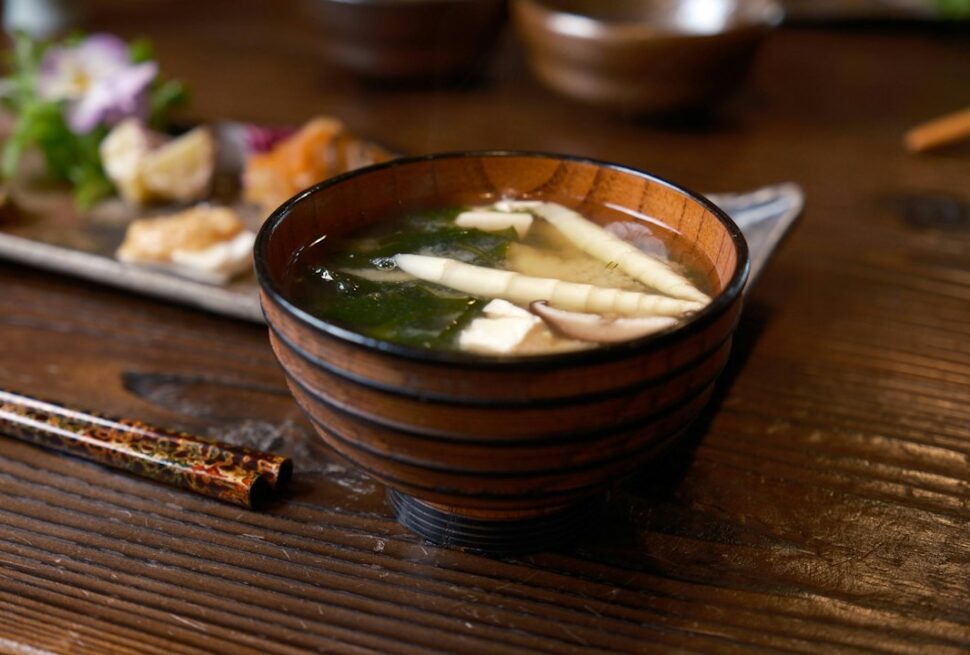
Several restaurants in the streets between Gion and Shijo serve obanzai — Kyoto’s everyday small-dish cuisine. A lunch set at ¥1,200–1,800 might include seven or eight small dishes: simmered vegetables, pickles, a piece of marinated fish, scrambled egg, tofu, miso soup, and rice. This is the daily food culture of Kyoto, not the performance version, and it’s better understood by eating it than by reading about it.
Expert Tip
Gion’s best food is not on Hanamikoji. The main street has the atmosphere and the tourists; the best restaurants are in the side streets (Shinbashi-dori, the lanes heading east toward Higashiyama). If a restaurant has photographs in the window and an English sign at street level on Hanamikoji, it’s oriented toward tourism rather than cooking. Walk one street off in either direction and the quality changes.
Pontocho: The Alley Next Door
Pontocho runs parallel to Gion one block west — a single narrow alley from Sanjo-dori to Shijo-dori, lined with restaurants from budget izakayas to high-end kaiseki. In summer (May–September), many restaurants open kawayuka — wooden terraces over the Kamo River — for outdoor dining. A table on a Pontocho terrace on a summer evening, above the river, with the Higashiyama hills in the background, is one of the better dining situations in Japan.
The food range in Pontocho is wide: ¥1,500 izakaya sets at counter seats, kaiseki courses at ¥20,000+, and most categories in between. For a first evening in the neighborhood, find a restaurant at the ¥3,000–5,000 per person range with riverside seating (book ahead in summer) and let the setting do part of the work.
Traditional Kyoto Sweets in Gion
Gion is the right place to explore wagashi — traditional Japanese sweets — because several of the city’s oldest confectionery shops operate here. Beyond Kagizen Yoshifusa, Gion Tsujiri’s small shop near Yasaka-jinja serves matcha-based preparations made from Uji tea grown specifically for the shop. The matcha parfait is the most visible product; the matcha set (tea and a small seasonal sweet) is the one worth ordering.
For daifuku and seasonal namagashi (fresh wagashi), the confectionery shops in the streets between Gion and Higashiyama rotate their offerings monthly based on the season. March brings sakura-motif sweets; September brings moon-viewing preparations for the mid-autumn festival.
Evening Eating: The Right Approach
The best Gion food evening starts later than most tourists expect. Arriving at 5:30pm puts you in the first-seating crowd at tourist-facing restaurants. Arriving at 7pm — after the day-trip crowd has dispersed — opens up the better restaurants and gives you the neighborhood at its most atmospheric. The lanterns come on at dusk; the geiko and maiko heading to evening engagements are active between 5:30 and 7:30pm; the temperature drops to something pleasant after a hot day.
Booking is essential for kaiseki and better restaurants; Pontocho izakayas often accept same-day reservations by phone at 5–6pm on weekdays.
Practical Tips and Budget
Budget range for a Gion food day: ¥1,000–2,000 for a market or sweets morning, ¥2,000–6,000 for a kaiseki or obanzai lunch, ¥3,000–8,000 for an evening izakaya or restaurant. The full range from budget-conscious (¥4,000 total) to indulgent (¥20,000+) is genuinely available in the same neighborhood.
Most restaurants accept cards, but the smaller specialty shops and older establishments prefer cash.
Frequently Asked Questions
Is the food in Gion actually good or is it all tourist-facing? Both exist in the same neighborhood. The tourist-facing restaurants are mostly mediocre; the specialty shops and kaiseki restaurants in the side streets are genuinely excellent. Knowing which is which requires some research — this guide is that research.
Do I need reservations for Gion restaurants? For kaiseki (anything above ¥8,000 per person), yes — book at least 1–2 weeks ahead. For izakayas and casual restaurants, same-day booking by phone usually works on weekdays.
What’s the best season for a Gion food tour? Any season — Kyoto’s food changes completely with the season. Autumn is the most celebrated (matsutake mushrooms, crab from the Japan Sea, the visual context of the foliage); spring has its own specific ingredients (bamboo shoots, cherry blossom preparations); summer’s kawayuka terracing is a specific experience worth timing for.
Related Tours
Conclusion
Gion at its best is a neighborhood where history and food are inseparable — where the building you’re eating in was designed for entertaining geisha clients 200 years ago, and the sweet you’re tasting uses a recipe that hasn’t changed since the Meiji period. That kind of continuity is rare. It’s worth seeking out specifically, rather than eating at the most convenient place on Hanamikoji and moving on.
Plan Your Japan Trip with Local Experts
Our team has guided 40,000+ travelers across Japan. Tell us about your trip and we’ll get back to you within 24 hours.