In this article:
- Why Tokyo is one of the world’s great food cities
- The best neighborhoods for a Tokyo food tour
- What to eat: the essential Tokyo dishes
- How to structure your own food tour
- Guided vs. self-guided: what works better
- Practical tips for eating in Tokyo
- Frequently asked questions
Introduction
Tokyo has more Michelin-starred restaurants than any other city on earth. That fact gets quoted often, but it misses the point. The reason Tokyo is extraordinary for food has nothing to do with formal dining — it’s that the same obsessive attention to craft that produces a three-star kaiseki runs through the ramen shop in the basement of Shinjuku Station, the yakitori stall under the train tracks in Yurakucho, the tempura counter in Asakusa where the chef has been perfecting his batter for forty years.
A food tour in Tokyo is not a tour of expensive restaurants. It’s a tour of a city where food is taken seriously at every price point. A 900-yen bowl of ramen can be technically flawless. A 300-yen onigiri from a convenience store can stop you mid-bite.
However, navigating this landscape as a first-time visitor requires some orientation. The city is vast, the neighborhoods eat differently from each other, and the language barrier — while manageable — occasionally gets in the way. This guide covers the neighborhoods worth targeting, the dishes worth prioritizing, and how to build a day around eating that actually works.
Why Tokyo is One of the World’s Great Food Cities
Obsessive Craft at Every Level
The word most food-literate visitors use after a week in Tokyo is “consistency.” The ramen shop with a two-hour queue is excellent — but so is the place next door with no queue. The sushi counter that requires a reservation months in advance is transcendent — but the conveyor-belt sushi a 10-minute walk away is better than most Western cities’ best sushi restaurants.
This consistency comes from a culture that takes vocational mastery seriously. The tempura chef who has worked the same station for 30 years is not unusual in Tokyo. The soba maker who mills his own buckwheat is not performing craft — it’s simply how good soba is made. While there are mediocre places, the floor is unusually high.
The Density Advantage
Tokyo’s food density is unmatched. In a single block of Shinjuku, you might have a tonkatsu specialist, a regional ramen shop from Hokkaido, a yakitori counter, a Chinese dumplings place, and three izakayas. Eating your way through a neighborhood requires no transportation. Unlike food tours in cities where good restaurants are spread across districts, a Tokyo food tour can cover meaningful ground on foot.
The Best Neighborhoods for a Tokyo Food Tour
Tsukiji Outer Market
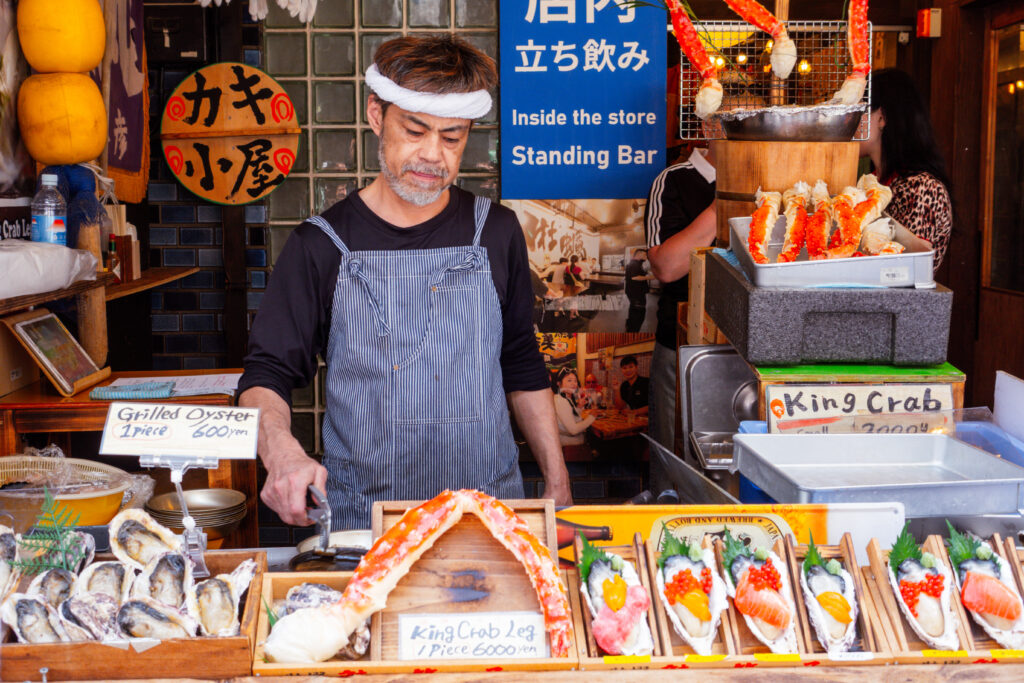
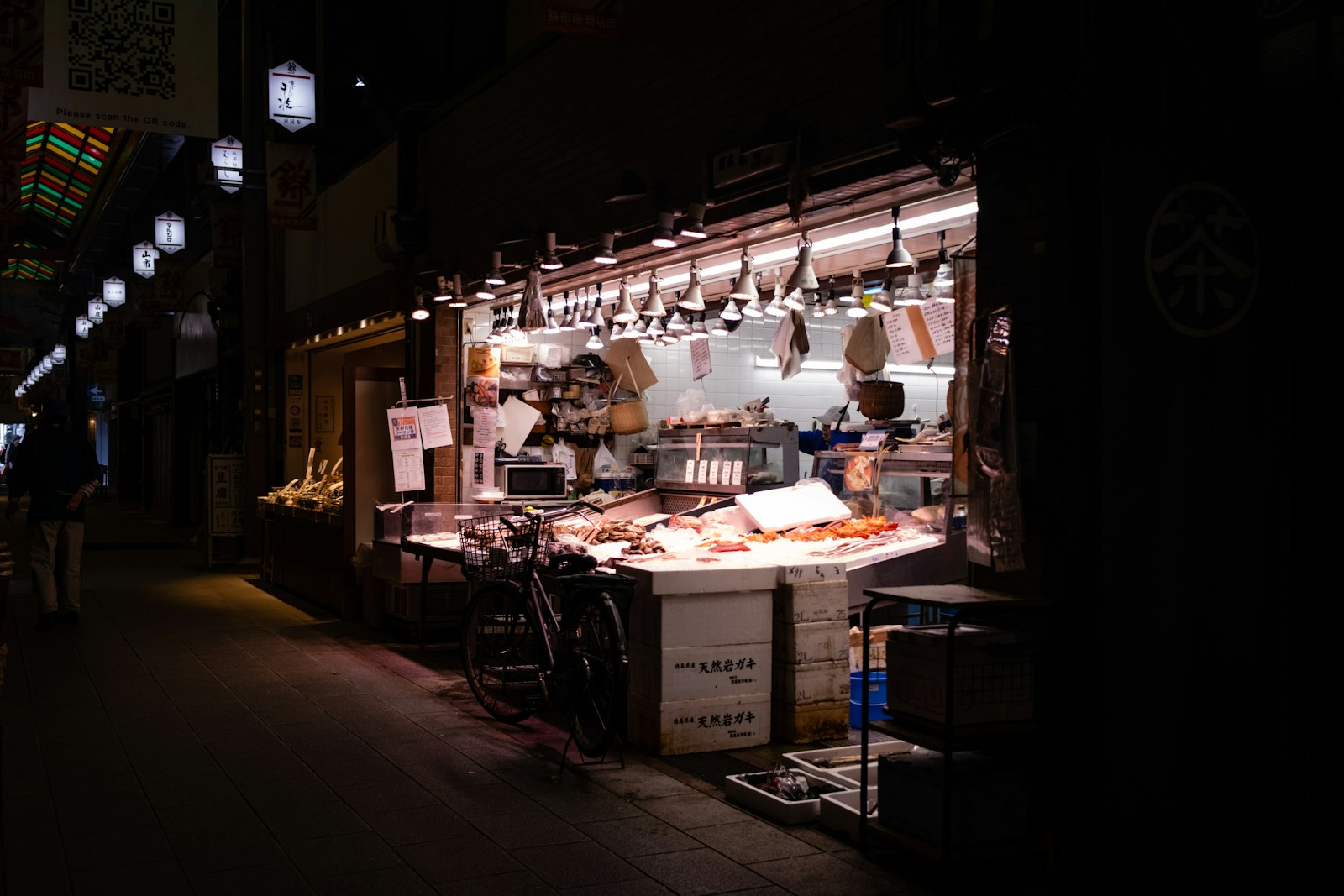
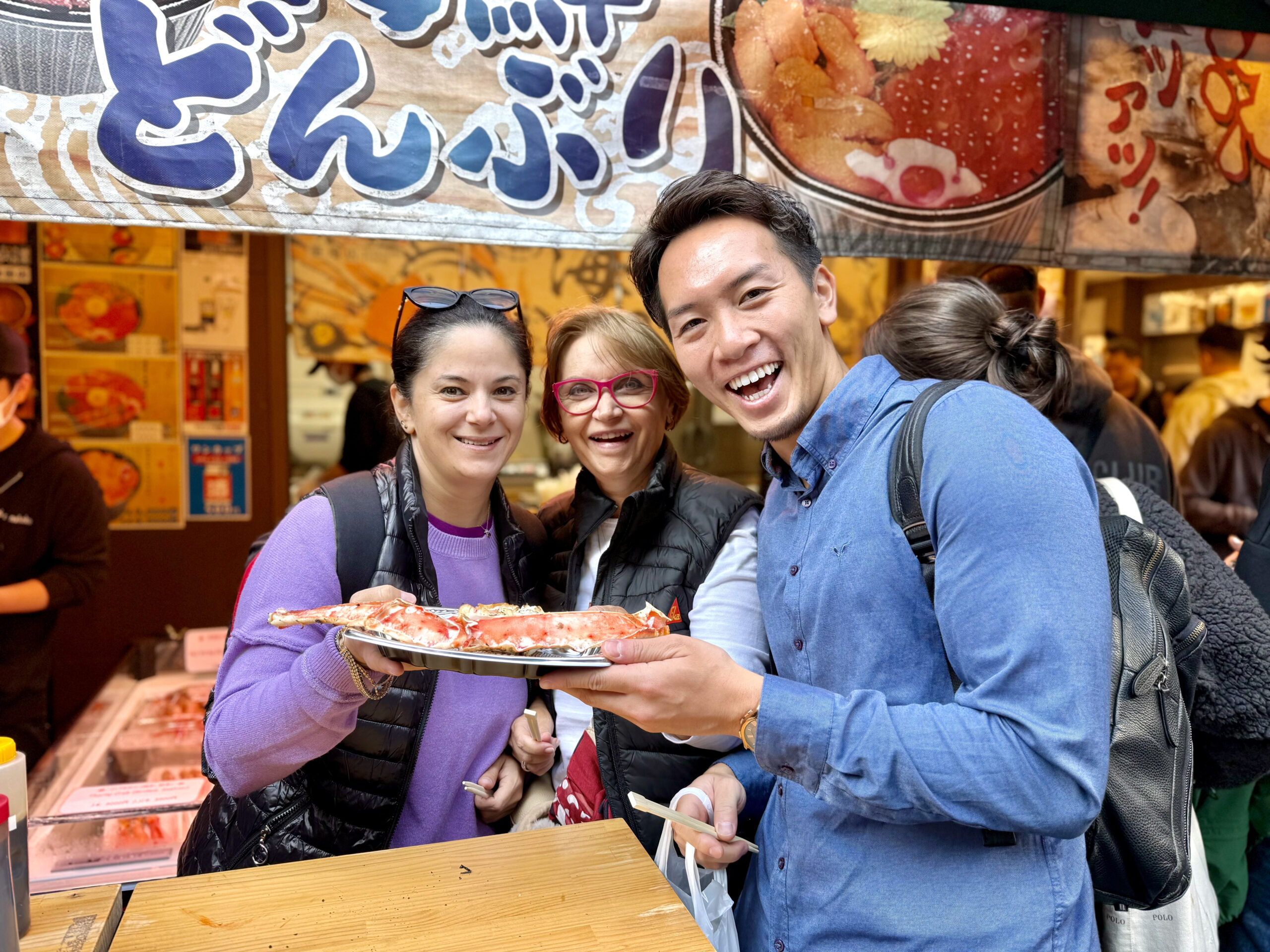
The inner market moved to Toyosu in 2018, but the outer market — the retail streets surrounding the original complex — remains one of Tokyo’s most compelling food destinations. Fresh tamagoyaki (rolled egg omelette), grilled scallops, uni on rice, tuna skewers, oysters shucked to order: the food is specific, seasonal, and dense within a compact area. Best before 11am, when the freshest stock is out and the crowds are thinner.
Asakusa
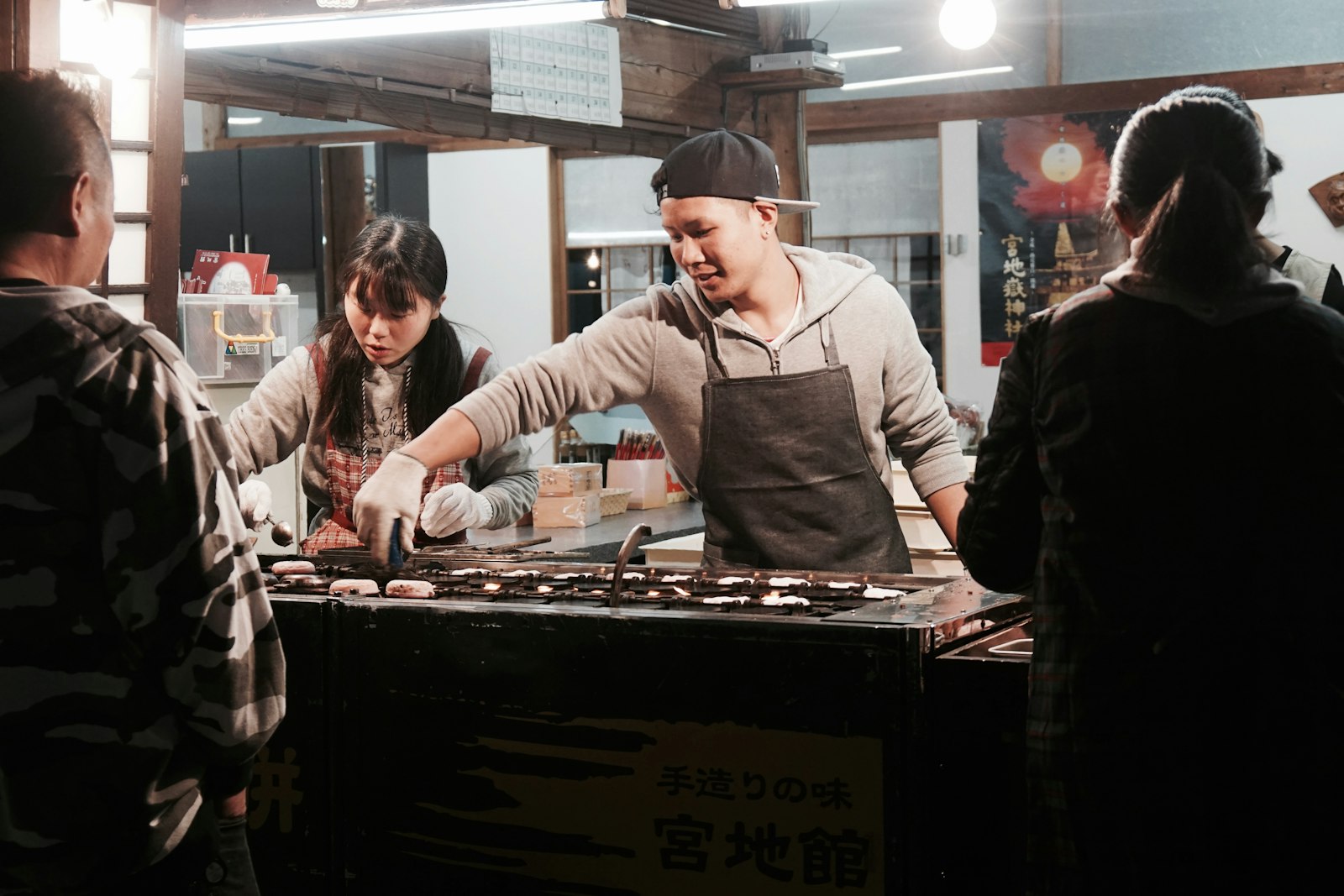
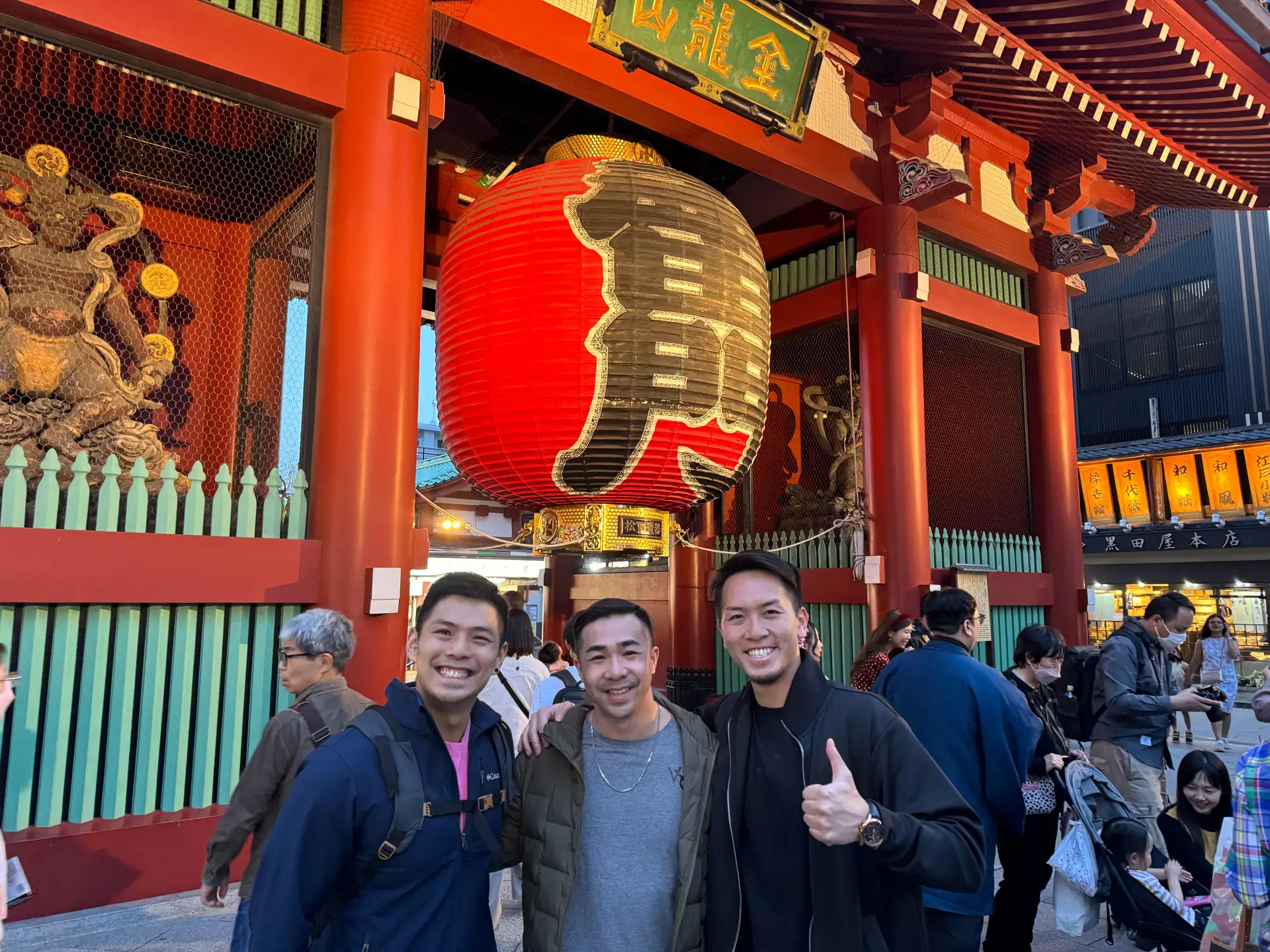
Asakusa eats differently from the rest of Tokyo — older recipes, street-forward culture, and a concentration of specialty shops that have been doing one thing for decades. Ningyoyaki (small cakes filled with red bean paste), ningyo-yaki, and melonpan from specific bakeries that have held their recipes since the 1950s. Beyond the sweets, the backstreets around Hoppy Street and the izakayas near the Sumida River are among the best-value late-night eating in Tokyo.
Shinjuku
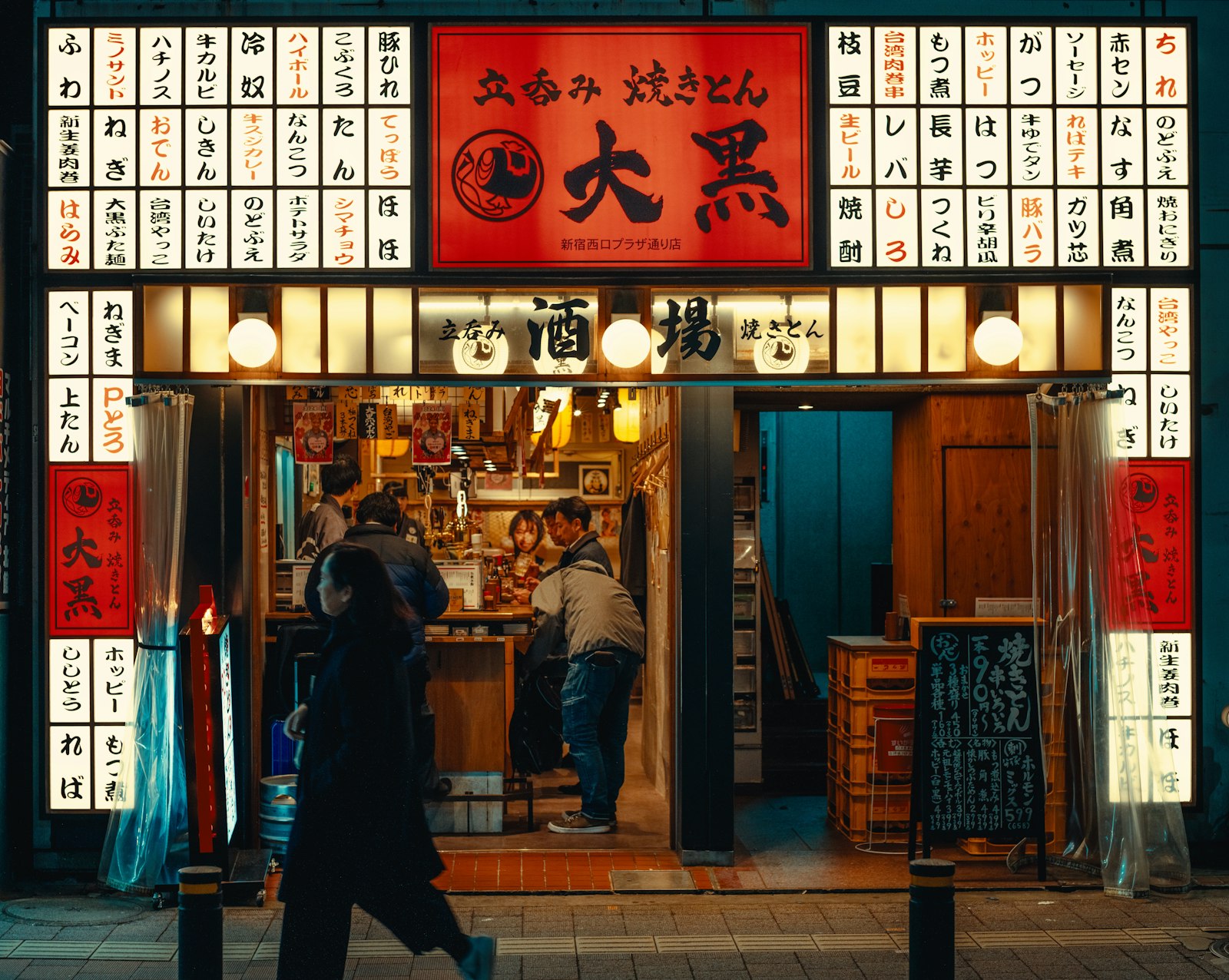
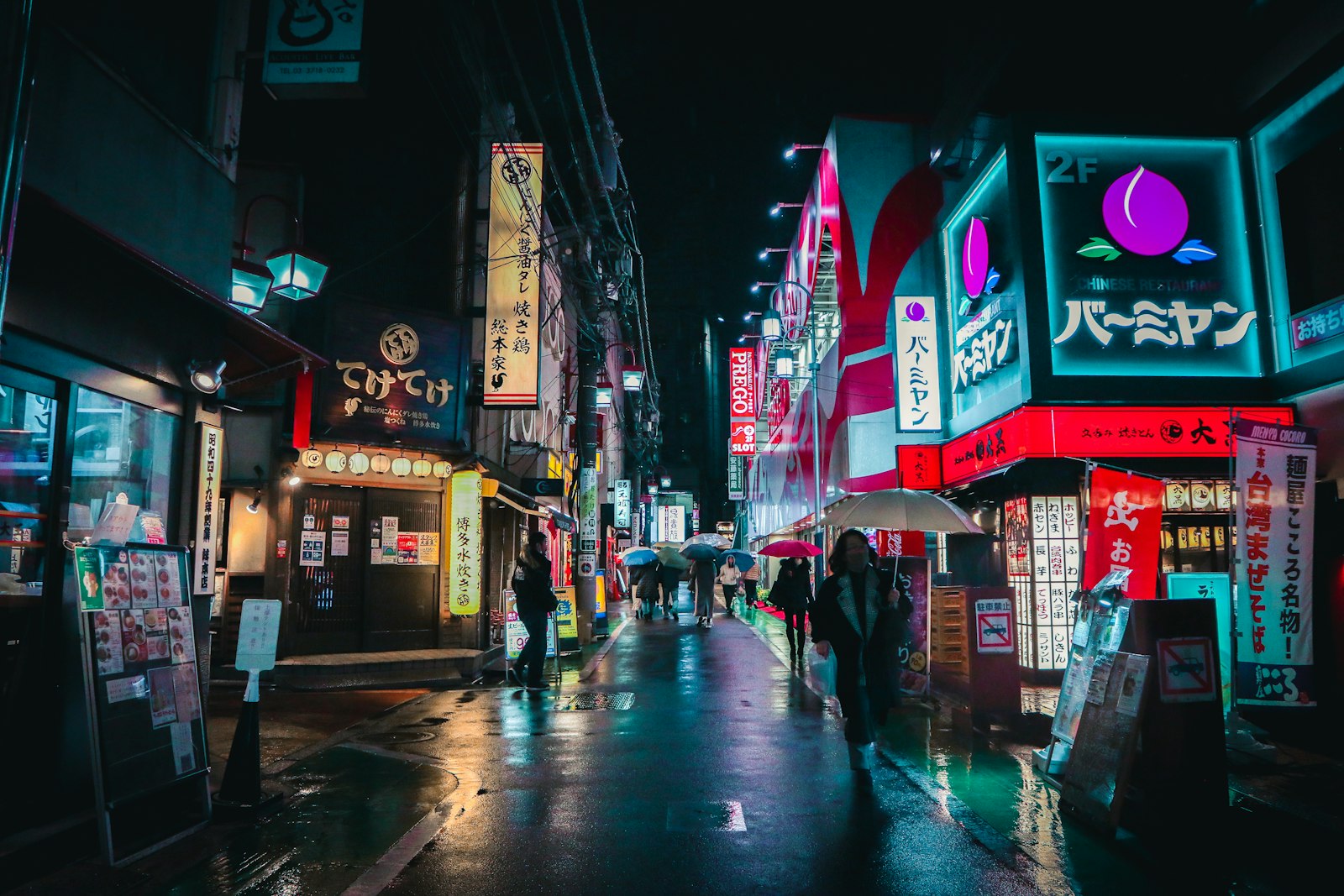
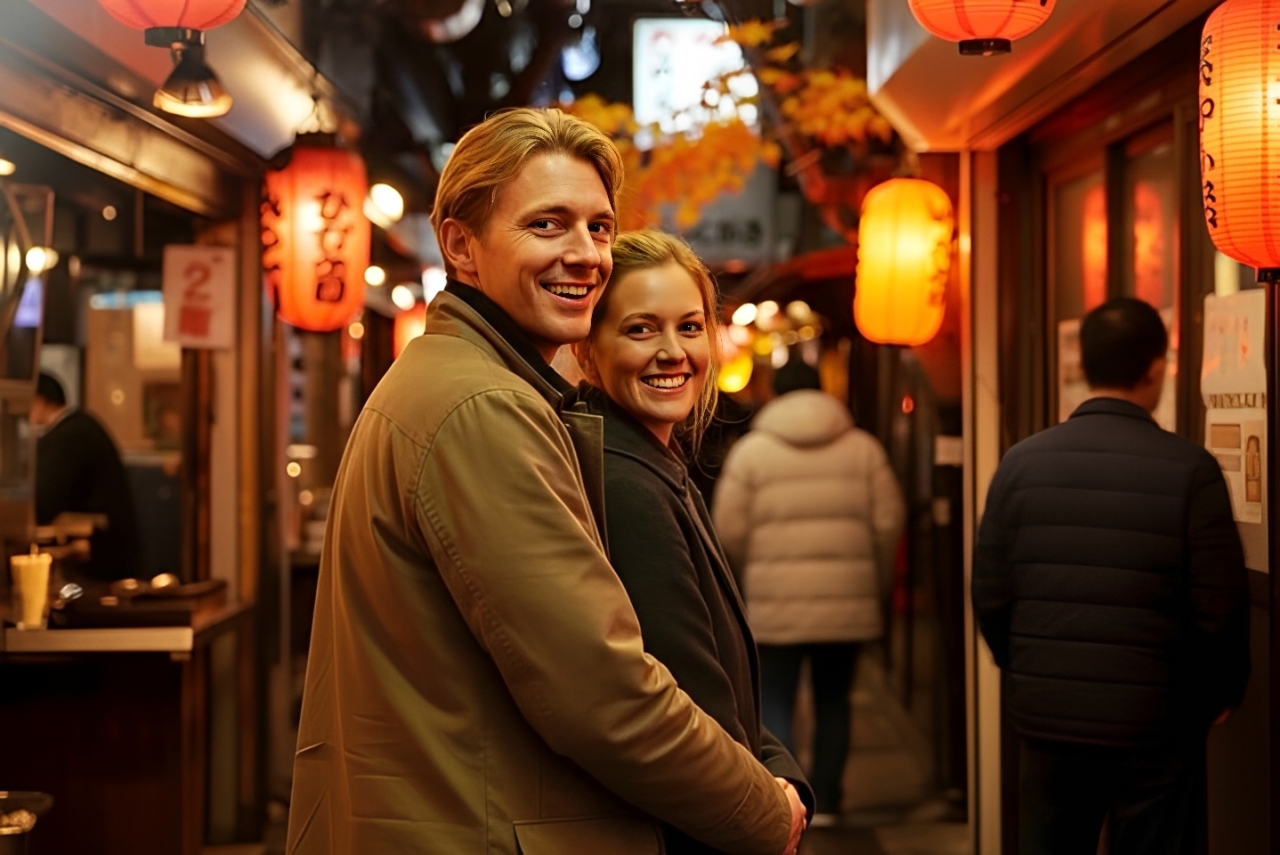
Shinjuku contains multitudes. Omoide Yokocho (Memory Lane) — the narrow alley of yakitori stalls west of the station — is tourist-famous and legitimately worth it, smoke and all. Kabukicho’s side streets have some of the city’s best late-night ramen and izakaya eating. And the restaurant floors of the department stores around the east exit cover every category of Japanese cuisine, including regional specialties you’d otherwise need to travel to find.
Yurakucho and Ginza
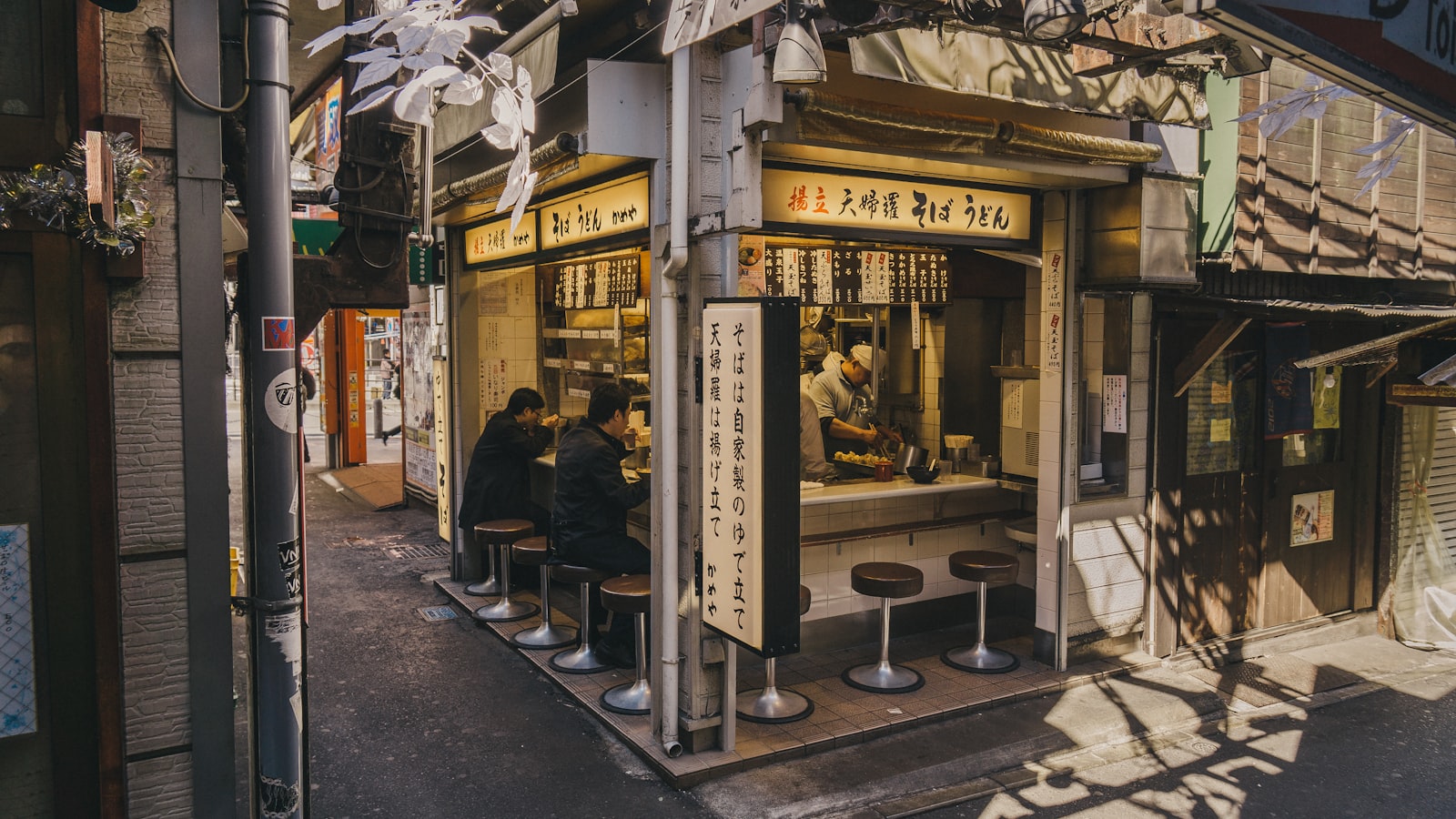
Under the elevated train tracks between Yurakucho and Shimbashi sits a row of yakitori and oden stalls that feels like it belongs in a different Tokyo — smoky, informal, and oddly close to the suited workers of the financial district. This contrast is part of the appeal. The yakitori here is cooked over binchotan charcoal, ordered piece by piece, and served with beer in a mug. It’s one of the most specifically Tokyo experiences available at any budget.
Expert Tip
Most of Tokyo’s best ramen shops open at 11am and sell out before dinner. The serious ramen neighbourhoods — Takadanobaba, Nishi-Ogikubo, Musashi-Koyama — are worth targeting at lunch specifically. Queue at 10:50am, order the house special, and be done by 12:30pm while the rest of the city is still deciding where to eat.
What to Eat: The Essential Tokyo Dishes
Ramen
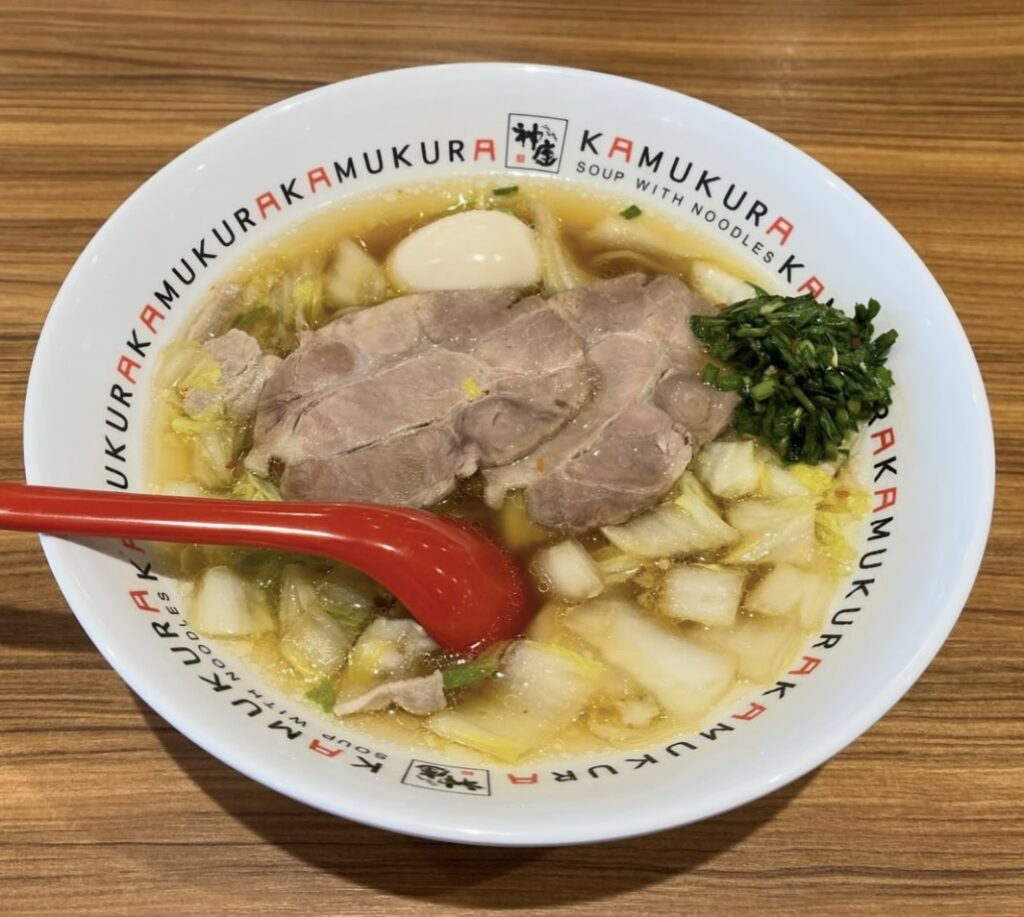
Tokyo-style ramen is typically a clear or soy-based broth (shoyu), thinner than Sapporo’s miso or Fukuoka’s tonkotsu, and considered the “original” style before regional variations developed. However, Tokyo now has serious representatives of every style. The distinction worth understanding is between old-school chintan (clear broth) ramen, which rewards attention to the noodle and the tare, and newer shops doing more experimental things. Both are worth your time.
Yakitori
Yakitori — grilled chicken on skewers over charcoal — is a full cuisine in Japan. The range of cuts (thigh, skin, cartilage, neck, liver, heart, wing, ground meat) rewards the adventurous, and a good yakitori counter is one of the most enjoyable ways to eat slowly in Tokyo. Order by the piece, pair with cold beer or highball, and let the evening expand.
Sushi
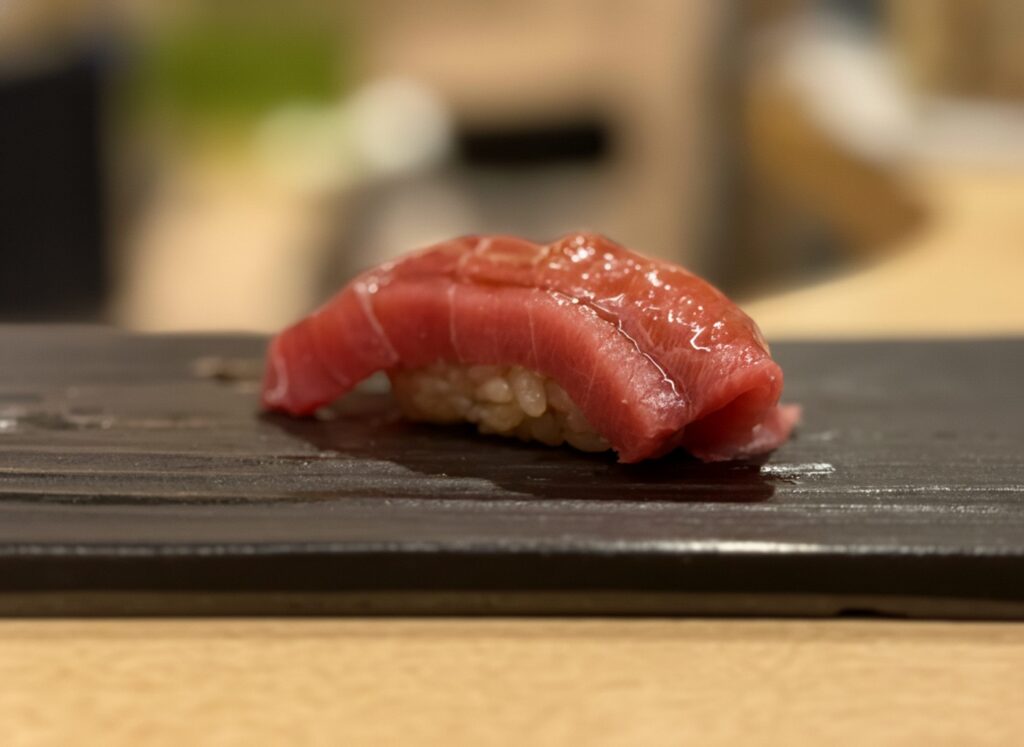
Tokyo sushi culture is distinct from what most Western visitors expect. The benchmark is the Edomae style — specific fish, vinegared rice, eaten quickly at a counter. Conveyor belt sushi at a reputable chain (Kura Sushi, Hamazushi) is genuinely excellent and costs ¥2,000–3,000 for a full lunch. Omakase at a top counter starts at ¥20,000 and requires reservations made months ahead. Both are worth experiencing on different occasions.
Tempura
Good tempura depends on three things: oil temperature, batter consistency, and ingredient quality. The best tempura in Tokyo is eaten at a dedicated counter, watching the chef work. Lunch sets at mid-range tempura restaurants (¥2,000–3,500) give you the full experience without the evening pricing. In Asakusa, several counters have maintained their approach for multiple generations.
How to Structure Your Own Tokyo Food Tour
The Morning-to-Night Approach
A self-guided food day in Tokyo works best in three phases. Morning (8–11am): fresh market food at Tsukiji, breakfast ramen, or a kissaten (retro coffee shop) breakfast. Midday (11:30am–2pm): one sit-down meal — ramen, soba, or a teishoku set. This is when most specialty shops are freshest and least crowded. Evening (6pm onward): izakaya or yakitori with drinks, followed by a late ramen if appetite allows.
The mistake most visitors make is front-loading everything into two big meals. Tokyo’s food culture rewards grazing — smaller portions, multiple stops, no rush.
Eating Solo vs. With Others
Tokyo is genuinely excellent for solo dining. Counter seating is the norm at ramen shops, sushi counters, tempura restaurants, and izakayas. Eating alone signals engagement with the food, not social awkwardness. Groups of four or more have fewer options at smaller specialty shops, which is worth considering when planning a tour day.
Guided vs. Self-Guided Food Tours
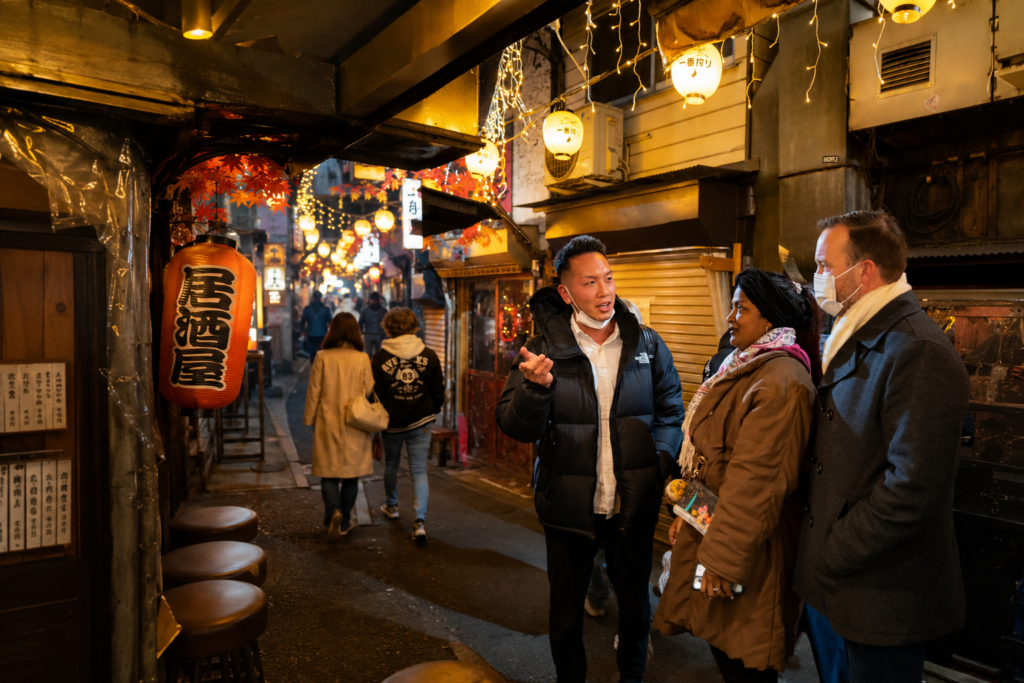
Self-guided works well in Tsukiji and Asakusa, where the food geography is compact and the stalls are visible. It becomes harder in places like Shinjuku’s back streets or the izakayas around Yurakucho, where knowing which stall to choose — and being able to communicate a dietary need or ask what’s fresh that day — genuinely changes the experience.
A guided food tour adds three things: local knowledge about what to order and why, the ability to get you into places that don’t have English menus or visible storefronts, and the kind of context that makes food more interesting. The difference between eating yakitori under the tracks and understanding why that specific cut is served at that specific temperature is the difference between a good meal and something you’ll still be thinking about six months later.
TJT’s food tours are built around neighborhoods rather than restaurant lists — the route changes based on what’s freshest, what’s in season, and where the queues are manageable that day.
Expert Tip
If you’re doing a food tour over multiple days, spread neighborhoods across days rather than cramming everything into one. Asakusa in the morning, Yurakucho for lunch, Shinjuku in the evening is a better eating day than trying to hit all three in one session. Appetite is the limiting factor, not logistics.
Practical Tips for Eating in Tokyo
Budget and Payment
A serious food day in Tokyo — multiple stops, drinks included — runs ¥5,000–8,000 per person without trying to be extravagant. A single excellent ramen lunch is ¥1,000–1,500. Evening izakaya with four dishes and two drinks is ¥3,000–4,500. Carry cash for smaller stalls; cards are accepted almost everywhere that’s table service.
Dietary Restrictions
Vegetarians and vegans face genuine challenges in Tokyo, where dashi (fish stock) is ubiquitous in stocks, broths, and sauces. The challenge is less about finding vegetable dishes and more about hidden animal products. Carry a laminated allergy card in Japanese — free templates exist online and are far more reliable than verbal communication in a busy kitchen.
Timing
Lunch (11:30am–1:30pm) is peak hour at most restaurants. For popular spots, arrive at 11:15am. Dinner (6pm–8pm) is the other peak. The window between 2pm–5:30pm is often underexplored — good restaurants are quiet, food is still fresh, and you avoid the queue entirely.
Frequently Asked Questions
How many stops should a Tokyo food tour include? Three to five stops in a half-day is realistic. More than that and the eating becomes mechanical. Quality over quantity applies.
Is tipping expected at restaurants? No. Tipping is not practiced in Japan and is sometimes considered rude. The price on the menu is what you pay.
Do I need reservations for a food tour? For casual ramen, yakitori, and izakaya eating — no. For specific highly regarded counters (omakase sushi, kaiseki) — yes, often months ahead. A guided tour handles all reservations.
Related Tours
Conclusion
Tokyo rewards the eater who slows down. The city’s food culture is not about checking off famous names — it’s about repetition, attention, and the accumulation of small discoveries. A bowl of ramen eaten at a counter in a neighborhood you wandered into, with no plan, is often better than the one you queued an hour for. Both have their place. Give yourself enough days and enough meals to find both.
Plan Your Japan Trip with Local Experts
Our team has guided 40,000+ travelers across Japan. Tell us about your trip and we’ll get back to you within 24 hours.