In this article:
- Why Tokyo is one of the world’s great photography destinations
- The best neighborhoods for photography in Tokyo
- Timing: golden hour, blue hour, and night
- Portrait and street photography in Tokyo
- The TJT photography tour: what it includes
- Gear and practical preparation
- Frequently asked questions
Introduction
Tokyo is one of the world’s great photography cities — not because it has the most dramatic natural scenery, but because of density. Within a single 15-minute walk in almost any neighborhood, you’ll encounter contrasts that would require a week of driving in most countries: a Buddhist temple backed by a glass tower; an elderly man in a traditional yukata standing at a ramen counter next to a teenager in streetwear; a 1950s shotengai shopping alley feeding into a six-lane expressway.
The challenge is that photography in Tokyo rewards specific knowledge. The famous spots — Shibuya crossing, Senso-ji at dawn, neon-lit Shinjuku — are genuinely worth photographing, but the light and timing variables make the difference between a record shot and something interesting. And the neighborhoods that produce the most distinctive Tokyo photography — Yanaka, Monzen-Nakacho, Koenji, the back streets of Kagurazaka — require knowing where they are.
A photography tour led by someone who knows the city changes the productive yield of a half-day significantly. This guide covers both the self-guided approach and what a guided photography tour adds.
The Best Neighborhoods for Photography in Tokyo
Yanaka: Old Tokyo Preserved
Yanaka survived both the 1923 earthquake and the 1945 firebombing and retains its Edo-period residential grid. Wooden houses, temple gates, a cemetery that functions as a public park, narrow lanes with occasional cats — this is the visual Tokyo that has largely disappeared elsewhere. The light in Yanaka in the late afternoon, with low sun coming through the gaps in the old buildings, produces photographs that don’t look like they were taken in a major city.
The Yanaka Ginza shopping street — a short covered arcade with traditional shops — is the most photographed single element, but the quiet residential streets north and west of it are where the more interesting shooting happens.
Asakusa: Layered History
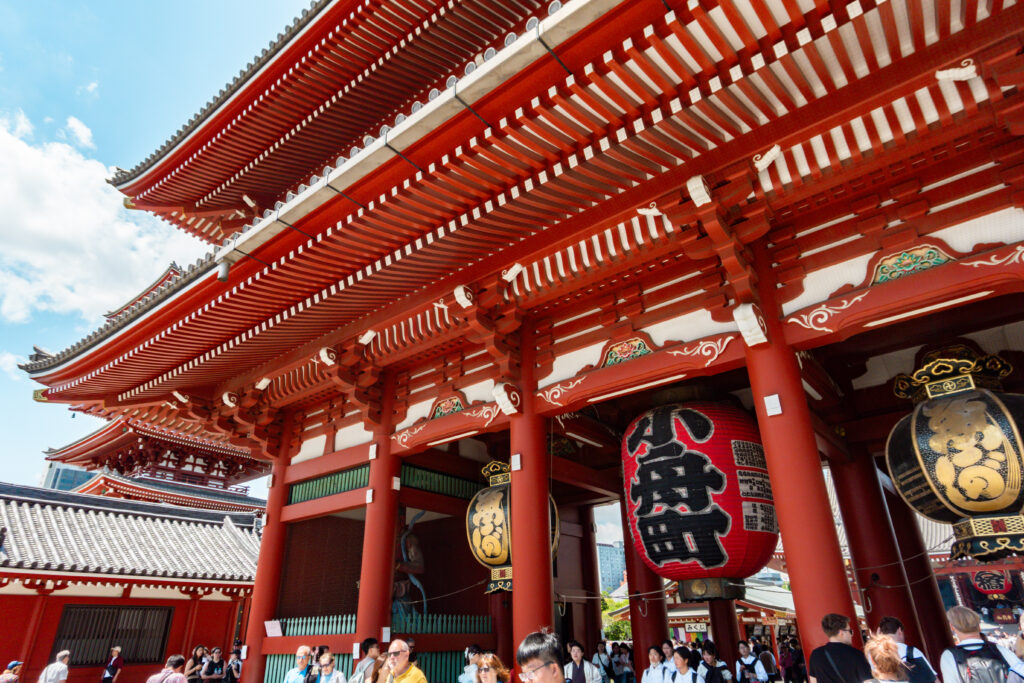
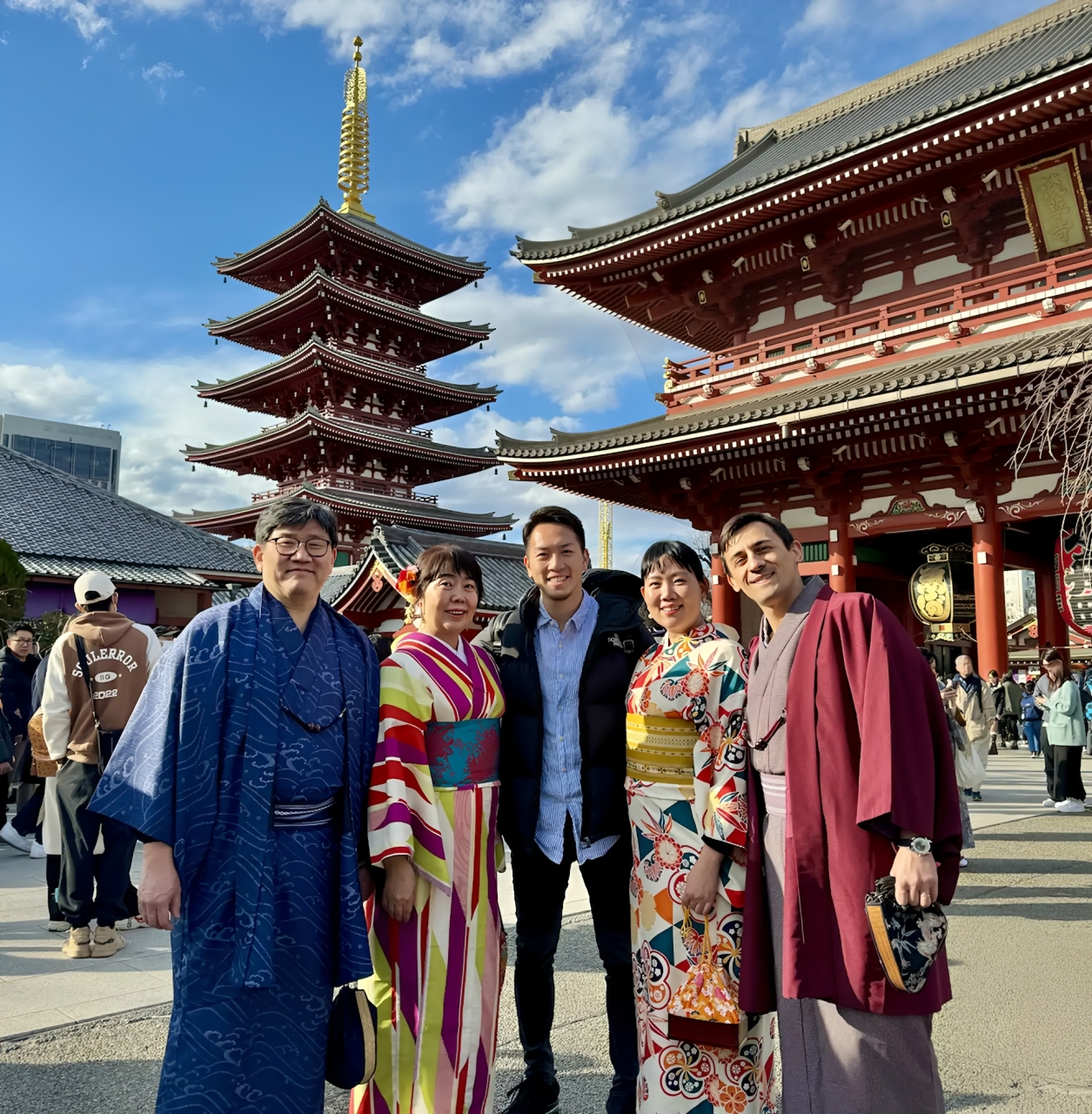
Senso-ji and its approaches provide some of the most compositionally rich street photography in Tokyo — the scale of the temple gate against human figures, the density of the Nakamise shopping street, the specific quality of the incense smoke at the main courtyard. Before 8am on a weekday, the light is soft and the space is empty enough to work in. After 10am, it’s a crowd management exercise.
The backstreets behind the temple — Hoppy Street, the lanes heading toward the Sumida River — offer a quieter shooting environment with the atmospheric weight of the neighborhood without the tourist density.
Shinjuku: Neon and Scale
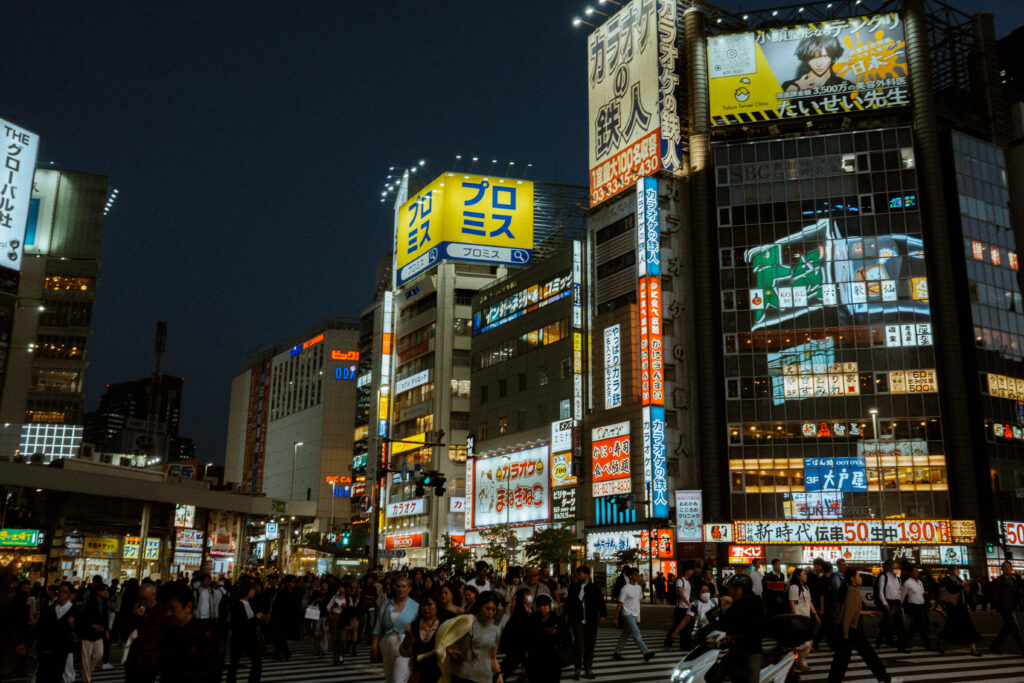
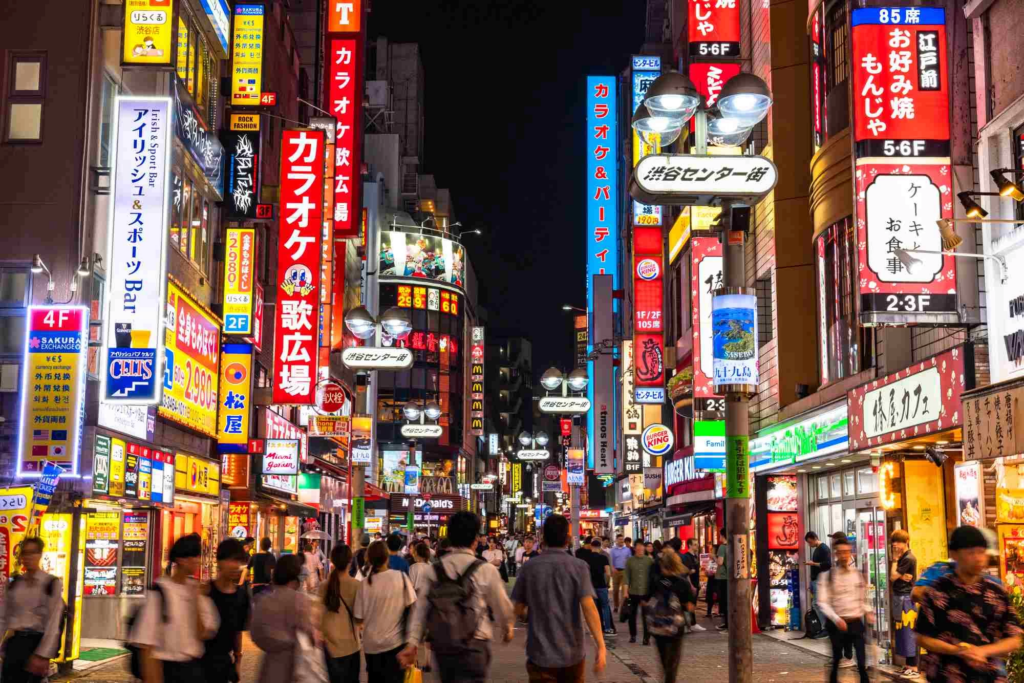
Shinjuku at night is one of the iconic Tokyo photography subjects. The neon density, the scale of the signage, the contrast between the illuminated street level and the dark sky above — these are genuinely striking visual conditions that don’t exist at this scale elsewhere. The technical challenges are significant: mixed light sources, high contrast ratios, moving subjects. But the visual material is extraordinary.
The best locations within Shinjuku for night photography: the elevated walkways around Kabukicho looking south toward the station towers; the entrance to Golden Gai from Yasukuni-dori; the narrow street between the tall buildings on the east side of the station at street level.
Shibuya Crossing
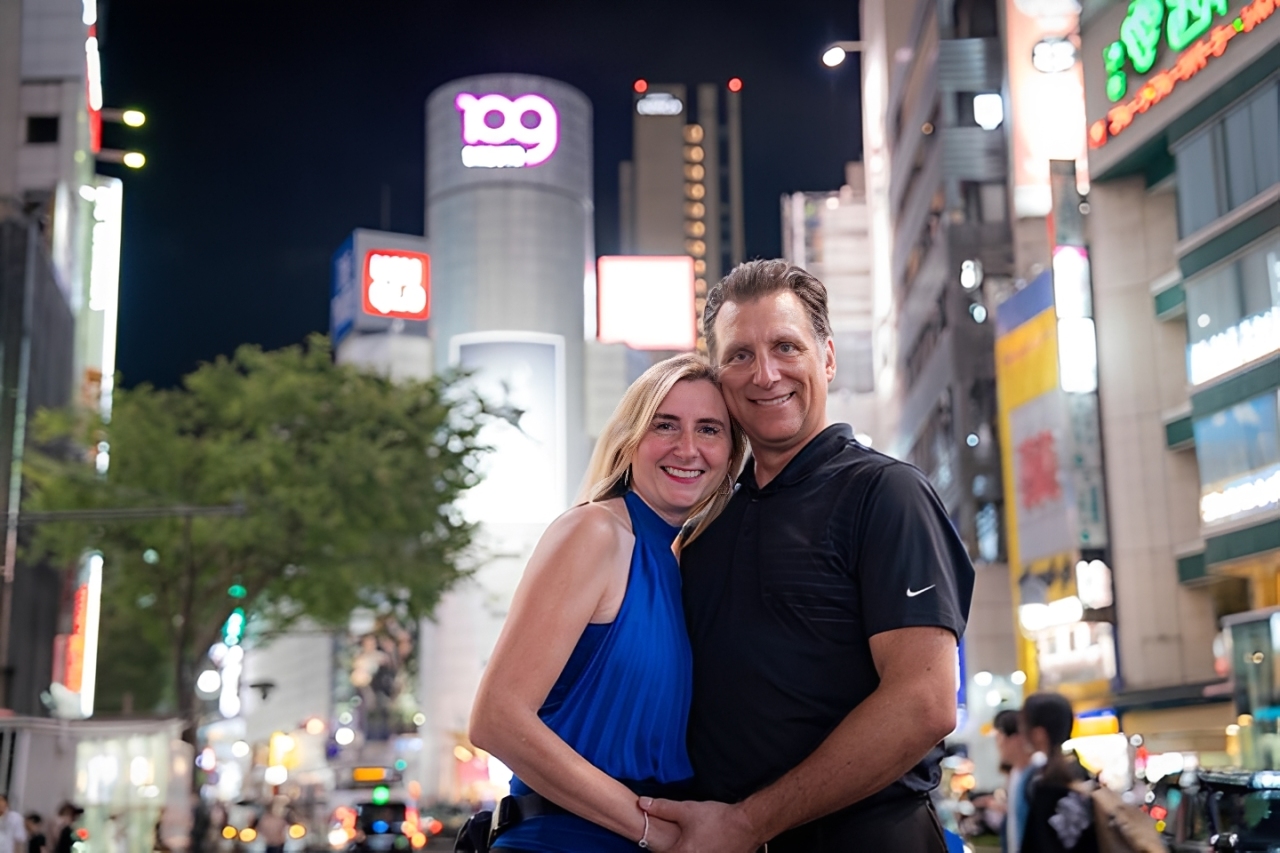
Shibuya crossing at rush hour is legitimately spectacular — the synchronized pedestrian crossing in all directions, the density of people and signage, the specific Tokyo visual compressed into a single location. The most interesting photographs come from elevated angles (the Starbucks second-floor window, the Mag’s Park rooftop, or higher vantage points in the surrounding buildings) rather than from within the crossing itself.
At street level during peak hours, the crossing is more impressive to experience than to photograph — the crowd density makes composition difficult.
Timing: Golden Hour, Blue Hour, and Night
Golden Hour
Tokyo’s golden hour is short — the city’s building density creates deep shadows quickly once the sun drops. The best golden hour locations are elevated: the Tokyo Skytree observation deck, the Metropolitan Government Building free observatory, or any rooftop with western or southern exposure. At street level, the alley neighborhoods (Yanaka, Nezu, parts of Asakusa) catch low light better than the commercial districts.
Blue Hour
Blue hour — the 20–30 minutes after sunset before full dark — is when Tokyo produces its most balanced cityscapes. The sky is still luminous; the building lights are fully on; the contrast ratio between lit and unlit areas is manageable without bracketing. For cityscape shots looking across toward Mount Fuji (visible from elevated viewpoints in the right atmospheric conditions), blue hour is the correct timing.
Night Photography
Tokyo at full dark rewards photography that embraces the difficulty of the light conditions. Rain-wet streets in Shinjuku or Ginza create reflections that multiply the neon. Long exposures on elevated platforms capture the light trails of expressway traffic against the static city grid. The technical demands are real — a tripod helps, a fast lens is valuable — but the visual conditions are extraordinary.
Expert Tip
For Tokyo street photography, the most important variable is not equipment — it’s permission culture. Japan has relatively permissive street photography norms compared to many countries; photographing in public spaces is generally accepted. However, photographing individuals in close proximity without acknowledgement creates friction that better street photographers avoid not from legal necessity but from the understanding that genuine engagement with the subject produces better photographs than stealth shooting. Making eye contact and a slight nod before photographing someone produces better photographs and better interactions than treating people as visual elements to be collected.
Portrait Photography in Tokyo
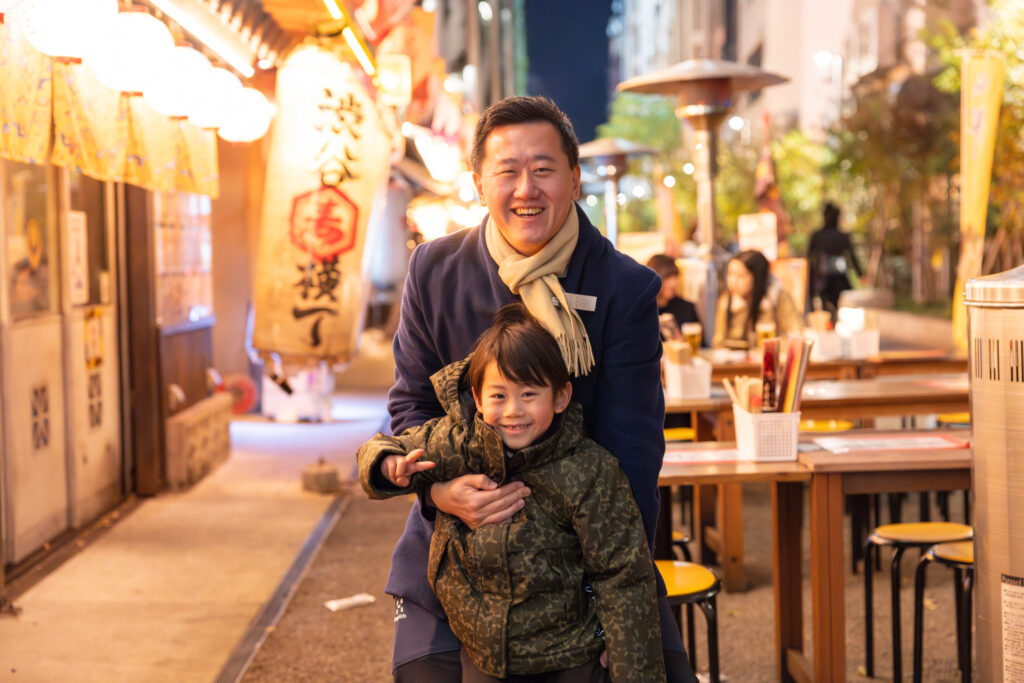
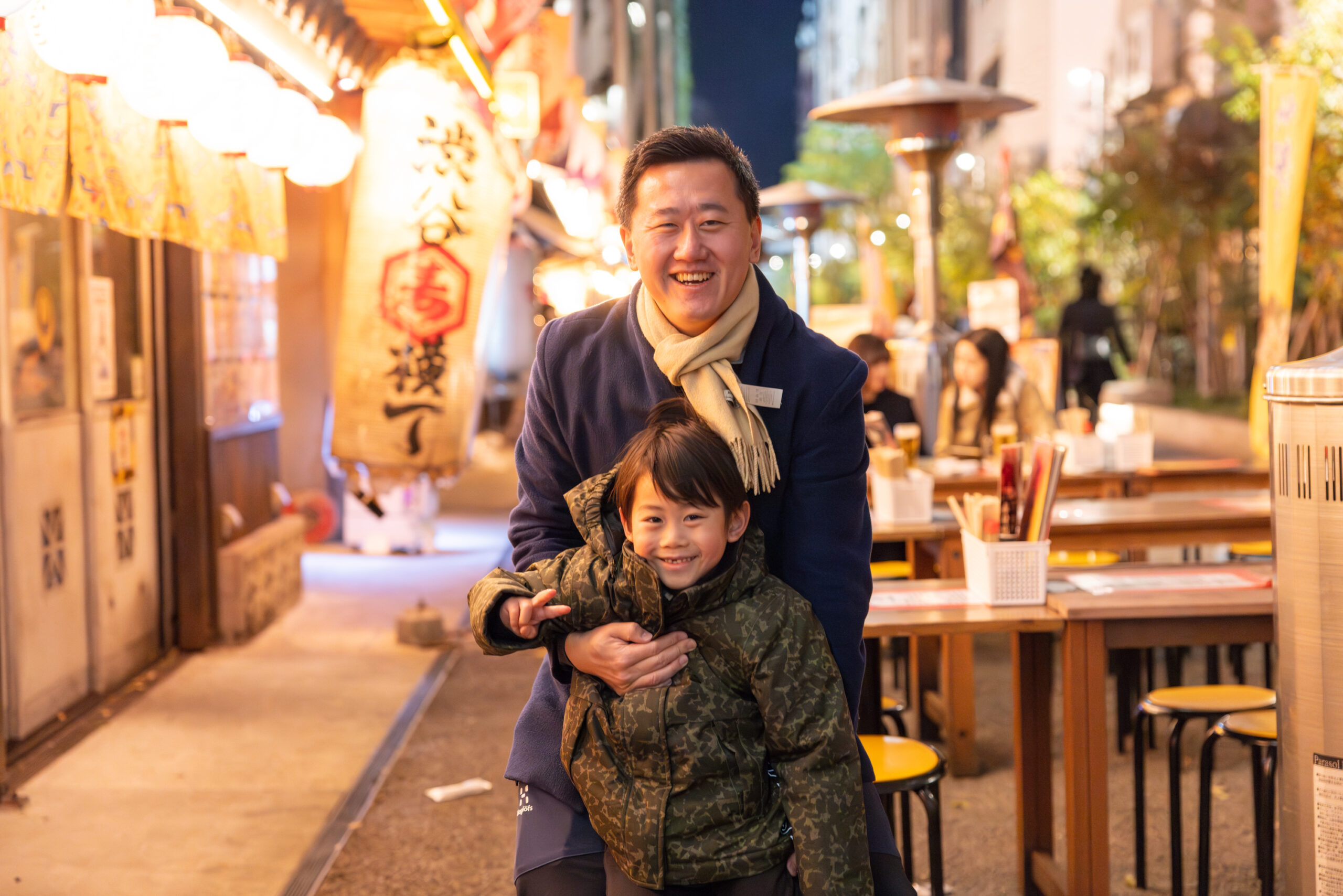
TJT offers a dedicated portrait photography tour in Tokyo, working with a professional photographer who has been documenting the city for over a decade. Sessions run half a day and cover two or three distinct neighborhoods — typically one old-city area (Yanaka or Asakusa), one contemporary area (Shimokitazawa or Daikanyama), and one specific visual subject of the client’s choice.
The photographer handles: location scouting before the session, directing you through the best compositions in each location, managing light with reflectors and positioning, and post-processing the best images for delivery within 48 hours. The goal is not tourist photographs but images that represent the city as the photographer experiences it — documentary in spirit, personal in execution.
Gear and Practical Preparation
Camera Recommendations
Any camera with manual control is suitable for Tokyo photography. The specific conditions that reward preparation: a wide aperture lens (f/1.8 or faster) for low-light street shooting without flash; a wide-angle lens (24mm equivalent or wider) for architectural and crowd compositions; extra batteries (cold weather and extensive use drain batteries faster than expected).
For travel photography with restricted luggage, a mirrorless system (Fujifilm, Sony, OM System) balances image quality with portability better than a full-frame DSLR setup.
Practical Logistics
Shoot in RAW format for flexibility in post-processing Tokyo’s mixed light sources. Back up daily — card failures and theft (rare in Tokyo, but not impossible) happen. Carry a small cleaning kit; Tokyo’s urban environments deposit dust on sensors.
For night shooting in Shinjuku or Shibuya, a small gorilla-pod tripod that attaches to a railing is more practical than a full-size tripod that’s difficult to position in a crowd.
Frequently Asked Questions
Is it legal to photograph in Tokyo’s public spaces? Generally yes. Public spaces, streets, and temples open to visitors are photographable. Private property rules apply; some temples restrict tripod use or photography in specific areas. Commercial use of images with identifiable individuals requires model releases in Japan as in most countries.
What’s the best time of year for photography in Tokyo? Cherry blossom season (late March–early April) and autumn foliage season (mid-November) produce the most dramatic seasonal imagery. The rainy season (June–July) produces unique atmospheric conditions — wet streets and moody light. Winter (December–February) has cleaner air and better chances of Mount Fuji visibility.
Do I need a professional camera for a photography tour? No. The tour is structured for any camera, including smartphones. The value is the locations, timing, and local knowledge — not equipment.
Related Tours
Conclusion
Tokyo rewards the photographer who goes in knowing what they’re looking for. The density of visual material is extraordinary — the city will give you images regardless of preparation. However, the best Tokyo photographs require being at the right place at the right hour, understanding the visual logic of the neighborhood, and having spent enough time in the city to see past the obvious. A half-day with someone who has that knowledge compresses years of personal discovery into a morning.
Plan Your Japan Trip with Local Experts
Our team has guided 40,000+ travelers across Japan. Tell us about your trip and we’ll get back to you within 24 hours.