In this article:
- Why Shibuya works for a bar crawl
- The main areas: Dogenzaka, Udagawacho, and Daikanyama
- The best bar types in the Shibuya area
- Shimokitazawa: the independent music and bar scene nearby
- Navigating Shibuya at night: the practical reality
- Budget, timing, and safety
- Frequently asked questions
Introduction
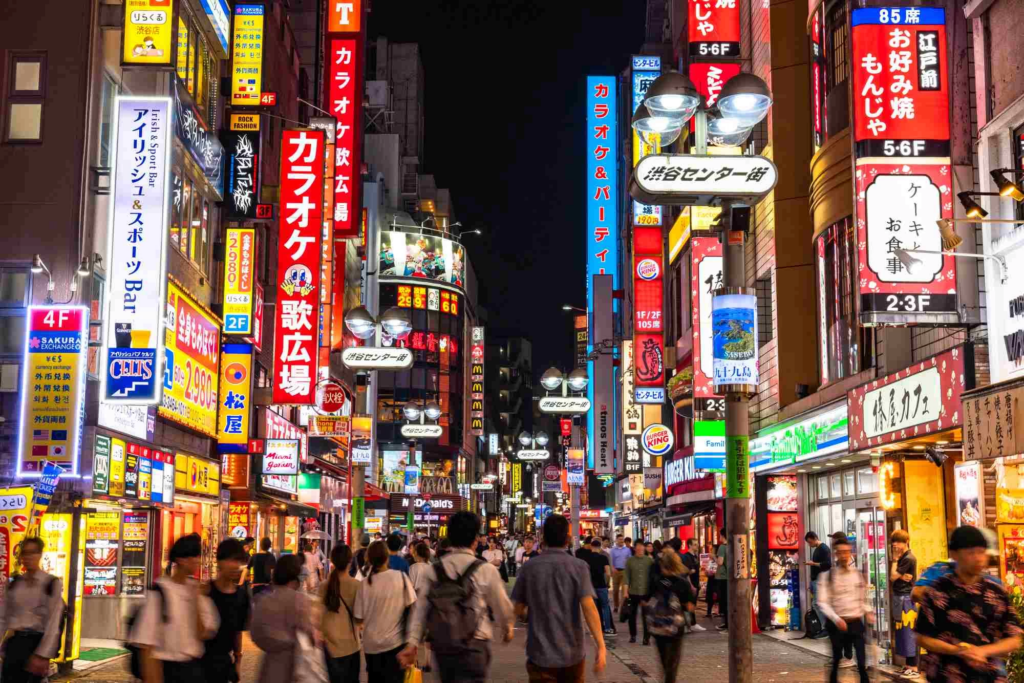
Shibuya is where Tokyo’s contemporary culture concentrates — music, fashion, youth culture, and the particular energy that comes from being the neighborhood that defines what’s current. Its nightlife reflects this: more varied and younger in character than Shinjuku, with a density of independent bars, music venues, and izakayas that rewards exploration.
Unlike Shinjuku’s Kabukicho, which has the famous landmarks (Golden Gai, Omoide Yokocho) that anchor most itineraries, Shibuya’s bar culture is more diffuse — spread across Dogenzaka, the backstreets of Udagawacho, the quieter streets around Daikanyama, and the adjacent neighborhood of Shimokitazawa. This diffuseness is both the challenge and the reward: a Shibuya bar crawl doesn’t follow a fixed script, which means it produces different evenings for different people.
The Main Areas: Dogenzaka, Udagawacho, and Daikanyama
Dogenzaka
Dogenzaka is the hill rising west from Shibuya Station, historically associated with love hotels and late-night entertainment. The bar concentration on the main slope and the parallel streets is high — everything from large club spaces to quiet standing bars in basement locations. The area has a slightly louder character than other Shibuya neighborhoods; it’s the right choice if the evening’s direction is toward dancing and crowds rather than quiet conversation.
The streets running parallel to Dogenzaka (Bunkamura-dori and the alleys between them) have a higher proportion of smaller, independent bars worth discovering.
Udagawacho
Udagawacho, immediately north of Shibuya’s commercial center, concentrates the youth culture that defines the neighborhood — record shops, streetwear stores, and a nightlife that tilts toward hip-hop and R&B clubs alongside more conventional izakayas and bars. The atmosphere here is younger and more fashion-conscious than Shinjuku; the dress code at better clubs is enforced.
For visitors interested in contemporary Tokyo street culture alongside drinks, an evening in Udagawacho starting with record shopping (Recofan, Time Out Records) and moving into the evening bar scene covers both in the same geography.
Daikanyama and Nakameguro
A 15-minute walk (or 5-minute taxi) from Shibuya proper, Daikanyama and Nakameguro offer a notably different character: quieter, more design-forward, with a concentration of wine bars, craft cocktail spots, and standing-room-only sake counters that attract a 30-something professional crowd. Nakameguro along the canal — particularly beautiful during cherry blossom season — has some of Tokyo’s best bar real estate: small, focused establishments with good service and specific drink menus.
This is the right direction if the evening calls for conversation rather than volume.
The Best Bar Types in the Shibuya Area
Craft Beer
Shibuya and Nakameguro have several dedicated craft beer bars that stock predominantly Japanese microbreweries alongside international selections. Goodbeer Faucets in Shibuya is one of the city’s most comprehensive craft beer operations — 40 taps, knowledgeable staff, good food. For something smaller and more neighborhood-specific, the craft beer bars along Nakameguro’s canal road serve local producers with a focused selection.
Cocktail Bars
Tokyo’s cocktail culture is extremely high by international standards, and Shibuya has several bars that represent it well. The format typical to the best Tokyo cocktail bars: a counter with 6–12 seats, an extensive house-made spirits and infusions program, bartenders who’ve trained internationally, and prices (¥1,500–3,000 per cocktail) that reflect the work involved. These bars don’t advertise on the main streets — they’re typically on upper floors reached by elevator, with a small sign at street level.
Natural Wine
Natural wine has established a significant following in Tokyo’s younger food and drink culture, and Shibuya/Nakameguro has several wine bars that specialize in it. The format tends toward casual — standing or low counter seating, small plates, a constantly changing glass selection. For travelers who drink wine but want something specific to contemporary Tokyo food culture, these spots represent a side of the city that’s genuinely different from the sake-and-shochu izakaya standard.
Expert Tip
The best Shibuya bar crawl arc: start at a craft beer bar in Shibuya (7pm), walk or taxi to Nakameguro for a cocktail bar or wine bar along the canal (9pm), finish with late-night ramen at one of the shops open until 2–3am near Daikanyama (midnight). This arc moves from loud to quiet to sustaining — a better structure than trying to keep the energy high for a full evening.
Shimokitazawa: The Independent Scene
Shimokitazawa is technically a 10-minute train ride from Shibuya rather than a walking extension, but it belongs in any comprehensive discussion of Shibuya-area nightlife. The neighborhood is Tokyo’s live music and independent culture center — small venues hosting original bands, vintage clothing shops, second-hand record stores, and bars that started as music venues and evolved into drinking establishments with irregular programming.
A Wednesday evening in Shimokitazawa is the version of Tokyo nightlife that neither Shinjuku nor Shibuya’s main districts offer: genuinely local, less tourist-facing, and animated by a specific culture rather than the entertainment industry infrastructure.
The bars here are mostly small, inexpensive (¥600–1,000 per drink), and open until 2–3am. Cover charges apply at venues with live music (¥1,000–2,000 typically). Get there before 9pm on weekends if you want to sit down.
Practical Tips, Budget, and Safety
Budget
A Shibuya bar crawl evening — three to four stops, substantial drinking — runs ¥4,000–7,000 per person. Craft cocktail bars cost more (¥2,000–3,000 per drink); izakayas cost less (¥700–1,000 per drink with food). Planning for ¥5,000–8,000 covers most realistic scenarios without being constraining.
Timing
Shibuya’s bar and club scene starts later than Shinjuku’s izakaya culture. Most interesting bars don’t fill until 9–10pm. Peak hours are 10pm–1am on weekends. Nakameguro is good from 7pm. Shimokitazawa for live music is 8pm onward.
Safety
Shibuya is safe by any major city standard. The main risk — as in Shinjuku — is the occasional aggressive tout near Dogenzaka’s club zone. Apply the same rule: choose your own venues, decline uninvited approaches, and stick to streets that feel active rather than isolated. The canal areas of Nakameguro and Daikanyama are calm at any hour.
Frequently Asked Questions
Is Shibuya better for a bar crawl than Shinjuku? Different character. Shinjuku has more compact, famous landmarks (Golden Gai, Omoide Yokocho) that anchor an izakaya evening. Shibuya rewards more exploration and is better for craft cocktails, craft beer, and contemporary Tokyo culture. Both are worth doing on different nights.
Do clubs in Shibuya have strict entry policies? Better clubs enforce dress codes (no sandals, no sportswear). Some require Japanese identification or have unwritten policies that complicate entry for non-Japanese visitors at peak hours — a recognized guide or connection helps navigate this.
What’s the last train back from Shibuya? Typically around midnight–12:30am on weekdays; slightly later on weekends. After the last train, taxis and Uber are available but expensive for long distances. Many travelers stay until the first morning train around 5am rather than taking a late-night taxi.
Related Tours

Conclusion
Shibuya at night offers something that Shinjuku’s more famous entertainment district doesn’t: the feeling of a neighborhood that’s primarily for the people who live and work there, with the tourist infrastructure secondary rather than central. The bars are smaller, the music is better, and the conversations — if you find the right place — are more interesting. Give it the time to develop rather than checking it off a list.
Plan Your Japan Trip with Local Experts
Our team has guided 40,000+ travelers across Japan. Tell us about your trip and we’ll get back to you within 24 hours.