In this article:
- Winter Wonders: Powder Snow and Ice Sculptures
- Summer Patchworks: Flower Fields and Volcanic Treks
- Coastal Romance and Iconic Cityscapes
- The Untamed East: Wildlife and Hot Springs
- Savoring Hokkaido’s Rich Harvests
- Getting Around the Northern Wilds
- Exploring Hokkaido: Frequently Asked Questions
Winter Wonders: Powder Snow and Ice Sculptures
Hokkaido’s winter is why many travellers make the trip, and it deserves the reputation. Cold, dry air rolling off Siberia dumps some of the lightest, driest powder snow on earth, and the island turns its winters into festivals of skiing and ice.
The Slopes of Niseko
Niseko is the powder capital, drawing skiers and snowboarders from Australia and beyond for snow so light it barely resists — the famous “Japow.” The resort clusters below Mount Yotei, a near-perfect volcanic cone often compared to Fuji, and the après scene is more international than anywhere else in Japan. Even non-skiers find reasons to come: night skiing, backcountry tours, and onsen with a snowbound view. Book accommodation months ahead for the January and February peak.
The Sapporo Snow Festival
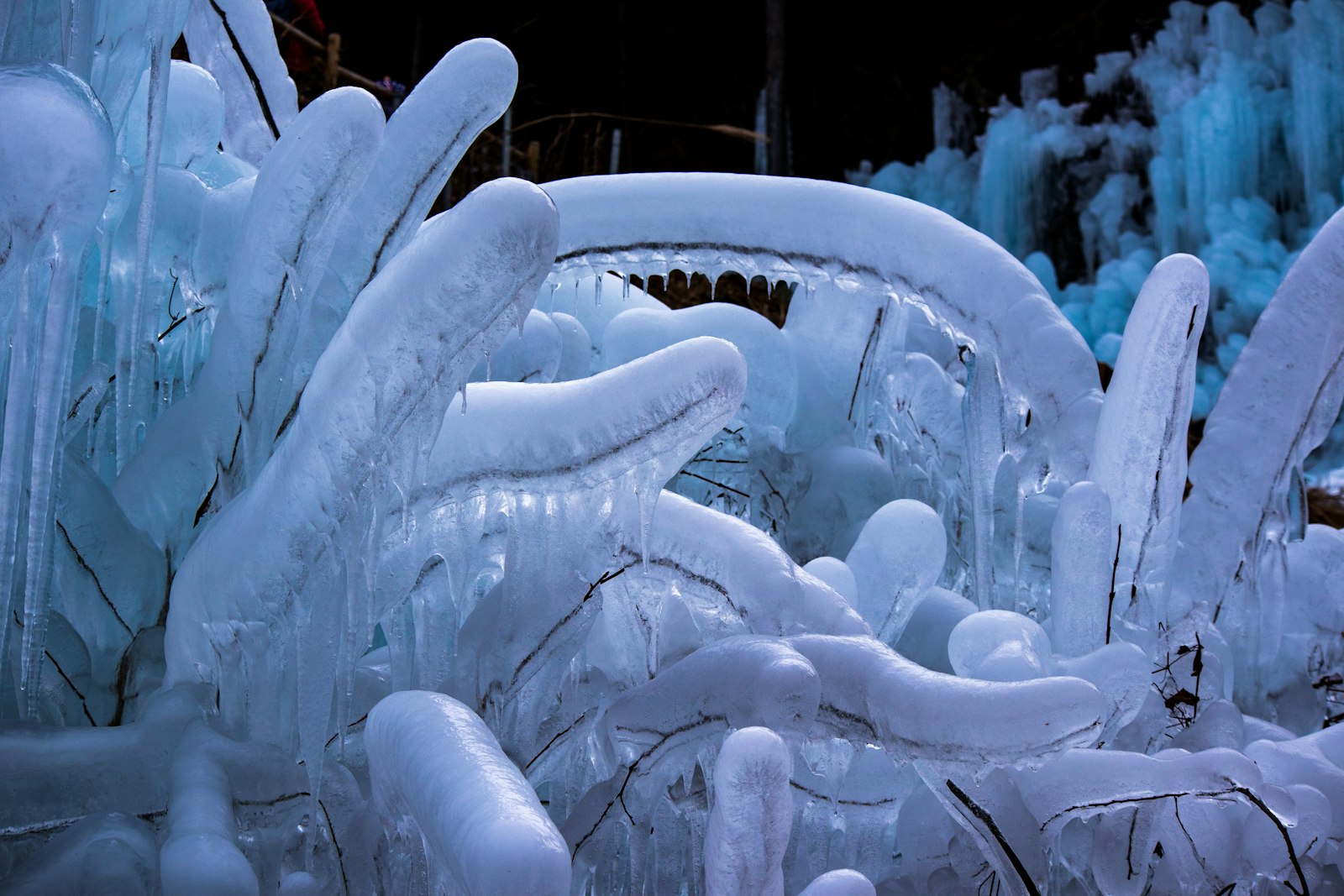
Each February, Sapporo’s Odori Park fills with enormous, intricately carved snow and ice sculptures — buildings, characters, whole scenes, some several storeys tall and lit at night. The Sapporo Snow Festival is one of Japan’s great winter events, drawing crowds into the millions over a week or so. Dress for real cold, go in the evening when the sculptures are illuminated, and pair it with the city’s ramen and beer.
Asahiyama Zoo in Winter
Asahiyama Zoo, near Asahikawa, is designed around cold-weather animals and famous for its winter “penguin walk,” when king penguins are let out to waddle a set route through the snow past visitors. Polar bears and seals are shown in enclosures built so you watch them dive and swim up close. It is a genuinely well-conceived zoo, and a good half-day if you are travelling with children in the depths of winter.
Summer Patchworks: Flower Fields and Volcanic Treks
Hokkaido in summer is a different island entirely — cool, green, and carpeted in flowers, with none of the mainland’s humidity. From roughly June to August it becomes the country’s escape from the heat.
The Lavender Fields of Furano
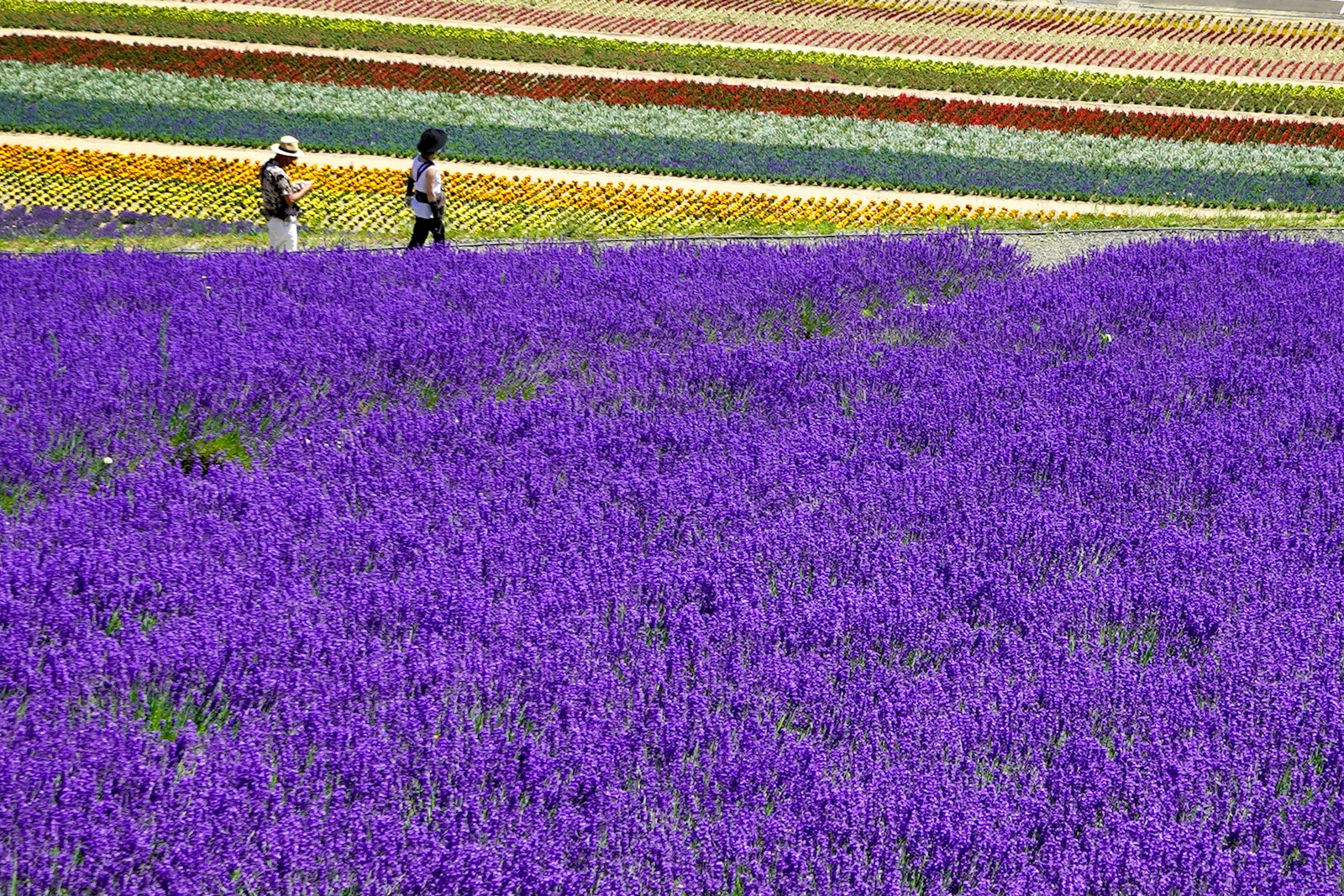
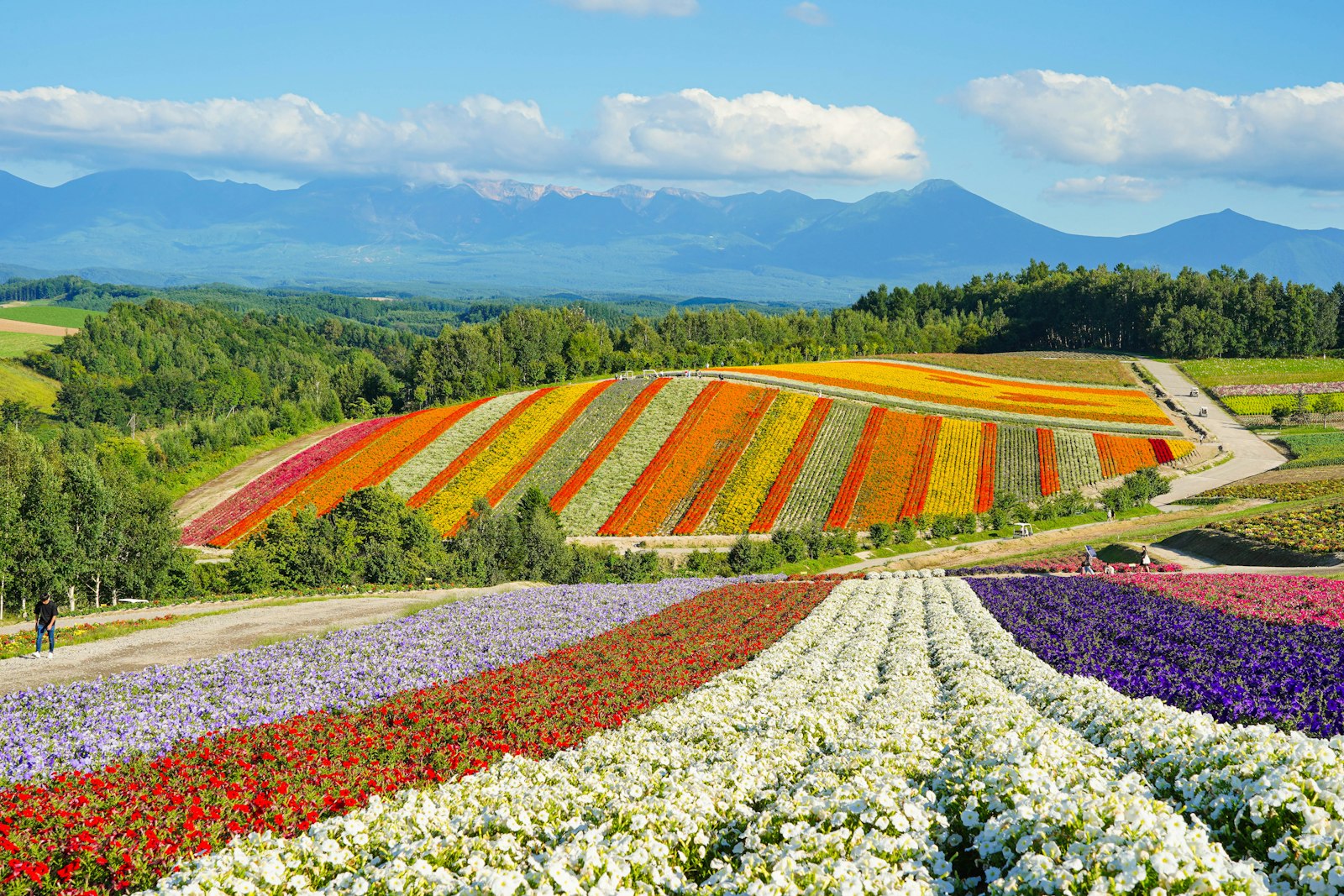
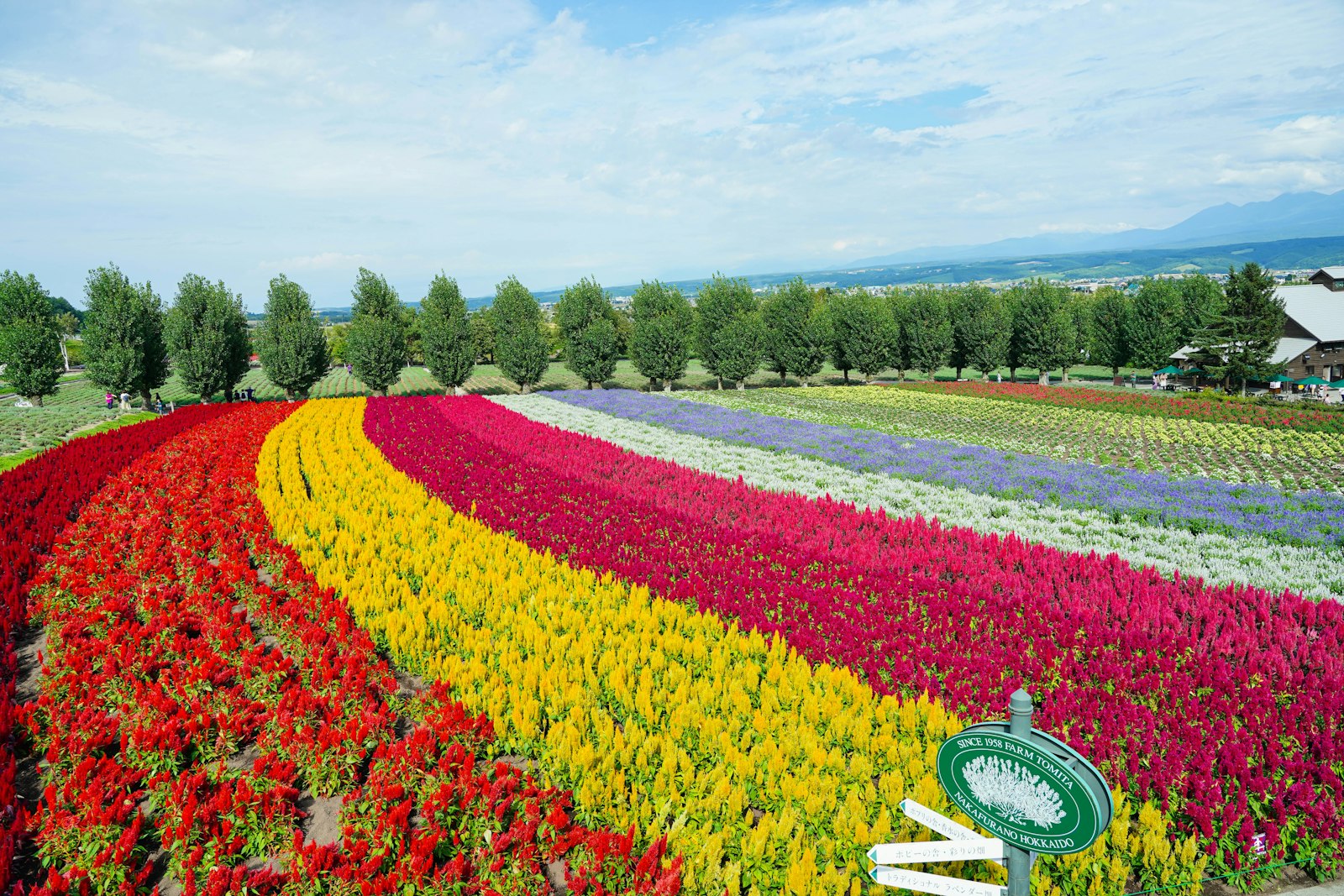
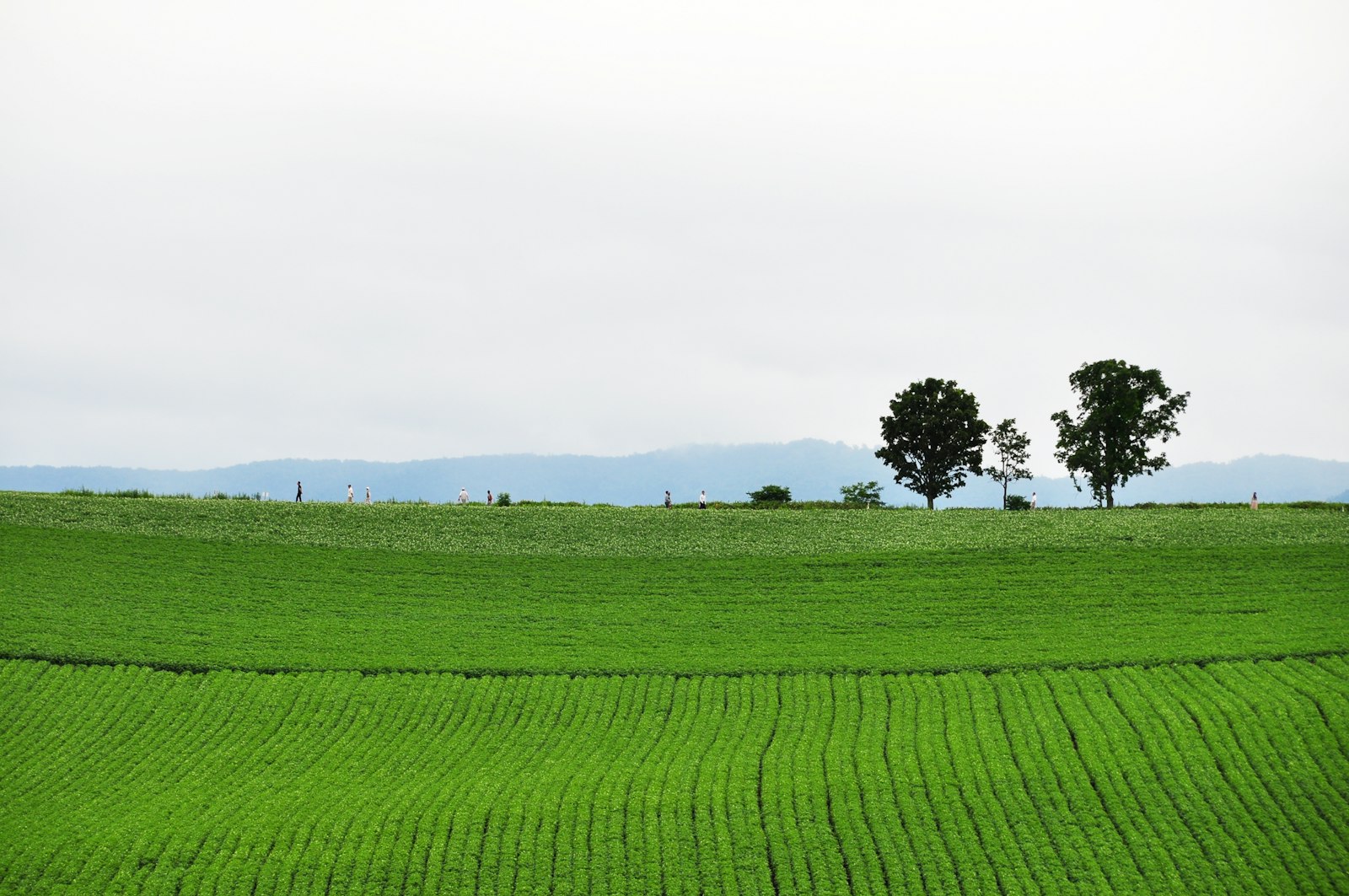
The Furano and Biei area is famous for its summer flower fields, and the lavender at Farm Tomita is the signature sight: long rows of purple running toward distant mountains, at their peak in mid-July. Nearby Shikisai-no-oka spreads a broader patchwork of flowers in bands of colour across rolling hills. Rent a car or bicycle to move between the farms; the landscape between them is half the pleasure.
Hiking the Volcanic Interior
Central Hokkaido is ringed by active volcanoes, lakes, and national parks laced with hiking trails, from gentle boardwalks to serious alpine routes in the Daisetsuzan range. Trails wind past crater lakes, steaming vents, and, in early autumn, the earliest fall colours in Japan. Check conditions and bear activity before setting out on remote routes, and carry more layers than you think you need — mountain weather here turns fast.
The Unkai Terrace at Tomamu
At the Tomamu resort, a gondola runs before dawn to the Unkai Terrace, a mountaintop deck positioned to look out over a “sea of clouds” — a blanket of low cloud that, on the right mornings, fills the valleys below and leaves you standing above it. It is weather-dependent and far from guaranteed, but on a clear-below morning it is unforgettable. Check the resort’s cloud forecast the night before and set an early alarm.
Coastal Romance and Iconic Cityscapes
Beyond the mountains and farms, Hokkaido’s coasts and cities hold their own draws — a canal town, a cape of impossibly blue sea, and a famous night view in the south.
Otaru Canal
Otaru, a short train ride from Sapporo, is a former herring port whose stone warehouses now line a short canal lit by gas lamps at dusk — the town’s romantic set piece, especially under snow. It is also known for glassware, music boxes, and some of the freshest sushi in the region, sold along a street of small counters. An easy half-day trip that pairs naturally with the city.
The Shakotan Peninsula
West of Otaru, the Shakotan Peninsula runs out into a sea so vividly clear and blue it earned its own name, “Shakotan Blue.” Cape Kamui, reached by a walking trail along a dramatic ridge, is the place to see it, with cliffs dropping to luminous water on both sides. Come in summer, when the road and trail are open and the colour is at its strongest, and pair it with a bowl of the local uni.
The Night View from Mount Hakodate
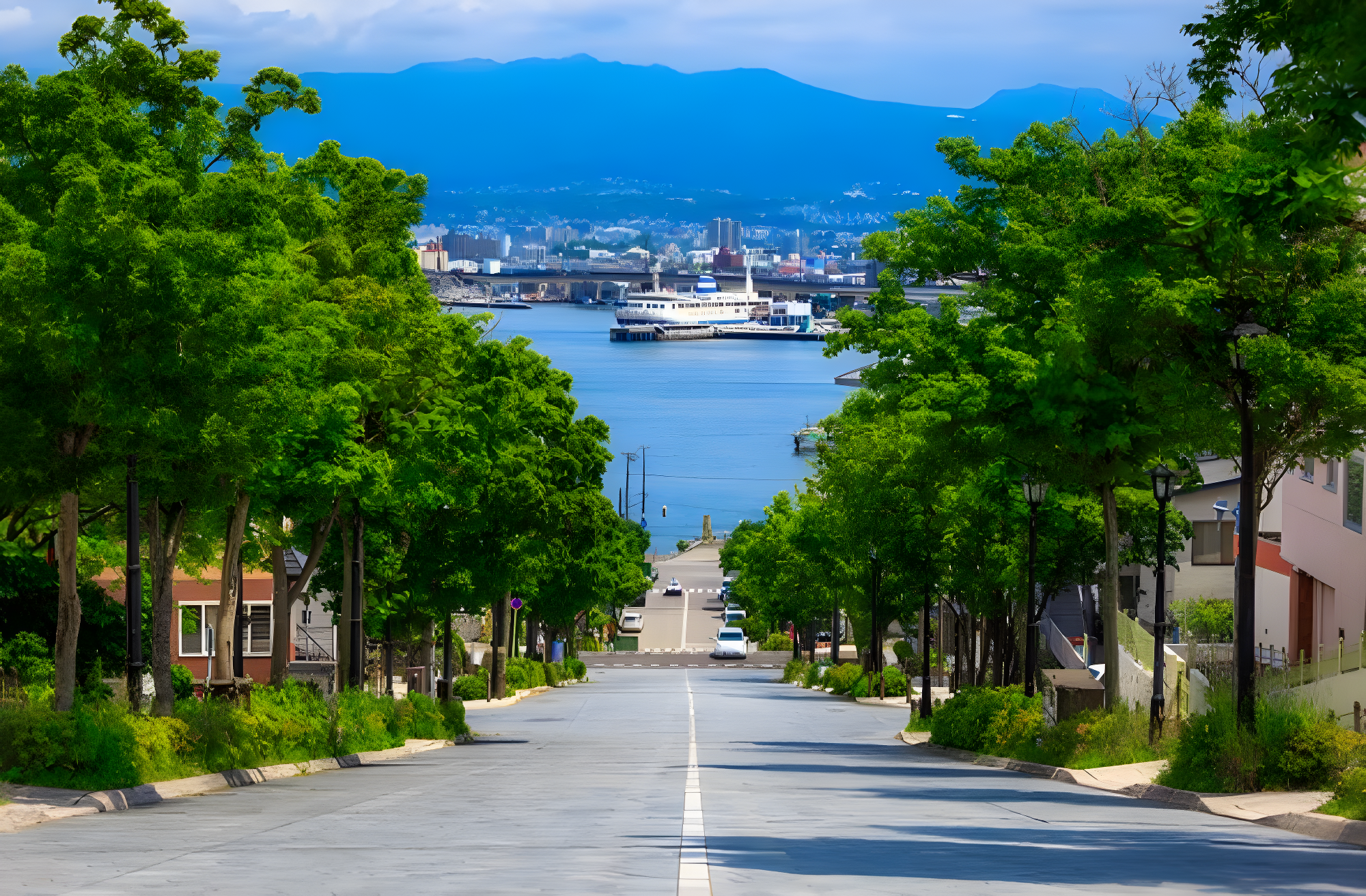
In the far south, Hakodate is famous for the night view from Mount Hakodate, where the city’s lights spill across a narrow isthmus between two dark bays — often ranked among Japan’s best cityscapes. Ride the ropeway up around dusk to watch it emerge. By day, the star-shaped Goryokaku fort and the morning seafood market fill out an easy stay in Hokkaido’s most historic city.
The Untamed East: Wildlife and Hot Springs
Eastern Hokkaido is the wildest part of the island, and the least visited — a region of protected coastlines, brown bears, and volcanic hot springs that rewards travellers willing to go the extra distance.
Shiretoko National Park
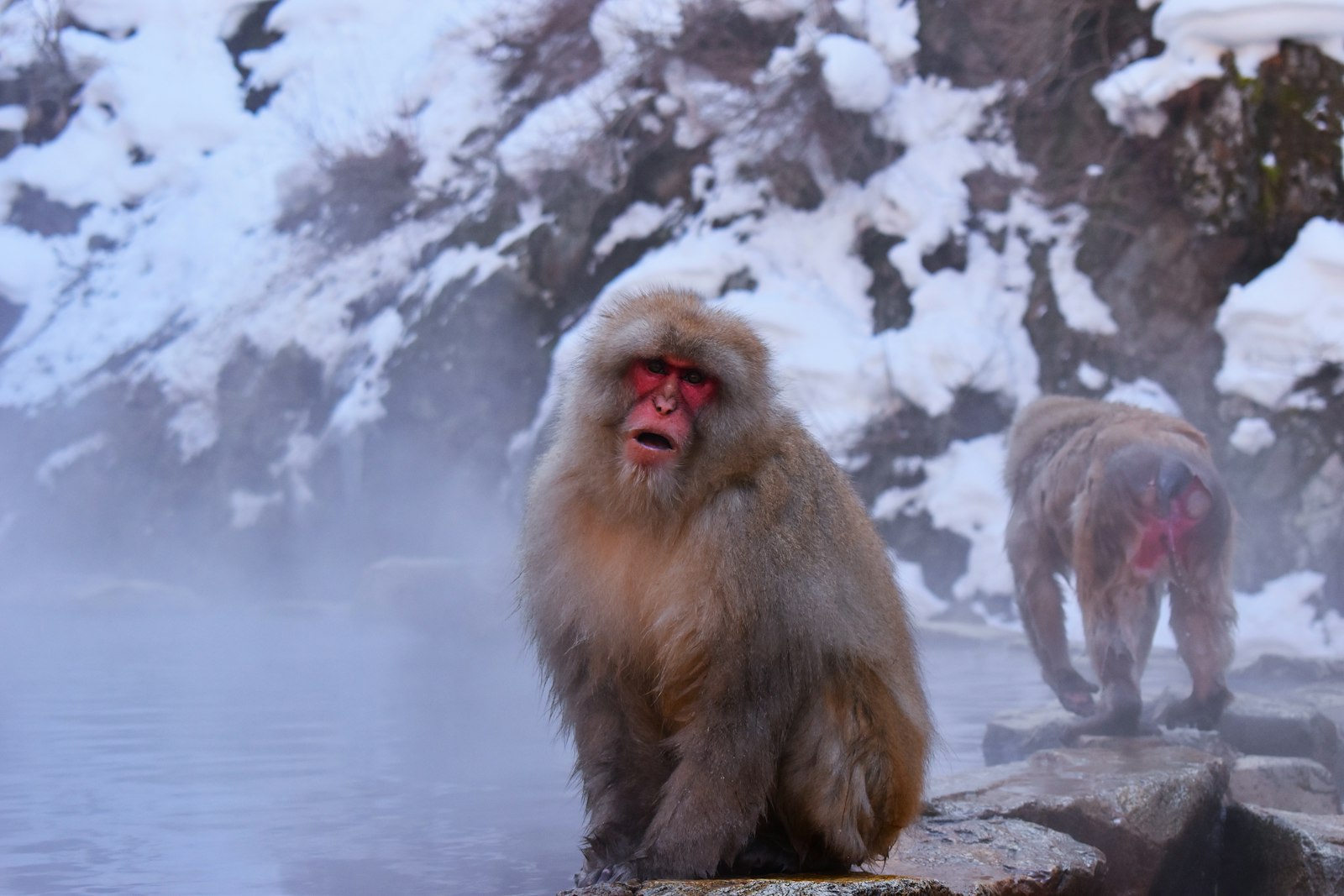
The Shiretoko Peninsula is a UNESCO World Heritage site and one of the last true wildernesses in Japan, home to a dense population of wild brown bears. Boat cruises run along its roadless sea cliffs, and sightings of bears foraging on the shore are common in the right season. This is genuine wildlife country; treat it with respect, follow local guidance on bears, and consider a guided trip rather than wandering alone.
Noboribetsu’s Hell Valley
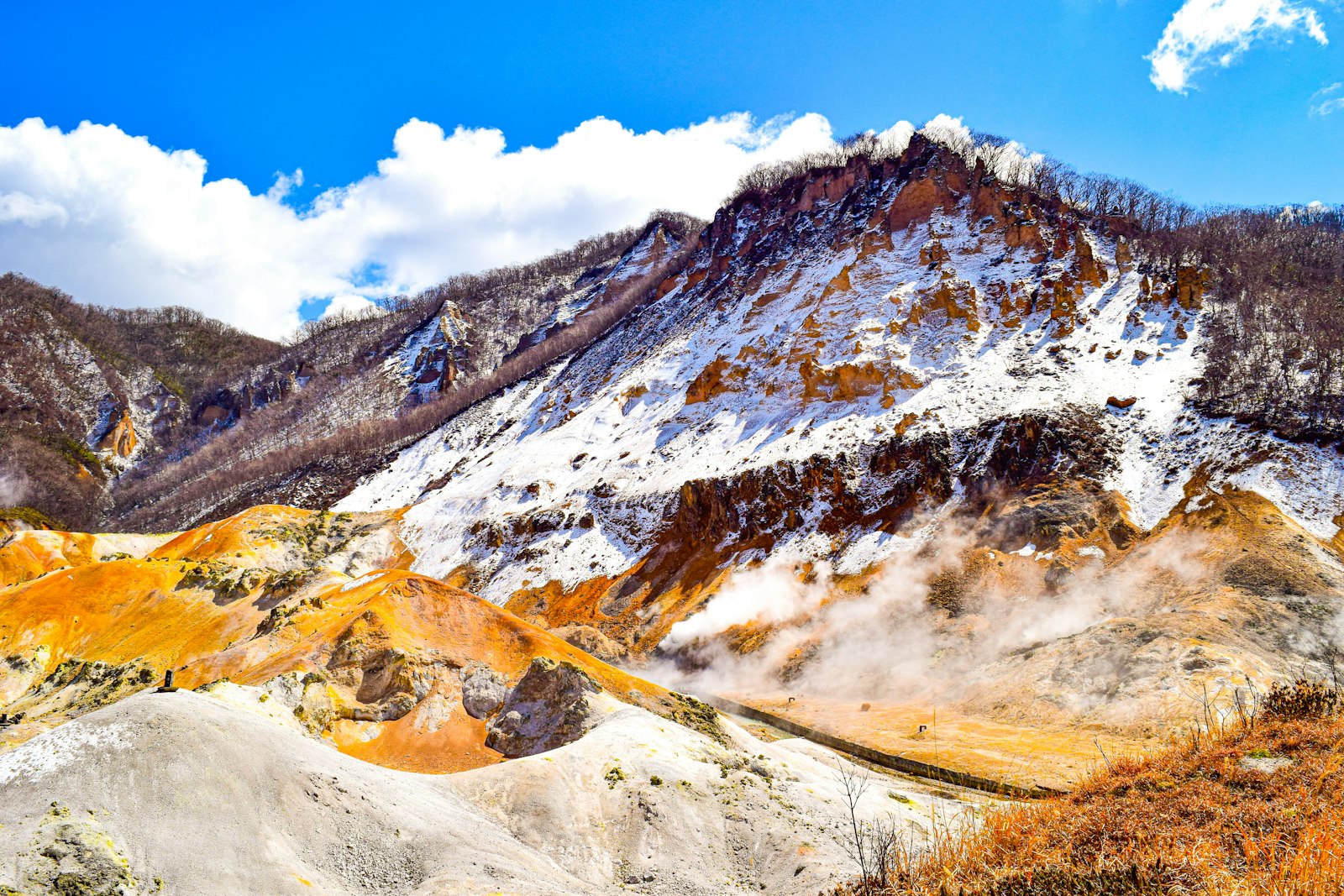
Noboribetsu is Hokkaido’s premier onsen town, and its source is Jigokudani, “Hell Valley” — a raw crater of steaming vents, sulfur, and bubbling pools that feeds the resort’s baths. Walk the boardwalks across the valley by day, then soak in the mineral-rich waters at a ryokan by night. It is the most concentrated hot-spring experience on the island, and an easy stop between the south and the interior.
The Caldera Lakes
Eastern Hokkaido holds a string of deep, still caldera lakes — Toya, Mashu, Akan — often wrapped in mist and ringed by forest. Lake Mashu is famous for water clarity and for how often it hides behind fog, while Akan is known for its rare spherical algae and lakeside onsen. They are quiet, atmospheric, and best reached by car as part of a longer eastern loop.
Savoring Hokkaido’s Rich Harvests
Hokkaido feeds the rest of Japan, and eating here is a highlight in its own right — the seafood, the dairy, and the hearty cold-weather cooking are all a cut above.
Seafood: Uni, Crab, and More
Hokkaido’s cold seas produce superb seafood, and two things stand out: creamy sea urchin (uni), at its sweetest around the Shakotan coast in summer, and king and snow crab, served everywhere from market stalls to ryokan dinners. A kaisen-don — a bowl of rice piled with raw seafood — at a morning market is one of the island’s great cheap luxuries. Eat it where the fishermen land the catch.
Sapporo’s Warming Classics
Sapporo gave Japan miso ramen, richer and heartier than its rivals, built for the cold — order it with a knob of butter and sweetcorn, Sapporo-style. The city also claims soup curry, a spiced, brothy curry loaded with vegetables, and Genghis Khan, grilled mutton cooked at the table on a domed hotplate. All three are winter food at its best, and all pair with the local Sapporo beer.
Dairy and Sweets
Hokkaido’s dairy is the country’s finest, and it shows up in rich soft-serve ice cream sold even in deep winter, in cheese, and in the island’s famous baked sweets and cream-filled confections. Buy them fresh where they are made rather than as airport souvenirs. A soft-serve in the snow is a small, very Hokkaido pleasure.
Expert Tip
Hokkaido is far larger than visitors expect — driving from the western resorts to the eastern wilderness can eat most of a day. Do not try to see the whole island in one trip. Pick a season and a region: west and centre for a first visit (Sapporo, Otaru, Niseko or Furano), and save the remote east (Shiretoko, the caldera lakes) for a dedicated second trip. Match your packing to the extremes — sub-zero winters demand serious gear, while summer is cool and breezy.
Getting Around the Northern Wilds
Hokkaido’s scale and thin public transport make logistics the key planning question. How you get around depends heavily on the season and where you are headed.
Renting a Car
For the flower fields, the coasts, and especially the remote east, a rental car is the best way to travel — distances are long and the good spots sit far from any station. Roads are wide and easy in summer. In winter, though, driving means snow and ice, and unless you are confident on winter roads, it is better left to locals or guided transport. Weigh the season carefully before committing to self-drive.
Trains and Regional Passes
JR Hokkaido’s limited express trains connect the main cities — Sapporo, Asahikawa, Hakodate — reasonably well, and regional rail passes can make sense if you are sticking to that spine. Beyond the main lines, though, services thin out and buses fill the gaps slowly. For a first, city-and-resort focused trip, trains work fine; for the wilderness, plan around a car or a tour.
Related Tours
Exploring Hokkaido: Frequently Asked Questions (Q&A)
How many days do I need to see Hokkaido? For a first trip focused on the west and centre — Sapporo, Otaru, and either Niseko in winter or Furano in summer — four to five days is comfortable. Adding the remote east, with Shiretoko and the caldera lakes, pushes you toward a week or more because of the driving distances. Rather than rushing the whole island, pick a region that matches your season and do it properly.
Is it safe to drive in Hokkaido during winter? Only if you are experienced on snow and ice. Hokkaido roads in winter are genuinely challenging, with snowfall, black ice, and reduced visibility, and it is not the place to try winter driving for the first time. If you are not confident, base yourself in areas served by trains and resort shuttles, or use guided transport. In summer, by contrast, driving is easy and the best way to explore.
When do the Furano lavender fields bloom? Peak lavender is mid-July, roughly the second and third weeks, though the broader flower season runs from late June into early August. Come too early and the purple has not filled in; too late and it has been cut. If lavender is your main goal, target mid-July and check the individual farms’ bloom reports, which they update through the season.
Conclusion
Hokkaido is really several destinations sharing one island — a powder-snow winter, a flower-field summer, a seafood capital, and a genuine wilderness — and the trick is to stop trying to have all of them at once. Choose the season that speaks to you, choose a region that fits the days you have, and go deep rather than wide.
Plan Your Japan Trip with Local Experts
Our team has guided 40,000+ travelers across Japan. Tell us about your trip and we’ll get back to you within 24 hours.