In this article:
- The Spring Shift
- Cherry Blossom Season Begins
- Hanami Culture
- Spring Festivals and Events
- What to Wear
- Japan in March: Frequently Asked Questions
Introduction
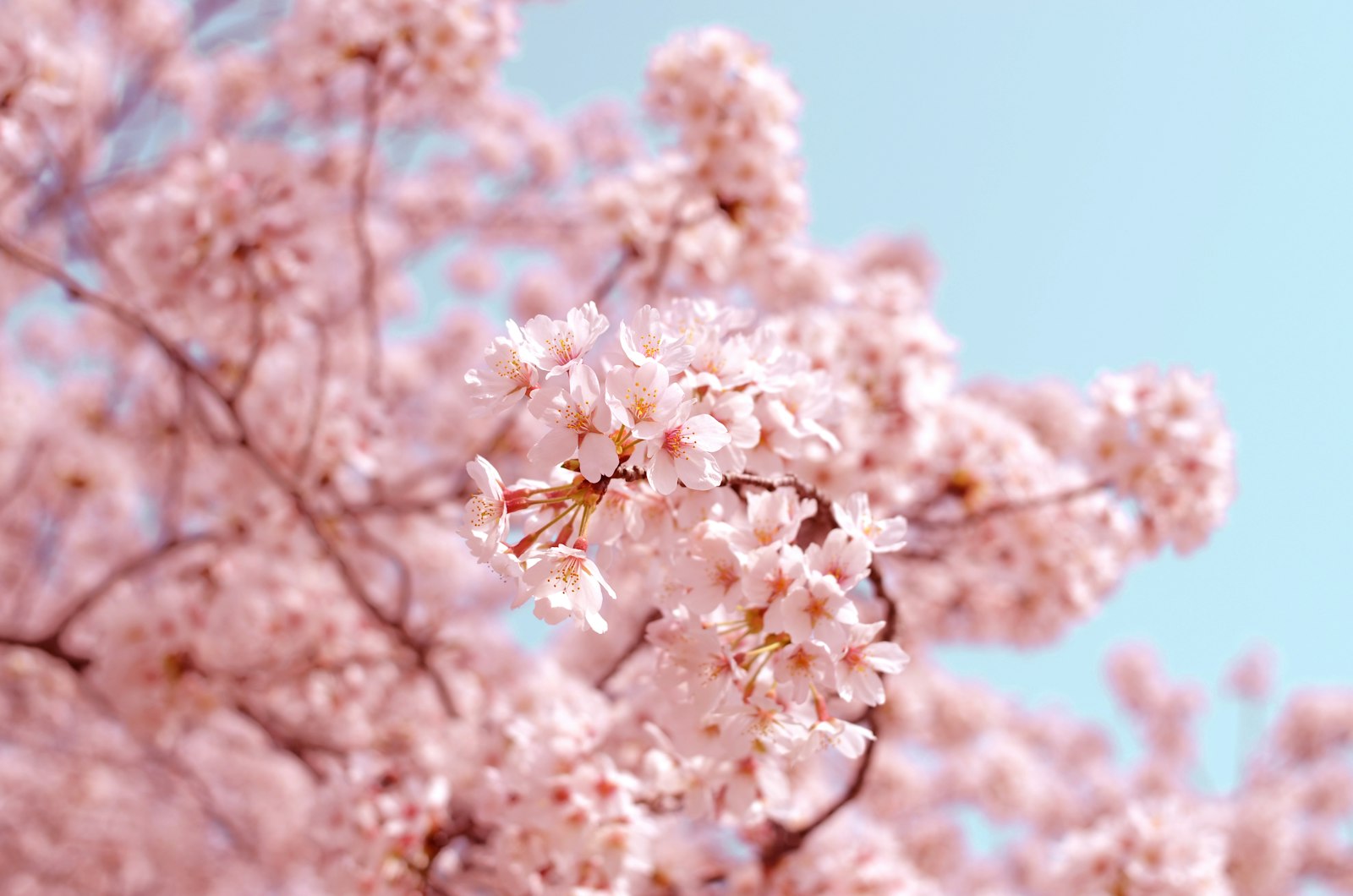
March is the most-requested and least-predictable month in the Japanese travel year. Everyone wants the cherry blossoms; nobody can tell you eight months ahead whether you will get them.
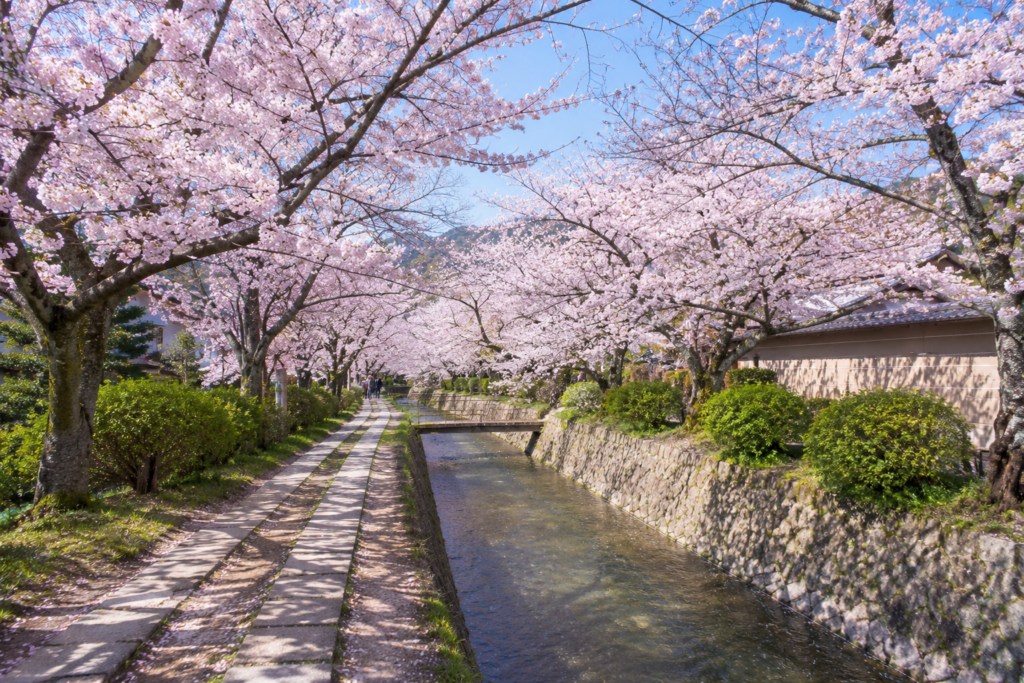
The honest position is this. Tokyo’s first blossoms typically open in the last week of March, with full bloom a week later, which pushes the best viewing into early April. Kyoto runs a few days behind Tokyo. Both dates shift by up to two weeks depending on the winter, and the forecasts only become reliable about a month out.
What March does reliably deliver: mild days, empty temples in the first half, plum blossom still going, and one of the two genuinely dependable early-cherry alternatives in the country.
The Spring Shift
March is a transition month and behaves like one, with a wide gap between afternoon and evening.
Temperatures
Tokyo averages roughly 5°C to 14°C across the month, but the range within a single day is large — a mild afternoon can turn cold quickly after sunset.
Early March feels like winter and late March feels like spring. Plan for both rather than for the average, particularly if your trip straddles the middle of the month.
North and South
Hokkaido remains under snow through March, with ski resorts running into April at altitude. The Tohoku snow country is melting but still deep.
Kyushu and Okinawa are already mild — Okinawa runs 18°C to 22°C, and its own cherry variety blooms in January and February rather than March. The country is effectively in three seasons at once.
Cedar Pollen
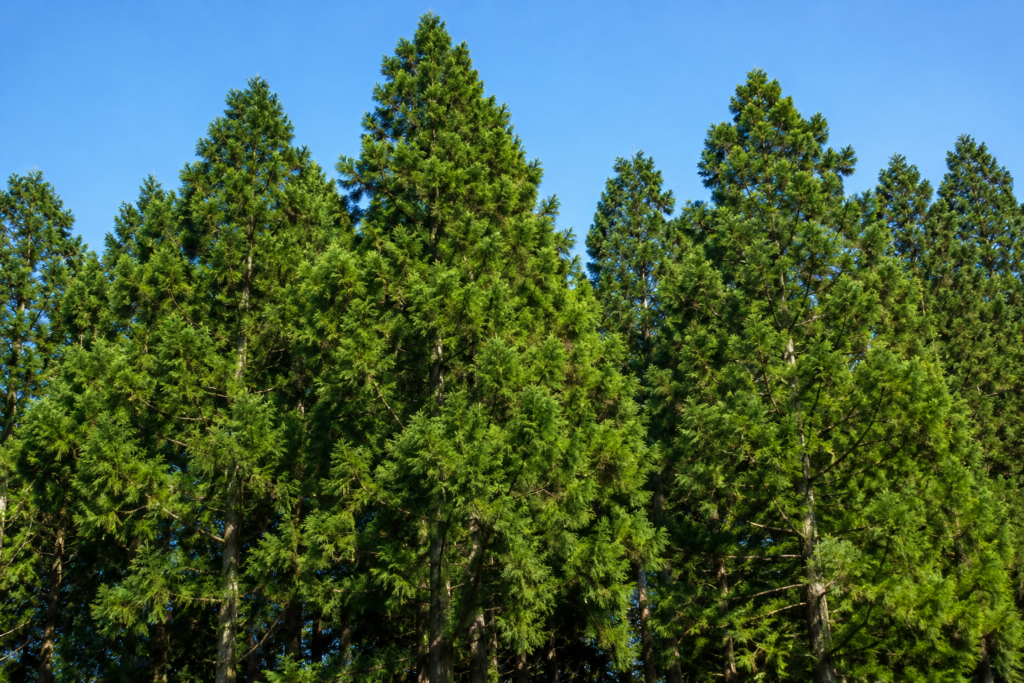
Kafunsho — cedar and cypress pollen allergy — affects a large share of the Japanese population and peaks from late February through April. Postwar reforestation planted enormous cedar monocultures, and March is when they release.
Visitors with any hay fever sensitivity should expect symptoms even if they have never reacted to cedar before. Antihistamines and masks are sold in every drugstore and convenience store, and the daily pollen forecast runs alongside the weather on television.
Expert Tip
The Japan Meteorological Corporation and several private forecasters publish sakura bloom predictions from January, updated weekly, with separate dates for kaika (first flowering) and mankai (full bloom). Full bloom typically follows first flowering by about a week and lasts roughly another week. Book flexible accommodation and check the forecast at the four-week mark — that is when it becomes reliable enough to act on.
Cherry Blossom Season Begins
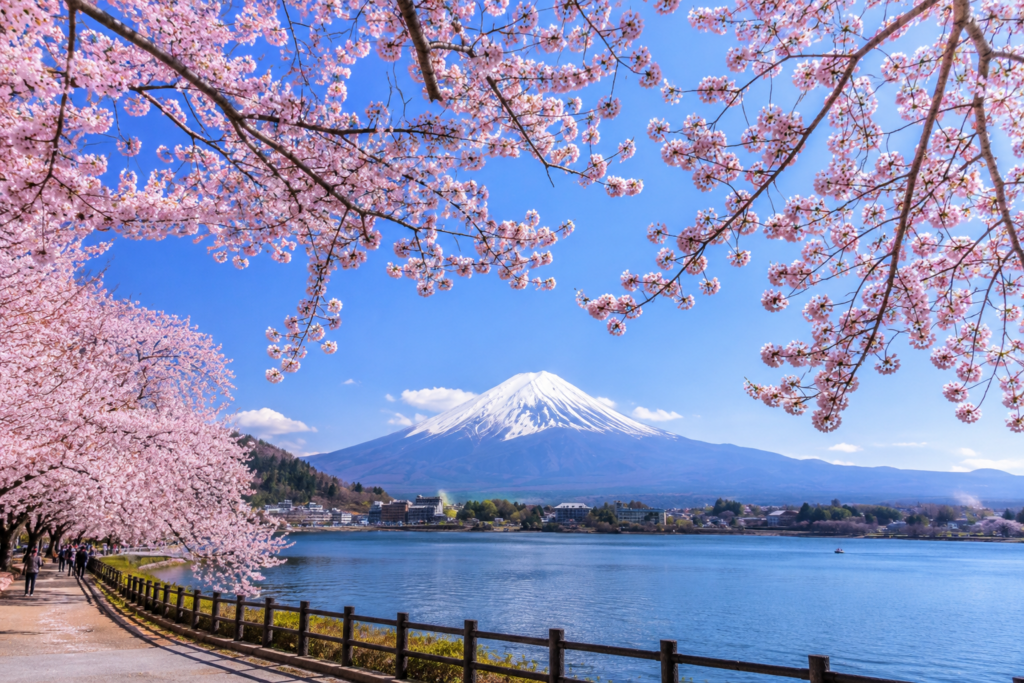
Understanding how the season actually works removes most of the disappointment.
When Tokyo and Kyoto Bloom
Tokyo’s somei-yoshino cherries — the standard variety across Japan — usually open in the final week of March, reaching full bloom in the first days of April. Kyoto follows two to four days later.
A mid-March trip will almost certainly miss them in both cities. If cherry blossoms are the trip’s purpose, the last few days of March into the first week of April is the window, and even that carries risk.
Plum as the Fallback
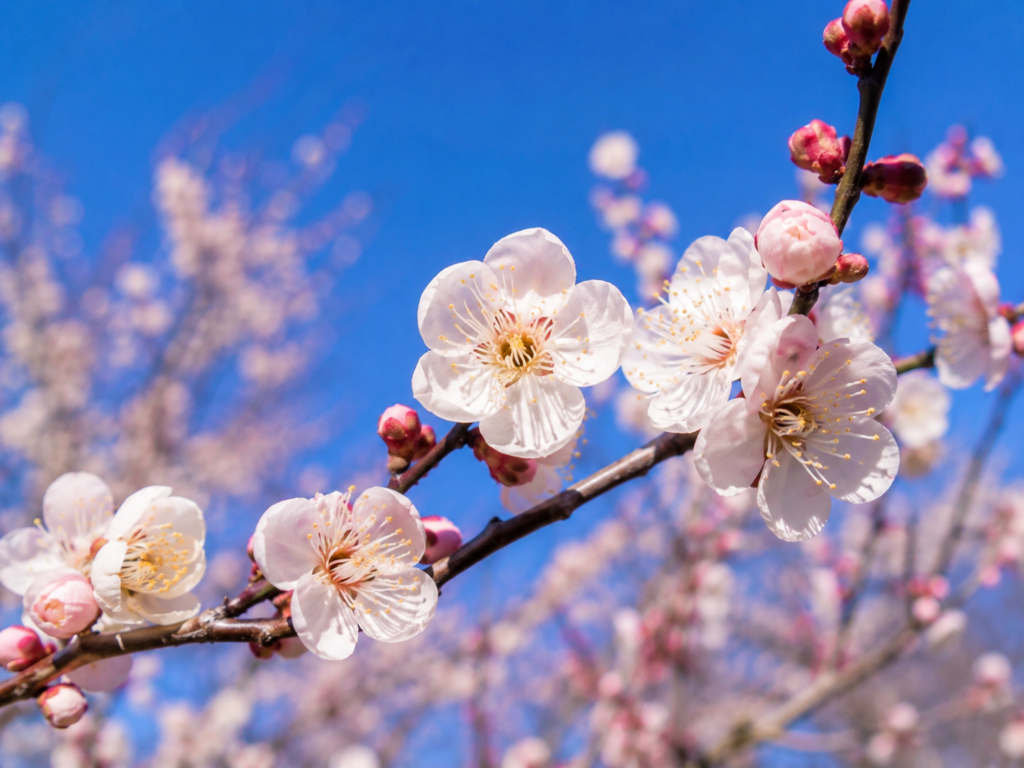
Plum blossom runs from February into mid-March and is at its best in the first half of the month — precisely when cherry blossom is not available.
Kitano Tenmangu in Kyoto, Kairakuen in Mito, and Yushima Tenjin in Tokyo all peak in early March. The flowers are more fragrant than cherry and the crowds are a fraction of the size. For a first-half-of-March trip, this is the answer rather than a consolation.
Kawazu-zakura
The Kawazu cherry on the Izu Peninsula is a different variety — deeper pink, longer-lasting, and blooming from early February through early March, weeks ahead of everything else.
The Kawazu Sakura Festival lines about four kilometres of riverbank with roughly 8,000 trees. It is two and a half hours from Tokyo and it is the only way to reliably guarantee cherry blossoms in early March.
Hanami Culture
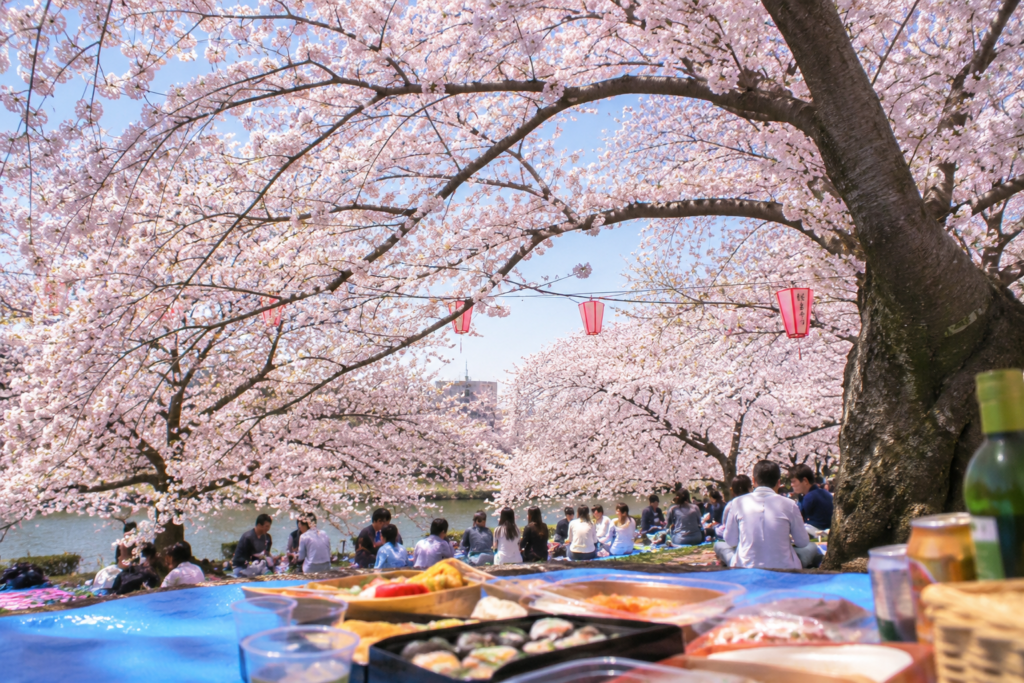
Hanami is a picnic under the blossoms, and it is a genuine social institution rather than a tourist activity.
How It Works
Groups spread blue plastic tarpaulins under the trees and eat and drink, often for hours. In companies the most junior member is traditionally sent to claim a spot in the morning and sit on it until everyone else finishes work.
Tarps, and everything else needed, are sold in convenience stores and hundred-yen shops during the season. Shoes come off before stepping onto the sheet, exactly as in a house.
What to Buy
Convenience stores run sakura-themed ranges through March — sakura mochi, sakura-flavoured KitKats, seasonal beers with pink packaging, and specially boxed hanami bento.
They are the practical option and nobody will judge you for it. Department store food halls do a considerably better version if you want to bring something good.
Where to Go in Tokyo
Ueno Park is the largest and most raucous, with over a thousand trees and a party atmosphere. Shinjuku Gyoen is calmer, charges admission, prohibits alcohol, and has multiple varieties that extend the season by two weeks.
Yoyogi Park sits between the two. Chidorigafuchi, along the Imperial Palace moat, is the best for photographs, with rowing boats under overhanging branches.
Spring Festivals and Events
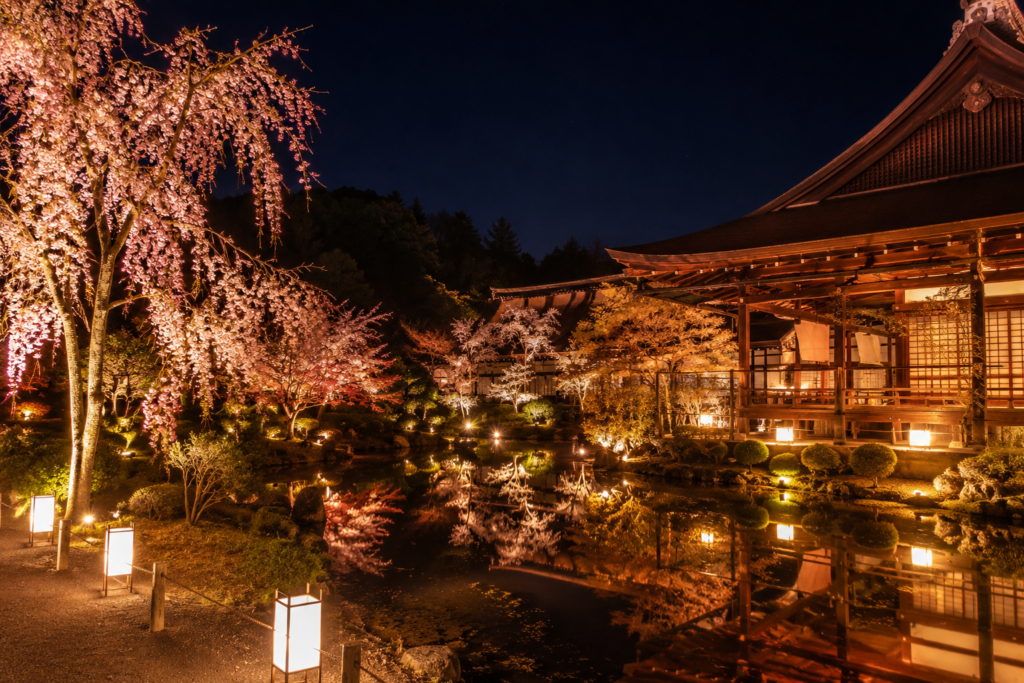
March has a solid calendar independent of the blossoms.
Kyoto Illuminations
Kyoto runs evening illumination periods at several temples in spring, lighting gardens and halls after dark with limited-time night admission.
Kodai-ji, Kiyomizu-dera, and Shoren-in are among those that participate. Dates are announced a few months ahead and typically cluster around the blossom period.
Spring Sumo in Osaka
The Haru Basho runs for fifteen days in mid-March at the Edion Arena in Osaka, one of six annual grand tournaments.
Tickets go on sale roughly a month ahead and the cheaper upper seats sell out fast. Arriving in the early afternoon lets you watch the lower divisions in a nearly empty arena before the top-division bouts fill it around four.
Theme Park Seasons
Tokyo Disney Resort and Universal Studios Japan both run spring programmes from March, with seasonal parades and decoration.
March is also the Japanese school spring holiday from roughly the third week, which makes these substantially busier. Weekdays before the 20th are the manageable window.
Expert Tip
The Japanese fiscal and academic year ends on 31 March, which produces a domestic travel surge in the last ten days of the month — graduation trips, transfers, and school holidays overlapping with blossom season. This, rather than international tourism, is what makes late March expensive and crowded. Early March is a completely different country in terms of price and density.
What to Wear
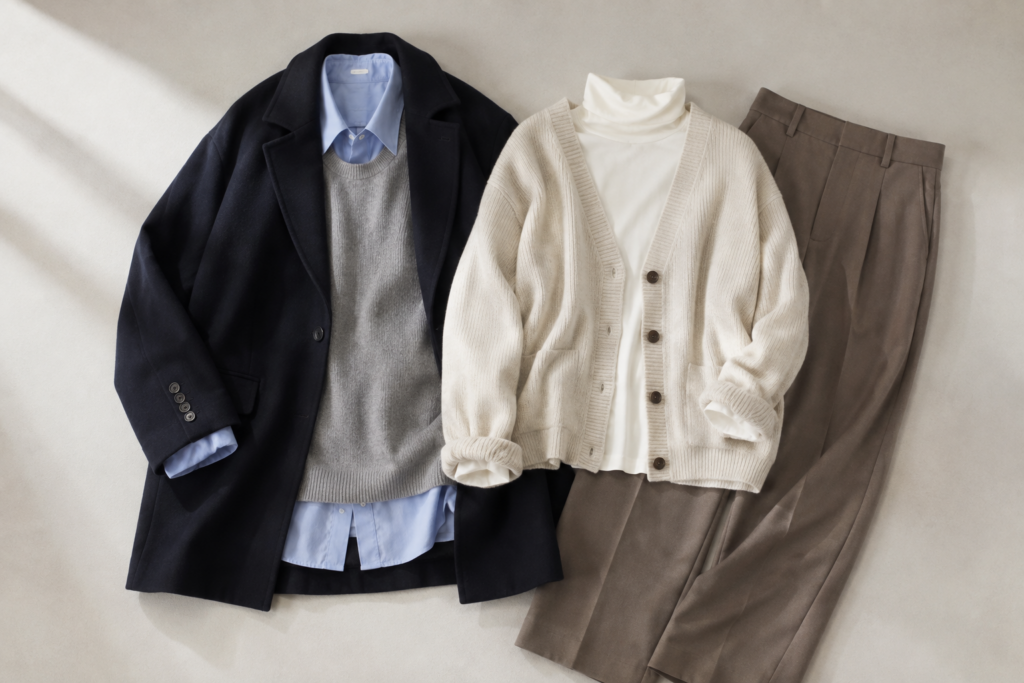
March needs layers more than it needs warmth.
Layering
A trench coat or a light down jacket over a sweater covers most of the month. Early March may still want a proper winter coat; late March often does not need one at midday.
The temperature swing between afternoon and evening is the thing to plan for. Something you can carry rather than wear is more useful than something warm.
Footwear
Comfortable walking shoes matter more here than in any other season, because March is when the weather makes long walking days pleasant. Hanami and temple visiting both involve substantial distances.
Waterproofing is worth having. March has more rain than the winter months and Japanese spring rain tends to be persistent rather than heavy.
Evenings
A scarf and light gloves are worth carrying through the whole month. Evening illuminations and night hanami are both cold in a way that surprises people who spent the afternoon in shirtsleeves.
Kairo heat pads remain available in convenience stores through March and cost almost nothing.
Japan in March: Frequently Asked Questions
Can I guarantee cherry blossoms in mid-March? Not for the standard somei-yoshino variety in Tokyo or Kyoto — mid-March is too early in almost every year. The Kawazu cherries on the Izu Peninsula are the reliable option and bloom from early February to early March. Okinawa’s cherries bloom in January and February.
Is March expensive? The first three weeks are reasonable. The last ten days are not — the fiscal year ends on 31 March, school holidays begin, and blossom season starts, all at once. Hotel rates in Tokyo and Kyoto can double for that final stretch.
Are ski resorts still open in March? Yes. Hokkaido and the high-altitude Nagano resorts operate through March and often into early May at the highest elevations. Snow quality declines from the January peak but the base remains deep and the crowds thin considerably.
Related Tours
Conclusion
If the blossoms are the point, aim for the last days of March into the first week of April and accept that the timing is a wager. Book accommodation that can be changed, and watch the forecast from four weeks out.
If they are not the point, come in the first half of the month instead. Plum blossom is at its best, the temples are empty, the weather is mild, and prices have not yet moved — which makes early March one of the better-kept secrets in the Japanese calendar.
Plan Your Japan Trip with Local Experts
Our team has guided 40,000+ travelers across Japan. Tell us about your trip and we’ll get back to you within 24 hours.