In this article:
- Safety and Social Attitudes
- Shinjuku Ni-chome
- Hotels and Ryokan
- Onsen and Bathhouses
- Pride Events
- LGBTQ+ Travel in Japan: Frequently Asked Questions
Introduction
The short answer is yes, with qualifications that are more about legal status than daily experience.
Japan has never criminalised homosexuality in the modern era, violent hate crime against LGBTQ+ people is rare, and travelers consistently report an absence of hostility. Same-sex couples travel here without incident in a way that is not true across much of Asia.
At the same time, Japan is the only G7 country without national marriage equality, though a series of high court rulings have found the exclusion unconstitutional and a large majority of the population now supports change. Local partnership systems cover most of the country but carry limited legal force.
What that means practically: excellent safety, low visibility, and an environment where discretion is the general cultural norm rather than a rule applied to you specifically.
Safety and Social Attitudes
The gap between legal status and lived experience is wider here than in most countries.
Day-to-Day Safety
Japan is among the safest countries in the world by general crime rate, and LGBTQ+ travelers overwhelmingly report no harassment, verbal abuse, or hostility.
Staff, hotels, and restaurants deal with visitors professionally and without comment. Whatever an individual may privately think, direct confrontation would breach a strong social norm against causing a scene.
Discretion as a Cultural Norm
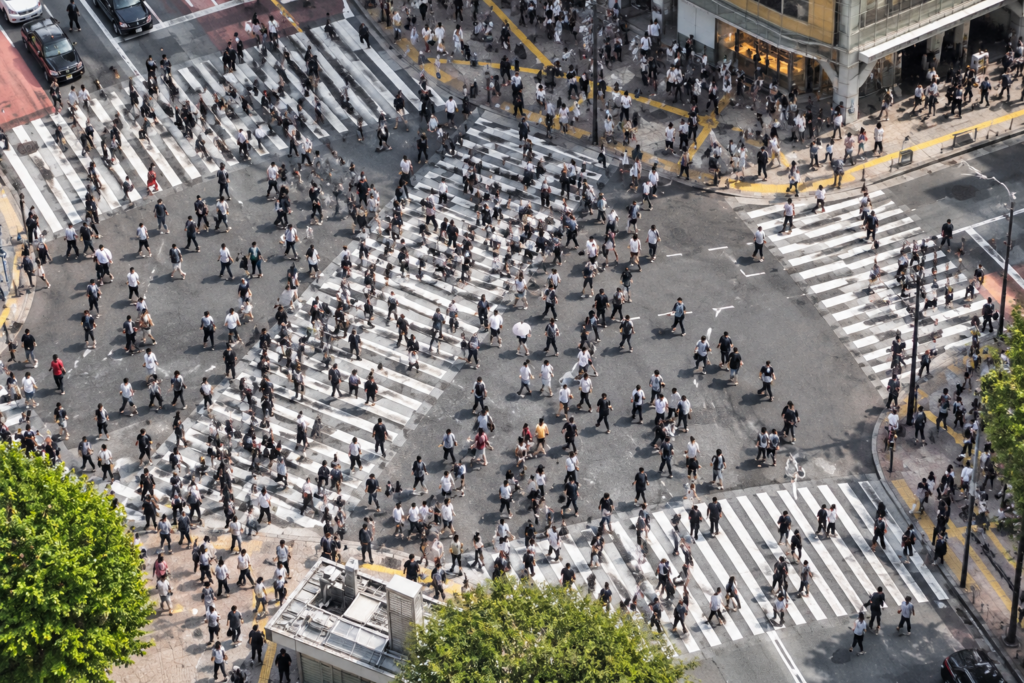
Public displays of affection are muted in Japan for everyone. Heterosexual couples rarely kiss in public, and hand-holding is more common among young people than older ones.
Same-sex couples holding hands will attract little attention in Tokyo and Osaka. The restraint you may notice is a general Japanese norm rather than something directed at you, and reading it as hostility usually misinterprets it.
Legal Progress
Multiple high courts have ruled the absence of marriage equality unconstitutional in recent years, and the issue is before the Supreme Court. Partnership systems operated by municipalities and prefectures now cover the large majority of the population.
These partnerships confer limited rights — hospital visitation, some housing provisions — rather than the legal status of marriage. Public opinion polling consistently shows majority support for marriage equality, particularly among younger people, ahead of the legislative position.
Expert Tip
Japan’s low visibility is often misread by visitors as disapproval. There is little public LGBTQ+ presence outside specific districts, few rainbow flags in shop windows, and limited representation in mainstream advertising — but this reflects a broader cultural preference for keeping private matters private rather than a signal about your welcome. The absence of visible affirmation is not the presence of hostility.
Shinjuku Ni-chome
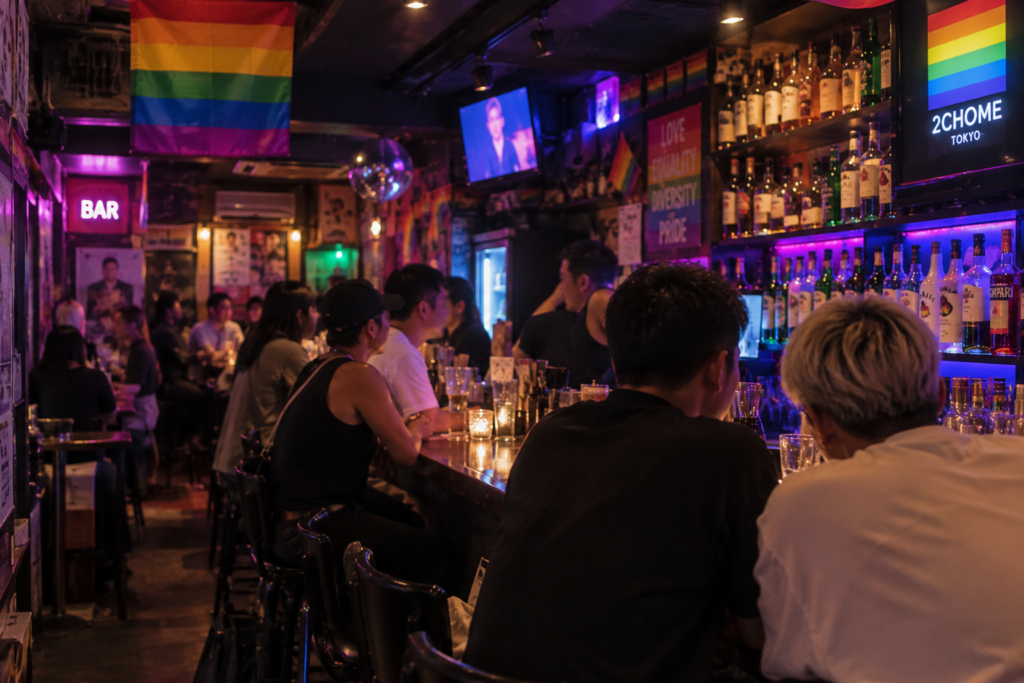
Tokyo’s Ni-chome is the densest concentration of LGBTQ+ bars anywhere in the world.
The District
Ni-chome packs several hundred small bars into a few blocks in Shinjuku. Most are tiny — six to fifteen seats, one bartender, a regular clientele.
The scale is deceptive from the street. Bars occupy the second, third, and fourth floors of narrow buildings, reached by stairs with a small sign at the bottom. Wandering at street level shows you almost none of it.
Where to Start
Several bars actively welcome international visitors and have English-speaking staff. Aiiro Cafe operates as an open-fronted bar with an outdoor crowd spilling into the street, and it is the standard starting point because it requires no navigation.
Dragon Men and Arty Farty are among the larger venues with dance floors and mixed international crowds. From any of these, staff and other customers will point you toward what else is worth visiting.
Bar Etiquette
Most Ni-chome bars charge a small cover, typically several hundred to a thousand yen, sometimes including a first drink. This is standard and not a tourist surcharge.
Many bars are specific about their clientele — some are for gay men only, some for women only, some for particular subcultures. This is posted or explained at the door, and it is not personal. Ask before entering if you are unsure, and expect a polite redirection rather than a rebuff.
Hotels and Ryokan
Accommodation is generally straightforward and rarely an issue.
Booking a Double
Same-sex couples booking a double room at Japanese hotels report essentially no friction. Check-in staff process the booking without comment.
One practical note: Japanese hotels frequently default to twin rooms, and “double” versus “twin” is a real distinction in inventory rather than a euphemism. If you want one bed, book a room explicitly labelled double or king, and check the room description.
Ryokan
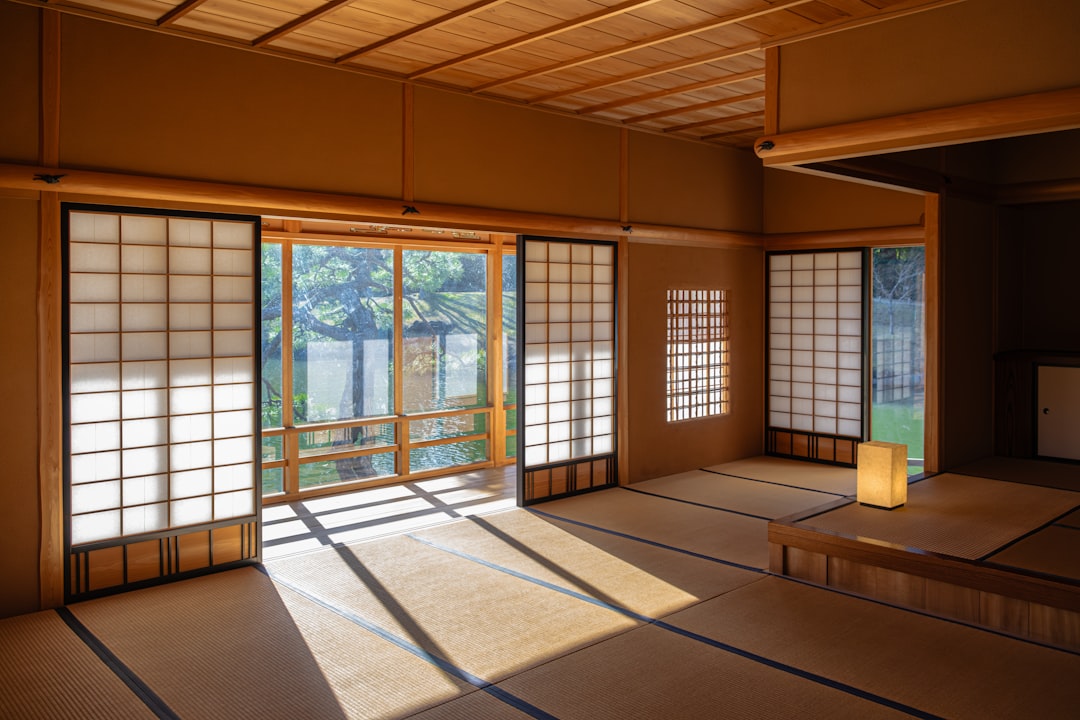
Traditional inns are, in our experience, entirely welcoming. Ryokan rooms typically have futons laid out on tatami after dinner, and the number of futons follows the number of guests rather than any assumption about the relationship.
Omotenashi — the hospitality tradition — is applied to guests as guests. Travelers routinely report warm treatment at traditional inns.
International Chains
International hotel groups in the major cities have global inclusion policies and are the safe default for anyone who would rather not think about it.
Several booking platforms flag LGBTQ-friendly properties. In Japan this is generally unnecessary — the issue is rarely an issue — but it exists if it provides reassurance.
Onsen and Bathhouses
This is the one area requiring genuine planning, particularly for trans and non-binary travelers.
Gender-Segregated Bathing
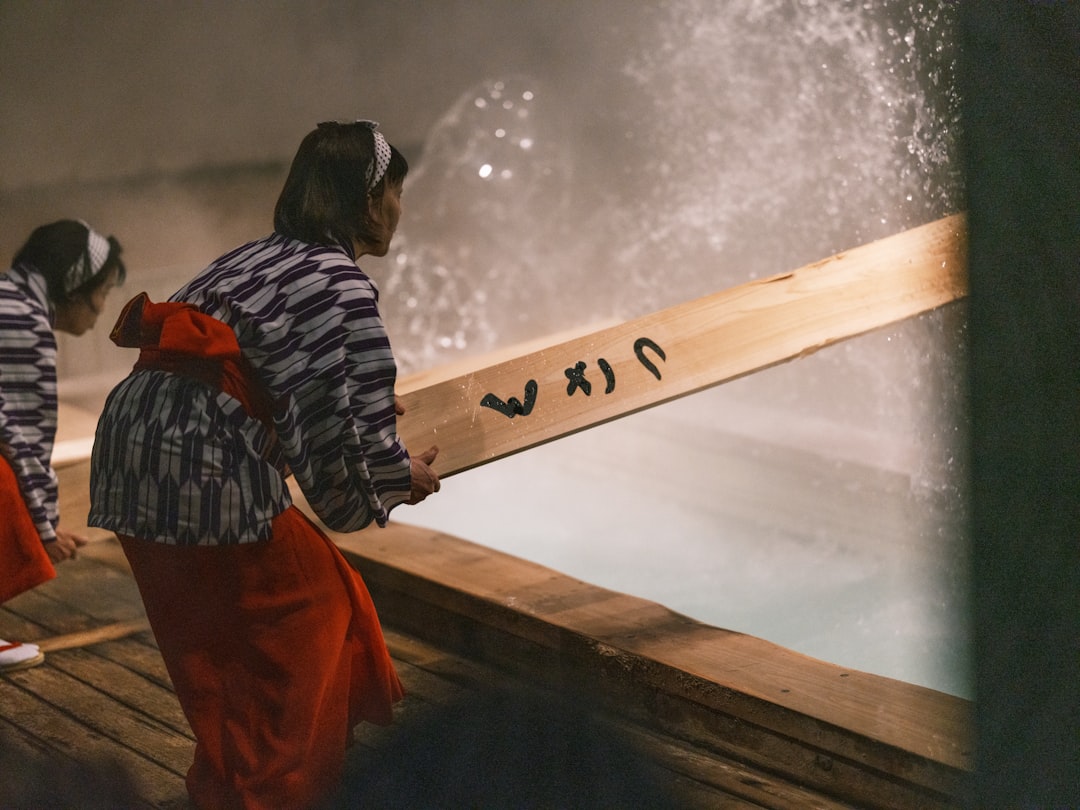
Public onsen and sento are segregated by gender, bathed in naked, and entry is by the marked curtain — typically red for women, blue for men.
Facilities operate on the basis of legal or presented gender and policies are not standardised. For trans travelers, particularly those who are pre-transition or non-binary, this can make public bathing uncomfortable or unworkable.
Private Baths
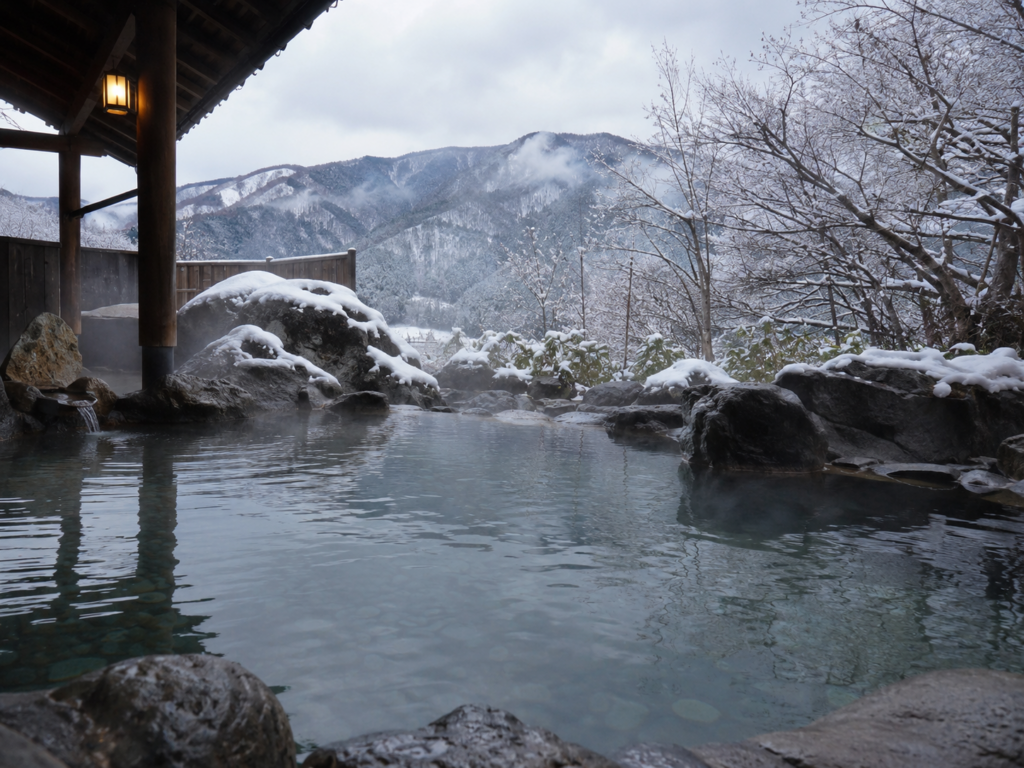
Kashikiri — private rental baths — are the practical solution and are widely available. Many onsen facilities and ryokan offer a private bath bookable by the hour, typically for a modest additional fee.
These are often called family baths, and they are used by couples, families, and anyone wanting privacy. Booking one removes the question entirely and is completely unremarkable.
In-Room Baths
Ryokan rooms with a private open-air bath — kashitsuki rotenburo — are the most comfortable option. You bathe in your own room’s outdoor tub with no shared facility involved.
They cost considerably more than a standard room and are worth it for travelers for whom public bathing is not an option. Filter for this when booking; most ryokan booking sites list it as a room feature.
Pride Events
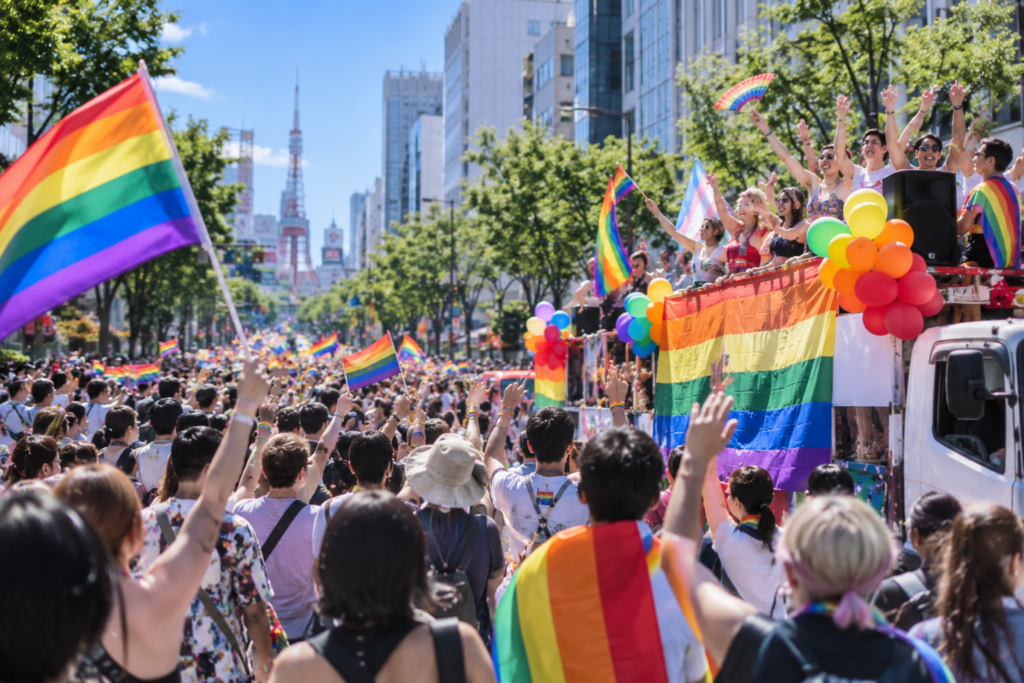
Japan’s Pride calendar has grown substantially and the main events are large.
Tokyo Rainbow Pride
Tokyo Rainbow Pride is held in spring, usually around April, centred on Yoyogi Park with a parade through Shibuya and Harajuku and a two-day festival with several hundred exhibitors.
Attendance runs into the hundreds of thousands. It is the largest LGBTQ+ event in Japan and one of the largest in Asia. Dates are announced several months ahead.
Kansai Rainbow Festa
Osaka’s Kansai Rainbow Festa runs in autumn, typically October, with a parade and festival in the Ogimachi Park area.
It is smaller and more relaxed than Tokyo’s. Osaka also has its own bar district in Doyama-cho, north of Umeda, which is the second largest in Japan.
Beyond the Big Two
Pride events now run in Sapporo, Fukuoka, Nagoya, Kyoto, and other cities, generally between spring and autumn.
Outside event weekends, the way to engage is through the businesses themselves — queer-owned cafes, bookshops, and galleries operate in Tokyo and Osaka, and are more welcoming to visitors than the small neighbourhood bars can be.
Expert Tip
Tokyo Rainbow Pride falls close to Golden Week in most years, which compounds accommodation pressure considerably. If you are timing a trip around it, book several months ahead and check whether your dates also overlap the holiday cluster starting 29 April — the two together are the hardest booking window in Tokyo’s year.
LGBTQ+ Travel in Japan: Frequently Asked Questions
Is public affection accepted? Public displays of affection are restrained in Japan for everyone, regardless of orientation. Hand-holding attracts little attention in Tokyo and Osaka. Anything more demonstrative would stand out for any couple. The restraint is cultural rather than directed at you.
Do same-sex couples face awkward questions at hotel check-in? Rarely. Staff process bookings without comment. The most common issue is practical rather than social: Japanese hotels default to twin rooms, so book a room explicitly described as double or king if you want one bed.
What are the options for trans travelers at onsen? Private rental baths — kashikiri — are widely available at onsen facilities and ryokan for a modest fee, and rooms with private open-air baths exist at many traditional inns. Both avoid gender-segregated public facilities entirely and are completely ordinary bookings.
Related Tours
Conclusion
Japan is a comfortable and genuinely safe destination for LGBTQ+ travelers, provided you go in understanding that low visibility is not the same as unwelcome. The absence of rainbow flags reflects a culture that keeps private things private, not a judgement about you.
Book a room with a private bath if onsen matter to you, book a double rather than a twin, and give one evening to Ni-chome. Those three decisions cover essentially everything that requires thought.
Plan Your Japan Trip with Local Experts
Our team has guided 40,000+ travelers across Japan. Tell us about your trip and we’ll get back to you within 24 hours.