In this article:
- Two Cities, Two Temperaments
- Where to Stay: Choosing Your Base
- Getting Between Osaka and Kyoto
- Cost, Crowds, and Kyoto’s New Accommodation Tax
- Osaka vs Kyoto: Frequently Asked Questions
Introduction
Most people researching Osaka vs Kyoto are asking the wrong question. They want to know which city to visit, when the two are close enough that you will almost certainly see both.
The Special Rapid train on the JR line covers the distance between Osaka Station and Kyoto Station in under half an hour. Commuters make that trip every morning. So the decision that actually shapes your trip is where you sleep, because that determines what you see at seven in the morning and what you eat at ten at night.
Those two hours are where the cities differ most. Kyoto at dawn and Osaka after dark are the versions of each city that day-trippers never see, and in our experience they are the versions travelers remember. What follows is how we help the people we guide make that choice.
Two Cities, Two Temperaments
Kyoto was the imperial capital for more than a thousand years. Osaka was the merchant city that fed it. That old division still explains most of what you notice on the ground today.
Kyoto: A City of Small Places and Early Hours
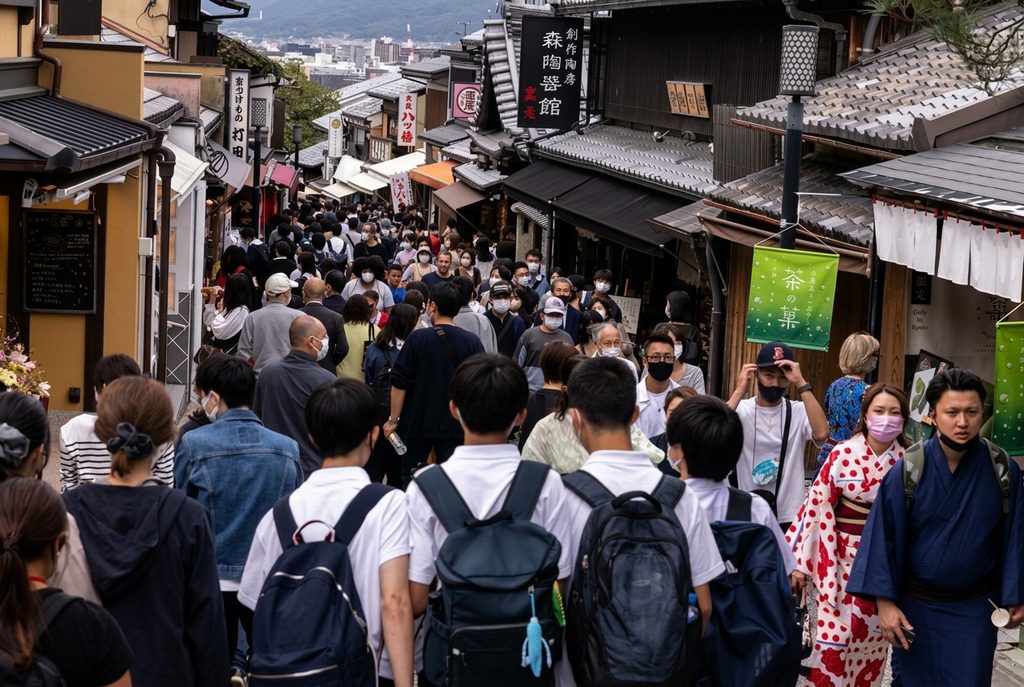
Kyoto’s famous sites are physically small. The approach to Kiyomizu-dera is a narrow lane of shops on a slope. The bamboo at Arashiyama lines a path a few people wide. When those places fill up, the experience does not just get busier; it changes into something else.
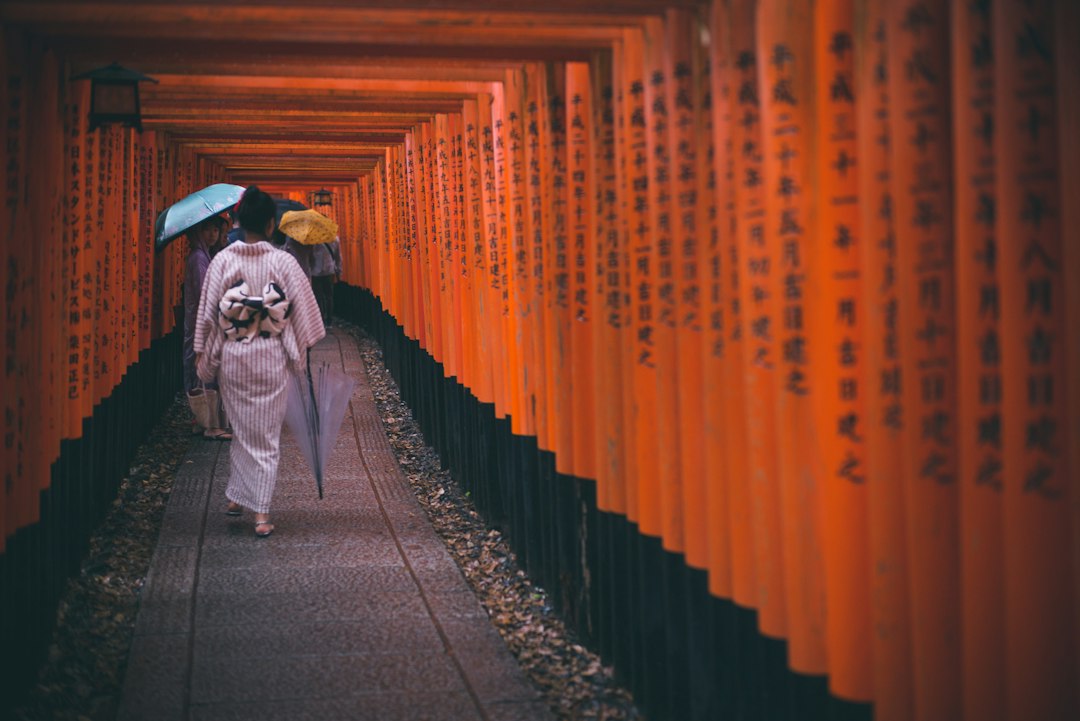
That is why Kyoto rewards the early riser more than any other city in Japan. Fushimi Inari at eight and Fushimi Inari at noon are different places. The same applies to the lanes of Higashiyama, where the stone paving is still damp and the shops have their shutters down before nine.
Our Kyoto guides plan almost entirely around this. The busiest window is roughly ten until four, and the most useful thing a guide does is place you somewhere quiet during it and somewhere famous outside it.
Osaka: A City Organised Around Eating
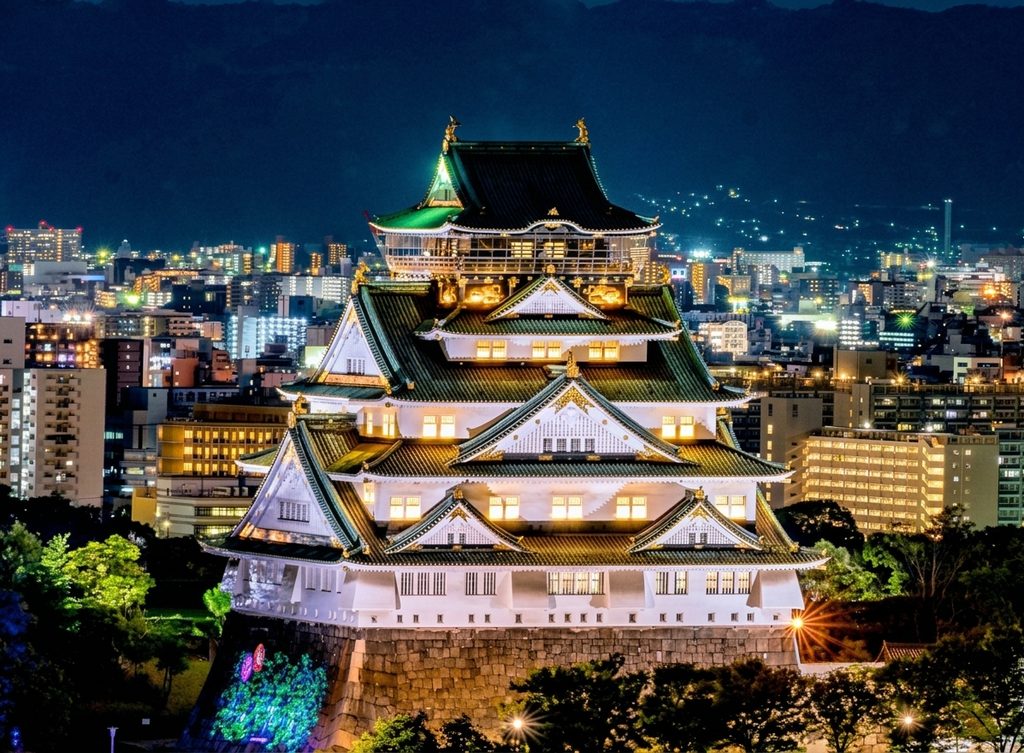
Osaka works the other way. It is not a city of monuments you queue for, and the few it has, Osaka Castle above all, are large enough to absorb a crowd.
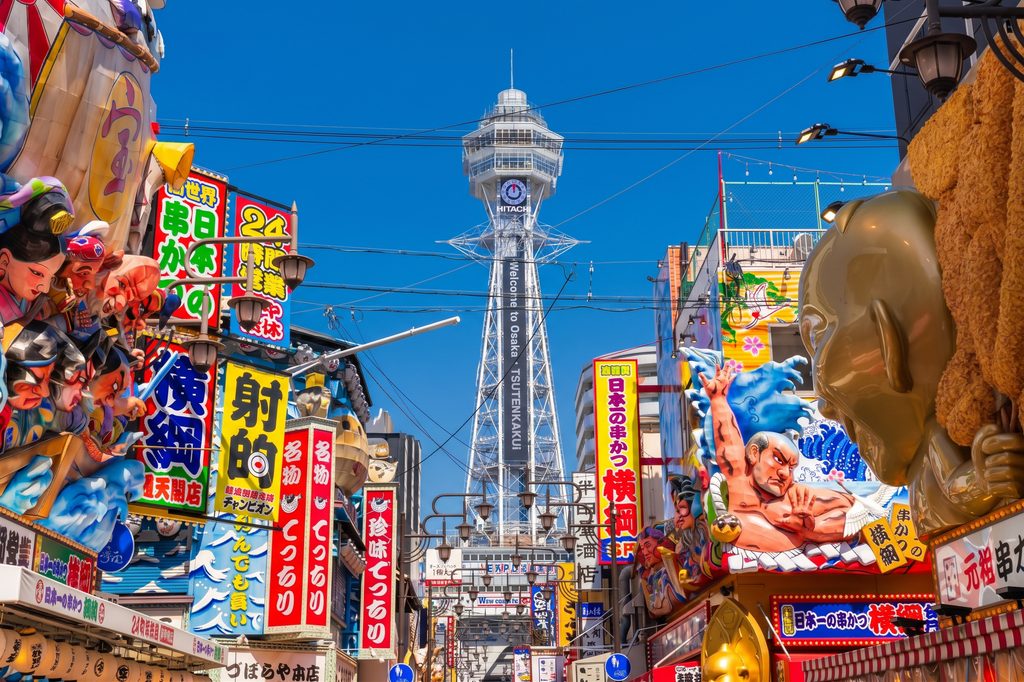
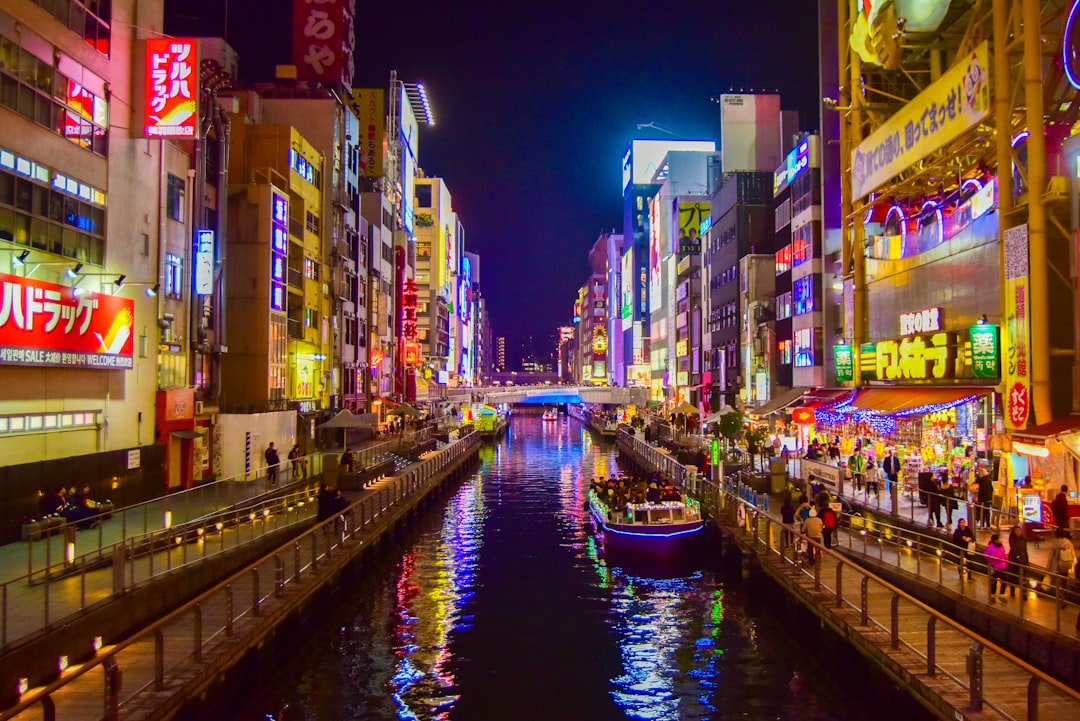
Instead, the city is built around food. Takoyaki turned on iron griddles in Dotonbori, okonomiyaki cooked at your table, kushikatsu in the narrow streets of Shinsekai under Tsutenkaku tower, the stalls of Kuromon Market. Locals have a word for it, kuidaore, usually translated as eating yourself into ruin. For once the cliche is accurate.
Osaka is also compact and mostly walkable, with short subway rides between districts. It rewards wandering and improvising more than scheduling, and it rewards evenings most of all.
What the Top Lists Miss
Comparison articles tend to present this as tradition against modernity. That is too neat. Kyoto has excellent bars around Kiyamachi and Pontocho, and Osaka has shrines, gardens and a castle.
The distinction we find more useful is pace. Kyoto asks you to slow down and choose three things properly. Osaka asks you to say yes to whatever is in front of you. Travelers who prefer the first will be happier based in Kyoto; travelers who prefer the second will find Kyoto’s early nights frustrating.
Where to Stay: Choosing Your Base
Here is our position, stated plainly. For a first trip to Kansai with three or four nights, stay in Kyoto and visit Osaka for an afternoon and evening. For five nights or more, split the stay.
There are exceptions, and they are worth taking seriously.
Sleep in Kyoto If Mornings Matter to You
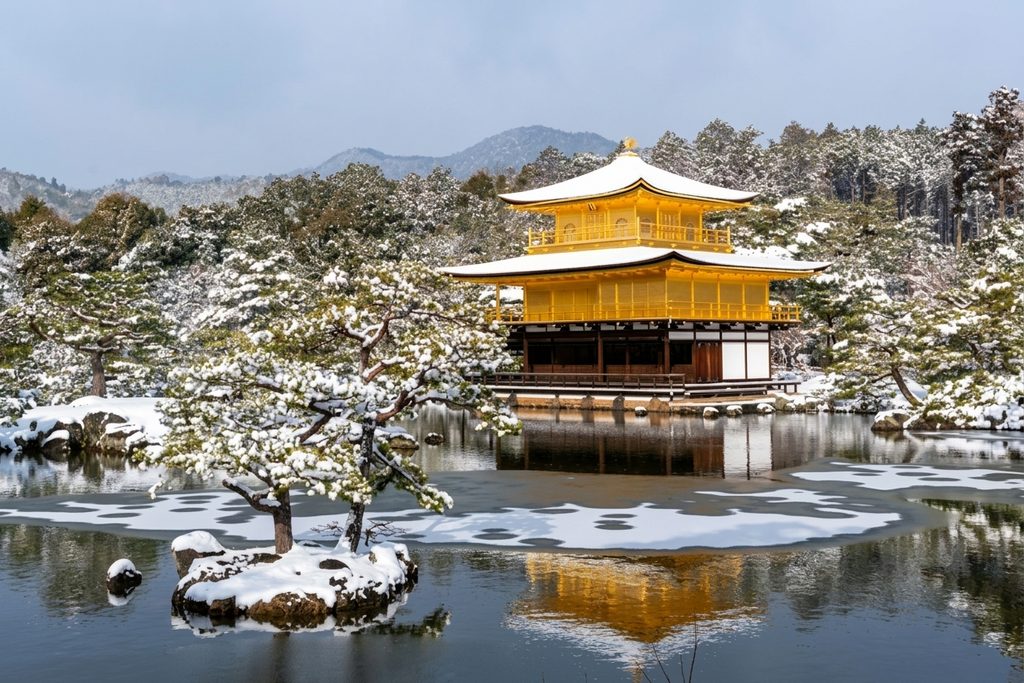
If temples, gardens and old streets are the reason you came, Kyoto has to be where you sleep. The early hours are the whole advantage, and you cannot use them from Osaka. Leaving an Osaka hotel at six to reach Fushimi Inari by seven is possible, but nobody enjoys it twice.
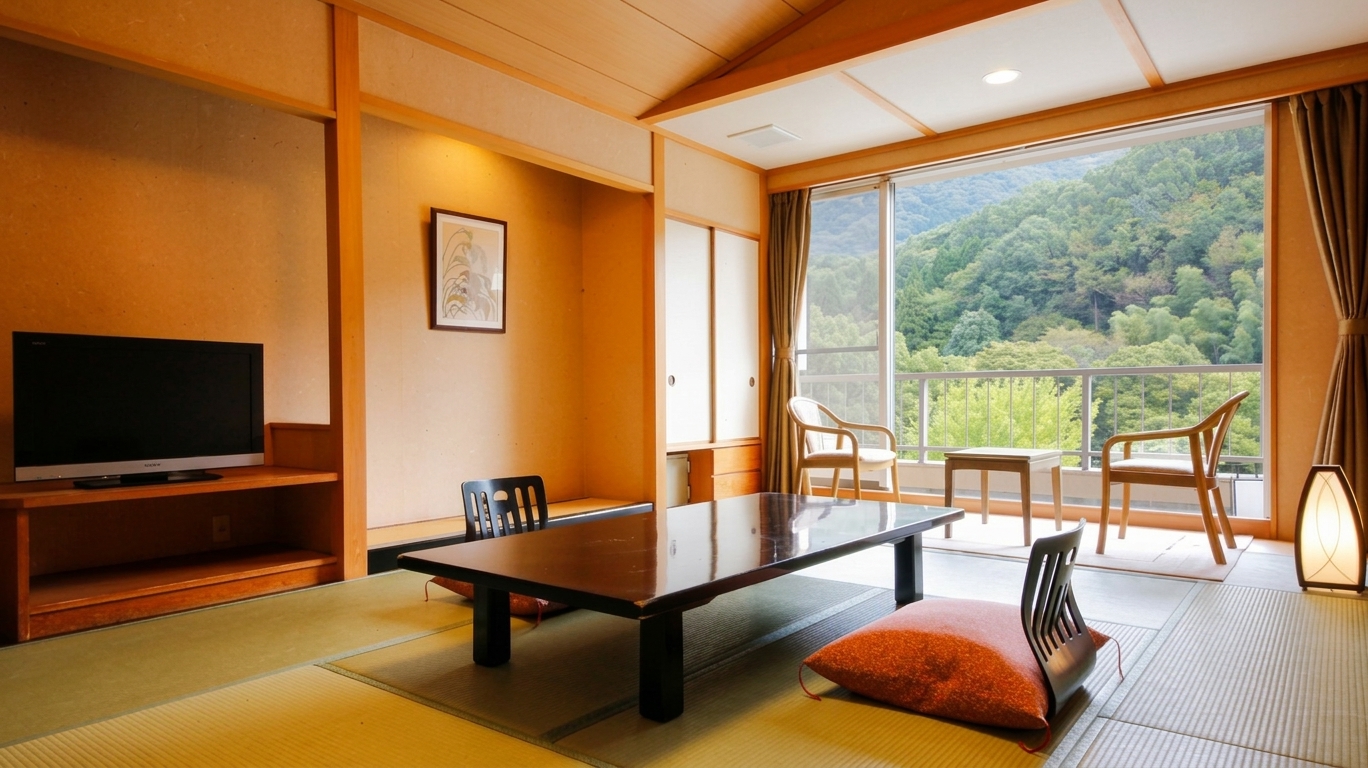
Staying in Kyoto also means ryokan, machiya townhouse stays and kaiseki dinners without a train ride home afterwards. For travelers who want a traditional inn as part of the trip, Kyoto is the obvious place to have it. Our guide to where to stay in Kyoto covers the neighbourhoods in detail.
The trade-off is that Kyoto goes quiet early. Many restaurants in the traditional districts close their kitchens in the evening, and outside Kiyamachi and Pontocho the streets are empty by ten.
Sleep in Osaka If Evenings Matter More
Osaka is the better base for food-led travelers, for families, and for anyone planning day trips west. Universal Studios Japan and the Kaiyukan aquarium are in Osaka, Kobe is close, and Himeji and Hiroshima are straightforward by Shinkansen from Shin-Osaka.
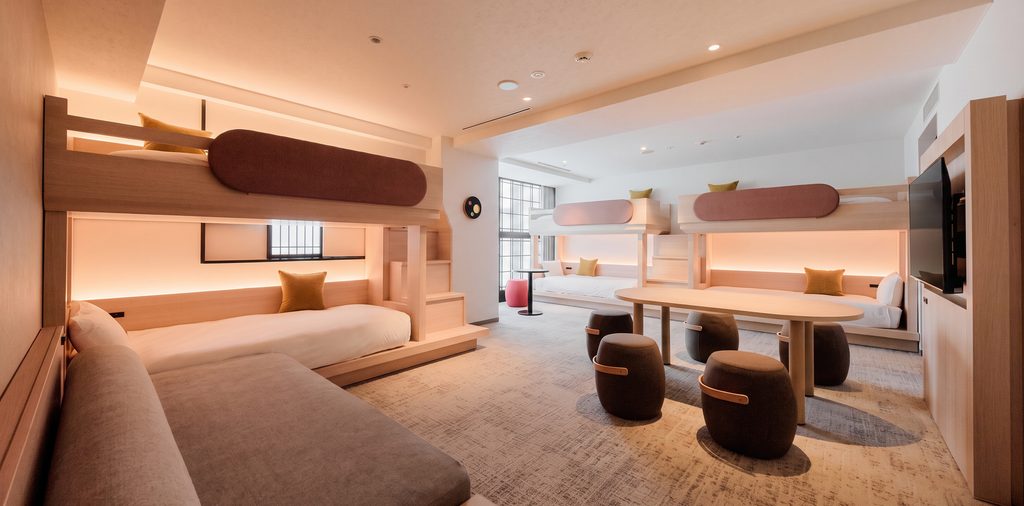
It is also the better base for travelers who dislike early starts. Osaka’s best hours come later in the day, and a hotel in Namba or Umeda puts you a short walk from dinner.
Hotel choice is wider in Osaka too, particularly among large international brands. If you care most about a big room, a reliable gym and a late bar, Osaka will usually deliver that at a lower rate than Kyoto.
The Split Stay, and How to Divide the Nights
With five or more nights in Kansai, split them. Kyoto first, then Osaka, is the order we recommend for most itineraries. You do the early-morning sites while you are fresh from the flight and still waking early from jet lag, then move to Osaka for the more relaxed, food-centred second half.
A common division is three nights in Kyoto and two in Osaka. Travelers who are mainly there for temples might push that to four and one. Our three-day Osaka itinerary shows what a well-paced Osaka stay looks like.
Resist the urge to do more than one hotel change within Kansai. Each move costs half a day, and the distances are too short to justify it.
Expert Tip
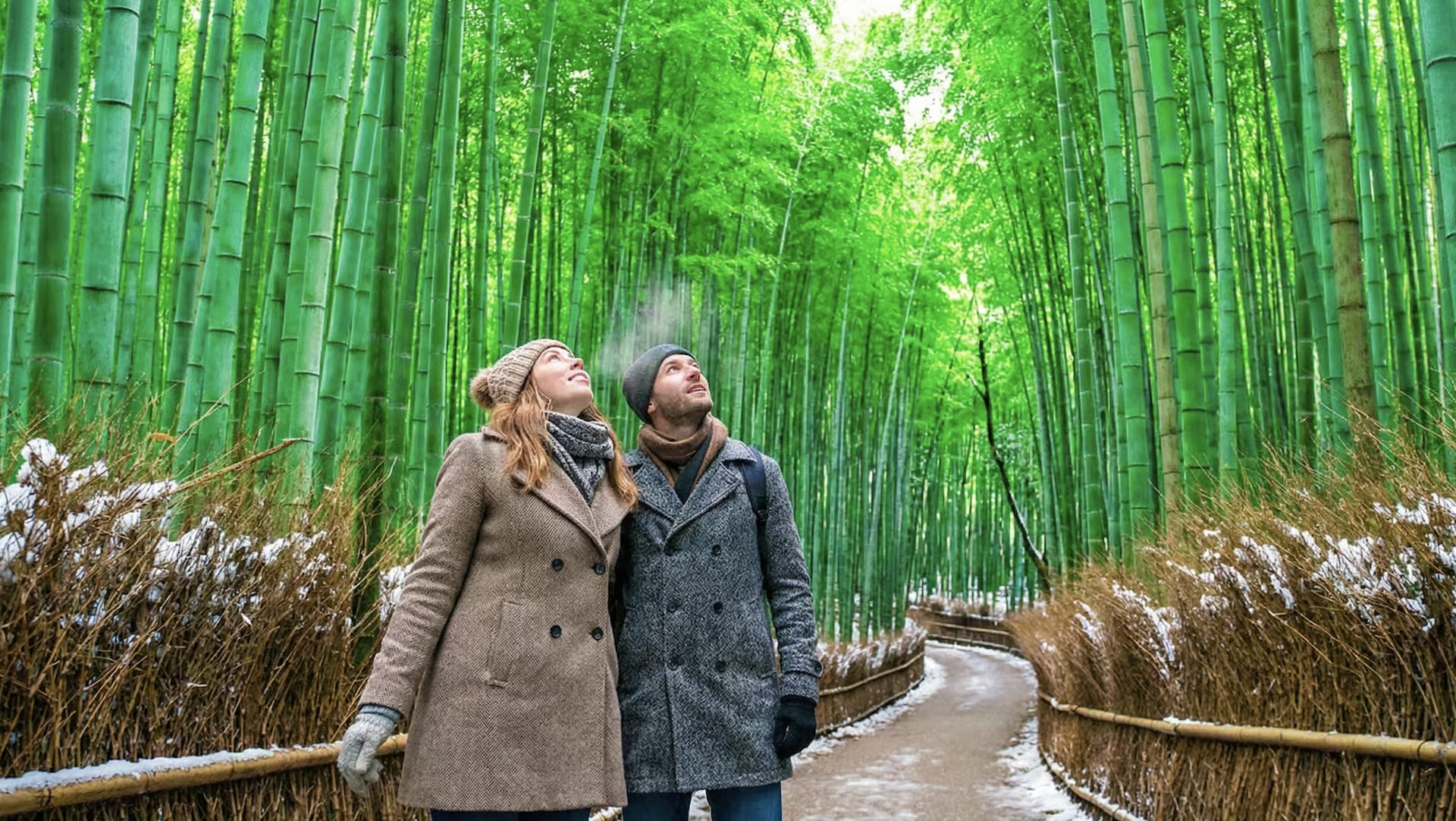
Use jet lag to your advantage. Most travelers arriving from Europe, North America or Australia wake between four and six for their first few days in Japan. If Kyoto comes first on your itinerary, that wakefulness puts you at Fushimi Inari or the Arashiyama bamboo grove before the tour groups arrive, at no cost in sleep you were going to get anyway.
Getting Between Osaka and Kyoto
Four rail options connect the two cities, and the right one depends on where your hotel sits rather than on speed alone.
Shinkansen, JR, Hankyu, Keihan: Which Line Fits Your Hotel
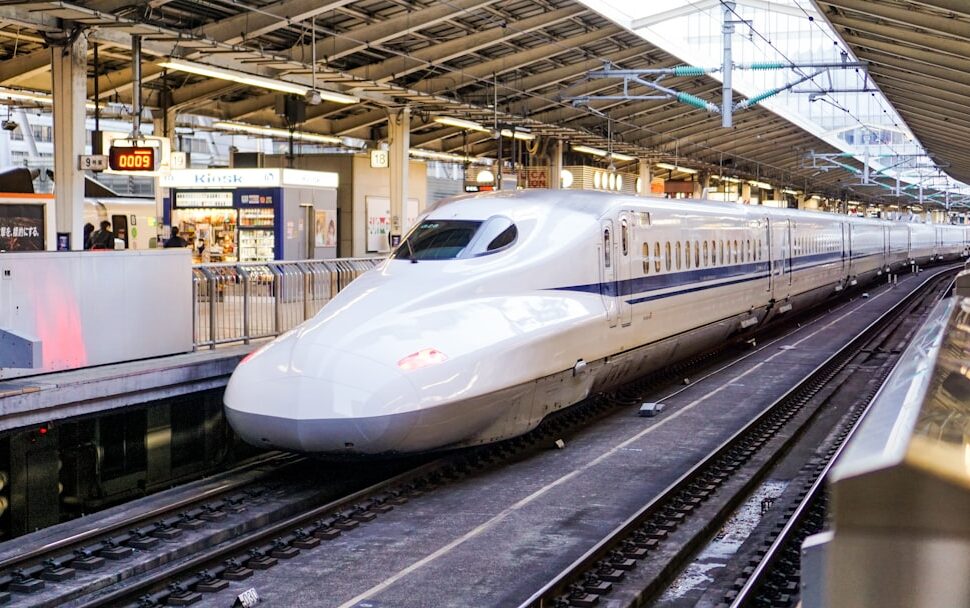
The Shinkansen runs between Shin-Osaka and Kyoto in about fifteen minutes. It looks like the obvious choice, but Shin-Osaka is north of the city centre and most visitors need a further subway ride. It makes sense mainly if you hold a Japan Rail Pass or are connecting to a bullet train anyway.
The JR Special Rapid is the practical choice for most people. It runs between Osaka Station in Umeda and Kyoto Station in under thirty minutes, and the fare is ¥580.
For hotels in central Kyoto, two private railways are often better. The Hankyu line runs from Osaka-umeda to Kyoto-kawaramachi, arriving close to Gion and Nishiki Market, in about three quarters of an hour. The Keihan line reaches the eastern side of the city along the Kamo River, including Gion-Shijo and Fushimi-Inari. Both are slower than JR on paper but frequently faster door to door, because Kyoto Station is some distance south of the old centre.
Kansai Airport and the Direction of Your Trip
Most international flights into the region land at Kansai International Airport, which sits on an island south of Osaka. The airport is noticeably closer to Osaka than to Kyoto, and the Haruka limited express to Kyoto takes around an hour and a quarter.
This is one more reason to sequence the trip as Kyoto first, then Osaka, if you are flying out of Kansai. Your last night is closer to the airport. If you arrive from Tokyo by Shinkansen instead, the logic flips less than you might expect: the train from Tokyo stops at Kyoto first, so Kyoto still works well as the opening base.
An IC transit card such as ICOCA or Suica covers all the local lines between the two cities, so there is no need to buy tickets for the Hankyu, Keihan or JR trips.
Luggage Between Hotels
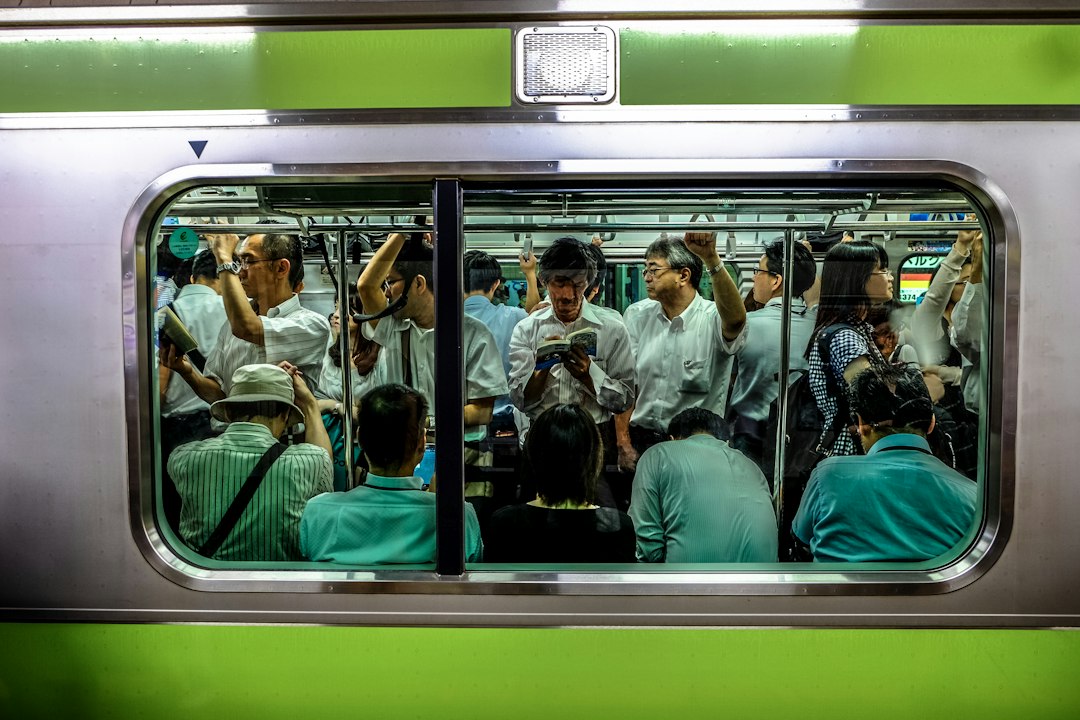
Commuter trains between Osaka and Kyoto have little space for large suitcases, and at rush hour they are full. Moving hotels with bags on the Hankyu at half past eight on a weekday is miserable.
Japan’s luggage forwarding services, known as takkyubin, are the answer. Your hotel front desk can send a suitcase to your next hotel, typically arriving the following day, so pack a small overnight bag for the gap. Alternatively, move between cities in the late morning, when the trains are quieter.
Cost, Crowds, and Kyoto’s New Accommodation Tax
Kyoto is the more expensive place to sleep. That has been true for years, and from March 2026 the gap widened at the top end.
Hotel Rates and the 2026 Tax Brackets
Room rates in Kyoto run higher than in Osaka at comparable quality. The historic centre is small, building heights are restricted, and demand from visitors is concentrated in a few districts. Osaka has more rooms, more large hotels, and more competition.
The newer factor is tax. Kyoto City revised its accommodation tax from 1 March 2026, charged per person per night according to the room rate. A stay priced between ¥50,000 and ¥99,999 per person now carries ¥4,000 in tax, and a stay at ¥100,000 or above carries ¥10,000. For two people spending four nights at a luxury ryokan, that alone adds ¥80,000.
Osaka Prefecture’s accommodation tax, revised in September 2025, tops out at ¥500 per night for rooms at ¥20,000 or more. At the mid-range the difference is small. At the level many of the travelers we work with book, it is now a real line on the bill, and one reason some of them choose Osaka for the longer part of a split stay.
Crowd Timing in Each City
Crowds in Kyoto are a question of timing rather than avoidance. The major sites are busiest from mid-morning to mid-afternoon, and spring and autumn weekends are the heaviest of all. Our note on why 6am is the best time to see Kyoto explains how much that changes the experience.
Osaka’s crowds behave differently. Dotonbori is busiest at night, which is also when it looks its best, so there is less to gain by going at an odd hour. Kuromon Market is the exception: go before lunch, when the stalls are fully stocked and before the aisles clog.
Expert Tip
Check which bracket your room rate falls into before you book in Kyoto. The tax is set per person per night on the accommodation charge, so a room priced just under ¥50,000 per person carries ¥1,000 while one just over it carries ¥4,000. When two properties are close in price and quality, that step can decide it.
Osaka vs Kyoto: Frequently Asked Questions
Is it better to stay in Osaka or Kyoto for a first trip?
For most first-time visitors with a short stay in Kansai, Kyoto. The early morning hours at its temples and shrines are the best reason to sleep there, and they cannot be reached comfortably from Osaka. If food, nightlife or Universal Studios Japan matters more to you than temples, Osaka is the better base.
Can I do Kyoto as a day trip from Osaka?
Yes, and many travelers do. The JR Special Rapid takes under thirty minutes. However, a day trip means arriving when Kyoto is already at its busiest, so you see the famous sites at their most crowded. If Kyoto is a priority, give it at least one night.
How many nights should I spend in each city?
With three or four nights in the region, stay in one city and treat the other as a day visit. With five or more, three in Kyoto and two in Osaka suits most travelers. Add a night to whichever city holds more of what you came for, and avoid changing hotels more than once.
Related Tours


Conclusion
Decide by the hour you want to be walking out of your hotel. If it is seven in the morning, toward an empty temple path, sleep in Kyoto. If it is nine at night, toward a counter where someone is turning takoyaki, sleep in Osaka.
For anyone with five nights or more, stop choosing. Book Kyoto first and Osaka second, send your suitcase ahead with takkyubin, and let the thirty-minute train do the rest.
Plan Your Japan Trip with Local Experts
Our team has guided 40,000+ travelers across Japan. Tell us about your trip and we’ll get back to you within 24 hours.