In this article:
- Why early morning transforms Kyoto
- The best sites to visit before 9am
- The early morning route that works
- Fushimi Inari at dawn
- Gion and Hanamikoji before the crowds
- Arashiyama in the morning
- Practical tips for early morning touring in Kyoto
Introduction
The single most effective thing most Kyoto visitors can do is also the simplest: wake up earlier. Not significantly earlier — arriving at a major site at 6:30am instead of 9:30am changes the experience more than any other single decision. The same temple, the same garden, the same stone path: entirely different at dawn.
Kyoto receives 50 million visitors annually, and the vast majority of them are at the famous sites between 10am and 4pm. The hours before that window are not just quieter — they’re functionally different. The light comes at a lower angle. Mist sits in the temple valleys in spring and autumn. The sounds change — birds rather than crowds. The staff who have worked these sites for decades are setting up, and occasionally say something about the place that isn’t in any guidebook.
This guide covers the early morning version of Kyoto: where to go, when to arrive, and what you’ll find that simply isn’t available later in the day.
Why Early Morning Transforms Kyoto
The Light
Kyoto’s position in a basin surrounded by mountains means the early morning light has a quality specific to the geography. In the Higashiyama hills — Fushimi Inari, Tofukuji, the temple neighborhoods east of Gion — the sun rises behind the mountains and spills light down the hillsides at an angle that’s gone by 9am. For photography, the first hour after sunrise is categorically better than any other time. For atmosphere, it’s the difference between feeling the place and observing it.
The Silence
Kyoto’s tourist zones are genuinely quiet before 8am. The busiest sites — Fushimi Inari, Arashiyama, Gion — have their morning crowd dynamics: local commuters, temple workers, monks doing their rounds, the occasional serious photographer. None of these change what the place is. After 10am, the coach tour arrivals do.
The Best Sites Before 9am
Fushimi Inari Taisha
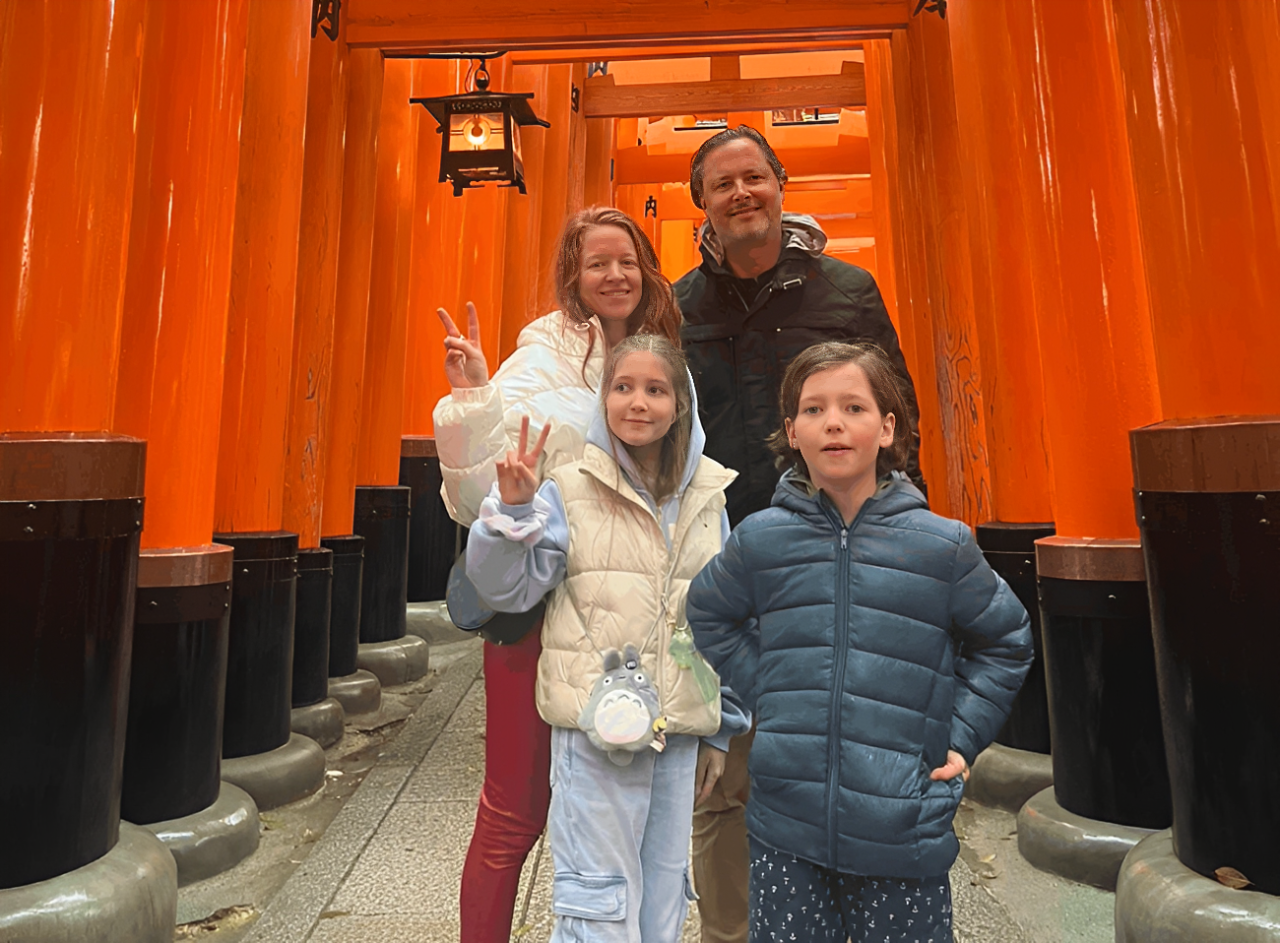
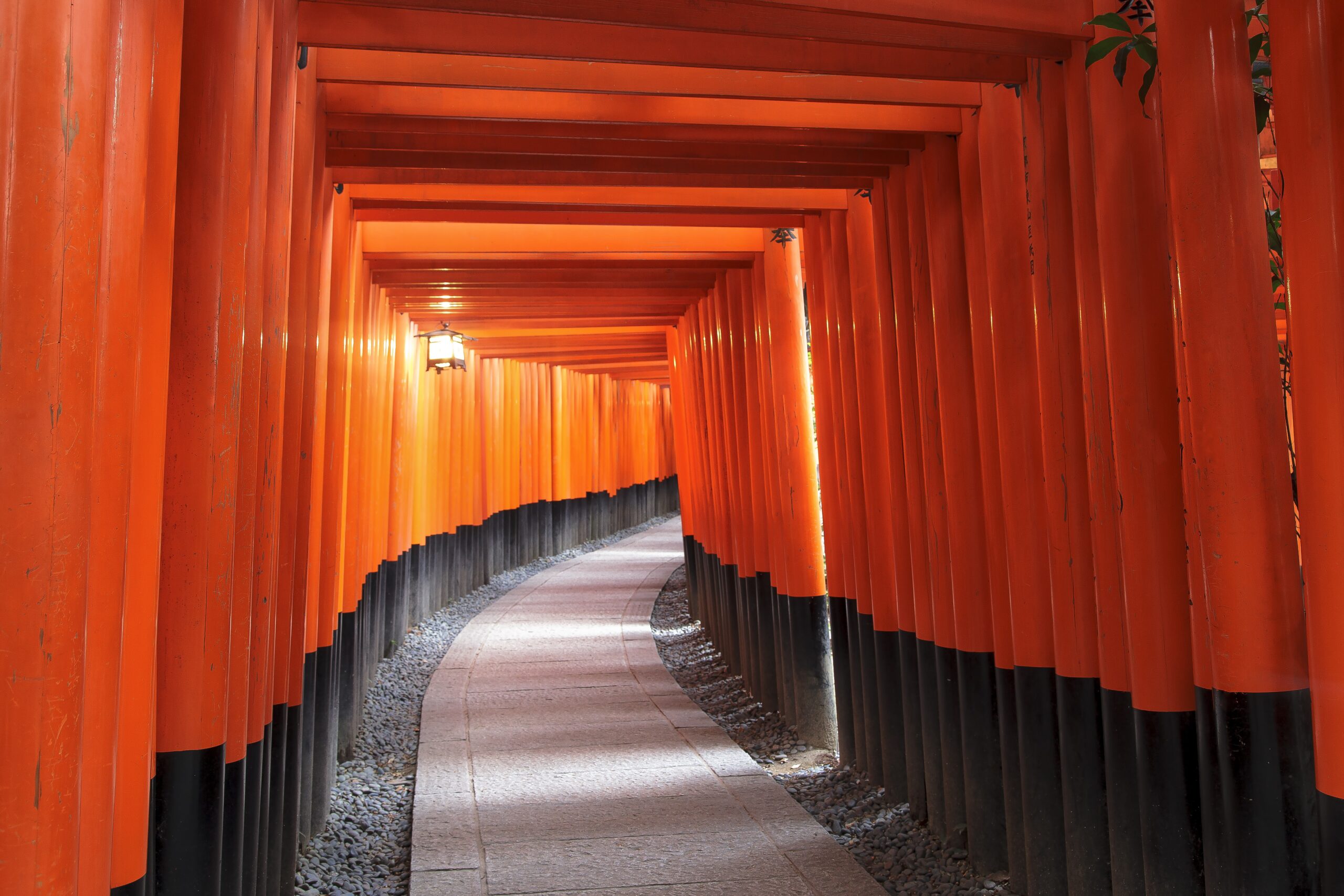
Fushimi Inari is open 24 hours. The famous torii gate tunnels on the lower mountain are passable without crowds from approximately 5:30am to 8am, depending on the season and day of the week. This window — orange gates, misty valley below, no competing noise — is what the photographs you’ve seen of Fushimi Inari look like, and what the daytime crowd experience doesn’t approximate.
At 6am on a November weekday, you can walk the Senbon Torii in near-silence, continue up to the Yotsutsuji intersection halfway up the mountain for the valley view, and descend by 8am before the first tour buses arrive. The climb is moderately demanding; wear appropriate footwear.
Tofukuji
Tofukuji opens at 8:30am, which makes it a second stop after Fushimi Inari on an early morning route. The Tsutenkyo bridge and its valley view are famous for autumn foliage and manageable if you arrive at opening. By 9:30am in peak season, the garden fills. The free viewpoint from Gaunkyo bridge on the opposite valley side allows you to appreciate the same view without the entrance queue.
Gion and Hanamikoji
Gion before 8am is the closest you’ll come to seeing the district as a functioning neighborhood rather than a tourist zone. The machiya residents are going about their mornings; the side streets are empty; the stone lanes are visible without the crowd of photography tripods that occupies them by 9am. Shinbashi-dori along the canal is especially good in early morning — the willow trees, the traditional facades, the quiet.
Geiko and maiko are not out at 7am. But the neighborhood is.
The Early Morning Route That Works
A Kyoto early morning itinerary that covers the major sites efficiently:
5:30am: Fushimi Inari — walk the lower gates and the first section of the mountain path. 7:30am: Transfer to Tofukuji (15 minutes by train or 25 by bicycle). 8:30am: Tofukuji opens — arrive at opening for the gardens. 9:30am: Breakfast at a neighborhood kissaten (retro coffee shop) in the streets between Tofukuji and Gion. 10am: Gion/Higashiyama walking — by this point the famous sites are busier, but the secondary temples (Koto-in, Jojakko-ji) are still manageable.
This structure covers the two most crowd-sensitive sites at their best times, then transitions to sites that remain worthwhile throughout the day.
Arashiyama in the Morning
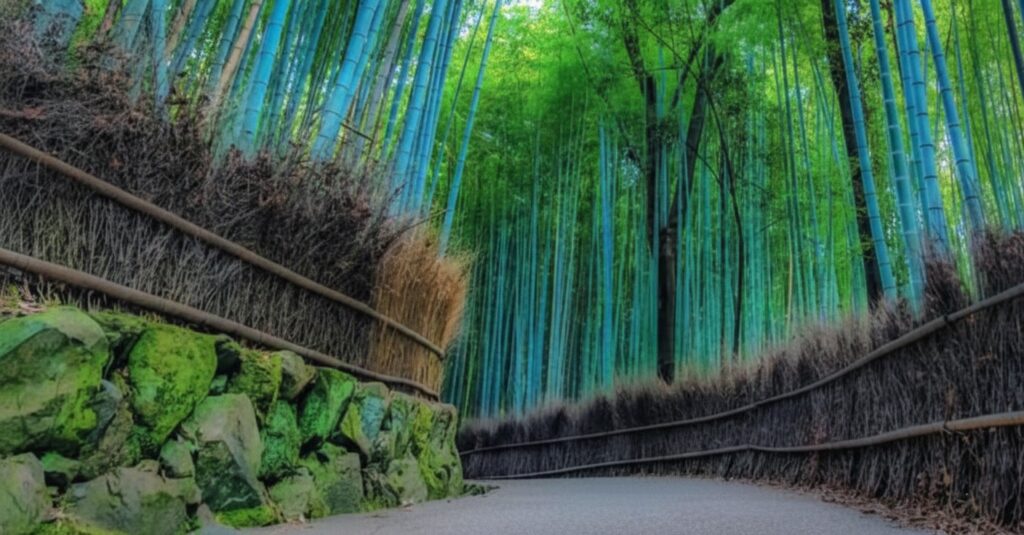
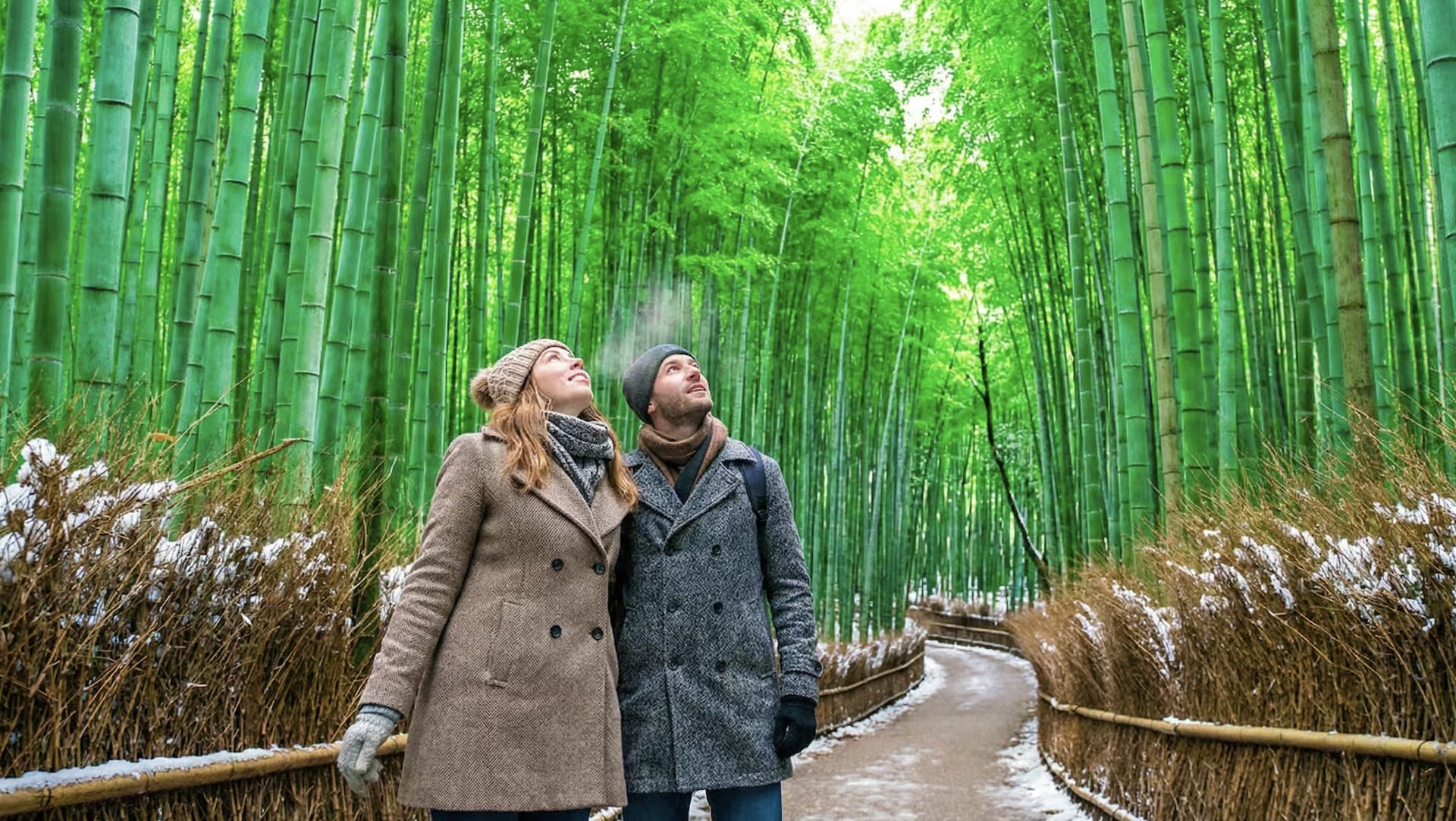
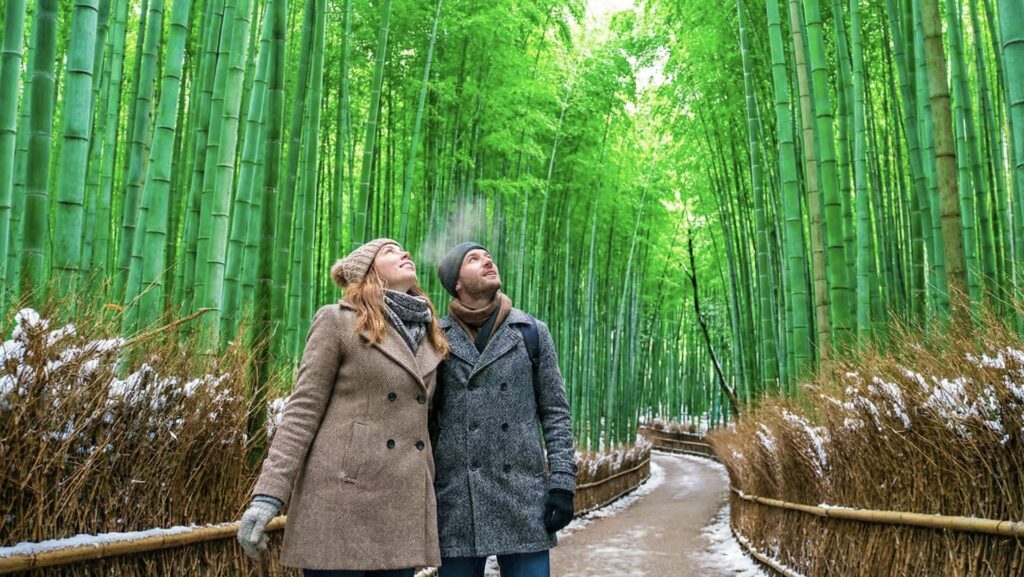
Arashiyama’s bamboo grove at 6:30am on a weekday morning is a different place from what it is at 11am. The first hour after sunrise — light filtering through the canopy at a low angle, no competing crowd noise, only the creak of the bamboo in any wind — is what the thousands of photographs of the grove are trying to capture, and mostly can’t, because they’re taken during the wrong hours.
The practical challenge is that Arashiyama is 30 minutes from central Kyoto by train, which means a 6am departure from your hotel for a 6:30am arrival. For travelers whose accommodations are in Gion or central Higashiyama, the early departure is practical. For those staying in western Kyoto near Arashiyama itself — a deliberate strategy for early access — it’s straightforward.
Tenryuji opens at 8:30am, making it the natural second stop after the bamboo grove on an Arashiyama morning.
Expert Tip
The best single early morning in Kyoto depends on the season. In November (autumn foliage), Tofukuji at opening — 8:30am — is worth more than Fushimi Inari, because the maple valley is at its most vivid and manageable at that hour. In spring, the opposite: Fushimi Inari in the morning mist before the cherry blossoms draw the crowds. In summer, Arashiyama’s bamboo grove before 7am is the coolest hour of the day. Match the site to the season.
Practical Tips for Early Morning Touring in Kyoto
Breakfast
Most traditional Kyoto restaurants don’t open until 11:30am. Early morning options: convenience store breakfast (genuinely good in Japan — onigiri, sandwiches, coffee), kissaten (retro coffee shops that open at 7 or 8am), or the breakfast service at your hotel or ryokan. Planning breakfast as a sit-down meal for 8:30–9am after the first site visit avoids the gap.
Transportation
Kyoto’s buses and trains run from approximately 5:30am. The first buses are often less crowded than the tourist experience suggests — most early morning public transport in Kyoto is used by commuters, not tour groups.
For Fushimi Inari: Inari Station on the JR Nara Line is a 5-minute walk from the main gate. First trains from Kyoto Station run around 5:30am.
For Arashiyama: Saga-Arashiyama Station on the JR San-in Line. First trains around 5:40am from Kyoto.
Frequently Asked Questions
How early is too early for Kyoto temples? Fushimi Inari is open 24 hours. Most major temples open 8–9am. The effective window for genuinely empty famous sites is 6–8:30am.
Is it safe to walk around Kyoto very early in the morning? Completely. Kyoto is one of the world’s safest cities. Early morning walking is common — monks, delivery workers, local commuters, the occasional serious photographer. You will not be alone.
Do early morning tours run in all seasons? Yes, though the best sites shift by season. Autumn foliage season (November) and cherry blossom season (late March–early April) produce the most dramatic early morning conditions.
Related Tours

Conclusion
The most common Kyoto regret we hear from travelers is wishing they had gone earlier. Not weeks earlier in the planning — earlier in the day. The famous sites are famous for good reasons. Experiencing them before the crowds arrive is not a trick — it’s the correct approach, and it’s available to anyone willing to set an early alarm.
Plan Your Japan Trip with Local Experts
Our team has guided 40,000+ travelers across Japan. Tell us about your trip and we’ll get back to you within 24 hours.