In this article:
- Decide the Shape of the Trip First
- Booking in the Right Order
- Getting Around Once You Land
- Money, Phones, and Arrival Paperwork
- Planning a Trip to Japan: Frequently Asked Questions
Introduction
Most itineraries we are sent for review have the same problem, and it is not a missing sight. It is too many hotels.
Planning a trip to Japan tends to start with a list: Tokyo, Kyoto, Mount Fuji, Hiroshima, Osaka, Nara, perhaps Hokkaido if the flights work. Each place deserves to be on it. However, every change of base costs roughly half a day once you count checking out, getting to the station, riding the train, and waiting for a room to be ready. Six bases in twelve days means three of those days disappear into logistics.
What follows is the order in which we would make the decisions. The shape of the trip comes first, then the bookings that sell out, then the practical layer of transit, money, and paperwork. Get the sequence right and most of the difficult choices make themselves.
Decide the Shape of the Trip First
Three decisions set everything else: when you go, how long you stay, and how many places you sleep in. Settle them before you open a booking site.
When to Go
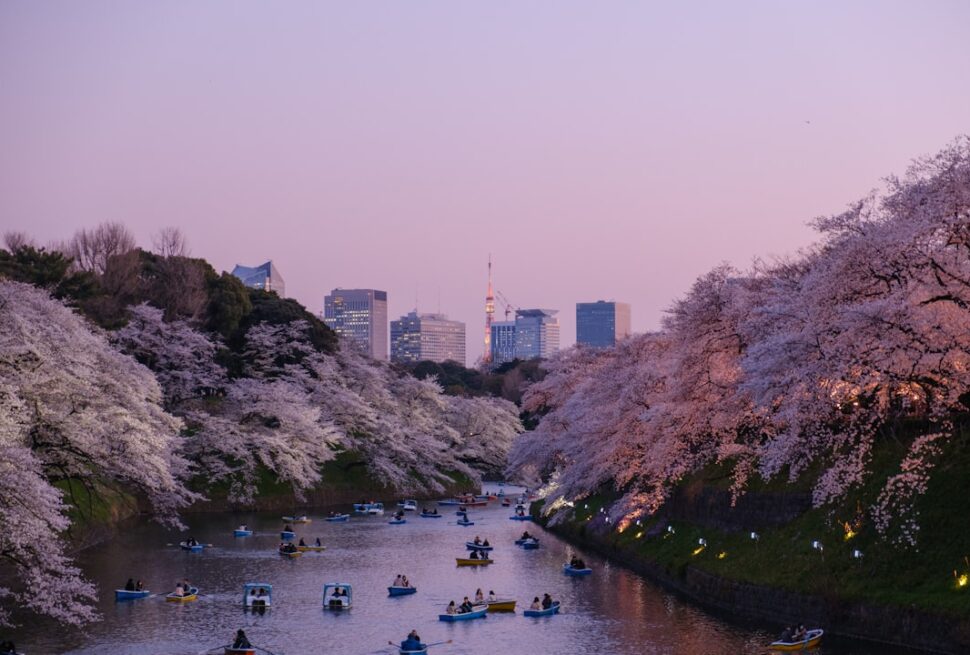
Spring and autumn are the seasons most travelers aim for, and for good reason. Cherry blossoms in Tokyo and Kyoto usually open in late March and peak in early April. Kyoto’s maples turn later than most people expect, typically from mid-November into early December.
Both windows are also the most crowded and most expensive weeks of the year. Golden Week, a cluster of public holidays from late April into early May, fills trains and hotels with domestic travelers. June brings the rainy season to most of the country, and July and August are hot and humid enough to shape how you plan each day.
Our view is that the shoulder weeks are underrated. Late May, early October, and the first half of March give you mild weather and room to move. Winter is quieter still, and a snowy onsen town in January is one of the best things the country has to offer. For a month-by-month picture, our season-by-season guide to weather, crowds and cost goes into more detail.
How Long to Stay
Ten to fourteen days is the length we see work best for a first visit. It is long enough for Tokyo and Kyoto at an unhurried pace, with room for one more region.
A week is possible. In that case, choose two bases and leave it there. Travelers who try to fit Tokyo, Hakone, Kyoto, Osaka, and Hiroshima into seven days tell us afterwards that they saw a great deal of the Shinkansen.
Three weeks changes the character of the trip. You can add a rural region such as the Kiso Valley, the Noto Peninsula, or Shikoku, where the pace slows and the crowds thin out almost entirely.
Where to Go, and How Many Bases
Tokyo and Kyoto are the right anchors for nearly every first trip. They are different enough that seeing both gives you a real sense of the country, and they are linked by a Shinkansen journey of a little over two hours.
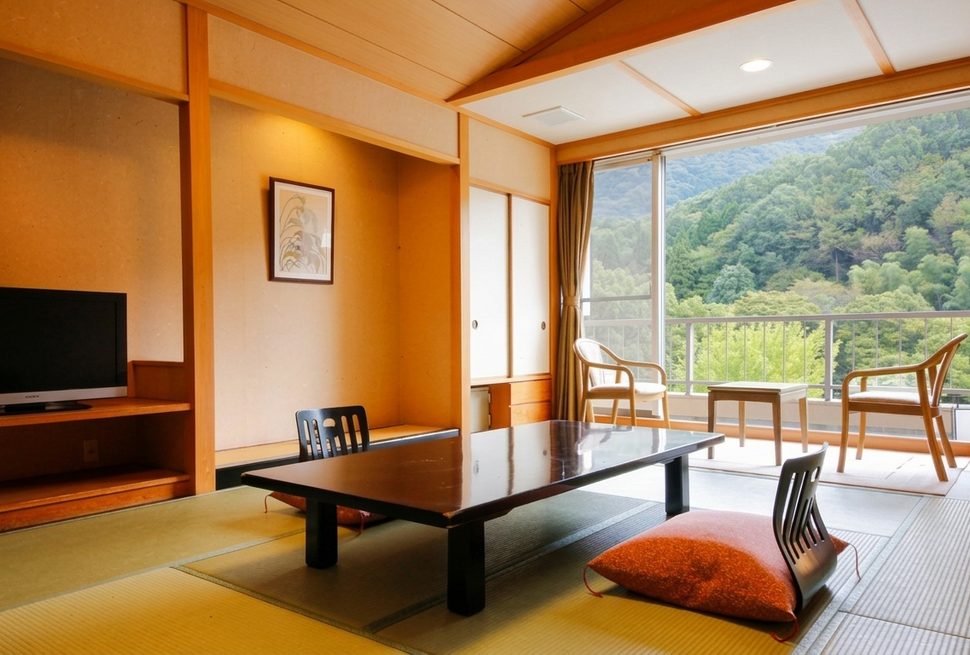
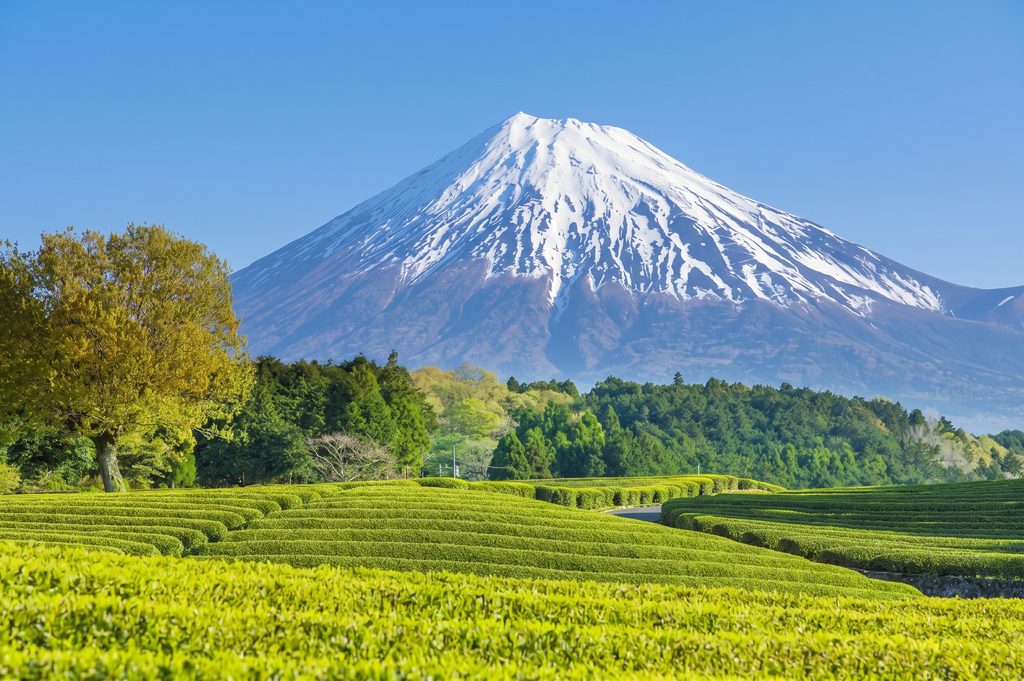
After that, add one place that is not a city. A night or two at a ryokan in Hakone, a stay near the lakes below Mount Fuji, or a few days walking the Kumano Kodo will do more for the trip than a third city. Even so, one addition is enough on a first visit.
As a rule of thumb, allow at least three nights per base. Fewer than that and you spend more time moving than staying. If you want a worked example of how this looks on the calendar, our 10-day Japan blueprint for first-timers lays out a full route with the nights already divided.
Expert Tip
Plan the last two days first. Work out which airport you fly home from, how long it takes to reach it from your final hotel, and whether your flight leaves early. Travelers who plan forwards often discover in week two that their last night is in the wrong city.
Booking in the Right Order
Book in order of scarcity, not in order of the itinerary. The things that sell out go first; the things you can buy on the day go last.
Flights and the Airport You Land At
Most long-haul flights into Tokyo arrive at Narita or Haneda. Haneda is much closer to the city, and if the fares are similar we would choose it every time. Narita is perfectly workable, though the transfer into central Tokyo takes noticeably longer.
Consider an open-jaw ticket, flying into Tokyo and out of Osaka’s Kansai Airport or the other way round. It removes the need to backtrack at the end of the trip, which is often a full day saved.
Hotels, Ryokan, and the Kyoto Tax
Accommodation is where early booking pays off most. Kyoto in particular runs short of good rooms during cherry blossom and autumn leaf season, and the well-regarded ryokan in Hakone and elsewhere often have few rooms to begin with.
Location matters more than the hotel’s star rating. In Tokyo, a base near a major station on a line you will use every day saves more time than any upgrade. In Kyoto, being able to walk out of the door toward a temple at seven in the morning is worth paying for.
Budget for tax as well. Kyoto City revised its accommodation tax from March 2026, charged per person per night according to the room rate, and the top bracket now adds ¥10,000 per person per night for stays priced at ¥100,000 or more. At that level, it becomes a real line on the bill.
Restaurants, Tickets, and Guides
The most sought-after restaurants in Tokyo and Kyoto open reservations on fixed dates and fill quickly. Many only accept bookings through a hotel concierge or a dedicated platform. If a particular counter is the reason you are going, find out how its booking system works before you book anything else.
Timed-entry attractions such as the Ghibli Museum and teamLab sell tickets in advance, and popular slots go early in peak seasons. Private guides are similar. The better ones are booked weeks ahead in spring and autumn.
That said, do not fill every day. On our private Tokyo tour, the route is agreed with the guide over WhatsApp before the day rather than fixed in advance, and the travelers who enjoy it most are often the ones who arrived with a loose list and let the day take shape. Leaving one or two days in each city unplanned is a decision, not a gap.
Is the Japan Rail Pass Worth It?
For most first-time visitors, no longer. The pass price rose sharply in October 2023, and a simple Tokyo to Kyoto to Osaka route no longer comes close to covering it.
It still makes sense for travelers covering very long distances in a short time, such as Tokyo to Hiroshima and back within a week. Regional passes can also be good value for a single area. Price your actual journeys first, then compare. In our experience, the answer for a Tokyo and Kyoto trip is almost always individual tickets.
Getting Around Once You Land
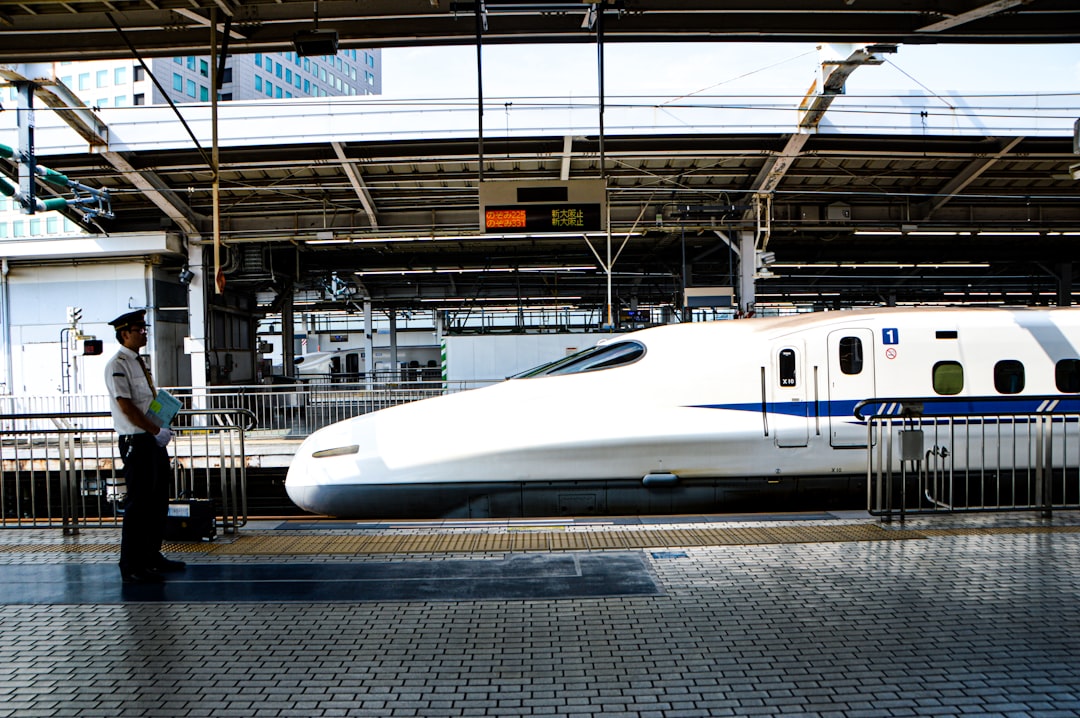
Japan’s public transport is fast, punctual, and easier to use than its reputation suggests. The difficulty is not the trains themselves. It is carrying luggage on them.
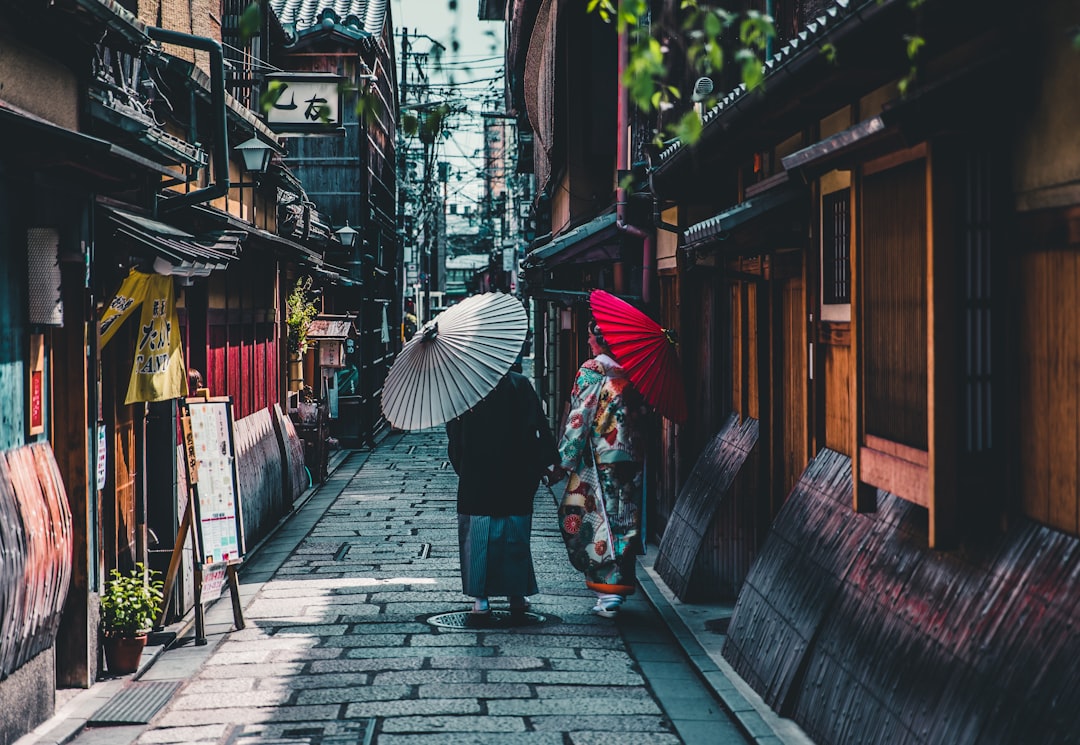
IC Cards for Everything Local
A rechargeable IC card such as Suica, PASMO, or ICOCA covers local trains, subways, and most city buses across the country. You tap in, tap out, and the fare is deducted. The same card also pays at convenience stores, vending machines, and many station lockers.
If you have an iPhone, add a digital card to Apple Wallet before you leave home. It tops up from your credit card, cannot be lost, and removes the need to queue at a ticket machine on your first morning.
Shinkansen and the Oversized Luggage Rule
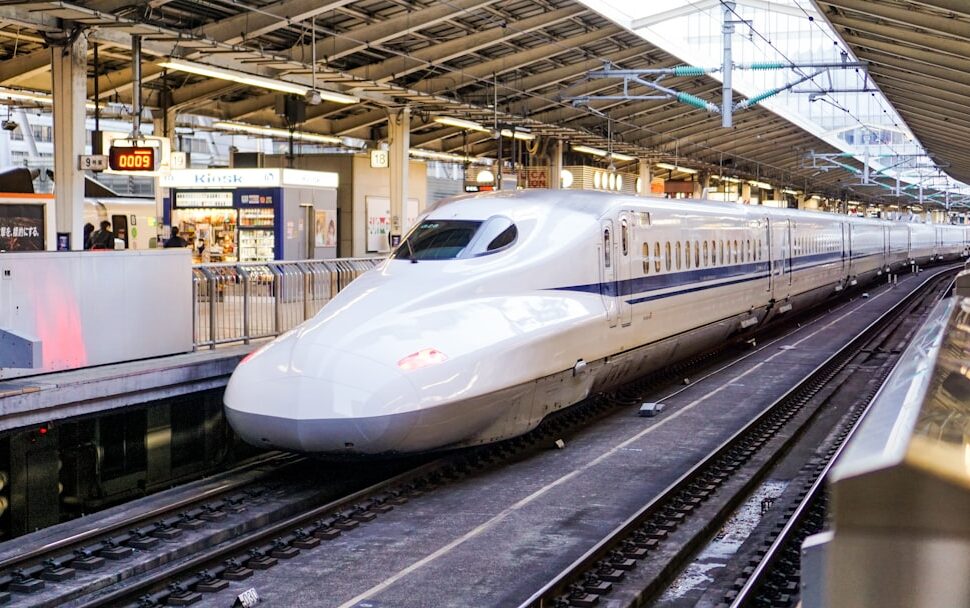
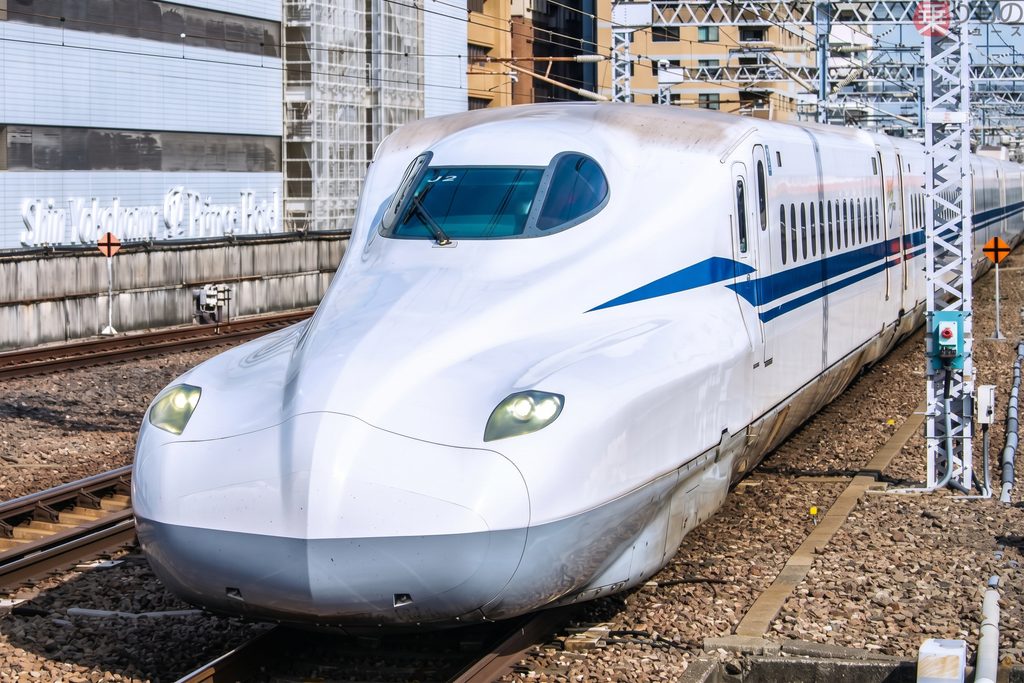
On the Tokaido, Sanyo, and Kyushu Shinkansen, luggage with total dimensions of more than 160 cm requires a reservation for a seat with an oversized baggage area. The reservation itself costs nothing extra. Bring such a bag on board without one and a ¥1,000 fee applies. Anything over 250 cm cannot be taken on board at all.
A large checked suitcase is often over the limit. Measure yours before you travel, and reserve the right seat when you book the ticket.
Sending Your Suitcase Ahead
Luggage forwarding, known as takkyubin, is one of the most useful services in the country. Hotel front desks can arrange to send a suitcase to your next hotel, usually arriving the following day.
We recommend it to nearly every traveler we work with. You ride the Shinkansen with a day bag, arrive with free hands, and spend the afternoon in the city rather than in a hotel lobby waiting for check-in. The only planning required is a small overnight bag for the night the suitcase is in transit.
Expert Tip
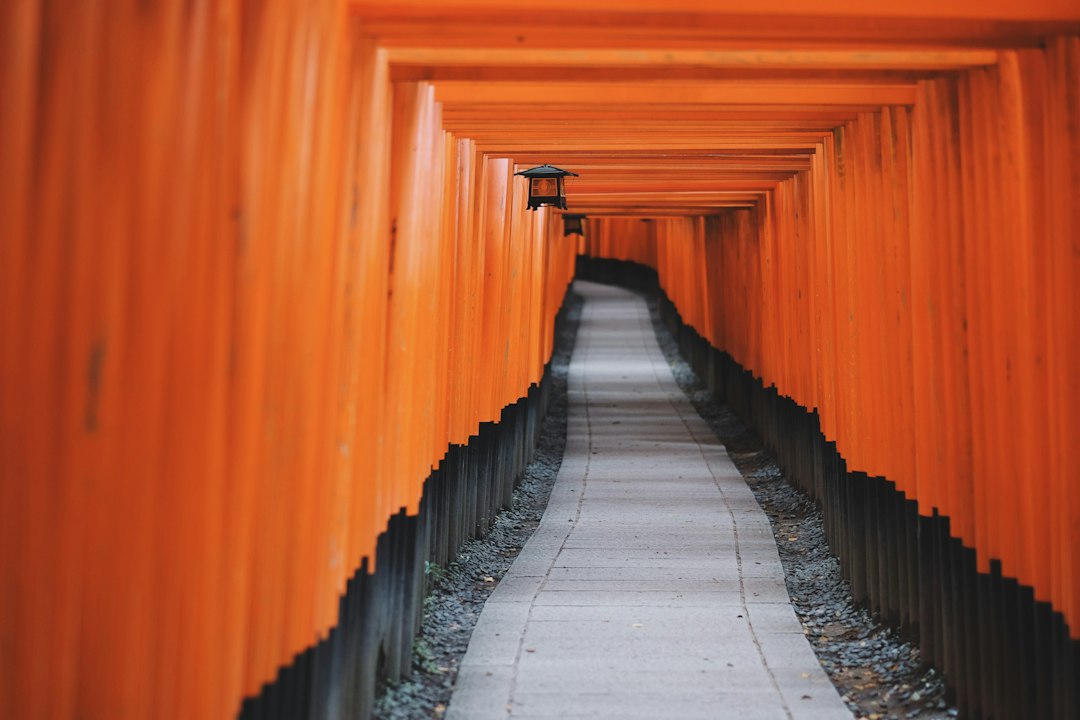
In Kyoto, timing matters more than transport. The major sites are busiest between roughly ten and four, and the difference between Fushimi Inari at eight in the morning and at noon is enormous. Build your Kyoto days around early starts, and use the middle of the day for lunch, a garden, or a rest.
Money, Phones, and Arrival Paperwork
The practical layer is where small oversights turn into lost hours. None of it is difficult, but most of it is easier to handle at home.
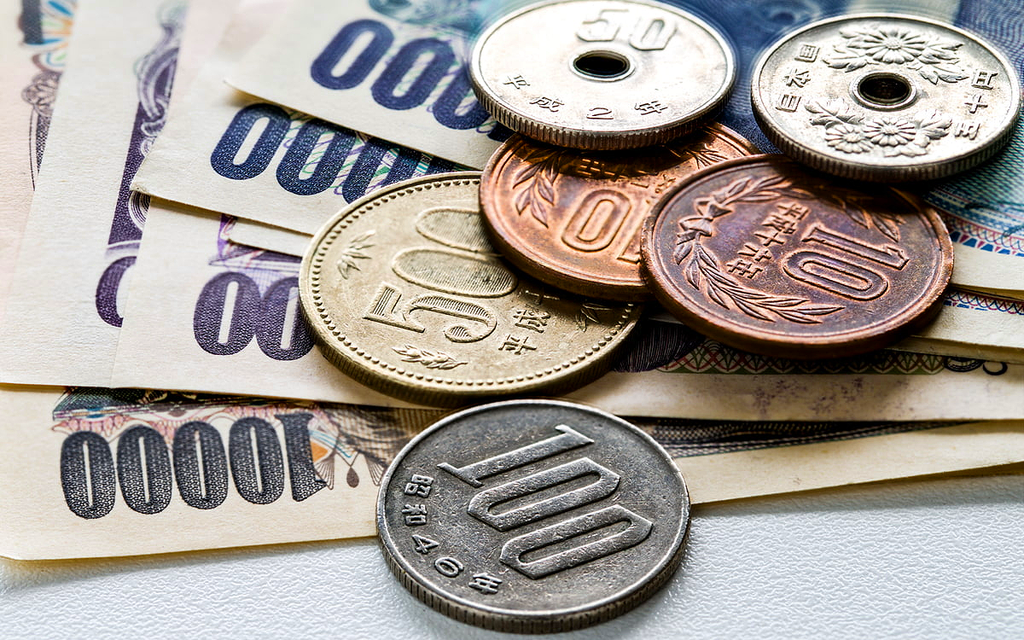
Cash Still Matters
Credit cards are accepted at hotels, department stores, and most chain restaurants. Still, Japan remains more cash-dependent than many visitors expect. Small restaurants, temple entrance counters, local buses, and market stalls often take cash only.
Carry some yen every day. ATMs at convenience stores and post offices generally accept foreign cards, so there is no need to change a large sum before you fly.
On a guided day, cash matters in a specific way. With our private tours in Tokyo and Kyoto, entry fees, transport, and meals are paid as you go, and by convention travelers also cover their guide’s. A day of temples and lunch can involve a dozen small payments.
Staying Connected
A data connection is not optional in Japan. You will use it for maps, train times, translation, and restaurant bookings every day.
An eSIM is the simplest option for recent unlocked phones and can be installed before departure. A pocket Wi-Fi router suits groups sharing one connection, or phones that cannot take an eSIM. Whichever you choose, set it up at home so that it works the moment you land.
Install WhatsApp as well. Many guides, drivers, and smaller hotels use it to communicate with international guests, including ours.
Visit Japan Web and the New Tax-Free Rules
Visit Japan Web is the government’s online service for immigration and customs declarations. Registering in advance produces QR codes that speed up the arrival process at the airport. Our walkthrough of Visit Japan Web and digital customs declarations shows each screen.
Tax-free shopping is changing. From 1 November 2026, visitors pay the full price including consumption tax at the till, and the tax is refunded after customs confirms at departure that the goods are leaving Japan. If you plan significant purchases, allow extra time at the airport on your way home.
Planning a Trip to Japan: Frequently Asked Questions
How far in advance should I start planning a trip to Japan?
For spring or autumn travel, start six to nine months ahead, since accommodation in Kyoto and at popular ryokan goes early. For other seasons, three to four months is usually enough. Popular restaurants and timed attractions have their own booking windows, so check those individually.
Is ten days enough for a first trip to Japan?
Yes, if you limit yourself to two or three bases. Ten days covers Tokyo and Kyoto at a comfortable pace with one additional stop, such as Hakone or Nara. Trying to add Hiroshima and Osaka as separate bases in the same ten days usually costs more in transit than it gives back.
Do I need to speak Japanese?
No. Major stations, airports, and most tourist sites have English signage, and a translation app covers most other situations. English becomes less common in rural areas and small local restaurants. A few polite phrases, such as thank you and excuse me, are always appreciated.
Related Tours



Conclusion
Before any booking, write down three things: your season, your number of nights, and the bases you will sleep in. If there are more bases than the nights can support at three apiece, cut one now. That single edit will do more for the trip than any list of sights.
Then book in order of scarcity. Kyoto hotels and the restaurants you care about come first, flights and a Shinkansen seat with luggage space next, and the rest of the days last. Leave at least one day in each city with nothing on it at all. In our experience, it is the day travelers remember best.
Plan Your Japan Trip with Local Experts
Our team has guided 40,000+ travelers across Japan. Tell us about your trip and we’ll get back to you within 24 hours.