In this article:
- What Tsukiji is now (after the move to Toyosu)
- What to eat at Tsukiji Outer Market
- The must-try foods and where to find them
- How to structure your visit
- Guided vs. self-guided: the honest comparison
- Practical tips and timing
- Frequently asked questions
Introduction
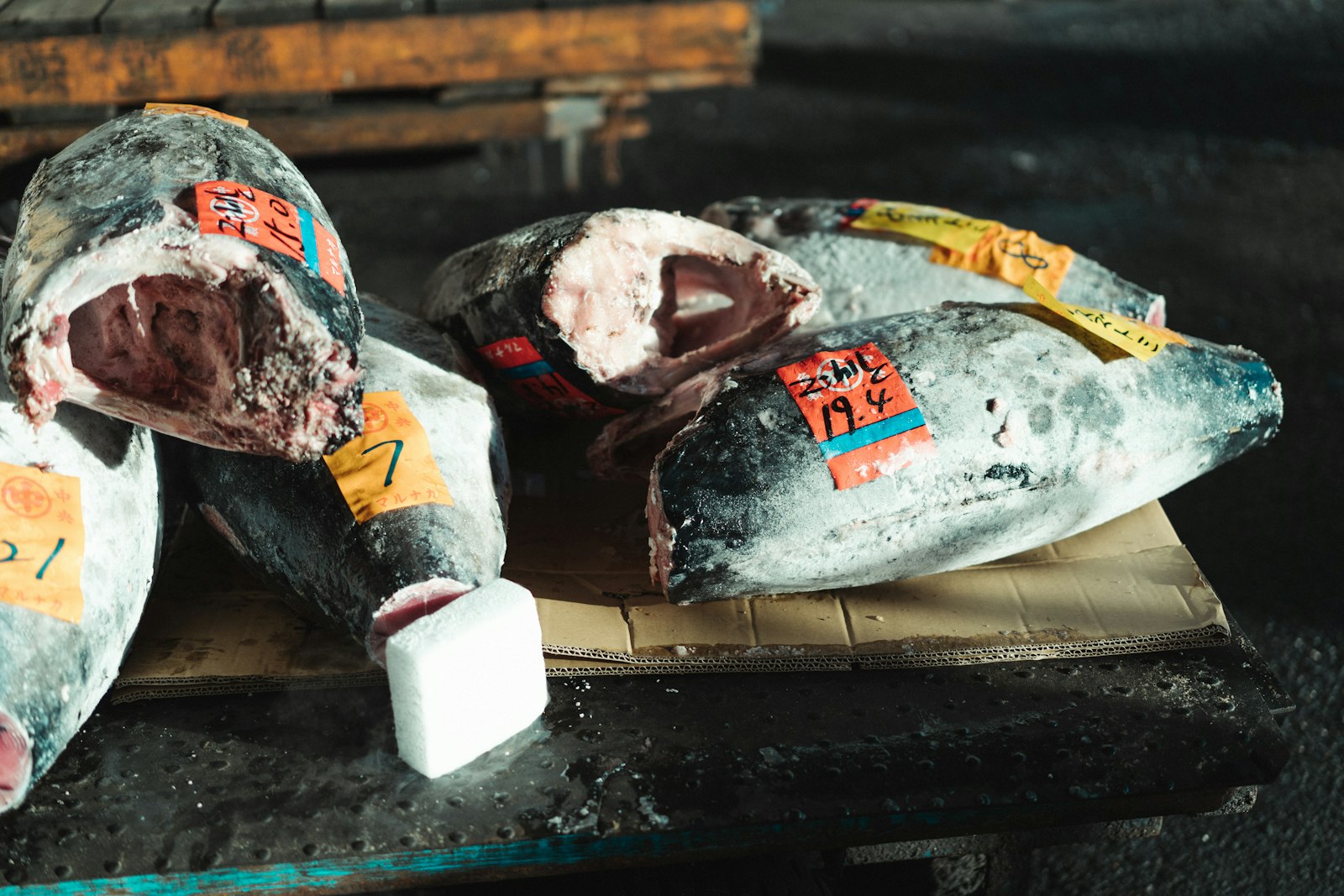
The inner fish market moved to Toyosu in 2018. Tsukiji lost its tuna auction, its wholesale operation, its reason for the 3am crowds. What remained is the outer market — the retail and food streets that surrounded the wholesale complex — and it turns out that was the part worth visiting all along.
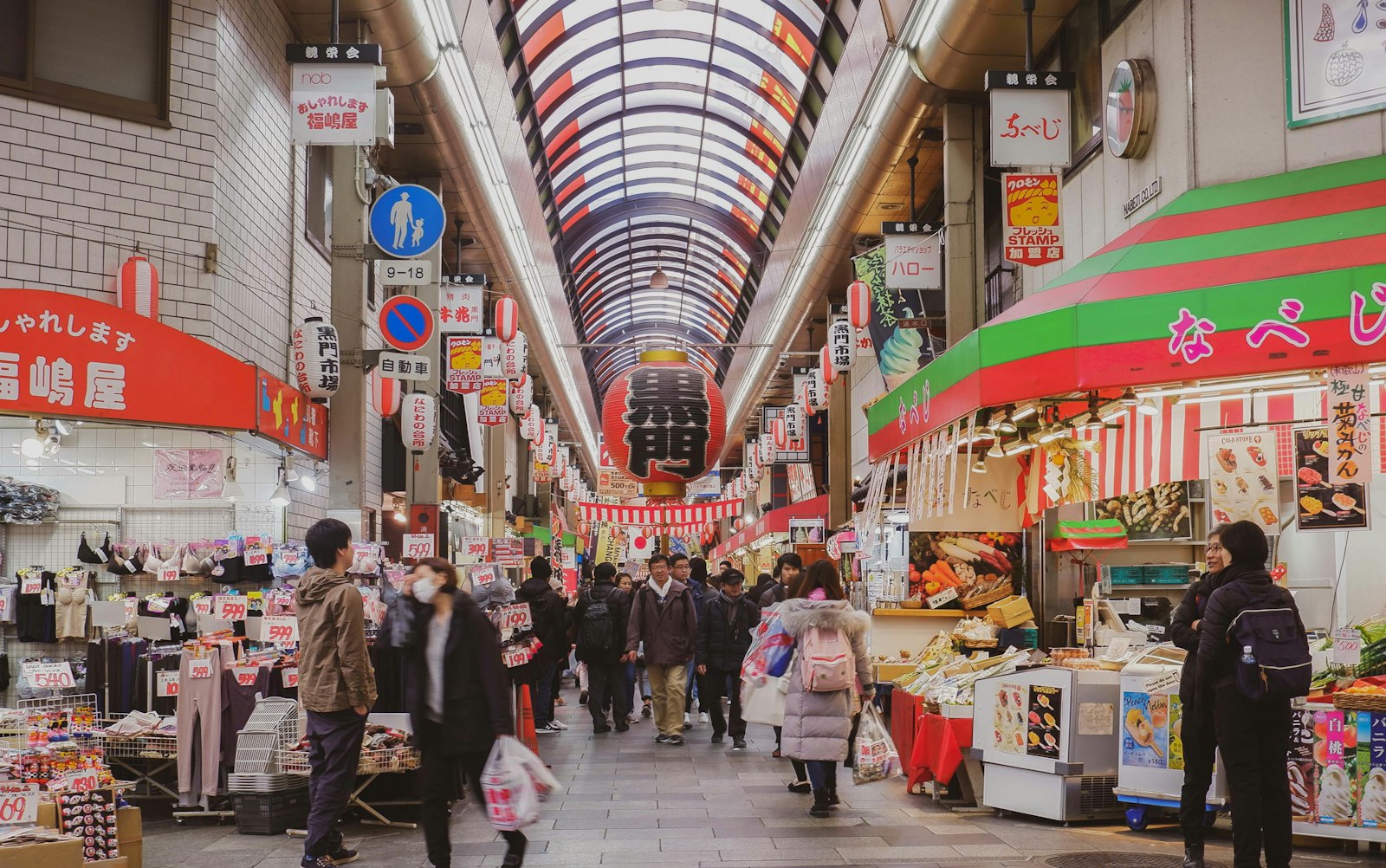
The outer market is still one of the most concentrated food experiences in Tokyo. Fresh tamagoyaki (rolled egg omelette) made to order in front of you. Uni (sea urchin) in a small cup, eaten standing at the counter. Grilled scallops. Tuna skewers. Oysters shucked while you wait. Aged knives. Soy sauce produced on-site. Within roughly 400 metres of walking, you can eat exceptionally well and understand something concrete about Japanese food culture.
However, knowing how to navigate this requires some preparation. The outer market has grown more tourist-facing since the inner market moved, and the gap between the stalls that have been here for decades and the newer ones oriented toward Instagram has widened. This guide is about finding the former.
What Tsukiji Is Now
The Outer Market After Toyosu
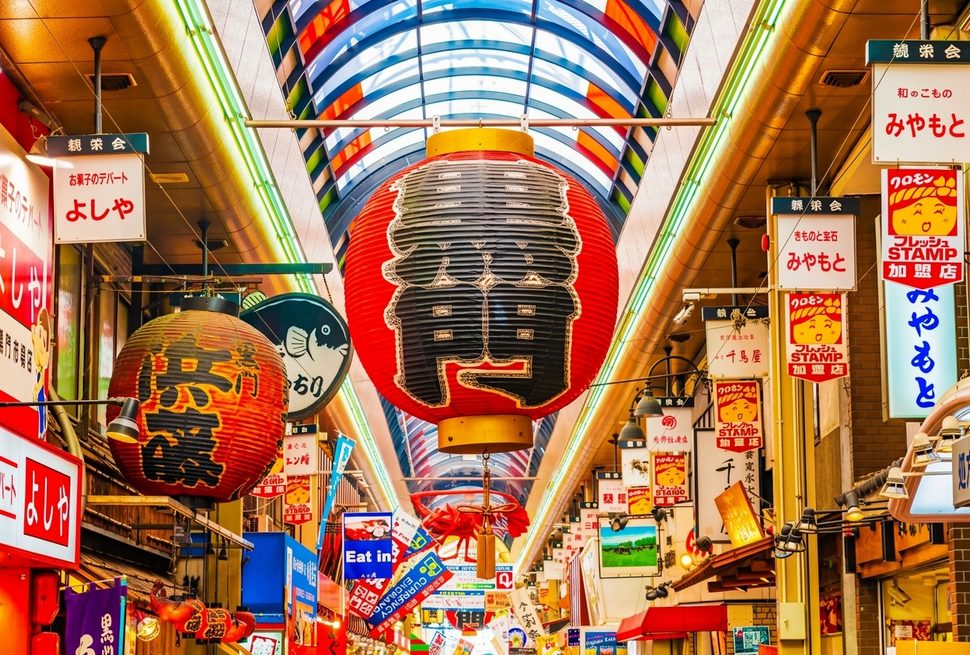
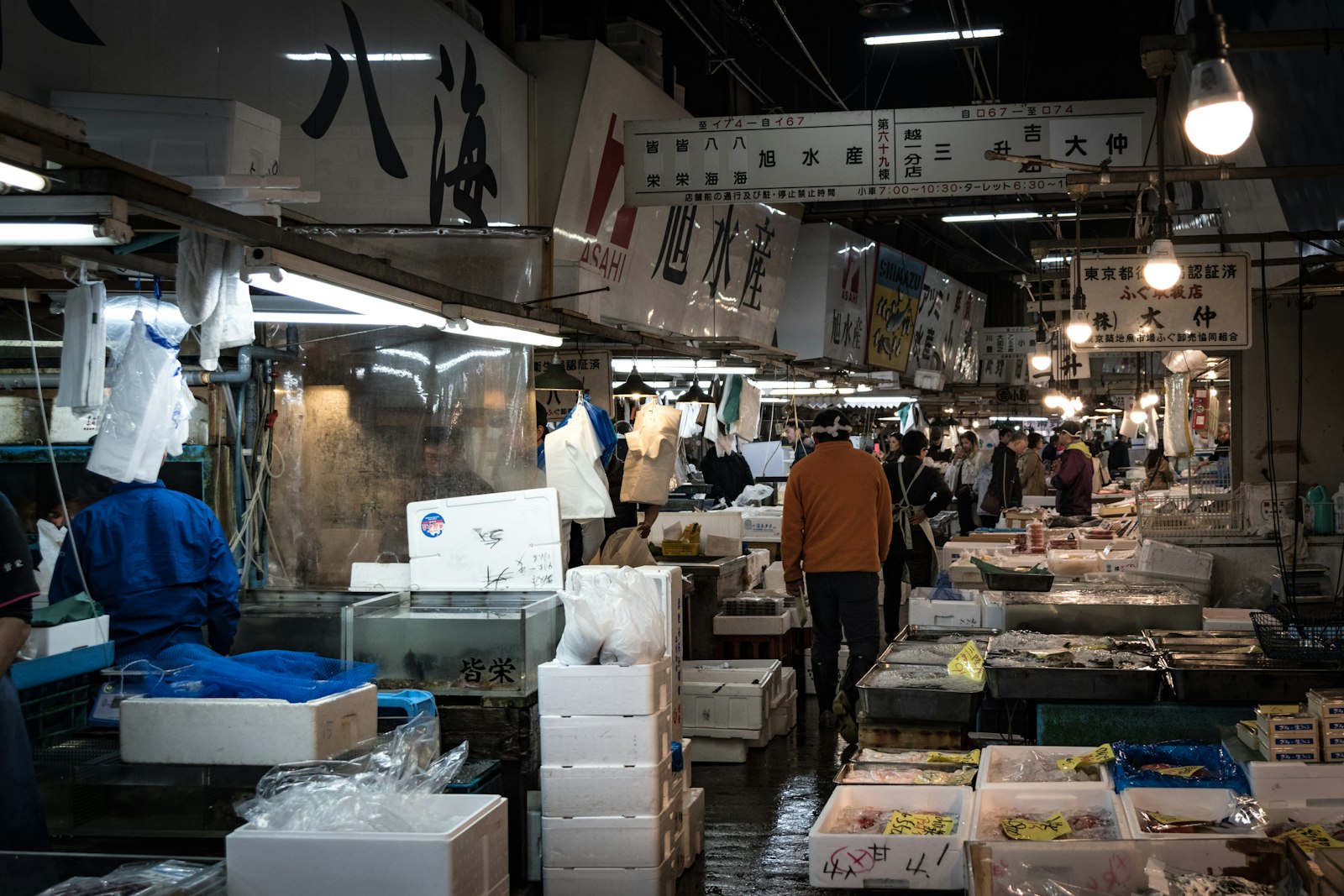
The Tsukiji Outer Market (Tsukiji Jogai Shijo) is a collection of roughly 400 shops and stalls spread across several blocks between Harumi-dori and the former inner market site. About 60% of the stalls are food-related — fresh ingredients, prepared foods, street snacks, and restaurants. The rest are kitchen equipment, knife shops, and wholesale-adjacent businesses.
Since the inner market move, visitor volume has actually increased as the outer market became the destination rather than the overflow. This has changed the neighborhood — some stalls shifted from serving professionals to serving tourists — but the core of what makes it interesting remains. The vendors who have been here for 30 or 40 years are still here, still doing the same thing.
The Toyosu Question
Visitors occasionally ask whether they should go to Toyosu instead for the “real” experience. Toyosu has the wholesale auction and the professional buyers — it’s larger, more organized, and requires advance booking for the auction observation. For most travelers, Toyosu offers scale and logistics; Tsukiji offers food. The choice depends on whether you want to watch fish being sold or eat it.
What to Eat at Tsukiji Outer Market
Tamagoyaki (Rolled Egg Omelette)
Tsukiji’s tamagoyaki is its most specific product. The rectangular rolled omelette — sweet, layered, slightly soft in the center — is made to order at several competing stalls using recipes refined over decades. Eat it warm, on a stick, within a few minutes of purchase. The difference between freshly made and sitting for an hour is significant.
The two main tamagoyaki shops (Tamagoya and Marutake) have adjacent stalls near the center of the market and can seem almost identical. They’re not — the seasoning, sweetness level, and texture differ. Try both if you’re there early enough.
Uni (Sea Urchin)
Fresh uni eaten at Tsukiji is one of the better simple eating experiences in Tokyo. The vendors scoop it directly from the container onto a small portion of rice or serve it in a cup; the quality is high because turnover is fast and the connection to supply is direct. Budget ¥800–1,500 for a proper serving. The season for the best domestic uni (primarily from Hokkaido) runs May through August; other months you’ll find imported varieties.
Grilled Scallops and Seafood Skewers
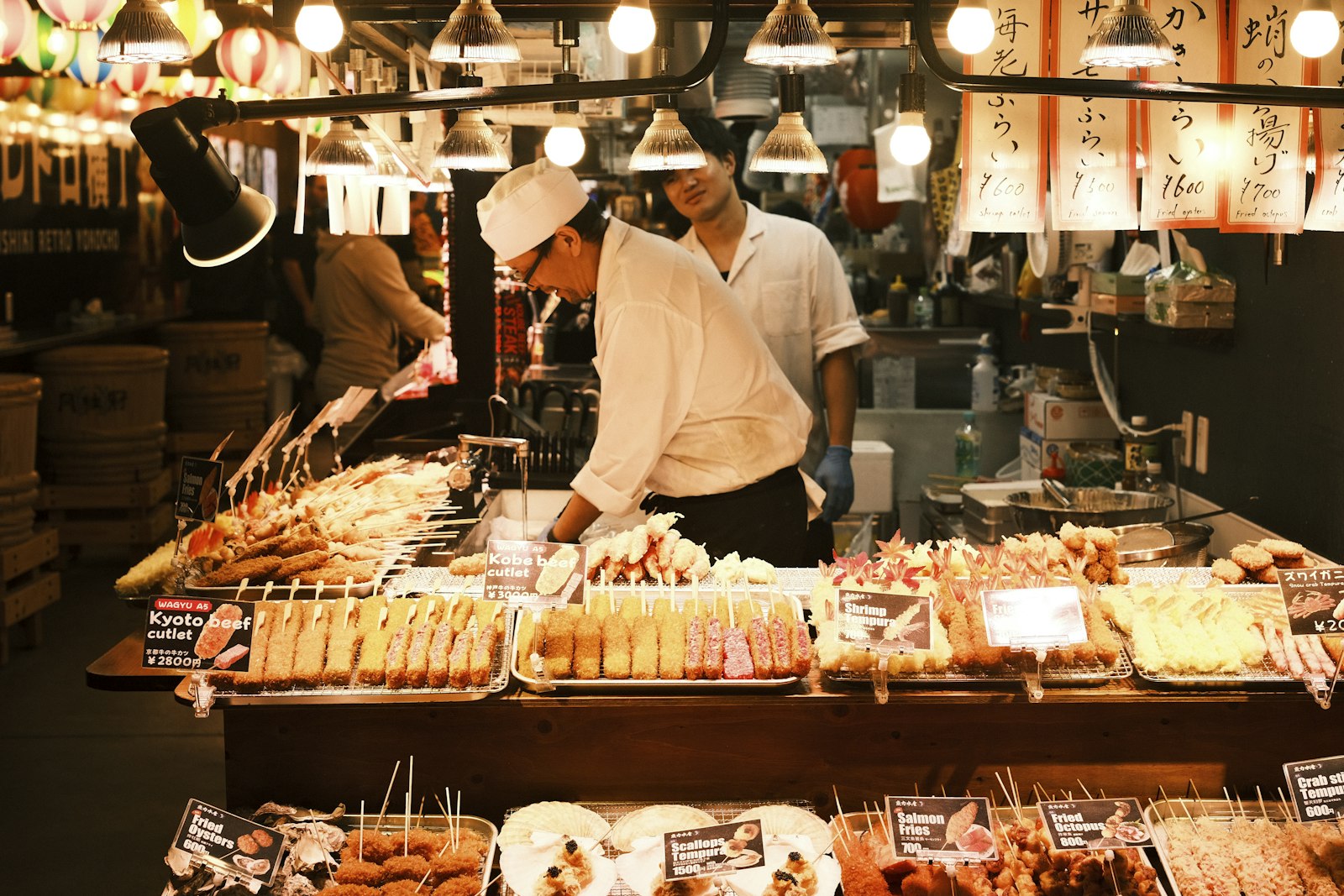
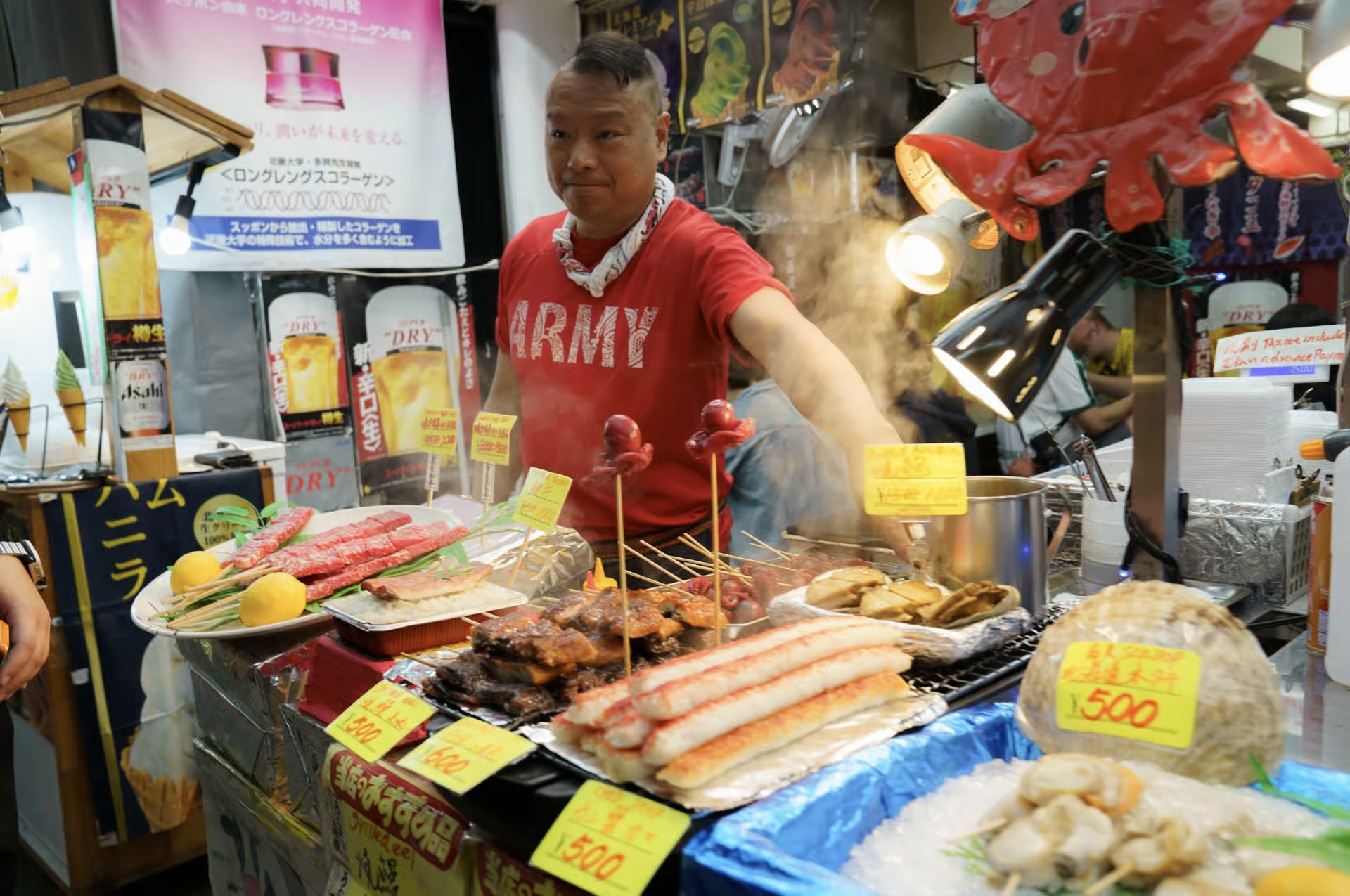
Several stalls grill fresh seafood to order over charcoal — scallops, squid, fish skewers. The scallop stalls are the most popular: a large scallop grilled in the shell with soy butter costs ¥500–700 and is ready in about four minutes. This is the type of eating that photographs well and tastes as good as it looks.
Tuna
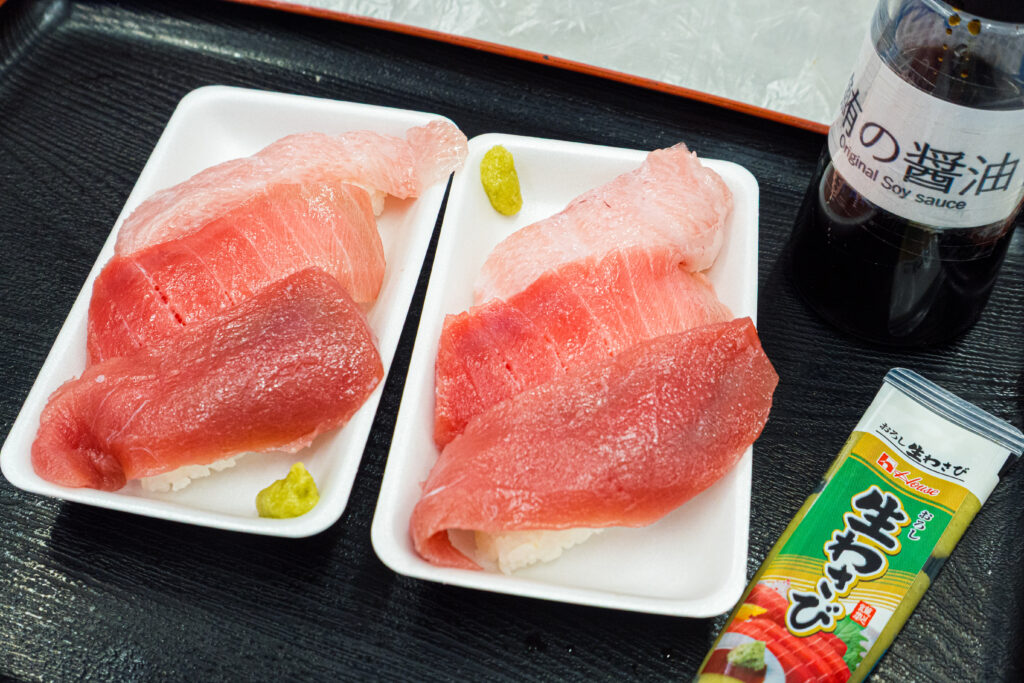
Despite losing the auction, Tsukiji still sells tuna at the retail level, and several restaurants on the edges of the market serve tuna-specific menus. A maguro-don (tuna over rice) at a market-adjacent restaurant runs ¥1,500–2,500 at lunch and is typically excellent quality given the supply relationships.
Tamagoyaki Onigiri and Nori Products
Beyond the hot food, Tsukiji has excellent nori (seaweed) shops and rice-adjacent products that you can’t find at the same quality elsewhere in Tokyo. The nori specialists roast their sheets to order; the difference from supermarket nori is the difference between fresh and stale bread.
Expert Tip
Arrive by 9am on a weekday. The freshest stock is out, the vendors who’ve been here for decades are running at full pace, and the crowds are manageable. By 11am on a weekend, the outer market becomes genuinely difficult to move through. Tsukiji is a morning experience — not because it closes, but because it’s best before the day’s supply has been picked over and the most interesting stalls have sold out of their best product.
How to Structure Your Visit
The Self-Guided Approach
A productive 90-minute Tsukiji visit: enter from the Harumi-dori side (nearest Tsukiji Station on the Hibiya Line), walk the main food corridor from east to west, identify what you want to taste, then circle back to buy. The two tamagoyaki stalls are roughly in the center; the grilled scallop vendors cluster near the western end; the knife shops and dry goods are toward the eastern side.
The mistake is stopping at the first thing you see. Walk the full market once to understand the geography, then eat selectively.
The Knife Shops
Tsukiji is also one of the best places in Tokyo to buy Japanese kitchen knives. Several specialist shops carry handmade knives from Sakai and other production centers, with staff who can explain the steel, the angle, the maintenance. A proper Japanese chef’s knife (gyuto or santoku) runs ¥8,000–50,000+ depending on the maker. Budget an additional 20–30 minutes if this is on your agenda.
Guided vs. Self-Guided: The Honest Comparison
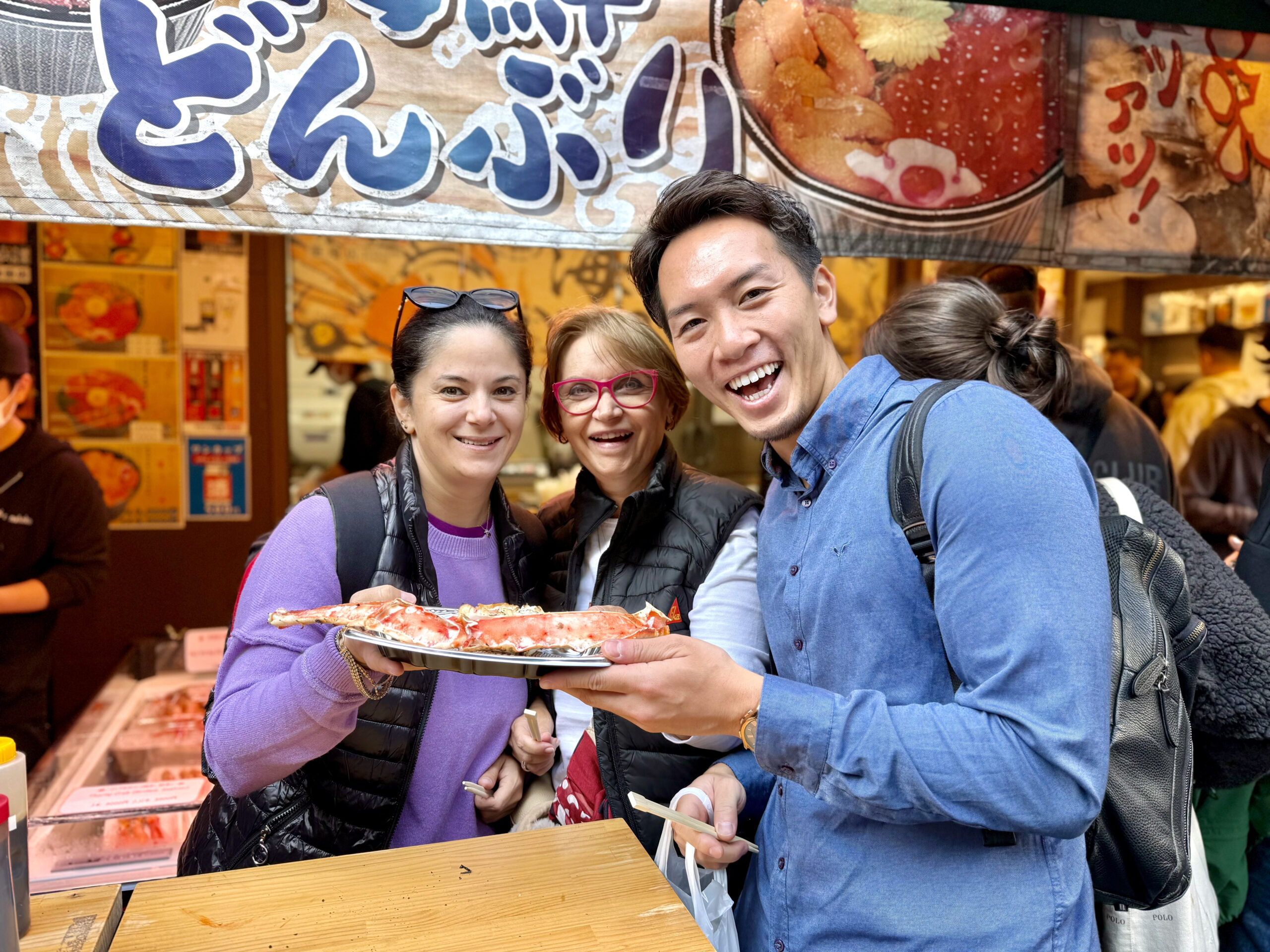
Self-guided works at Tsukiji — the market is compact, the food is visible, and the signage is increasingly English-friendly. The case for a guided tour is not access (you can find everything yourself) but context and conversation.
A guide who has a relationship with the tamagoyaki vendor explains the specific rice-to-egg ratio that particular shop uses. The knife shop becomes a 15-minute education in Japanese metallurgy rather than a purchase decision. The uni tasting comes with the context of which coast it’s from and why the current season matters. That context doesn’t change the taste of the food, but it changes how you experience it.
TJT’s Tsukiji tour runs in the morning, finishes with a proper breakfast at a market-adjacent restaurant, and includes the knife shops for anyone interested. The group is small — the market doesn’t accommodate large groups well.
Practical Tips and Timing
Cash is preferred at most stalls, though card acceptance has improved. Carry ¥3,000–5,000 for a thorough eating morning. Most stalls close by 2pm; some close earlier if they sell out. The market operates Tuesday through Sunday — it’s closed on most Mondays and Japanese holidays.
Tsukiji is accessible by Hibiya Line (Tsukiji Station, 1-minute walk) or a 10-minute walk from Shiodome or Ginza. The area around the market has limited parking and is more practical by public transit.
Frequently Asked Questions
Is the fish auction still at Tsukiji? No. The wholesale auction moved to Toyosu in 2018. The outer market — the retail and street food area — remains at Tsukiji and is still worth visiting.
What time should I arrive? Before 10am, ideally by 9am on weekdays. The freshest produce is out, the specialist stalls are running at full pace, and the crowds are manageable.
How much should I budget for Tsukiji? ¥2,000–3,500 for a thorough morning of eating — tamagoyaki, uni, grilled scallops, and a lunch of tuna rice. More if you’re buying kitchen equipment.
Related Tours
Conclusion
Tsukiji after the inner market move is not diminished — it’s clarified. What remains is a neighborhood that has been feeding Tokyo’s food professionals and curious visitors for a century, still doing it well, and still worth the early morning effort. The tamagoyaki, the uni, the grilled scallops, the knife shop — none of these require the auction to be good. Go early, eat slowly, and let the market do what it’s been doing for a hundred years.
Plan Your Japan Trip with Local Experts
Our team has guided 40,000+ travelers across Japan. Tell us about your trip and we’ll get back to you within 24 hours.