In this article:
- The Seasonal Transition
- Typhoon Preparedness
- Tsukimi: Moon Viewing
- Autumn’s First Harvest
- Quieter Temples and Late-Month Highlights
- Japan in September: Frequently Asked Questions
Introduction
September is two weeks of summer followed by two weeks of something better. Early September still runs to 30°C and feels like August; by the end of the month, evenings are cool enough for a jacket and the light has changed.
It is also peak typhoon season, and that is the honest risk of choosing this month. Storms are well forecast and Japan handles them competently, but a September itinerary needs slack in it.
What you get in exchange: the major sites at their quietest of the entire year, hotel rates well below October’s, and the first autumn food of the season arriving in restaurants.
The Seasonal Transition
The month divides clearly and it is worth knowing which half you are booking.
Temperatures
Tokyo and Kyoto average roughly 20°C to 28°C across the month, but the spread within it is large. The first week is effectively an extension of August; the last week is genuinely autumnal, with evening temperatures dropping into the high teens.
Humidity falls through the month, which changes the feel more than the temperature does. Late September is comfortable for full-day walking in a way that August is not.
Fewer Visitors
September sits between the summer holidays and the autumn foliage season, and international arrivals dip accordingly. Japanese school holidays have also ended.
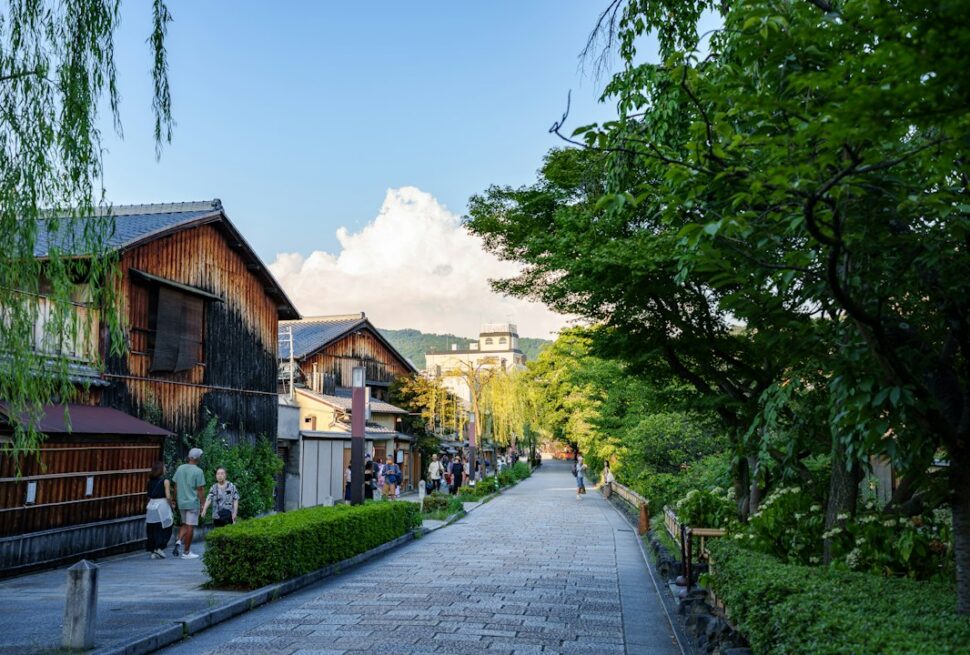
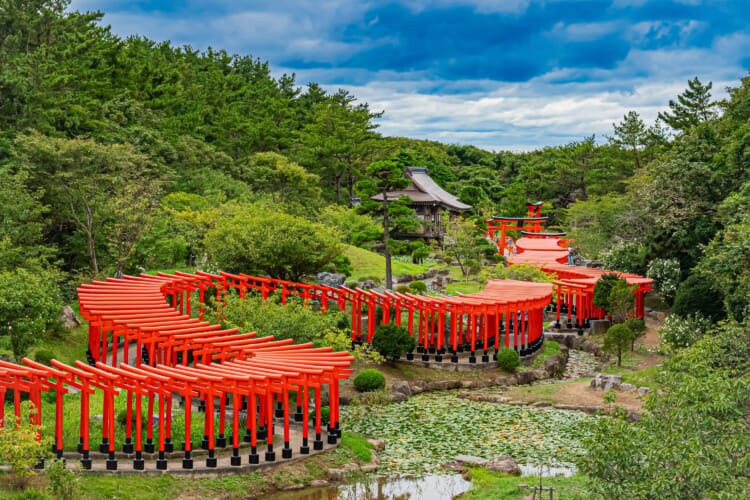
Fushimi Inari, Kiyomizu-dera, and the Tokyo landmarks all operate well below their peak volumes. Together with June, this is the quietest the famous sites get.
Silver Week
Two national holidays fall in late September — Respect for the Aged Day and the Autumnal Equinox. In years when they align with a weekend, they create a run of consecutive days off known informally as Silver Week.
It is a smaller effect than Golden Week or Obon, but domestic travel does rise and popular ryokan fill. Check the calendar for your specific year; the alignment varies considerably.
Expert Tip
Book the last ten days of September rather than the first ten if you have the choice. The temperature difference is around five degrees, the humidity difference is larger, typhoon frequency drops slightly, and the autumn food and hiyaoroshi sake have arrived. Prices do not differ meaningfully between the two halves.
Typhoon Preparedness
Typhoons are the reason September is cheap, and they are manageable with the right expectations.
What Actually Happens
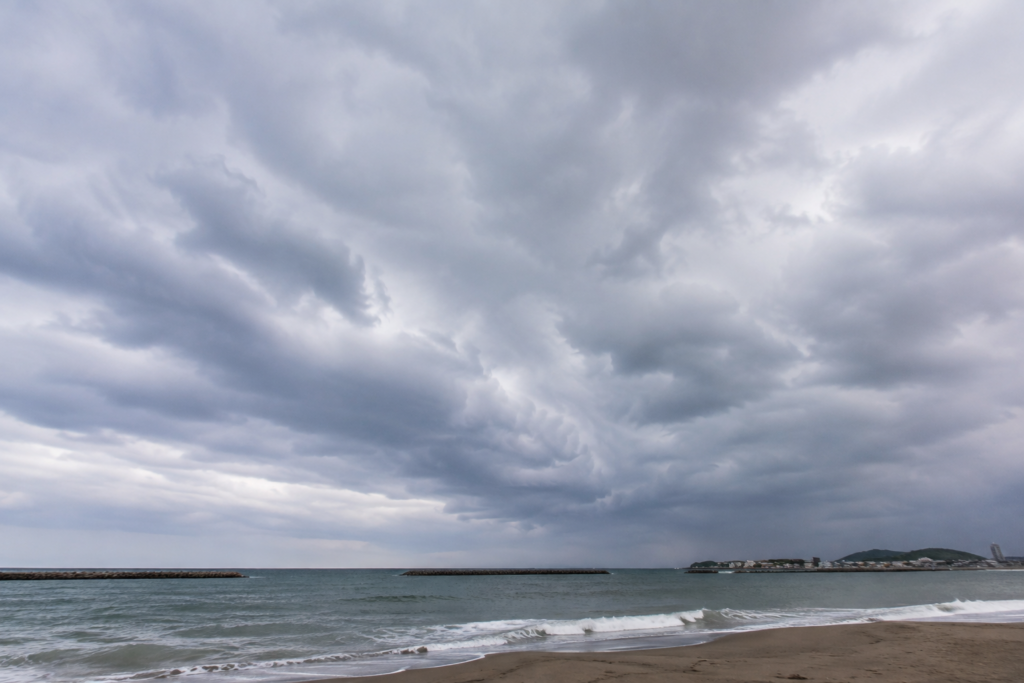
Typhoons approach from the south, usually affecting Okinawa and Kyushu first, then tracking along the archipelago. A direct hit brings heavy rain and strong wind for roughly 12 to 24 hours.
Most September trips are not affected at all. Those that are typically lose a day rather than a week — the disruption is sharp and short.
Transport Suspensions
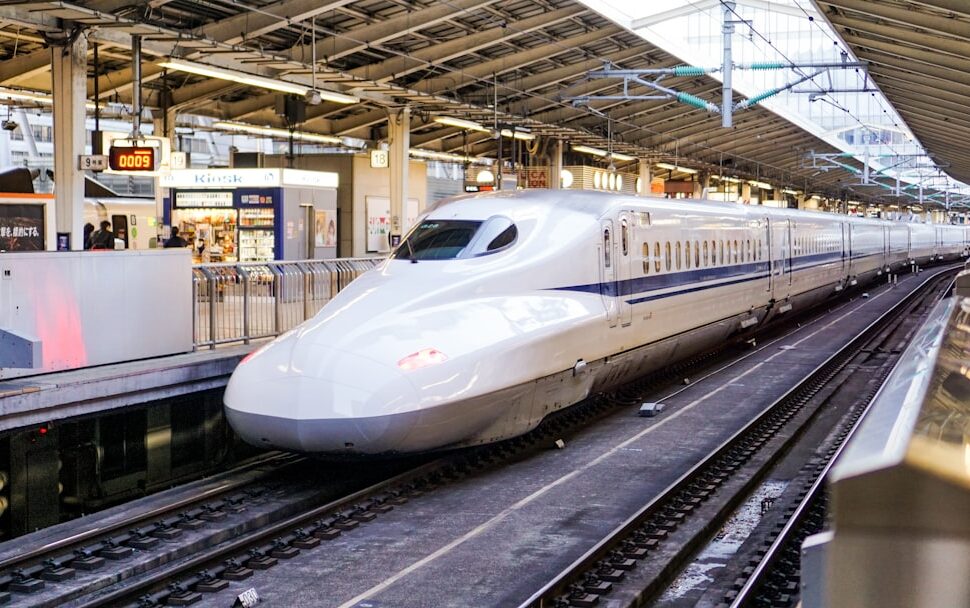
JR announces planned suspensions — keikaku unkyu — in advance, often a full day ahead, and shinkansen services stop entirely on affected sections. Airlines cancel proactively.
This predictability works in your favour. Check the JR East or JR Central site and the Japan Meteorological Agency each morning, and you will have warning rather than being stranded.
Planning Around It
Keep an indoor option for each day — a museum, an aquarium, a department store district — so a wet day costs you a plan rather than a day.
More importantly, do not schedule your international departure for the day after a long domestic journey. A spare day before flying home is the single most useful piece of September insurance. Travel insurance covering weather disruption is worth having this month specifically.
Tsukimi: Moon Viewing
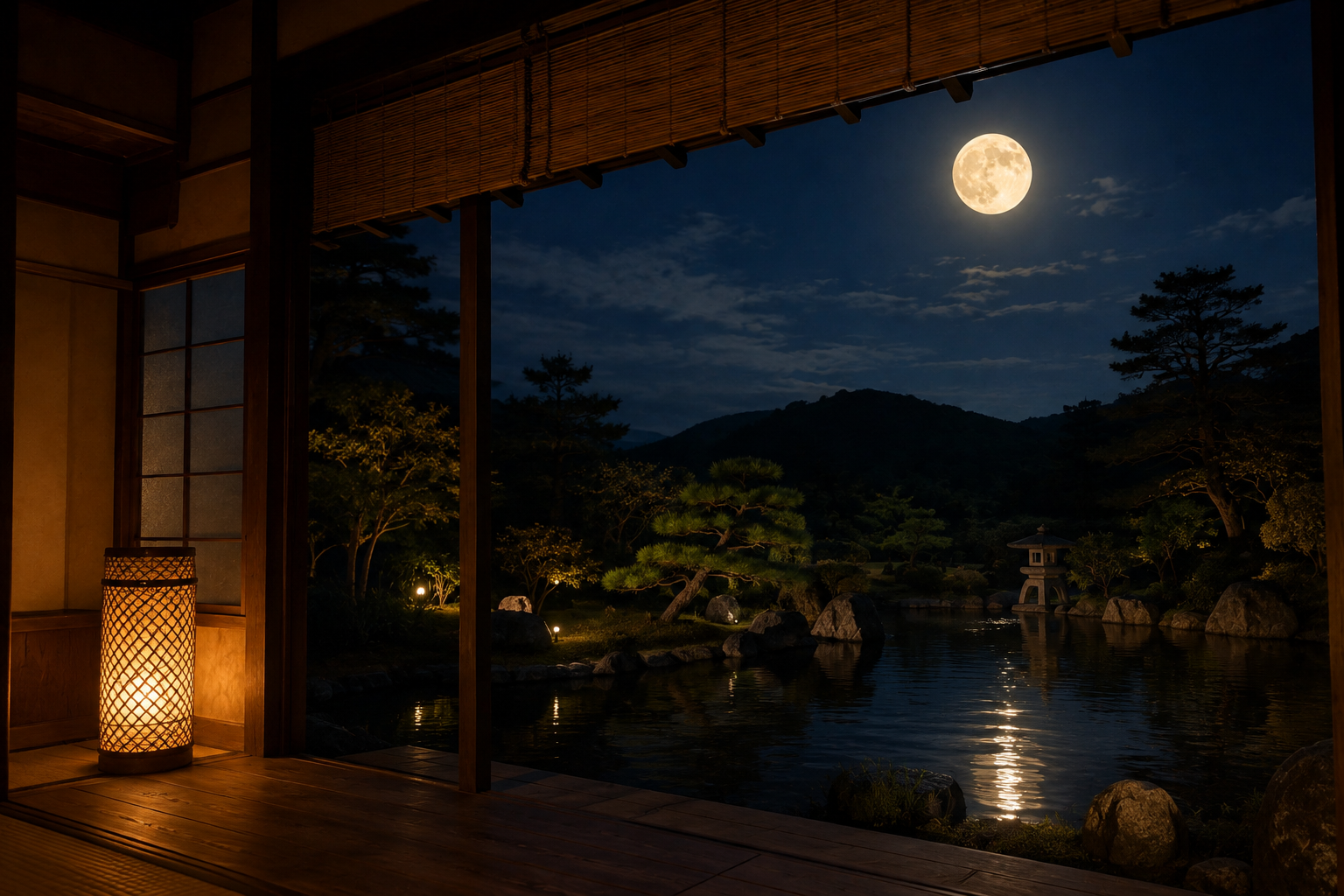
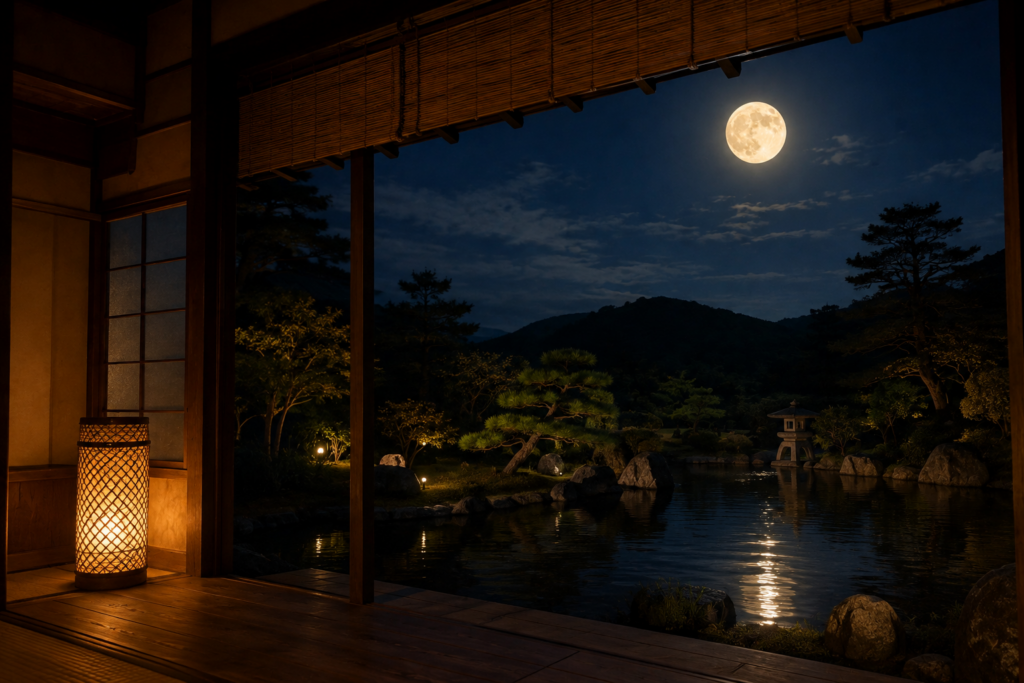
The autumn moon festival is one of the quieter Japanese traditions and it falls in September most years.
The Tradition
Tsukimi honours the harvest moon, on the fifteenth night of the eighth lunar month — which lands in mid-September or early October depending on the year.
Temples and gardens hold viewing events with music and tea. Several in Kyoto, including Daikaku-ji, hold boat-borne moon-viewing on their ponds, which is close to unchanged since the Heian period.
Tsukimi Dango
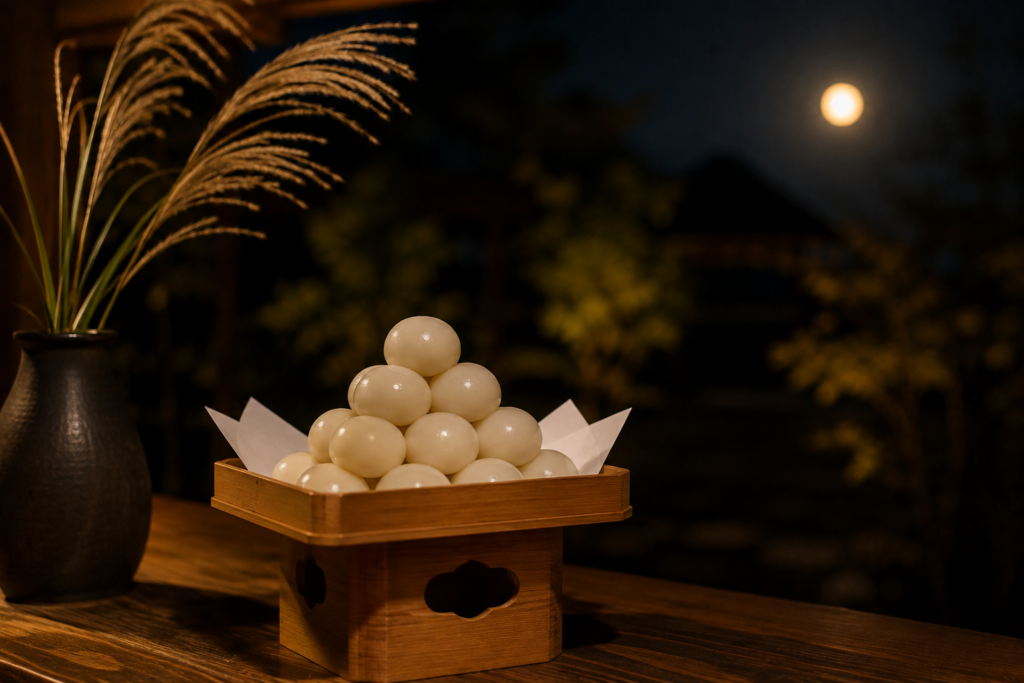
The offering is a pyramid of plain white rice dumplings, usually fifteen, displayed with susuki pampas grass on a small stand.
They are barely sweet and eaten with the moon in view. Confectioners and supermarkets sell them in the days around the festival.
The Fast Food Version
Every major Japanese fast food chain runs a tsukimi promotion each autumn, built around a fried egg standing in for the full moon. McDonald’s Tsukimi Burger has run annually since 1991.
It is a genuine cultural fixture rather than a marketing curiosity, and Japanese people wait for it. Trying one during the promotion window is a low-effort way to participate in the season.
Autumn’s First Harvest
September is when Japanese menus change, and the shift is noticeable within days.
Sanma
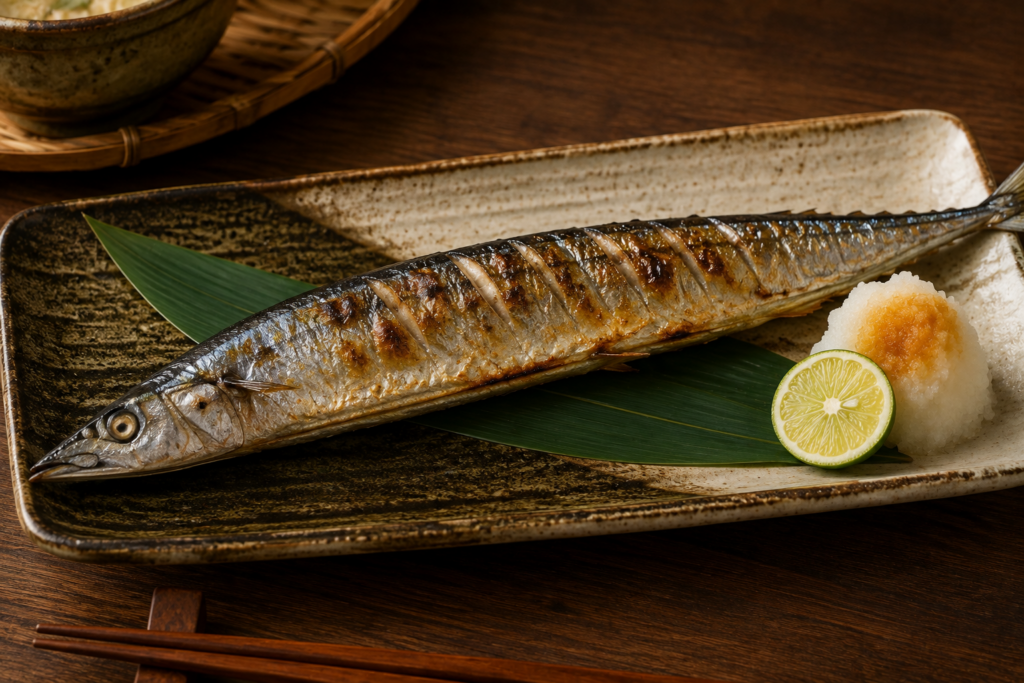
Sanma — Pacific saury — is the definitive autumn fish, grilled whole with salt and served with grated daikon and soy. The skin blisters, the flesh is oily, and the bitter guts are eaten too.
Catches have declined sharply in recent years and prices have risen accordingly, which has made it something of a seasonal event rather than the cheap staple it once was.
Chestnuts and Grapes
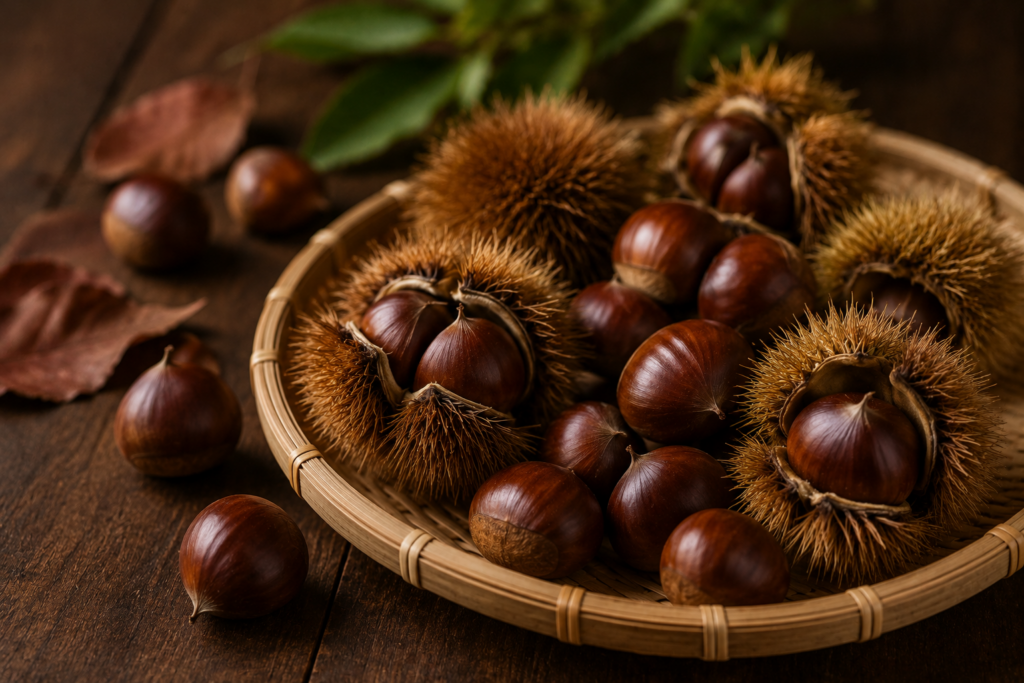
Kuri — chestnuts — appear in everything from rice to confectionery to Mont Blanc pastries, which the Japanese take extremely seriously.
Kyoho grapes, large and deep purple with a thick slip skin, peak in September, as do Shine Muscat, which are seedless, edible-skinned, and command remarkable prices as gifts.
Hiyaoroshi Sake
Hiyaoroshi is sake brewed the previous winter, pasteurised once, matured over the summer, and released in autumn without a second pasteurisation.
It is rounder and softer than the same brewery’s spring release, and it appears from early September. It is a genuinely seasonal product and pairs directly with the autumn food above.
Quieter Temples and Late-Month Highlights
Three things make the back half of September particularly good.
Space at the Major Sites
Fushimi Inari, Senso-ji, and the Arashiyama grove all run well below capacity in September. The contrast with November, when the same sites are at their annual peak, is stark.
For anyone whose priority is seeing the famous places properly rather than seeing autumn colour, September is a better month than October or November.
Red Spider Lilies
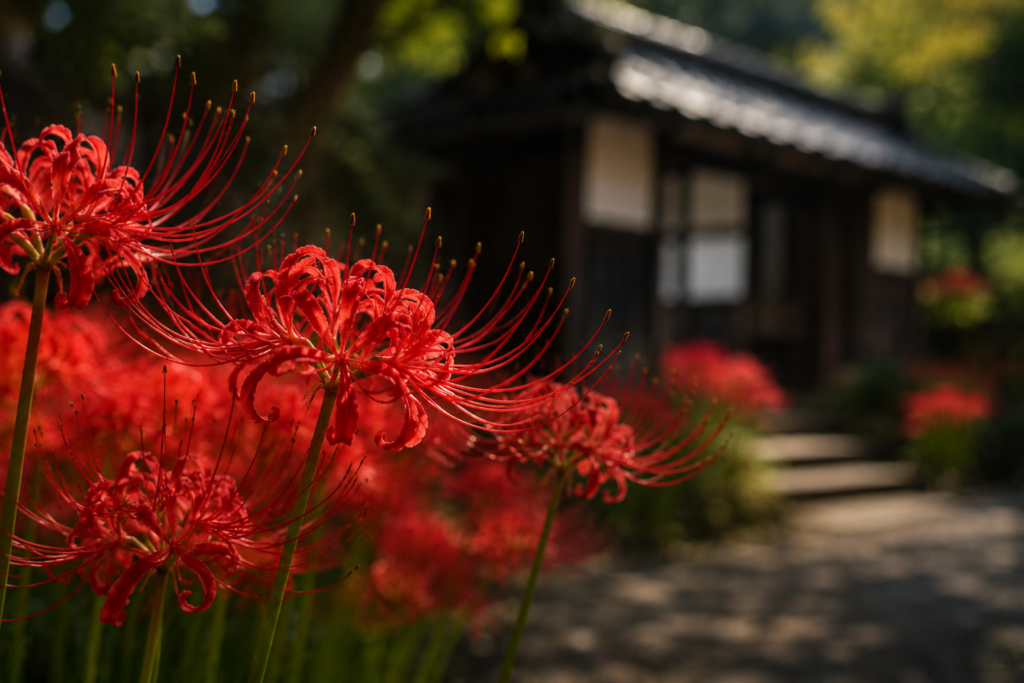
Higanbana — red spider lilies — bloom around the autumn equinox, producing fields of vivid red flowers on bare stems. Kinchakuda in Saitama has roughly five million in a river bend.
They are associated with the equinox and with graveyards, and the bloom lasts about a week. It is the first distinctly autumn landscape of the year.
Autumn Sumo
The Aki Basho runs fifteen days in September at the Ryogoku Kokugikan in Tokyo, the last of the three annual Tokyo tournaments.
Tickets open about a month ahead. September’s tournament is generally easier to get into than the January or May Tokyo tournaments.
Expert Tip
Autumn foliage does start in September, but only at altitude and latitude. Daisetsuzan in Hokkaido typically turns from mid-September, making it the first koyo in the country by several weeks. Anyone whose dates cannot stretch into November can still see genuine autumn colour by going north and high.
Japan in September: Frequently Asked Questions
How badly do typhoons disrupt travel? Most trips are unaffected. When a typhoon does land, expect roughly a day of suspended trains and cancelled flights on the affected route, announced in advance. Keep a spare day before any international departure and check the JMA forecast each morning.
Can I see autumn leaves in late September? In Hokkaido, yes — Daisetsuzan turns from mid-September and is the earliest koyo in Japan. On Honshu, high-altitude areas such as the Tateyama route begin late in the month. Kyoto and Tokyo do not turn until November.
What should I pack? Summer clothing for the first half, plus a light jacket or long sleeves for late-month evenings. A compact umbrella and a rain layer are essential given the typhoon risk. Comfortable walking shoes that handle wet pavement matter more than usual.
Related Tours
Conclusion
Book the second half of the month and leave a spare day at the end. That combination handles both of September’s weaknesses — the lingering heat and the typhoon risk — and leaves you with the quietest famous sites of the year.
It is the month we recommend to people who want to see Kyoto rather than to see Kyoto in autumn. Those are different trips, and September is unambiguously better for the first one.
Plan Your Japan Trip with Local Experts
Our team has guided 40,000+ travelers across Japan. Tell us about your trip and we’ll get back to you within 24 hours.