In this article:
- Japan’s Mandatory Allergen Labelling
- Allergy Cards and Communication
- Soba, Shellfish, and Nuts
- Chains and Restaurants That Can Help
- Emergency Planning
- Food Allergies in Japan: Frequently Asked Questions
Introduction
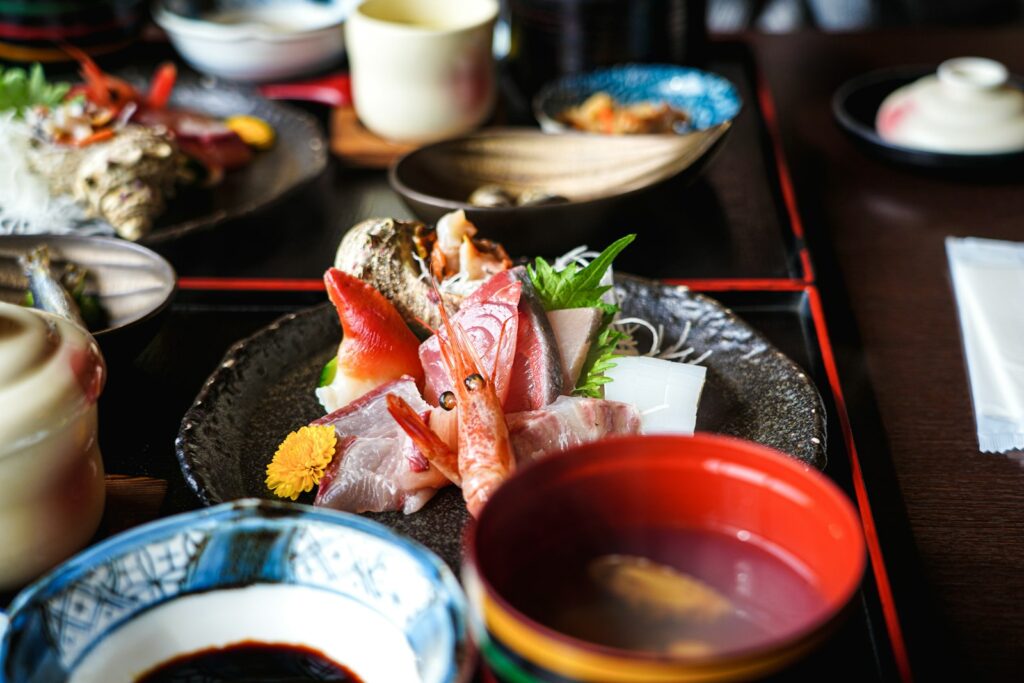
Japan is an unusual case for allergy travel. Packaged food is exceptionally well labelled — allergen declaration is a legal requirement with defined categories — while restaurant culture has limited experience of accommodating dietary requirements, and the concept of cross-contamination is not widely understood.
The practical consequence is a reversal of what most travelers expect. Supermarkets and convenience stores are the safe ground; small specialist restaurants, where the food is best, are the difficult ground.
None of this makes Japan unsafe for allergic travelers. It makes it a country where the preparation you do before arriving matters more than the questions you ask once you are there.
Japan’s Mandatory Allergen Labelling
The labelling system is genuinely good and it is worth understanding before you shop.
The Mandatory Allergens
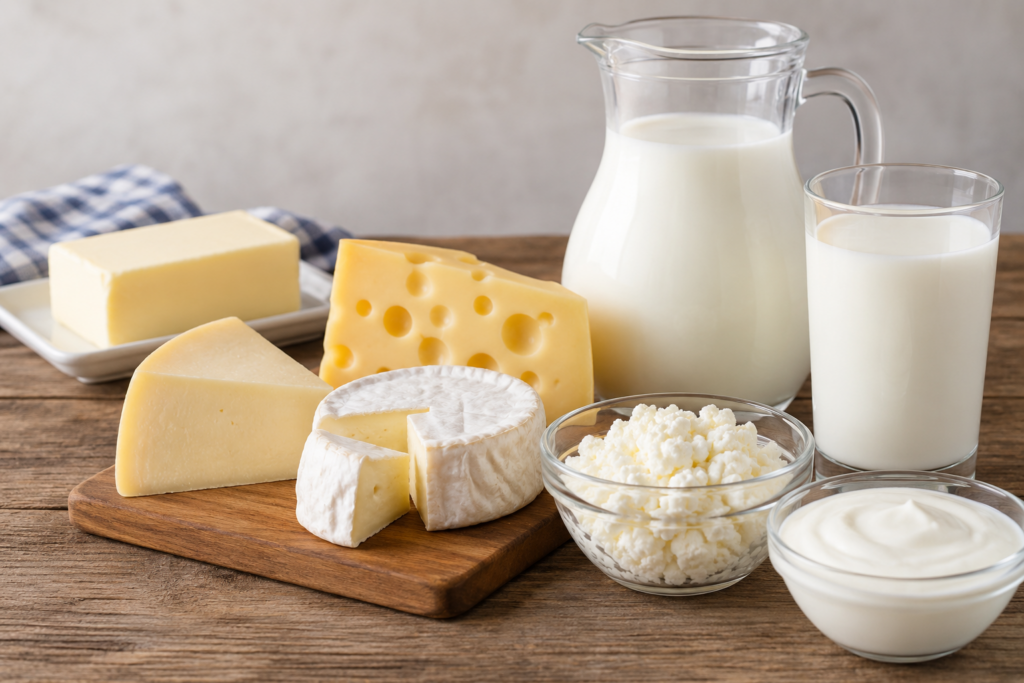
Japanese law requires declaration of a defined set of specified ingredients on packaged food. The long-standing core group covers egg, milk, wheat, buckwheat, peanut, shrimp, and crab. Walnut was added to the mandatory list in a recent revision, so current packaging may show eight rather than seven.
These must be declared even in trace quantities. This is a legal obligation rather than a voluntary practice, which makes packaged food substantially more reliable in Japan than in many countries.
The Recommended List
A second, larger group is recommended rather than mandatory, covering around twenty additional ingredients including soy, sesame, pork, beef, chicken, salmon, mackerel, squid, gelatin, and several fruits.
Most major manufacturers declare these voluntarily. Smaller producers and prepared foods in bakeries or delis may not, so treat the recommended list as usually-present rather than guaranteed.
Reading the Panel
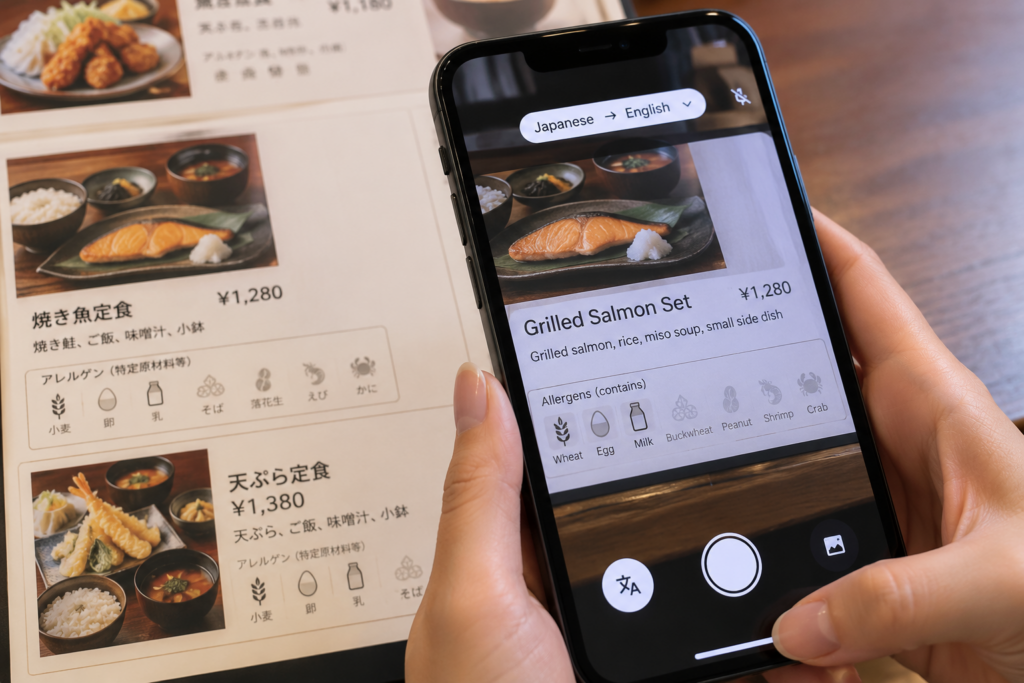
Allergens appear either within the ingredients list in brackets, or in a separate bordered panel at the end, often laid out as a grid with the relevant items marked.
A phone camera translation app handles this adequately. If your allergen is one of the mandatory group, learning to recognise its characters directly is faster and less prone to translation error — worth doing before you travel.
Expert Tip
Because the mandatory allergens must be declared even in traces, Japanese packaged food carries statements equivalent to “produced on shared equipment” as a formal declaration rather than a defensive footnote. This means a product without your allergen listed is genuinely more likely to be safe than the equivalent in countries where trace warnings are blanket-applied to everything.
Allergy Cards and Communication
Restaurants are where preparation pays off.
Printed Cards
A laminated card in Japanese, naming your specific allergen and stating that the reaction is severe, is the single most important item to carry. Several allergy organisations publish free printable Japanese versions, and translation services will produce custom ones.
Name the allergen specifically. A general statement about allergies is far less effective than a card that says, for example, that you cannot eat shrimp or crab in any quantity, including in stock.
Explaining Cross-Contamination
This is the concept most likely to be missing. A kitchen may correctly leave your allergen out of the dish and still cook it in the same oil or on the same surface.
Include an explicit line on your card about shared fryers, grills, pans, and utensils. Without it, staff will address the recipe and not the process, and will do so in complete good faith.
Key Phrases
Watashi wa [allergen] no arerugi ga arimasu — I have a [allergen] allergy. [Allergen] wa haitte imasu ka — does this contain [allergen].
The word arerugi is understood universally and taken seriously. Framing the issue as an allergy rather than a preference makes a substantial difference to how it is handled.
Soba, Shellfish, and Nuts
Three allergen groups behave differently in Japan than travelers expect.
Buckwheat
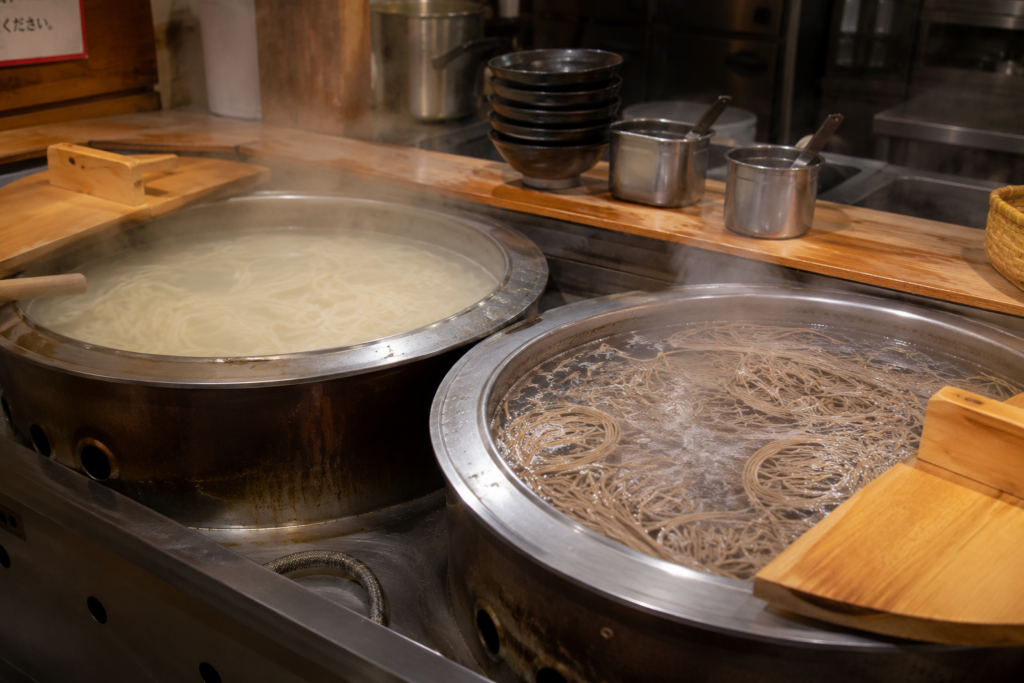
Soba allergy is taken extremely seriously in Japan — it is one of the mandatory allergens precisely because severe reactions are relatively common in the Japanese population.
The hazard extends beyond eating it. Soba shops have airborne buckwheat flour from noodle-making, and soba and udon are frequently boiled in the same water. Travelers with severe buckwheat allergy should avoid soba restaurants entirely rather than trying to order around the menu. Soba tea and soba-flour confectionery also exist.
Shellfish and Fish
Shrimp and crab are mandatory allergens and well declared on packaging. The difficulty is in restaurant cooking, where shrimp and crab extracts appear in broths, sauces, and seasonings without being visible.
Dashi is fish-based, and some stocks incorporate dried shrimp. Anyone with a fish or shellfish allergy needs to ask about dashi specifically, in the same way vegetarians do.
Nuts
Peanut oil is rarely used in Japanese cooking, and tree nuts appear far less often in savoury dishes than in Western or Southeast Asian cuisines. Traditional Japanese food is comparatively low-risk for nut allergies.
Confectionery, bakery items, and Chinese-influenced dishes are the exceptions. Peanut and walnut are both on the mandatory list, so packaged products are reliably labelled.
Chains and Restaurants That Can Help
Where a small specialist restaurant cannot help, large operators often can.
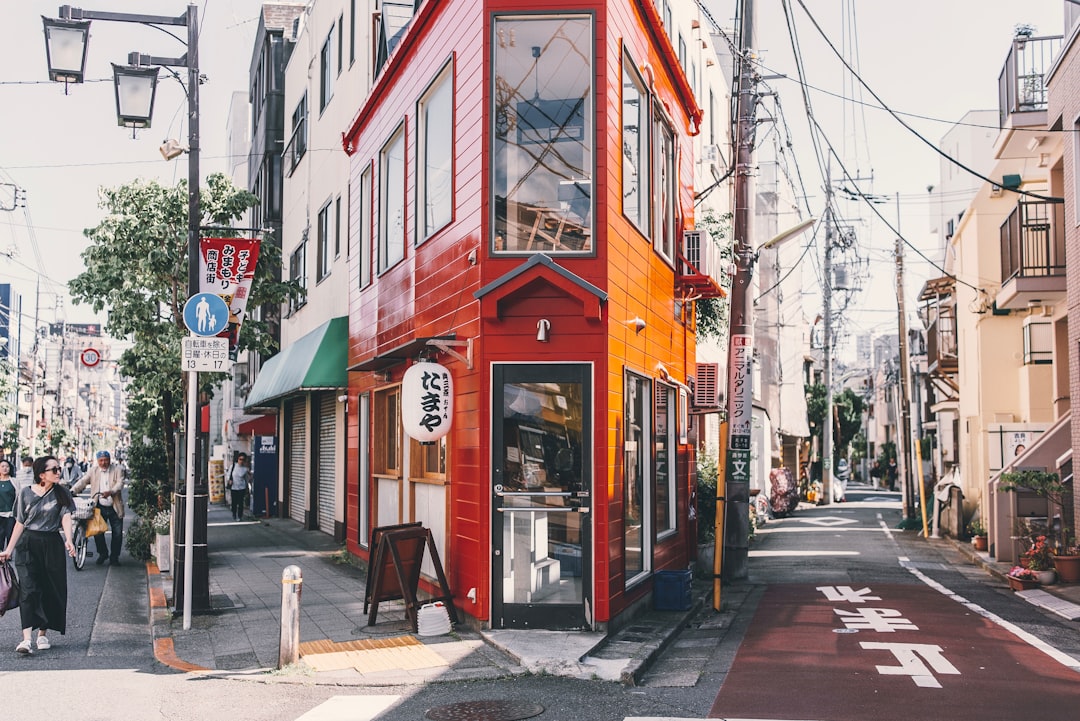
Family Restaurants
Famiresu chains — Gusto, Saizeriya, Jonathan’s, Denny’s Japan — publish allergen matrices covering every menu item, usually available in-store and online.
They are not exciting food, and they are the most reliable sit-down option in Japan for a severe allergy. Many now provide the allergen chart on a tablet at the table.
Theme Parks
Tokyo Disney Resort and Universal Studios Japan both operate structured allergen programmes, with low-allergen meal options and published ingredient information.
Tokyo Disney permits guests with allergies to bring their own food, subject to their stated conditions. Check the current policy on the official site before your visit.
Ordering Simply
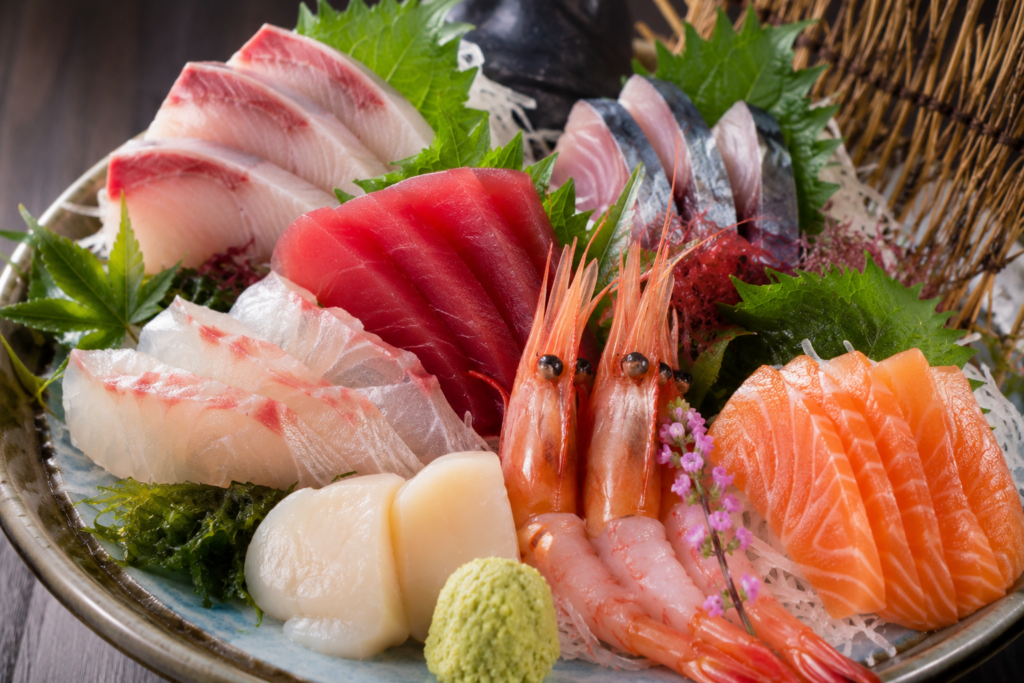
Where the kitchen cannot work around an allergen, simple preparations often can. Plain grilled fish or meat with salt, steamed rice, sashimi, and plain vegetables are widely available and involve few ingredients.
Yakitori ordered shio rather than tare, plain onigiri, and sashimi sets are the practical fallbacks in an ordinary restaurant.
Emergency Planning
Worth arranging before you fly rather than looking up on arrival.
Bringing Adrenaline Auto-Injectors
Personal-use adrenaline auto-injectors are permitted into Japan. Carry them in original labelled packaging with a copy of the prescription and a doctor’s letter.
Japan applies strict rules to certain medications, and quantities beyond personal use may require a Yakkan Shoumei import certificate. Check the Ministry of Health, Labour and Welfare guidance for your specific medications well before departure, as the requirements are unusual by international standards.
Emergency Numbers
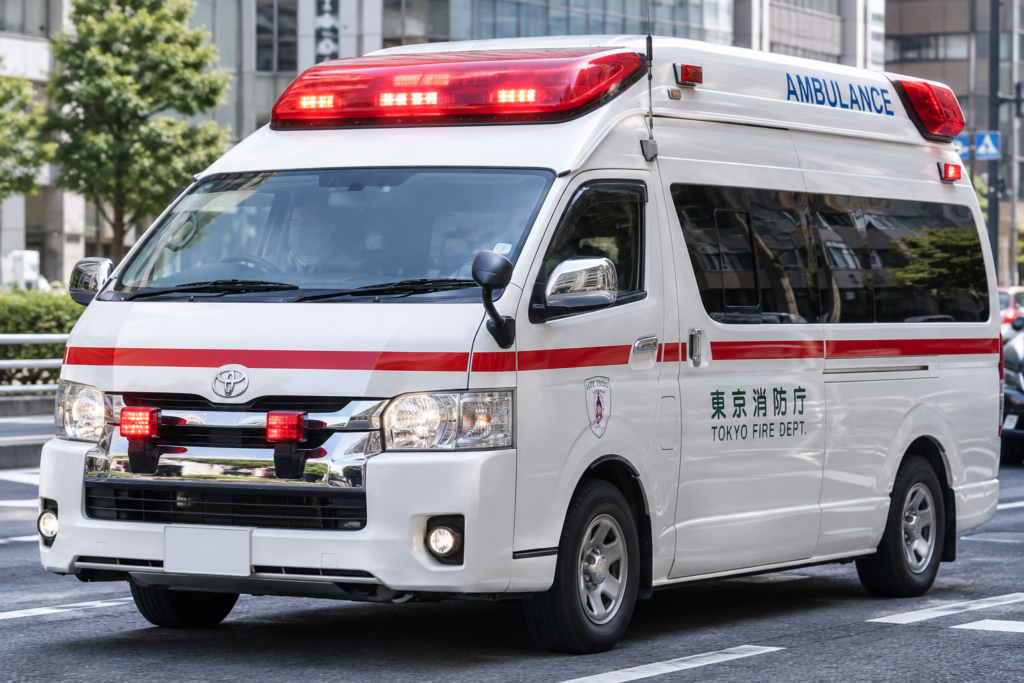
Dial 119 for an ambulance and fire services. Ambulances are free of charge in Japan. Say “kyukyusha” — ambulance — and give your location.
English support varies by region; Tokyo and major cities have translation available on emergency lines. The Japan Visitor Hotline, operated by the national tourism organisation, runs 24 hours with English, Chinese, and Korean support and can assist with medical situations.
Finding Care
The Japan National Tourism Organization maintains a searchable directory of medical institutions with foreign-language capability, filterable by area, language, and specialism.
Save the relevant entries for the cities on your itinerary before you travel. Do not rely on finding this information during an emergency.
Expert Tip
Convenience stores are the most reliable food source in Japan for a severe allergy, because everything is packaged and legally labelled. Learning to read the allergen panel for your specific allergen turns every konbini in the country — and there are around 55,000 of them — into a safe meal. That is a stronger safety net than exists in most travel destinations.
Food Allergies in Japan: Frequently Asked Questions
How common are peanut allergies, and is peanut oil used? Peanut allergy is less prevalent in Japan than in Western countries, and peanut oil is rarely used in Japanese cooking — rapeseed, soybean, and sesame oils are standard. Traditional Japanese food is comparatively low-risk. Bakery items, confectionery, and Chinese-style dishes are the exceptions.
Will chefs modify a multi-course meal for a severe allergy? Higher-end restaurants and ryokan generally will, with advance notice — typically at least a week for a kaiseki dinner, which is planned and provisioned ahead. Small specialist restaurants often cannot, and will say so. Give notice at booking rather than on arrival.
Where do I get reliable Japanese allergy cards? Several allergy charities and travel services publish free printable Japanese-language cards, and paid translation services produce custom laminated versions. Prepare these before you fly. Name the specific allergen and include a line about shared cooking equipment.
Related Tours
Conclusion
Do the preparation before you fly: a Japanese card naming your allergen and mentioning shared equipment, your medication with documentation, and the characters for your allergen memorised.
With those three things Japan is a straightforward country to travel in with an allergy. The labelling law does most of the work for you, and the convenience store network means a safe meal is never more than a few minutes away.
Plan Your Japan Trip with Local Experts
Our team has guided 40,000+ travelers across Japan. Tell us about your trip and we’ll get back to you within 24 hours.