In this article:
- The Pinnacle: Legendary Ginza Omakase Counters
- Fresh Market Legends: Toyosu and Tsukiji
- High-Quality Casual: Conveyor-Belt Sushi
- Sushi Etiquette for International Diners
- Understanding Pricing and Menus
- Tokyo Sushi Dining: Frequently Asked Questions
The Pinnacle: Legendary Ginza Omakase Counters
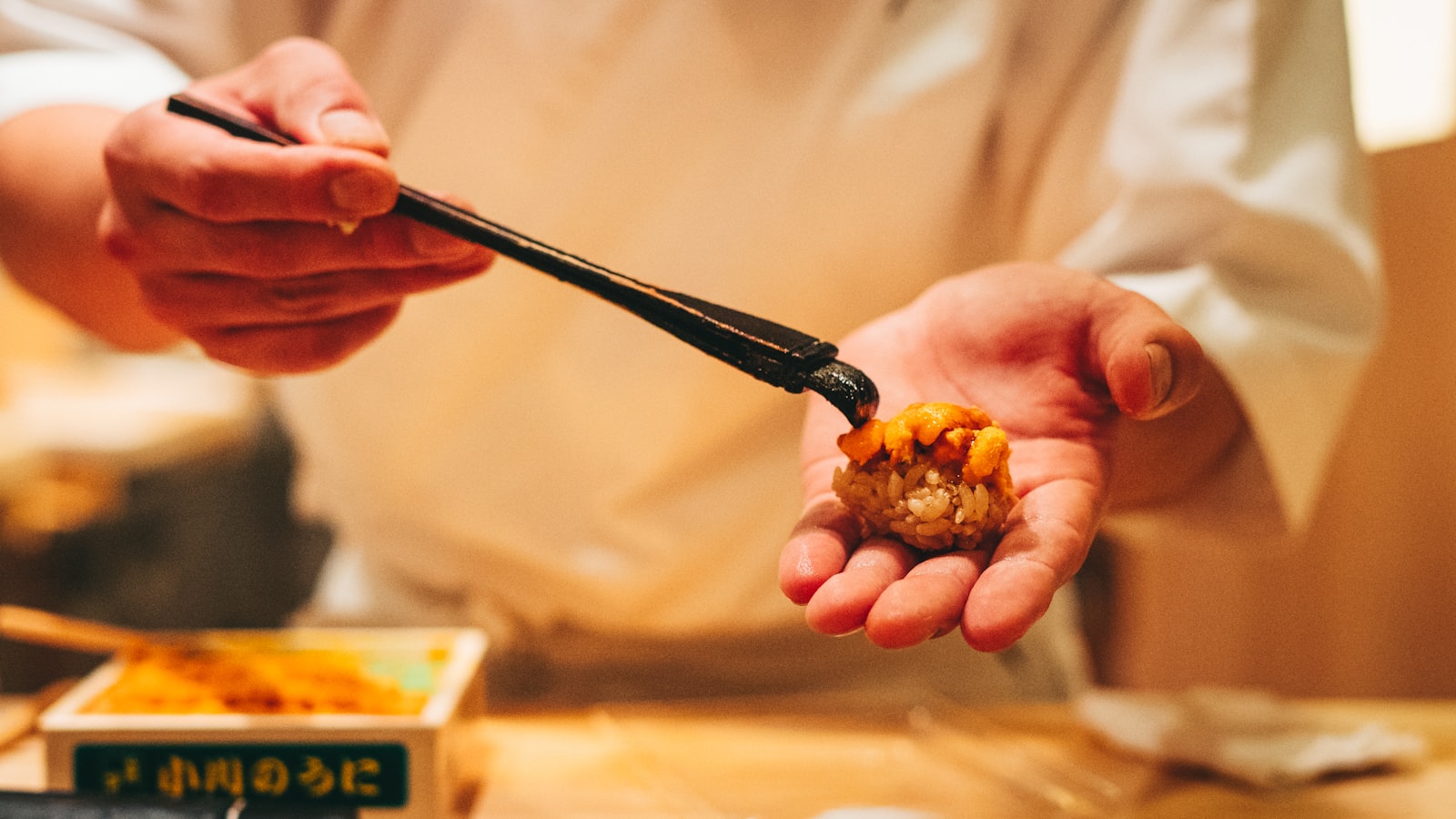
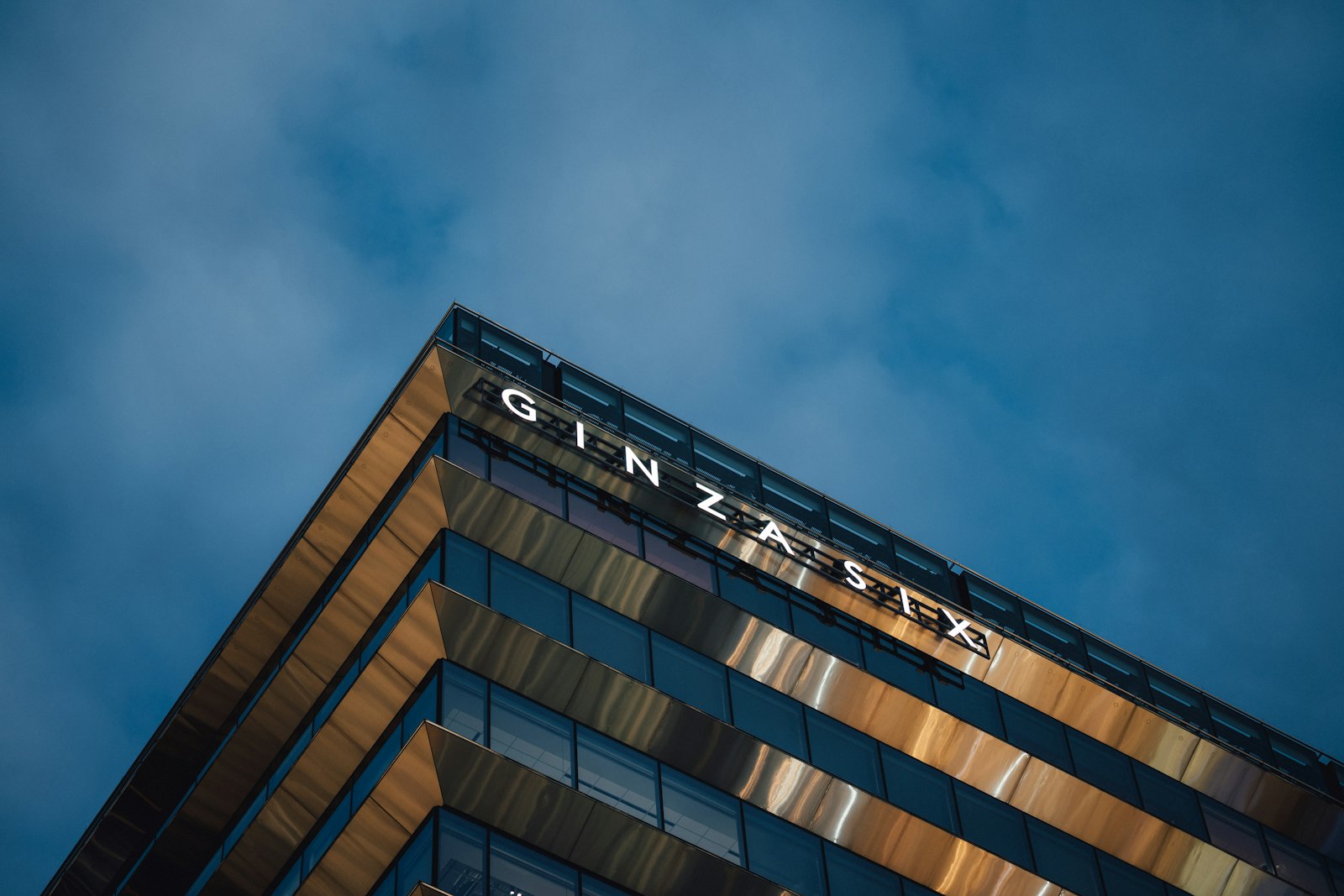
At the top of Tokyo’s sushi world sit a handful of small counters, most in and around Ginza, where a master chef serves you piece by piece across an hour or two. These are among the finest dining experiences on earth, and also the hardest to book. Understanding how they work is the first step to eating at one.
What to Expect at the Top Counters
The elite counters seat perhaps eight to ten guests at a single blond-wood bar, where the chef works in near silence, placing each piece before you to eat immediately with your fingers. There is no menu — you eat what the chef judges best that day, in sequence. The rooms are small, the pace deliberate, and the focus total. It is closer to a performance than a meal, and the price reflects it.
The Edomae Tradition
Tokyo sushi is Edomae — the old Edo style, developed before refrigeration, in which fish is not merely served raw and fresh but treated: aged for depth, cured, marinated, or gently cooked to bring out flavour. The rice, shari, is seasoned with red vinegar and served at body temperature, a deliberate counterpoint to the cool fish. The best chefs treat rice with as much care as the fish itself, and it is often what separates the great counters from the merely good.
Securing a Seat
The top counters book out months ahead, and many will not take a reservation from a stranger at all. The realistic routes for a visitor are the concierge of a luxury hotel, or booking platforms built for this — Omakase and Pocket Concierge among them — which handle reservations for foreign diners in English. Start early, be flexible on date, and consider the lunch seating, which is easier to get and far cheaper.
Fresh Market Legends: Toyosu and Tsukiji
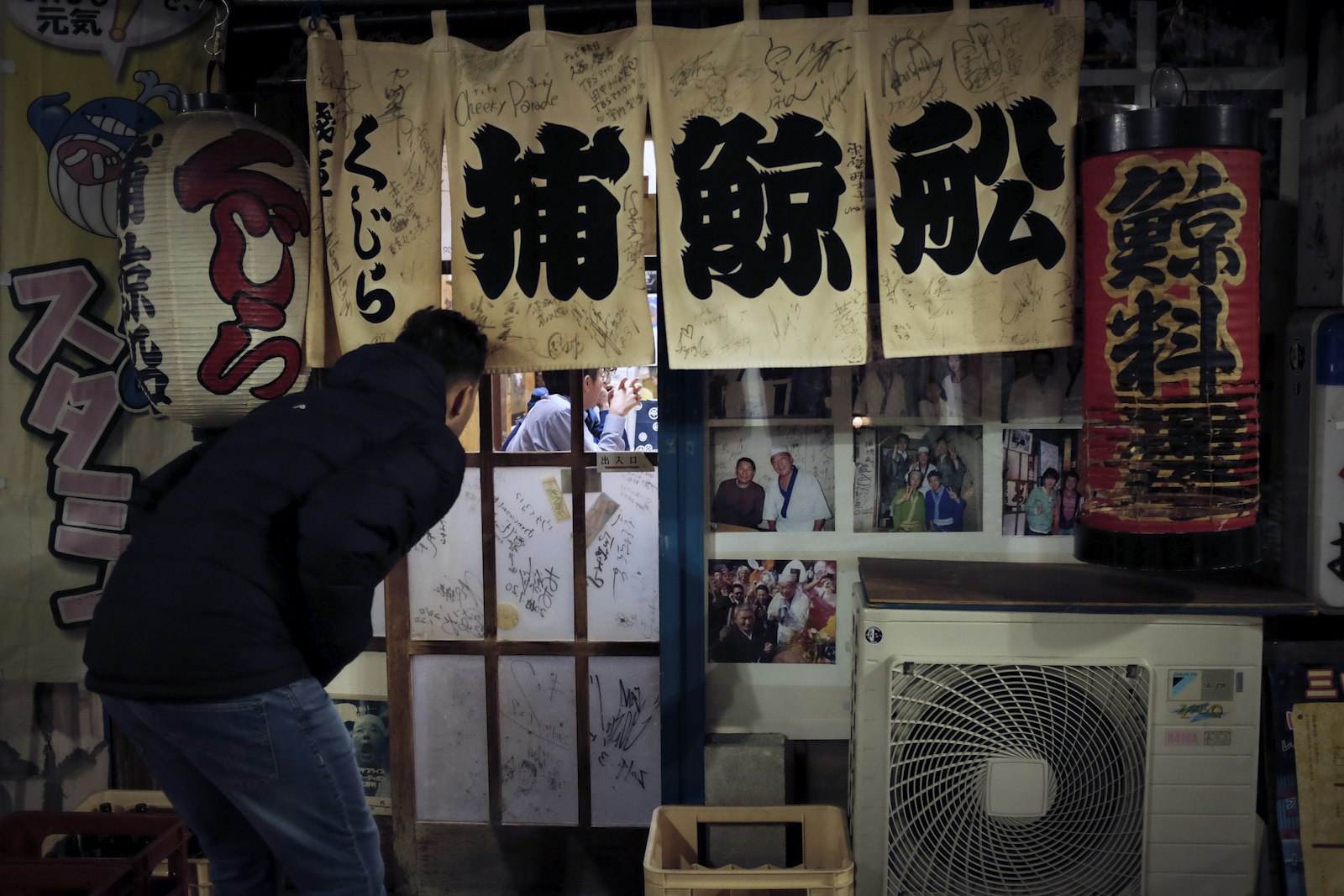
For a fraction of the price and a completely different energy, Tokyo’s fish markets serve sushi at its freshest, straight from where the city’s restaurants buy their fish.
Toyosu Market at Dawn
Toyosu, the vast wholesale market that replaced the old Tsukiji inner market, is where Tokyo’s tuna is auctioned before dawn — and where a cluster of small sushi restaurants serves the day’s catch to anyone willing to queue early. Places like Sushi Dai and Daiwa Sushi have lines that form before sunrise, and the reward is impeccable sushi at market prices in a plain counter setting. Go at opening, expect to wait, and bring cash.
The Tsukiji Outer Market
The wholesale market moved, but Tsukiji’s outer market of stalls, knife shops, and small eateries lives on, and it is the more relaxed, more accessible option. Here you can graze — standing sushi bars, skewers of grilled seafood, tamago sold hot off the pan, and generous bowls of uni. It is less about a single famous restaurant and more about wandering and eating as you go. Mid-morning is the sweet spot.
High-Quality Casual: Conveyor-Belt Sushi
Between the market stalls and the master counters sits a whole middle tier of excellent, affordable sushi — and Tokyo’s conveyor-belt restaurants are far better than the format’s reputation abroad suggests.
Where Kaitenzushi Shines
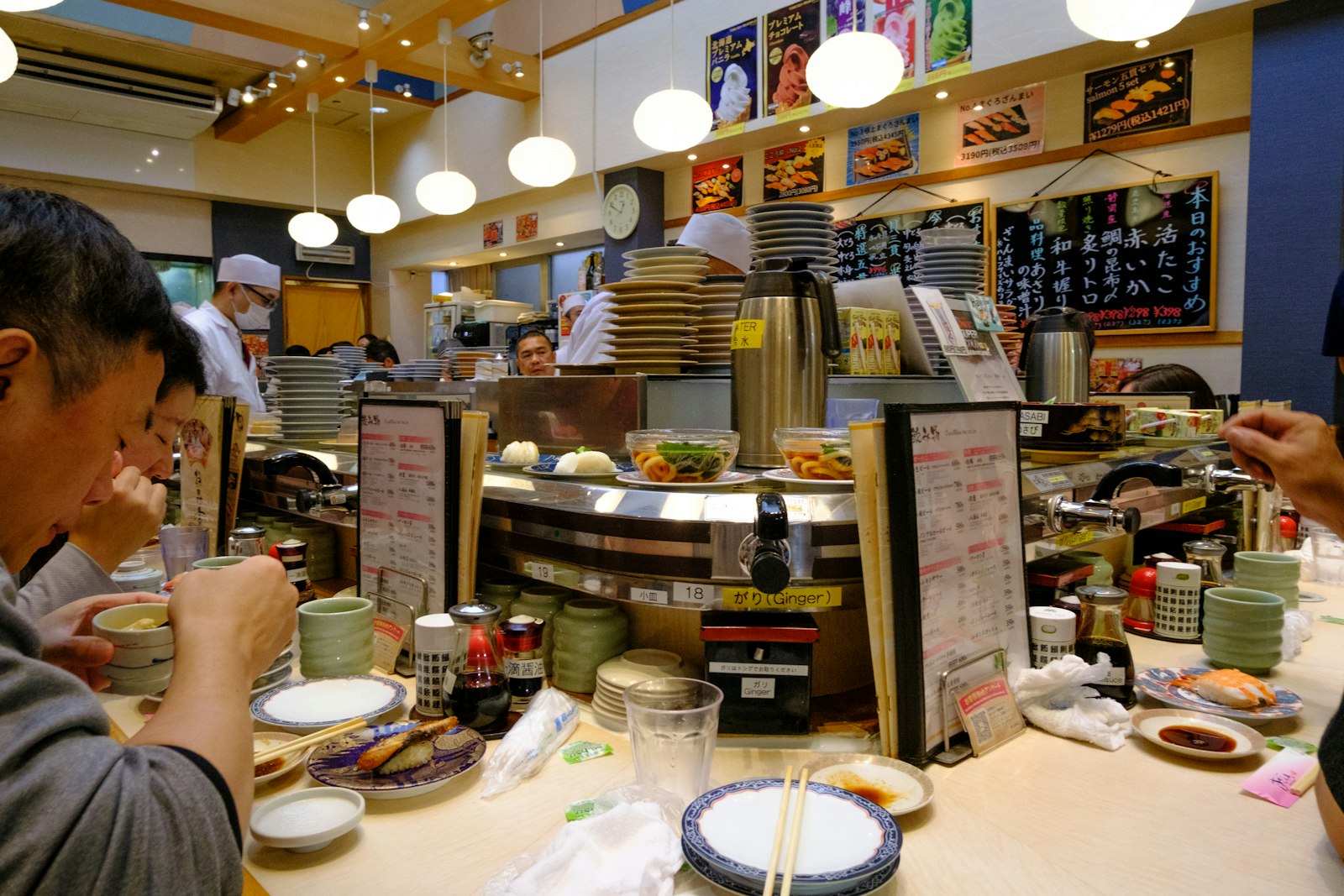
Good kaitenzushi in Tokyo is a genuine pleasure, not a compromise. At the better chains you order fresh-made pieces from a screen rather than only taking from the belt, and quality can be surprisingly high for the price — Sushi no Midori is a perennial favourite for this. It is the ideal way to eat well on a budget, to feed a family, or simply to try many kinds without committing to an expensive tasting. Expect a wait at the popular branches.
Sushi Etiquette for International Diners
Sushi etiquette is simpler than nervous first-timers fear, but a few points genuinely matter, especially at the higher-end counters. Get these right and you will be treated as a welcome guest.
Eating the Sushi
Eat each piece in one bite, and do so promptly — nigiri is built to be eaten the moment it is served, before the rice cools and loosens. Using your fingers is entirely acceptable, arguably preferred, for nigiri. And skip strong perfume or aftershave at a good counter; it competes with the delicate aromas the chef is working to present.
The Soy Sauce Rule
The one mistake to avoid is drowning your sushi in soy sauce. Dip the fish side lightly, never the rice — soaked rice falls apart and overwhelms the seasoning the chef has already balanced. At the top counters, pieces often come already brushed with sauce or seasoned, and you are meant to eat them as served, with no dipping at all. When in doubt, follow the chef’s cue.
Understanding Pricing and Menus
Sushi in Tokyo spans an enormous price range, and knowing how the pricing works helps you choose the right experience for your budget without nasty surprises.
Omakase vs. Ordering À la Carte
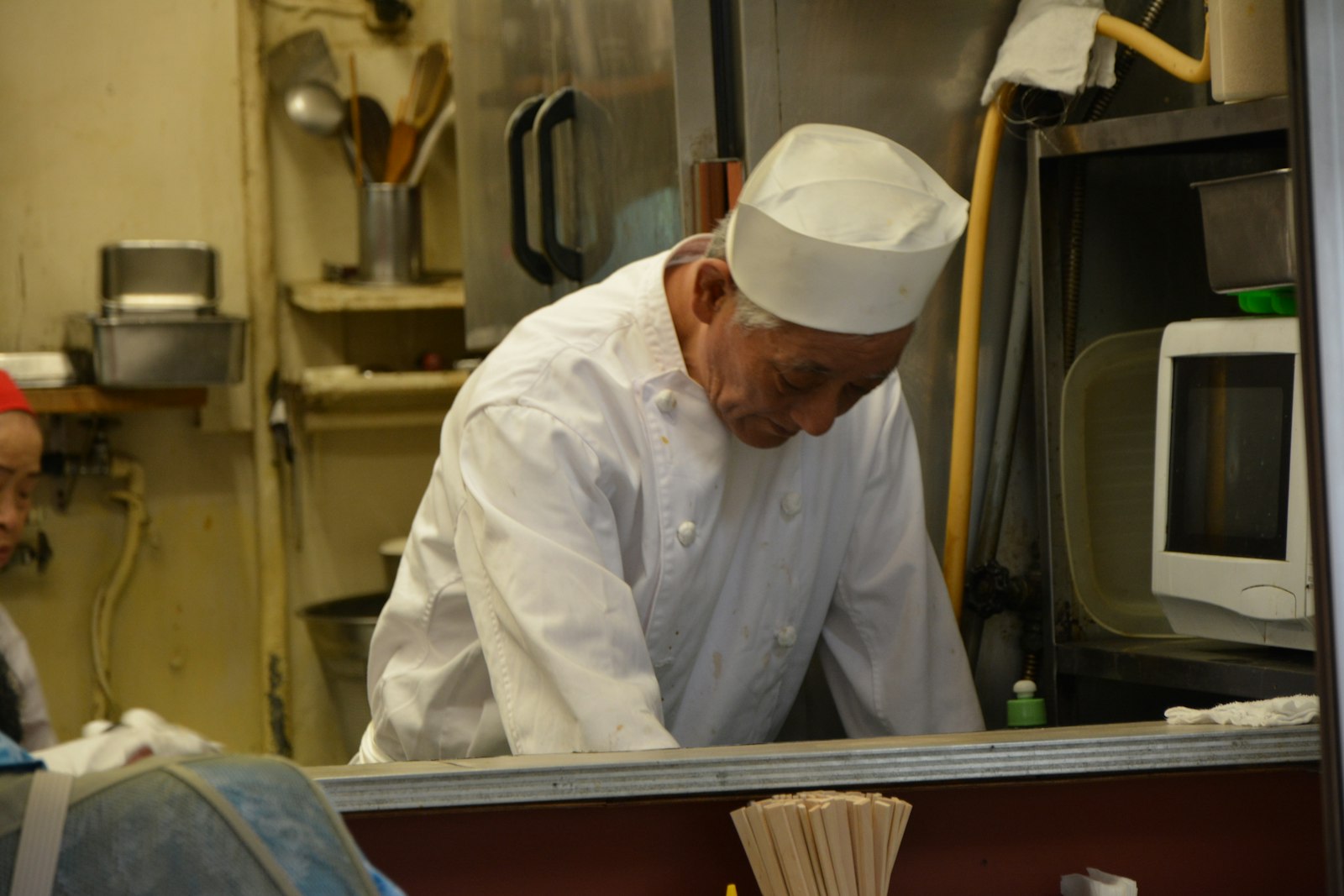
Omakase — “I leave it to you” — means the chef chooses and paces the meal, and at the top counters it is the only option, priced as a set. À la carte (okonomi), ordering piece by piece yourself, is common at more casual places and gives you control over what and how much you eat. For a first high-end experience, omakase is the way; you are paying for the chef’s judgement, and it is the point.
The Lunch Advantage
The single best money-saving move in Tokyo sushi is to book lunch instead of dinner. Many of the finest counters serve a midday omakase at a fraction of the evening price, using much the same fish and the same chef. If a legendary counter is beyond your dinner budget or booked solid, the lunch seating is often both affordable and easier to reserve. It is the insider’s route to a great sushi experience.
Expert Tip
If a top counter is out of reach or fully booked, do not settle for a mediocre tourist-trap sushi bar in a busy district — you will pay high-end prices for middling fish. Instead, aim for the lunch omakase at a well-regarded mid-tier counter, or eat at Toyosu or a good kaitenzushi. Tokyo’s sushi floor is so high that a ¥3,000 lunch at the right place beats a ¥15,000 dinner at the wrong one. Choose the restaurant carefully; do not just walk into the nearest one.
Related Tours
Tokyo Sushi Dining: Frequently Asked Questions (Q&A)
Are high-end Ginza omakase counters family-friendly for young children? Generally not. The elite counters are small, quiet, formal spaces built around a slow, adult tasting experience, and many discourage or do not admit young children. If you are dining as a family, a good kaitenzushi restaurant is far more suitable — casual, fun for kids, and forgiving of a shorter attention span. Save the master counters for an adult evening or lunch.
Is it rude to order water or a soft drink at a Michelin-starred sushi bar? Not at all. There is no obligation to drink alcohol, and ordering tea, water, or a soft drink is perfectly acceptable — the chef’s focus is the sushi, not your bar tab. Green tea is a natural pairing and always available. Drink what you like; no good counter will think less of you for skipping the sake.
Is there a dress code at traditional high-end sushi counters? There is rarely a formal, stated dress code, but the top counters are refined spaces and it is respectful to dress smart-casual — no beachwear, gym clothes, or heavy fragrance. Neat, tidy attire is all that is expected; you do not need a jacket and tie. When booking through a hotel concierge or a reservation platform, ask if you are unsure about a specific restaurant.
Conclusion
No city rewards a sushi lover like Tokyo, and the secret is that you do not need a three-star budget to eat superbly here. The floor is extraordinarily high — a dawn bowl at Toyosu, a lunch omakase at a neighbourhood counter, and a well-chosen conveyor belt can all be memorable in their own right.
Plan Your Japan Trip with Local Experts
Our team has guided 40,000+ travelers across Japan. Tell us about your trip and we’ll get back to you within 24 hours.