In this article:
- Is Japan actually expensive? Setting the record straight
- Daily cost breakdown: accommodation, food, and activities
- Smart transportation: navigating Japan without overpaying
- Insider budget tips from years of guiding visitors
- Sample daily budgets at three spending levels
- Frequently asked questions about Japan costs
Introduction
Japan is not cheap. But it’s also not expensive in the way that reputation suggests. The misalignment between perception and reality comes from several sources: the strong yen of the 1980s and 1990s that gave Japan its cost reputation; the high price of certain premium experiences (ryokan, omakase sushi) that are visible in travel media; and a tendency to compare Japan to Southeast Asian destinations rather than to Europe or North America, where the honest comparison lies.
Against Western cities, Japan is often a bargain. A ramen lunch in Tokyo that costs ¥1,200 (roughly $8 at current rates) is comparable in quality to a bowl of noodles that would cost $18 in New York or £14 in London. A business hotel room in central Osaka for ¥10,000 ($65) would cost €180 in Paris. A conveyor-belt sushi lunch for two in Kyoto — genuinely good sushi — runs ¥3,000–5,000 total.
The yen’s weakening against major Western currencies from 2022 onward has significantly improved the value equation for travelers from the US, UK, Europe, and Australia. Japan in 2026 represents better value for these travelers than it has in 20 years.
Is Japan Actually Expensive? Setting the Record Straight
The Reality of Costs in Japan
Everyday costs in Japan — convenience store food, public transit, entry fees to temples and museums — are low to moderate by international standards. A full meal at a konbini (convenience store) costs ¥600–1,000 and is genuinely good. A one-way subway trip in Tokyo averages ¥200–300. Temple admission is typically ¥500–1,000. A craft beer at a Tokyo bar runs ¥700–1,200.
The premium tier in Japan — ryokan, kaiseki restaurants, private tours — is expensive by any standard. A night at a traditional inn with meals can run ¥50,000–¥150,000 per person. Omakase sushi at a top-ranked restaurant is ¥30,000–¥80,000 per person. These are exceptional, deliberate expenditures — not the daily cost of traveling in Japan.
The mistake most people make when assessing Japan’s cost is reading the premium tier and treating it as representative.
The Exchange Rate Advantage
The yen weakened significantly against major Western currencies from 2022 through 2024. At rates prevalent in 2024–2026, US dollar and euro travelers receive roughly 20–40% more yen per unit of their home currency than they did in 2019. For a $5,000 travel budget, that’s an additional $1,000–2,000 in purchasing power compared to a pre-2022 trip to Japan. This shift has made Japan one of the best-value developed-world destinations for Western travelers.
Rate fluctuations affect this calculation; check current rates before finalizing your budget.
Japan vs. Western Cities: An Honest Comparison
Comparing equivalent experiences:
- Mid-range restaurant dinner for two: Tokyo ¥6,000–10,000 ($40–65) vs. London £80–120
- Business hotel, central location: Tokyo ¥12,000–18,000 ($80–120) vs. Paris €150–220
- Day of public transit: Tokyo ¥600–1,000 ($4–7) vs. New York $12
- Museum or gallery admission: Tokyo ¥600–2,000 ($4–13) vs. London £20–30
Japan is cheaper than comparable Western cities for most everyday travel costs.
Daily Cost Breakdown
Accommodation: Every Budget Level
Budget (¥3,000–8,000/night): Capsule hotels, hostels with private rooms, business hotels outside city centers. Capsule hotels in Tokyo are not a compromise — many are well-designed, clean, and include onsen facilities. Hostels with private rooms in Kyoto run ¥5,000–8,000 and are typically central.
Mid-range (¥10,000–25,000/night): Business hotels (Dormy Inn, APA, Super Hotel chains), city-center locations, sometimes with breakfast included. This range provides comfortable, clean accommodation within walking distance of major sights in most cities.
Premium (¥30,000–150,000+/night): Traditional ryokan, boutique hotels, international luxury chains. The ryokan experience — yukata, multi-course dinner, private or communal onsen — is priced accordingly. For a night at a genuinely good ryokan in Hakone or Kyoto, ¥40,000–60,000 per person (including dinner and breakfast) is the realistic mid-tier.
Food: From Ramen to Omakase
Breakfast (¥300–800): Konbini onigiri and coffee, or a toast-and-egg set at a neighborhood kissaten (retro coffee shop). This is how many Japanese people start their day and it works well.
Lunch (¥800–1,500): A ramen shop, teishoku (set meal) restaurant, or soba place — a full lunch with rice, miso soup, and a main dish. This range also covers good conveyor-belt sushi.
Dinner (¥2,000–6,000, mid-range): Izakaya dinner for two with drinks, or a sit-down restaurant. Yakitori, tonkatsu, shabu-shabu, and most regional cuisine falls in this range at local restaurants.
Premium dinner (¥15,000+): Kaiseki, omakase sushi, teppanyaki at reputable establishments.
Activities and Temple Fees
Most of Japan’s temples and shrines charge ¥500–1,000 admission. Major sites — Kinkakuji in Kyoto, Todai-ji in Nara — run ¥600–800. The most expensive temple admission you’re likely to encounter is around ¥2,000 during special seasonal events (Kyoto’s night illuminations, for example). Many shrines and some temple grounds are free.
Museums: national museums charge ¥600–1,000 for permanent collections; major special exhibitions run ¥1,500–2,500. Universal Studios Japan, TeamLab digital art installations, and similar attractions charge ¥3,000–10,000.
Smart Transportation: Navigating Japan Without Overpaying
The Shinkansen: Worth It or Not?
The bullet train is comfortable, fast, and correctly priced for what it delivers. Tokyo to Kyoto by Shinkansen (Nozomi, 2h15m) costs ¥13,870 one way; the same journey by overnight highway bus takes 8 hours and costs ¥3,000–6,000. For most Western travelers, the Shinkansen’s time value is worth the price difference.
The question of whether a Japan Rail Pass makes sense requires calculation. A 7-day JR Pass costs approximately ¥50,000; the Tokyo–Kyoto round trip alone is ¥27,740. If your itinerary includes that plus Hiroshima, Nara by JR, and day trips from Kyoto, the pass breaks even. If you’re staying primarily in Tokyo, it probably doesn’t.
Beyond the JR Pass: Regional Passes and Local Trains
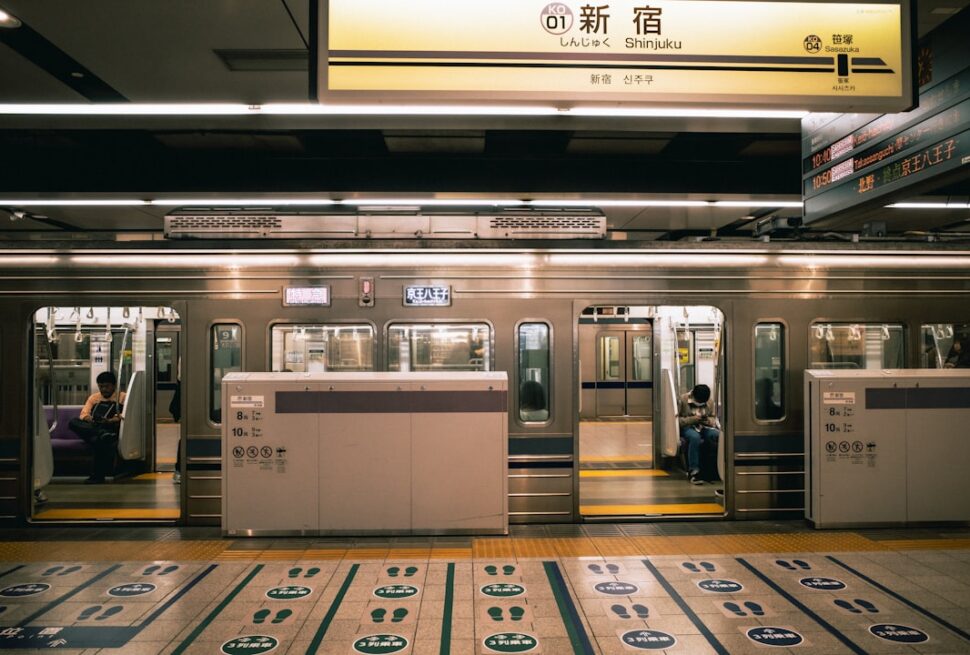
Several regional passes offer better value than the national JR Pass for specific itineraries. The Kintetsu Rail Pass covers Kyoto, Nara, and Osaka on a non-JR network. The Hakone Free Pass covers all transport within Hakone (bus, cable car, ropeway, boat) plus round-trip Odakyu train from Shinjuku. IC card (Suica/Pasmo) plus selective Shinkansen tickets is often the most cost-efficient combination for first-time visitors.
Overnight highway buses (yasoubin) between major cities are significantly cheaper than Shinkansen and have improved in comfort: many have semi-private pod seats, reading lights, and reasonable legroom. For a 12-hour overnight Osaka–Tokyo journey, ¥4,000–6,000 is standard.
Expert Tip
For subway and local train travel, always use an IC card (Suica or Pasmo). Buying individual tickets for every journey in Tokyo, Osaka, or Kyoto costs the same or marginally more and takes significantly longer — you need to calculate the fare, find the right machine, and buy before each journey. An IC card eliminates all of this: tap in, tap out, and the correct fare is deducted automatically.
Insider Budget Tips
The Convenience Store Strategy
7-Eleven, Lawson, and FamilyMart in Japan stock genuinely good prepared food — significantly better than the equivalent in most other countries. Onigiri (¥120–180) are fresh, variety is extensive, and the quality is reliable. Hot foods (fried chicken, steamed buns, nikuman) are available at the counter. A full convenience store meal — onigiri, side dish, drink — costs ¥400–700 and is satisfying.
For breakfast and lunch, the convenience store is the highest value option available in Japan, period.
Supermarket Discounts After 8pm
Japanese supermarkets apply yellow discount stickers (typically 30–50% off) to bento boxes, sushi trays, and prepared foods in the 8pm–closing window. Arriving at a Tokyu Store, Maruetsu, or Ito-Yokado around 8:30pm and heading to the prepared foods section is one of the most reliably good-value strategies in Japan. ¥1,500 of premium sushi for ¥750 is a routine experience.
Tipping Culture: Nothing Added
Japan has no tipping culture. Tipping is not expected, not standard, and — in traditional establishments — considered slightly rude. The price on the menu is the price. This is an honest cost saving compared to any service-economy destination where tipping adds 15–20%.
Free Attractions
Many of Japan’s most worthwhile experiences are free: shrine grounds (Meiji Jingu, Fushimi Inari), public parks (Shinjuku Gyoen costs ¥500 but Yoyogi Park is free), market streets (Nishiki Market in Kyoto, Tsukiji outer market), and several public gardens. The Tokyo Metropolitan Government Building’s observation deck provides free panoramic views of the city that rival any paid viewpoint.
Sample Daily Budgets
Budget: ¥8,000–12,000 per person per day
Accommodation: capsule hotel or hostel private room (¥4,000–6,000) Breakfast: konbini (¥400) Lunch: ramen or teishoku (¥900–1,200) Dinner: izakaya with one drink (¥2,000–3,000) Transport: IC card (¥500–800) Admission: one temple or museum (¥500–1,000) Total: ¥8,300–12,400
This budget travels comfortably and eats well. It doesn’t involve significant sacrifice.
Mid-Range: ¥20,000–35,000 per person per day
Accommodation: business hotel, central location (¥12,000–18,000) Breakfast: hotel breakfast or café (¥800–1,500) Lunch: sit-down restaurant (¥1,500–2,500) Dinner: good izakaya or regional restaurant with drinks (¥4,000–7,000) Transport: IC card plus occasional taxi (¥1,000–2,000) Activities: two to three sites (¥1,500–3,000) Total: ¥20,800–34,000
This covers comfortable, interesting travel with good food and no significant constraints.
Luxury: ¥80,000–200,000+ per person per day
Accommodation: ryokan with dinner and breakfast (¥40,000–80,000) Meals outside accommodation: kaiseki lunch or omakase (¥15,000–40,000) Transport: taxis, private transfers (¥5,000–15,000) Activities: private guide, special access experiences (¥20,000–50,000) Total: ¥80,000–185,000+
This is the version of Japan that is legitimately expensive and legitimately exceptional.
Frequently Asked Questions
Is it cheaper to buy attraction tickets in advance? For popular attractions with timed entry — teamLab exhibitions, Universal Studios Japan, the Skytree observation deck — advance purchase guarantees entry and sometimes offers a small discount. For most temples and shrines, tickets are purchased at the gate with no advantage to advance booking.
How much cash should I carry, and are credit cards now widely accepted? Japan’s cash-reliance is decreasing rapidly. Most convenience stores, major restaurants, and hotels accept credit cards and IC cards. Cash remains essential for smaller restaurants, some rural establishments, and markets. Carry ¥10,000–20,000 as a baseline; top up at 7-Eleven ATMs which reliably process international cards.
Which months are cheapest for flights and hotels? January (after New Year, before Golden Week buildup) and early September (after summer, before autumn foliage). February is also low season. Peak pricing periods to avoid for accommodation: Golden Week (late April–early May), Obon (mid-August), cherry blossom season (late March–early April), and koyo season (mid-November in Kyoto).
Related Tours
Conclusion
Japan is not cheap, but it’s not the premium-priced destination its reputation suggests. For travelers coming from the US, UK, or Europe, the honest comparison is with other developed-world destinations — and against Paris, London, or New York, Japan is often a better value across everyday costs while offering premium experiences that are genuinely exceptional rather than simply expensive.