In this article:
- When is the overall best time to visit Japan?
- Japan month-by-month: weather, temperature, and highlights
- Finding your best time based on your travel style
- Japanese holidays to be aware of (and sometimes avoid)
- Regional climate differences across Japan
- Frequently asked questions about timing
Introduction
There’s no single best time to visit Japan. There’s the best time for you, given what you want.
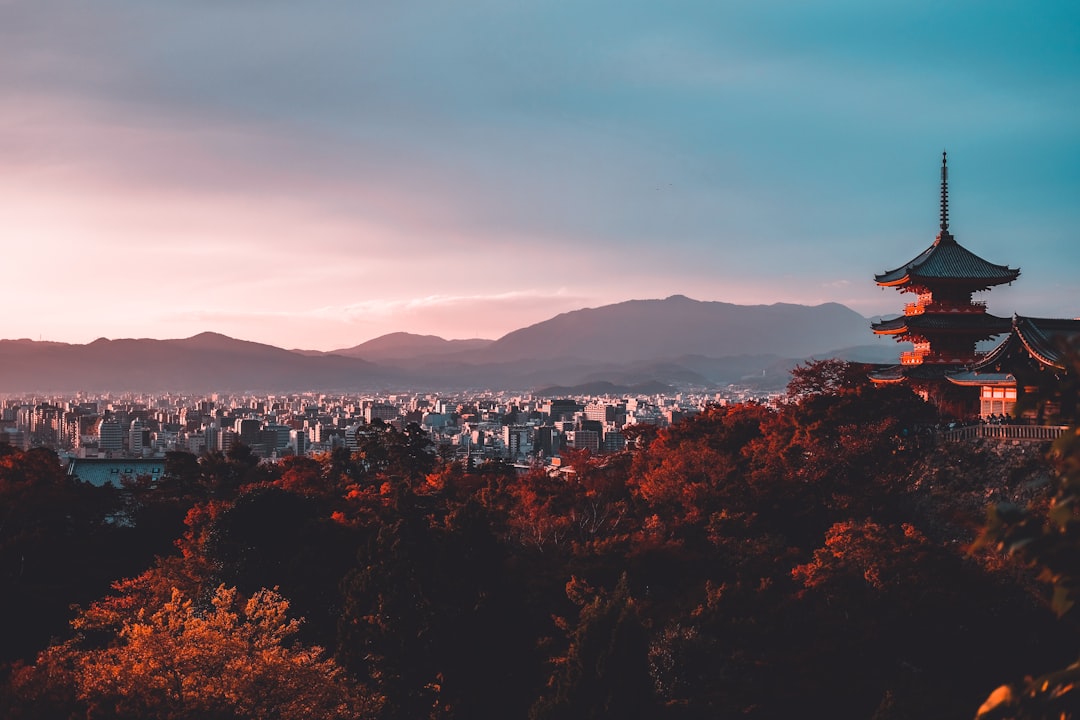
If you want cherry blossoms, that’s late March to early April in Tokyo, and it’s crowded in a way that’s both part of the experience and, for some people, too much. If you want autumn foliage, it’s mid-November in Kyoto, and the same calculus applies. If you want lower prices and empty temples, January in Kyoto is genuinely extraordinary — cold, but extraordinary. If you want Hokkaido powder snow, February.
Japan has four distinct seasons and a rainy season, and each one offers something specific that the others don’t. The travelers who struggle with the timing question are usually trying to optimize for too many things at once. Decide what matters most — weather, seasonal phenomena, budget, crowd levels — and work backward from there.
When is the Overall Best Time to Visit Japan?
The Unbeatable Peaks: Spring and Autumn
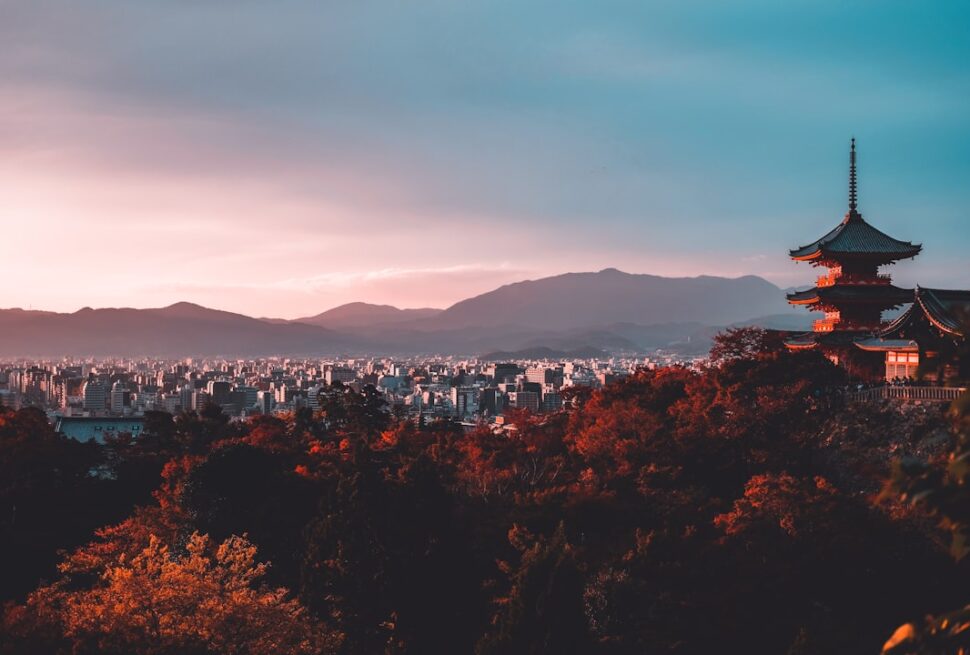
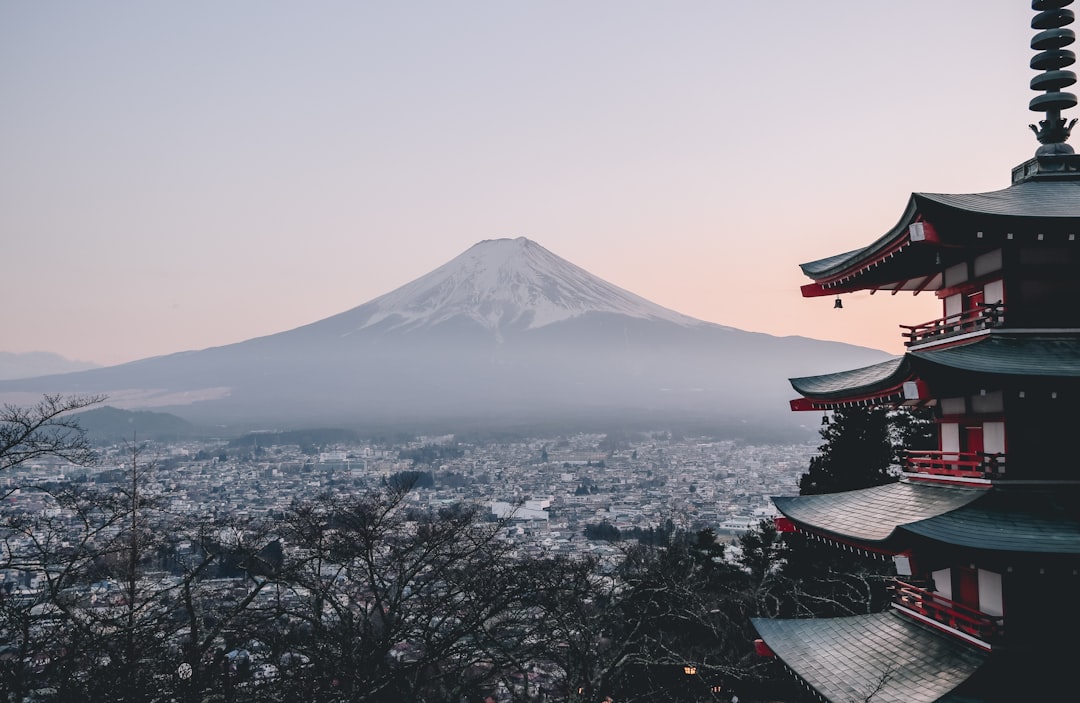
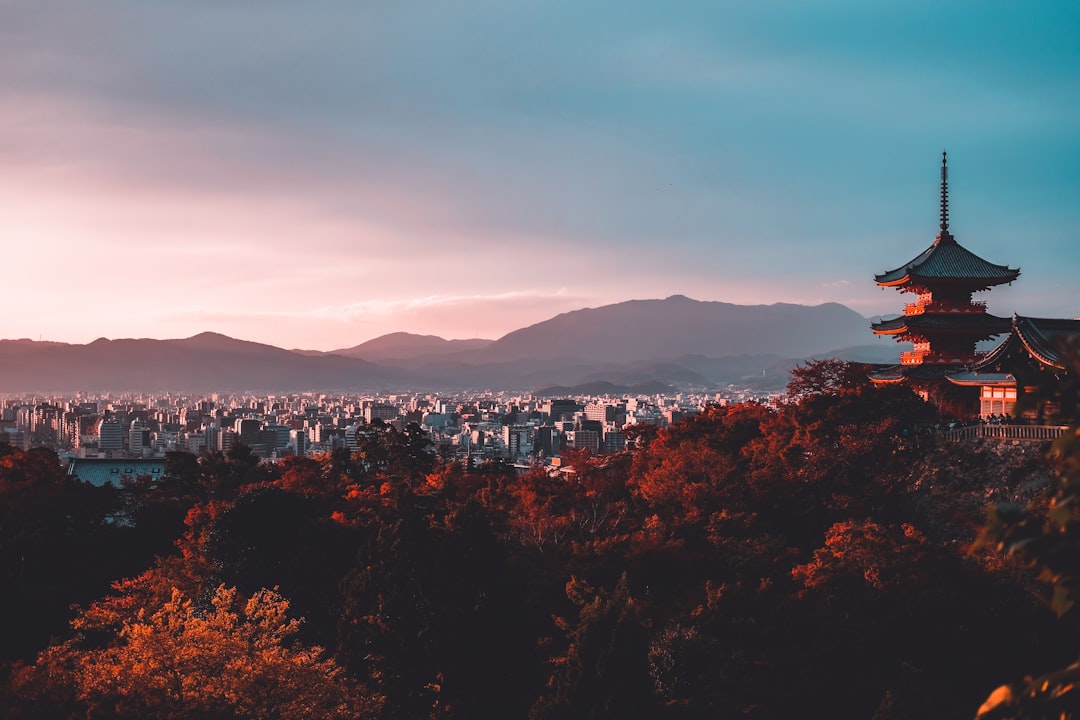
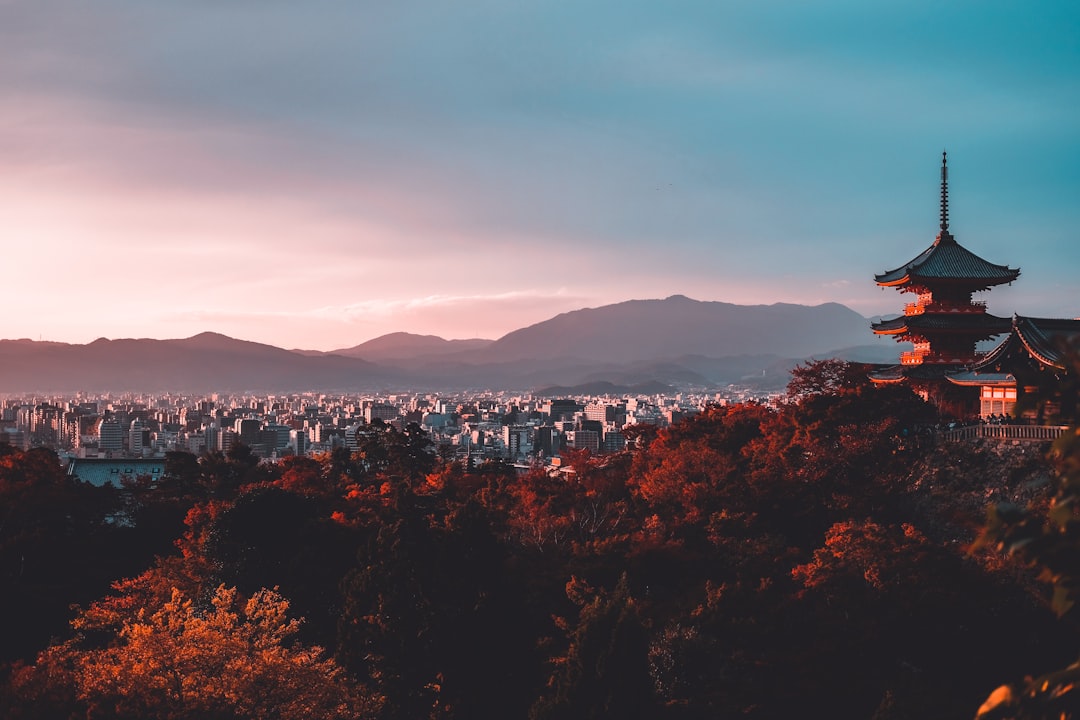
The consensus answer — spring (March to May) and autumn (September to November) — is consensus for good reason. Temperatures are mild across most of Honshu, the natural scenery is at its most dramatic, and the cultural calendar is active. Cherry blossoms peak in late March to early April; autumn foliage runs from October through November depending on region. These are the windows where Japan delivers its most photogenic and experientially satisfying conditions.
The tradeoff is straightforward: these are also the most crowded and most expensive periods. Accommodation in Kyoto during peak cherry blossom or koyo season costs two to three times what it costs in January. Popular temples have queues before they open. Transport fills up.
The Rainy Season: What to Expect in June
Tsuyu (梅雨) — Japan’s rainy season — runs from early June to mid-July in most of Honshu. Humidity climbs significantly, and rainfall is consistent though not torrential (it’s not monsoon rain — more like persistent grey drizzle with occasional heavy days). The upside: accommodation prices drop, crowds thin, and hydrangeas bloom across temples and hillsides in a way that has its own appeal. Kyoto in early June, grey and damp and largely to yourself, is one of the quieter versions of a city that rarely quiets.
The Low Season Advantage
January and February are the closest Japan gets to a true low season in major tourist areas. Prices for hotels and flights are at their lowest of the year. Popular sites — Fushimi Inari, Arashiyama, Nikko — can be visited without managing large crowds. The cold is real (Tokyo averages 5–8°C in January) but rarely severe, and many of Japan’s most atmospheric experiences — Kinkakuji in light snow, a riverside ryokan with an outdoor bath in a February frost — actually benefit from the season.
Japan Month-by-Month: Weather and Seasonal Highlights
Winter (December to February)
December starts with autumn foliage still present in southern regions and quickly transitions to winter. Christmas and New Year bring domestic travel surges — accommodation books out and trains fill. Mid-January through February is quieter. Tokyo averages 5–8°C; Kyoto is slightly colder with occasional frost. Hokkaido is full winter: −10°C in Sapporo, world-class powder skiing in Niseko and Furano, snow monsters (juhyo) at Zao Onsen.
For the right traveler, winter in Japan is exceptional. Onsen season is at its peak — there’s a specific pleasure in a rooftop outdoor bath (rotenburo) in cold air. Snow-covered temple gardens in Kyoto appear rarely but are worth planning for.
Spring (March to May)
Spring is Japan at full colour. The sakura (cherry blossom) front moves northward from late March, hitting Tokyo in the last week of March or first week of April depending on the year, reaching Kyoto slightly earlier (Kyoto often peaks before Tokyo due to different microclimates), then continuing north through Golden Week and into May in Tohoku and Hokkaido.
Temperatures are comfortable — 12–18°C in April across most of Honshu. The main issue is crowds. Golden Week (late April to early May) is Japan’s biggest domestic travel period — planes and Shinkansen book out months in advance, resort towns fill completely, and temple gardens hit their maximum density.
Expert Tip
The most underappreciated cherry blossom timing is late March on a cold year or early April on a warm one — specifically the week just before and just after peak bloom. “Peak” (mankai) is when the tree is 100% open. The days before — 70–80% open — are less photographed and equally beautiful, with better crowd ratios. The petal fall (hana-fubuki) the week after peak is one of the most distinctive visual experiences of the entire season.
Summer (June to August)
Summer in central Japan is genuinely hot. Tokyo in August averages 32°C with humidity that makes it feel closer to 38°C. Kyoto is slightly worse. Most travelers who visit in summer underestimate this. Early morning sightseeing is the only way to manage popular outdoor sites comfortably.
That said, summer has specific compensations. Hanabi (fireworks) festivals run throughout July and August — spectacular events that are as much a cultural experience as a visual one. Obon (mid-August) brings traditional festivals, Bon Odori dances, and ancestral ceremonies across Japan. And summer is the window for climbing Mt. Fuji (officially open July to early September) and for mountain hiking in the Japanese Alps.
Autumn (September to November)
Autumn rivals spring for the title of Japan’s best season. The koyo (autumn foliage) front descends from Hokkaido in late September through Honshu in October and November. Unlike cherry blossoms, which peak in days, peak colour at a given location holds for one to two weeks. Temperatures from late September through October are among the most comfortable of the year — cool but not cold, clear skies predominating after the summer humidity clears.
Finding Your Personal Best Time to Visit Japan
For Cherry Blossom Hunters
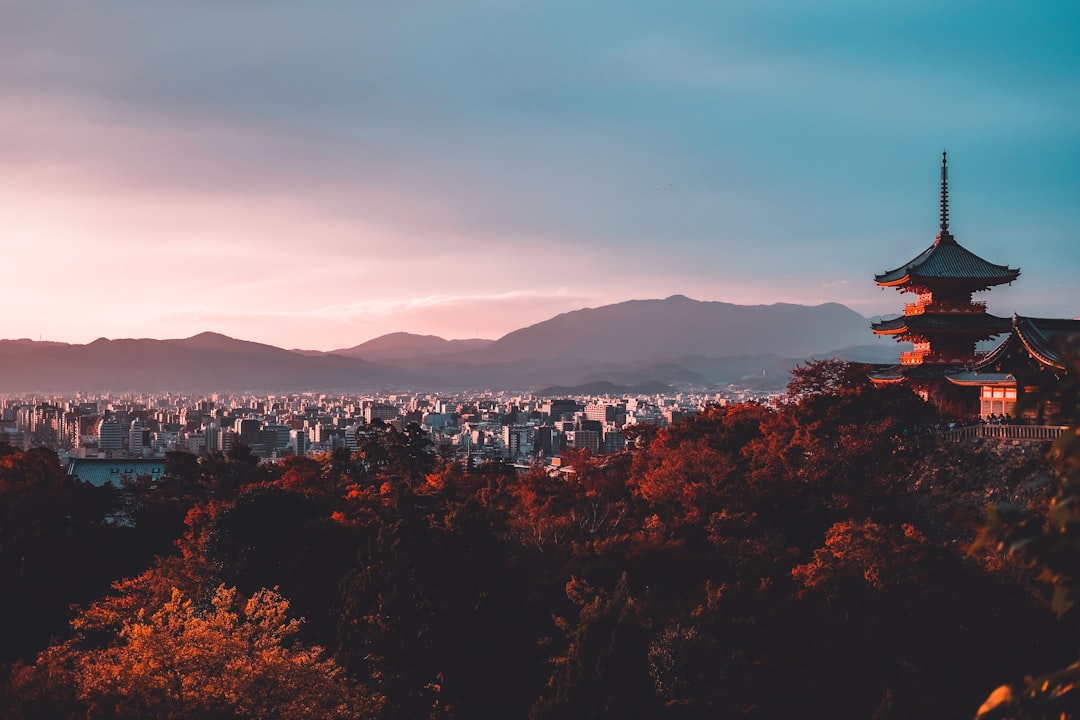
Track the sakura forecast rather than locking in fixed dates. The Japan Meteorological Corporation publishes updated bloom predictions from late January each year. Tokyo’s peak generally falls between March 25 and April 5, but can vary by up to ten days in either direction depending on the winter. If your dates are fixed and the bloom comes early or late, Kyoto and Tokyo peak at slightly different times — having a few days in each city gives you a better probability of catching full bloom in at least one location.
For Budget-Conscious Travelers
January and February are the cheapest months for flights and accommodation. Specifically: the window from January 10 (after New Year crowds clear) through late February sees the lowest prices of the year for hotels in Tokyo and Kyoto. Flights from major Western cities are also at their most affordable in this window. The trade-off is cold weather and no seasonal flowering — but temples, museums, cuisine, and ryokan are exactly as good in January as in November.
Mid-September offers another budget window: summer heat is fading, the rainy season is over, and the autumn leaf crowds haven’t arrived yet. Two or three weeks before the koyo peak is a reasonable sweet spot for price-to-experience ratio.
For Outdoor and Winter Sports Enthusiasts
Hokkaido skiing runs from December through March, peaking in January and February for snow quality. Niseko is the most internationally known resort — justifiably, given the powder — but Furano and Rusutsu offer comparable snow with smaller crowds. Mt. Fuji hiking season is July 1 to early September; the summit is closed outside this window and genuinely dangerous in poor conditions.
For Cultural Explorers and Festival Seekers
Japan’s festival calendar is rich throughout the year. Key events worth building a trip around: Gion Matsuri in Kyoto (July), one of Japan’s three greatest festivals, runs through most of the month with processions on July 17 and 24. Awa Odori in Tokushima (mid-August) is the most energetic dance festival in Japan. Takayama Spring Festival (April) and Autumn Festival (October) are among the most visually intact traditional festivals remaining.
Important Japanese Holidays: When to Be Careful
Golden Week (Late April to Early May)
Golden Week combines four national holidays between April 29 and May 5, creating Japan’s biggest domestic travel rush. Shinkansen book out weeks in advance, resort towns fill completely, and accommodation in popular areas doubles in price. Foreign visitors can still have a good trip during Golden Week — international tourist spots like Kyoto’s temples are accessible if you go early in the morning — but the logistical difficulty is real. Book everything months ahead or plan around it.
Obon Season (Mid-August)
Obon (typically August 13–16) is when Japanese people return to their hometowns to honor ancestors. Transportation nationwide is packed, resorts are at maximum capacity, and prices spike. Tokyo itself becomes quieter than usual as residents leave — an interesting inversion that some travelers specifically seek out.
New Year Holidays (Late December to Early January)
December 28 through January 3 sees Japan in celebration mode. Many restaurants, shops, and attractions close December 31 through January 2. Shrines are packed on January 1–3 for Hatsumode (first shrine visit of the year) — which is itself worth experiencing if you don’t mind crowds. Hotels and flights are expensive throughout this period.
Regional Climate Differences
Northern Japan: Hokkaido and Tohoku
Hokkaido has genuinely cold winters (−10 to −20°C in inland areas) and short, pleasant summers. Sapporo receives more snowfall than almost any large city in the world. The summer travel window — July and August — offers mild temperatures (22–26°C) and stunning wildflower meadows in areas like Biei and Furano. Tohoku sits between the climates of Hokkaido and central Honshu: colder than Tokyo in winter, slightly cooler in summer.
Central Japan: Tokyo, Kyoto, Osaka
Four distinct seasons with a humid, hot summer and a cold but rarely severe winter. Tokyo averages 5°C in January, 30°C in August. Kyoto is similar but tends to be slightly hotter in summer (landlocked, no coastal breeze) and slightly colder in winter. Snow is rare in both cities — an occasional light dusting rather than accumulation.
Southern Japan: Kyushu and Okinawa
Kyushu is warmer than Honshu across all seasons — winter temperatures rarely drop below 5°C in Fukuoka, and spring arrives earlier. Okinawa operates on a subtropical schedule entirely: warm year-round (20–30°C), heavy rainfall June through September, and beach season running from roughly April through October. Typhoon season (June–September) affects Okinawa more directly than the mainland — check forecasts if traveling in this window.
Frequently Asked Questions
Is it worth visiting Japan during the hot and humid summer? Yes, with preparation. Early morning sightseeing, indoor activities during the 11am–3pm heat peak, air-conditioned transport between sites, and a lightweight linen wardrobe make summer manageable. The compensation — summer festivals, fewer foreign tourists at rural sites, lush green mountain landscapes — is real.
How far in advance should I book for sakura and koyo seasons? Accommodation: 3–6 months for popular destinations. For Kyoto during peak koyo, 6 months is not too early for ryokan. Flights: 2–4 months generally sufficient, though early booking gives better options. Shinkansen tickets: can be reserved up to one month in advance; no need to book further ahead.
Are attractions open during the New Year period? Some temples and shrines are specifically more interesting during New Year (Hatsumode visits). Most major museums and large attractions close December 31–January 2. Convenience stores, hotels, and most tourist infrastructure remains open throughout.
Related Tours

Conclusion
The best time to visit Japan is the time that matches what you want to experience. If that’s undecided, spring and autumn are the safest choices for first-time visitors — the conditions are genuinely exceptional and the cultural calendar is active. For repeat visitors or those with specific interests, winter and early September offer some of the best value-to-experience ratios in the Japanese calendar.