In this article:
- Why Asakusa is one of Tokyo’s best eating neighborhoods
- The essential Asakusa food tour route
- Must-eat foods in Asakusa
- Best restaurants and stalls for every budget
- Hoppy Street and the izakaya scene
- Practical tips and timing
- Frequently asked questions
Introduction
Asakusa is Tokyo’s oldest surviving commercial neighborhood. The streets around Senso-ji temple have been feeding visitors since the Edo period — a fact that’s visible in the specific food culture that developed here, distinct from the rest of the city. Where Shibuya and Shinjuku eat forward, Asakusa eats backward, preserving techniques and dishes that have disappeared elsewhere.
This is the neighborhood for things that have been made the same way for 60, 80, or 150 years. The tempura counter where the chef’s family has been working the same station for four generations. The ningyoyaki shop that uses the same molds since 1915. The soy sauce shop that ferments on the premises. Not performance of tradition — actual continuation of it.
Beyond the historical layer, Asakusa also has a genuinely good izakaya scene on Hoppy Street, serious ramen in the backstreets, and enough variety to fill a full day of eating without repeating any category.
Why Asakusa Stands Out for Food
The Old Tokyo Food DNA
The Shitamachi (low city) culture of Asakusa prizes specific qualities: directness, generosity, value, and connection to ingredient origins. The izakaya here gives you more food for less money than equivalent neighborhoods. The tempura is the deep-fried tradition at its most technically correct. The street food is made to order from the same recipes that fed the same neighborhood for multiple generations.
This makes Asakusa one of the few Tokyo neighborhoods where you can eat a dish and understand something about the city’s history through the act of eating it.
The Compact Geography
Asakusa’s food culture concentrates in roughly three areas: the shopping streets around Senso-ji (street food, sweets, specialty shops), Hoppy Street and its vicinity (izakayas, casual eating), and the backstreets west and south of the main temple complex (ramen, soba, tempura restaurants). All three are walkable from each other in under 15 minutes, making a full food day geographically efficient.
The Essential Asakusa Food Tour Route
Morning: Nakamise and the Temple Precinct
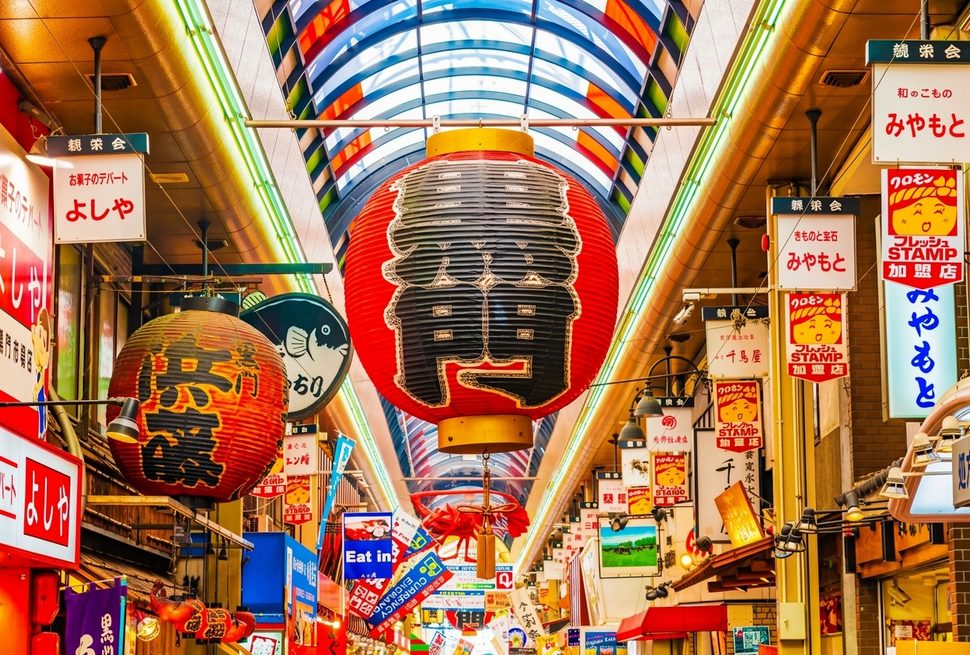
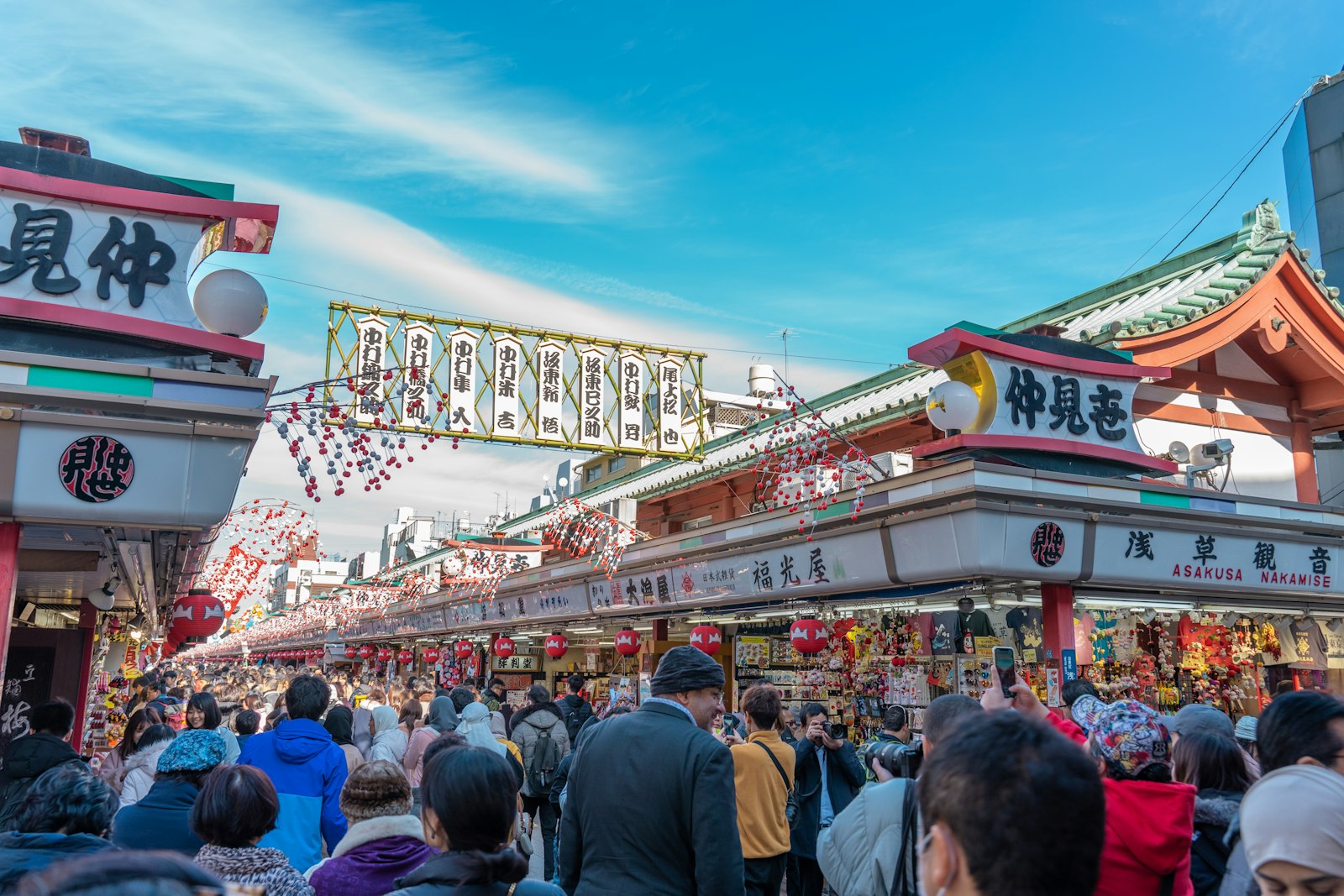
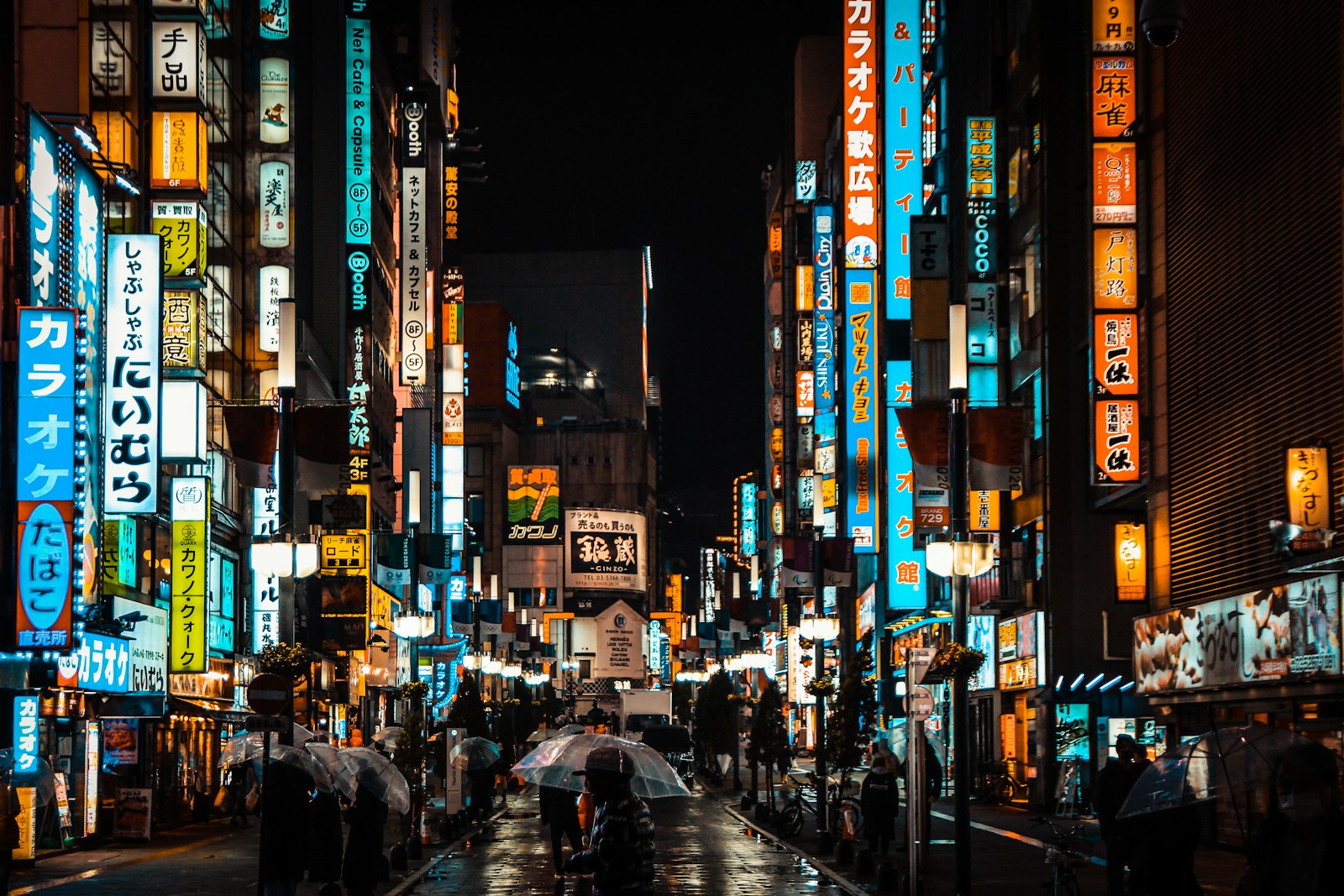
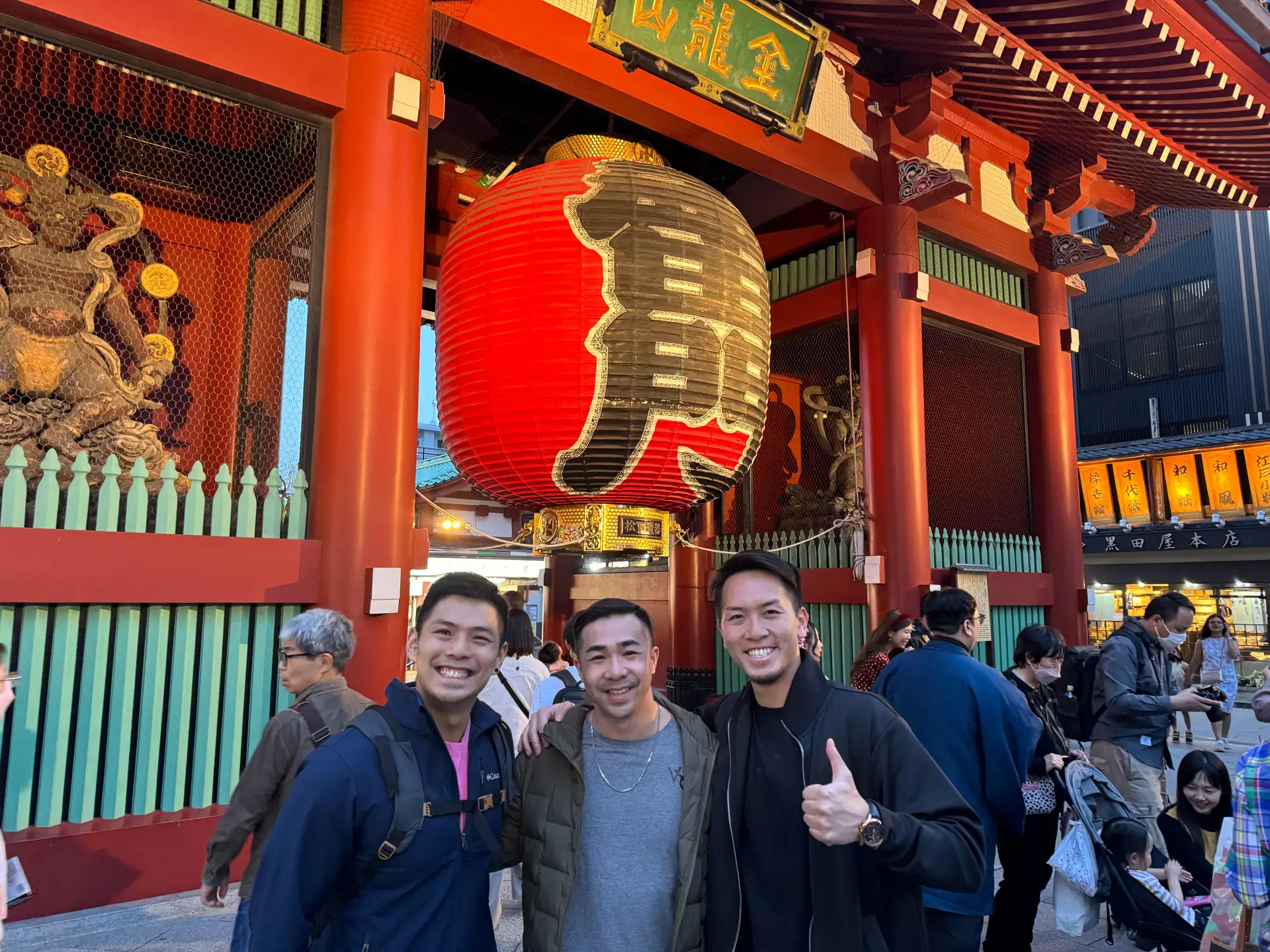
Start at Senso-ji before 9am, when the shopping streets (Nakamise) are quiet and the vendors who’ve been here for generations are setting up. The ningyoyaki sellers near the Kaminarimon gate start early — these small cakes filled with sweet bean paste, shaped like lanterns and doves, are best eaten warm. The soy sauce shop on Denbo-in Street opens at 9am; their tamari (thicker, more complex soy sauce) is worth buying if you cook.
At 9:30am, the melonpan (sweet bread with a crisp sugar crust) bakeries start their first batches. The specific bakeries that have been doing this since the 1950s are worth finding — they’re not on the main shopping street.
Late Morning: Specialty Shops
Asakusa has an unusual concentration of single-product specialists: shops that have sold only one thing for decades. The kamaboko (fish cake) shop. The specific senbei (rice cracker) maker that roasts to order over charcoal. The shop dedicated entirely to tamagoyaki. These are not tourist performances — they’re businesses that have outlasted every food trend by doing one thing correctly.
Lunch: Tempura or Soba
Asakusa has several of Tokyo’s best tempura restaurants, operating at lunch with set menus starting around ¥2,500. The most established names (Daikokuya, Sometaro) have queues by 11:30am on weekends — arrive at 11:15am. For soba, the buckwheat noodle shops in the quieter streets west of the temple offer Edo-style preparation — noodles made in-house, thin, served cold with dipping broth in summer, hot in a simple soup in winter.
Evening: Hoppy Street
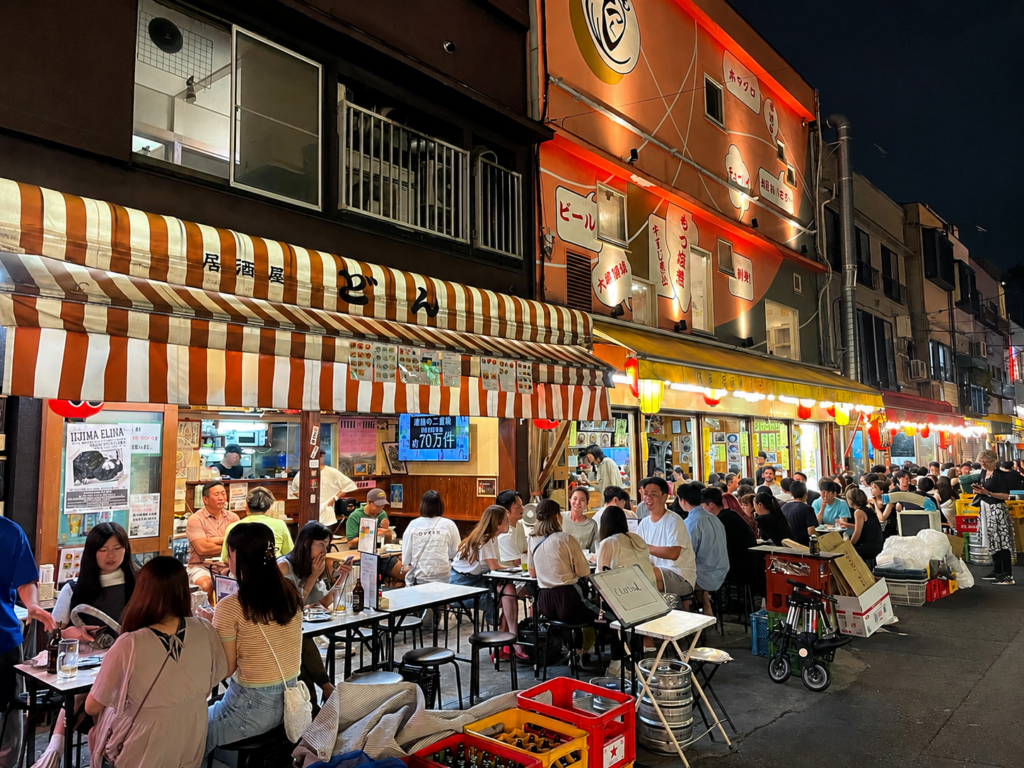
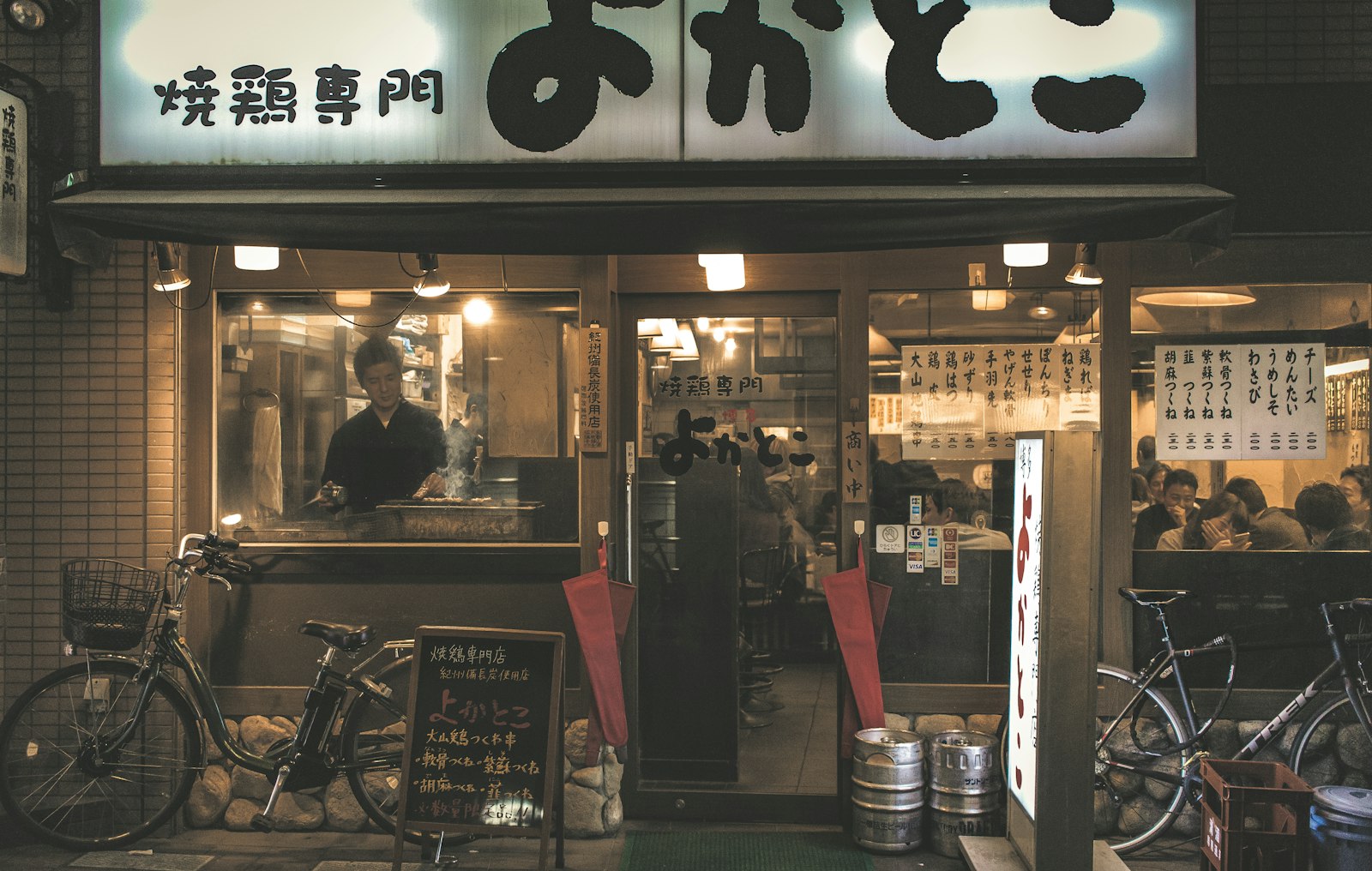
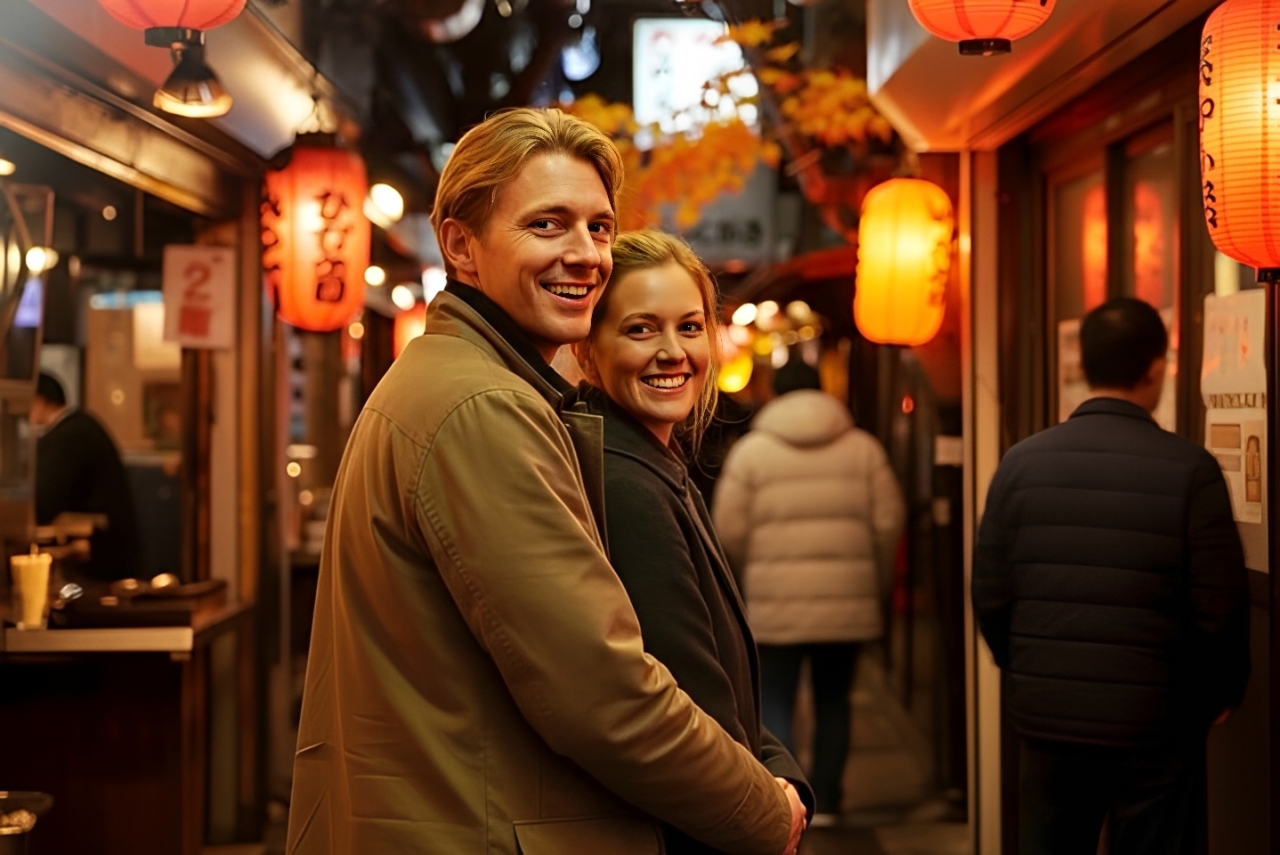
Hoppy Street — named after Hoppy, a low-alcohol beer substitute that became popular in the postwar period — runs behind the temple precinct and concentrates Asakusa’s izakaya culture in one visible stretch. The tables spill onto the street; the food is casual and good; the prices are among the lowest for sit-down eating in central Tokyo. Motsu-ni (simmered offal stew) and yakitori are the things to order.
Must-Eat Foods in Asakusa
Ningyoyaki
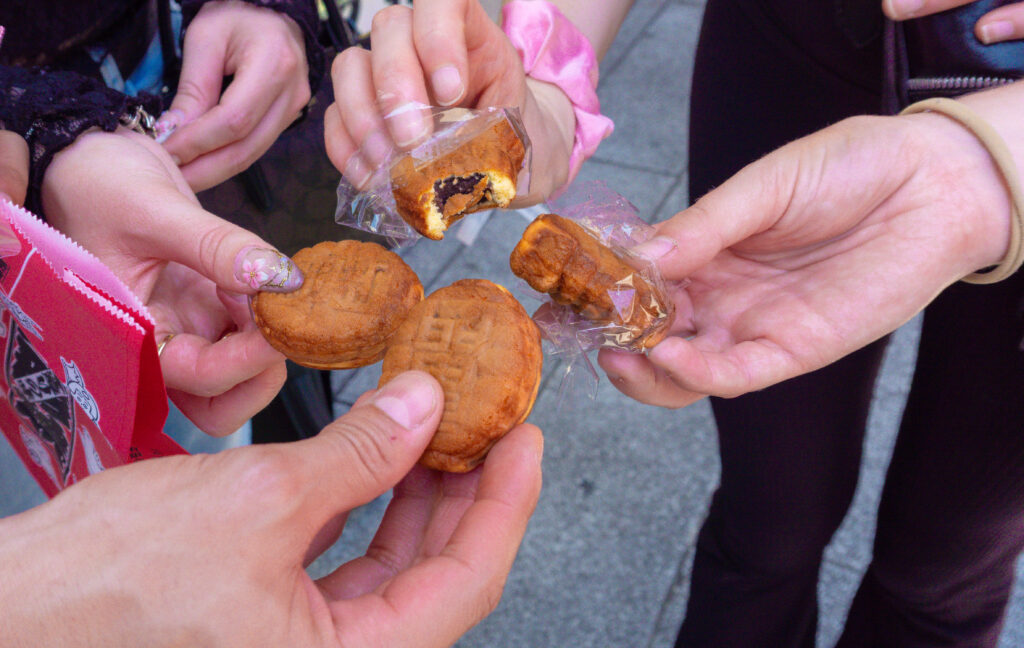
Ningyoyaki (literally “doll cakes”) are small round or shaped cakes filled with sweet bean paste, cooked in iron molds over direct heat. They’re Asakusa’s most specific food souvenir and are best eaten within an hour of purchase. The molds traditionally depict Senso-ji-related images — the lantern, the dove, the five-story pagoda. A bag of six costs ¥500–600 and is a genuinely good snack.
Tempura
Asakusa tempura is made with sesame oil rather than the more neutral vegetable oil used elsewhere, giving it a deeper color and nuttier flavor. This is the historical Edo style — specific, unfussy, eaten with grated daikon and tempura broth. The proper way to eat it is immediately as it comes from the oil, piece by piece, not all at once.
Senbei
Asakusa’s rice crackers (senbei) are roasted over charcoal to order at several shops in the neighborhood. The freshly roasted version has a snap and a warmth that mass-produced senbei doesn’t approximate. The classic flavor is soy sauce glazed; the variety that adds nori (seaweed) pressed onto the warm cracker is worth trying.
Monjayaki
Monjayaki is the Tokyo version of okonomiyaki — a thinner, wetter batter cooked on a griddle at the table, more difficult to describe than to eat. The taste is umami-forward and slightly chewy; the texture is unlike anything outside the Kanto region. The monjayaki restaurants on Moon Island Street (Tsukishima) are the most famous, but Asakusa has several good options.
Expert Tip
The food stalls along Nakamise shopping street are mostly tourist-facing and mediocre — the queue-generating meronpan at the main entrance is fine but not the best version available. Walk one block off the main corridor in any direction and the quality improves immediately. The best eating in Asakusa is never on the obvious route.
Best Restaurants and Stalls for Every Budget
Under ¥1,500
Senbei roasted to order (¥200–400 per piece), ningyoyaki (¥500–600 for a bag), tamagoyaki on a stick (¥200–300), hoppy and motsu-ni at Hoppy Street (¥800–1,200 for a substantial serving). A full morning of market eating runs ¥1,500–2,000 for meaningful quantities.
¥1,500–3,500
Tempura set lunch at an established counter (¥2,500–3,200), soba teishoku lunch (¥1,500–2,000), izakaya dinner on Hoppy Street with multiple dishes and drinks (¥2,500–3,500 per person). This is the right range for a full lunch meal in Asakusa.
¥5,000+
Asakusa has a small number of kaiseki-style restaurants for more serious evening dining. These require reservations and are worth considering for travelers who want to experience refined Japanese cuisine in a neighborhood context rather than a central district tourist experience.
Practical Tips and Timing
Asakusa on a weekend morning before 9am is dramatically calmer than at noon. The temple precinct fills quickly — arrive early for the walking experience and the freshest market food, then retreat to a restaurant for lunch when the crowds arrive.
Most of the specialty food shops are closed on Tuesdays or Wednesdays — check before visiting specific destinations. The izakayas on Hoppy Street open around 4pm and fill by 7pm; a weekday early evening is more relaxed than a weekend night.
Frequently Asked Questions
How long should I spend on an Asakusa food tour? Half a day covers the market and a lunch properly. A full day adds evening Hoppy Street and a more thorough exploration of the specialty shops.
Is Asakusa good for vegetarians? The street food includes many vegetarian options (ningyoyaki, senbei, sweet snacks). Restaurant dining is more challenging — carry an allergy card in Japanese for kitchens.
What’s the best time to visit Asakusa for food? Weekday mornings (8–11am) for the market and temple precinct. Late afternoon (4–7pm) for Hoppy Street izakayas. Avoid weekend afternoons in peak season.
Related Tours
Conclusion
Asakusa is the Tokyo neighborhood most likely to make you slow down. The food here is not trying to impress you with novelty — it’s trying to give you something that has been refined over multiple generations and continues because it works. That’s a different kind of satisfaction from what the newest restaurant in Shibuya offers, and it’s worth seeking out specifically.
Plan Your Japan Trip with Local Experts
Our team has guided 40,000+ travelers across Japan. Tell us about your trip and we’ll get back to you within 24 hours.