In this article:
- Sacred Peaks and Alpine Paradises
- Ancient Forests and Coastal Wilderness
- Geothermal Wonders and Quirky Landscapes
- Mystical Gorges and Southern Canyons
- Best Seasons and Logistics for Nature Trips
- Japan’s Wilderness: Frequently Asked Questions
Sacred Peaks and Alpine Paradises
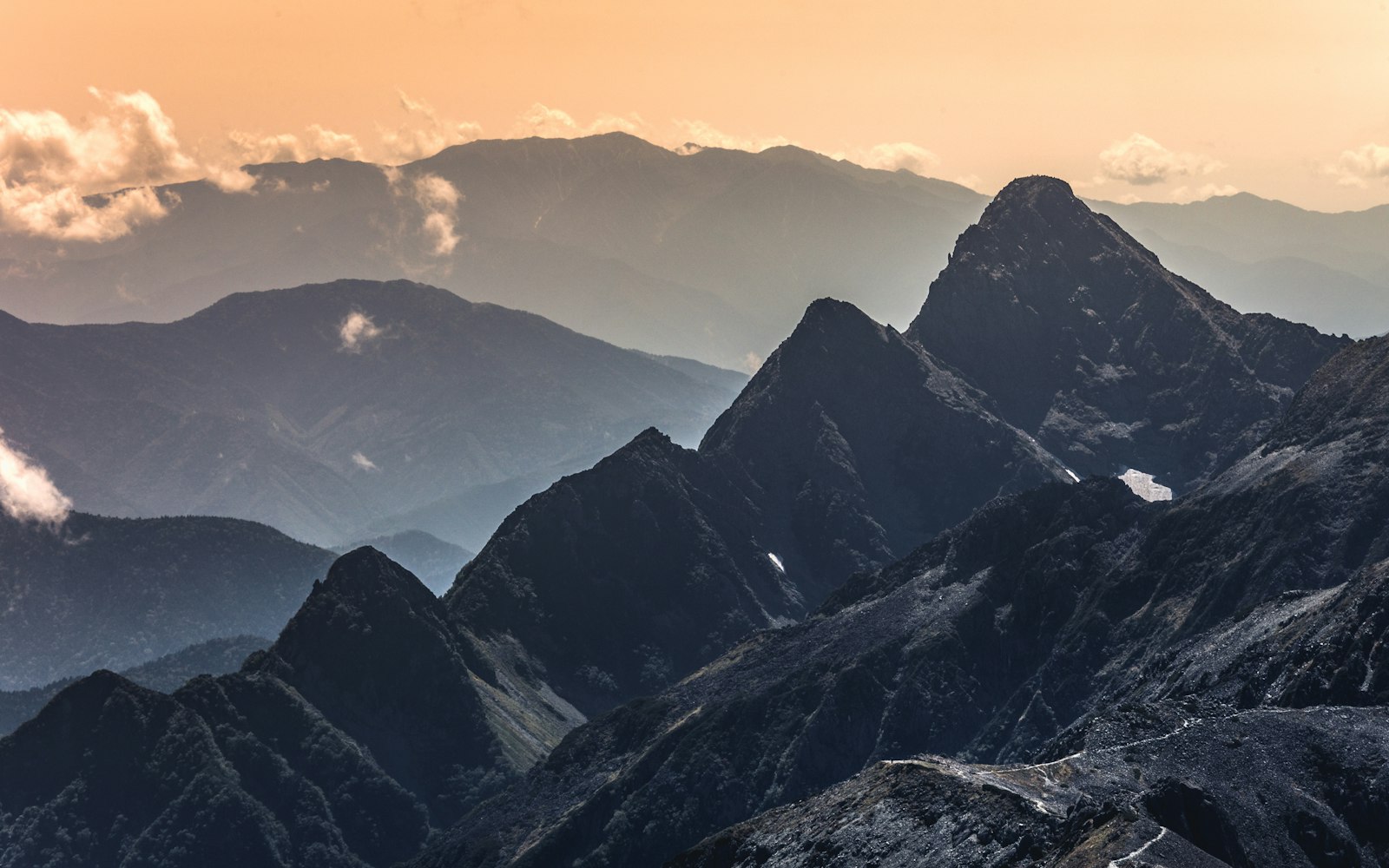
Mountains define Japan — they cover most of its land and much of its spiritual life, from the peak that appears on postcards to the alpine valleys hikers travel across the world for. Start with the high country.
Mount Fuji
Fuji is the country’s icon for good reason — a near-perfect volcanic cone rising alone above the surrounding plains, sacred for centuries and climbed by pilgrims and tourists alike. In the official summer season you can hike it overnight to catch sunrise from the summit; the rest of the year, the reward is the view of it, best from the Fuji Five Lakes to the north, where it reflects in the water. Clear-weather mornings in the colder months give the sharpest sightings.
Kamikochi and the Japan Alps
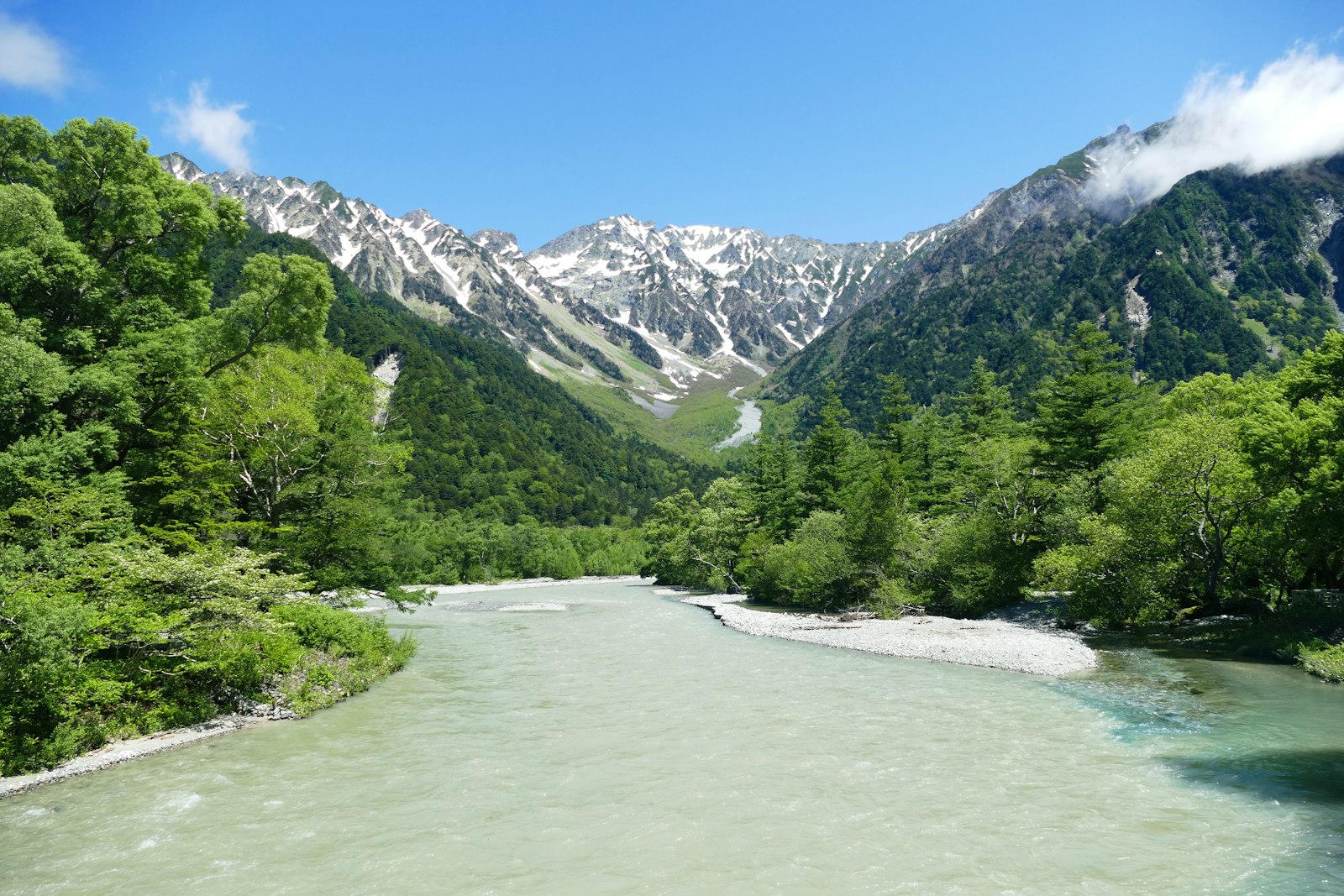
Kamikochi, a high valley in the Northern Japan Alps, is the country’s alpine showpiece — the clear Azusa River winding beneath jagged 3,000-metre peaks, crossed by the famous Kappa Bridge. It is a protected area closed to private cars, reached by bus, and laced with walking trails from gentle riverside strolls to serious mountain climbs. Open roughly mid-April to mid-November, it is at its most spectacular in fresh autumn colour against early snow.
Ancient Forests and Coastal Wilderness
Japan’s forests run from subtropical to subarctic, and two places stand above the rest for anyone drawn to old-growth wilderness — one a misty island of ancient cedars, the other a bear-roamed peninsula at the far north.
Yakushima Island
Yakushima, off the southern coast of Kyushu, is a small mountainous island cloaked in moss-hung, primeval cedar forest, some of the trees thousands of years old — the fabled Jomon Sugi among them. The forest’s dripping, green, otherworldly quality is said to have inspired the landscapes of Studio Ghibli’s Princess Mononoke, and walking it in the near-constant mist, you understand why. It rains often here; come prepared to get wet and treat the weather as part of the experience.
Shiretoko National Park
At the opposite end of the country, the Shiretoko Peninsula in eastern Hokkaido is one of Japan’s last great wildernesses — a UNESCO World Heritage site of roadless coastline, waterfalls, drift ice in winter, and a dense population of wild brown bears. Boat cruises along the sea cliffs offer the safest way to see bears foraging on the shore. This is serious wild country; go with local guidance rather than alone.
Geothermal Wonders and Quirky Landscapes
Japan sits on the Ring of Fire, and its volcanic energy surfaces in landscapes found nowhere else — including one of the country’s most beloved wildlife sights.
Jigokudani Monkey Park
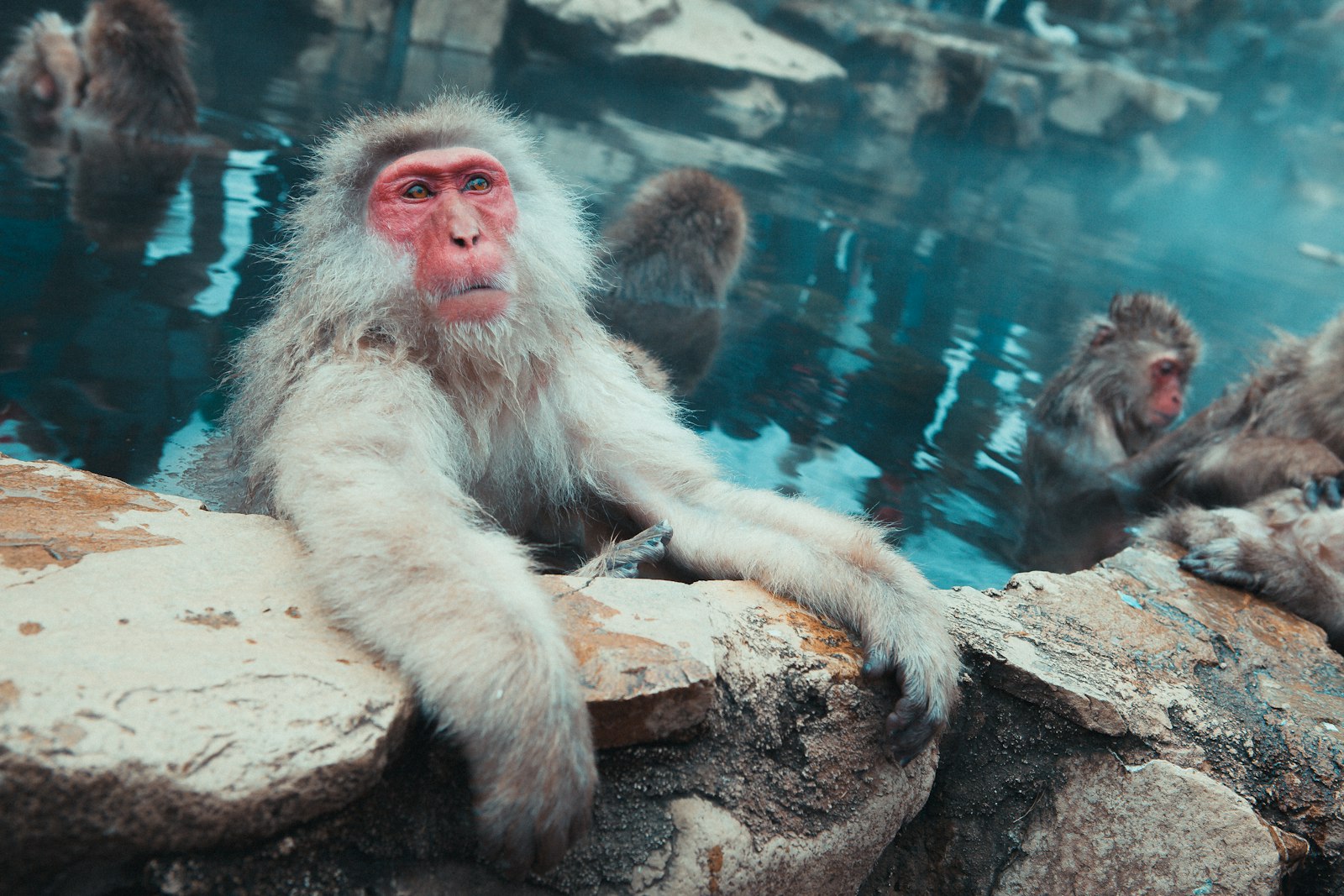
In the mountains of Nagano, a troop of wild Japanese macaques comes down in winter to bathe in a natural hot spring, sitting neck-deep in the steaming water with snow on their heads — the famous snow monkeys. It is genuine wild behaviour, not a show, and watching them soak an arm’s length away is unexpectedly moving. The park requires a short forest walk to reach; winter, with snow falling, is the classic time, though the monkeys are present year-round.
The Tottori Sand Dunes
On the Sea of Japan coast, the Tottori Sand Dunes are an improbable stretch of shifting, desert-like sand rising in ridges above the sea — the largest such dunes in the country. You can ride a camel across them, sandboard down the faces, or simply climb to the top for the view over the water. It is one of Japan’s genuine surprises, a small Sahara wedged against the ocean.
Mystical Gorges and Southern Canyons
Japan’s rivers have carved dramatic gorges through its volcanic and mountainous terrain, and the south holds two of the most striking, both wrapped in myth.
Takachiho Gorge
In Miyazaki, on Kyushu, the Takachiho Gorge is a narrow chasm of sheer basalt columns, formed by ancient lava flows, with a thin waterfall spilling into the emerald river below. You can rent a rowboat and paddle up the gorge to the base of the falls, looking up at the cliffs on both sides. The area is steeped in Japanese creation mythology, which lends the place a quiet, sacred atmosphere beyond its natural beauty.
Nachi Falls
On the Kii Peninsula in Wakayama, Nachi Falls is Japan’s tallest single-drop waterfall, plunging 133 metres down a forested mountainside — and beside it stands a three-storey vermilion pagoda, framing one of the country’s most photographed sacred scenes. The falls are part of the Kumano pilgrimage routes, and the combination of thundering water and religious architecture captures how thoroughly Japan blends nature and worship.
Best Seasons and Logistics for Nature Trips
Japan’s nature is intensely seasonal, and timing matters more here than for a city trip. A little planning around the calendar and the practicalities of access makes the difference.
Timing Your Trip by Season
Spring brings cherry blossoms and fresh green to the lower elevations; summer opens the high mountains for hiking and the climbing season on Fuji; autumn sets the forests and gorges ablaze with colour, often the most rewarding season of all; and winter delivers the snow monkeys, the drift ice, and Hokkaido’s powder. Decide what you most want to see, then build the trip around its season rather than the reverse.
Getting to Remote Nature
Many of these places lie well off the rail network, and access is the main logistical hurdle. Some — Kamikochi, the snow monkeys — are reachable by train and bus with a walk at the end. Others, like Yakushima and Shiretoko, involve ferries, flights, or long drives, and reward the effort with genuine remoteness. Check seasonal closures before you go; alpine areas and mountain roads shut entirely in winter.
Expert Tip
Japan’s wild areas demand more self-sufficiency than its cities. In the mountains, weather changes fast and cell coverage drops, so carry layers, water, and a paper map, and tell someone your route. In bear country like Shiretoko and parts of Hokkaido, follow local advice — carry a bell, make noise on trails, and never approach wildlife. The freedom of these places comes with responsibility for your own safety that the cities never ask of you.
Related Tours

Japan’s Wilderness: Frequently Asked Questions (Q&A)
What precautions should I take around wild bears in Hokkaido? Take them seriously — Hokkaido’s brown bears are large and genuinely wild. Make noise as you hike so you never surprise one, carry a bear bell, keep food sealed and never feed wildlife, and stay on marked trails. In high-risk areas like Shiretoko, go with a local guide or take a boat cruise rather than hiking alone. Follow posted warnings, which reflect current bear activity.
Can I reach places like Kamikochi or Yakushima by public transport? Kamikochi, yes — a train to the region and then a bus, since private cars are banned in the valley itself. Yakushima is more involved: a flight or ferry from Kyushu to reach the island, then local buses or a rental car and a guide for the deep forest trails. In general, the alpine spots are reachable by public transport with effort, while the island wildernesses need a flight or ferry.
Do I need a permit or special gear to climb Mount Fuji? For the standard summer-season climb on the popular trails, you do not need a mountaineering permit, though there are now trail fees and entry systems in place, so check the current rules before you go. You do need proper gear — warm layers, rain protection, a headlamp for the pre-dawn ascent, and good footwear — because conditions near the summit are cold and harsh even in summer. Outside the official season, the climb is genuinely dangerous and not recommended.
Conclusion
The Japan that most first-time visitors picture — dense, electric, urban — is only a thin band along the coasts. Behind it rises a country that is mostly mountain and forest, where cedars outlive empires, monkeys bathe in hot springs, and waterfalls fall past pagodas. Seeing it takes more effort than riding the subway between temples, and it repays that effort many times over.
Plan Your Japan Trip with Local Experts
Our team has guided 40,000+ travelers across Japan. Tell us about your trip and we’ll get back to you within 24 hours.