In this article:
- The Shift to a Refund Method
- How to Shop Under the New Rules
- Claiming Your Refund at Departure
- Restrictions and Exclusions
- Who Qualifies and the Departure Window
- Japan Tax-Free Shopping: Frequently Asked Questions
Introduction
Japan’s consumption tax adds 10% to most goods (8% on food and some items), and foreign visitors have long been able to shop tax-free. What is changing is the mechanism. Rather than the discount being applied instantly at the till, Japan is adopting a refund system: you pay the tax-inclusive price when you buy, then reclaim the tax on departure once customs confirms you are taking the goods out of the country.
Because this is a transition and details are still settling, treat this guide as an overview and verify the exact current procedure with the retailer and at the airport before you rely on it.
The Shift to a Refund Method
The move away from register-side exemption is a deliberate policy change, and understanding why helps the new steps make sense.
Goodbye to Instant Deductions at the Register
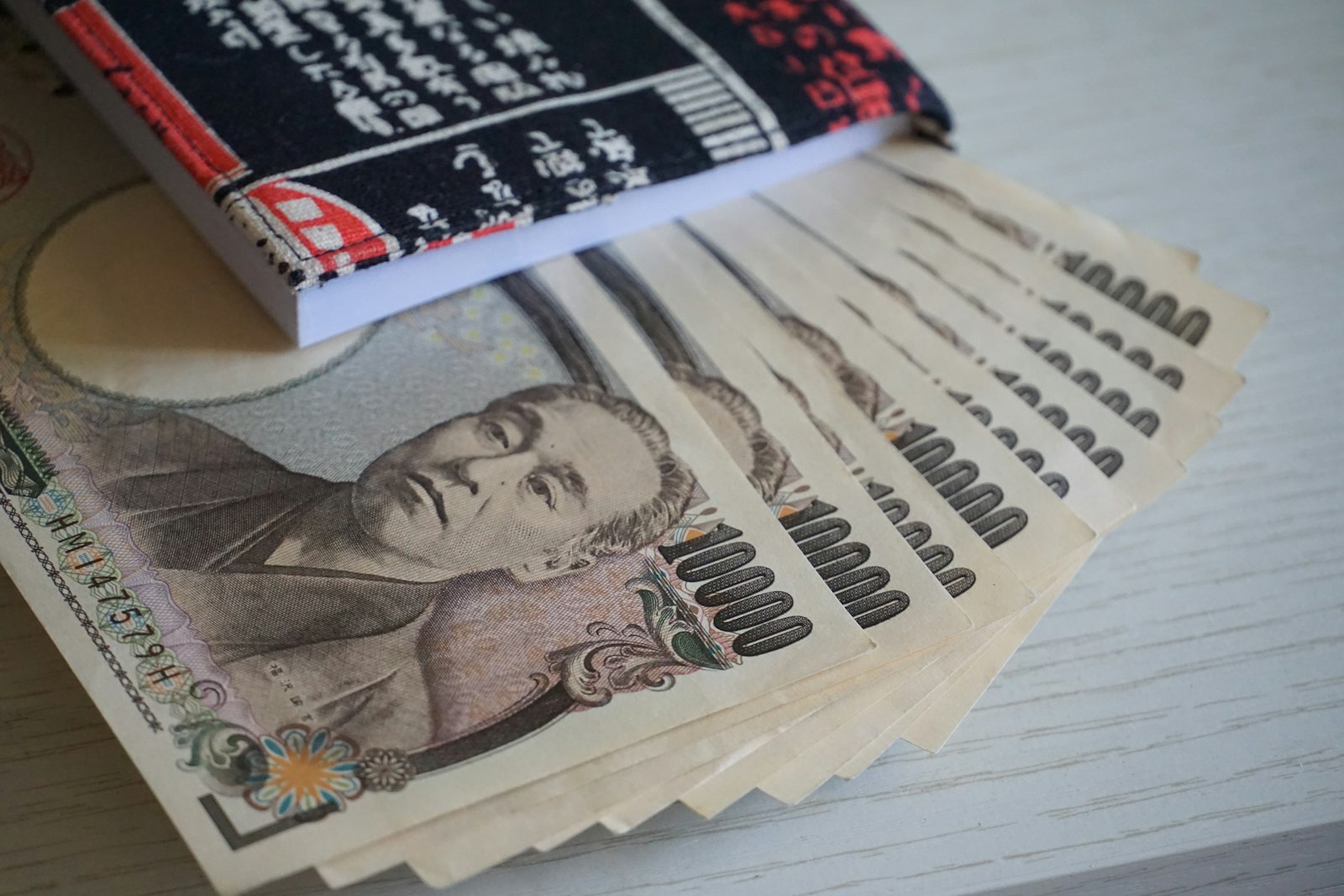
Under the older system, eligible foreign shoppers simply paid a tax-free price at the counter after showing a passport. The refund model changes that: you pay full price in the shop and recover the tax later at the point of departure. The end result — you do not bear the consumption tax — is the same, but the timing shifts to the airport.
Why the Government Made the Change
The refund-at-departure approach ties the tax benefit to goods actually leaving Japan, closing a loophole where tax-free items were sometimes resold domestically. Verifying purchases at customs on exit makes the exemption harder to abuse.
You Still Get the Full Benefit
The change is procedural, not a reduction. Eligible goods still carry the full 10% (or 8%) benefit; you simply receive it as a refund on departure rather than a discount at purchase. Plan for a small extra step at the airport rather than a smaller saving.
How to Shop Under the New Rules
Paying the Full Price Upfront
At the shop, you hand over the full, tax-inclusive price like any other customer. Keep this in mind for your budgeting: you front the tax and get it back later, so carry enough for the tax-inclusive totals during the trip.
Linking Your Passport to the Purchase
Your passport is registered against the eligible purchase, generating a digital record — increasingly a QR code — that ties the transaction to you for the refund. Carry your physical passport when you shop; a photo or hotel copy is not enough for tax-free processing.
The Spending Minimum
Tax-free eligibility applies above a daily spending threshold at a given store — generally at least 5,000 yen (excluding tax) in eligible purchases. Consolidating your shopping at one store on one day is the simplest way to clear the minimum.
Expert Tip
Keep every tax-free receipt and the digital record together in one place — a single envelope or a dedicated folder on your phone — from your first purchase. At departure you may need to present them alongside the goods, and hunting through a suitcase for a receipt from ten days ago while your flight boards is a poor way to save 10%.
Claiming Your Refund at Departure

Customs Kiosks Before Security
At the airport or port, you process the refund at customs, often via automated kiosks where you scan your passport and purchase records. Do this before you clear security and before checking any bag that contains the goods, since customs may want to see the items.
Keep Purchases Accessible and Unopened
Tax-free goods should be kept available for possible inspection and, where required, unopened. Do not use or unwrap eligible purchases before you leave the country, and pack them where you can reach them at the customs check.
Declaring Items in Checked Luggage
If your tax-free purchases need to go in a checked suitcase, handle the customs and declaration step before you check the bag. Arrive at the airport with extra time so the refund process does not collide with your check-in deadline.
Restrictions and Exclusions
Consumables and Packing
Consumables such as cosmetics, food, and drinks have their own packing conditions and, once you clear security, standard liquid rules for carry-on still apply. Plan how bottles and cosmetics travel so a refunded item does not get stopped at security.
Services Are Not Refundable
Tax-free applies to goods, not services. Hotel stays, restaurant meals, transport, and tickets are not eligible for a consumption-tax refund. Only physical goods you carry out of the country qualify.
No Domestic Forwarding
You cannot ship tax-free purchases to a domestic Japanese address and still claim the exemption — the goods must leave the country with you. If you want to forward shopping within Japan, do it with regular taxed purchases.
Who Qualifies and the Departure Window
Short-Term Foreign Visitors
The benefit is for foreign tourists on short-term visitor status. If you entered Japan as a temporary visitor for tourism, you qualify. The scheme is designed specifically for goods bought by visitors and taken home.
The Departure Time Limit
Tax-free purchases are tied to leaving Japan within a set window — generally within 90 days of purchase. For a normal holiday this is never a constraint, but it rules out buying tax-free on a trip and departing much later.
Long-Term Residents Do Not Qualify
Students, workers, and other long-term residents are not eligible for visitor tax-free shopping, since they live in Japan rather than visiting. The perk is strictly for short-term foreign visitors.
Japan Tax-Free Shopping: Frequently Asked Questions
Do I get the refund in cash or to my card? Refund methods can include cash or a card credit depending on the system and location. Since procedures are changing, check what the specific airport or refund operator offers when you depart.
Do business travelers or exchange students qualify? The benefit targets short-term foreign visitors. Long-term residents such as exchange students generally do not qualify. Short-term business visitors’ eligibility depends on their entry status, so confirm your case.
Is the sealed tax-free packaging still required? Packaging and handling rules for consumables have historically been strict and are part of what is changing under the new system. Follow the store’s instructions at purchase and keep items as directed until you depart.
Related Tours

Conclusion
The headline is simple: under the refund system you pay the tax in the shop and claim it back when you leave. Carry your passport when you shop, clear the daily minimum at one store, keep your receipts and goods together, and handle the customs step at the airport before you check your bags or pass security.
Plan Your Japan Trip with Local Experts
Our team has guided 40,000+ travelers across Japan. Tell us about your trip and we’ll get back to you within 24 hours.