In this article:
- The Legend of Hachiko
- Finding the Statue at Shibuya
- The Ultimate Tokyo Meeting Point
- The Hachiko Legacy Beyond Shibuya
- Tips for Taking Photos
- Hachiko Statue: Frequently Asked Questions
Introduction
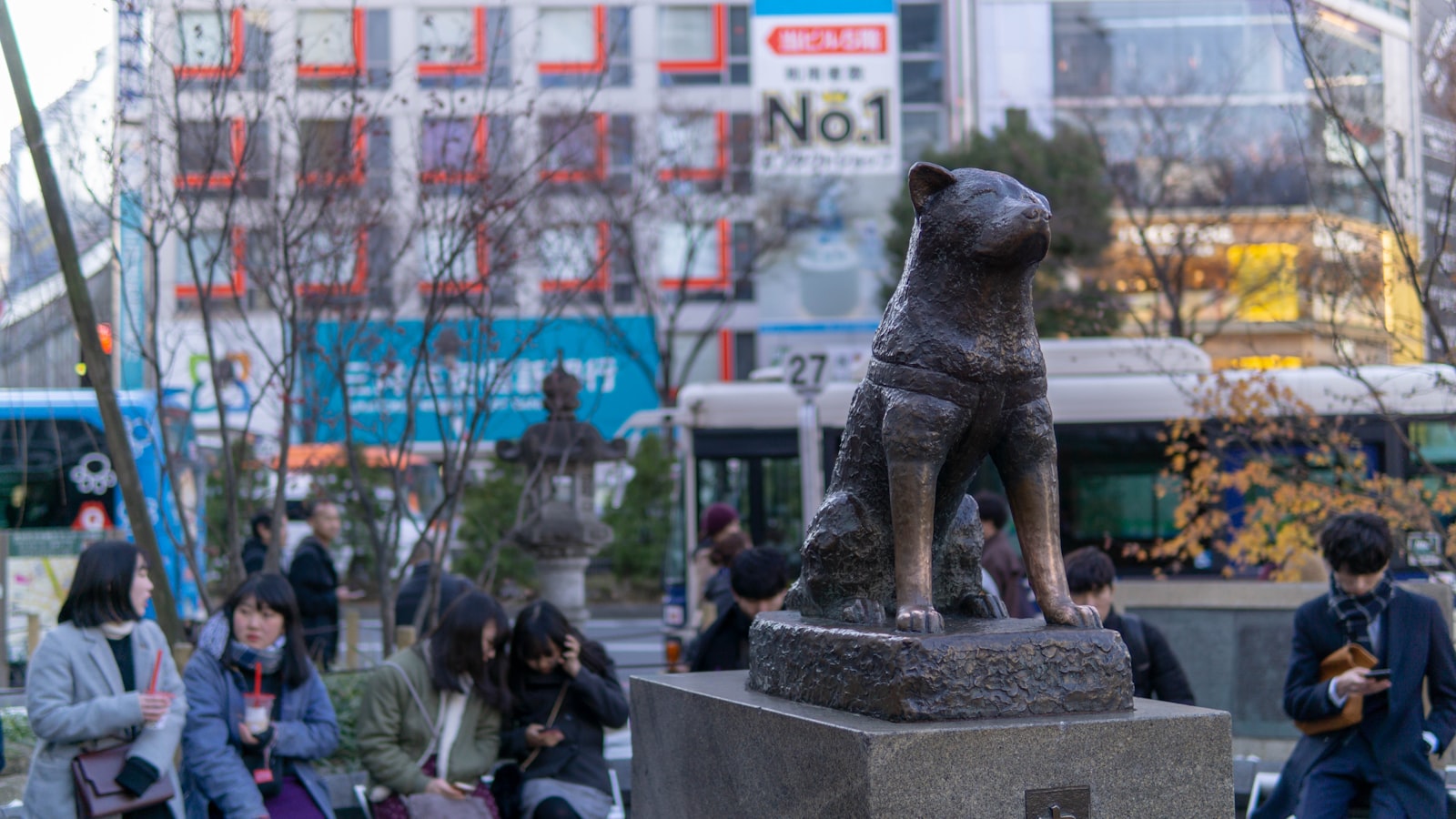
Most travelers photograph the Hachiko statue because it is next to Shibuya Crossing. Fewer know the story, and the story is the reason to stop. Hachiko was a real dog who accompanied his owner to Shibuya Station each morning and met his train each evening — and who kept returning to that same spot for years after his owner died, waiting for a man who would never step off the train again.
It is a small bronze figure of a sitting dog, easy to miss in the crowd. But knowing what it commemorates changes how you see it.
The Legend of Hachiko
The facts of the story are simple, which is part of what makes it endure.
Nearly a Decade of Waiting
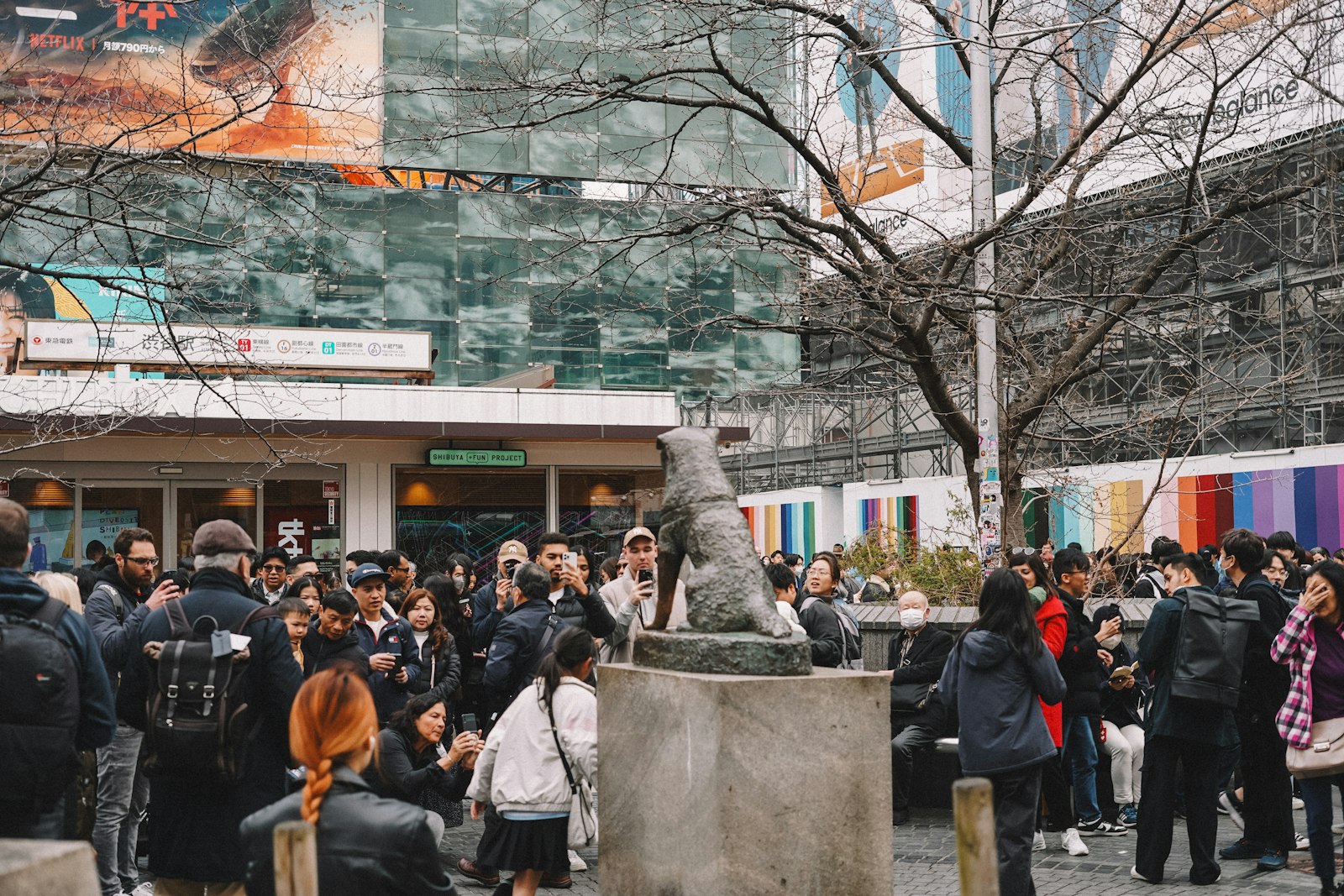
From 1925, after his owner’s death, until his own in 1935, Hachiko returned to Shibuya Station around the time the evening train arrived, day after day, year after year. Commuters came to know the loyal Akita, and his quiet, faithful vigil became part of the station’s daily life for almost ten years.
From Local Dog to National Symbol
Newspaper coverage in the 1930s turned the solitary dog into a national story, and Hachiko came to symbolize loyalty and devotion across Japan. That reputation has only grown, carried further by books and films that introduced the story to the world.
Hachiko and Professor Ueno
Hachiko’s owner was Professor Hidesaburo Ueno of the University of Tokyo, who took the dog into his home as a puppy. Their bond, and the dog’s refusal to abandon their routine after the professor’s sudden death, is the heart of the story — a simple, faithful attachment that outlasted the person it was formed with.
Finding the Statue at Shibuya
The Hachiko Exit
Shibuya Station is large and confusing, but the statue has its own named exit. From the JR lines, follow signs to the Hachiko Exit, which leads straight out to the plaza where the statue sits. It is the simplest way to find it without getting lost in the station’s many levels.
Right by the Crossing
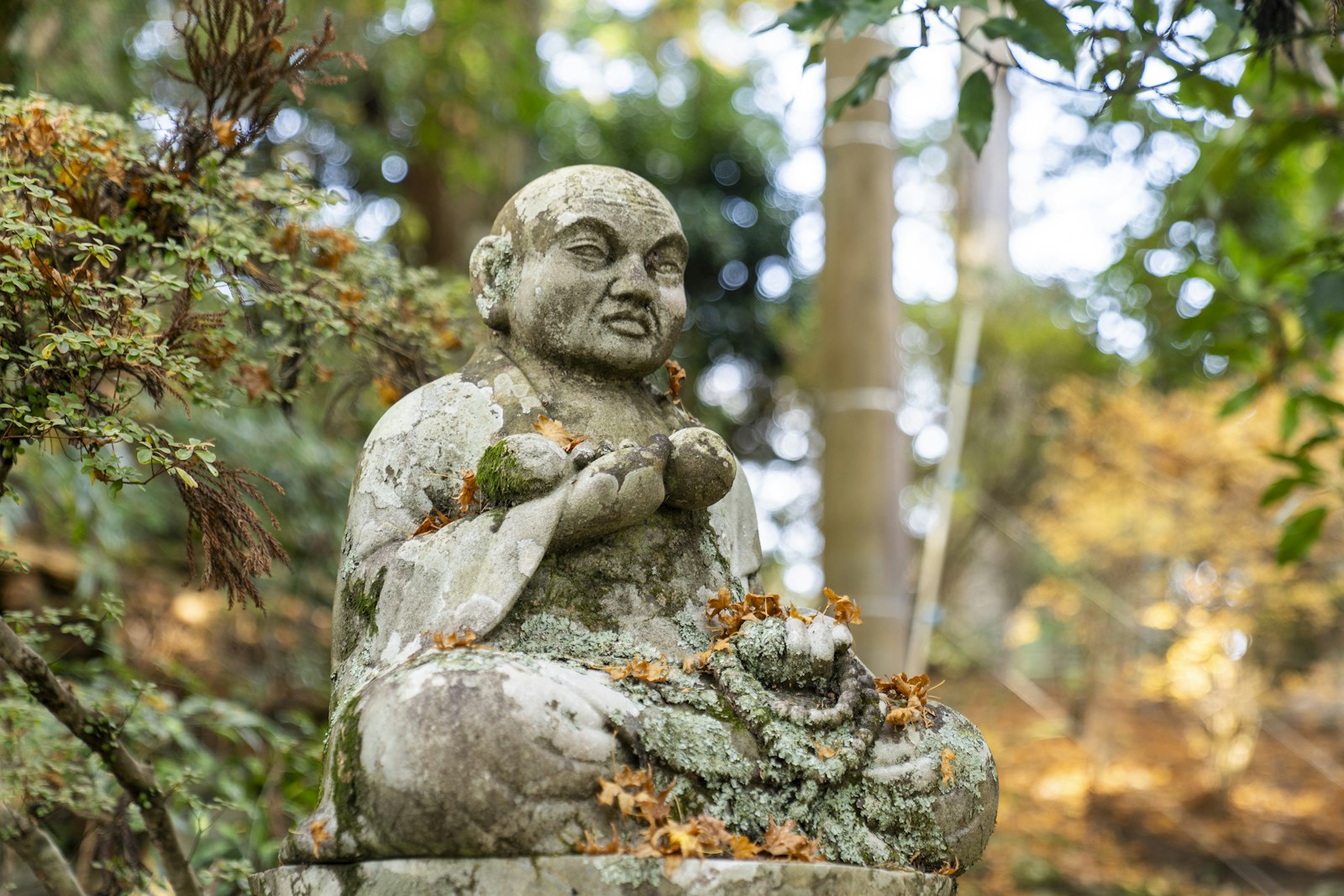
The bronze monument stands in the plaza just steps from Shibuya Crossing, so the two are seen together in a single visit. Once you are out of the Hachiko Exit, look for the cluster of people with cameras — that is where the dog sits.
The Old Green Train Car
Opposite the statue sits a preserved green train carriage, a small piece of Shibuya history that now serves as a tourist information point. It is a useful landmark for orienting yourself and a quiet counterpoint to the busy plaza.
The Ultimate Tokyo Meeting Point
Meeting Etiquette
Hachiko is the classic “meet me at” spot in Tokyo, which means the immediate area is busy with people waiting and photographing. Stand a little back rather than pressing against the statue, so you are not blocking photographers or the flow of pedestrians. A moment’s courtesy keeps the crowded plaza moving.
Spotting Friends in the Crowd
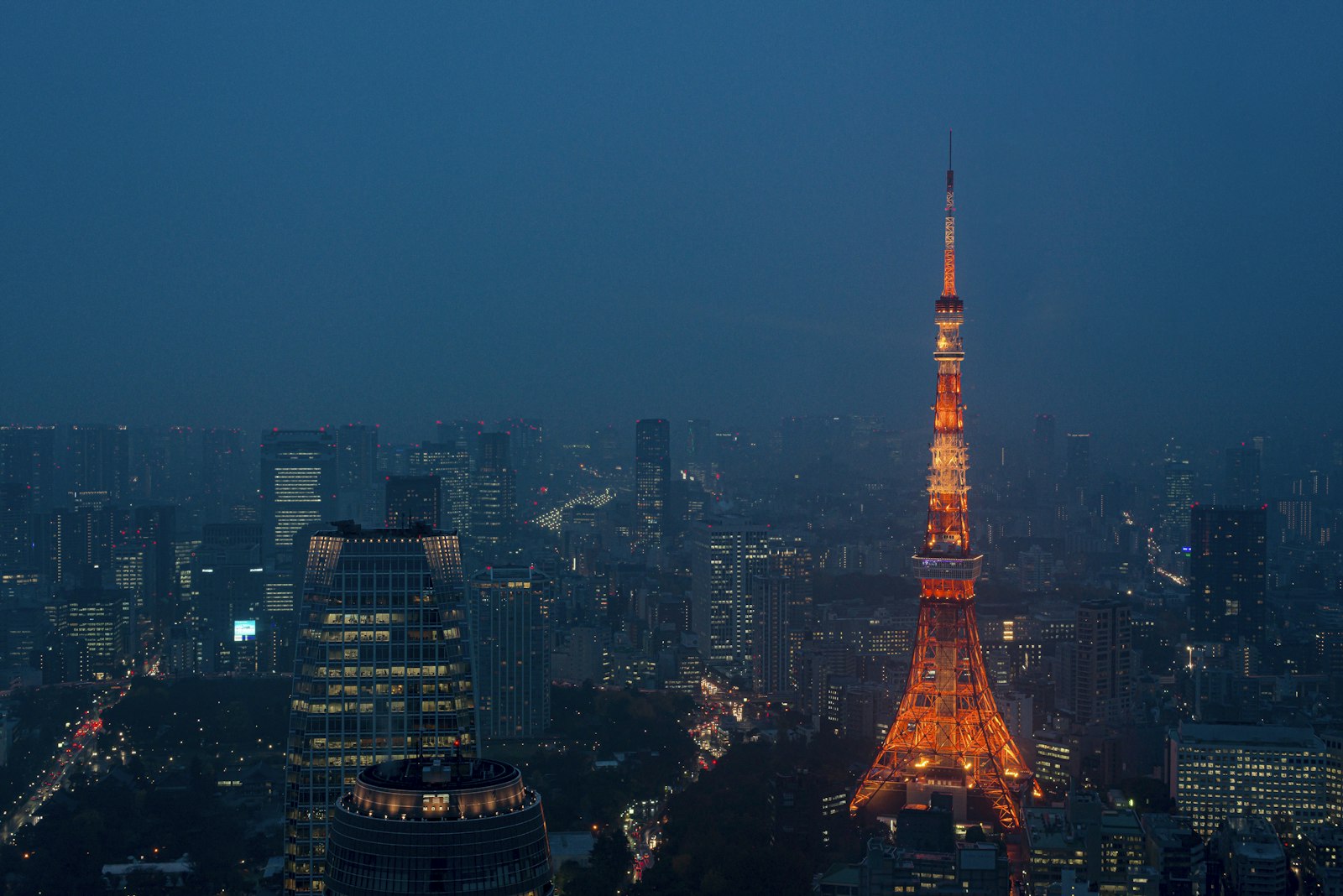
Because so many people wait here, actually finding your friends can be tricky. Agree on a specific side of the statue or a nearby landmark like the green train car, and share your location on your phone. Precision beats “by Hachiko” when hundreds of people are also there.
Quieter Alternatives
If you would rather meet somewhere calmer, the station has quieter exits and nearby cafes that make easier rendezvous points. Use Hachiko for the photo and a side street for the actual meetup if the crowd is heavy.
Expert Tip
Come to Hachiko early in the morning, before about 9:00, if you want a clean photo with the statue. Through the day a line of twenty or more people forms to pose with it, and by afternoon you wait your turn. Early morning gives you the dog, the plaza, and the crossing behind it almost to yourself — and the light is better too.
The Hachiko Legacy Beyond Shibuya
The Reunion Statue at the University of Tokyo
On the University of Tokyo’s Hongo-area grounds stands a different statue: Hachiko leaping joyfully toward Professor Ueno, the reunion the real dog never had. It is a moving counterpart to the solitary Shibuya figure and worth seeking out for anyone touched by the story.
Odate, His Birthplace
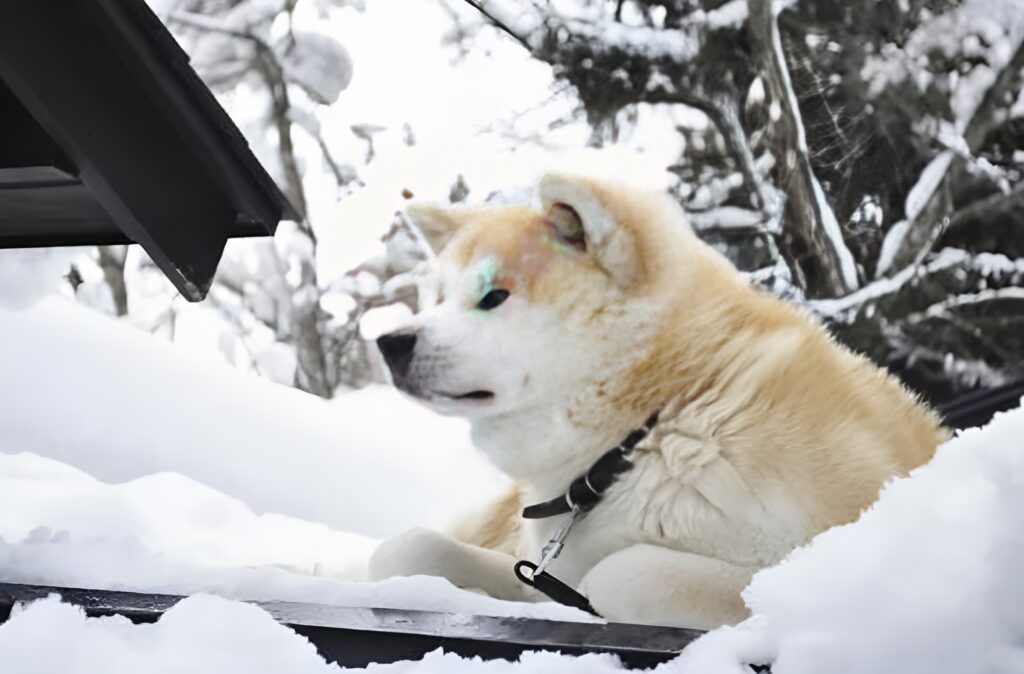
Hachiko was born in Odate, in Akita Prefecture, the home of the Akita breed. The area honors him with an Akita dog museum and Hachiko-related sites, set in the snowy northern landscape where the breed originates. For dedicated fans, it is the story’s true home.
His Grave at Aoyama
Hachiko was laid to rest beside Professor Ueno at Aoyama Cemetery in Tokyo, reuniting them at last. Visitors can pay their respects there, a quiet and fitting end to the story a short distance from the bustle of Shibuya.
Tips for Taking Photos
Beat the Queue
As noted, the photo line grows through the day. An early-morning visit is the single best way to get your shot without a long wait. If you can only come later, be patient and take your turn — pushing in is poor form at a monument locals hold dear.
Seasonal Outfits
Locals sometimes dress the statue for the seasons and holidays, fitting Hachiko with a scarf, hat, or festive accessory. Catching him in seasonal attire is a small delight and makes for a more distinctive photo.
Night Shots
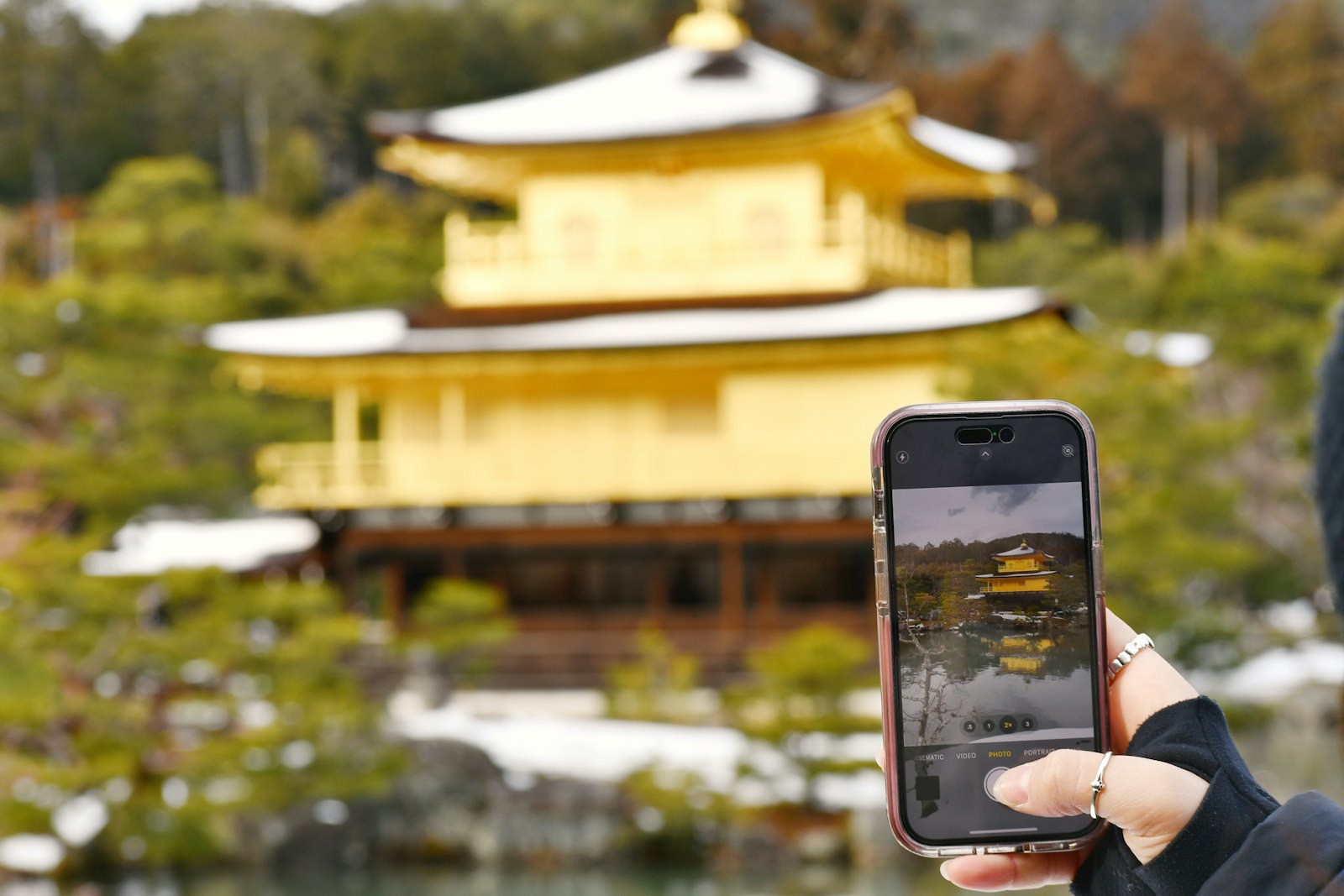
After dark, the statue glows under Shibuya’s neon, with the lit-up crossing behind it. A night photo captures the contrast beautifully — the quiet, faithful dog against the electric energy of the city he has watched over for decades.
Hachiko Statue: Frequently Asked Questions
Is the current statue the original? No. The first statue was erected in 1934, while Hachiko was still alive, but it was melted down for metal during the Second World War. The statue standing today is a recast made in 1948 by the original sculptor’s son.
Where is Hachiko buried, and can I visit? Hachiko rests beside Professor Ueno at Aoyama Cemetery in central Tokyo, and visitors can pay their respects there. It is a peaceful spot away from the crowds of Shibuya.
Are Akita dogs common in Tokyo? Akitas are a large breed better suited to space and cooler climates, so they are more associated with rural northern Japan than with urban Tokyo apartments. You are far more likely to meet one in Akita Prefecture than in the city.
Related Tours
Conclusion
The Hachiko statue is easy to photograph and easy to walk past without a second thought. Take the second thought. Behind the small bronze dog is a decade of quiet, faithful waiting that a whole country took to heart, and the plaza where he sits is still, fittingly, the place where people in Tokyo come to find one another.
Plan Your Japan Trip with Local Experts
Our team has guided 40,000+ travelers across Japan. Tell us about your trip and we’ll get back to you within 24 hours.