In this article:
- Three Ships, Three Ports, One Crater Lake
- Tickets, Fares, and the Special Cabin
- What You See From the Deck
- Fitting the Cruise Into a Day in Hakone
- Hakone Pirate Ship: Frequently Asked Questions
Introduction
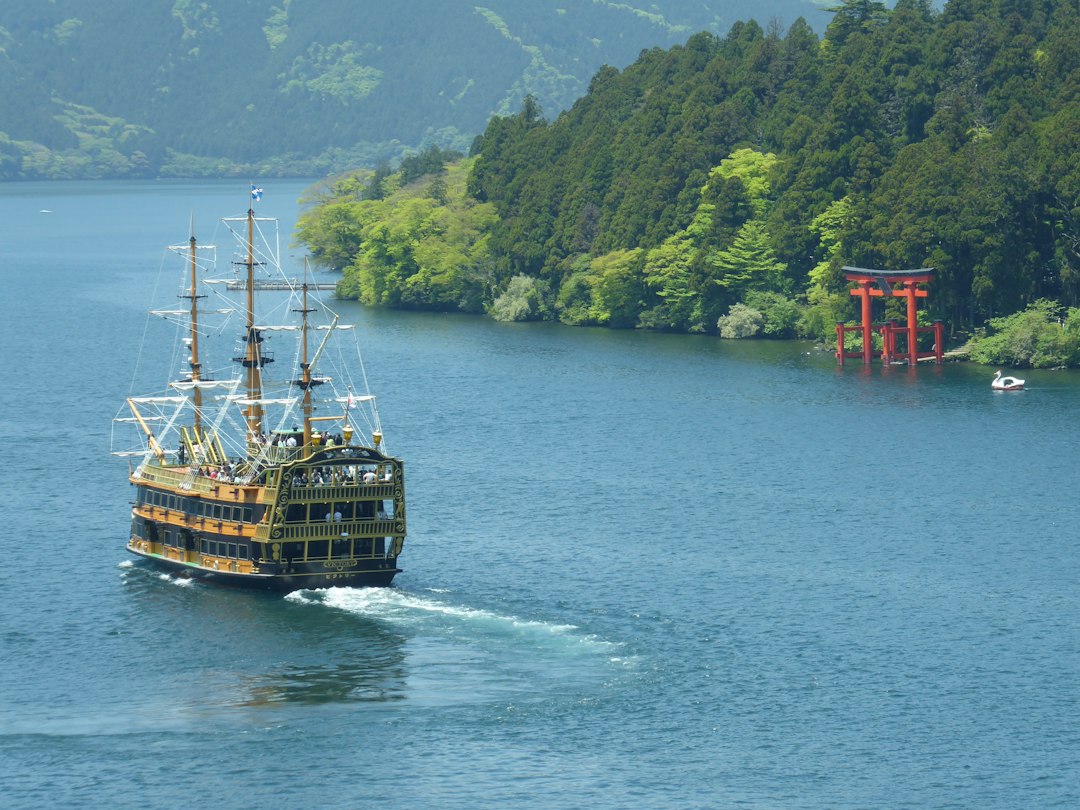
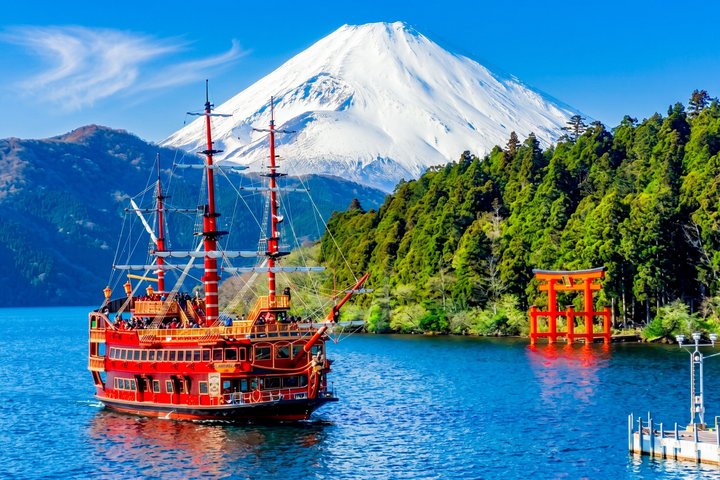
The Hakone pirate ship looks, at first sight, like a joke that went too far. A gilded galleon with carved figureheads and painted cannon, gliding across a mountain lake in Kanagawa, a couple of hours from Tokyo.
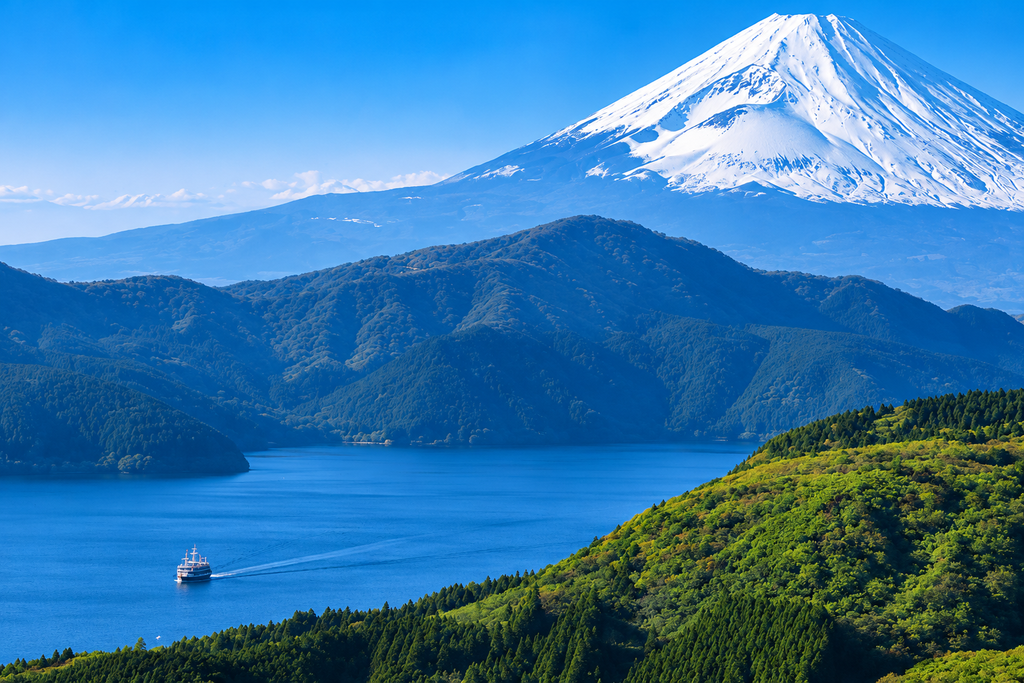
Then you are on the upper deck, the wind off the water is colder than you expected, and the slopes of an old volcano are rising on every side of you. Lake Ashi fills a caldera. The ship is theatrical, but the crossing is the most direct way to understand the shape of the landscape you have spent the morning climbing through.
We have put many travelers on these boats, usually at the end of a long day that started at Owakudani. Almost none of them come off saying the ship was silly. What they talk about is the view back across the water, and whether Fuji showed itself. This guide is about getting both of those right.
Three Ships, Three Ports, One Crater Lake
Officially, the boats are the Hakone Sightseeing Cruise, run by the Odakyu group. Everyone, including the operator’s own marketing, calls them the pirate ships.
Royal II, Victory, and Queen Ashinoko
Three ships sail the route, each with a different design. Victory takes its look from HMS Victory, the eighteenth-century British flagship. Royal II draws on an eighteenth-century French warship, and its first-class cabin reopened in July 2026 after a renovation in white and deep red.
Queen Ashinoko is the newest and the most ornate, finished largely in gold. Its interior uses yosegi-zaiku, the geometric wood marquetry Hakone has been making for generations, which is the one detail on any of the three ships that actually belongs to the place.
You do not choose your ship. Whichever one is next at the pier is the one you board, and in our experience the differences matter far less than the weather.
Togendai, Hakone-machi, and Moto-Hakone
The route links three ports. Togendai sits at the northern end of the lake, where the Hakone Ropeway comes down from Owakudani. Hakone-machi and Moto-Hakone are close together at the southern end, near the old Tokaido checkpoint and Hakone Shrine.
A one-way crossing takes roughly 25 to 35 minutes, depending on which ports you sail between. A full round trip runs about 70 to 90 minutes, and some winter sailings take longer.
Sailings run through the day, roughly from morning until late afternoon, with the exact hours shifting by season. Check the timetable at the port rather than relying on a schedule you found online months earlier. If you are driving, Hakone-machi has a large free car park, and coin lockers are available at Togendai and Moto-Hakone.
Which Direction to Sail
Sail south. We recommend Togendai to Moto-Hakone for almost everyone, for two reasons.
The first is logistics. Togendai is where the ropeway delivers you, so the ship becomes the natural continuation of the classic loop rather than a detour. The second is what you arrive into: the southern end of the lake is where the shrine, the cedar avenue, and the buses back toward Hakone-Yumoto and Odawara are. Ending there keeps your options open for the rest of the afternoon.
The reverse direction works, and it is quieter in the morning. Still, unless you are staying at a ryokan near Togendai, it tends to leave you at the wrong end of the lake when the day is winding down.
Tickets, Fares, and the Special Cabin
Buying a ticket takes a minute at the port counter, and there is no reason to arrange anything in advance.
Regular Fares and How to Pay
A one-way adult fare is ¥1,700 and a round trip is ¥3,000. Children pay ¥850 one way and ¥1,300 return. Fares were revised in 2025, so older blog posts quoting ¥1,200 are out of date.
Ticket counters accept credit cards, Suica, and PASMO. Individual travelers cannot reserve seats; advance reservations are only taken for groups of fifteen or more. Boarding usually opens five to ten minutes before departure, so arriving at the pier ten minutes ahead is enough outside the busiest weekends.
We rarely recommend the round trip. Sailing back to Togendai returns you to the ropeway station at the time of day when everyone else is also heading for it, and you see the same shoreline twice. One way, followed by an hour at the southern end of the lake, is the better use of the afternoon.
Is the Special Cabin Worth It?
Each ship has a special cabin, sold as a surcharge on top of the regular fare: ¥800 one way, or ¥1,480 on a round trip, for adults. It comes with quieter seating and access to a separate deck area, and tickets are limited with no assigned seats.
On a crowded autumn Saturday, we think it is worth the money. The regular decks fill quickly, and a protected corner of deck space changes the crossing from a jostle into something you can enjoy. On a quiet weekday in January, by contrast, the regular cabin is usually half empty and the surcharge buys you very little.
The Hakone Freepass
If you hold a Hakone Freepass, the regular cabin is included and you can ride as many times as you like during the pass’s validity. The special cabin is not included, and you pay the surcharge each time you use it.
For a traveler doing the full loop of mountain railway, cable car, ropeway, and ship, the pass usually pays for itself. If you are only riding the ship once and arriving by coach, buying a single ticket at the port is simpler.
Expert Tip
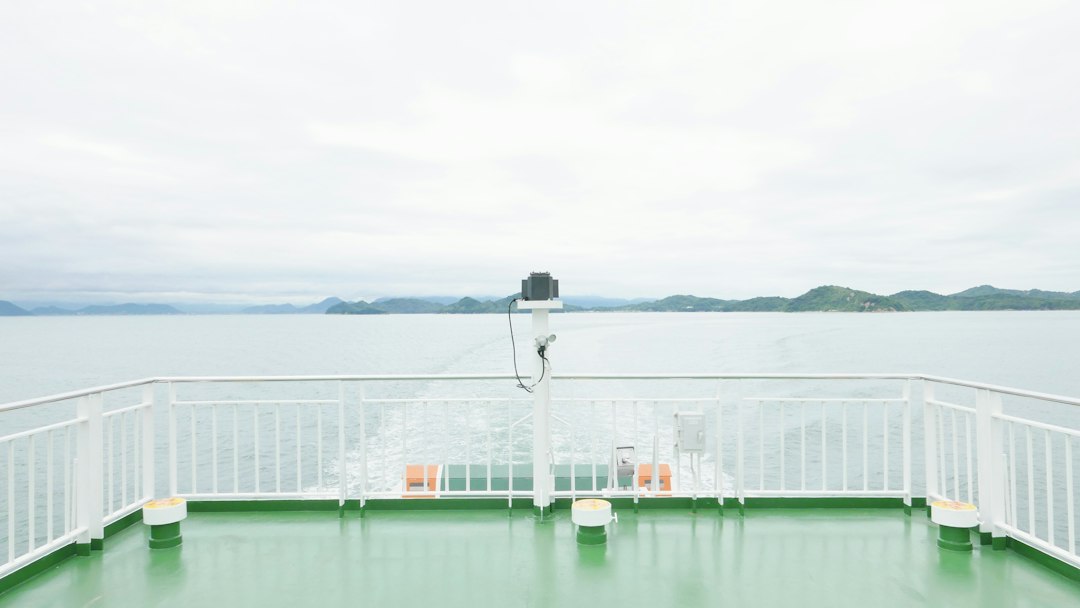
Go up to the open deck before the ship leaves the pier, not after. Most passengers settle into the cabin first and only drift upstairs once the boat is moving, by which point the rail at the stern is taken. On the southbound crossing from Togendai, the stern is where Fuji will be.
What You See From the Deck
The real subject of the cruise is the lake itself, and the mountains that hold it.
Mt Fuji and When It Appears
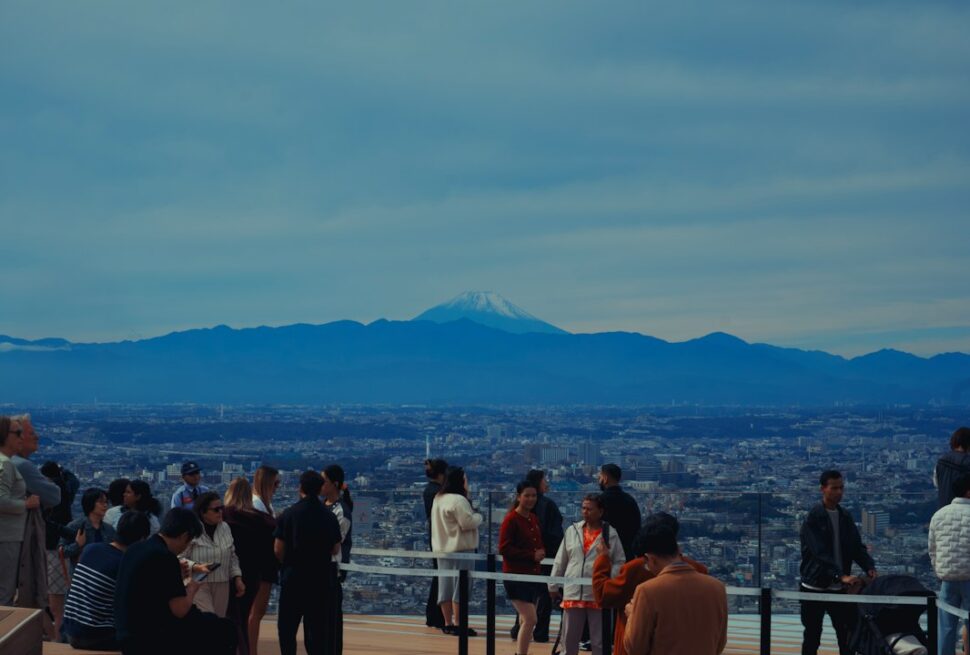
Fuji sits to the northwest of Lake Ashi, behind the ridges of the outer caldera. When it is visible, the classic view is from the southern half of the lake, looking back across the water toward Togendai with the cone rising above the hills.
That means on a southbound sailing, it appears behind you. Face the stern, especially in the last part of the crossing as the ship approaches Hakone-machi or Moto-Hakone.
Be realistic about the odds. Cloud covers Fuji on a great many days, and summer haze hides it even when the sky over Hakone looks clear. The clearest air tends to come in late autumn and winter, often in the early morning, though no month guarantees anything.
The Torii Gate of Hakone Shrine
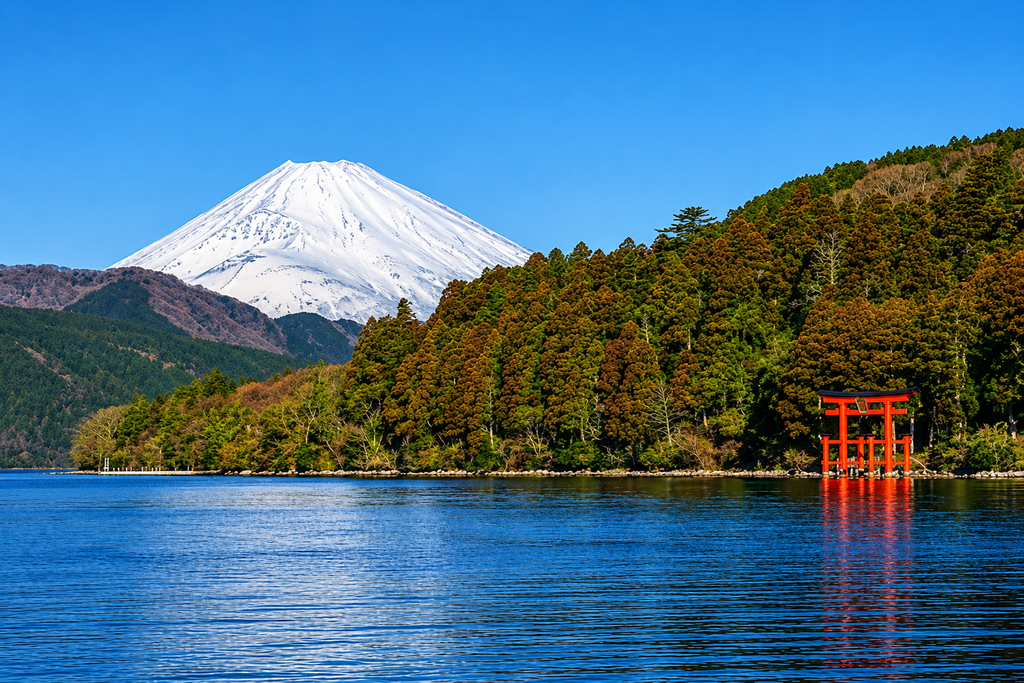
Approaching Moto-Hakone, look to the shoreline for a red torii standing in the water. This is the Peace Torii of Hakone Shrine, and from the deck you see it the way it was meant to be seen, framed by cedar forest and lake rather than by a queue of people waiting to photograph themselves under it.
On land, the wait for that photograph can be long on busy days. If you only want the image, the ship gives you a cleaner version of it for free. If you want to stand under the gate yourself, go early or accept the wait.
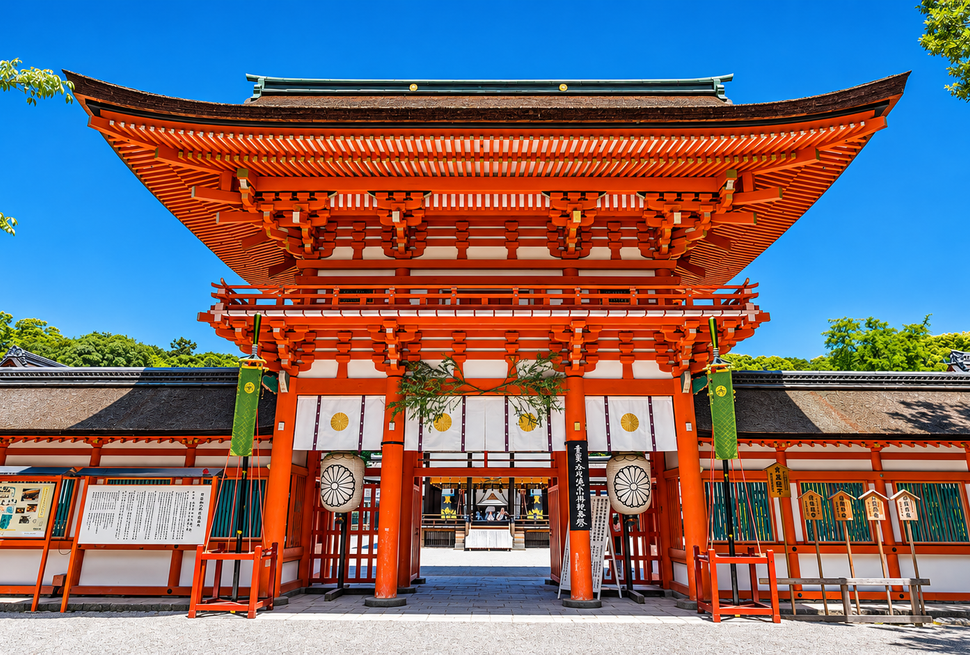
The shrine is a short walk along the shore from the Moto-Hakone pier, which is another argument for ending your crossing there. Climb the stone steps through the cedars to the main hall afterward. Most of the crowd stays at the water’s edge, and the forest above is noticeably quieter.
Seasons on the Lake
Each season changes the crossing more than most visitors expect. Autumn brings colour on the slopes above the water, usually from late October into November. Winter is cold on deck but offers the best chance of a snow-capped Fuji.
Spring and early summer are greener and softer, with more mist. That mist is beautiful when it lifts and frustrating when it does not. At any time of year, the lake is noticeably colder and windier than Tokyo.
Light matters as much as season. A crossing in the hour before the last sailings, when the sun drops toward the western ridge, turns the water to beaten metal and puts the far shore into silhouette. If your day allows it, we would rather you take a late ship than an early one.
Fitting the Cruise Into a Day in Hakone
The ship is one link in a chain, and it works best when you plan it as one.
The Ropeway to Ship Connection
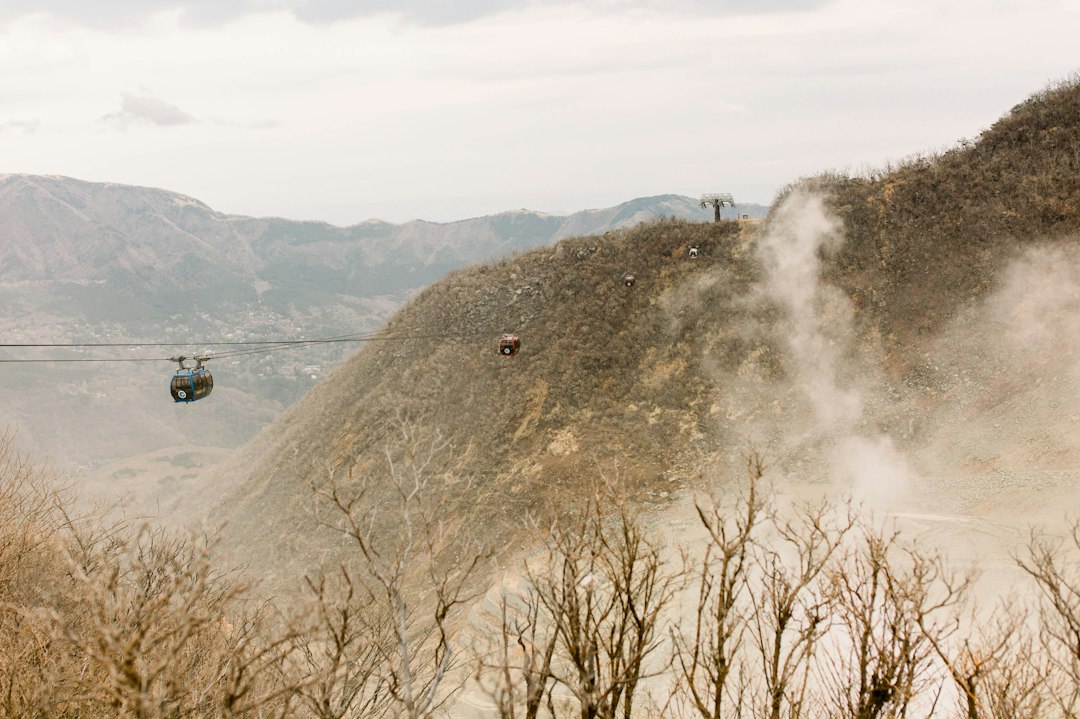
The standard route is the Hakone loop: Romancecar or train to Hakone-Yumoto, the mountain railway and cable car up to Sounzan, the ropeway over Owakudani, and the ship from Togendai. The Hakone Ropeway drops you a short walk from the pier, which is why the two are nearly always ridden together.
Allow more time than the timetables suggest. Queues for the ropeway at weekends can absorb an hour, and that delay arrives at the pier with you. We suggest treating the ship as the fixed point of the afternoon and building the morning backward from it.
Weather, Fog, and Suspensions
The ships run year-round, but sailings can be altered or suspended in heavy fog or strong wind. This happens more often than first-time visitors assume, and it rarely comes with much warning.
The ropeway has its own vulnerabilities. Owakudani can close at short notice when volcanic activity rises, and parts of the ropeway can close with it. When a link in the loop fails, the day becomes slower rather than impossible, since buses serve both ends of the lake.
Doing It on a Guided Coach Day
On our Mt Fuji and Hakone day tour from Tokyo, the coach handles the parts of the loop that are tedious to do alone, and the Lake Ashi cruise is an optional ticket paid on the day. Guests who skip it still see the shrine and the lake from the shore; most choose to sail.
Two things we tell every group. Bring cash for the cruise and ropeway tickets, and carry a layer. Even in September, the wind across the water catches people out, and a thin jacket makes the difference between staying on deck and retreating to the cabin.
The other advantage of a guided day is judgement on the spot. If Owakudani is closed, or the fog on the lake is thick enough that the crossing will show you nothing, your guide reorders the stops rather than following a plan made the night before. That flexibility is hard to replicate on public transport, where each link depends on the one before it.
Expert Tip
Use the coin lockers at Togendai or Moto-Hakone if you are carrying a large bag between hotels. The ships are barrier-free and luggage is allowed on board, but a suitcase on the open deck in a crowd is an exercise in apologising.
Hakone Pirate Ship: Frequently Asked Questions
Do I need to book the Hakone pirate ship in advance?
No. Individual travelers buy tickets at the port counter on the day, and reservations are only accepted for groups of fifteen or more. On peak autumn weekends you may wait for the next sailing rather than boarding the first one, but you will get on.
Can I bring luggage on the pirate ship?
Yes, though a large suitcase is awkward on a crowded deck. All three ships are barrier-free, with accessible toilets on board and wheelchairs available to borrow at each port. If you are moving between hotels, the coin lockers at Togendai and Moto-Hakone, or a luggage forwarding service from your hotel, will make the day considerably easier.
Does the pirate ship run in rain?
Usually, yes. Rain alone does not stop the ships, but heavy fog and strong wind can lead to changed or suspended sailings. On a wet day the cabin is warm and dry, and drinks and snacks are sold on board, though there is no restaurant.
Related Tours
Conclusion
The pirate ship rewards the traveler who stops worrying about whether it is kitsch. The galleon is a costume. The lake is real, the caldera walls around it are real, and on the right afternoon the cone of Fuji appearing over the northern ridge is one of the most memorable views anywhere near Tokyo.
Sail south from Togendai, get to the stern before the ship leaves, and keep a jacket within reach. If Fuji does not come out, watch for the torii on the approach to Moto-Hakone and spend the rest of the afternoon in one of the Hakone onsen towns below. The lake will still be there for a clearer day.
Plan Your Japan Trip with Local Experts
Our team has guided 40,000+ travelers across Japan. Tell us about your trip and we’ll get back to you within 24 hours.