In this article:
- The History of the Tetsugaku-no-Michi
- Seasonal Transformations
- Temples Along the Canal
- Hidden Retreats and Cafes
- How to Walk the Route
- Philosopher’s Path: Frequently Asked Questions
Introduction
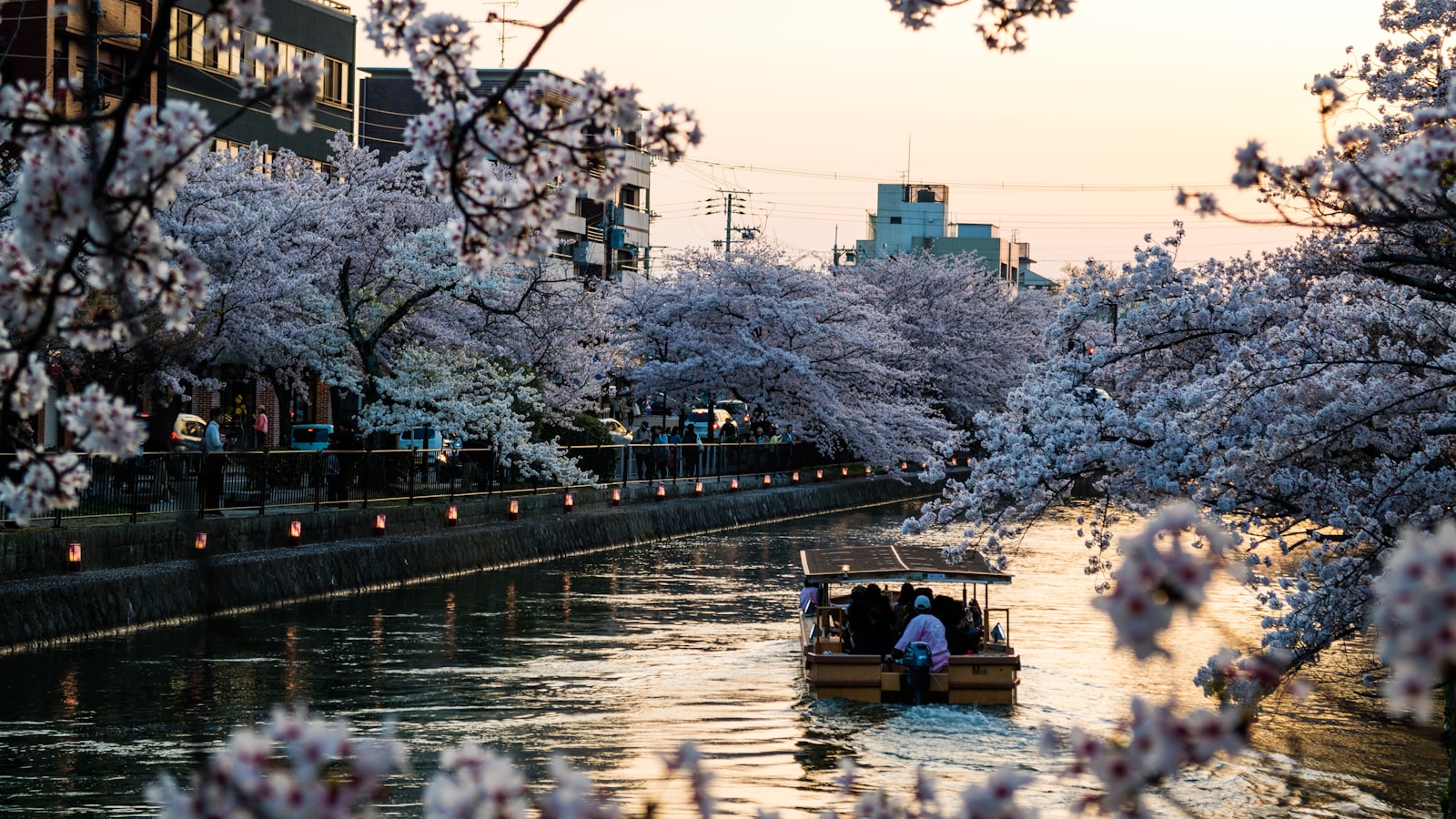
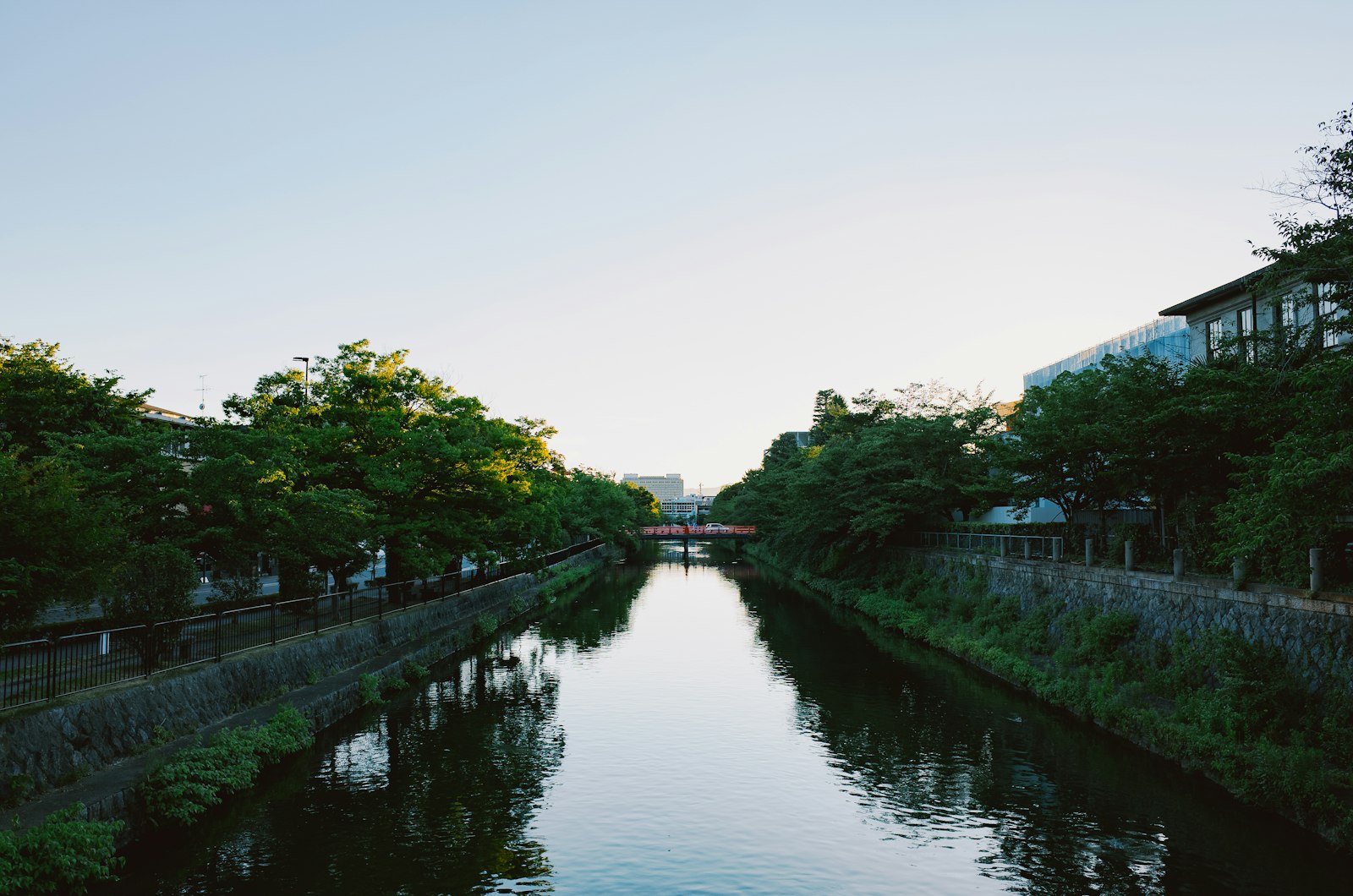
Kyoto rewards walking, and no walk is more fitting than the Philosopher’s Path. It follows a stone-lined canal at the foot of the eastern hills, quiet and shaded, connecting the Silver Pavilion at one end to the temples around Nanzen-ji at the other. There are no big sights along the water itself — just the canal, the trees, and a series of small temples and shops you can duck into.
It takes its name from a Kyoto University philosopher who is said to have walked it in daily contemplation, and it still invites the same unhurried, reflective pace. Here is how to do it justice.
The History of the Tetsugaku-no-Michi
The path’s name and character both come from a specific person and a piece of engineering.
Nishida Kitaro
The walk is named for Nishida Kitaro, one of Japan’s most influential modern philosophers, who taught at Kyoto University and is said to have walked this route regularly in meditation. The Tetsugaku-no-Michi — the Path of Philosophy — carries his habit of thinking on foot into its very name.
The Lake Biwa Canal
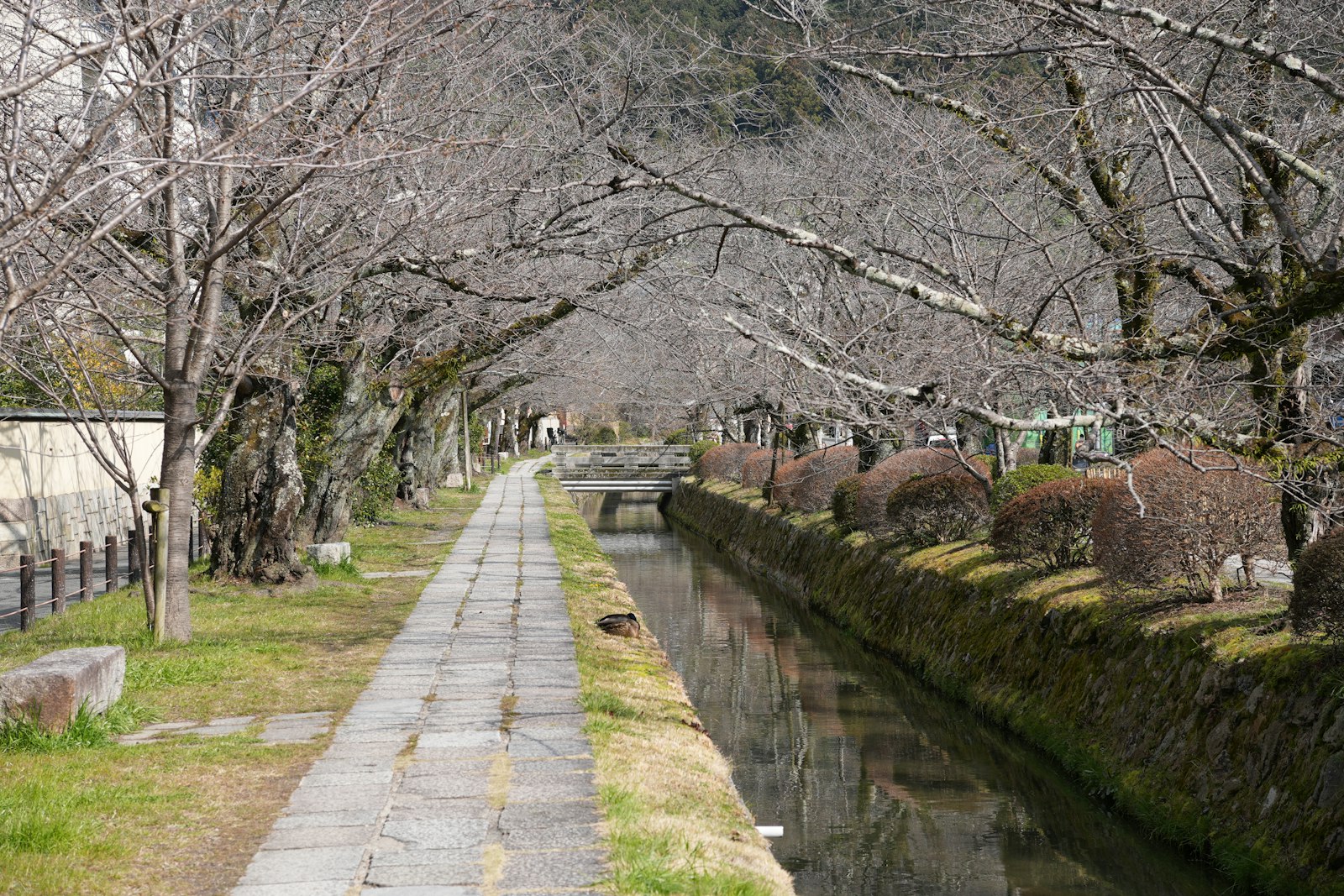
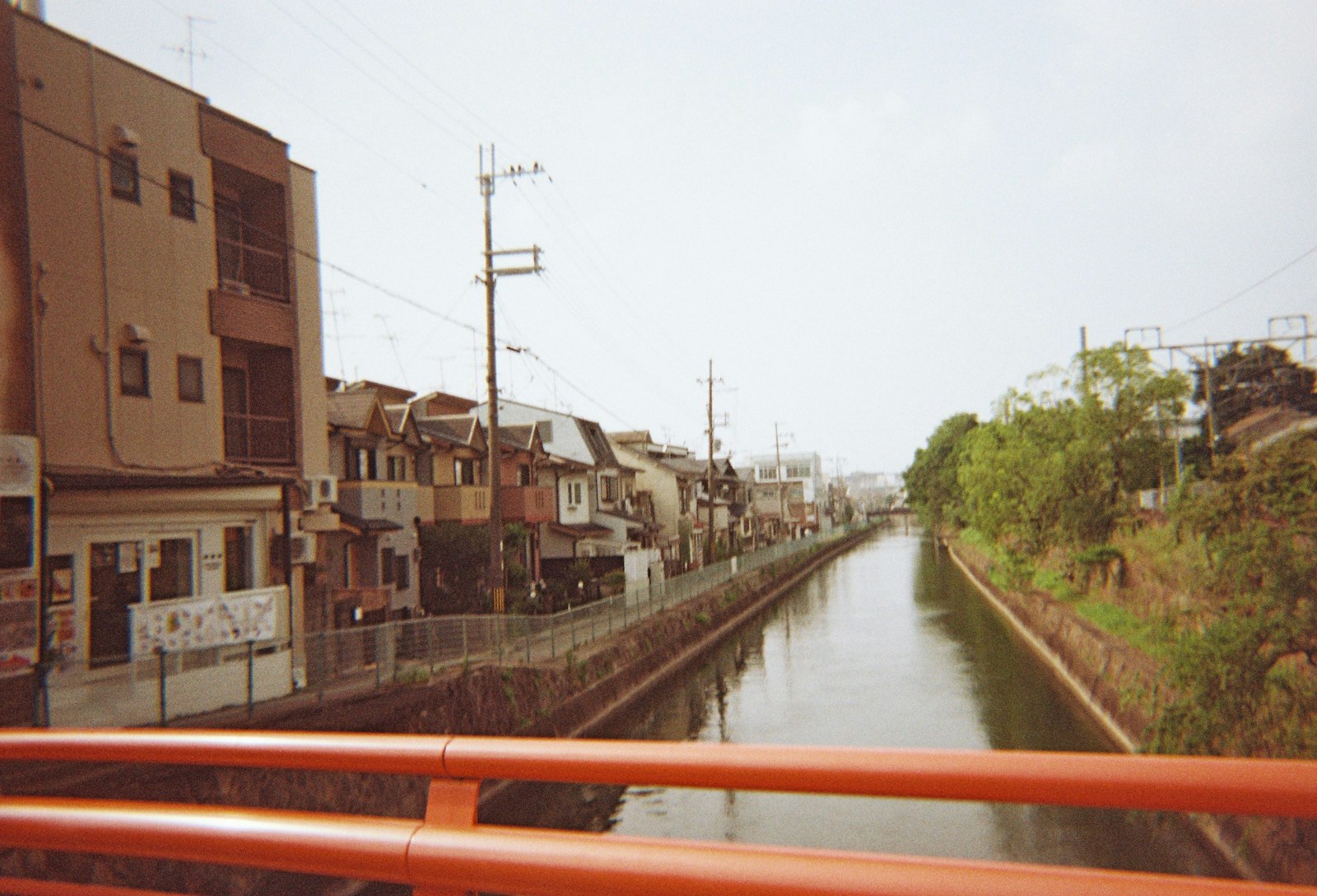
The waterway the path follows is part of the canal system built in the Meiji era to bring water from Lake Biwa to Kyoto. This historic stone channel gives the walk its gentle, constant companion of running water and the cherry trees that were later planted along its banks.
A Quiet Contrast
What makes the path special is how different it feels from central Kyoto. A few minutes from major temples, it is calm, green, and residential, a place to slow down between sights rather than another crowded attraction. That contrast is the point.
Seasonal Transformations
Cherry Blossoms in April
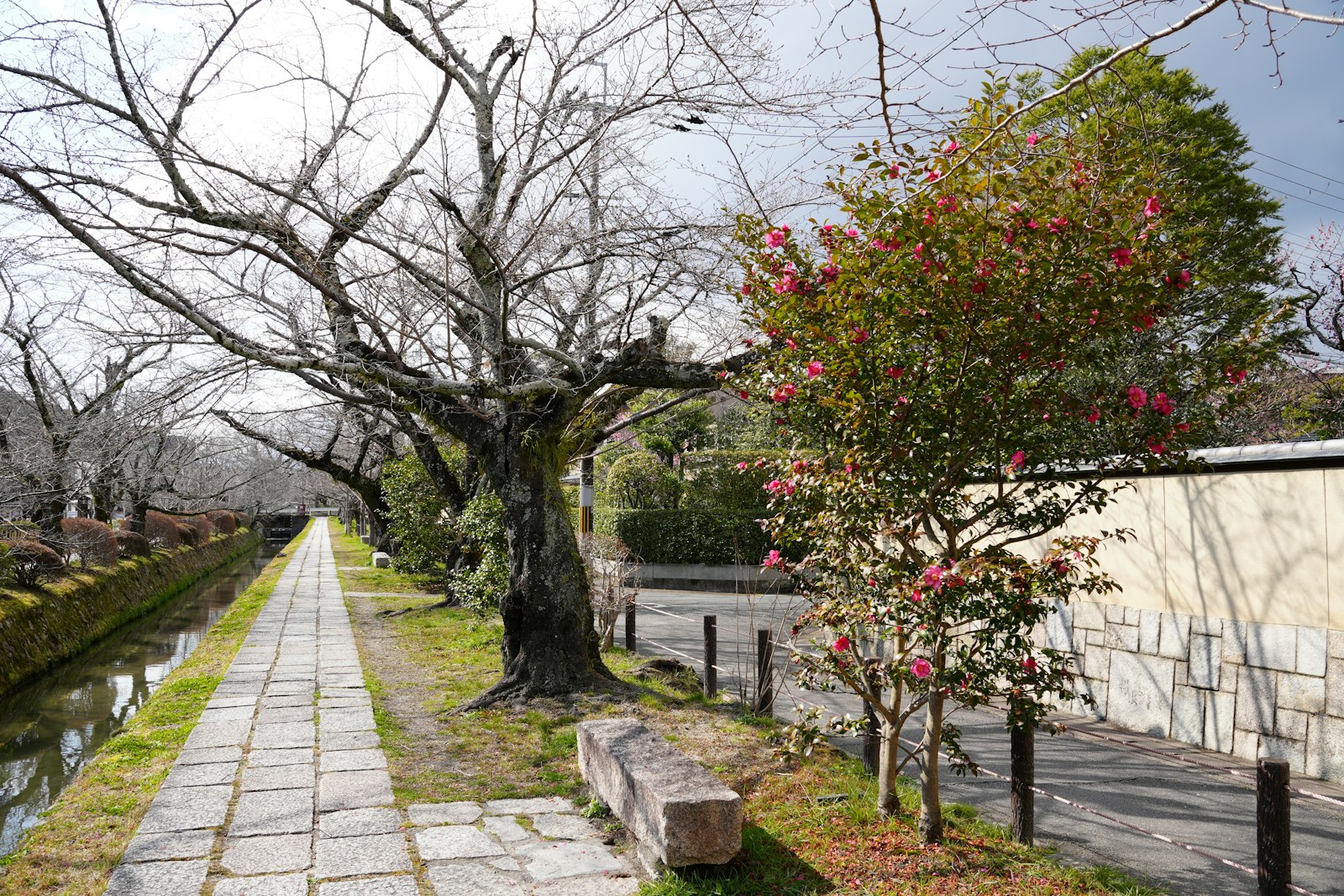
In early April the path becomes a tunnel of cherry blossom, the trees leaning over the canal from both banks and dropping petals onto the water. It is one of Kyoto’s most beloved hanami walks — and, accordingly, its busiest time. Come early in the day to enjoy it before the crowds.
Autumn Maples in November
In November the maples turn red and orange, their color reflected in the still canal water. Autumn on the path rivals spring for beauty and draws its own crowds, especially near the temples at either end. Again, early morning is your friend.
Summer Green
Outside the peak seasons the path is quieter and no less pleasant — shaded green foliage, mossy stone banks, and the sound of cicadas in summer. For solitude and a cool, leafy walk, the off-seasons have their own reward.
Temples Along the Canal
Ginkaku-ji, the Silver Pavilion
Most walkers start at Ginkaku-ji, the Silver Pavilion, a refined Zen temple whose understated beauty and famous sand garden embody the wabi-sabi aesthetic. Despite the name, it was never coated in silver; its appeal is quieter than the Golden Pavilion’s, and all the better for it. It makes a fitting start to a contemplative walk.
Nanzen-ji
At the southern end lies Nanzen-ji, a major Zen temple complex known for its massive wooden Sanmon gate and a striking red-brick aqueduct running through the grounds — part of the same canal system. It is a substantial temple worth real time and a strong finish to the route.
Eikan-do
Near Nanzen-ji, Eikan-do is celebrated as one of Kyoto’s finest spots for autumn color. If you walk the path in November, budget time for its illuminated maples, among the most spectacular in the city.
Hidden Retreats and Cafes
Honen-in
Just off the main path, Honen-in is a small temple reached through a moss-covered thatched gate, its quiet forested grounds a world away from the busier sites. Free to enter and often nearly empty, it is the kind of place the crowds walk straight past — which is exactly why it is worth the short detour.
Canal-Side Cafes
Small, artist-run cafes face the water along the route, ideal for a coffee or tea break with the canal in view. Pausing at one, watching the water and the walkers go by, fits the reflective spirit of the path perfectly.
Traditional Sweets
Shops along the way sell mochi, matcha, and other traditional sweets, a pleasant excuse to stop. A hot green tea and a seasonal sweet make a fitting mid-walk rest, especially on a cool autumn afternoon.
Expert Tip
Walk the path from north to south — starting at Ginkaku-ji and finishing near Nanzen-ji. The route runs very slightly downhill in that direction, so it is the more relaxed way to go, and it lets you begin with the Silver Pavilion and end at the grander Nanzen-ji complex. In cherry-blossom and autumn seasons, start by 8:00 in the morning to walk it before the crowds fill the narrow path.
How to Walk the Route
North to South
Starting at Ginkaku-ji and walking south toward Nanzen-ji gives you a gentle downhill grade and a natural progression from one temple to the other. It is the standard and most comfortable direction, and it sequences the highlights nicely.
Comfortable Shoes
The path is flat but paved with stone and pebbles, so comfortable walking shoes make the two kilometers, plus the temple grounds, far more pleasant. You will be on your feet for a couple of hours or more once you factor in stops.
No Bicycles
Cycling is not permitted on the main canal path, which keeps it peaceful for walkers. Plan to explore this stretch on foot, and park any rental bike before you join the path itself.
Philosopher’s Path: Frequently Asked Questions
How long does the walk take? The path itself is about two kilometers and takes roughly 30 to 45 minutes at a leisurely pace. Add the temples, cafes, and photo stops, and most visitors spend a half-day on the whole route.
Are there restrooms and shops along the way? Yes, there are cafes, small shops, and some public facilities along and near the path, particularly at the temple ends. The middle stretch is quieter, so use the facilities at either end.
Is the path lit up at night in peak seasons? Nearby temples such as Eikan-do hold special evening illuminations in autumn, though the canal path itself is not brightly lit at night. Plan the path as a daytime walk and the temple illuminations as a separate evening.
Related Tours

Conclusion
The Philosopher’s Path is not a sight to tick off but a pace to adopt. Walk it slowly from the Silver Pavilion toward Nanzen-ji, step off into Honen-in and a canal-side cafe, and let the water and the trees set the rhythm. In blossom or in autumn color it is unforgettable; in the quiet seasons it is yours almost alone.
Plan Your Japan Trip with Local Experts
Our team has guided 40,000+ travelers across Japan. Tell us about your trip and we’ll get back to you within 24 hours.