In this article:
- The Concept of the Peace Memorial Park
- The A-Bomb Dome
- The Peace Memorial Museum
- The Children’s Peace Monument
- The Cenotaph and Flame of Peace
- Hiroshima Peace Park: Frequently Asked Questions
Introduction
Some places are visited for pleasure and some for understanding. Hiroshima Peace Memorial Park is firmly the second. It occupies the open ground near the hypocenter of the 1945 atomic bombing, and its purpose is remembrance and a plea for a world without nuclear weapons. It is not a somber duty so much as a deeply worthwhile few hours that many travelers describe as the most moving of their entire trip.
Approach it with time and quiet attention. What follows is a guide to the main memorials and how to walk the park with the respect it asks for.
The Concept of the Peace Memorial Park
The park was created deliberately, and understanding its design deepens the visit.
A Space for Remembrance
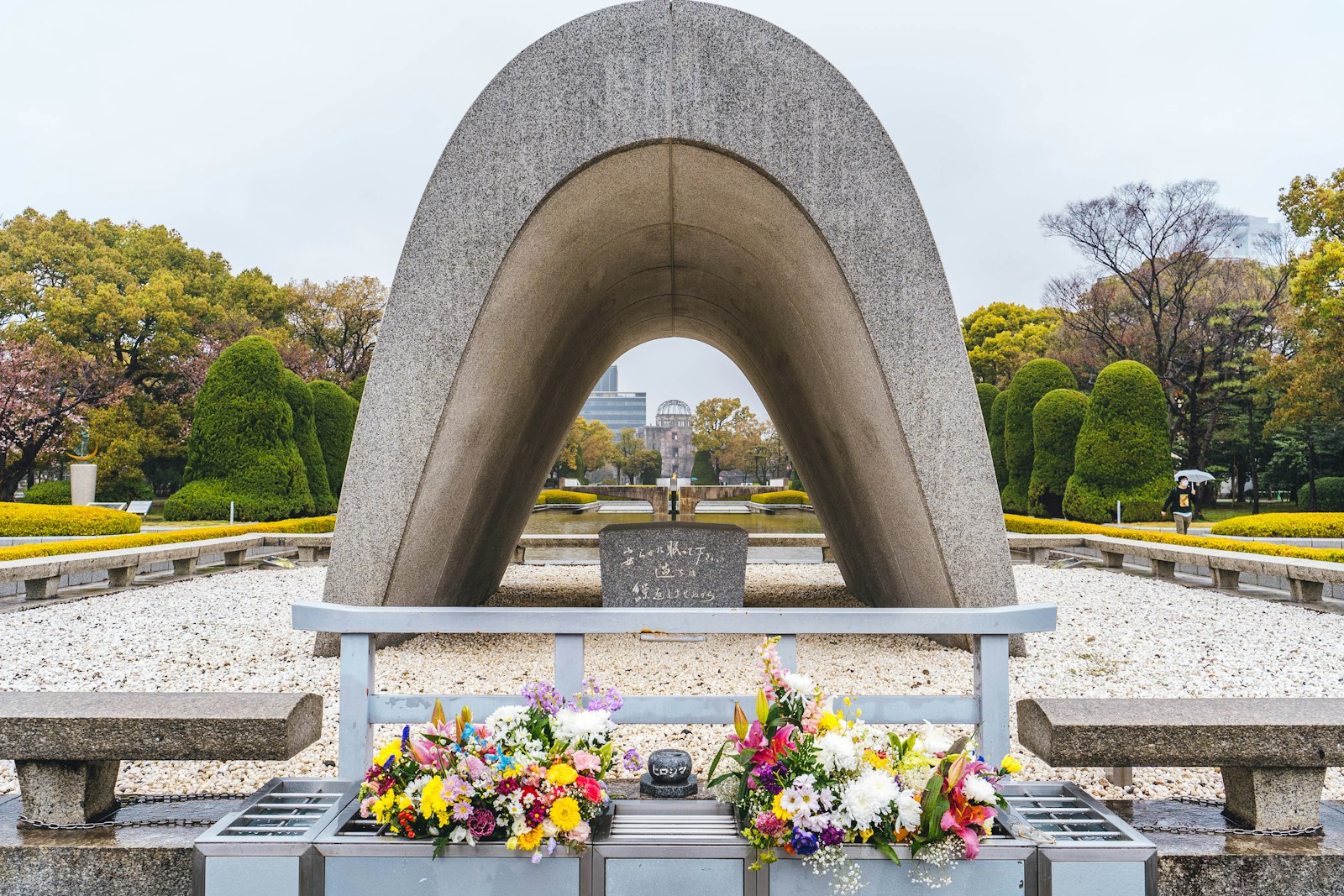
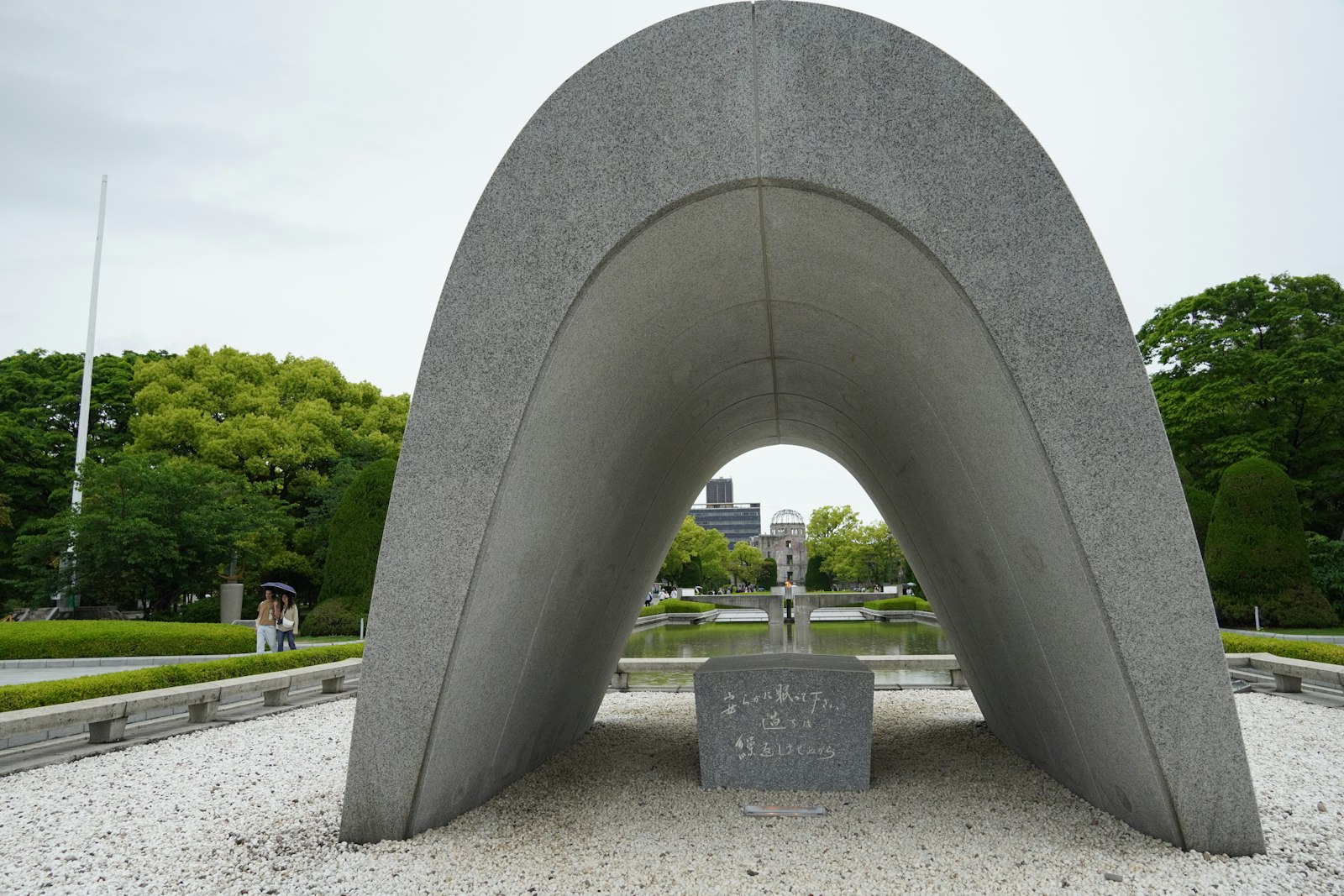
The park was designed by the architect Kenzo Tange, who laid out its memorials along an axis so that the cenotaph, the Flame of Peace, and the A-Bomb Dome align in a single line of sight. The open, deliberate composition turns the whole park into one connected act of remembrance.
Built at the Hypocenter
The park stands on the delta near the point above which the bomb detonated — a district that was the busy commercial heart of the city and was destroyed in an instant. Building a place of peace on that exact ground is the park’s central, sober meaning.
A Message of Abolition
Hiroshima has become a global voice for the abolition of nuclear weapons, and the park carries that message outward. It memorializes the dead not only in grief but as an argument, addressed to the world, that this must never happen again.
The A-Bomb Dome
The Surviving Structure
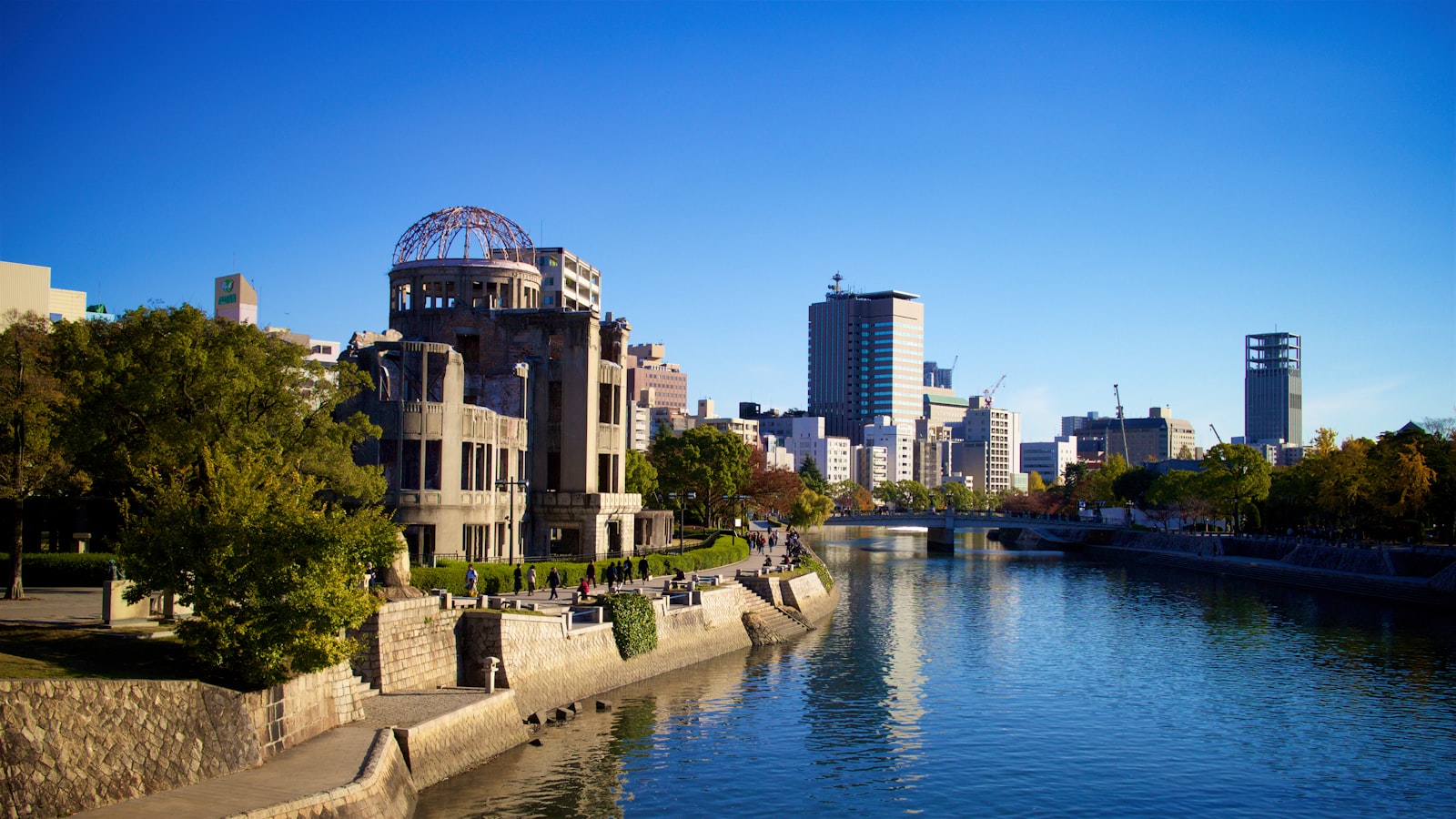
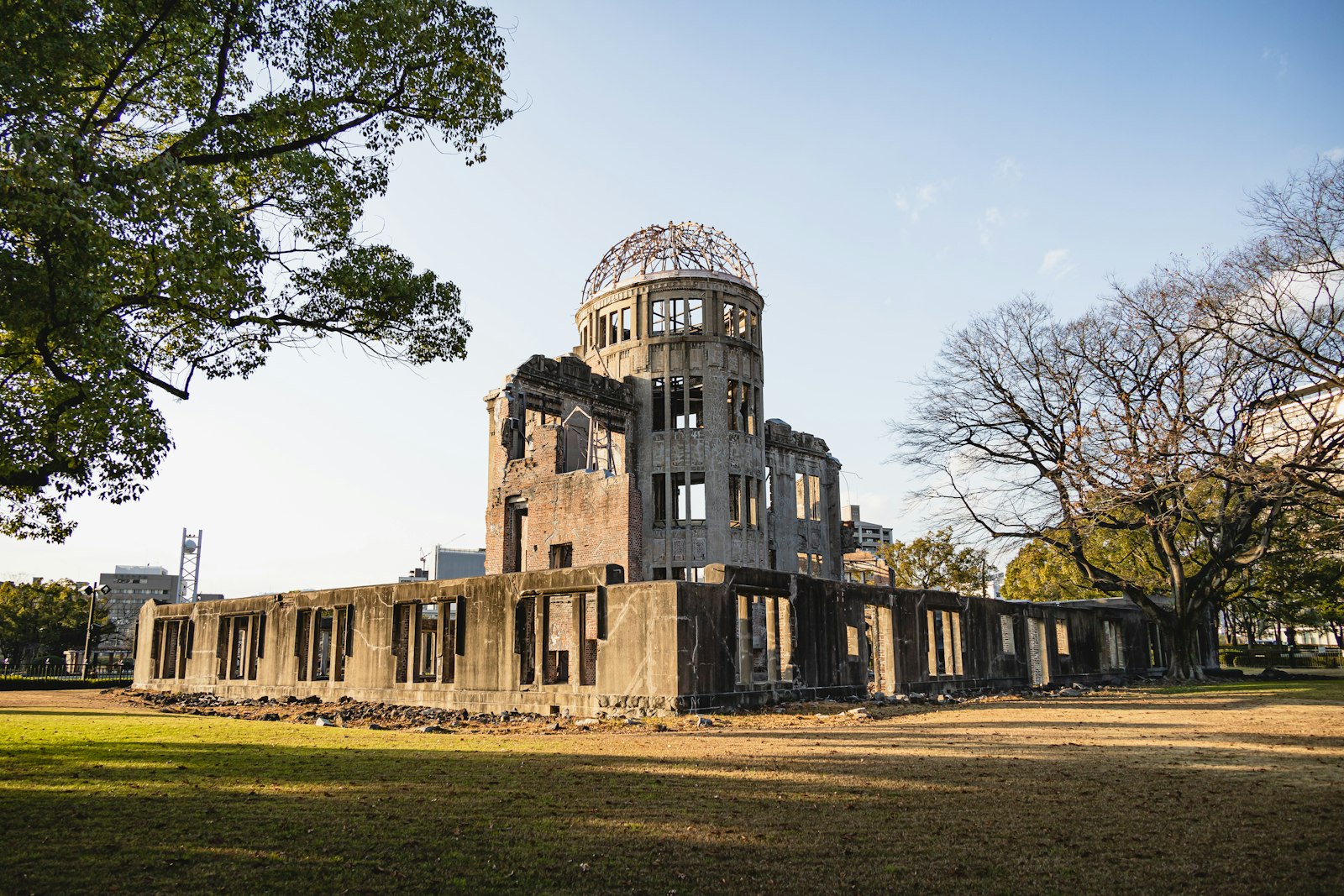
The A-Bomb Dome, or Genbaku Dome, is the skeletal ruin of a building that stood almost directly beneath the blast and, remarkably, remained partly standing. Left deliberately in its ruined state, it is the single most powerful image in the park — a structure preserved exactly as the bomb left it.
A World Heritage Site
The dome is a UNESCO World Heritage Site, preserved as a universal monument to the victims and a warning for the future. Its designation ensures it is maintained in its 1945 condition, neither restored nor allowed to fall, for generations to come.
The View Across the River
The dome sits beside the Motoyasu River, and viewing it across the calm water is quietly affecting — the ruin and its reflection, the river flowing on. It is a place to stand for a while rather than photograph and move on.
The Peace Memorial Museum
Personal Artifacts
The museum’s power lies in the personal. A child’s melted lunchbox, a watch stopped at the moment of the blast, the shadow of a person left on stone steps — these ordinary objects convey the human scale of the event more directly than any statistic. It is difficult and important viewing.
Survivor Testimonies
The museum preserves the recorded testimonies of hibakusha, the survivors of the bombing, in their own words. Hearing these accounts is among the most moving parts of the visit and a responsibility the museum takes seriously as the survivors’ generation grows smaller.
Reconstruction and Hope
The museum also tells the story of Hiroshima’s recovery, its rebuilding into the vibrant modern city it is today, and its transformation into an advocate for peace. That arc — from destruction to a living argument for a better future — is essential to the park’s meaning.
Expert Tip
Visit the museum first, then walk the park’s memorials afterward. Seeing the personal artifacts and survivor testimonies inside gives context and weight to the A-Bomb Dome, the cenotaph, and the Children’s Monument when you stand before them. Allow at least half a day, move slowly, and keep your voice low — this is an active place of mourning for many Japanese visitors, not only a historical site.
The Children’s Peace Monument
The Story of Sadako Sasaki
The Children’s Peace Monument honors Sadako Sasaki, a girl who developed leukemia from the bombing’s radiation and, believing an old belief that folding a thousand paper cranes would grant a wish, folded cranes during her illness. Her story has come to represent all the children lost, and it moves visitors of every age.
The Paper Cranes
Around the monument, glass cases hold vast numbers of colorful paper cranes sent from schoolchildren and well-wishers around the world. The constantly renewed offerings turn a memorial into a living, ongoing gesture of hope. Groups often bring their own folded cranes to add.
The Peace Bell
Visitors may ring the Children’s Peace Bell, sending a clear tone across the park as a wish for peace. It is a simple, participatory act, and one that children in particular find meaningful.
The Cenotaph and Flame of Peace
The Cenotaph
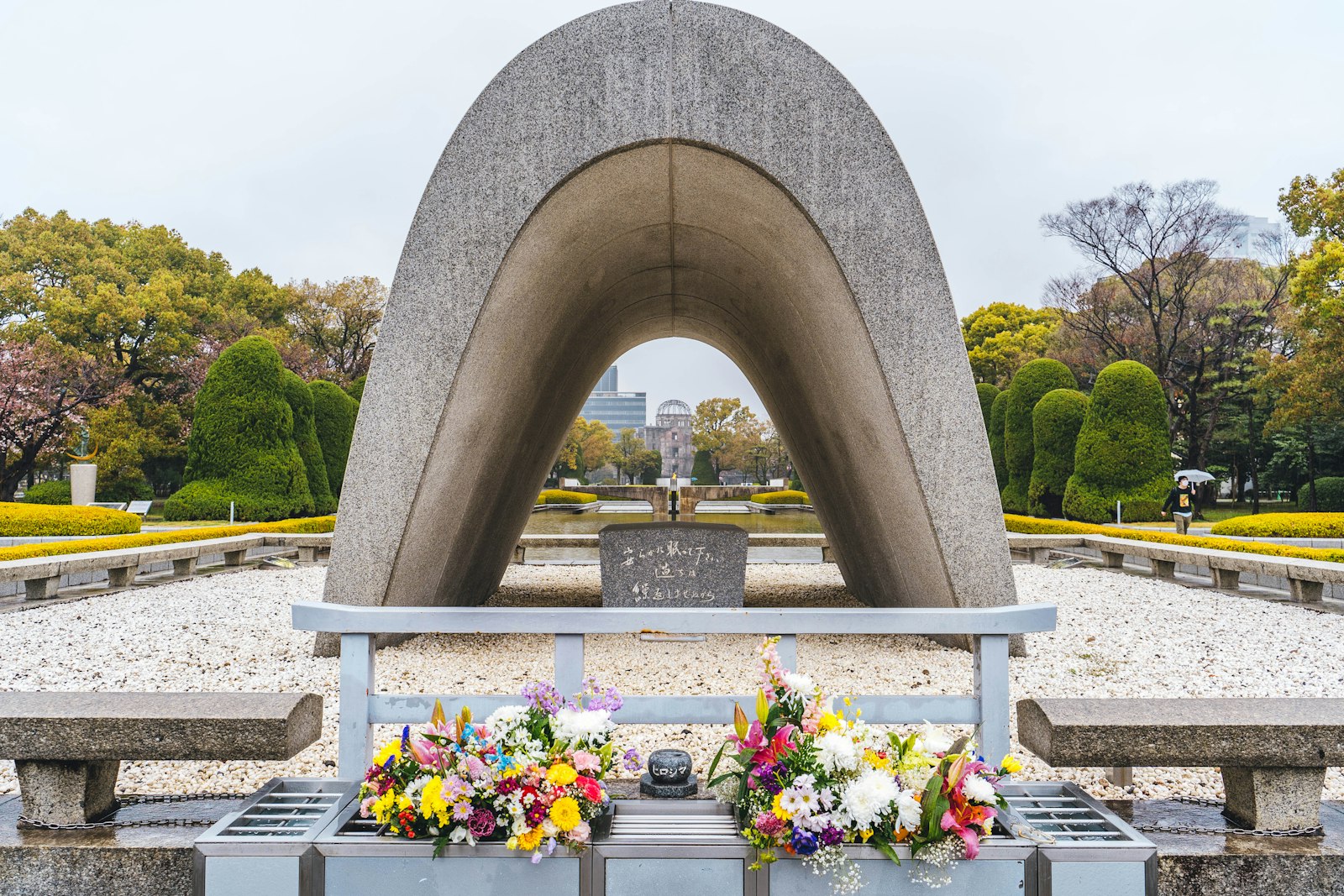
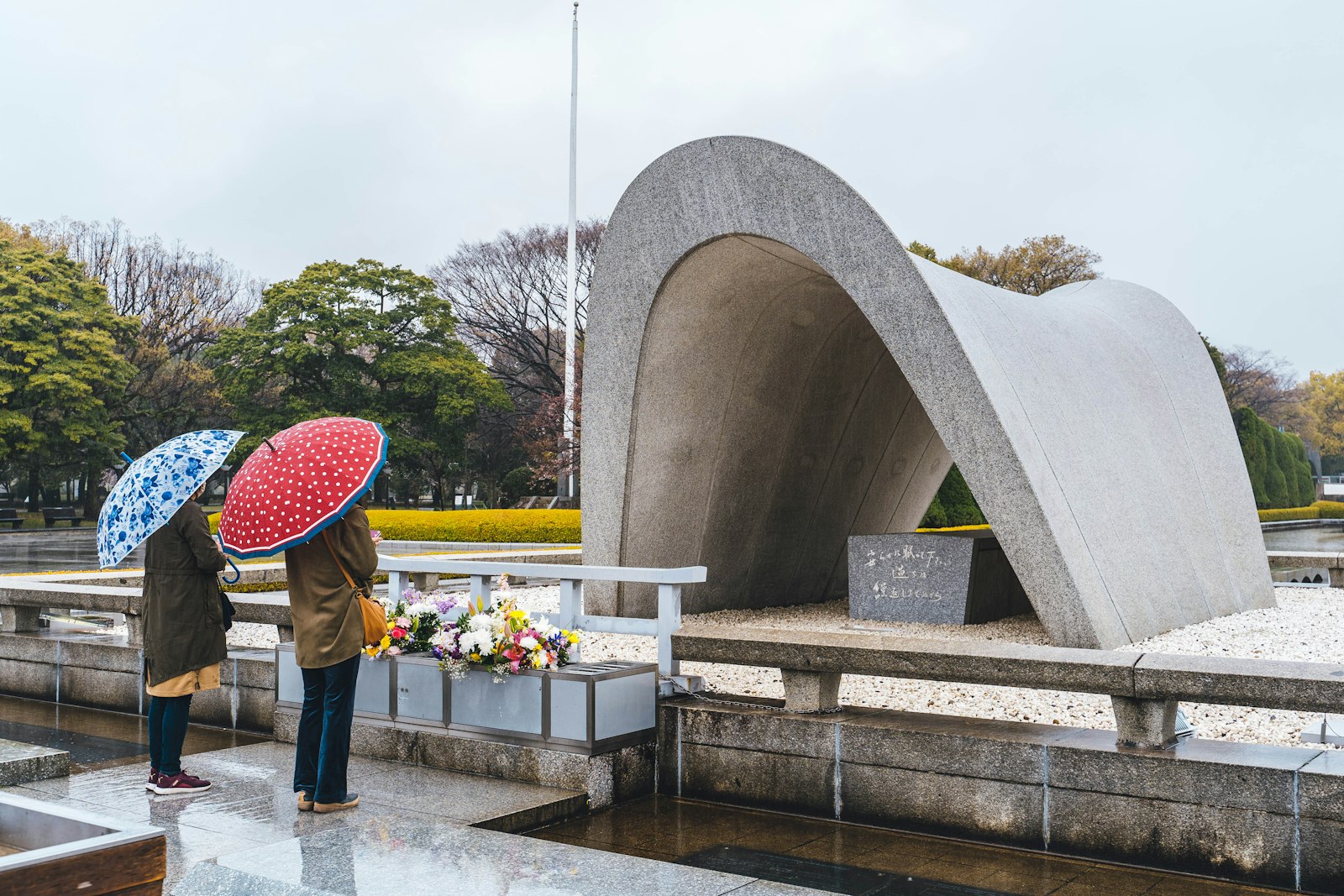
The saddle-shaped cenotaph shelters a register bearing the names of all known victims of the bombing, added to as more are identified over the years. Standing at it, you can look through the arch to the Flame of Peace and the A-Bomb Dome beyond, the memorials aligned as Tange intended.
The Flame of Peace
The Flame of Peace has burned since it was lit and is intended to keep burning until nuclear weapons are abolished from the earth. Its continued burning is both a memorial and an unfinished promise, a quiet statement that the work the park represents is not yet done.
Paying Respects
At the cenotaph and other memorials, it is customary to pause, bow your head, and observe a moment of silence. A quiet, respectful bow is the appropriate way to pay your respects, and it costs nothing but a moment of stillness.
Hiroshima Peace Park: Frequently Asked Questions
Is it appropriate to take photographs? Photography is permitted in the park, but do so thoughtfully and quietly, especially near the memorials and where people are praying. Avoid smiling posed photos at the cenotaph or dome; a respectful, unobtrusive approach is expected.
Is the museum suitable for young children? Some of the museum’s content is graphic and emotionally heavy, and parents should use their judgment for younger children. The outdoor memorials, including the Children’s Monument and its cranes, are gentler and meaningful for kids.
How much time should I set aside? Allow at least half a day to see the museum properly and walk the park’s memorials without rushing. Many visitors find they want more time than they expected once they are there.
Related Tours
Conclusion
Hiroshima Peace Memorial Park is not an easy visit, and it is not meant to be. It asks you to look clearly at one of history’s darkest moments and to carry away its message rather than a souvenir. Give it a full half-day, begin with the museum, and move through the memorials slowly and quietly.
Plan Your Japan Trip with Local Experts
Our team has guided 40,000+ travelers across Japan. Tell us about your trip and we’ll get back to you within 24 hours.