In this article:
- The History and Scale of Yuki Matsuri
- The Three Venues: Odori, Susukino, Tsudome
- Night Illuminations and Hokkaido Food
- Beating the Sub-Zero Cold
- Hotels and Travel Logistics
- Sapporo Snow Festival: Frequently Asked Questions
Introduction
The Sapporo Snow Festival is one of Japan’s great winter events, and its scale surprises first-timers. These are not garden snowmen — the largest monuments are the size of buildings, carved with astonishing precision, and lit at night into something genuinely moving. Millions come each February to see them.
It is also seriously cold, and the difference between a magical evening and a miserable one comes down to preparation. Here is how to see the festival well and stay warm doing it.
The History and Scale of Yuki Matsuri
Understanding how the festival grew explains why it looks the way it does.
From School Project to Global Event
The festival began modestly, with local students building a handful of snow statues in Odori Park in the 1950s. It grew steadily into the international spectacle it is today, drawing sculptors and visitors from around the world. That grassroots origin is part of its charm.
Building at Scale
The largest snow monuments are feats of engineering, and the Japan Self-Defense Forces have long helped construct the biggest structures, hauling and packing enormous volumes of snow. The precision and size on display reflect months of planning and days of round-the-clock work.
When It Happens
The festival runs for about a week in early-to-mid February each year, with exact dates set annually. Because it is a fixed, short window, confirm the current year’s dates early and build your Hokkaido trip around them.
The Three Venues: Odori, Susukino, Tsudome
Odori Park: The Main Site
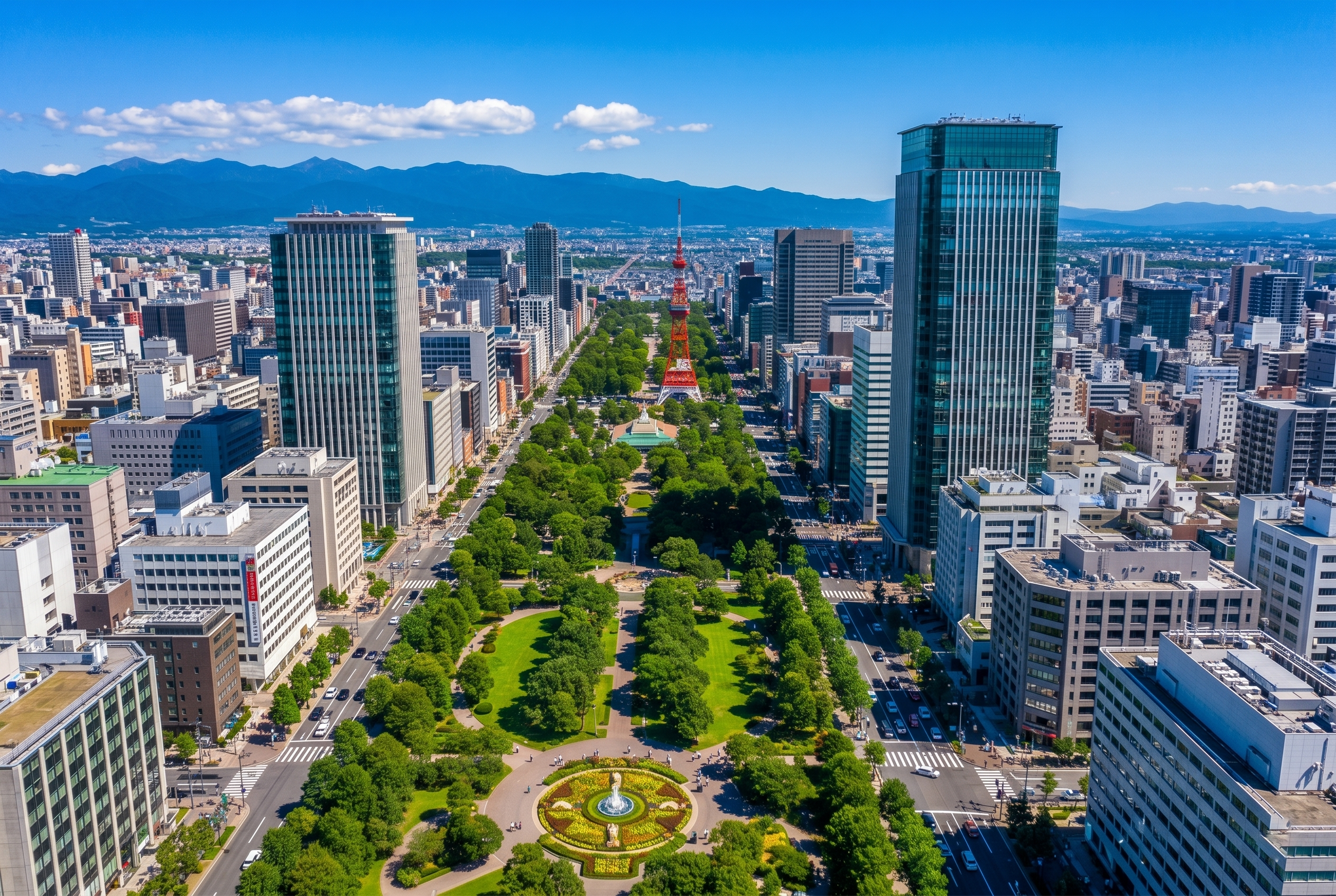
Odori Park, a long green strip through central Sapporo, is the main venue, stretching roughly twelve blocks of giant snow monuments, stages, and illuminations. This is the heart of the festival and where the largest sculptures stand. Allow a couple of hours to walk its length, more at night.
Susukino: The Ice Sculptures
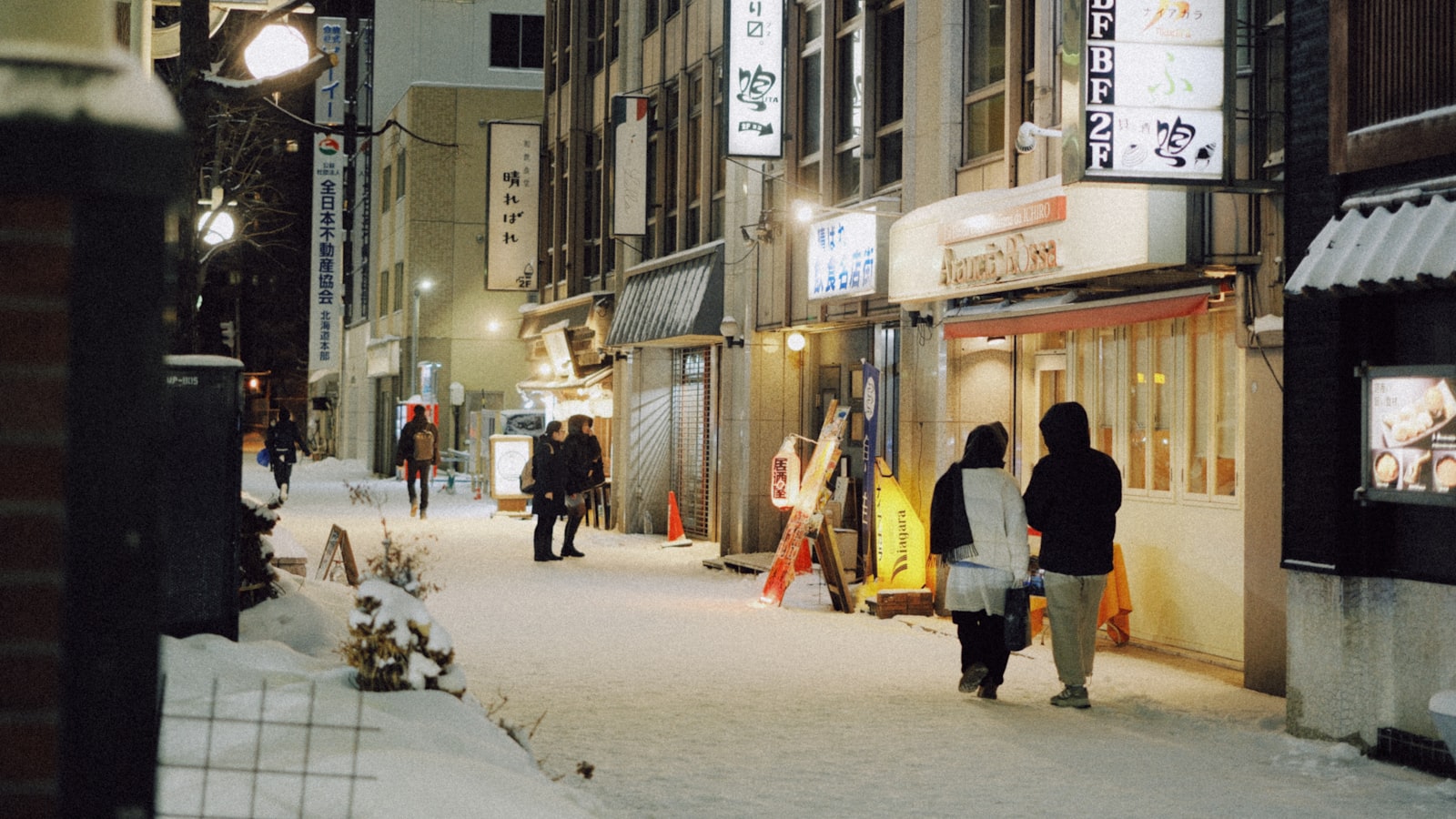
The Susukino entertainment district hosts the ice sculptures — intricate, crystal-clear carvings that glitter against the neon backdrop. Ice is a different medium from snow, sharper and more detailed, and the district’s night atmosphere makes it a striking contrast to Odori.
Tsudome: The Family Site
The Tsudome site, a little outside the center, is the hands-on, family-focused venue with snow slides, snow rafting, and indoor food courts to warm up in. If you are traveling with children, it is the venue built for them.
Night Illuminations and Hokkaido Food
Projection Mapping After Dark
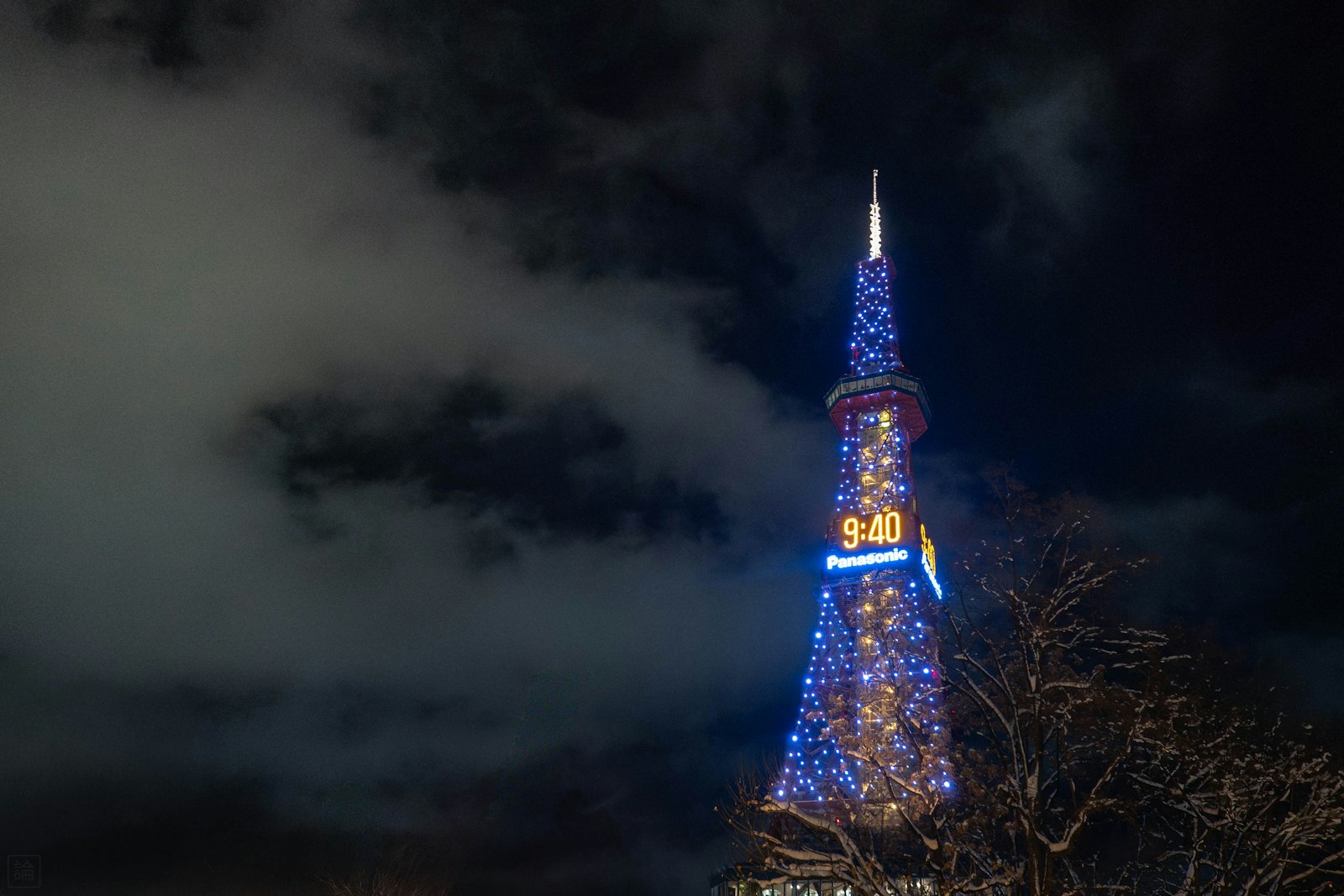
At night, projection mapping animates the big snow monuments with light and motion, transforming them completely from their daytime appearance. Many visitors see the festival twice — once by day for the sculptures, once after dark for the shows.
Hokkaido Street Food
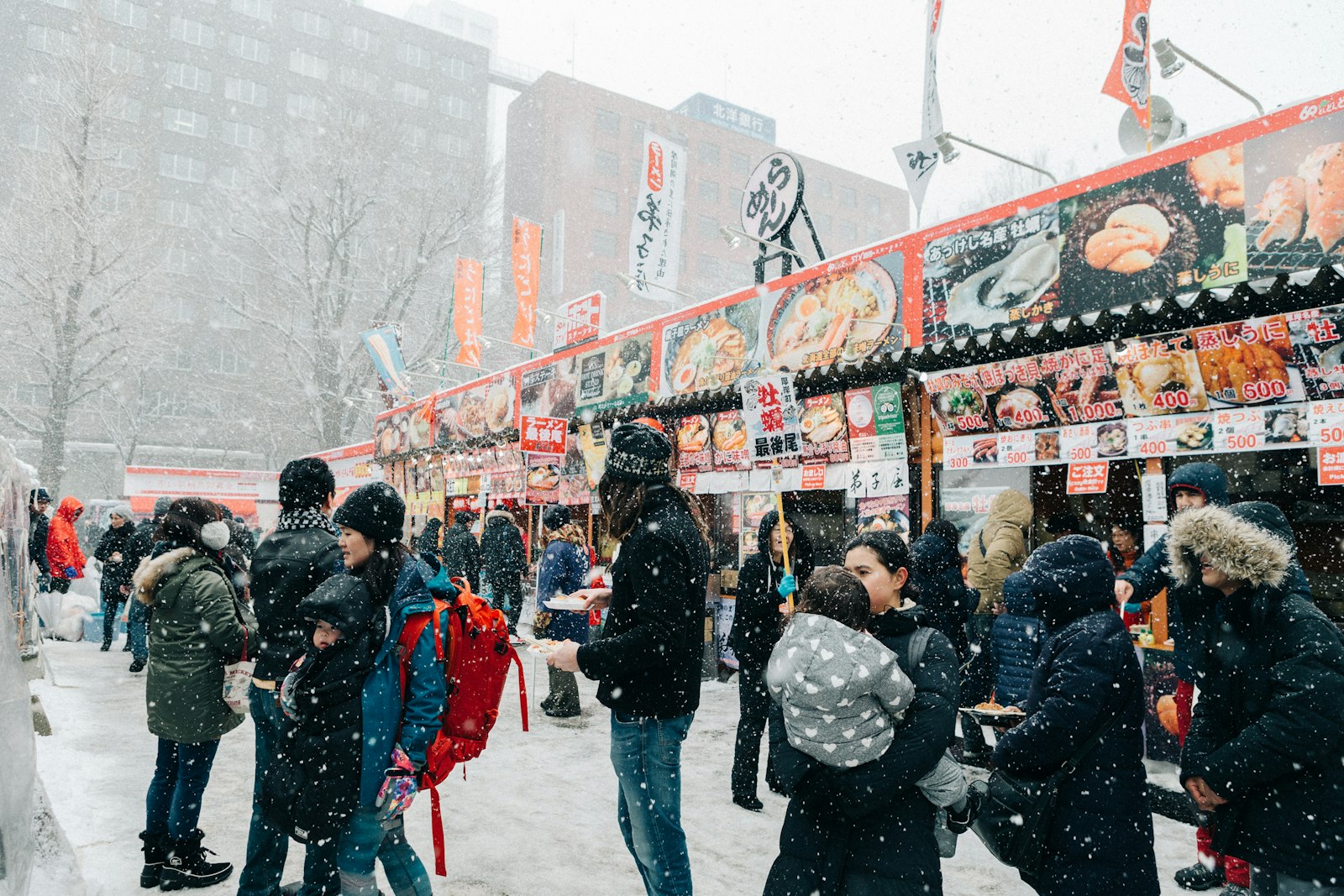
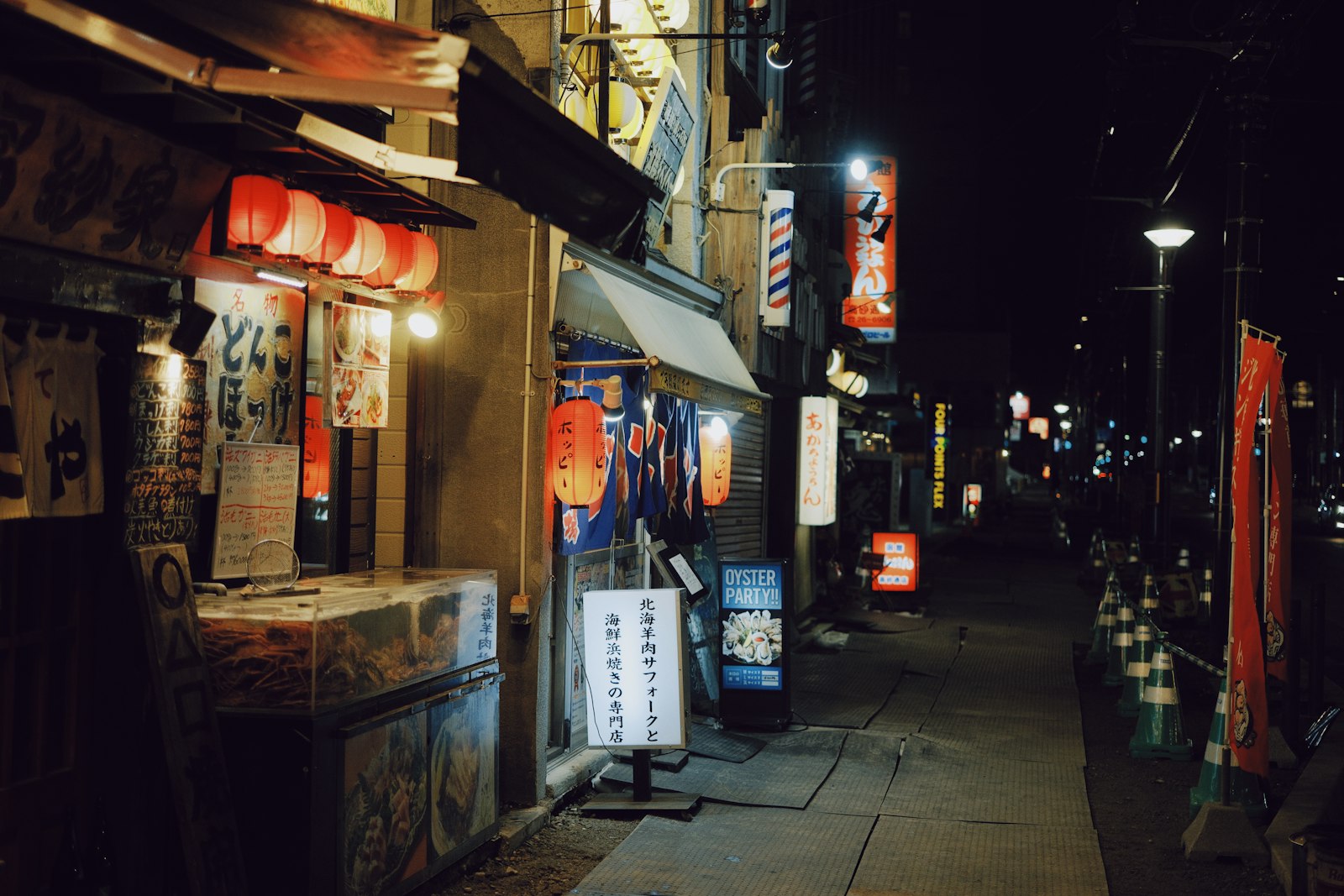
Hokkaido is a food destination, and the festival food stalls prove it: hot buttered corn, grilled scallops, ramen, and lamb skewers, all doubly welcome in the cold. Eating your way along Odori is part of the experience, and the warmth of a hot bowl is not just culinary.
Hot Drinks
Rest zones sell mulled wine, hot cocoa, and warm drinks to thaw your hands between sculptures. Building in regular warm-drink stops is genuinely part of pacing a cold evening at the festival.
Beating the Sub-Zero Cold
Layer Properly
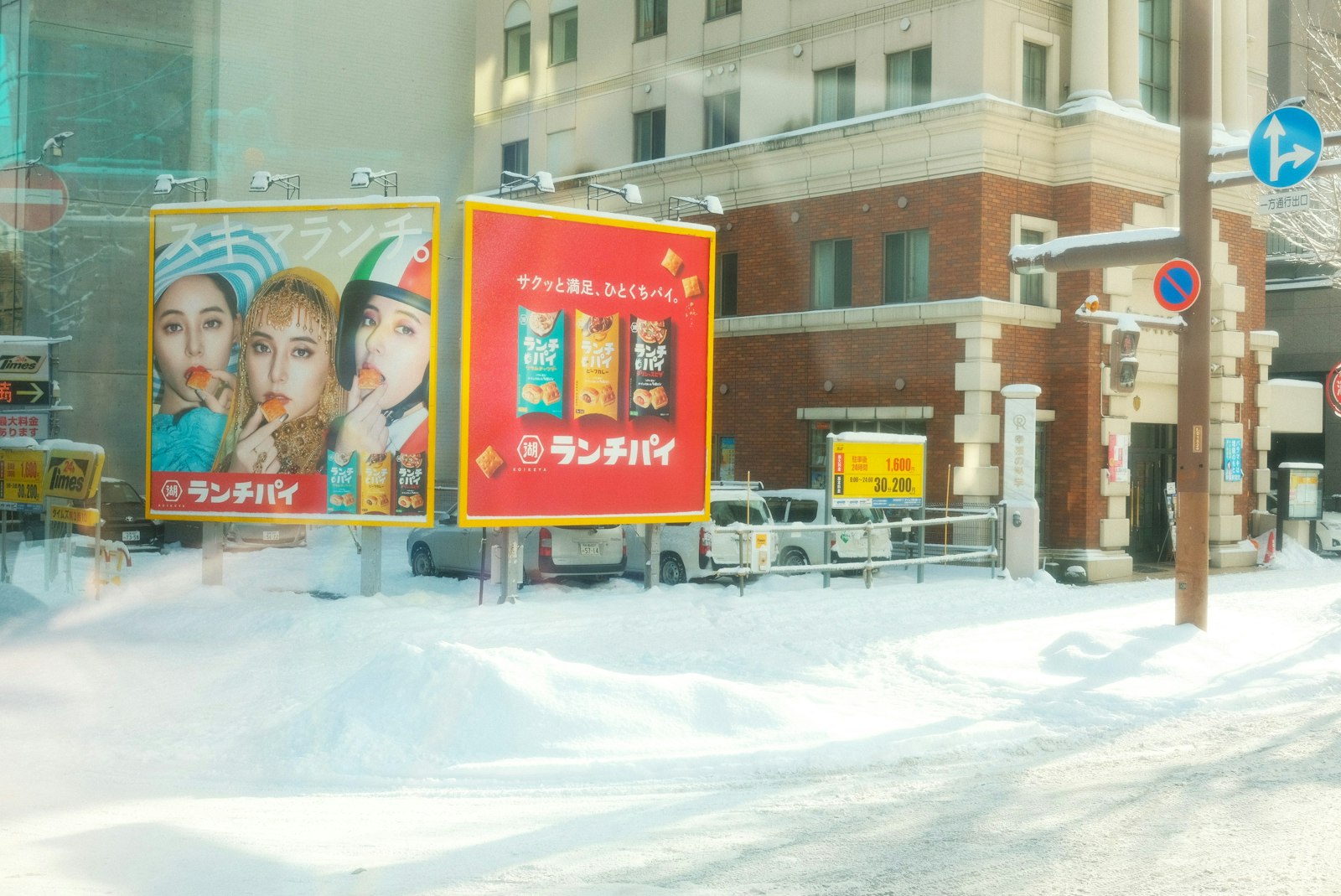
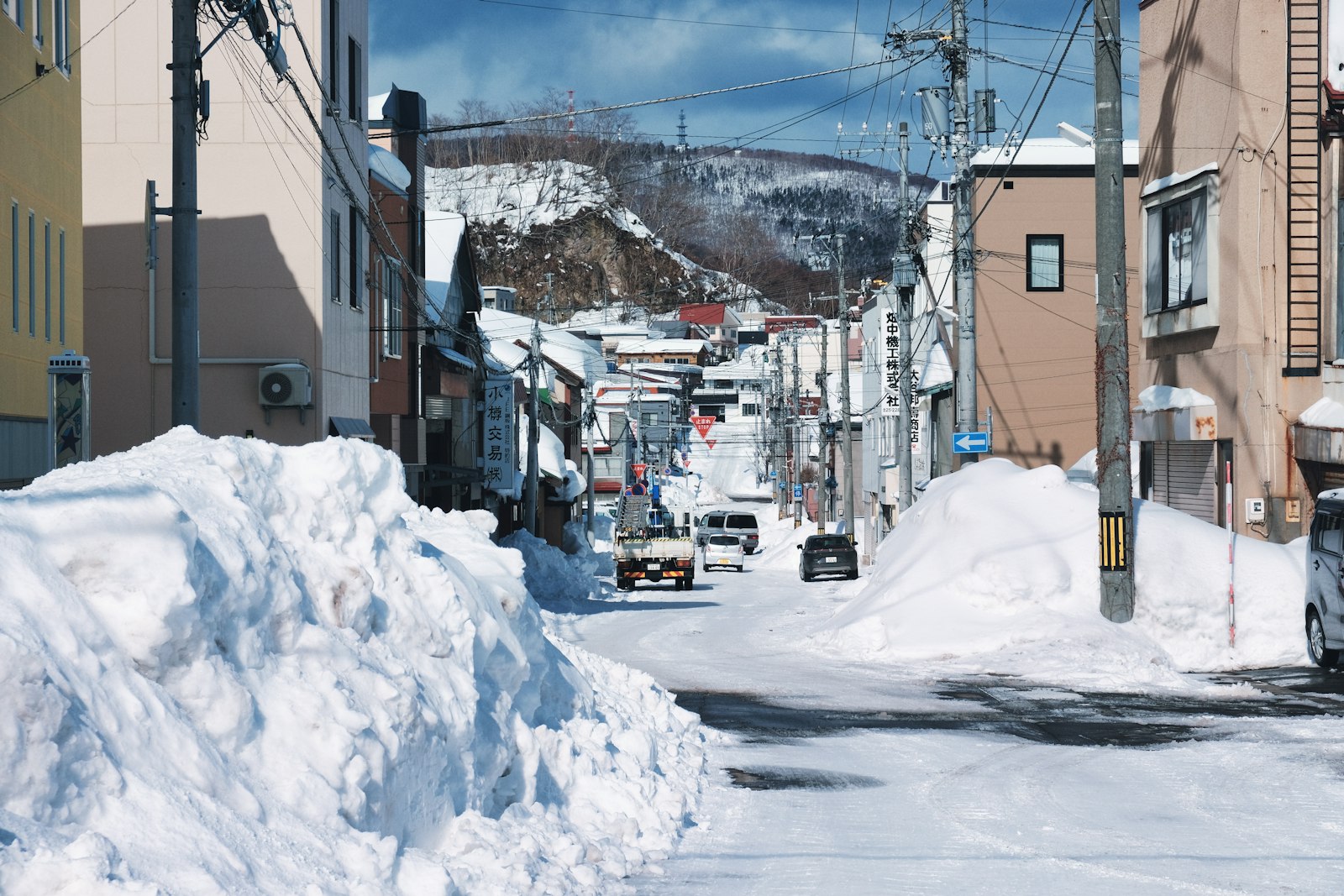
Sapporo in February is deep-winter cold, often well below freezing. Pack thermal base layers, a proper down jacket, a windproof outer shell, a hat, and insulated gloves. This is not the place to underdress — the cold is relentless, especially at night.
Grip Your Shoes
Sidewalks turn to ice, and ordinary shoes slip dangerously. Removable shoe grips (ice spikes) are sold at local convenience stores and are one of the best small purchases you can make on arrival. Insulated, waterproof boots make the whole trip more comfortable.
Use the Underground
Sapporo has a heated underground pedestrian walkway (Chi-Ka-Ho) connecting central areas, letting you cross town in the warm and surface near the venues. Learn its route — it is a lifeline for warming up and moving between sites without the full brunt of the cold.
Expert Tip
Keep your phone warm and carry a power bank. Sub-zero cold drains smartphone batteries shockingly fast, and a phone that dies mid-evening leaves you without your map, photos, or way to meet up. Keep it in an inside pocket close to your body between shots, and bring a charged battery pack. This one habit prevents the most common festival headache.
Hotels and Travel Logistics
Book Early
Festival week is Sapporo’s busiest, and central hotels sell out far ahead — booking six to nine months in advance is wise for a good location. The earlier you commit your dates, the better your choice and price. Do not leave accommodation late.
Getting from the Airport
Fly into New Chitose Airport and take the direct express train into central Sapporo in around 40 minutes. It is a fast, simple transfer that drops you near the festival area. From there, the venues are walkable or a short subway ride.
Day Trips from Sapporo
The nearby town of Otaru holds its own winter illumination around the same period, and its canal lit by snow lanterns is beautiful. Pairing the Snow Festival with an Otaru day trip makes for a fuller Hokkaido winter itinerary.
Sapporo Snow Festival: Frequently Asked Questions
Is there an entrance fee? The main Odori and Susukino sites are free to walk through and view. Some special activities, and certain attractions at the Tsudome family site, may have charges, so check specifics for the areas you plan to visit.
Are the walkways stroller and wheelchair accessible? Odori Park’s main paths are broadly navigable, but packed snow and ice make going slow and effortful with a stroller or wheelchair. Dress warmly, allow extra time, and use the heated underground where possible.
What if my phone battery dies in the cold? Keep your phone warm against your body and carry a power bank, as sub-zero temperatures drain batteries quickly. A warm inside pocket dramatically extends how long your phone lasts outdoors.
Related Tours
Conclusion
The Sapporo Snow Festival is worth crossing the country for — building-sized snow monuments by day, glowing and animated by night, with hot Hokkaido food to keep you going. See Odori for scale, Susukino for the ice, and Tsudome if you have children.
Plan Your Japan Trip with Local Experts
Our team has guided 40,000+ travelers across Japan. Tell us about your trip and we’ll get back to you within 24 hours.