
In this article:
- Where the Pressure Actually Is
- Timing: Early Mornings and Off-Peak Months
- Regions That Are Not Crowded
- Travelling Responsibly
- The New Rules and Charges
- Japan Overtourism: Frequently Asked Questions

Introduction
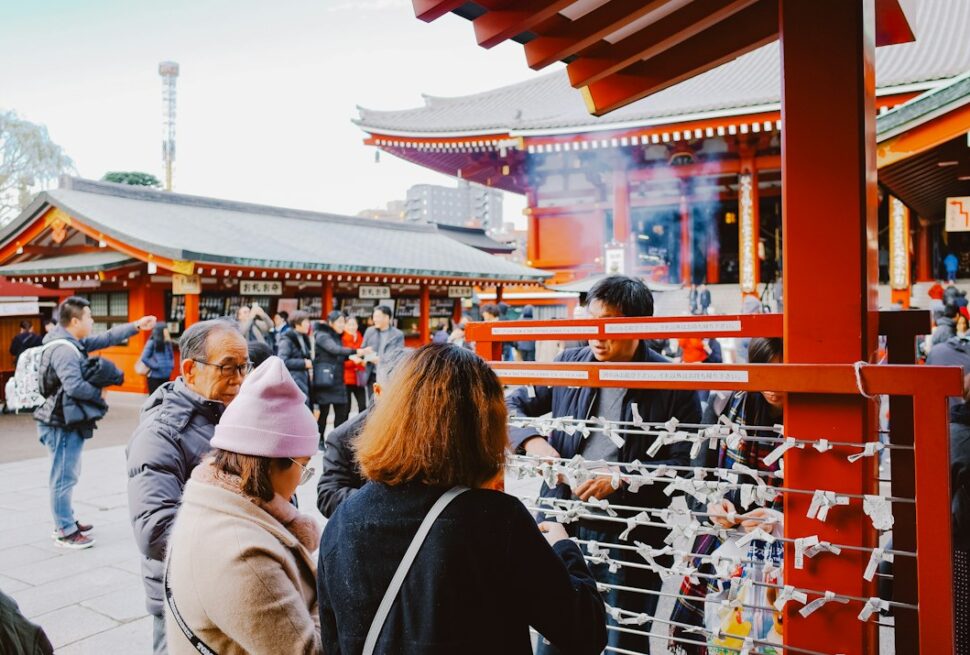
Japan’s tourism problem is not a volume problem, it is a distribution problem. Visitor numbers have hit successive records, and the overwhelming majority of those visitors follow the same route — Tokyo, Hakone or Fuji, Kyoto, Osaka — and within Kyoto, the same six or seven sites.
Meanwhile Tohoku, Hokuriku, San’in, and most of Shikoku receive a fraction of that traffic. The country is not full. Four or five postcodes are.
This matters practically. The difference between an unpleasant trip and a good one is largely a matter of when you arrive somewhere and whether you built your route around the same list as everyone else.
Where the Pressure Actually Is
Three specific pressure points account for most of what gets reported.
Kyoto

Kyoto’s congestion is concentrated: Fushimi Inari, the Arashiyama bamboo grove, Kiyomizu-dera and the approach streets, and Gion. All four are effectively impassable between 10am and 4pm in peak season.
The city has over 1,600 temples and 400 shrines. Places like Daitoku-ji’s sub-temples, Shisen-do, Hosen-in, or the northern Ohara valley are of comparable quality and receive a tiny fraction of the visitors. The problem is that the guidebook list is short and everyone works from it.
Mount Fuji
Fuji’s pressure runs in two directions. The climbing routes saw dangerous congestion and unprepared overnight climbers, prompting a daily cap and an entry fee on the Yoshida Trail from 2024, later extended to the Shizuoka-side trails.
Separately, the Lawson convenience store in Fujikawaguchiko where Fuji appears to sit on the roof drew such crowds that the town erected a black screen to block the view. That screen has since been taken down and reinstalled depending on conditions, which tells you how unresolved the situation is.
Transport Strain
Kyoto’s city buses were designed for residents and now carry suitcases. The city has restricted oversized luggage on some routes and added express tourist services to relieve the ordinary lines.
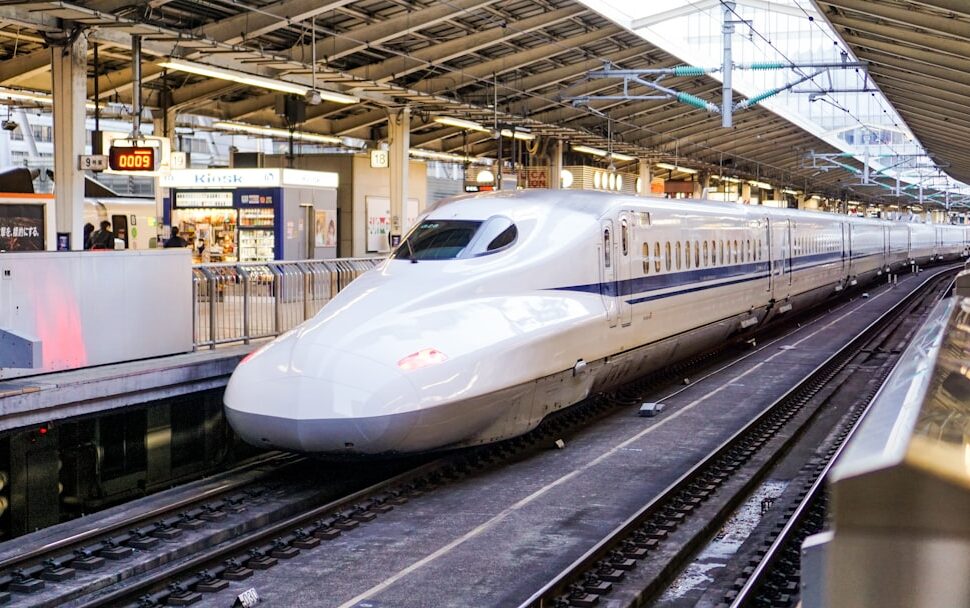
Shinkansen luggage rules also tightened: oversized baggage on the Tokaido, Sanyo, and Kyushu lines requires a reserved seat in a designated area, booked in advance, or you pay a penalty on board.
Expert Tip
The single most effective adjustment is to invert the standard Kyoto day. Most visitors do temples in the morning and Gion in the evening. Doing Fushimi Inari at 6.30am, resting through the middle of the day, and walking the eastern hills after 4pm gives you both at a fraction of the density — and Fushimi Inari is open 24 hours with no gate and no fee.
Timing: Early Mornings and Off-Peak Months
Timing beats destination choice for most travelers, because it requires no compromise on what you see.

Before 7.30am
The coach tours arrive between nine and ten. The Arashiyama bamboo grove at seven is quiet and photographable; at ten it is a slow-moving queue.
Fushimi Inari, the Arashiyama grove, Kiyomizu’s approach streets, and Nara’s deer park are all effectively free of crowds before 7.30am. This is not a marginal improvement — it is a different experience of the same place.
After Dark

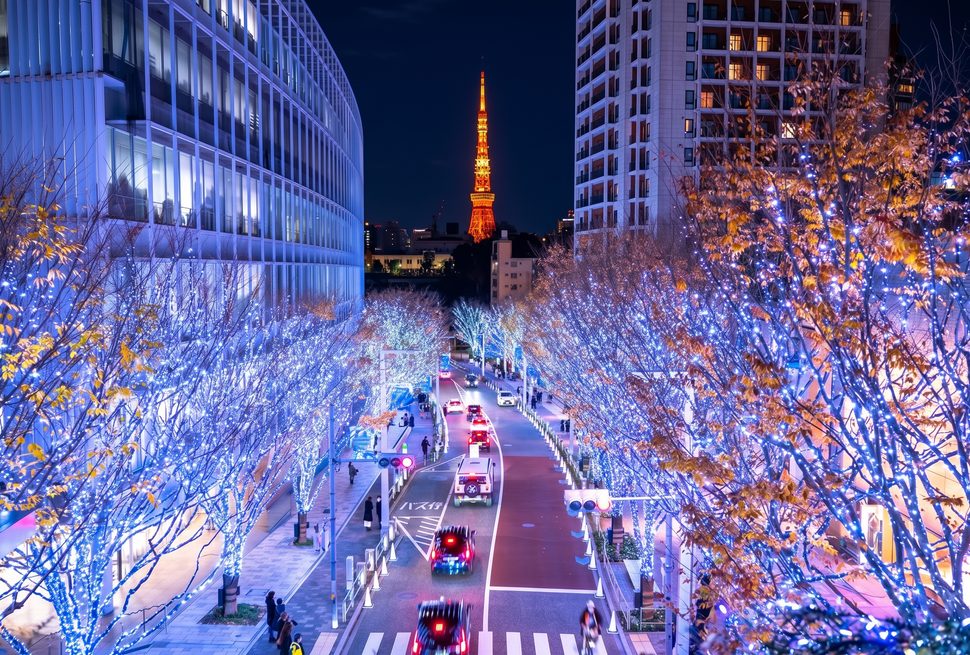
Several major sites run evening illumination periods in autumn and spring, and the crowds thin considerably after the last coach leaves.
Kyoto’s Gion and Pontocho, Kanazawa’s Higashi Chaya district, and Takayama’s old town are all at their best in the two hours after sunset, when the day-trippers have gone and the districts are lit but empty.
Off-Peak Months
The genuinely quiet months are June, late January, and early February. June is the rainy season, which deters people; January after the New Year holiday is cold and cheap.
Avoid Golden Week in late April and early May, Obon in mid-August, and the New Year period — those are domestic travel peaks and everything is full regardless of international numbers. Late autumn foliage season in Kyoto is now the single busiest period of the year.

Regions That Are Not Crowded
Three regions offer comparable quality to the Golden Route with a fraction of the traffic.
Tohoku
Yamadera is a temple complex of 1,000 stone steps up a cliff face, arguably more dramatic than anything in Kyoto. Kakunodate is a preserved samurai district in Akita with weeping cherry trees. Matsushima Bay is one of Japan’s three classic views.
All are reachable from Sendai, which is 90 minutes from Tokyo by shinkansen. Tohoku receives a small share of Japan’s international visitors, and it shows in the pricing as well as the crowds.
Hokuriku
Kanazawa has a preserved geisha district, one of Japan’s three great gardens, a samurai quarter, and a major contemporary art museum, in a walkable city with excellent seafood.
Beyond it: the Fukui dinosaur museum, which is one of the largest in the world, and Toyama Bay with the Tateyama Alpine Route. The Hokuriku Shinkansen extension has made all of it straightforward from Tokyo.
Kyushu
Kyushu offers what most visitors want from Japan — onsen towns, volcanoes, historic cities, distinct regional food — with domestic rather than international crowds.
Kurokawa Onsen instead of Hakone. Unzen and Beppu instead of the Fuji Five Lakes. Nagasaki and Kumamoto instead of a third Kansai city. The JR Kyushu regional pass makes it economical.
Travelling Responsibly
Three practical behaviours make a measurable difference to the places absorbing the pressure.

Respect Residential Boundaries
Gion’s private alleys were closed to tourists in 2024 after sustained problems with visitors entering private property and harassing geiko and maiko. Fines reach 10,000 yen.
Signs in Japanese and English mark these boundaries. The main streets remain open. The distinction is between a public thoroughfare and someone’s front garden, and it is generally obvious.
Forward Your Luggage

Takkyubin — the overnight luggage forwarding service — moves a suitcase between hotels for roughly 2,000 to 3,000 yen, and it is genuinely reliable.
Every convenience store and hotel front desk handles it. Beyond the personal convenience, it directly addresses the bus and train congestion problem that Kyoto has been complaining about. Pack an overnight bag and send the case ahead.
Spend Outside the Gates
The restaurants immediately outside major sites are the ones absorbing the crowds and, generally, the ones serving the worst food at the highest prices.
Walking ten minutes in any direction produces better meals at local prices, and the money reaches businesses that are not already saturated. This is the rare case where the responsible choice and the self-interested one are identical.
The New Rules and Charges
Several formal measures have come in and more are expected.
Mount Fuji Climbing
The Yoshida Trail introduced a daily climber cap and an entry fee, with gates closed overnight to prevent unprepared bullet climbing. Shizuoka’s trails followed with their own charges.
Fees have been revised upward since introduction. Pre-booking is required for the Yoshida Trail in season, and rules change year to year — check the official prefectural site rather than a guidebook.
Kyoto Bus Restrictions
Kyoto has restricted large suitcases on certain city bus routes and introduced express tourist buses to separate visitor traffic from resident commuting.
The city has also raised its accommodation tax substantially for higher-priced lodging. Both measures are explicitly framed as managing tourist pressure.
Tax-Free Changes

Japan has announced a shift to a refund-at-departure model for tax-free shopping, replacing the current point-of-sale exemption, intended to curb resale fraud.
Under the new system you would pay tax in the shop and reclaim it at the airport. Timing and mechanics are still being finalised; check the current rules close to your travel dates.
Expert Tip
The regulatory picture changes fast — Fuji’s fees, Kyoto’s bus rules, and the tax-free system have all been revised within the last two years and further changes are expected. Anything you read about Japanese tourism rules that is more than twelve months old should be verified against an official source before you rely on it.
Japan Overtourism: Frequently Asked Questions
Is Kyoto still worth visiting? Yes, with adjusted timing. The city has over 2,000 temples and shrines and the congestion sits on perhaps seven of them. Early mornings, evenings, and the northern and western districts give you Kyoto largely as it was. The mistake is arriving at Kiyomizu at 11am and concluding the city is ruined.
Which alternative cities are best? Kanazawa for the Kyoto-like experience without the crowds. Sendai as a Tohoku base. Fukuoka or Nagasaki for Kyushu. Matsue and Hagi in San’in for something almost entirely untouched by international tourism.
How do I travel between cities without luggage? Use takkyubin from your hotel front desk. Same-day delivery within a city and next-day between major cities is standard, with same-day service possible between Tokyo and Kyoto if dropped early. Cost is roughly 2,000 to 3,000 yen per case.
Related Tours
Conclusion
Change your hours before you change your destination. An early start and a late finish will do more for the quality of a Kyoto visit than any amount of substitution, and it costs nothing but an alarm.
Then give one region of your trip to somewhere off the standard route. Tohoku, Hokuriku, or Kyushu will be the part people remember, and it is the part that most needs the visitors.
Plan Your Japan Trip with Local Experts
Our team has guided 40,000+ travelers across Japan. Tell us about your trip and we’ll get back to you within 24 hours.