In this article:
- Tokyo in December: Weather, Daylight, and What to Pack
- Illuminations and a Very Japanese Christmas
- The Year-End: Markets, Closures, and New Year’s Eve
- A Day Out of the City: Snow Monkeys and Zenko-ji
- Tokyo in December: Frequently Asked Questions
Introduction
Tokyo in December is the city at its clearest. The humidity of summer and the typhoon rain of autumn are gone, the sky over the Imperial Palace is a hard, pale blue most mornings, and by half past four the light has already turned amber over the rooftops.
It is also a month that most visitors misread. They expect either a cold, empty off-season or a Western-style holiday rush, and Tokyo is neither. The first three weeks are some of the calmest of the year at the major sights. The last week belongs to a set of year-end rituals — cleaning, markets, a bowl of soba, a midnight bell — that are largely invisible unless you know where to look.
We plan a lot of December trips, and the travelers who enjoy them most are the ones who understand the shape of the month before they arrive. That means knowing when the afternoon ends, which days the city shuts, and what New Year’s Eve looks like from the inside. The sections below cover each of these in turn.
Tokyo in December: Weather, Daylight, and What to Pack
December weather in Tokyo is easy to dress for and pleasant to walk in. The problems visitors run into are rarely about the cold itself.
Cold, Dry, and Mostly Clear
Daytime highs sit around 12 to 13°C and overnight lows drop to around 4°C, according to the Tokyo Metropolitan Government’s GO TOKYO guide. Rain is infrequent. Snow in the city itself is rare this early in the winter, and when it does come it rarely settles.
That dry, settled weather is the real advantage of the month. Clear mornings are common, which is when the view west from a high observation deck is most likely to include Mount Fuji. If a skyline view is on your list, book it for the morning rather than sunset. Afternoon haze and the early dusk both work against you later in the day.
The Afternoon Ends at 4:30
Tokyo does not use daylight saving time, and in December the sun sets at around 4:30pm. The earliest sunset of the year falls in the first week of December, not on the solstice.
This changes how a day should be built. We put temples, gardens, and anything outdoors in the morning and early afternoon, then move indoors or toward the illuminations once the light goes. A garden like Rikugien or Hamarikyu at 3pm, with the low sun coming sideways through the pines, is a different place from the same garden at noon. Plan for that hour rather than trying to squeeze in a third outdoor stop.
Dressing for Trains, Not Just Streets
Tokyo interiors are heated, often generously. Trains, department stores, and restaurants can be warm enough that a heavy coat becomes something you carry for most of the day.
Layers work better than one thick garment. A light down jacket that packs small, a sweater, and a scarf will cover almost any December day in the city. Shoes matter more than coats. You will walk a great deal, and temple visits and some restaurants mean taking your shoes off, so slip-ons and socks you are happy to be seen in are worth the thought.
Expert Tip
If you are going on to the mountains — Nagano, Nikko, or anywhere with snow — pack for that trip separately rather than for Tokyo. Waterproof boots with real grip are the one item Tokyo will not prepare you for, and they are hard to buy in larger sizes at short notice. Bring them from home and wear them on the train.
Illuminations and a Very Japanese Christmas
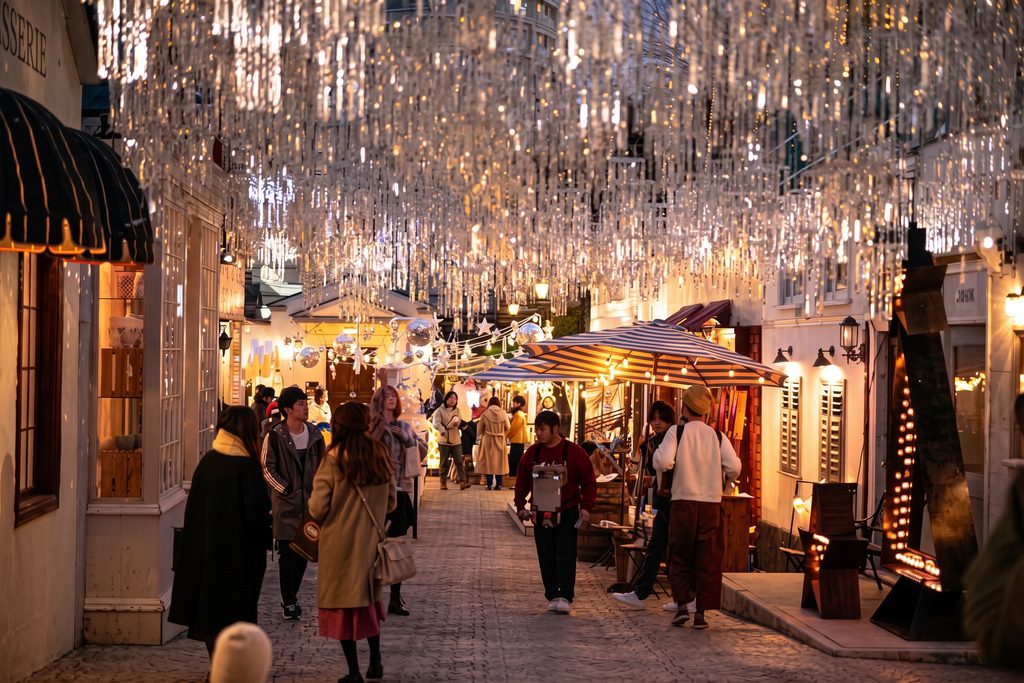
From mid-November, Tokyo strings its avenues, plazas, and office districts with lights. This is the image most people have of the city in December, and it deserves an evening or two of your trip.
Marunouchi, Ebisu, and Roppongi
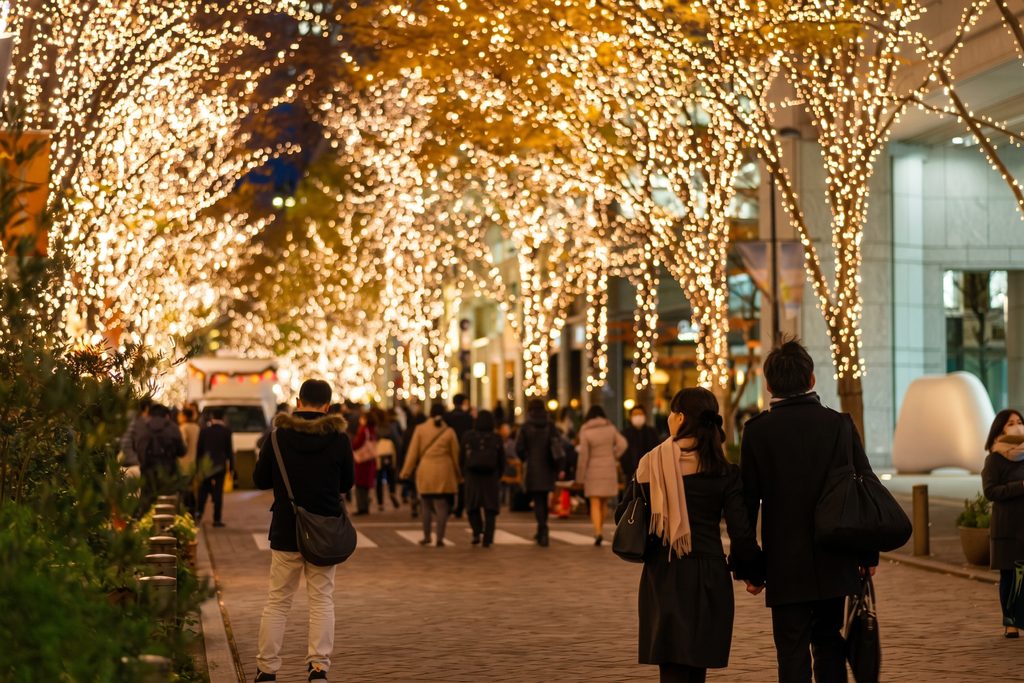
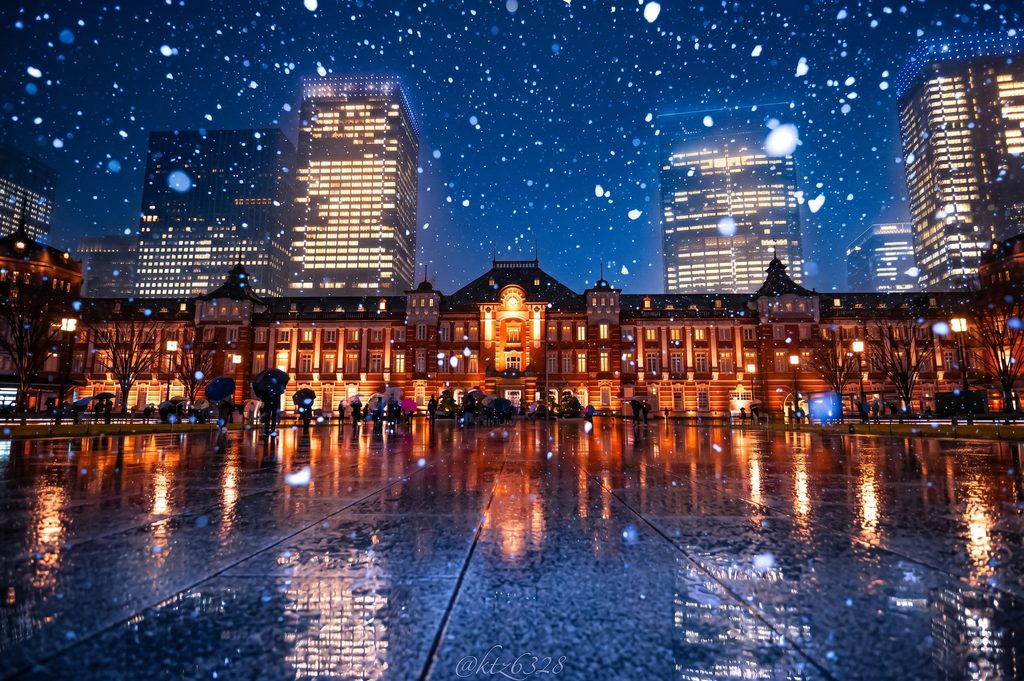
Marunouchi, the office district between Tokyo Station and the Imperial Palace, wraps its main street trees in champagne-gold lights. It is the most restrained of the major displays and our preferred one. The brick facade of Tokyo Station sits at one end, and the walk is flat, short, and easy to combine with dinner.
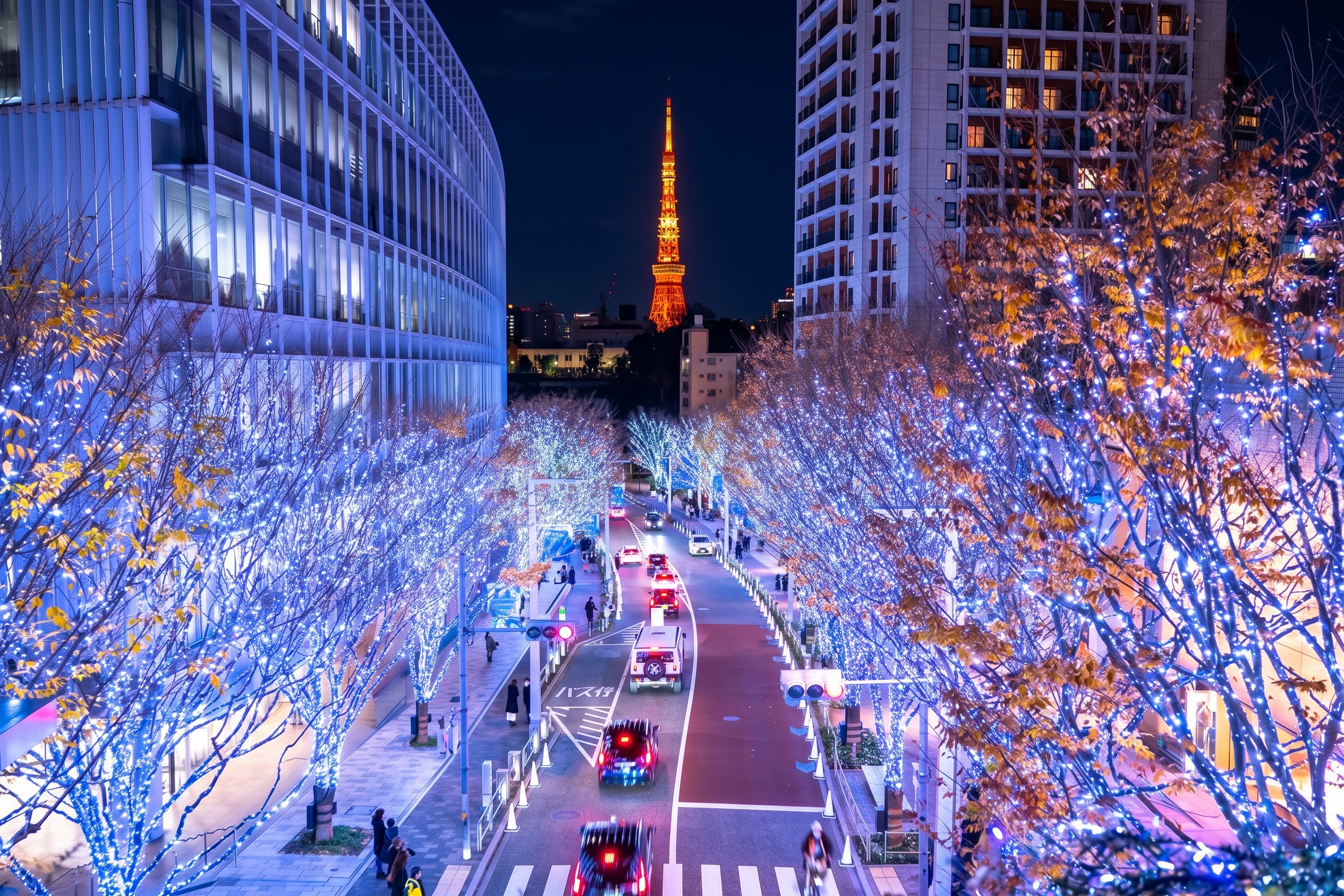
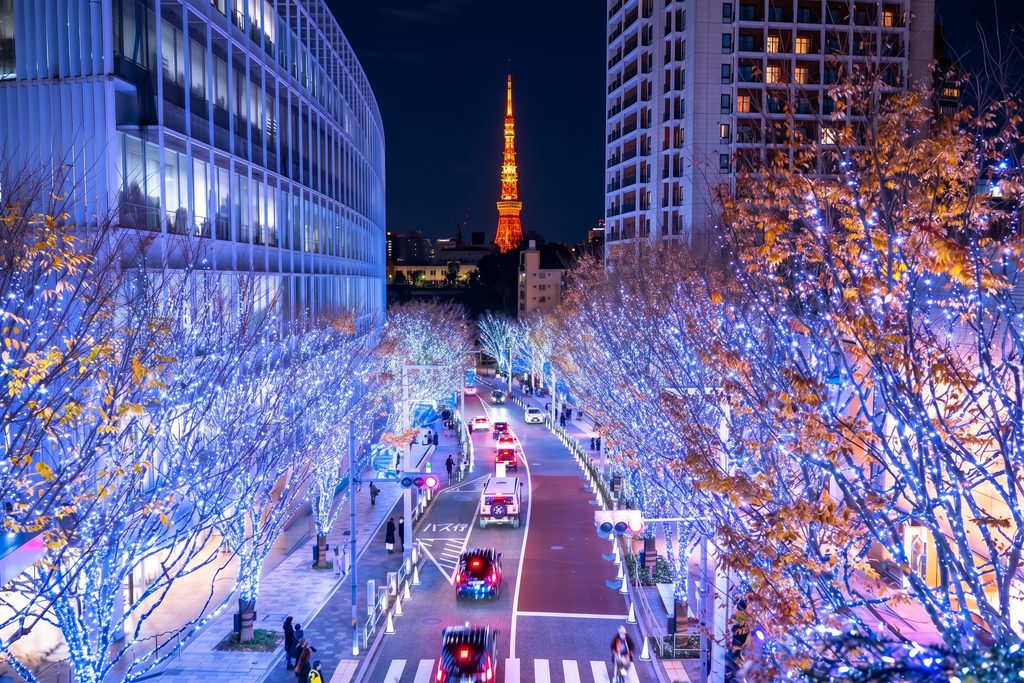
Yebisu Garden Place in Ebisu hangs a large Baccarat chandelier in its central plaza each winter. Roppongi Hills lights Keyakizaka, the sloping avenue below Mori Tower, and on a clear night Tokyo Tower appears at the end of it. Omotesando lines its zelkova trees as well.
Our advice is to choose one or two and see them properly rather than tick off five. Go on a weekday. Weekend evenings in the week before Christmas are the busiest of the season, and at Keyakizaka the crowd can make it hard to stop anywhere for long.
Christmas Eve Is for Couples
Christmas in Japan is a commercial and romantic occasion, not a family or religious one. Christmas Eve is treated as a night for couples, and restaurants with any reputation for atmosphere are booked out for it weeks in advance. December 25 is an ordinary working day.
Two food customs surprise visitors. One is fried chicken, especially KFC, which many Japanese families order for Christmas. The other is the Christmas cake: a sponge layered with cream and strawberries, sold in every department store food hall and convenience store. Both are ordered well ahead, and the queues outside KFC branches on the 24th are real.
If you want a good dinner on December 24, book it when you book your flights. Otherwise, treat Christmas Eve as a quiet night and eat somewhere unfashionable. Local izakaya and noodle counters carry on as normal.
Christmas Markets
Several German-style Christmas markets run through December. The one at Jingu Gaien, the outer grounds of Meiji Shrine, is built around a Christmas pyramid imported from Germany, and Tokyo Skytree hosts a market of its own at its base.
They are pleasant for an hour with a mug of mulled wine. That said, if you come from Europe you have seen better, and this is not the reason to be in Tokyo in December. Dates and entry arrangements change each year, so check the organizers’ sites before planning an evening around one.
The Year-End: Markets, Closures, and New Year’s Eve
The last two weeks of December are when Tokyo is at its most Japanese. The city prepares for New Year the way other countries prepare for Christmas, and the preparations are public.
Hagoita-ichi at Senso-ji and the Setagaya Boro-ichi
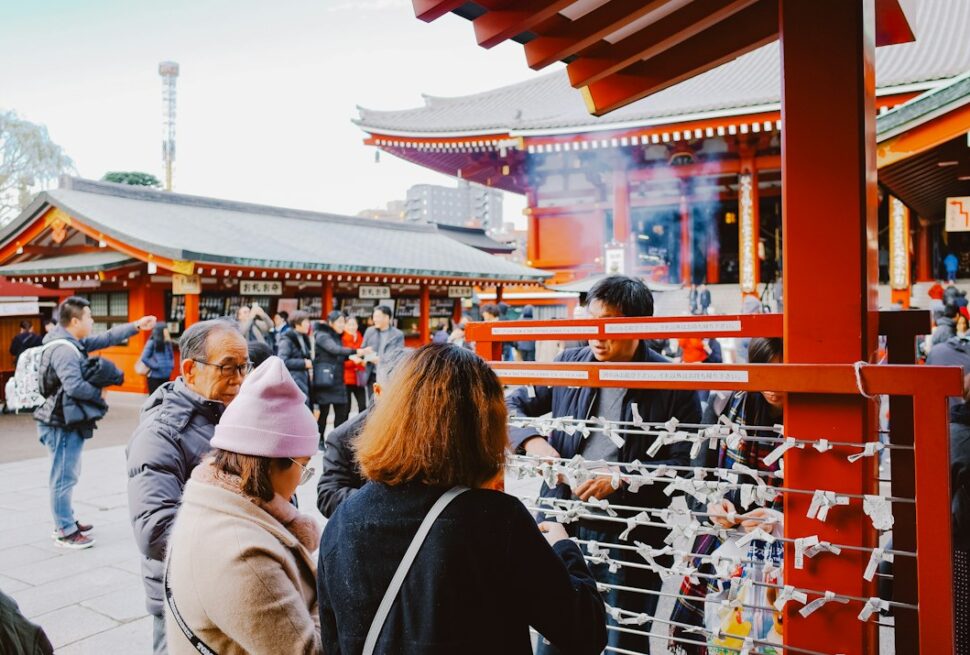
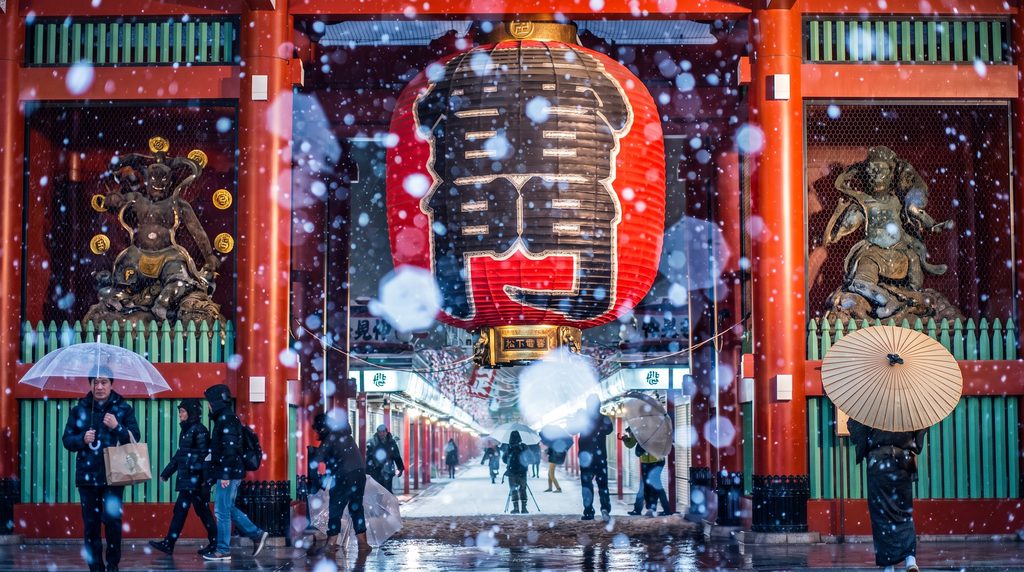
Every year from December 17 to 19, Senso-ji in Asakusa holds its year-end market, the Hagoita-ichi. Stalls in the temple grounds sell hagoita — ornamental wooden paddles — decorated with padded silk portraits of kabuki actors and other figures, some small enough for a pocket and some taller than the person carrying them. They are bought as charms for the coming year.
Even with no intention of buying, it is our favorite December evening in Asakusa. The stalls are lit against the dark, and the temple is busier with locals than with visitors. When we build a private Tokyo day for travelers in town on those dates, we usually start at Senso-ji in the morning and come back to the market after dark. The quieter backstreets of Asakusa are worth the gap in between.
In Setagaya, a residential ward in the west of the city, the Boro-ichi runs on December 15 and 16. It is a street market of antiques, secondhand kimono, tools, and food, with a history going back to the sixteenth century. Go early and bring cash.
The December 29 Shutdown
From around December 29 to January 3, much of Japan stops. Government offices, banks, many museums, and a large share of independent restaurants close. Many people travel home to their families, and the trains out of Tokyo are crowded in the days just before.
This affects trip planning more than any other feature of the month. If there is a particular museum, a craft shop, or a counter restaurant you want to visit, do it before the 28th. Department stores, hotels, convenience stores, and chain restaurants mostly stay open, and the major shrines and temples are at their busiest, so the city is not dead. It is a different city.
Ameyoko, the market street beside Ueno Station, goes the other way. In the final days of December it fills with people buying seafood and dried goods for the New Year meal. It is loud and crowded, and it is one of the few places where you see the holiday being prepared rather than displayed.
New Year’s Eve at a Shrine or Temple
On December 31, called Omisoka, many households eat toshikoshi soba — buckwheat noodles for crossing into the new year. At midnight, Buddhist temples ring their bells 108 times, a ritual called joya no kane. Zojoji, beneath Tokyo Tower, is one of the better-known places to hear it in the city.
The first shrine visit of the year, hatsumode, begins at midnight. Meiji Shrine draws more New Year visitors than anywhere else in Japan, and the crowd control around it is serious: you will queue, you will move slowly, and it will take a long time. Some travelers love this. Others would rather see the same ritual at a small neighborhood shrine with a few dozen people and a bonfire.
We generally recommend the second. Ask your hotel about the nearest shrine, eat soba beforehand, and walk over around 11:30pm. Our guide to New Year traditions in Japan covers the customs in more detail.
Expert Tip
If you are arriving in the second half of December, book any restaurant you care about before you land. Small counter restaurants often close for several days around New Year, and the sittings that remain in the last week of December fill early. The same applies to cooking classes and small private experiences.
A Day Out of the City: Snow Monkeys and Zenko-ji
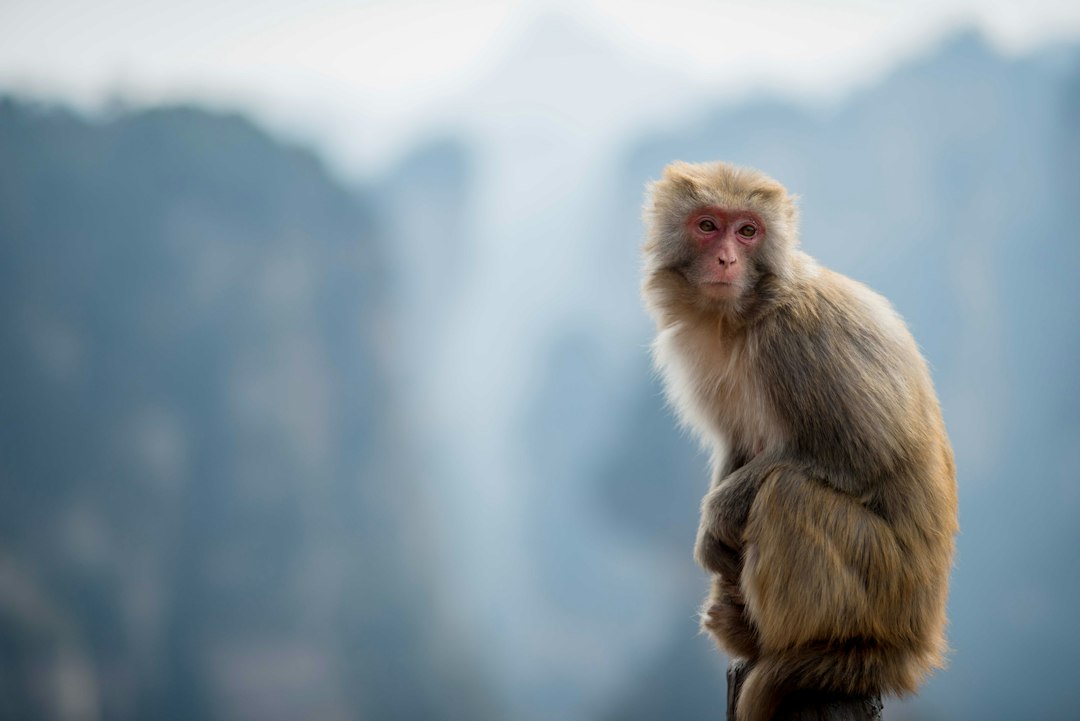
A clear December week in Tokyo is a good moment to leave it for a day. The trip we are asked about most at this time of year is to Nagano, where the wild macaques of Jigokudani sit in a hot spring in the snow.
What December Looks Like at Jigokudani
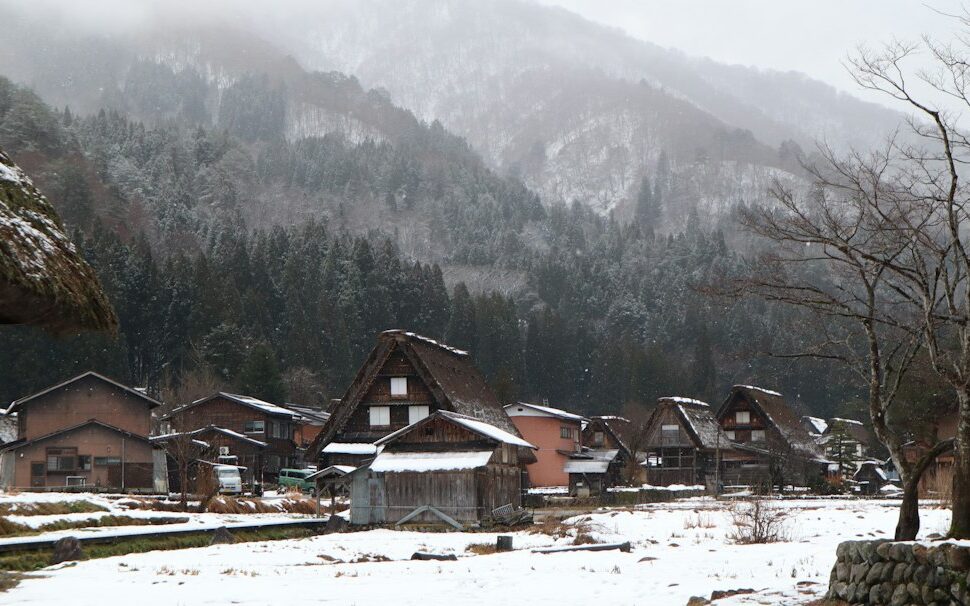
The monkeys live in the valley year-round, but they spend far more time in the water once it turns cold. The park is reached on foot along a wooded path of around a kilometre and a half from the car park, which takes about half an hour, uphill in places and snow-covered in winter. There is no enclosure. The monkeys walk past you on the path and ignore you.
Be realistic about snow. Early December can be cold and bare, and deep snow at the valley is more reliable from late December through February. If the photograph you have in mind is a monkey with snow on its head, the second half of the month is the better bet.
In winter the park is open from 9am to 4pm, and the park recommends arriving at least 30 minutes before closing. It has warned of heavy congestion on New Year holidays and weekends, and has said it may limit entry on the busiest days. Check the official Jigokudani Yaen-koen site shortly before you go. Our longer guide to visiting the snow monkey park covers the walk and the etiquette.
Zenko-ji and Nagano Soba
Most day trips pair the monkeys with Zenko-ji in Nagano city. The temple was founded in the seventh century, before Japanese Buddhism divided into sects, and belongs to no single one of them. Beneath the main hall is a pitch-dark passage where visitors feel along the wall for a key.
Lunch is soba, which Nagano takes seriously. On our private snow monkey day, the guide handles the route and the timing, and the day runs about nine hours door to door. It is a long day, and on a December afternoon you will be heading back to Tokyo in the dark. We think it is worth it.
Tokyo in December: Frequently Asked Questions
Does it snow in Tokyo in December?
Rarely. December in Tokyo is usually dry and sunny, with lows around 4°C, and snow in the city is uncommon this early in the winter. If you want snow, you need to leave the city: Nagano, the mountains of Gunma, and Hokkaido are the usual answers. Our guide to Japan in December covers the snow regions.
Is Tokyo crowded between Christmas and New Year?
In some places, and quiet in others. Shrines, Ameyoko, department store food halls, and the stations with long-distance trains are packed. Office districts and many residential neighborhoods empty out as people travel home, and the city can feel unusually still, especially on January 1 and 2.
Are restaurants open on New Year’s Eve?
Many are, but fewer than usual, and a lot of independent places close from around December 29 or 30. Hotel restaurants, chains, and soba shops are your most reliable options on the 31st. If you want a particular restaurant, book well in advance and confirm its year-end dates directly.
Related Tours



Conclusion
December rewards travelers who plan around its calendar. The first three weeks are for clear mornings, short afternoons, and lights in the evening. The final days are for markets, soba, and a shrine at midnight, with the museums and many restaurants closed around you.
Decide early which half of the month you want. Then look at the specific dates: the Senso-ji market on the 17th to 19th, Christmas Eve if you want a table, and the 28th as your practical deadline for anything that closes for the holiday. Pack layers and one good pair of walking shoes, and plan your outdoor time before 4pm.
Plan Your Japan Trip with Local Experts
Our team has guided 40,000+ travelers across Japan. Tell us about your trip and we’ll get back to you within 24 hours.