In this article:
- Oshogatsu: Japan’s Most Important Holiday
- New Year’s Eve Rituals
- Hatsumode: The First Shrine Visit
- Festive Food: Osechi and Ozoni
- Fukubukuro and New Year Sales
- Japan New Year: Frequently Asked Questions
Introduction
If you picture New Year as fireworks and parties, Japan’s version will surprise you. Oshogatsu is quiet, familial, and steeped in ritual — temple bells at midnight, a first visit to a shrine, special food eaten together, homes decorated to welcome a new year’s deity. Cities empty as families gather indoors.
For a visitor, it is a rare and lovely time to see a more private side of Japan, as long as you plan around the many closures. Here is how the season unfolds.
Oshogatsu: Japan’s Most Important Holiday
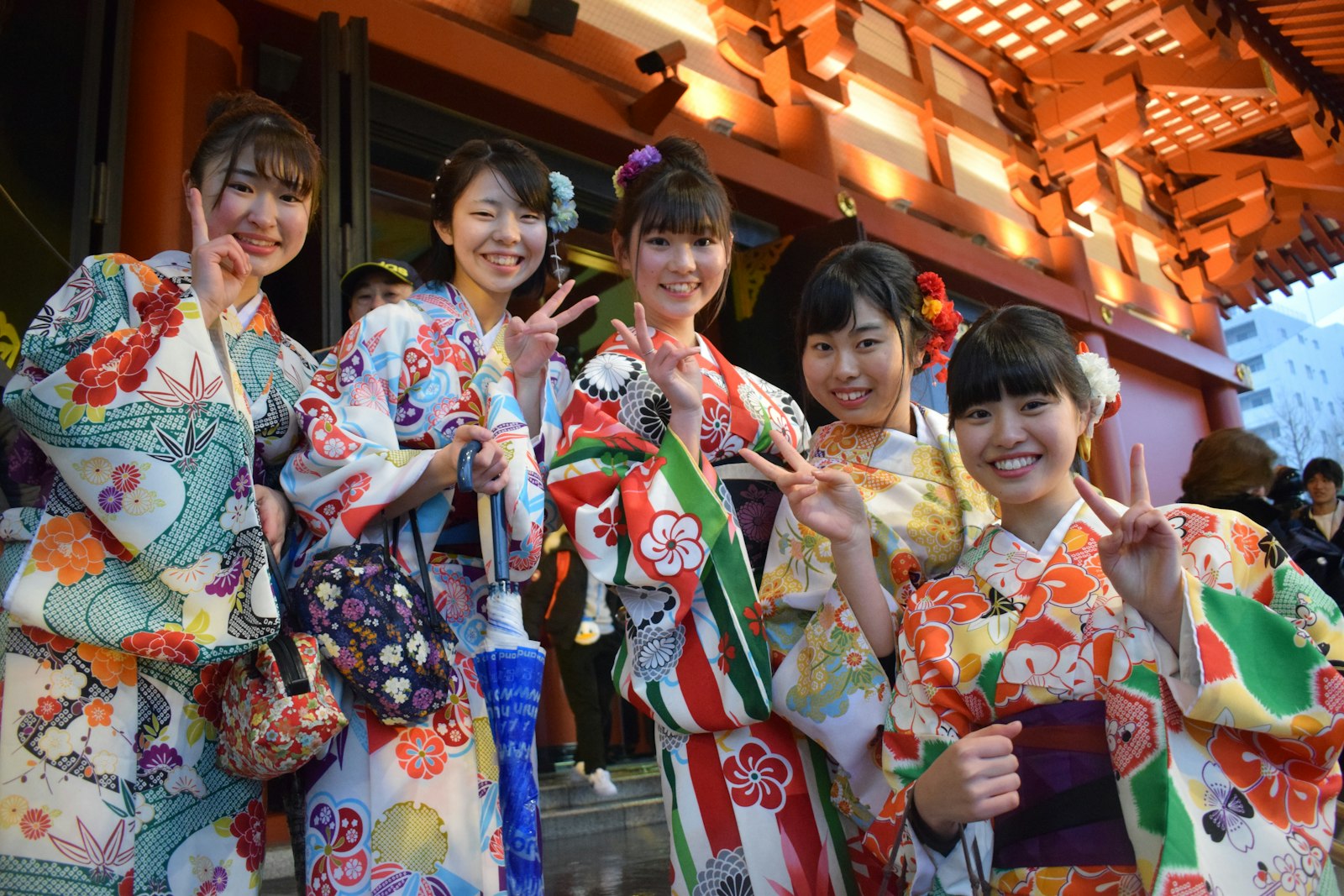
The New Year is less a party than a threshold, and its customs reflect renewal.
Welcoming the Year’s Deity
Homes are decorated to welcome the toshigami, the deity of the incoming year, with kadomatsu pine-and-bamboo arrangements at entrances and kagami mochi rice-cake offerings inside. These decorations, appearing in late December, are the first sign the season has arrived.
A Time for Renewal
The year ends with osoji, a thorough deep-cleaning of the home to clear away the old year’s dust and energy before the new one begins. The idea of starting fresh — clean house, settled debts, renewed intentions — runs through the whole holiday.
The Quiet City
Unlike the New Year revelry of many countries, Japanese cities turn peaceful as families withdraw indoors to be together. Streets are hushed, many businesses close, and a calm settles over places that are usually bustling. It is a striking, gentle atmosphere.
New Year’s Eve Rituals
Toshikoshi Soba
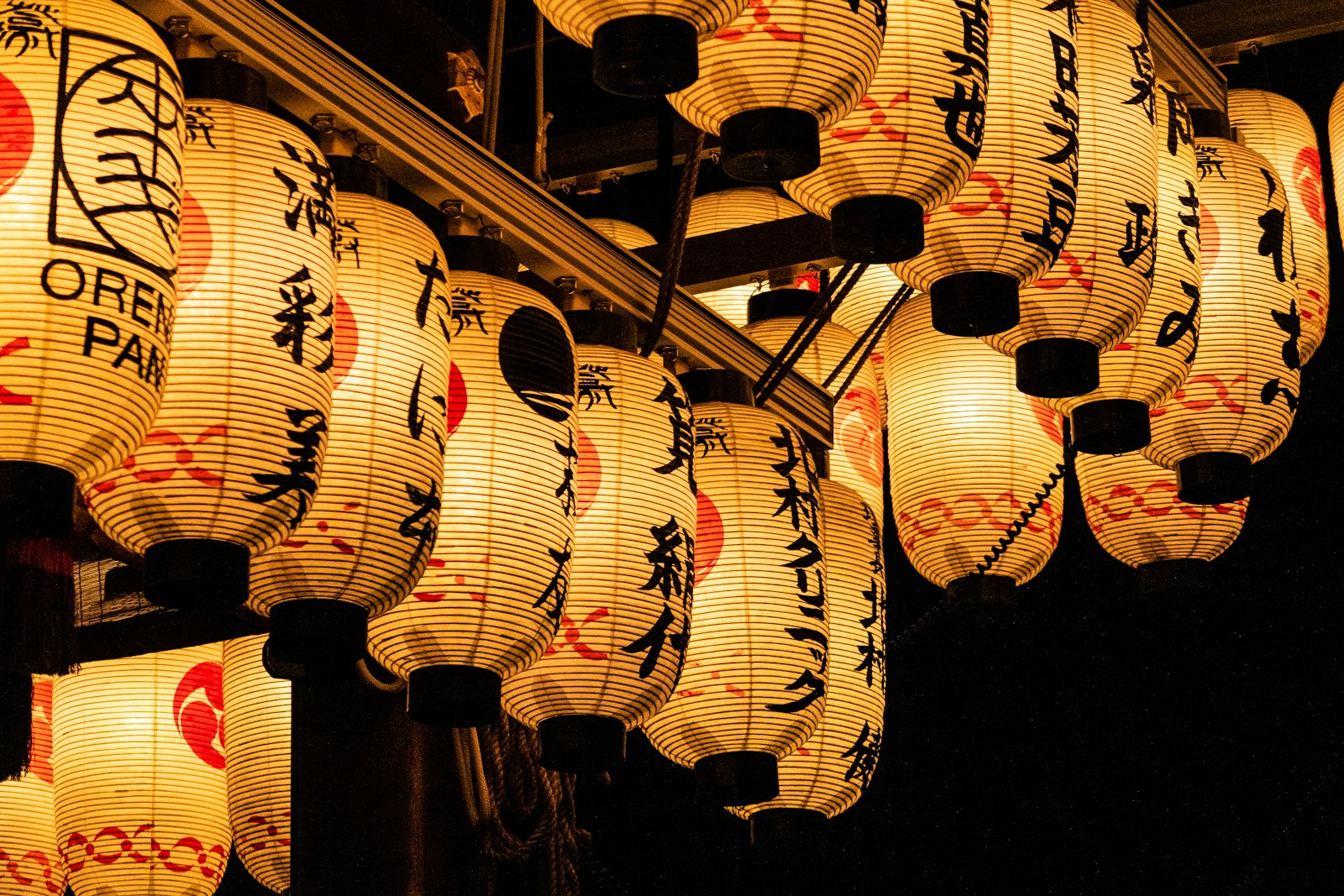
On New Year’s Eve, families eat toshikoshi soba, “year-crossing” buckwheat noodles, whose long strands symbolize longevity and whose easy breaking represents cutting off the past year’s misfortune. It is a simple, meaningful meal to end the year.
Joya no Kane
At midnight, Buddhist temples ring their bells 108 times — the joya no kane — each toll said to dispel one of the earthly desires that trouble humankind. Hearing the deep, slow bells roll out across the cold night is one of the most atmospheric moments in the Japanese year.
All-Night Transit
To let people visit shrines and temples at midnight, cities like Tokyo and Kyoto run special all-night or extended transit schedules on New Year’s Eve. This is the one night the trains keep running late, so you can join the midnight crowds and still get home.
Hatsumode: The First Shrine Visit
Praying for the Year
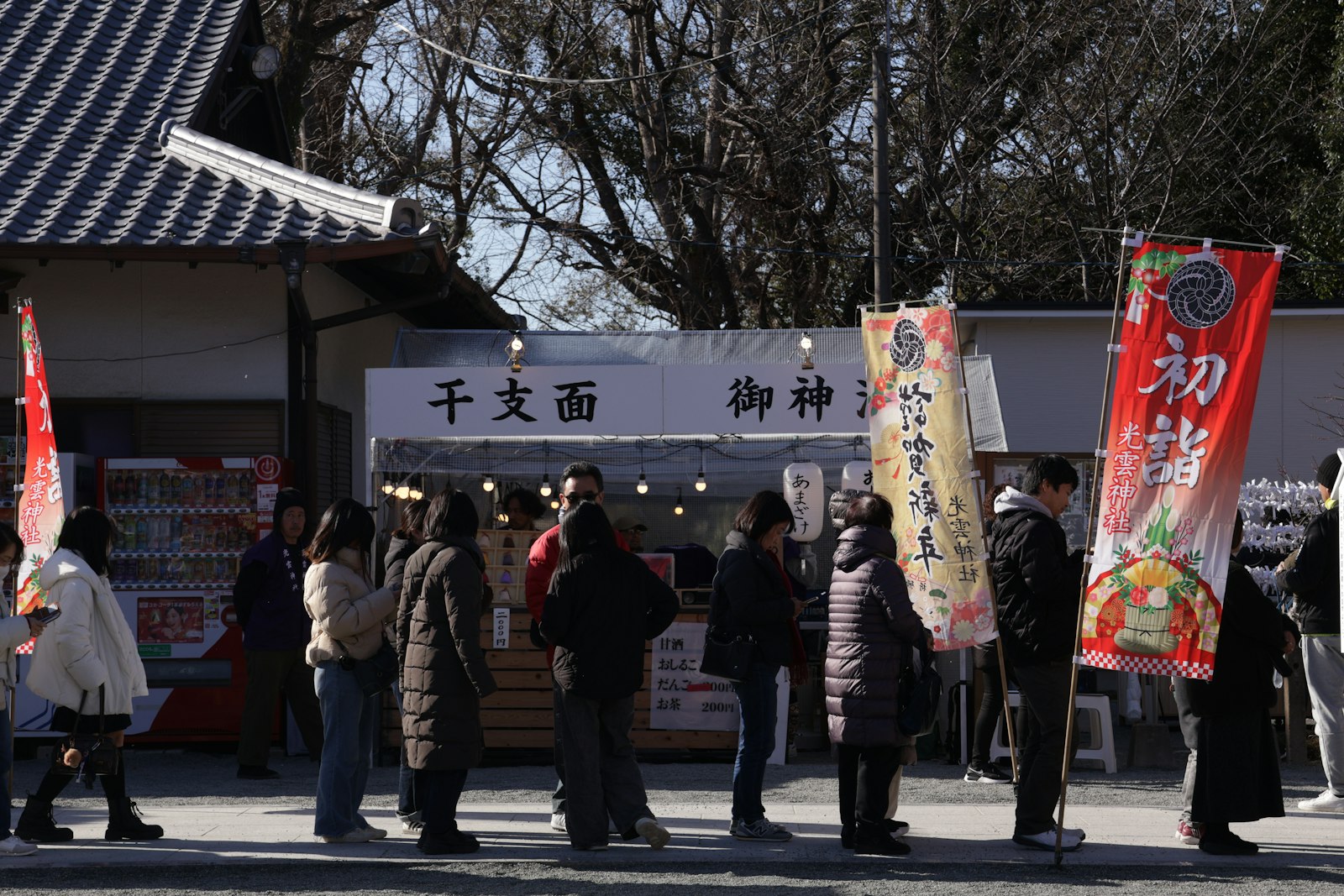
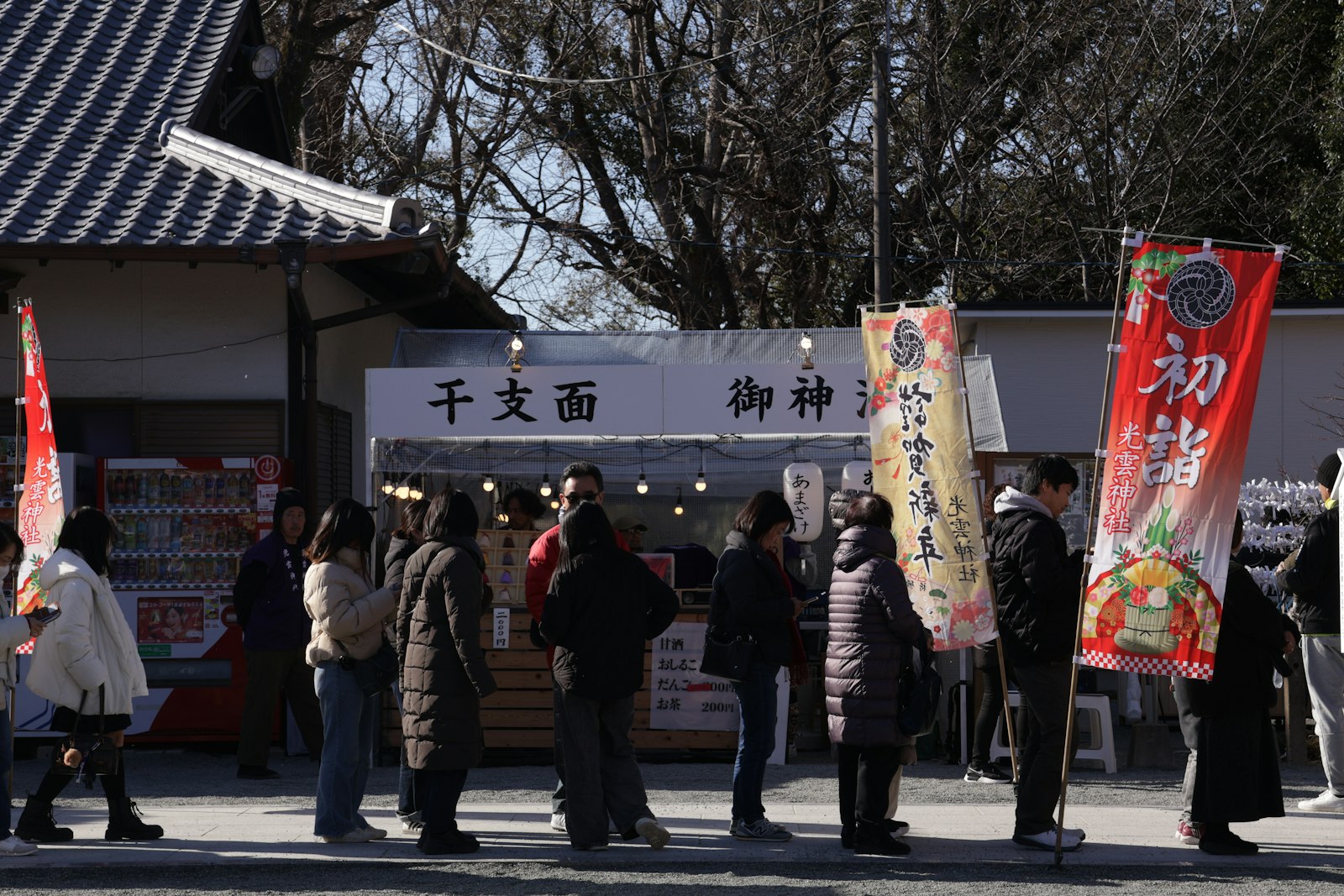
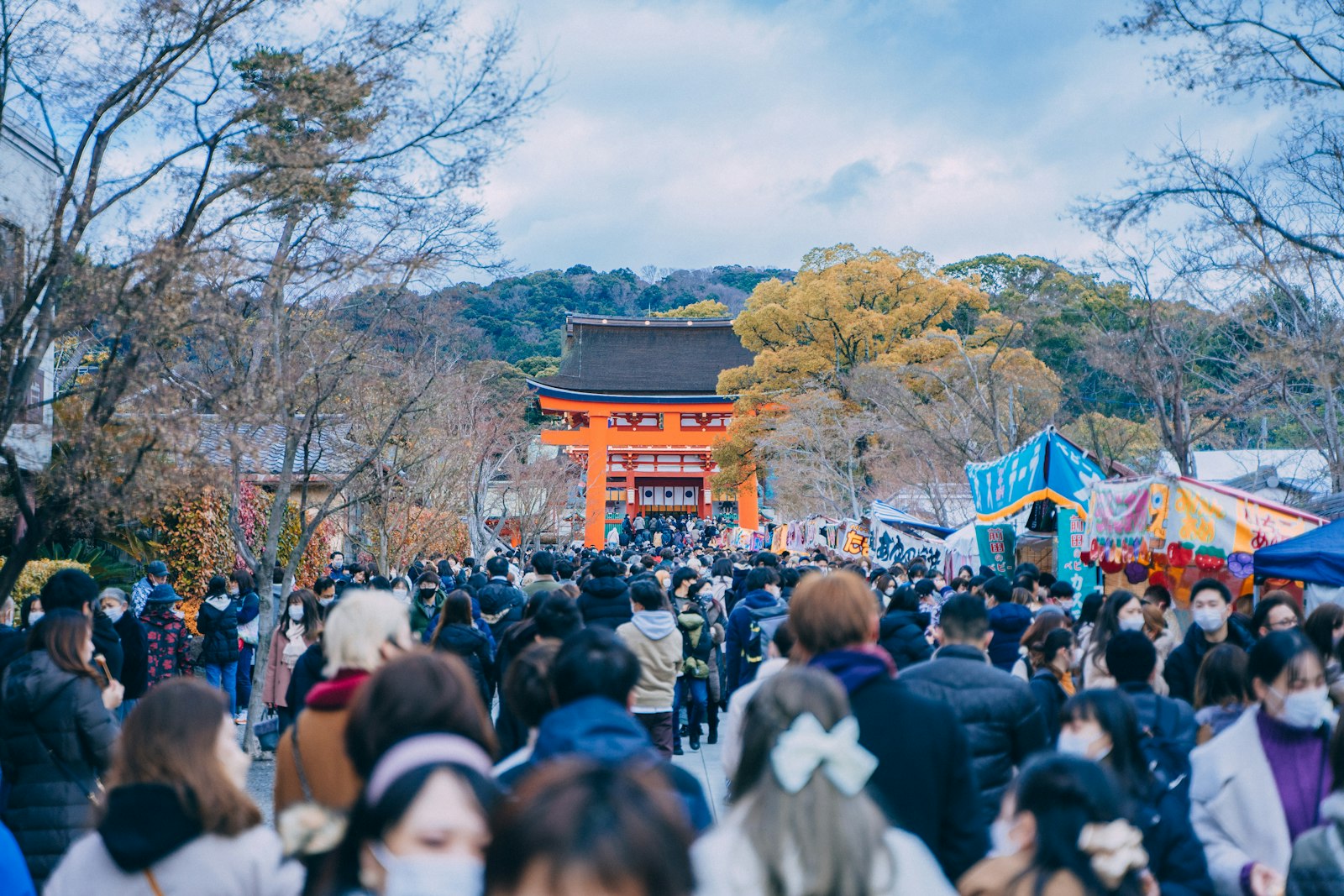
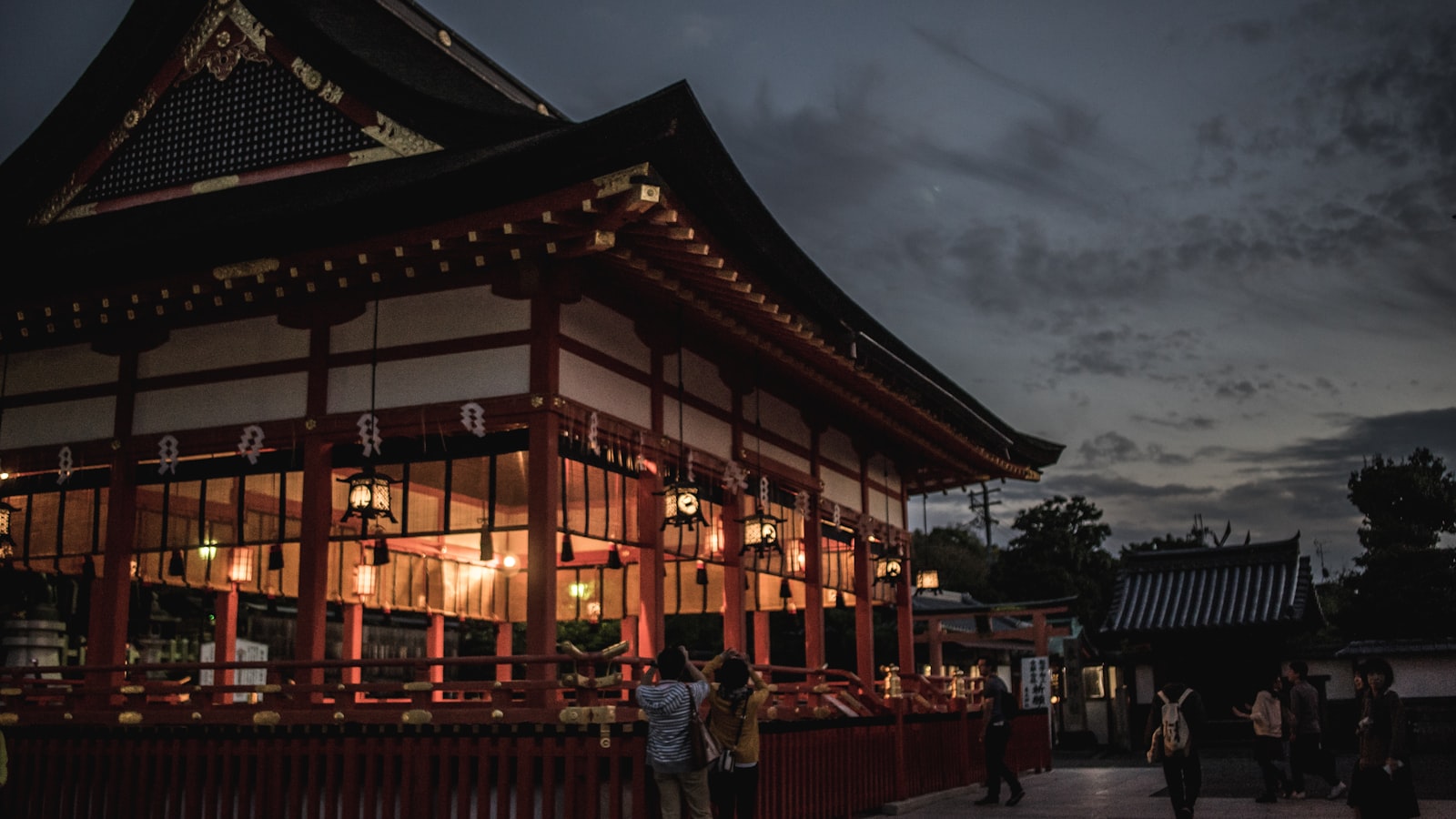
Hatsumode, the first shrine or temple visit of the year, is the central New Year custom, made in the first days of January. Millions visit major sites like Meiji Jingu or Senso-ji to pray for good fortune in the year ahead. Expect crowds, and an electric, communal atmosphere.
Fortunes and Charms
At the shrine, people draw omikuji paper fortunes to see what the year holds, buy new protective charms, and return the previous year’s amulets to be burned. It is a hands-on, participatory ritual that visitors are welcome to join.
The First Sunrise
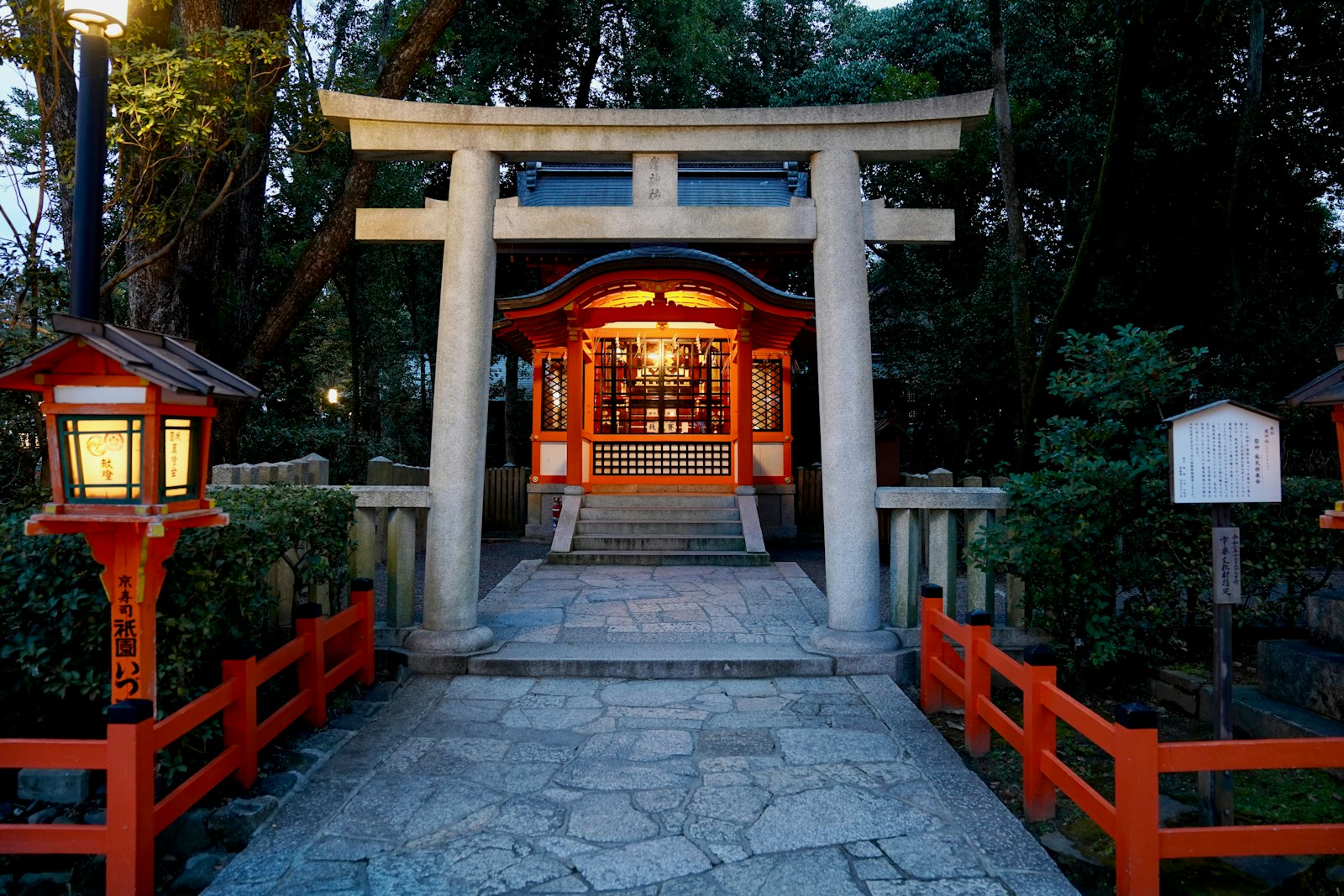
Hatsuhinode, watching the year’s first sunrise, is a cherished custom, with people gathering at coasts, hilltops, and high vantage points on the morning of January 1st. Greeting the new year’s first light is considered auspicious and quietly beautiful.
Expert Tip
Stock up on food and cash before December 31st, and confirm which restaurants and attractions stay open. During the first days of January, many shops, restaurants, banks, and even some attractions close as the country observes the holiday. Convenience stores and major sites generally stay open, but a little advance planning means you are enjoying the serene atmosphere rather than hunting for an open door.
Festive Food: Osechi and Ozoni
Osechi Ryori
Osechi ryori is the elaborate New Year feast, served in stacked lacquered boxes, where each dish carries symbolic meaning — health, prosperity, long life, fertility. Prepared in advance so no one has to cook during the holiday, it is as much a work of meaning as of cuisine.
Ozoni Soup
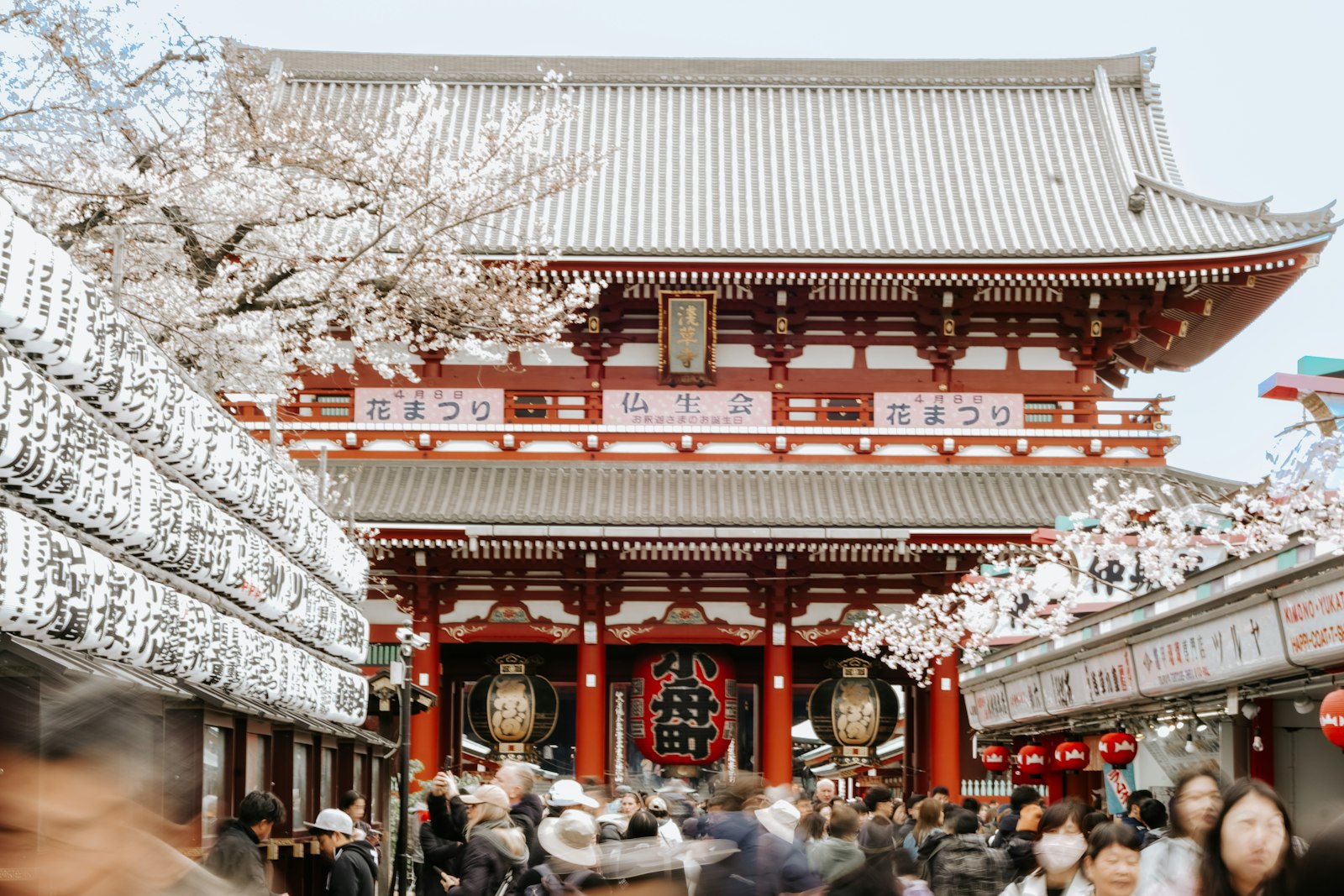
Ozoni, a hearty soup containing mochi rice cakes, is eaten on New Year’s morning, with broths and ingredients varying by region and family. Warm and comforting, it is the dish that most says “New Year morning” to people across Japan.
Otoso
Families toast the new year with otoso, a spiced medicinal sweet sake traditionally sipped to ward off illness and welcome good health. Shared at the start of the day, it is a small ritual of well-wishing among relatives.
Fukubukuro and New Year Sales
Lucky Grab Bags
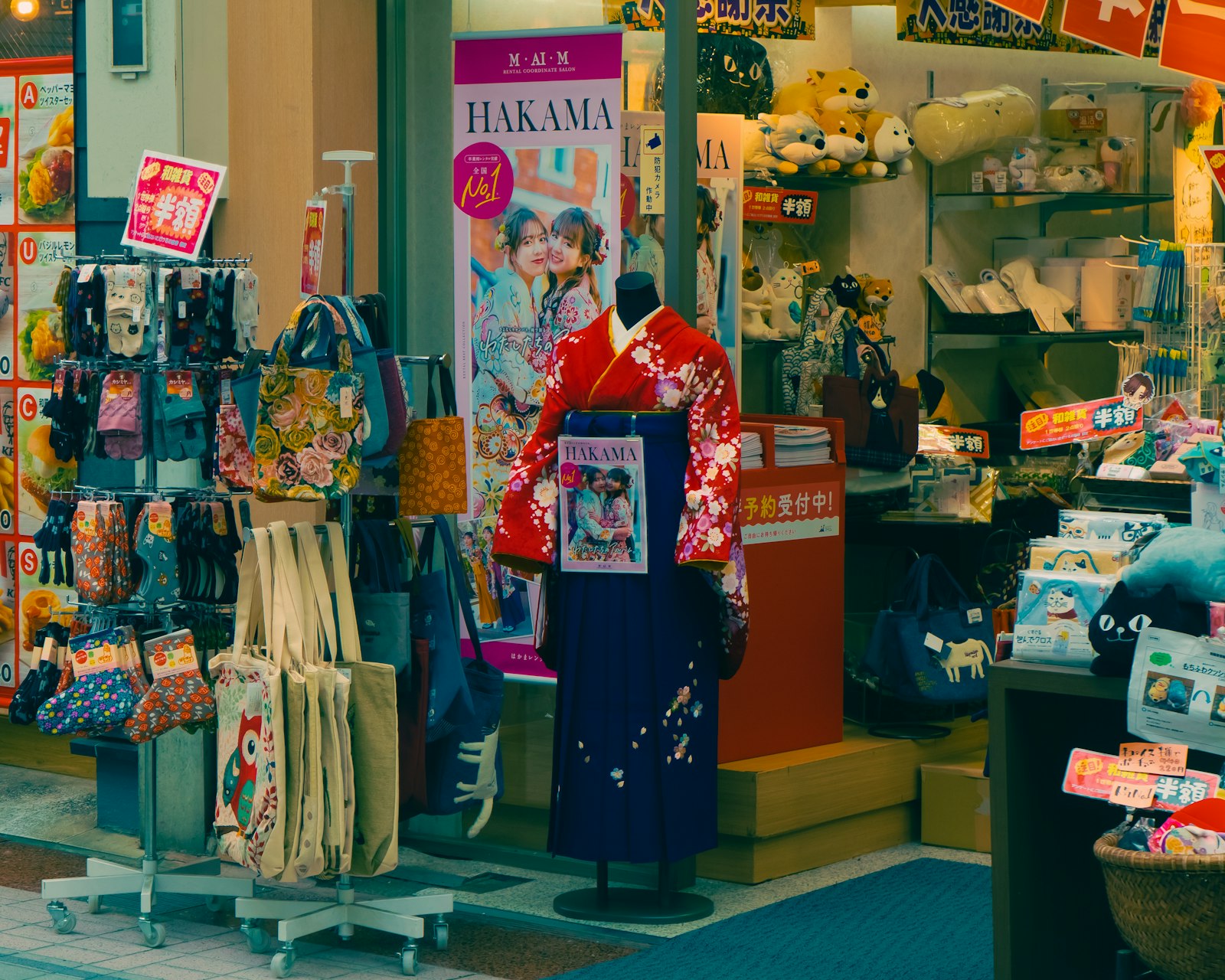
Fukubukuro, “lucky bags,” are a New Year retail tradition: sealed mystery bags sold by shops and brands, filled with goods worth well more than the price. From fashion to electronics, hunting fukubukuro is a fun, uniquely Japanese way to shop the season.
New Year Sales
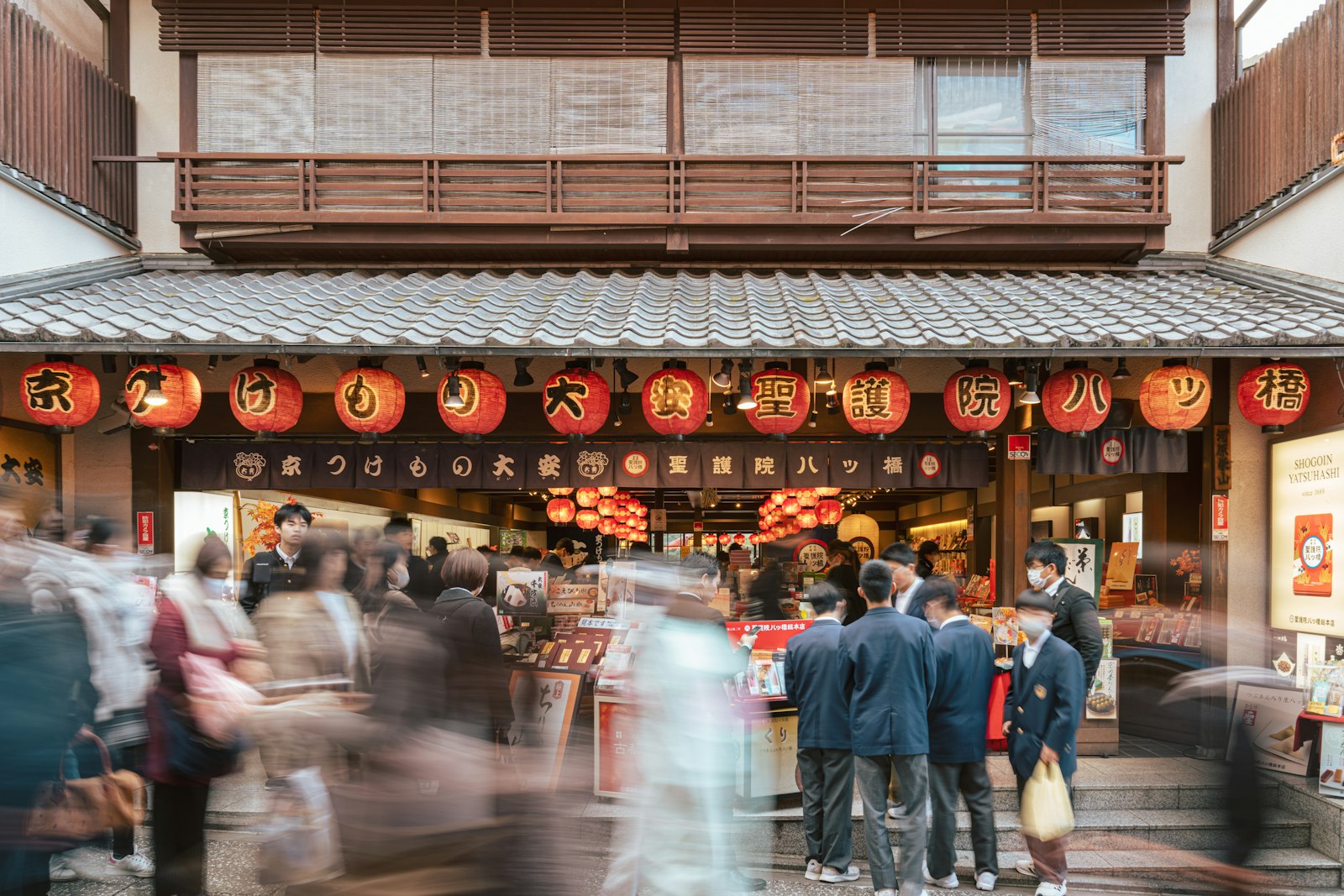
Major department store sales kick off around January 2nd, when shops reopen after the holiday’s first day. These hatsuri sales draw big crowds and offer real discounts — the commercial counterpart to the season’s quieter traditions.
Otoshidama
Children receive otoshidama, small envelopes of money, from relatives at New Year, a beloved custom that makes the holiday especially eagerly awaited by the young. It is Japan’s warm equivalent of a holiday gift.
Japan New Year: Frequently Asked Questions
Are banks, museums, and restaurants closed over New Year? Many close for the first days of January, especially January 1st, and some smaller restaurants and businesses shut for several days. Convenience stores, major attractions, and many chain restaurants stay open. Plan and stock up before the 31st to be safe.
Which Tokyo shrine is best for midnight hatsumode? Meiji Jingu draws enormous, atmospheric crowds and is the classic choice, while Senso-ji in Asakusa offers a historic setting. Both are memorable but very busy at midnight; smaller local shrines offer a calmer experience.
Can tourists buy osechi at department store food halls? Yes, department store depachika sell osechi boxes and sets in the run-up to New Year, though popular ones require ordering in advance. You can also find smaller portions and individual dishes closer to the date.
Related Tours
Conclusion
A Japanese New Year is unlike a New Year anywhere else: quiet instead of raucous, familial instead of public, and rich with ritual — the 108 bells, the first shrine visit, the symbolic feast, the first sunrise. It shows you a tender, inward side of the country most visitors never see.
Plan Your Japan Trip with Local Experts
Our team has guided 40,000+ travelers across Japan. Tell us about your trip and we’ll get back to you within 24 hours.