In this article:
- Omoide Yokocho: Smoke and Counter Seats on the West Side
- Kabukicho: Tokyo’s Loudest District, Read Properly
- Golden Gai and Ni-chome: The East Side’s Small Rooms
- Planning the Night: Order, Money, and the Last Train
- Shinjuku Nightlife: Frequently Asked Questions
Introduction
Most first-time visitors treat Shinjuku nightlife as a single place. They come up out of the station at nine. They walk toward the brightest lights. Soon, they end up in Kabukicho. There, a man with a laminated menu steers them toward a door.
That evening is available, but it is the least interesting version of Shinjuku after dark. The neighborhood is really a cluster of separate districts. They all sit within a fifteen-minute walk of each other. Each one has its own prices, its own etiquette, and its own idea of a good night.
A post-war lane of charcoal grills sits on the west side. It has almost nothing in common with the six-seat bars of Golden Gai. Neither of these resembles the gay bars of Ni-chome just a few blocks further east.
We walk these streets with guests most nights of the week. Here is the guide we wish every traveler had before arriving. It covers what each district is for and who it suits best. It also shows the ideal order to explore them.
Omoide Yokocho: Smoke and Counter Seats on the West Side
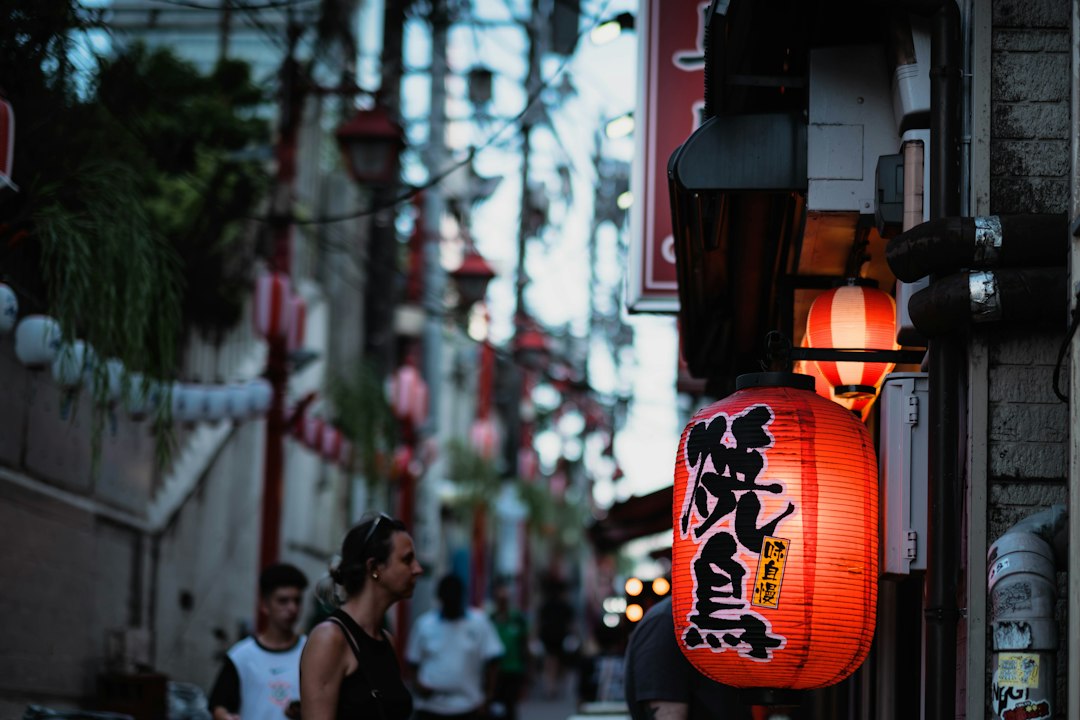
Start on the west side of the station, in the lane the Japanese call Omoide Yokocho and English guidebooks call Memory Lane.
What the Lane Is, and Why It Starts the Night
Omoide Yokocho grew out of the black market that sprang up around Shinjuku Station after the war. Most of that market was cleared for redevelopment around 1959, but one strip of stalls beside the tracks survived. It is still there, squeezed between the railway and the high-rises of West Shinjuku, and its own association counts about sixty eateries along it.
More than half of them grill yakitori or motsuyaki, the skewered offal that fed post-war Tokyo cheaply. The smoke is the first thing you notice. The second is the size of the rooms: a counter, a grill, a cook, and space for perhaps six or eight people on stools with their coats folded on their knees.
We begin every Shinjuku evening tour here, outside a ramen shop in the lane, and the reason is practical. It is a short walk from the station, it is easy to find, and the food is the right first course for a long night. A few skewers and a beer here set you up better than arriving in Golden Gai on an empty stomach. For the full picture of the lane, our guide to eating and drinking in Omoide Yokocho goes stall by stall.
How to Sit Down at a Six-Seat Counter
Look through the door before you go in. If there are open stools, step inside, raise a hand with the number of people in your group, and wait to be waved to a seat. If there are none, move on. Squeezing in and hovering behind other customers is the one thing that reliably sours the room.
Order a drink first, then food. Many counters work from a handwritten menu on the wall, and some have no English at all. In practice, pointing at what your neighbor is eating works better than the phrasebook, and the cook will usually respond to it with something close to a smile.
Plan on one round and a few skewers per counter, then move. That is how locals use the lane, and it keeps seats turning over for the people waiting outside.
Expert Tip
Omoide Yokocho is at its most crowded with photographers between roughly seven and nine on Friday and Saturday evenings. If you want a seat rather than a picture, arrive around six on a weekday. The grills are already going, the regulars are on their first drink, and the counters have space.
Kabukicho: Tokyo’s Loudest District, Read Properly
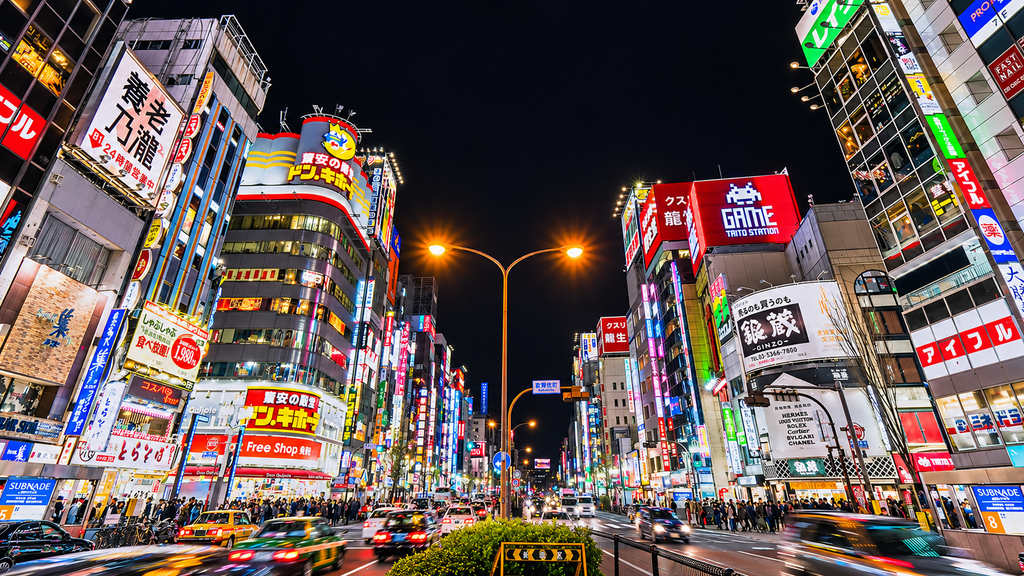
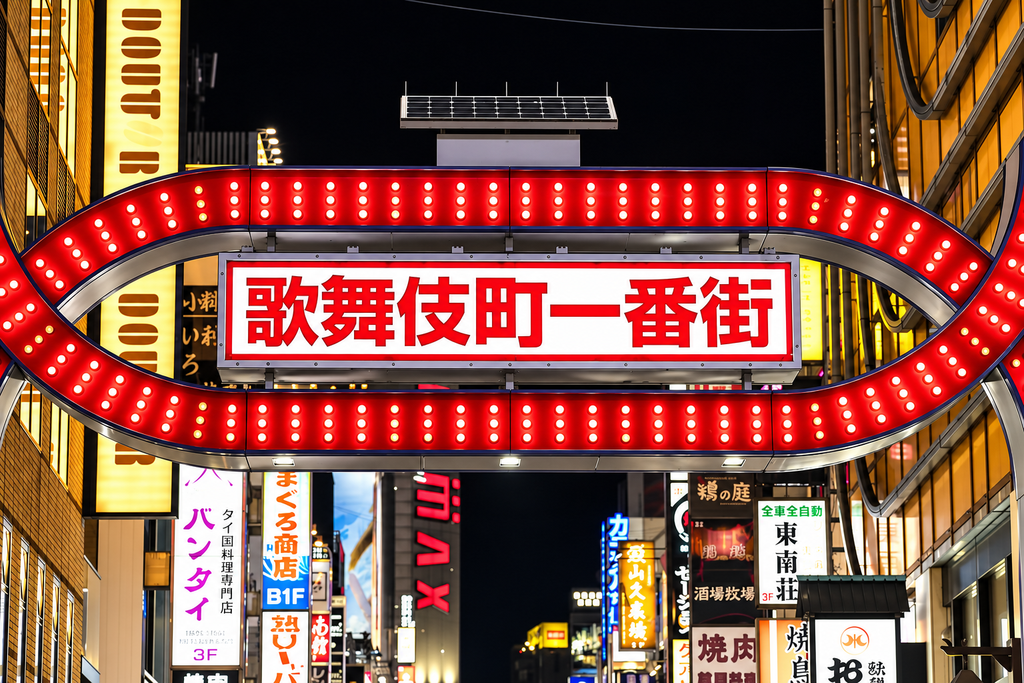
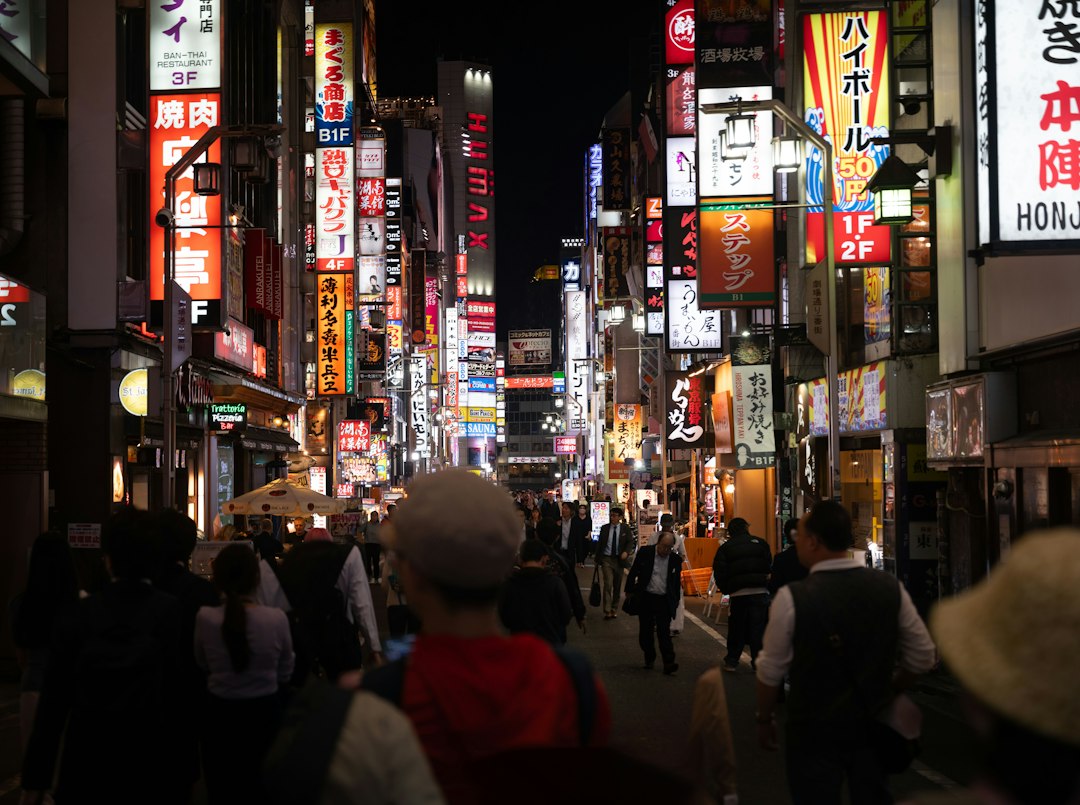
Cross under the tracks to the east side and walk north, and the light changes completely. Kabukicho is Tokyo’s largest entertainment district, a grid of neon signage, karaoke towers, host club billboards and pachinko halls that runs until morning.
Its reputation scares people more than it should. Kabukicho is not dangerous in the way visitors imagine; it is commercial, and much of that commerce is aimed at separating a newcomer from their money. Once you understand which parts are for you and which are not, it becomes one of the more entertaining walks in the city.
What Is Worth Your Time There
The district has two landmarks you can see from the main street. On the Toho cinema building, a twelve-metre Godzilla head looms over the eighth-floor terrace of Hotel Gracery Shinjuku. Further north stands Tokyu Kabukicho Tower, a 48-storey complex that opened in April 2023 on the former site of the Milano-za cinema, with a festival-style food hall on its second floor, a theatre, a live music hall and two hotels above.
Beyond that, the value of Kabukicho is in the side streets and upper floors. Many of its best small izakaya and bars sit on the fourth or fifth floor of narrow buildings, with nothing at street level except a sign on a list of thirty others. That is the part a visitor rarely finds alone, and it is where our crawl takes its first proper stop, at an izakaya full of regulars. Our Kabukicho guide covers the district block by block.
The host and hostess clubs, the cabarets and the adult venues are, for nearly every traveler we work with, not the point. You will walk past them. You do not need to go in.
Touts, and the One Rule That Covers Them
Touts are the single real risk in Kabukicho. They stand on corners with menus and promises of cheap drinks, cheap all-you-can-drink, or a bar with “no cover charge”. Some are friendly, some speak good English, and a few are Japanese, which disarms people who assume local means safe.
Our rule is short. Do not follow anyone into a venue. The places that overcharge foreign visitors in Tokyo almost always find their customers through someone on the street, and the places worth drinking in do not need to.
A polite shake of the head and continuing to walk is enough. Nobody will follow you for long. Drugs are the other line not to cross: Japanese law is severe, and any offer on the street is one to refuse without discussion.
Golden Gai and Ni-chome: The East Side’s Small Rooms
East of Kabukicho, the scale drops abruptly. Golden Gai and Ni-chome are where Shinjuku nightlife becomes personal, and where the bartender matters more than the decor.
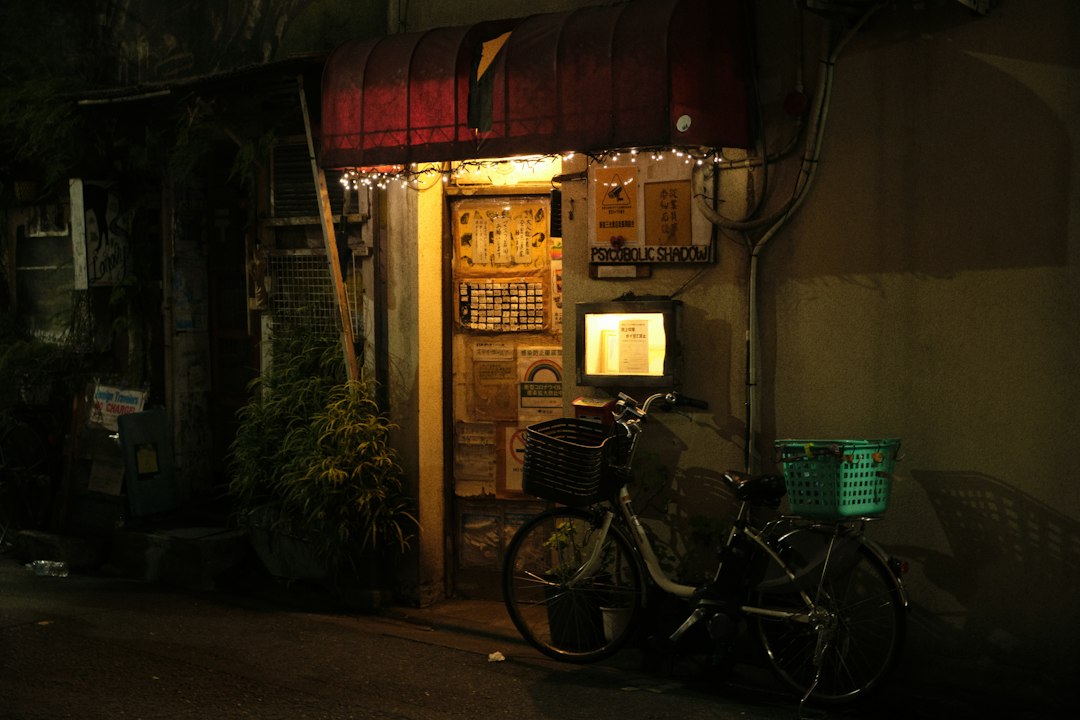
Golden Gai: Seat Charges, Regulars, and Open Doors
Golden Gai is six narrow alleys of low wooden buildings holding more than two hundred bars, most of them seating somewhere between five and ten people. The buildings date from the post-war years, and the district later became a haunt of writers, filmmakers and editors. Each bar reflects its owner: a punk bar, a jazz bar, a bar devoted to a single film director, a bar where the regulars have been sitting in the same chairs for twenty years.
Many bars charge a seating fee, often posted on the door, and it is usually a modest amount rather than a trap. Read the sign before you open the door. Some bars are regulars-only or say so in English, and a closed door with no sign generally means the same thing. The open doors, the English menus and the bars with a cover charge written outside are the ones that want new faces.
Our view is that Golden Gai rewards two bars, not six. Pick one, sit down, talk to the person behind the counter, and stay for a second drink. Photography inside the alleys is discouraged at many bars, and treating it as a museum rather than someone’s workplace is the fastest way to be made unwelcome.
Ni-chome: Tokyo’s LGBTQ+ Quarter
A ten-minute walk east, Shinjuku Ni-chome holds the densest cluster of gay and lesbian bars in Japan. Its LGBTQ+ history goes back to the 1950s, when bars began opening in the space left by the area’s declining red-light trade.
Most of its bars are tiny, upstairs and specific: some are for men only, some for women only, some for members, and a growing number welcome anyone. Several have English-speaking staff and a clientele of residents and visitors alike. Our guide to Shinjuku Ni-chome and LGBTQ+ travel in Japan explains which doors are open to whom.
Shinjuku 3-chome: Where Office Workers Actually Drink
Between Ni-chome and the station, the streets of Shinjuku 3-chome are full of izakaya, standing bars and late karaoke without the theatre of Kabukicho. This is where people who work in Shinjuku go after work. It is less photogenic and more relaxed, and if you want dinner at an izakaya without a tout or a queue, it is often the easier choice.
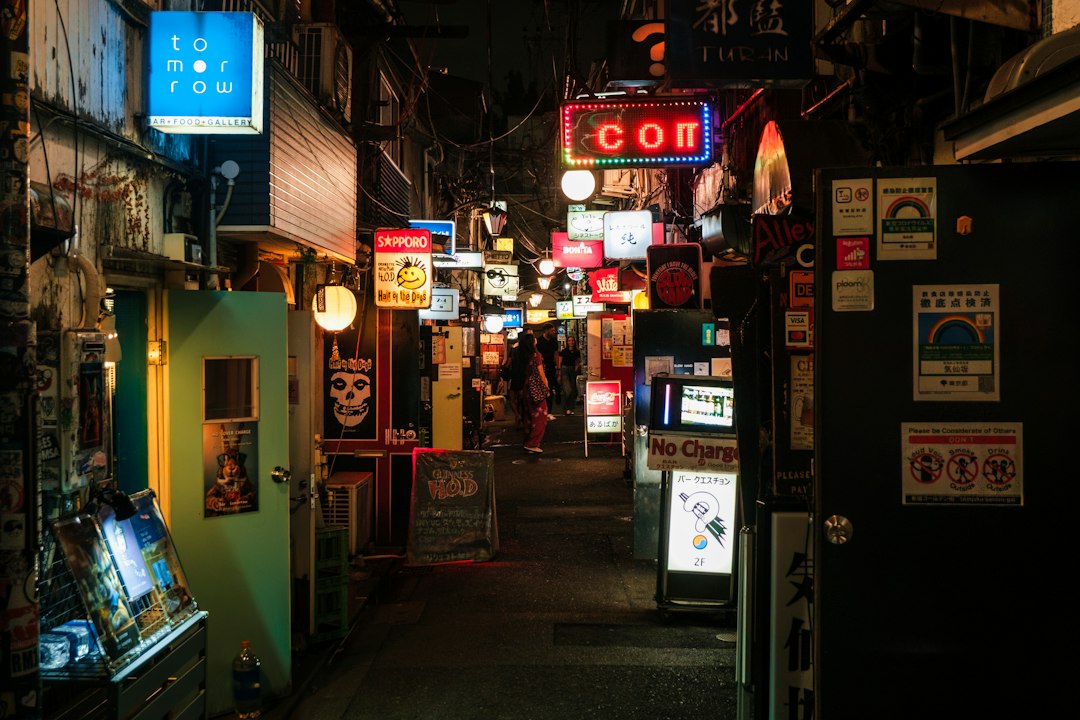
Planning the Night: Order, Money, and the Last Train
The order you walk Shinjuku in matters more than which bars you choose.
An Order That Works
We run the night west to east, and our bar crawl follows the same arc. It starts with skewers in Omoide Yokocho, moves through Kabukicho to an izakaya for food and the first proper drinks, then to a sake bar where several styles are poured side by side. Golden Gai comes late, and the evening finishes at a karaoke bar. Whether we step into a Golden Gai bar depends on the size of the group and the hour, because those rooms do not hold eight people.
That sequence is not arbitrary. You eat early, when the smoky counters are the right food. You reach the small bars after nine, when most of them are open and properly warmed up. Karaoke goes last because it is the one thing in Shinjuku that runs reliably past midnight.
Cash, Cover Charges, and the Bill
Bring cash. Omoide Yokocho counters, Golden Gai bars and many small izakaya still prefer or require it, and we ask guests on our own tours to carry notes for their food and drinks. Convenience store ATMs around the station accept most foreign cards.
Expect three kinds of extra charge. Izakaya often bring a small dish, the otoshi, before you have ordered and add it to the bill as a table charge. Golden Gai bars may add a seat fee. Kabukicho venues reached through a tout may add anything, which is the reason for the rule above.
Several Shinjuku bars still permit smoking indoors. If that matters to you, look through the door before you sit down.
The Last Train and the Free View
Most train lines out of Shinjuku stop running around midnight. Check the last departure for your line before the second drink, not after the fourth. Missing it means a taxi or staying out until the first trains, which is how Kabukicho’s all-night karaoke rooms earn their living.
If you want a quieter end, or a start, the observation decks of the Tokyo Metropolitan Government Building in West Shinjuku are free to enter. Looking east from forty-five floors up, you can trace the route you are about to walk by its light, and the view costs nothing.
Expert Tip
Withdraw cash before you leave the station area rather than in the middle of the night, and take out more than the first bar suggests you need. Seat charges, table charges and a second round add up across four or five stops. Keep the larger notes separate from the smaller ones, because a ¥10,000 note at a six-seat Golden Gai counter at midnight can leave the owner short of change.
Shinjuku Nightlife: Frequently Asked Questions
Is Shinjuku safe at night for foreign visitors?
Yes, by the standards of large cities anywhere. Violent crime against visitors is rare, and the main streets of Kabukicho are busy and well lit at every hour. The risks are financial rather than physical, and they cluster around venues reached through touts. Refuse touts, stay in places you chose yourself, and the risk drops close to nothing.
What is the difference between Shinjuku and Shibuya at night?
Shibuya skews younger and louder, with large clubs and a crowd in its twenties. Shinjuku is older, more varied and more about small rooms: the counters of Omoide Yokocho, the bars of Golden Gai, the izakaya of 3-chome. If you want to dance until five, Shibuya is the better fit. If you want to talk to a bartender for an hour, Shinjuku is.
Do I need to speak Japanese to drink in Golden Gai?
No. A good number of Golden Gai bars have English menus, English-speaking owners and a mix of local and foreign customers. A few phrases help, and a bar that only seats regulars will tell you so, but language is rarely the barrier. Choosing a bar with an open door and a posted cover charge solves most of the problem.
Related Tours
Conclusion
Pick two districts, not five. A night that moves from the grills of Omoide Yokocho to one or two bars in Golden Gai will stay with you longer than one that touches every neighborhood for twenty minutes and spends the rest of the time walking between them.
Go earlier than you think. Shinjuku rewards the traveler who sits down at a counter at six on a weekday and still has the energy for a small bar at ten. The crowds that make it feel overwhelming arrive late, on Fridays and Saturdays, and mostly gather in the same few streets.
And if you only do one thing differently because of this guide, let it be the rule about touts. Every bad story we hear about Shinjuku nightlife begins with someone who followed a stranger through a door.
Plan Your Japan Trip with Local Experts
Our team has guided 40,000+ travelers across Japan. Tell us about your trip and we’ll get back to you within 24 hours.