In this article:
- What Izakaya Means
- The Kinds of Izakaya You Will Walk Into
- How an Evening at an Izakaya Works
- What to Eat and Drink at an Izakaya
- Izakaya Meaning: Frequently Asked Questions
Introduction
Ask a Japanese friend for the izakaya meaning in one sentence and you will usually get “a Japanese pub,” followed by a pause and a correction. It is a pub, but the food matters as much as the drink. It is a restaurant, but nobody would go to one without ordering a beer.
That ambiguity is the point. An izakaya is where Japan goes after work, after a wedding, after a baseball game, and on an ordinary Wednesday with nothing to celebrate. Offices hold their year-end parties in them. Students celebrate exam results in them. Two retired men who have met at the same counter for twenty years sit in them in silence.
For travelers, the izakaya is also the most useful room in the country. It is where you eat the widest range of everyday Japanese food in one sitting, for a fraction of what a formal dinner costs. It is also where most visitors get confused. The sections below explain what the word means, then what you will find when you slide the door open.
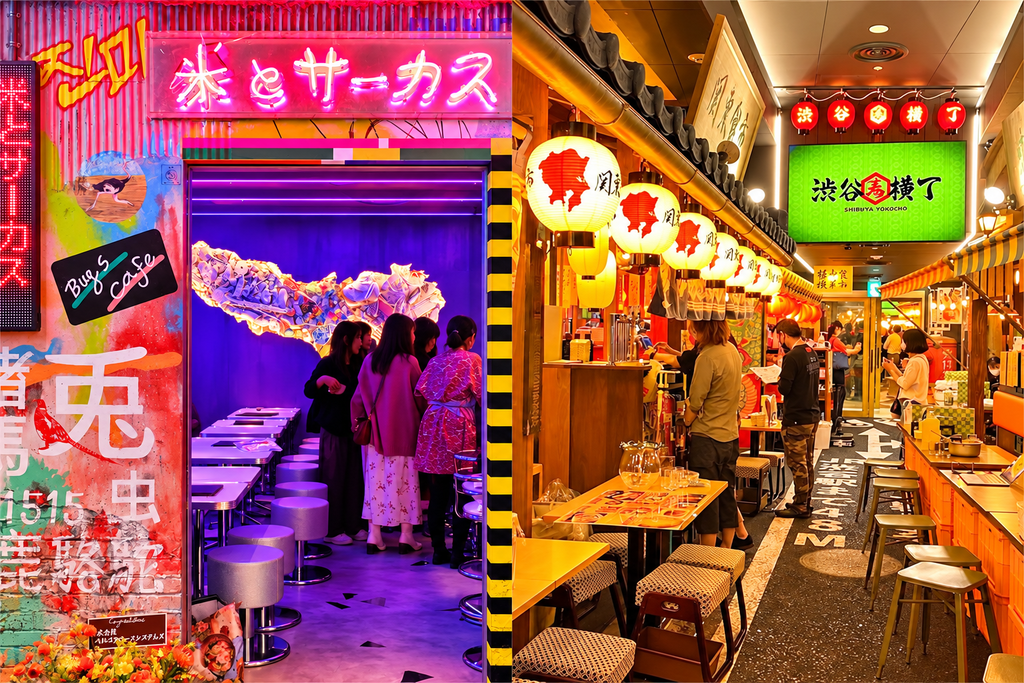
What Izakaya Means
The word describes the building’s history more precisely than most English words describe theirs.
Stay, Drink, Place: Reading the Word
Izakaya is written with three characters that translate as “stay,” “sake,” and “shop.” The word is a contraction of iru, meaning to stay or to be present, and sakaya, a shop that sells sake.
Put together, it means a sake shop where you remain. That is exactly what the first izakaya were. You could buy drink to take home, and at some point the shopkeeper started letting customers drink it on the premises instead.
English has no neat equivalent. “Tavern” is closer than “bar,” because a tavern implies food and a place to sit for the evening. Still, we find most visitors understand the idea faster when we describe it as a tapas bar with Japanese food and a louder room.
From Edo-Period Sake Shops to the Modern Tavern
Drinking establishments existed in Japan long before the word, but the izakaya as a recognisable form took shape during the Edo period, roughly 1603 to 1867. Sake retailers began letting customers drink standing in the shop. Barrels became stools. Small plates of food, known as sakana, appeared to go with the drink.
The progression from there is intuitive. Once people stayed, they wanted to eat. Once they ate, the shop needed a kitchen. By the time Tokyo rebuilt itself after the Second World War, the izakaya had become the default place for working people to eat and drink cheaply.
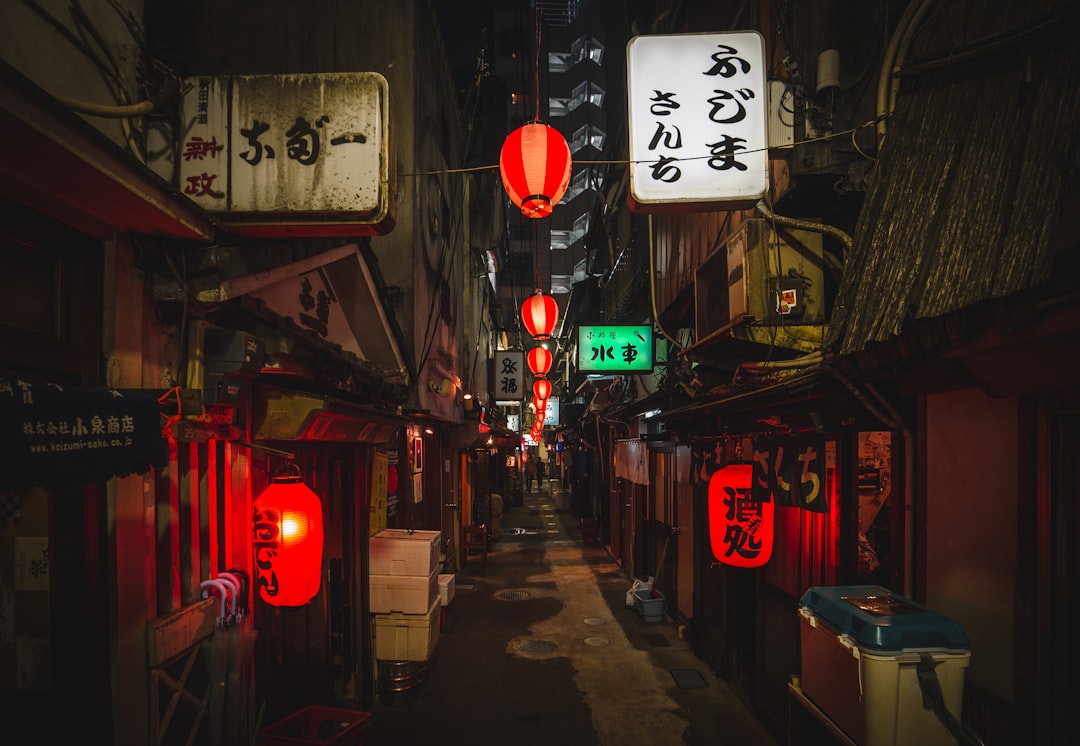
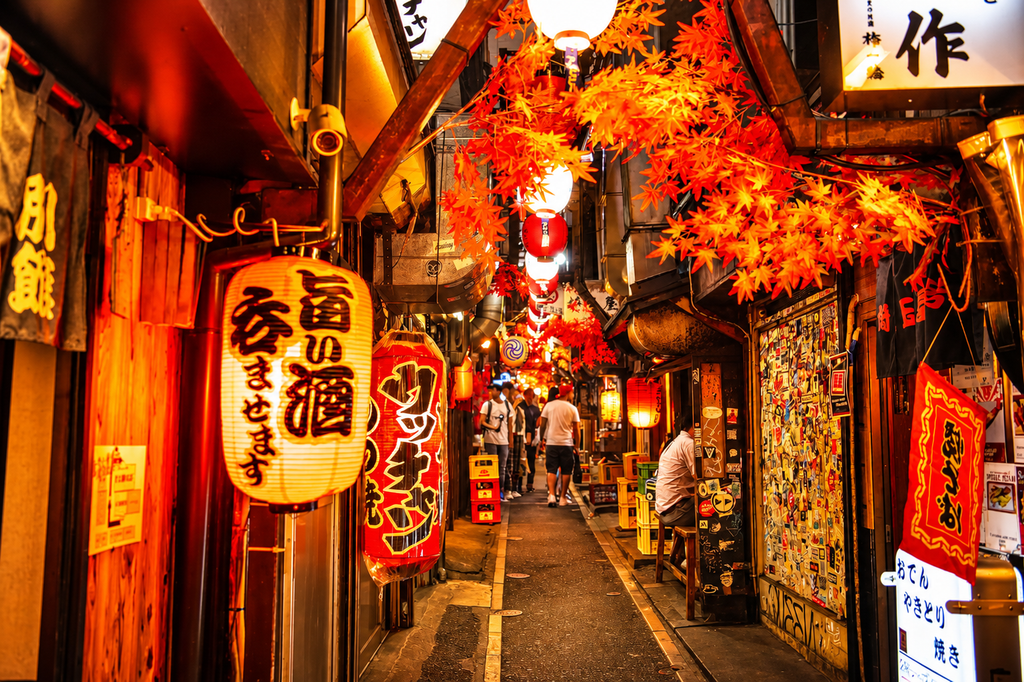
Much of that post-war layer is still visible. Omoide Yokocho in Shinjuku grew out of the black markets that followed the war, and the lanes of tiny counters under its paper lanterns have changed very little since. If you want to see what the word looked like seventy years ago, that is the place to go. We wrote a separate guide to eating and drinking in Omoide Yokocho.
Izakaya, Bar, or Restaurant? Where the Line Falls
The simplest test is this: at an izakaya, nobody expects you to order a main course. Dishes are small, arrive whenever the kitchen finishes them, and are shared across the table. You keep ordering for as long as you keep drinking.
A Japanese bar is different. Bars usually serve drinks with little or no food, often with a seating charge, and the focus is on what the bartender pours. A restaurant, by contrast, is built around the meal, and drink is secondary.
In practice the categories blur. Many izakaya specialise in one thing, such as yakitori, oden, or grilled fish, and some small bars serve surprisingly good food. Our view is that if the menu is long, the plates are small, and the room gets louder as the evening goes on, you are in an izakaya.
The Kinds of Izakaya You Will Walk Into
Not every izakaya feels the same, and the differences affect how easy your evening will be.
Red Lanterns: The Small Independent Izakaya
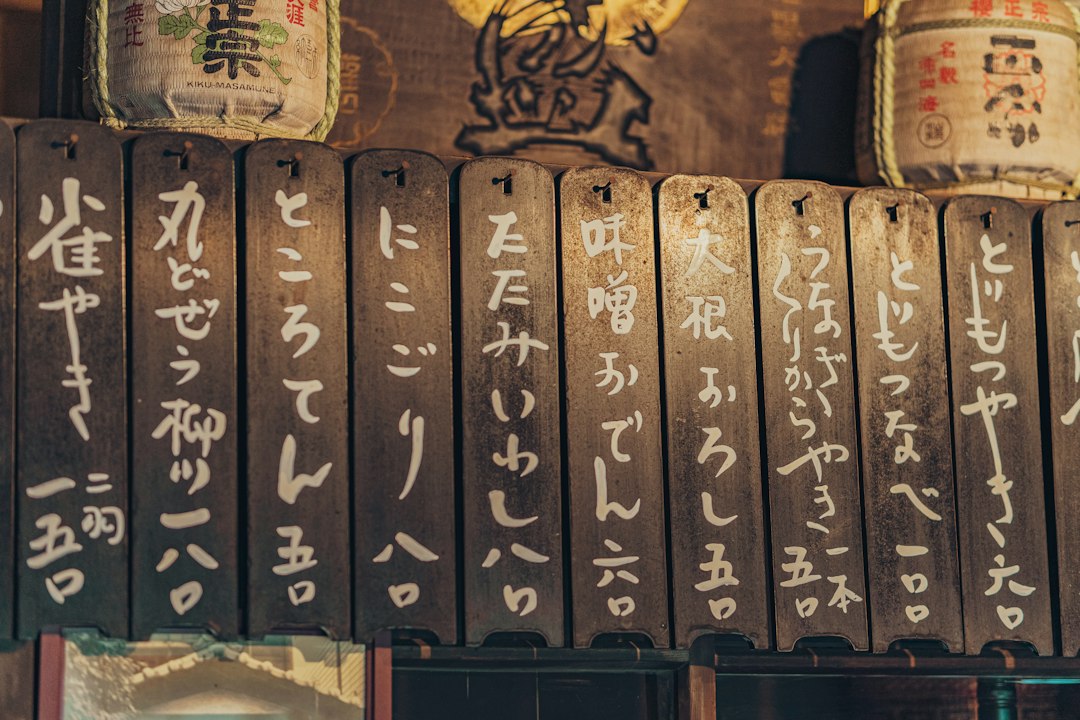
A red paper lantern hanging by the door, called an akachochin, is the traditional sign of an izakaya. The word has come to mean the small, owner-run places rather than the chains. They seat perhaps ten to twenty people, the menu is often handwritten on strips of paper pinned to the wall, and the regulars know each other by name.
These are the places worth the effort. The food tends to be better, the prices lower, and the evening more memorable. However, they are also where visitors struggle most. Menus are rarely in English, some places are wary of groups they do not know, and a party of four foreigners arriving unannounced at a counter of eight seats can be a difficult ask.
Chain Izakaya: Tablets, Picture Menus, and Big Groups
Near every major station you will find multi-storey buildings full of chain izakaya. They are large, cheap, and predictable. Many take orders through a tablet at the table, often with an English option, and the menus come with photographs.
Chains are a reasonable first step if you are nervous. They are also where Japanese office groups hold their parties, so you will see the culture at full volume. That said, the food is standardised, and we would not build a trip around them.
Standing Bars and Yokocho Counters
A tachinomi is a standing bar, usually with a counter, cheap drinks, and a few simple plates. You stay for one or two drinks and move on. It is the closest surviving form to the original Edo-period sake shop.
Yokocho, the narrow alleys of tiny bars and izakaya found near many big stations, are a related world. Golden Gai in Shinjuku has more than two hundred micro-bars across six narrow alleys, some seating five people. Places like these often charge a cover per person, and the owner decides who comes in.
Expert Tip
Carry cash. Many small izakaya and bars in Tokyo still do not accept cards, and the chains that do are not the places you came for. On our Shibuya crawl, several of the bars we visit are cash-only, and we tell every guest to bring notes before they arrive. Budget roughly ¥3,000 to ¥5,000 per person for a full evening of food and drinks at a typical izakaya.
How an Evening at an Izakaya Works
The sequence is consistent from Sapporo to Fukuoka, and knowing it in advance removes most of the awkward moments.
Oshibori and the Otoshi Cover Charge
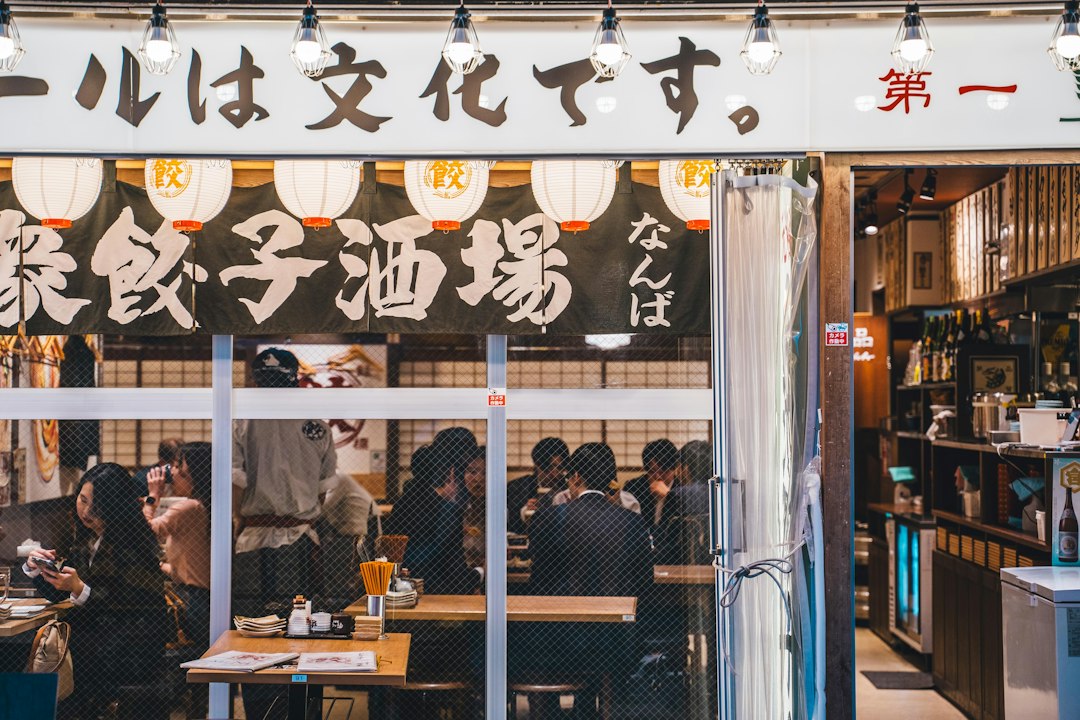
You sit down and a staff member hands you an oshibori, a damp towel, hot in winter and cold in summer. Use it on your hands, fold it, and leave it beside you.
Shortly afterwards a small dish arrives that nobody at the table ordered. This is the otoshi, sometimes called tsukidashi. It might be a spoonful of simmered vegetables, a few slices of pickled radish, or a little marinated fish. It appears on the bill as a per-person charge, typically a few hundred yen.
Visitors tend to assume it is a mistake or a scam. It is neither. The otoshi is effectively a seating charge, and in most places it is not optional. On our Shinjuku crawl, the moment this dish lands is reliably when guests look at the guide with a question. Our guides explain it before anyone has to ask, and we cover it in more detail in our guide to ordering at an izakaya and the otoshi charge.
Ordering in Rounds, Starting With a Toast
Order drinks first. Many groups start with a round of beer because it arrives fastest. Once everyone has a glass, the table raises them together and says “kanpai” before anyone takes a sip.
Food comes next, in small rounds rather than all at once. Order three or four dishes, see how they go, then order more. The kitchen sends plates out as they are ready, so cold dishes such as edamame and sashimi usually arrive before anything grilled or fried.
To call a server in a busy room, raising a hand and saying “sumimasen” is normal and not rude. Quiet waiting is less effective than it would be at home.
Paying: Cash, No Tip, One Bill
Most izakaya keep a running tally for your table and you pay at the register by the door when you leave. To ask for the bill, say “okaikei onegaishimasu,” or cross your index fingers in a small X, which staff will recognise.
Tipping is not part of Japanese dining, and that includes izakaya. The price on the bill is the full price. Japanese groups normally split the bill evenly rather than itemising who ate what, and asking for separate checks at a small place creates work for the owner.
One more note on smoking. National rules introduced in April 2020 moved most restaurants to non-smoking indoors, but small, older bars and izakaya can still permit it if they post a sign at the entrance. On our Shibuya route many bars allow smoking, and we mention it to guests in advance.
What to Eat and Drink at an Izakaya
The menu at a good izakaya can run to a hundred items, which is less daunting once you recognise the handful of dishes that appear almost everywhere.
The Dishes That Appear on Almost Every Menu
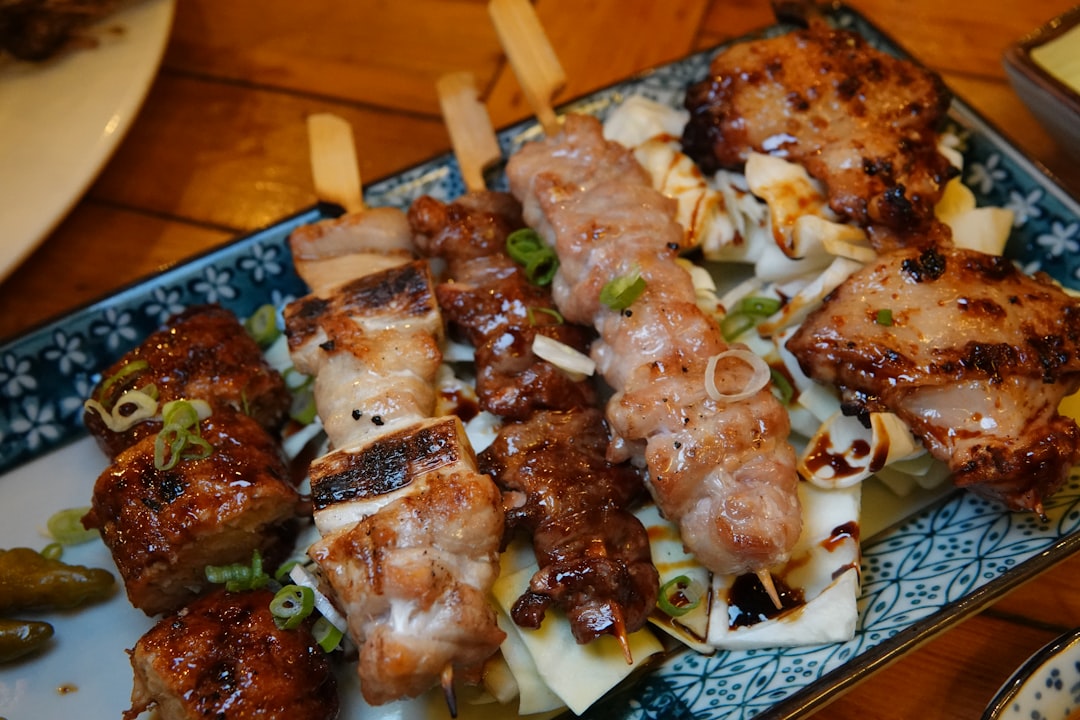
Edamame, salted green soybeans, is the standard opener and arrives within minutes. Karaage, Japanese fried chicken marinated in soy and ginger, is the dish nearly every table orders. Yakitori covers grilled chicken skewers of every cut, from thigh to skin to heart, served either with salt or with a sweet soy glaze called tare.
Beyond those, look for a sashimi platter, a simple dashimaki tamago rolled omelette, grilled fish, agedashi tofu in warm broth, and seasonal hot pot in the colder months. Most places also list a few Western items such as fries or potato salad, which Japanese diners order without irony.
Rice and noodles come at the end, not the start. Onigiri, ochazuke, or a bowl of yakisoba is how many tables close the evening. Our recommendation is to let the wall menu guide you. The handwritten strips are usually the seasonal specials, and they are often the best food in the room.
Beer, Highballs, Sours, Sake, and Shochu
Draft beer is the default. A whisky highball, Japanese whisky topped with soda, has become almost as common, and it pairs better with fried food than people expect. Sours, made with shochu or another spirit, soda, and fruit such as lemon or grapefruit, are light and easy and come in dozens of flavours.
Sake and shochu are where an izakaya shows what kind of place it is. A serious independent will keep a short list of sake from specific regions and serve it cold or warm depending on the bottle. If you want to go further, our guide to sake tasting in Japan covers the main styles.
Non-drinkers are not an afterthought. Oolong tea, green tea, soft drinks, and non-alcoholic beer are on nearly every menu. Many chains also offer nomihodai, an all-you-can-drink plan for a fixed price and time limit, usually ninety minutes to two hours. We would skip it at a good independent place, where one or two carefully chosen drinks beat quantity.
Expert Tip
Most izakaya open between 5pm and 6pm, and the small ones fill quickly once offices empty out. Arriving close to opening gives you the best chance of a counter seat at the places locals use. If the owner says they are full, accept it with a nod and try the next lantern down the lane — there is almost always another.
Izakaya Meaning: Frequently Asked Questions
Is an izakaya the same as a Japanese pub?
Close, but not quite. Like a pub, an izakaya is a casual, social place where drinking is central. Unlike most pubs, food is taken seriously, dishes are small and shared, and the menu is often long. A tapas bar is a closer comparison for many visitors.
Do I have to pay the otoshi if I did not order it?
In most izakaya, yes. The otoshi is a small dish served to every seated guest and it functions as a cover charge, usually a few hundred yen per person. It is standard practice, not an error on your bill. Some chains and visitor-oriented places skip it, but you should assume it will appear.
Can I go to an izakaya if I do not drink alcohol?
Yes. Every izakaya serves tea and soft drinks, and many offer non-alcoholic beer. Nobody will question it. On our Shinjuku and Shibuya crawls, every stop has non-alcoholic options, and a number of our guests each month come for the food and the rooms rather than the drinking.
Related Tours

Conclusion
The literal izakaya meaning, a sake shop where you stay, still describes the experience better than any translation. You come for a drink, you stay for the food, and the evening stretches because nobody is in a hurry to leave.
For a first visit, pick one small place with a red lantern outside rather than a chain. Arrive early, bring cash, expect the otoshi, order a few plates at a time, and let the wall menu lead you. The rest follows from there, and by the second night you will be choosing where to go on your own.
Plan Your Japan Trip with Local Experts
Our team has guided 40,000+ travelers across Japan. Tell us about your trip and we’ll get back to you within 24 hours.