In this article:
- What a Hanko Stamp Actually Is
- Hanko in Japan Today
- Having Your Own Hanko Made
- Using and Caring for a Hanko
- Hanko Stamp: Frequently Asked Questions
Introduction
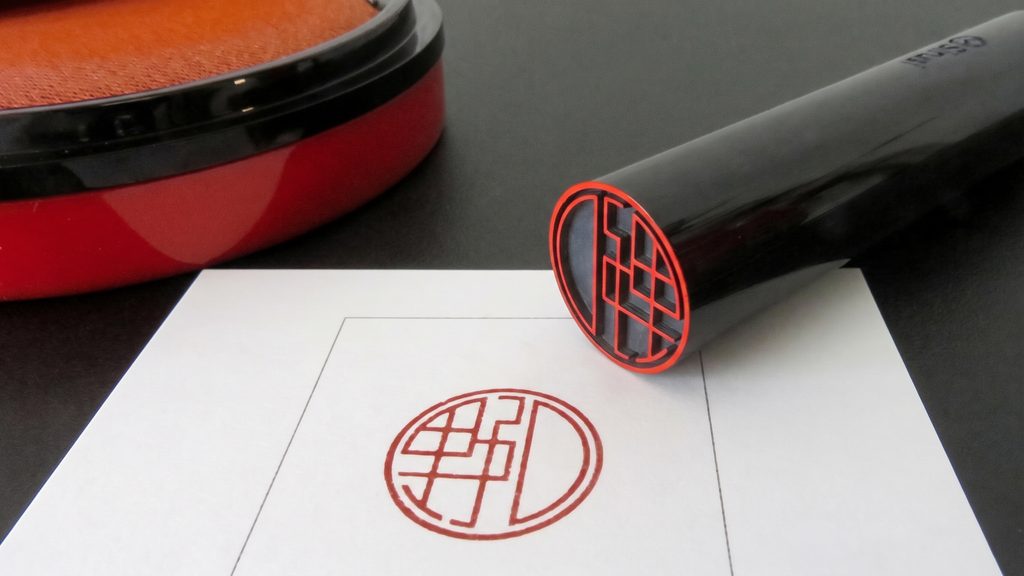
Watch a delivery arrive at a Japanese office and you will see the whole culture in two seconds. The driver holds out a slip, someone reaches into a drawer, and a small cylinder comes down on the paper with a soft press and a slight rock. What remains is a neat red circle containing a family name.
That cylinder is a hanko stamp, and for most of modern Japanese history it did the work that a handwritten signature does elsewhere. Bank accounts, leases, marriage registrations, and company approvals all ran on it. Even now, with its official role much reduced, almost every Japanese adult owns at least one.
For a visitor, the hanko is interesting on two levels. It explains a surprising amount about how trust and paperwork work in Japan. It is also one of the few souvenirs that artisans make specifically for you, carve with your own name, and that you use long after the trip is over. The sections below cover both.
What a Hanko Stamp Actually Is
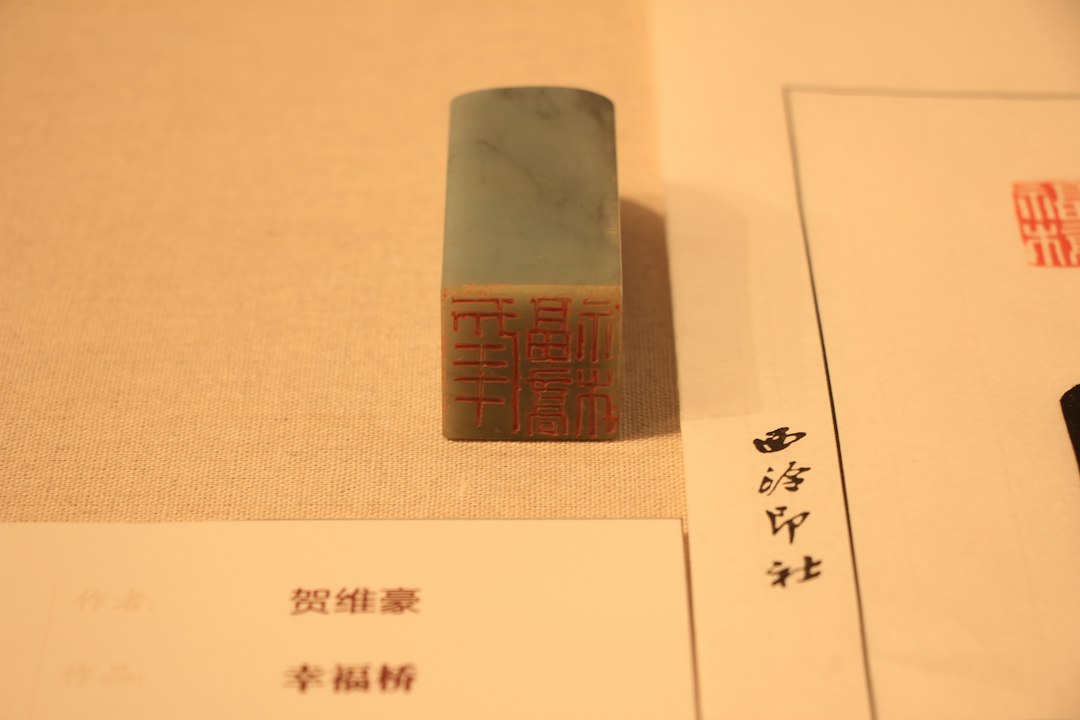
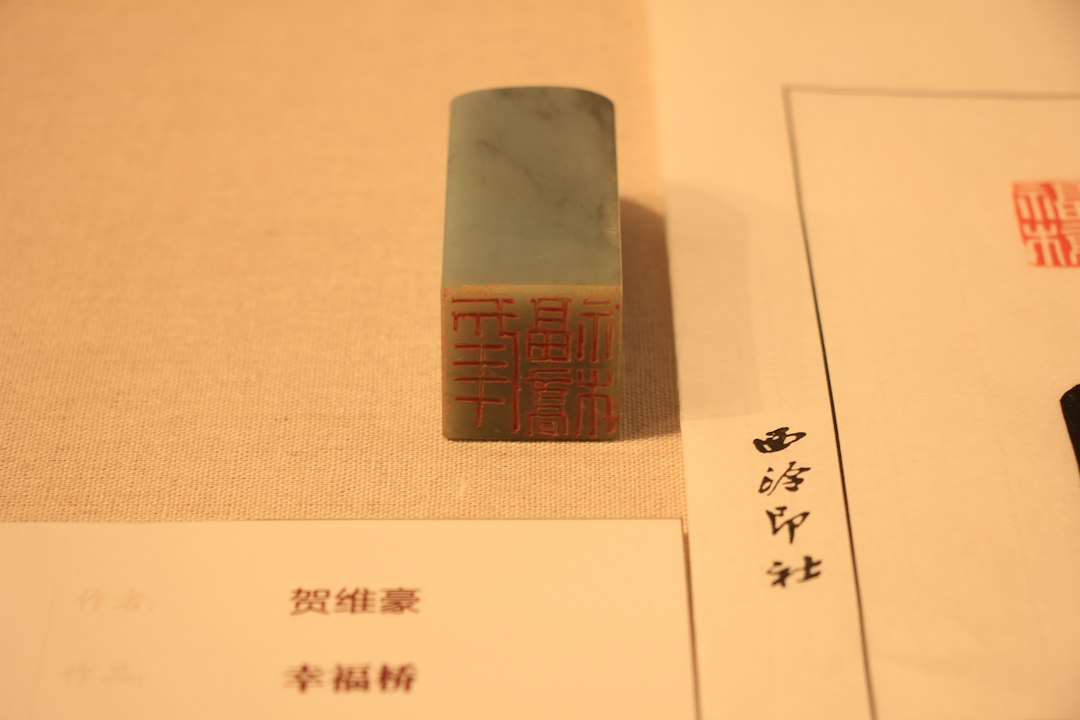
A hanko is a small seal, usually a short cylinder of wood, horn, stone, or plastic, with a name carved in reverse into one end. Pressed into red ink paste and then onto paper, it leaves an impression that stands for the owner.
People use the words hanko and inkan almost interchangeably in conversation. Strictly speaking, some people use inkan for the seal registered with the authorities and hanko for the object itself. For a traveler, the distinction does not matter much, and you will hear shopkeepers use both.
Jitsuin, Ginko-in, Mitome-in: Three Seals, Three Levels of Trust
Japanese adults typically hold more than one seal, and each has a different weight.
The jitsuin is the formal one. You register it at the local municipal office, which issues a certificate of seal impression (inkan toroku shomeisho) to prove that a stamp is genuine. You use it for the most serious transactions, such as buying property or a car, and you often keep it somewhere secure rather than carry it around.
The ginko-in is the seal you register with a bank when you open an account. Many people keep this one separate from the others, so that someone who finds a lost everyday stamp cannot use it to access their money.
The mitome-in is the everyday seal. You use it to sign for parcels, confirm that you have read a document at work, and stamp it on countless small forms. You do not register it anywhere, and stationery shops and large discount stores sell inexpensive ready-made versions in common surnames.
In our view, this hierarchy is the most useful thing to understand about hanko. The object remains the same shape in each case; what changes is how much people trust it, and where you have registered it decides that.
A Gold Seal From AD 57: Where the Habit Began
Seals came to Japan from China. The earliest well-known example is a small gold seal that historical records document as a gift from Emperor Guangwu of the Han dynasty to the ruler of the Na state in AD 57. A farmer rediscovered it in the 18th century on Shikanoshima island in northern Kyushu, and the Fukuoka City Museum now displays it as a National Treasure.
For centuries afterward, seals belonged to the court, temples, and the powerful. Their use spread gradually through the samurai and merchant classes. It was only in the modern era, with the creation of a national system for registering seals, that the hanko became something every ordinary household owned.
Expert Tip
If you are visiting Fukuoka, the King of Na gold seal is small enough to miss if you are not looking for it, and it rewards a slow look. Seeing the object that the entire custom descends from gives a hanko bought later in the trip a context most souvenirs lack.
Hanko in Japan Today
The hanko spent the last few years at the centre of a national argument about paperwork. It lost a large part of its official role, yet it has not disappeared from daily life.
The 2020 Reform and What It Changed
During the pandemic, remote workers found themselves travelling into the office for one reason only: to stamp documents. The contradiction became a political issue. In November 2020, the government announced that more than 99 percent of the administrative procedures that had required a personal seal would no longer need one, leaving a small number of exceptions such as registered seals for property and company matters.
Private companies followed at different speeds. Some moved approvals entirely online. Others kept the seal for internal sign-offs out of habit, and many banks now allow customers to open accounts without a registered stamp.
Where You Will Still See a Seal Used
Even so, the hanko is still easy to spot. Delivery slips, some rental and property contracts, and plenty of paper forms at local offices still carry a space for a stamp. Registered seals remain part of the most serious transactions.
That said, the direction is clear. Younger Japanese people often use their seal a handful of times a year rather than every week. The stamp has shifted from an everyday tool towards something closer to a personal heirloom, which is part of why it now works so well as a gift.
Goshuin and Station Stamps Are Something Else
Travelers searching for a Japanese stamp sometimes mean something different, so a quick clarification helps.
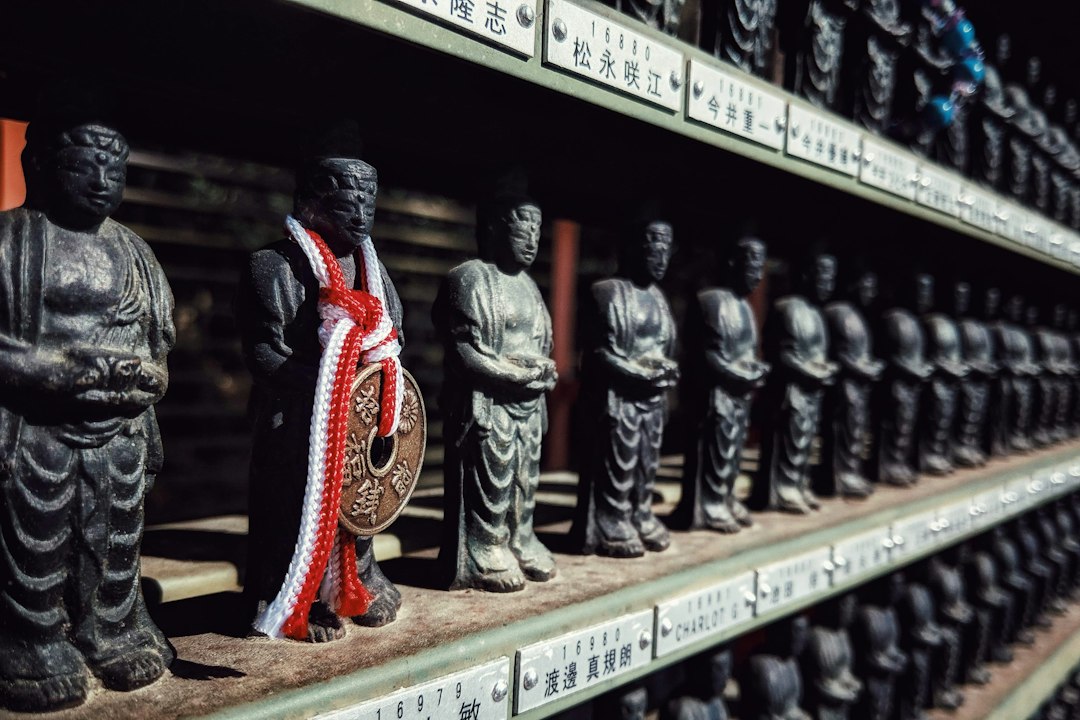
Goshuin are the seal-and-calligraphy inscriptions given at temples and shrines, written by hand into a folding book in exchange for a small offering. Senso-ji in Asakusa offers them, and the red seal pressed beside the brushwork is a close relative of the hanko. People call station stamps eki stamps, which railway stations leave out for anyone to press into a notebook, free of charge.
Neither is a personal seal. However, all three come from the same instinct: in Japan, a red impression on paper marks that a person, a place, or an institution was really there.
Having Your Own Hanko Made
Getting an artisan to carve a hanko with your own name is quick, affordable at the simple end, and more personal than almost anything else you can buy in Tokyo. The decisions that matter are the script, the material, and where you order it.
Choosing a Script: Katakana, Kanji, or the Alphabet
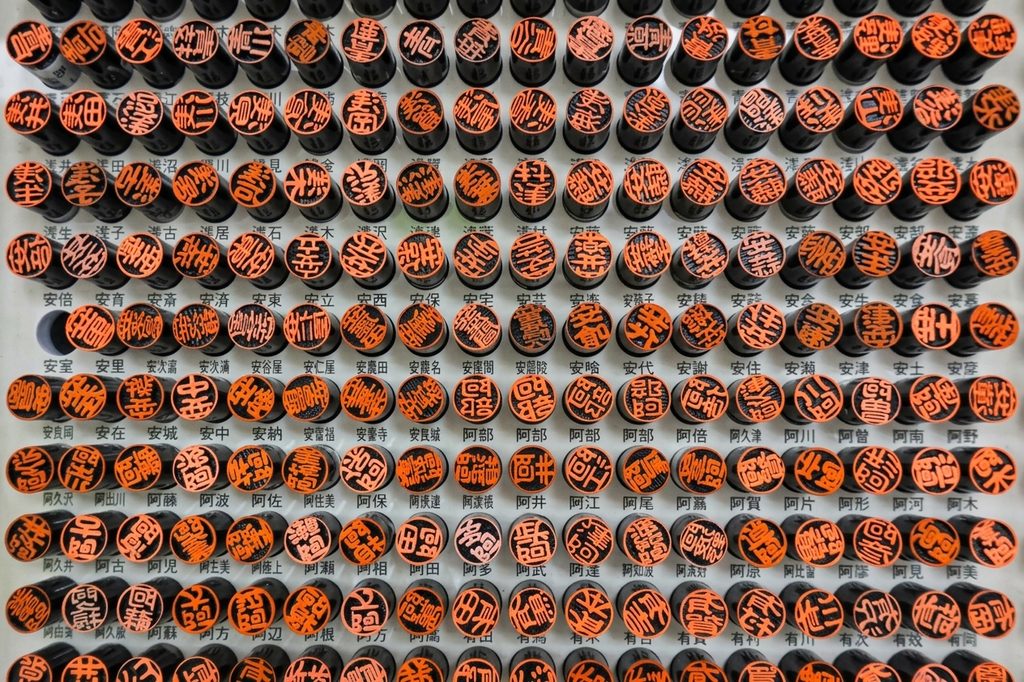
Artisans most often carve foreign names in katakana, the Japanese script people use for words of foreign origin. Official forms would standardly write your name this way on any Japanese document, which makes it the most practical choice if you live in Japan or plan to.
Kanji is the more expressive option. Because kanji carry meaning as well as sound, a shop will choose characters that approximate the pronunciation of your name, and the shop can make those choices say something. The risk is that a set of characters chosen purely for sound can carry an unfortunate or comic meaning. A reputable shop will explain what each character means before carving; if it does not, ask.
The alphabet is the least traditional choice and the easiest to read at home. Some shops offer a combination, with your name in kanji alongside the Latin letters. For a gift, we lean towards kanji with a written explanation of the meaning, since the story behind the characters is a large part of what makes the stamp interesting.
Materials, From Boxwood to Horn
The cheapest seals are plastic or resin and are machine-cut. They work perfectly well, but they feel like stationery rather than an object.
Wood is the traditional middle ground, with Japanese boxwood (tsuge) the classic choice for its fine grain. Water buffalo horn, in black or pale translucent varieties, is denser and considered more durable. Stone and metal, including titanium, are also sold, with titanium favoured by people who want a seal that will not chip or wear.
Our view is that boxwood is the right choice for a first hanko. It is warm to hold, carves cleanly, and carries the look most people associate with a Japanese seal, without the price of horn or metal. It also sits comfortably alongside the other crafts in our guide to authentic Japanese souvenirs.
Where to Order, and How Long It Takes
Specialist hanko shops are found in most Tokyo neighbourhoods, and several in Asakusa and around other visitor areas are used to foreign customers. Many offer same-day seals that are ready within an hour or a few hours, while fully hand-carved seals take longer and are often posted or collected later.
Timing is the practical constraint. If you want the seal before you leave, order early in the day and early in the trip. In Asakusa, the simplest plan is to place the order before walking Senso-ji and Nakamise, and collect it on the way back. Our Asakusa walking guide covers the lanes around the temple where the neighbourhood’s older shops still trade.
Expert Tip
Kanji selection is a conversation, and it goes faster with someone who can translate the nuances of each character. On our private Tokyo days, where the route is set by the guest, a hanko shop is an easy stop to fit in: order in the morning, carry on with the day, and collect it on the way back.
Using and Caring for a Hanko
A hanko only looks good if it is pressed well, and a little technique makes a visible difference.
Red Paste Versus a Self-Inking Stamp
Traditional seals are used with shuniku, a thick vermilion paste kept in a small round case, or with a simple red ink pad. The paste gives a deeper, more textured impression; the pad is cleaner and more convenient for daily use.
You will also see self-inking stamps, widely known in Japan by the brand name Shachihata. These are handy for signing for deliveries. However, because the rubber face can deform and the ink can fade, they are generally not accepted for formal documents that require a proper seal.
How to Press a Clean Impression
Place the paper on a slightly soft surface; a thin mat or a folded sheet underneath helps. Tap the seal lightly into the paste two or three times rather than grinding it in. Then press straight down with steady pressure and give it a very slight rock before lifting.
Check the orientation first. Most seals have a small mark or notch on the side to show which way is up. Stamping your name upside down is the most common mistake beginners make, and it is surprisingly easy to do.
Keeping It, and Giving It as a Gift
After use, wipe the face gently with a soft cloth or tissue so paste does not dry in the fine lines of the carving. Store it in its case, away from direct heat. Wood in particular can crack if it is left in strong sunlight or dried out.
As a present, a hanko works best when it comes with its explanation: the characters, their readings, and their meanings, ideally written down by the shop. Our guide to Japanese gift-giving culture covers how presentation shapes the way a gift is received, and the same logic applies here. A seal handed over in a brocade pouch, with a card explaining the name, reads as a considered gift rather than a novelty.
Expert Tip
Before you order a hanko for someone else, confirm the exact spelling and the pronunciation they prefer. Katakana follows sound, not spelling, so two people with the same written name can end up with different characters. Sending a quick voice note of the name to the shop, or to your guide, removes the guesswork.
Hanko Stamp: Frequently Asked Questions
Can a tourist register a hanko officially?
In practice, no. Seal registration is handled by the municipal office where a person is registered as a resident, so a visitor on a short trip has nowhere to register one. Foreign residents living in Japan can register a seal, often in katakana or in the Latin alphabet. For a traveler, the hanko is a personal and cultural object rather than a legal one.
How long does it take to have a hanko made?
It depends on the shop and the method. Many tourist-friendly shops can finish a machine-assisted seal within about an hour or a few hours, especially in quieter periods. Fully hand-carved seals take longer, sometimes days, and some shops will post them overseas. If you need it before a flight, say so when you order.
Is a kanji name hanko a good souvenir?
We think it is one of the better ones, provided the characters are chosen with care. Ask the shop to explain the meaning of each character before carving, and keep a written note of it. A seal whose name means something is a far stronger gift than one that only approximates the sound.
Related Tours


Conclusion
The hanko is a small object that carries a lot of Japan inside it: a system of trust built on where a mark is registered, a long history that begins with a gold seal in Kyushu, and a recent, public argument about whether paperwork should still depend on red ink. Understanding that context turns a stamp from a trinket into something with a story.
If you want one, decide on the script before you walk into the shop, and order it early in the day so it is ready before you move on. Choose boxwood for a first seal, ask for the meaning of every character in writing, and keep a small pot of red paste with it. Used even occasionally, it will outlast almost everything else you bring home.
Plan Your Japan Trip with Local Experts
Our team has guided 40,000+ travelers across Japan. Tell us about your trip and we’ll get back to you within 24 hours.