In this article:
- Tea, Wagashi, and Regional Sweets
- Knives, Washi, and Fans
- Ceramics, Lacquerware, and Chopsticks
- Pop Culture Keepsakes
- Skincare and Cosmetics
- Japanese Souvenirs: Frequently Asked Questions
Introduction
Japan has an entire vocabulary for gift-giving. Omiyage are the regional sweets you bring colleagues after a trip; temiyage is what you carry to someone’s house. The obligation is real and it has produced an enormous, highly refined industry around portable gifts.
That industry is why the souvenir shelves in any Japanese station are better than the equivalent almost anywhere else. It is also why the airport concourse is the worst place to shop — everything there exists because it survives being bought at the last minute.
What follows is organised by what actually holds up: things that improve a kitchen, things that get used, and things that do not exist outside Japan.
Tea, Wagashi, and Regional Sweets
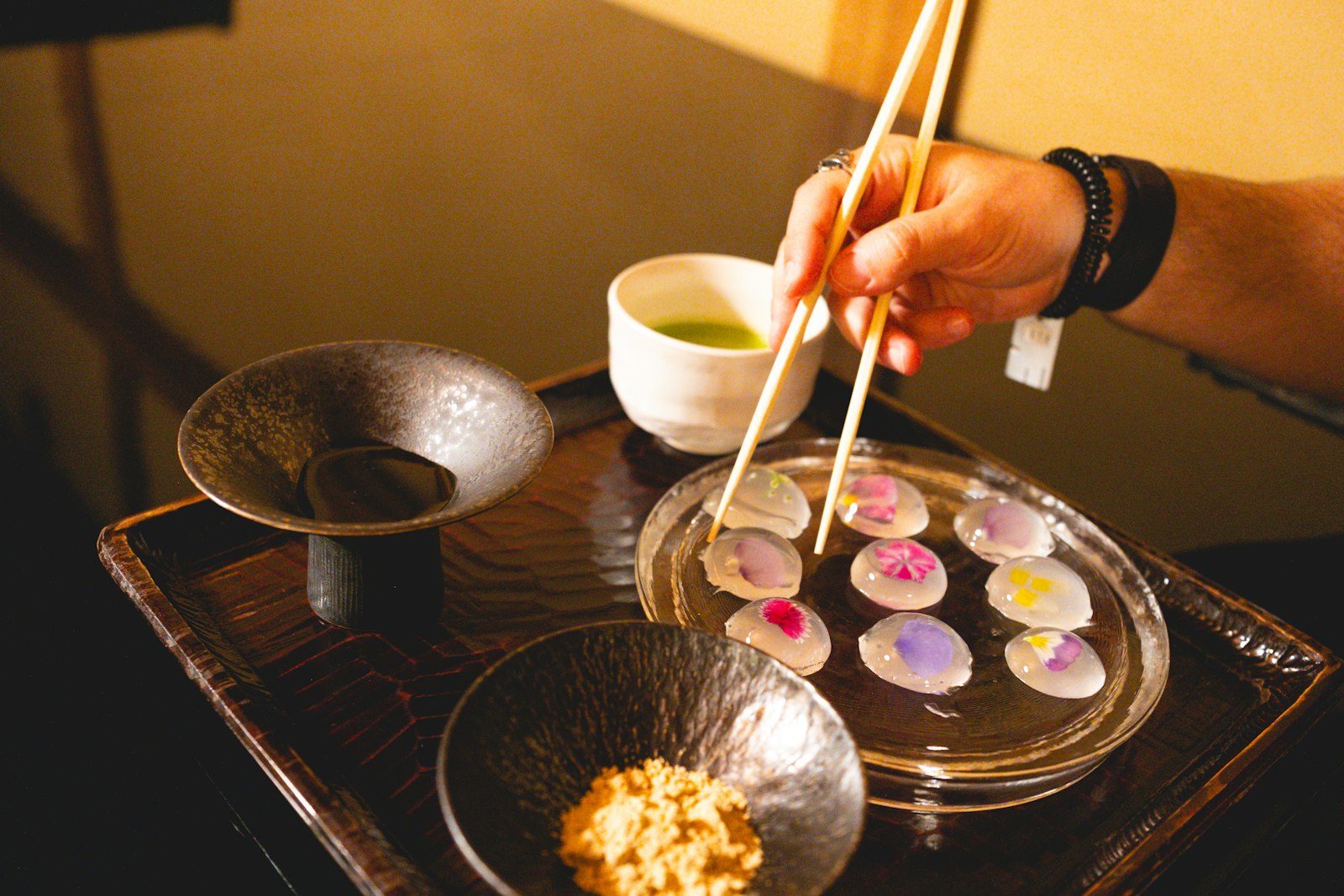
Food is the default Japanese gift, and quality varies enormously within the same category.
Matcha and Sencha
Ceremonial-grade matcha and single-estate sencha are among the best value things you can carry out of Japan — the same tins cost two to three times as much abroad, when they are available at all.
Buy from a tea specialist rather than a department store food hall. Ippodo in Kyoto and Tokyo, and Yamamotoyama in Nihonbashi, will explain grades and let you smell the leaf. Matcha oxidises quickly once opened, so buy small tins and check the milling date rather than the expiry.
Regional Gift Boxes
Tokyo Banana, Shiroi Koibito from Hokkaido, Hakata’s Hiyoko — these are the standard station omiyage, individually wrapped in boxes designed for distribution around an office.
They are reliable, travel well, and last several weeks. They are also, honestly, unremarkable to eat. Buy them for the people who expect a gift and buy something better for the people who will notice.
KitKat and Novelty Flavours
Japan produces several hundred regional KitKat flavours — wasabi, sake, Shizuoka melon, Hokkaido azuki — and they are genuinely Japan-only.
They are cheap, light, and popular with almost everyone. The dedicated KitKat Chocolatory shops carry the premium versions; ordinary supermarkets carry the regional ones at half the tourist price.
Expert Tip
Depachika — department store basement food halls — are the single best souvenir shopping in Japan, and almost no visitors use them. Isetan Shinjuku, Takashimaya Nihonbashi, and Daimaru Tokyo carry regional specialities from across the country in one place, at normal prices, with staff who will vacuum-pack and gift-wrap. One hour there replaces three days of hunting.
Knives, Washi, and Fans
Japanese craft goods are the category where the price difference against buying them at home is largest.
Kitchen Knives
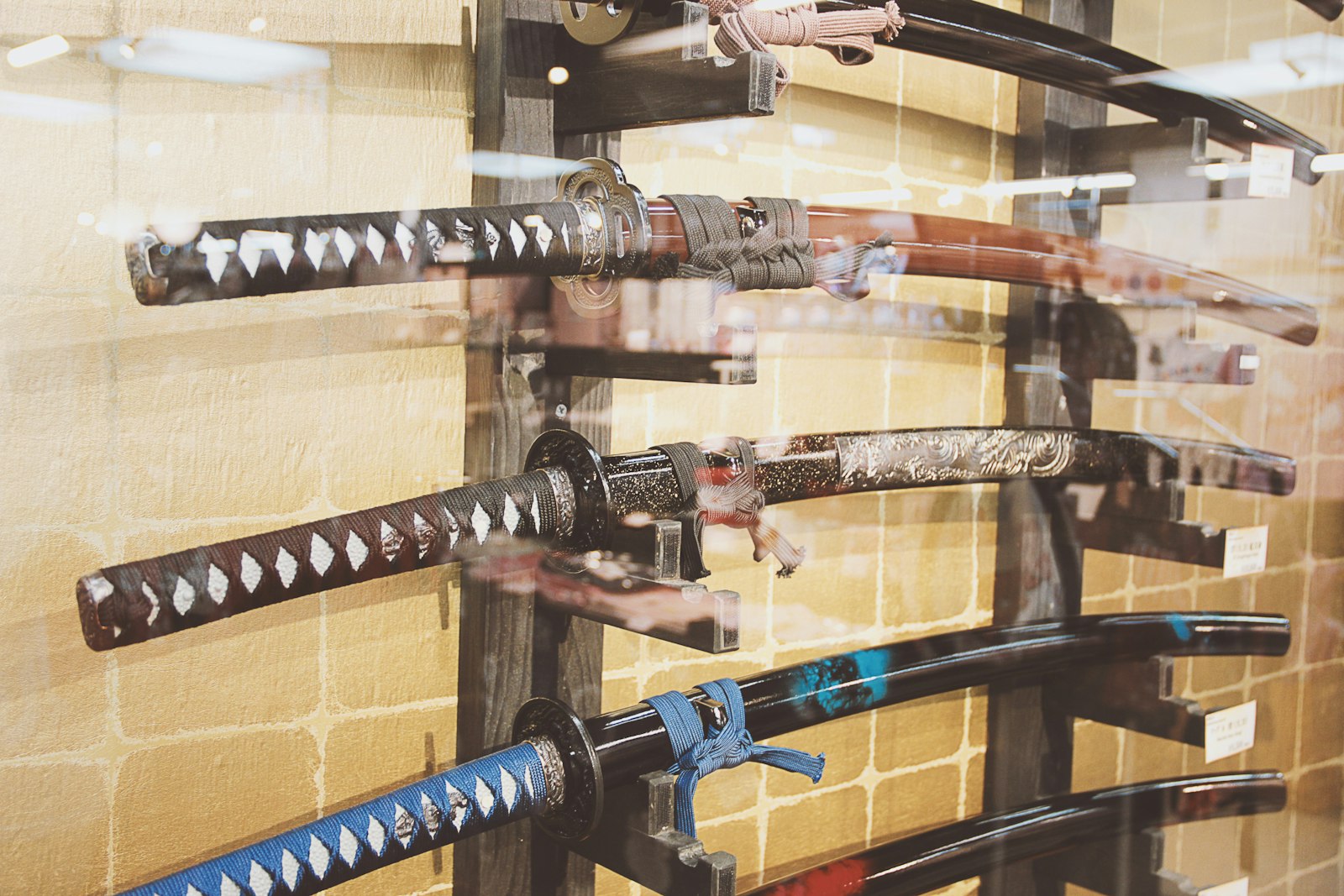
A Japanese kitchen knife is the souvenir most people report still using a decade later. Kappabashi in Tokyo — the restaurant supply street — has several specialist shops, as does Nishiki in Kyoto and the knife district in Sakai near Osaka.
Decide between stainless and carbon steel before you go: carbon takes a finer edge and rusts if you look at it wrongly. A gyuto around 210mm is the versatile choice for a Western kitchen. Most shops will engrave a name in Japanese and sharpen the blade before handing it over, both usually free.
Washi Paper
Washi is handmade paper from mulberry fibre, and the good stuff is unlike anything mass-produced — strong, slightly translucent, with visible fibre.
Notebooks, letter sets, origami packs, and single decorative sheets all travel flat and weigh nothing. Kyukyodo in Kyoto and Ginza, and Ozu Washi in Nihonbashi, are the established houses; Ozu runs a small museum and papermaking workshops.
Sensu and Tenugui
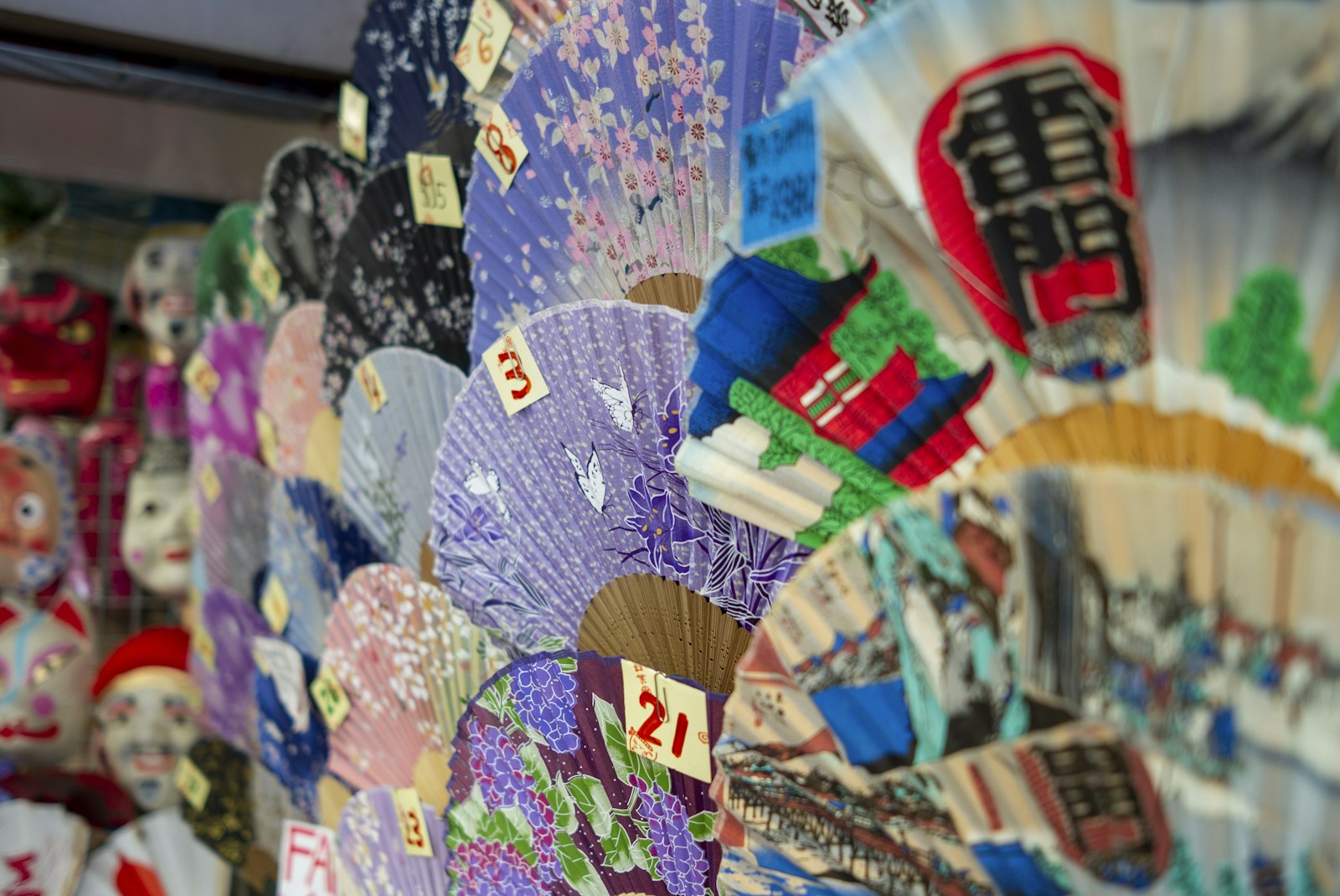
Sensu are folding fans, and the good ones are bamboo-ribbed with hand-painted or block-printed paper. They fold flat, weigh little, and are used rather than displayed in Japan through the summer.
Tenugui are thin printed cotton cloths, roughly 90 by 35 centimetres, used as hand towels, wrapping, or hung as seasonal art. They are cheap, endlessly varied, and the single most practical craft souvenir available.
Ceramics, Lacquerware, and Chopsticks
Japan has dozens of distinct regional pottery traditions, and each one looks different enough to be worth choosing deliberately.
Regional Pottery
Arita porcelain from Kyushu is fine, white, and painted in blue or polychrome. Mashiko in Tochigi is thick, earthy stoneware in browns and creams. Kutani from Ishikawa is bold overglaze colour, heavy on green and red.
Buying in the producing town is cheaper and more interesting than buying in Tokyo, but Tokyo has the range. For a single piece, a good rice bowl or a pair of tea cups is the practical choice — plates are harder to carry and less used.
Lacquerware
Urushi lacquerware is wood coated in many thin layers of tree sap, polished between coats. Real urushi is expensive, warm to the touch, and lasts generations; the cheap versions are plastic with a printed finish.
Check the base. Genuine lacquer on wood has a slight grain visible at the foot and a soft rather than glassy surface. Soup bowls and small bento boxes are the accessible entry points.
Chopsticks
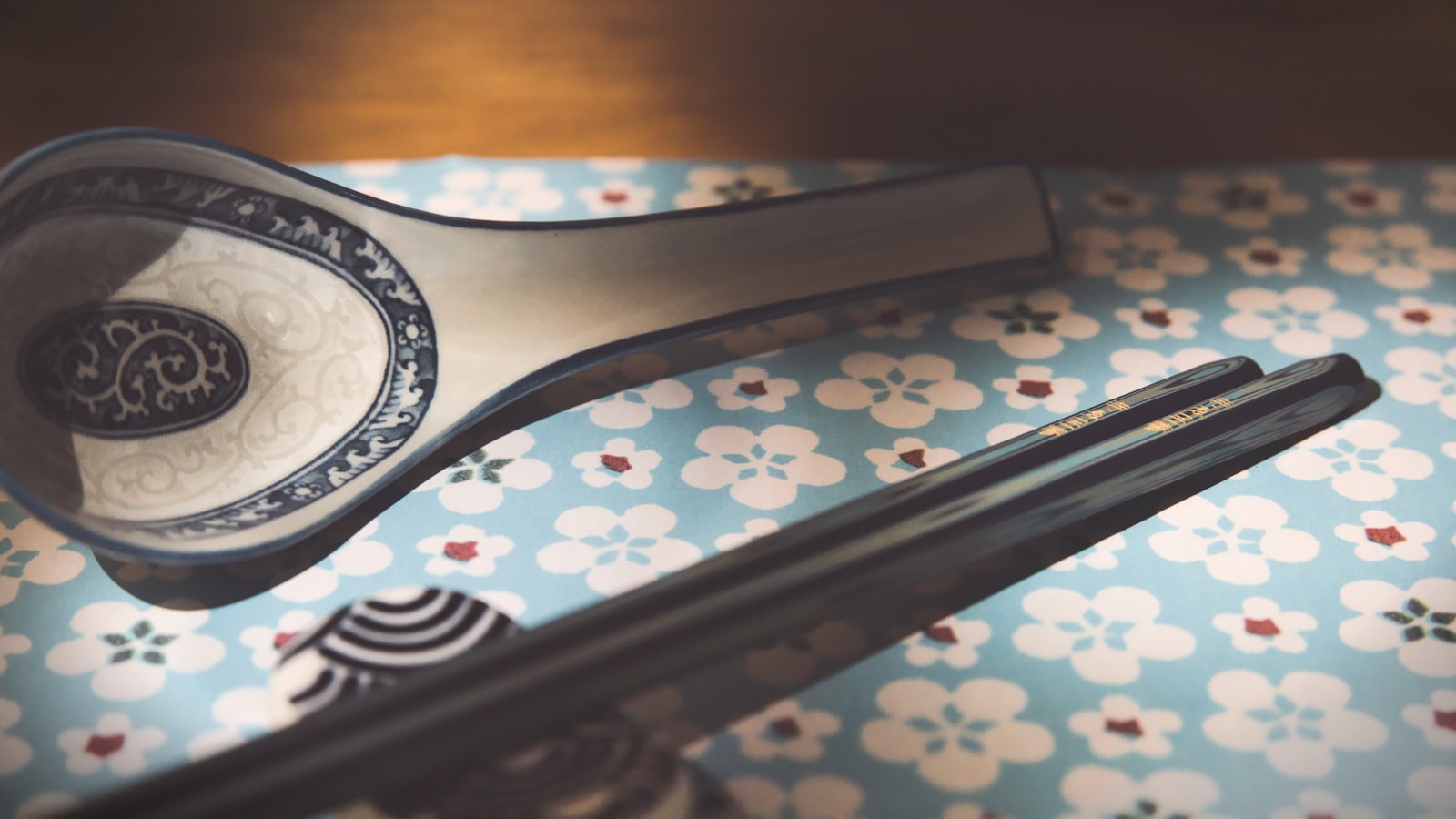
Good chopsticks — hardwood, lacquered, properly balanced — cost a few thousand yen and are a substantially better gift than the cheap pairs sold near temples.
Several specialist shops, including Ginza Natsuno, will engrave a name in kanji while you wait. Buy a pair with a rest; the set reads as considered rather than incidental.
Pop Culture Keepsakes
The Japan-only exclusives are the ones worth carrying; the rest is available online.
Gachapon Capsules
Capsule toys have become genuinely inventive — miniature furniture, realistic food replicas, animals in absurd poses — for 200 to 500 yen a turn.
They are small, cheap, and completely disposable if they miss. As a gift for someone who has everything, a handful of random capsules is more successful than it has any right to be.
Ghibli and Pokemon Exclusives
The Ghibli shops — Donguri Kyowakoku, with branches across Japan — and the Pokemon Centers stock large ranges that do not leave the country.
Pokemon Center exclusives, particularly regional variants tied to specific cities, are the ones collectors actually want. The Ghibli Museum’s own shop items are the most restricted of all and require museum tickets booked well ahead.
Printed Fabric and Badges
Anime-printed tenugui, enamel badges, and acrylic stands are light, flat, and cheap, which makes them the practical option when luggage is already full.
Animate and the Akihabara specialist shops carry the widest ranges. Series-specific stock rotates fast, so if you see something for a particular person, buy it then.
Skincare and Cosmetics
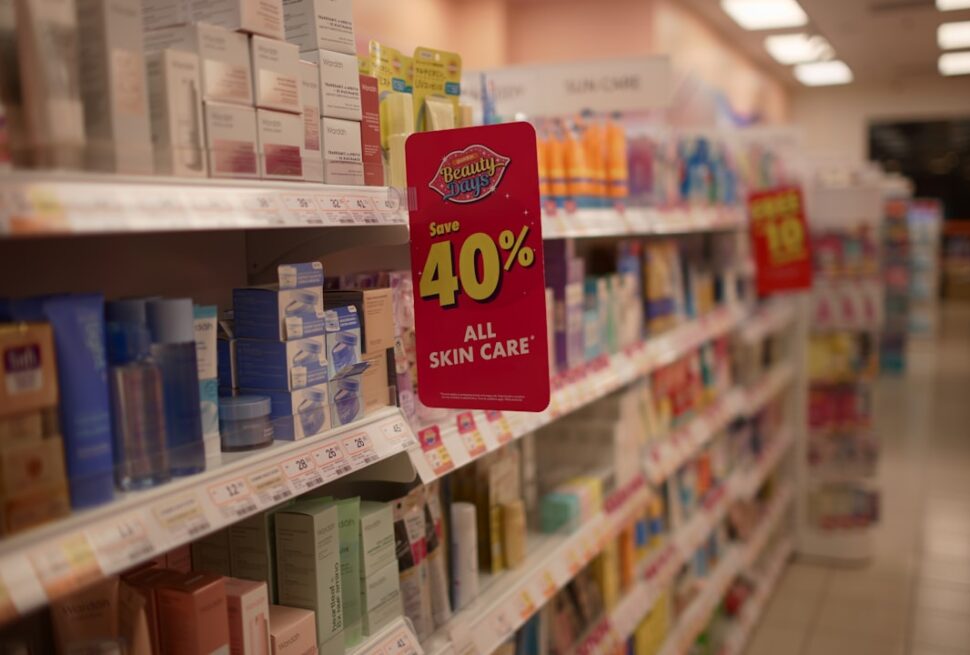
Japanese drugstore cosmetics are a category where the products are genuinely different from Western equivalents rather than just cheaper.
Sunscreen
Japanese sunscreens use filters not approved in the United States, which produces a much lighter texture at the same protection level. Biore UV Aqua Rich and Shiseido’s Anessa are the two most commonly bought.
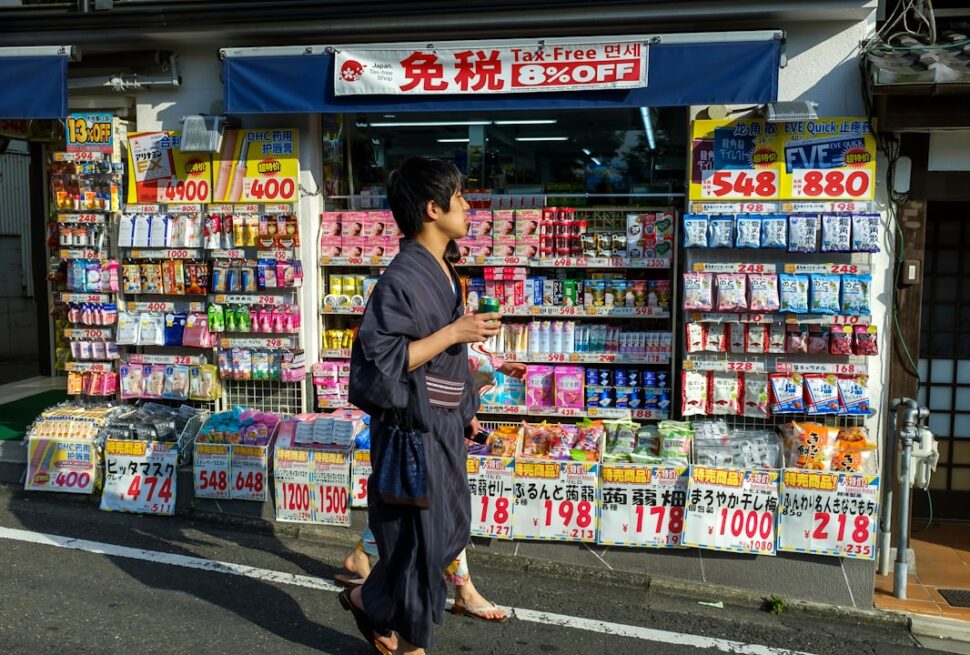
They cost around 1,000 to 3,000 yen in any drugstore, well below what the same products fetch when exported. Matsumoto Kiyoshi and Don Quijote both offer tax-free.
Sheet Masks
LuLuLun sells sheet masks in packs of seven or 32, including regional editions — Kyoto with yatsuhashi extract, Okinawa with shikuwasa — sold only in those areas.
They are flat, light, and split easily among several recipients. Buying the multi-packs rather than singles roughly halves the per-mask cost.
Camellia Oil
Tsubaki oil, pressed from camellia seeds, has been used on hair and skin in Japan for centuries. Oshima Tsubaki from Izu Oshima is the established producer.
It is a single-ingredient product with no fragrance, which makes it a safe gift for someone whose preferences you do not know. Bottles are glass, so wrap and pack in checked luggage.
Expert Tip
Tax-free shopping requires your physical passport, a minimum 5,000 yen spend per shop per day, and that consumables stay in their sealed bag until you leave Japan. Customs at departure can ask to see the bag intact. Do not open the sealed drugstore packaging to redistribute purchases between suitcases before your flight.
Japanese Souvenirs: Frequently Asked Questions
What can I legally take through customs? Sealed packaged sweets, tea, ceramics, and cosmetics are fine essentially everywhere. Fresh fruit, meat, and dairy are restricted or prohibited into most countries including the US, EU, and Australia. Australia and New Zealand are strictest and require declaration of any food at all. Check your own country’s rules for wooden items, which some jurisdictions treat as a biosecurity risk.
Where do I buy good souvenirs on a budget? Depachika food halls for edible gifts, Don Quijote for cosmetics and novelty items, and Daiso or Seria for tenugui, ceramics, and stationery at a hundred yen. The hundred-yen shops carry a surprising amount of genuinely Japanese-designed goods.
How do I pack ceramics and knives? Knives must go in checked luggage — they will be confiscated from cabin bags without exception. Shops will wrap and box them, and the box should then sit in the middle of your case surrounded by clothing. Ceramics need the same treatment; ask the shop for extra bubble wrap, which they will provide free if you say the item is travelling by air.
Related Tours
Conclusion
Buy fewer, better things. One knife, one rice bowl, and a good tin of sencha will still be in use in ten years, and they cost less than a suitcase of station sweets.
Do the food shopping in a depachika on your last full day and the craft shopping early, while you still have room and energy to carry it. That order is the one most people get backwards.
Plan Your Japan Trip with Local Experts
Our team has guided 40,000+ travelers across Japan. Tell us about your trip and we’ll get back to you within 24 hours.