In this article:
- Figure and Anime Shops
- Retro Gaming and Arcades
- Maid Cafes and Concept Venues
- Gachapon and Trading Cards
- Electric Town Origins
- Visiting Akihabara: Frequently Asked Questions
Introduction
After the war, black-market stalls selling vacuum tubes and radio parts collected under the railway arches at Akihabara Station. Those stalls became electronics shops, the electronics shops became computer shops, and when personal computing went mainstream in the 1990s the district pivoted again — to games, then anime, then everything downstream of it.
Each layer is still physically present. You can buy a resistor for ten yen in an alley that has not changed since 1955, then walk two minutes to a ten-floor building selling nothing but figures.
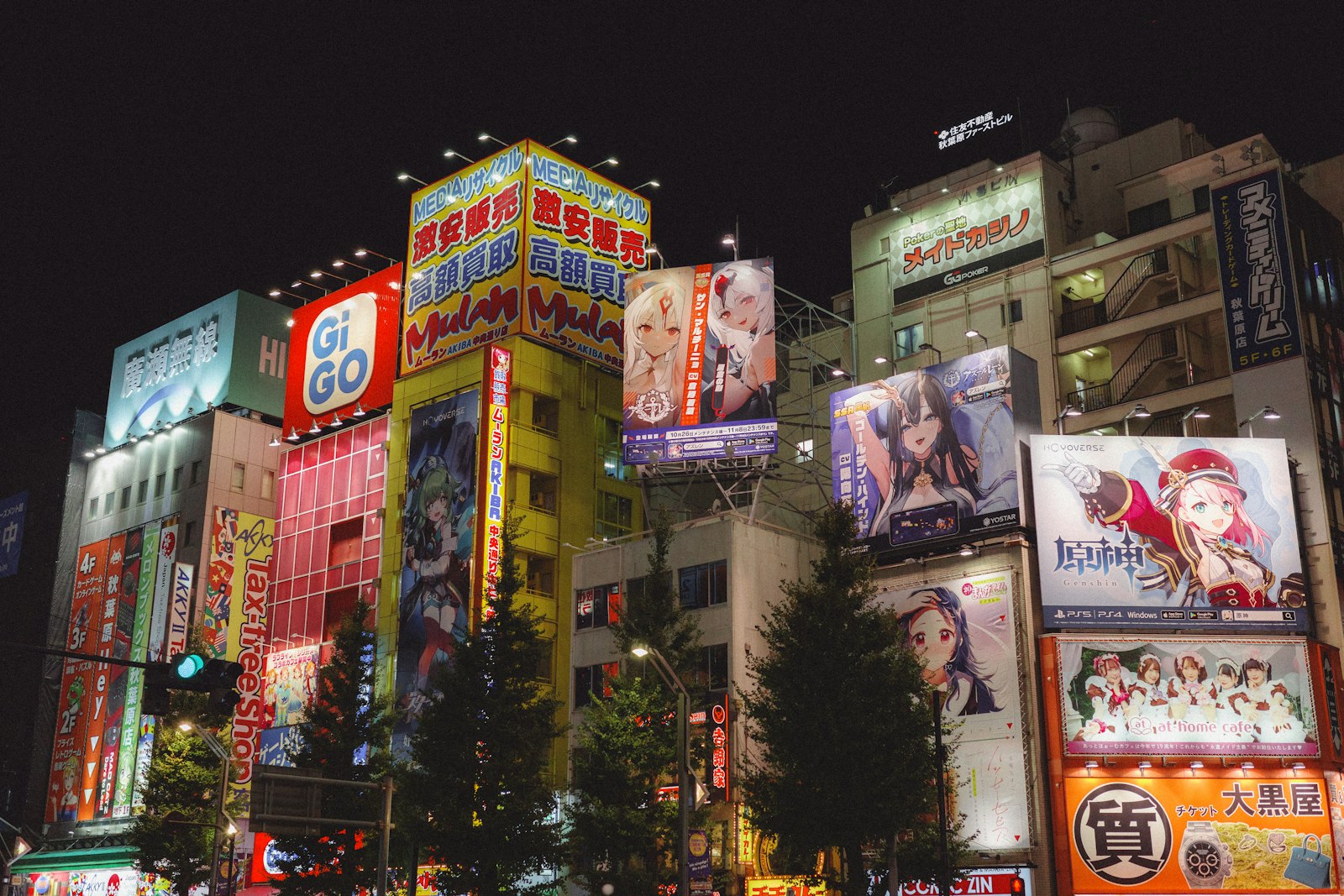
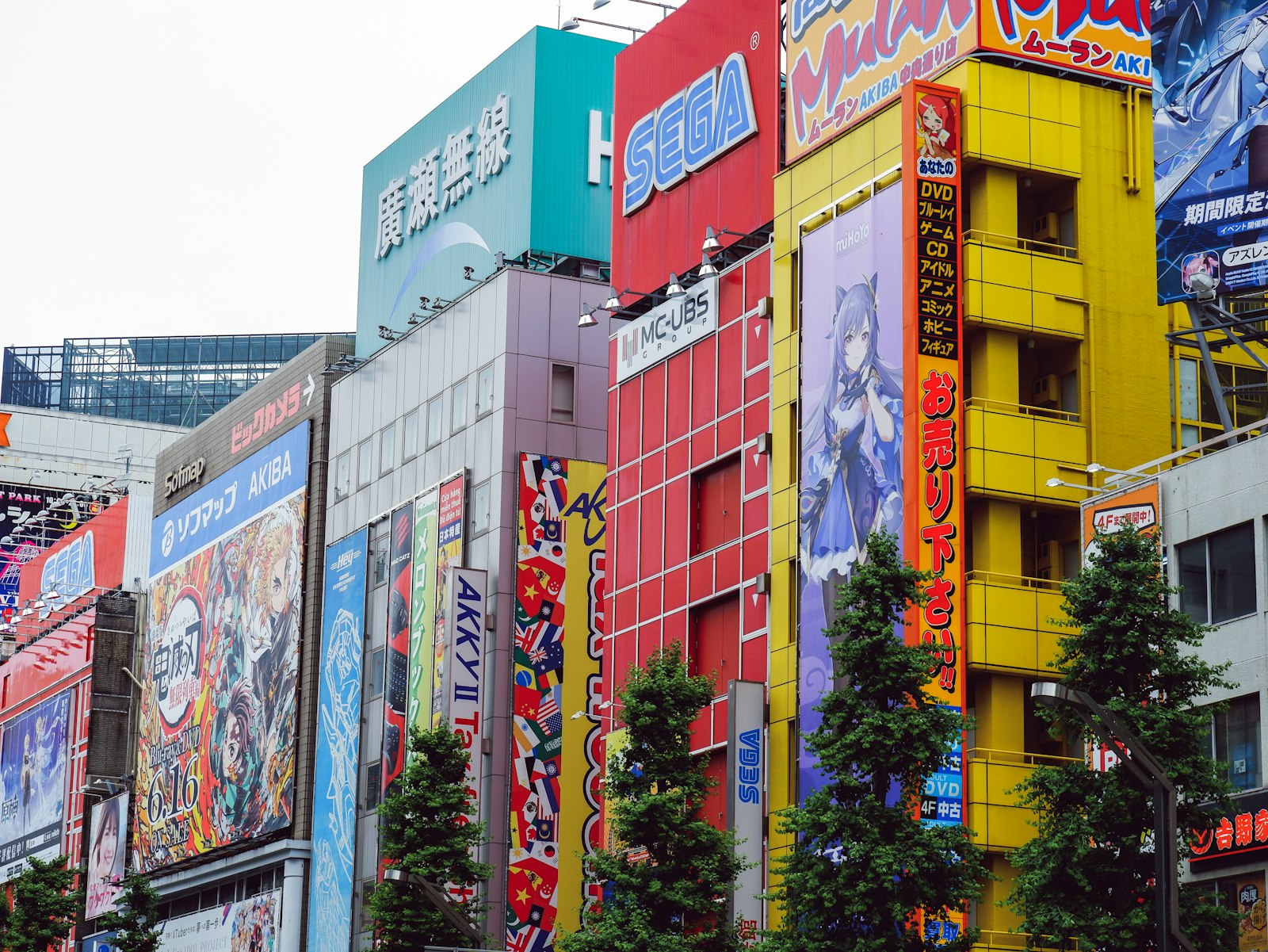
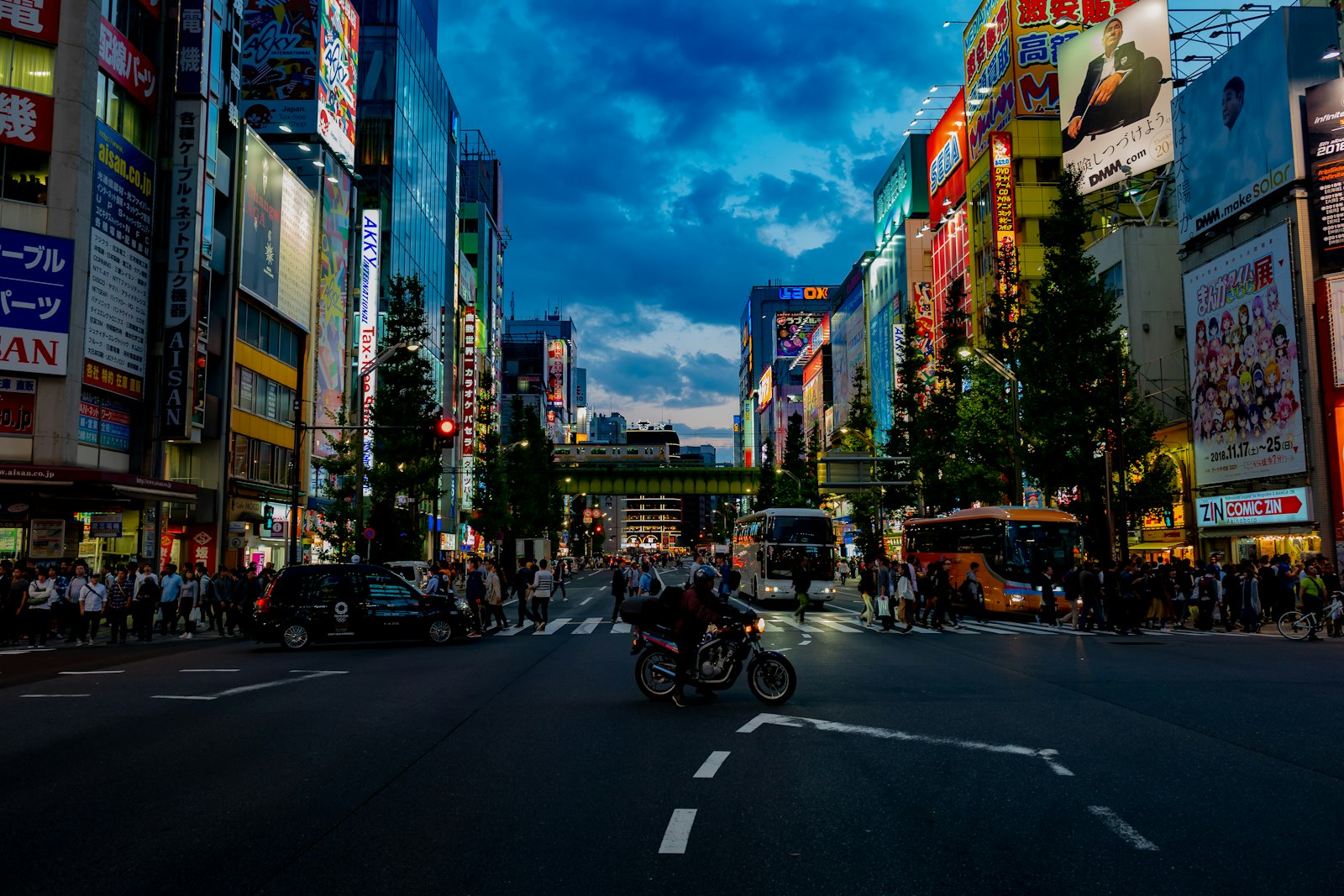
Akihabara is also compact. Nearly everything worth seeing sits within a 600-metre stretch of Chuo-dori and the streets either side of it, which makes it one of the easiest Tokyo districts to work through properly in an afternoon.
Figure and Anime Shops
The vertical shop is Akihabara’s defining format — narrow floorplates stacked ten high, each floor a different specialism.
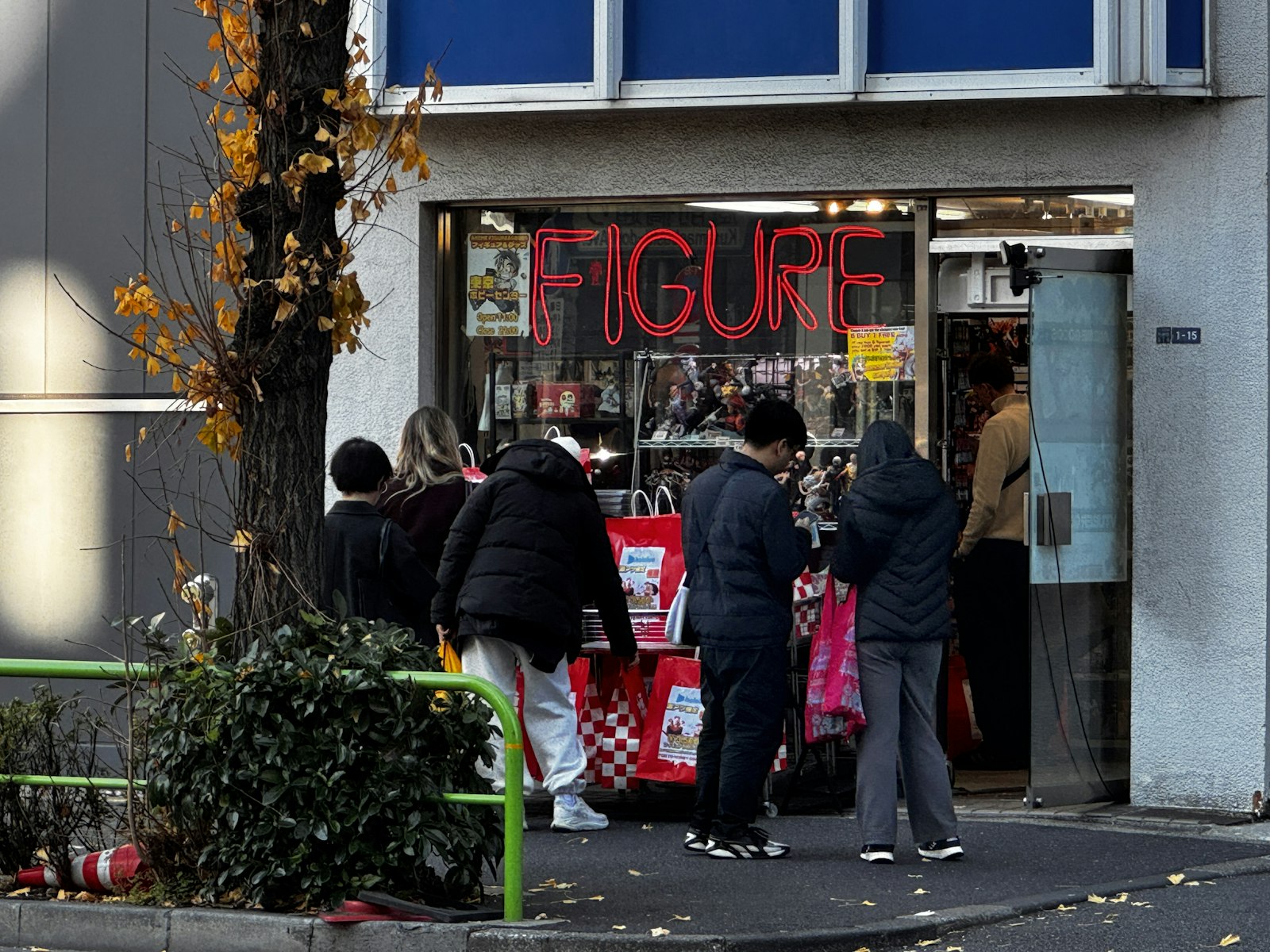
Radio Kaikan
Radio Kaikan sits directly at the station’s Electric Town exit and holds around 30 shops across ten floors. Despite the name it has sold hobby goods rather than radios for decades — figures, trading cards, model kits, dolls, militaria.
Take the lift to the top and walk down. The upper floors hold the specialist dealers and the lower floors the mainstream retail, and going top-down means you see the interesting stock while you still have patience.
Kotobukiya and AmiAmi
Kotobukiya is a manufacturer with its own flagship — new releases, exclusives, and a cafe. AmiAmi is the large online retailer’s physical shop, with pre-orders and current-season merchandise.
Both are for new goods at list price. If you want a specific current figure without hunting, these are the efficient stops.
Mandarake Complex
Mandarake is the serious second-hand operation — eight floors, each dedicated to a category: vintage toys, doujinshi, cels, manga, cosplay. Items are graded and priced accordingly, and the rare stock is genuinely rare.
Prices are not cheap and are not meant to be. This is a dealer, not a thrift shop, and the pricing reflects condition and scarcity accurately.
Expert Tip
Tax-free purchasing requires a passport and a minimum spend of 5,000 yen at a single shop on the same day, and most Akihabara retailers offer it. The catch is that the exemption is per shop, not per building — Radio Kaikan’s ten floors are separate businesses. Concentrating a purchase in one shop rather than spreading it saves the 10 percent.
Retro Gaming and Arcades
Akihabara remains the best place in the world to buy games from the 1980s and 1990s, and one of the last places to play them in an arcade.
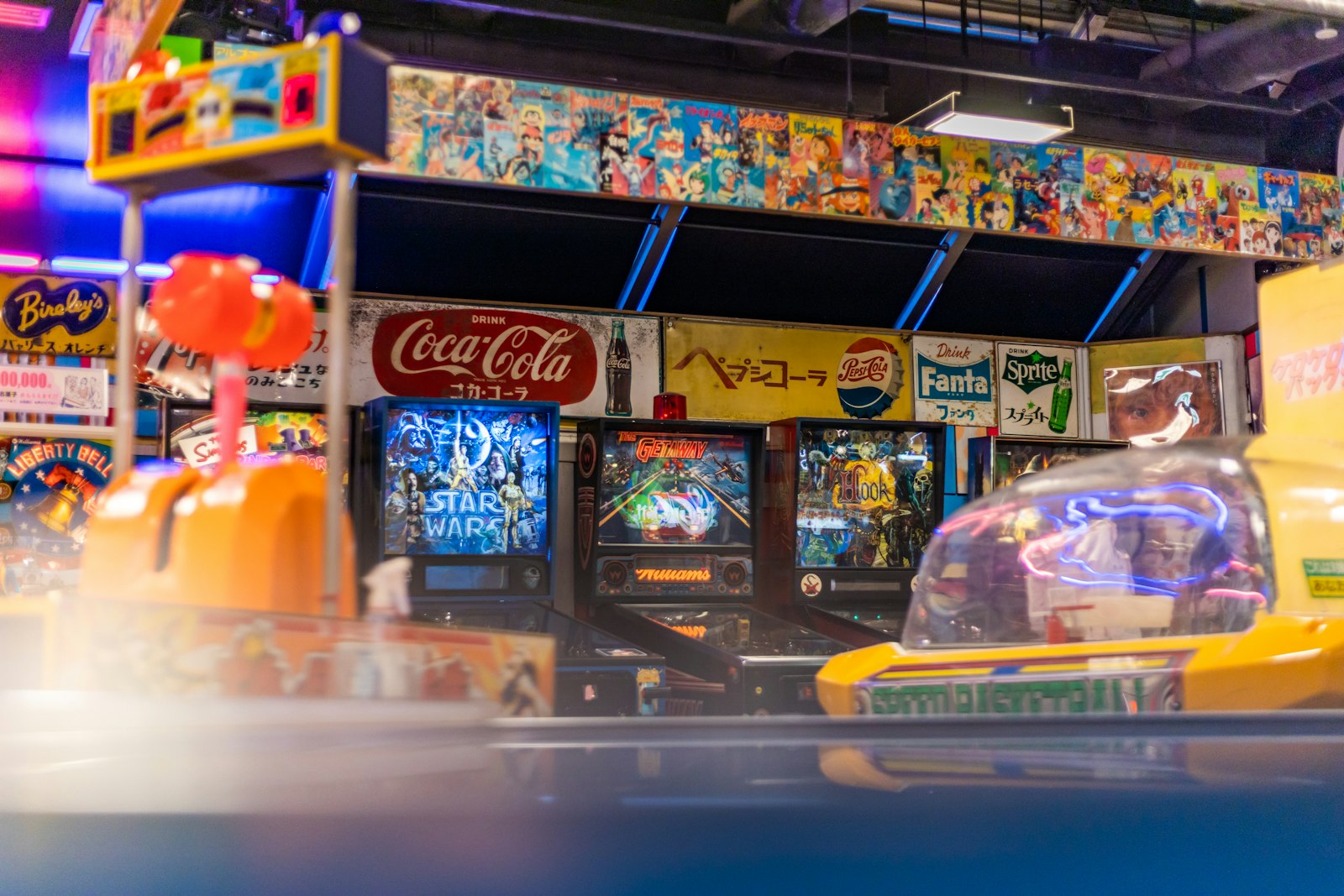
Super Potato
Super Potato occupies several floors of a narrow building and stocks Famicom, Super Famicom, Mega Drive, PC Engine, and Game Boy software, mostly boxed and priced by condition.
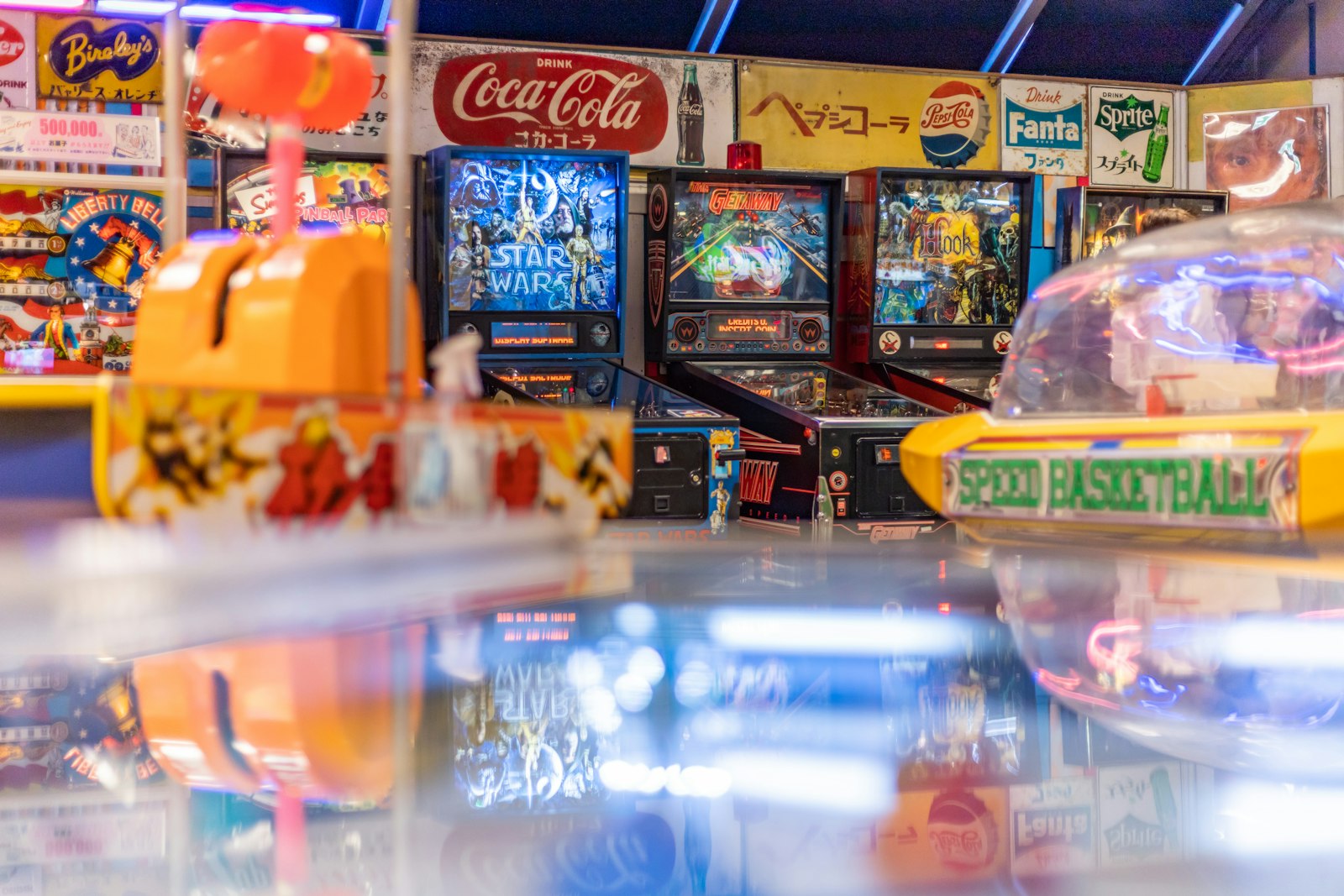
The top floor is a retro arcade with cabinets from the 1980s running on hundred-yen coins. It is small, hot, and one of very few places anywhere still operating original hardware for public play.
GiGO and Hey
GiGO runs several multi-floor arcades along Chuo-dori, dominated by crane machines on the lower floors and rhythm and fighting games above. Hey — Hirose Entertainment Yard — is the serious one, with shoot-em-up cabinets and a genuinely competitive fighting game scene on the upper floors.
Watch before you play at Hey. The standard is high and the etiquette around challenging someone at a cabinet is real.
Trader and Suruga-ya
Trader and Suruga-ya sell pre-owned console games and hardware across multiple branches, generally cheaper than Super Potato and with less curation.
Check region coding before buying. Japanese Nintendo Switch software is region-free; PlayStation and older consoles are not, and cartridge shapes differ between Famicom and NES.
Maid Cafes and Concept Venues
Maid cafes are the district’s most visible export and also its most misunderstood.
How They Actually Work
The format is a cafe where staff in maid costume address customers as returning masters or mistresses of a household, serve drinks and simple food, and perform small routines — decorating omelette rice, a short song, a photograph for an extra fee.
It is a themed hospitality performance, not an adult venue. The established chains — at-home cafe and Maidreamin among them — have English menus, posted prices, and time-limited seatings, usually an hour with a drink minimum.
What to Expect on the Bill
Expect a table charge of around 700 to 1,000 yen per person on top of food and drink, and separate charges for photographs and games. A visit typically lands between 2,000 and 4,000 yen per person.
Photography of staff is not permitted except through the paid photo service. This is enforced.
Collaboration Cafes and Don Quijote
Animate Cafe and similar venues run limited-run menus tied to specific anime series, changing every few weeks, often with a reservation lottery for popular titles.
Don Quijote’s Akihabara branch runs several floors of cosplay, costume, and novelty goods, and the AKB48 theatre occupies the eighth floor of the same building. It is chaotic, open very late, and the fastest place to see the district’s commercial side at full volume.
Gachapon and Trading Cards
Two collecting cultures have their own dedicated retail space here.
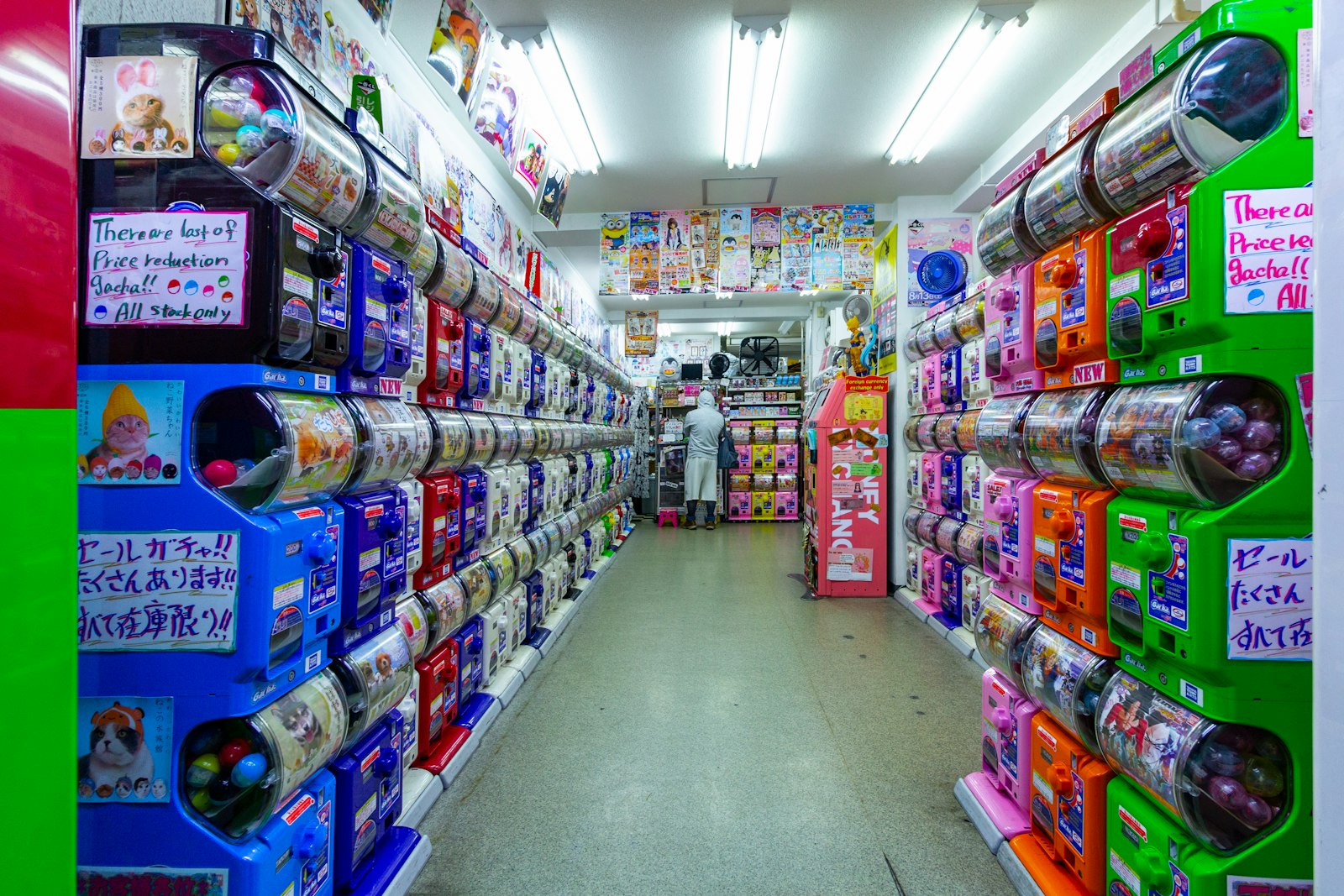
Gachapon Kaikan
Gachapon Kaikan holds around 500 capsule machines wall to wall, dispensing miniature furniture, realistic food replicas, cats in odd poses, and licensed character figures for 200 to 500 yen a turn.
Stock rotates constantly and the strange ones sell out. Bring 100-yen coins; change machines exist but queue at weekends.
Trading Card Shops
Several dedicated shops deal in single cards for Pokemon, Yu-Gi-Oh, One Piece, and Magic, with graded stock in cases and bulk singles in binders.
Japanese-language Pokemon cards are often significantly cheaper than English equivalents for the same card, which is a known arbitrage among collectors. Condition grading is strict and honest here.
Small Character Goods
The alleys off Chuo-dori hold small shops selling keychains, enamel badges, wall scrolls, and acrylic stands — the lower-price end of character merchandise.
Badge trading among fans happens openly outside some of these shops, particularly at weekends. It is a genuine subculture and it is polite to watch rather than photograph.
Electric Town Origins
The original Akihabara survives in two forms, one tiny and one enormous.
Radio Center
Under the railway viaduct next to the station, Radio Center is a warren of perhaps 30 stalls selling components — switches, connectors, LEDs, wire, chips — from booths a couple of metres wide.
It has operated since 1949 and is the direct descendant of the postwar market. Nothing here is aimed at tourists, which is exactly why it is worth ten minutes.
Yodobashi Akiba
On the east side of the station, Yodobashi Akiba is one of Tokyo’s largest electronics stores — nine floors covering cameras, computers, appliances, hobby goods, and a restaurant floor.
It is comprehensive rather than characterful. For a specific purchase with tax-free processing and English-speaking staff, it is the efficient option.
Sunday Pedestrian Zone
On Sundays, Chuo-dori closes to traffic between roughly 1pm and 5pm — earlier in winter — and the main street becomes a pedestrian zone.
It is the best time to photograph the district and the busiest time to shop in it. If crowds are a concern, come on a weekday morning instead; most shops open around 11am.
Expert Tip
Akihabara is one of very few Tokyo districts where cash still matters. The small dealers in Radio Center, several second-hand booths in Mandarake and Radio Kaikan, and all gachapon machines are cash-only. Carry 10,000 yen in mixed notes and coins if you intend to buy anything from the specialist floors.
Visiting Akihabara: Frequently Asked Questions
How many hours do I need? Three to four hours covers the main buildings at a reasonable pace. Collectors hunting specific items should allow a full day — the second-hand floors reward slow browsing and the stock differs shop by shop.
Are English games and region-free consoles easy to find? Modern Switch software is region-free and often includes English. Older console games are region-locked and Japanese-language. Region-free retro consoles and converters are sold in the specialist shops, and staff will confirm compatibility if you ask.
Can I take photographs inside shops? Assume not unless signage says otherwise. Most figure and card shops prohibit interior photography to protect stock information, and maid cafes prohibit it entirely except through their paid service. Street photography on Chuo-dori is fine.
Related Tours

Conclusion
Work vertically rather than horizontally. Akihabara’s interest is stacked ten floors up, and visitors who stay on Chuo-dori at street level see the neon and none of the substance.
Start at Radio Kaikan’s top floor, spend ten minutes in Radio Center under the tracks, and you will have seen both ends of the district’s seventy-year arc inside an hour.
Plan Your Japan Trip with Local Experts
Our team has guided 40,000+ travelers across Japan. Tell us about your trip and we’ll get back to you within 24 hours.