In this article:
- What Shibuya Sky Is, Floor by Floor
- Tickets, Time Slots, and the Sunset Question
- On the Rooftop: Rules, Lockers, and Weather
- Building an Evening Around Shibuya Sky
- Shibuya Sky: Frequently Asked Questions
Introduction
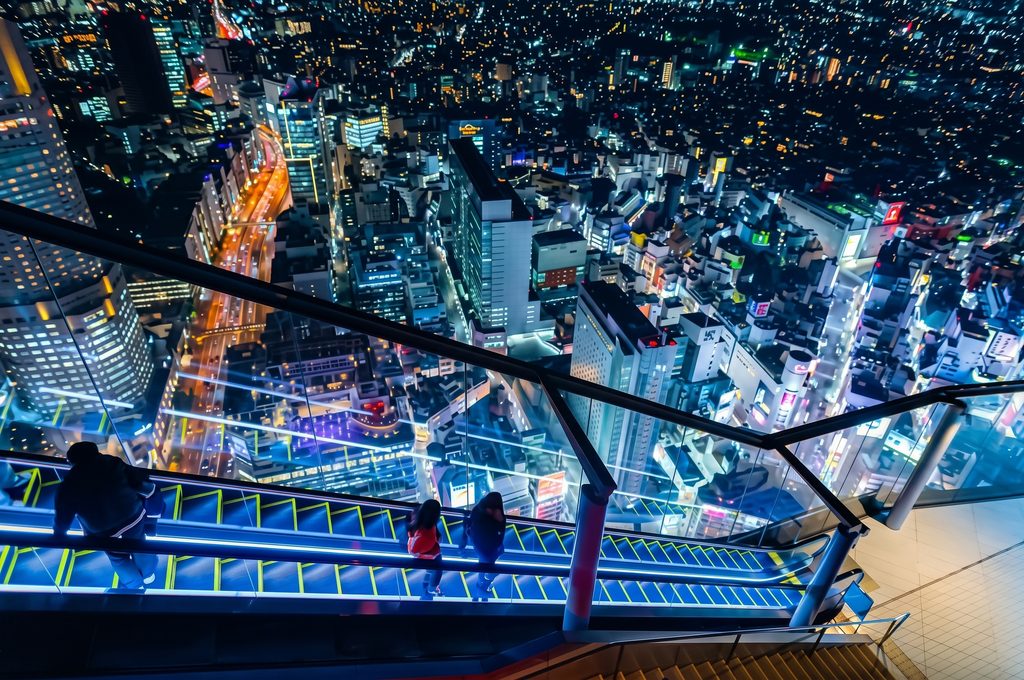
Most observation decks in Tokyo put a pane of glass between you and the city. Shibuya Sky does not. You ride an escalator out of the building and onto an open roof, the wind arrives before the view does, and the only thing at the edge is a chest-high glass barrier with the crossing far below.
That difference is why it has become the deck people ask us about most. It is also why it sells out. The sunset slots on clear days go quickly, the rooftop has stricter rules on what you can carry than most visitors expect, and a spell of rain or wind can close the roof entirely.
None of this is complicated once you know it. Below is what we tell the travelers we guide through Shibuya: which slot to book, what to leave in the locker, how long to allow, and what to do with the rest of the evening once you come back down.
What Shibuya Sky Is, Floor by Floor
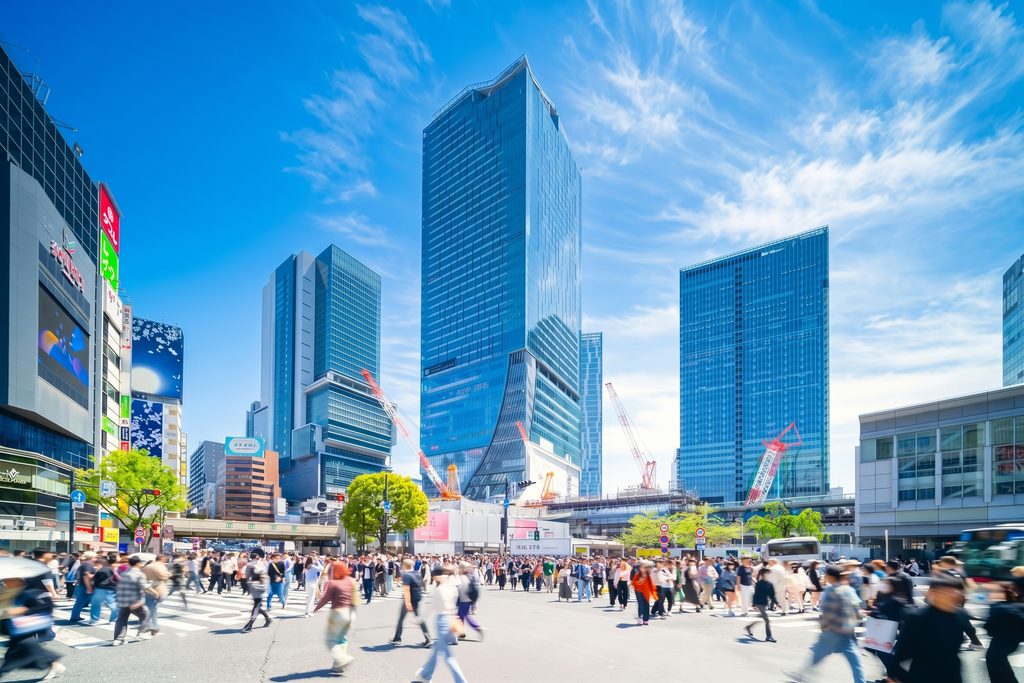
Shibuya Sky occupies the top of Shibuya Scramble Square, the tower that rises directly above Shibuya Station. It opened with the building in November 2019. The observation space is spread over several levels, and knowing the order saves some confusion on the day.
The 14th-Floor Entrance and the Ride Up
Everything starts on the 14th floor. That is where the ticket counter is, where your QR code is scanned, and where the queue for your time slot forms. The building connects directly to the station, so you can reach it without going outside.
From there a lift takes you up to the observation floors. The ride is short. Arrive a few minutes before your slot rather than early, because the queue on the 14th floor is organised by entry time and there is little to do while you wait.
Sky Gallery: The Indoor Floors
The indoor floors are called the Sky Gallery. Floor-to-ceiling windows look out in several directions, and this is where you find the lockers, the toilets, and the café and shop. Many visitors treat it as a corridor on the way to the roof.
That is a mistake on a cold or windy evening. The indoor windows give a steadier, warmer view of the same skyline, and you can stand at the glass as long as you like without the wind in your face. Spend ten minutes here before you go up, and come back if the wind on the roof becomes tiring.
Sky Stage: The Open Rooftop
The roof itself is Sky Stage. It is wide, flat, and open to the sky, with glass along the edges and a 360-degree view across Tokyo. On a clear day that runs to Tokyo Tower, the towers of Shinjuku, Tokyo Skytree, and sometimes the outline of Mount Fuji to the west.
The corner that everyone photographs is the glass-edged point directly above the crossing. Expect a queue there at sunset. The rest of the roof is rarely crowded in the same way, and we think the west side, facing the setting sun, is the better place to stand for the light.
Expert Tip
If you are visiting with a partner and want a photograph of the two of you at the famous corner, go straight there the moment you step onto the roof, before the queue builds behind you. Then take your time with the rest of the deck. Queues at that spot are shorter just after each time slot is admitted than twenty minutes later.
Tickets, Time Slots, and the Sunset Question
Tickets are sold by time slot, and the price depends on when you go. Buying online is cheaper than buying at the counter, and for the popular evening slots it is the only realistic way to get in.
Prices Online and at the Counter
Adult tickets bought online cost ¥2,700 for entry before 3pm and ¥3,400 for entry from 3pm onward. At the 14th-floor counter, if tickets remain, the same entry costs ¥3,000 and ¥3,700. Children’s tickets are sold at the counter, and very young children enter free.
The jump at 3pm matters more than it looks. Sunset in Tokyo falls after 3pm in every season, so anyone chasing golden hour pays the higher price. That is fair. However, it means a morning visit is both the cheapest and, on a clear winter day, often the best chance of seeing Fuji.
When Tickets Open and How Fast They Go
Online tickets are released a set number of days ahead of each date, and the evening slots on weekends and in autumn and winter are the first to go. Sunset slots on a clear weekend can be gone on the day they are released.
Check the official Shibuya Sky site for the current release schedule when you start planning, and book the day your date opens if sunset is what you want. Daytime and late-evening slots are much easier and can often be booked a few days out. Counter tickets exist, but on a clear evening we would not rely on them.
Choosing a Slot: Morning, Sunset, or After Dark
Most guides tell you to book sunset. We agree, with one change: book the slot that starts roughly an hour before sunset, not the one closest to it. You need time to clear the entrance, store your bag, and get up to the roof, and you want to see the city in daylight, then gold, then lit.
Morning is the underrated choice. The air is often clearer, the roof is quieter, and the lower price applies. After dark, from around 8pm, the crowd thins again and the city below turns into a grid of light. For travelers who have already seen a sunset from Tokyo Skytree or elsewhere, a late slot is the one we recommend.
On the Rooftop: Rules, Lockers, and Weather
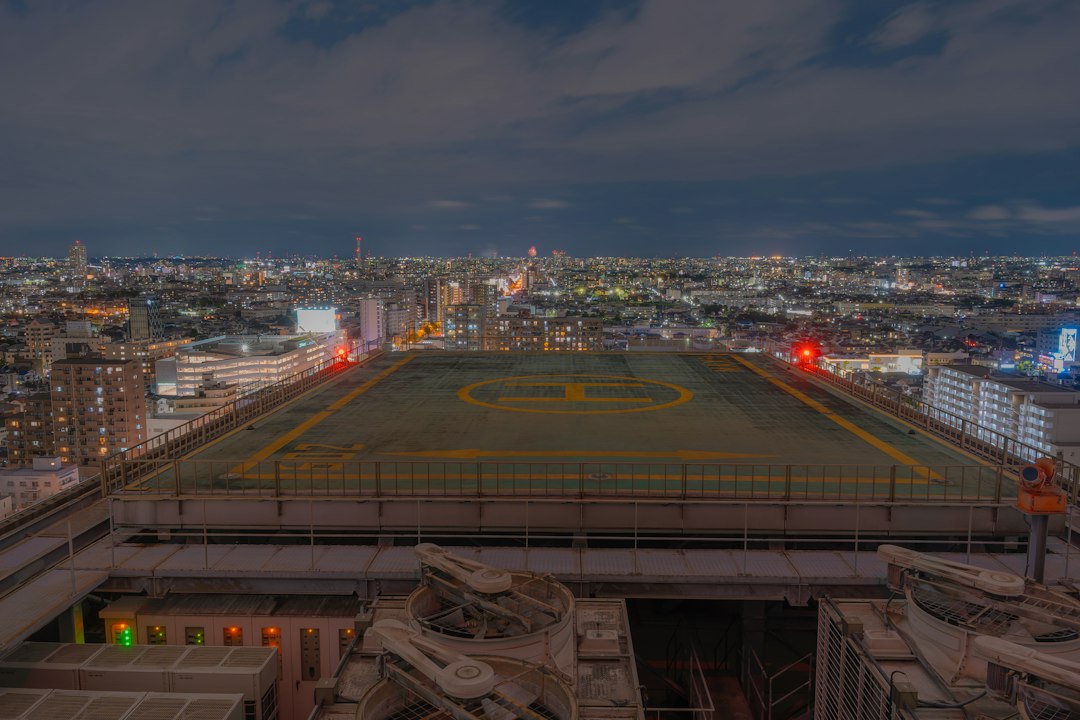
The rooftop is open to the wind at more than 200 metres, and the rules follow from that. Anything that could blow off the building stays downstairs.
What You Can Carry Onto Sky Stage
Bags, luggage, food, and drink cannot go onto the roof. Neither can loose hats, earphones, tripods, or selfie sticks. Staff watch for this before you reach the roof, and it is quicker to sort it out at the lockers than to have staff turn you back.
What you can take is a phone, glasses, and a camera with a strap or one small enough for a pocket. Lockers on the 46th floor hold everything else. Plan your clothing around this: a jacket with zipped pockets is far more useful up there than a handbag.
Larger suitcases are a separate problem. If you are arriving in Shibuya on a travel day, leave luggage at your hotel or in a station locker before you go up, because the tower does not accommodate it.
When the Rooftop Closes
Sky Stage closes in rain, strong wind, and thunder, sometimes at short notice. When that happens the indoor Sky Gallery usually stays open, so you still get the view, only from behind glass.
Refund terms depend on where you bought the ticket and on the exact circumstances. Read them before you book, particularly if you are buying through a third-party site, and check the official Shibuya Sky channels on the morning of your visit. If your dates allow it and the forecast looks poor, we would move Shibuya Sky to another day rather than gamble on it.
How Long to Allow
There is no strict limit on how long you stay once you are inside. Most people spend around an hour and a half from the 14th floor to the exit, including a coffee and a slow lap of the roof.
Allow closer to two hours if you are photographing the change from daylight to night. The sky moves quickly in the last half hour, and the city lights come on in stages.
Expert Tip
Bring a light layer even in summer. The temperature on the roof can feel several degrees cooler than the street, and the wind is steady rather than gusty, which makes it more tiring than it sounds over an hour. In winter, gloves thin enough to use a phone make the difference between staying for the lights and going back inside early.
Building an Evening Around Shibuya Sky
The deck works best as the first hour of an evening rather than a standalone visit. Shibuya is at its most interesting after dark, and the view from the roof is a map of where to go next.
Seeing the Crossing From Above, Then From Street Level
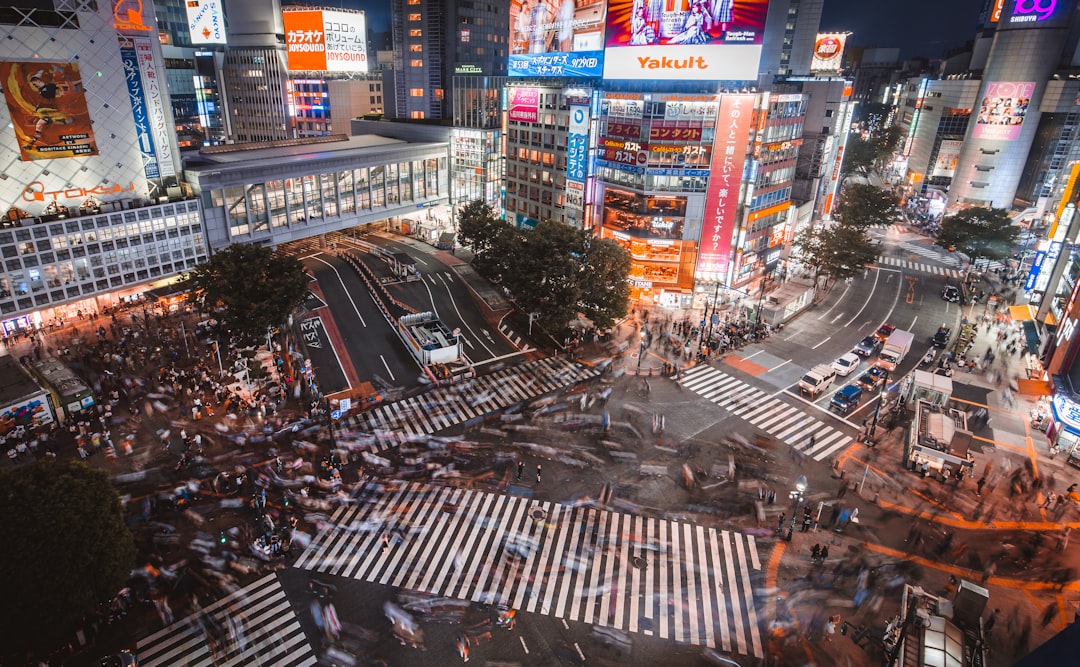
Watching the crossing from above, you see the pattern: the lights change, the pavements empty toward the centre, and the whole thing resets. Standing in it, you feel the pace. We think both are worth doing, in that order.
Once you are back on the ground, the practical details of crossing Shibuya and where to photograph it take ten minutes to absorb. The station exit you need is the Hachiko exit, and the statue is a short walk from there if you are meeting anyone.
Where Shibuya Goes After Dark
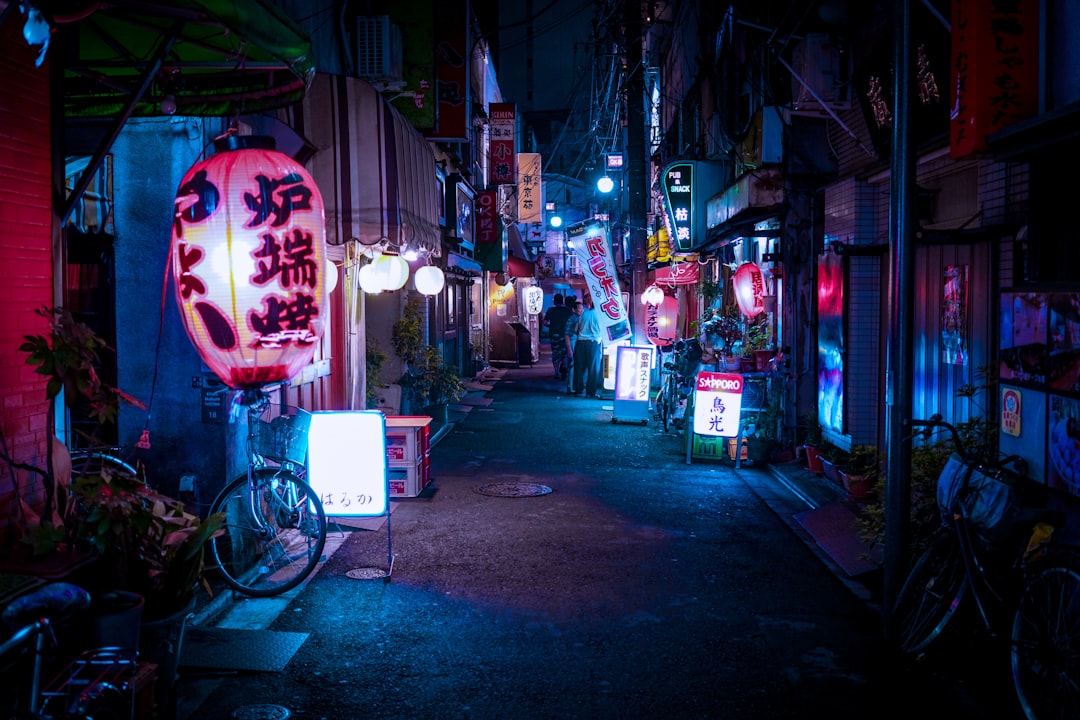
Directly below the tower, Shibuya is chain stores and neon. The better evening is a few streets away. Miyashita Park, a long rooftop park above a row of shops, has bars that draw a younger local crowd. The lanes behind Center-gai hold tiny counters where the owner pours and a dozen people fill the room.
Our Shibuya bar crawl follows exactly this line. It begins at Scramble Square, looking down on the crossing, then moves through an izakaya, a bar on the Miyashita Park rooftop, and a final counter in the backstreets, with the guide ordering and translating throughout. If you would rather plan your own route, our guide to a Shibuya bar crawl covers the neighbourhoods in more detail. Either way, bring cash. Many of the small bars do not take cards.
Shibuya Sky or Another Observation Deck?
Tokyo has several high viewpoints, and travelers often ask which one to choose. For a first visit, we put Shibuya Sky first because it is open-air and because the crossing gives the view a focal point that other decks lack.
Tokyo Skytree is much higher and better for a sense of scale across the eastern side of the city. That said, it is indoors, and the view is wider but less intimate. If you have time for only one, choose by which side of Tokyo you are staying on and which evening you have free.
Shibuya Sky: Frequently Asked Questions
Do I need to book Shibuya Sky in advance?
For sunset and early-evening slots, yes. Those sell out online well before the day, especially on weekends and clear autumn and winter evenings. Morning and late-night slots are easier, and they sell counter tickets if any remain, at a higher price than online.
Can I see Mount Fuji from Shibuya Sky?
On a clear day, yes, to the west. Visibility is best in the colder, drier months and early in the day, and in summer haze it is often not visible at all. Treat it as a bonus rather than a reason to book a particular slot.
Can I bring my camera or phone onto the rooftop?
Yes. Phones and glasses are allowed, as are cameras with a strap or ones small enough to fit in a pocket. Tripods, selfie sticks, bags, and loose hats are not, and go in the lockers on the 46th floor before you head up.
Related Tours


Conclusion
Book the slot first, before anything else about the evening is settled. If you want sunset, choose the entry time about an hour before the sun goes down and buy it online on the day your date opens. If sunset is gone, take a morning or a late-night slot instead. Both are quieter, and neither is a lesser view.
On the day, check the weather in the morning, wear something with pockets, and leave the bag in the locker. Then, when you come back down to street level, walk away from the crossing rather than toward it. The part of Shibuya worth your evening starts a few streets behind it.
Plan Your Japan Trip with Local Experts
Our team has guided 40,000+ travelers across Japan. Tell us about your trip and we’ll get back to you within 24 hours.