In this article:
- Who Nakamura Tokichi Is
- Visiting the Main Store in Uji
- What to Order at Nakamura Tokichi
- The Byodoin Store and the City Branches
- Nakamura Tokichi: Frequently Asked Questions
Introduction
Step out of JR Uji Station, turn left, and within a minute you are standing in front of a dark timber shopfront that has been selling tea since before Japan had railways.
This is Nakamura Tokichi, and for a large share of visitors to Kyoto it is the reason to make the short trip south to Uji at all. The name appears on matcha tins in department stores across Japan, and on a Saturday in autumn the waiting list at the main store can run well past an hour. People come for the green tea jelly, the matcha parfait, and a room inside a former tea factory that still smells faintly of roasted leaf.
We send a lot of travelers to Uji, usually on the same day as an afternoon or evening in central Kyoto. The difference between a relaxed visit and a frustrating one comes down to timing and knowing which branch to use. That is what this guide is about.
Who Nakamura Tokichi Is
Before it was a café, Nakamura Tokichi was a tea merchant, and it still is. The café that draws the queues opened only in 2001. For the century and a half before that, the business was growing, processing, and selling Uji tea.
A Tea Merchant Since 1854
The company was founded in 1854 by the first Nakamura Tokichi, and the family has run it ever since. Its trade name is Maruto, and you will see it again on the menu.
The history is more technical than most visitors expect. In 1913 the company patented a motorised tea-grinding machine, at a time when matcha was still ground by hand on stone mills. In 1928 it presented koicha, the thick form of matcha, to Emperor Showa. These are not decorative anecdotes. They explain why the shop is taken seriously by people in the tea trade and not only by visitors with cameras.
Why the Uji Name Matters
Uji sits between Kyoto and Nara, on a river that produces morning mist through much of the year. That climate, along with centuries of patronage from Kyoto’s temples and aristocracy, made the town the reference point for Japanese green tea. When a menu anywhere in Japan says “Uji matcha”, it is borrowing this town’s reputation.
In 2009 the main store’s buildings were included in the Uji Cultural Landscape, a national designation that protects the townscape of the old tea district. Several of the structures have stood for over a century. The effect is that the café sits inside working tea history rather than a reconstruction of it.
Visiting the Main Store in Uji
The main store, or honten, is the version worth the trip. Every branch serves good tea, but only this one gives you the building, the garden, and the sense of a merchant house that has been doing the same thing in the same place for generations.
The Old Tea Factory and the Garden
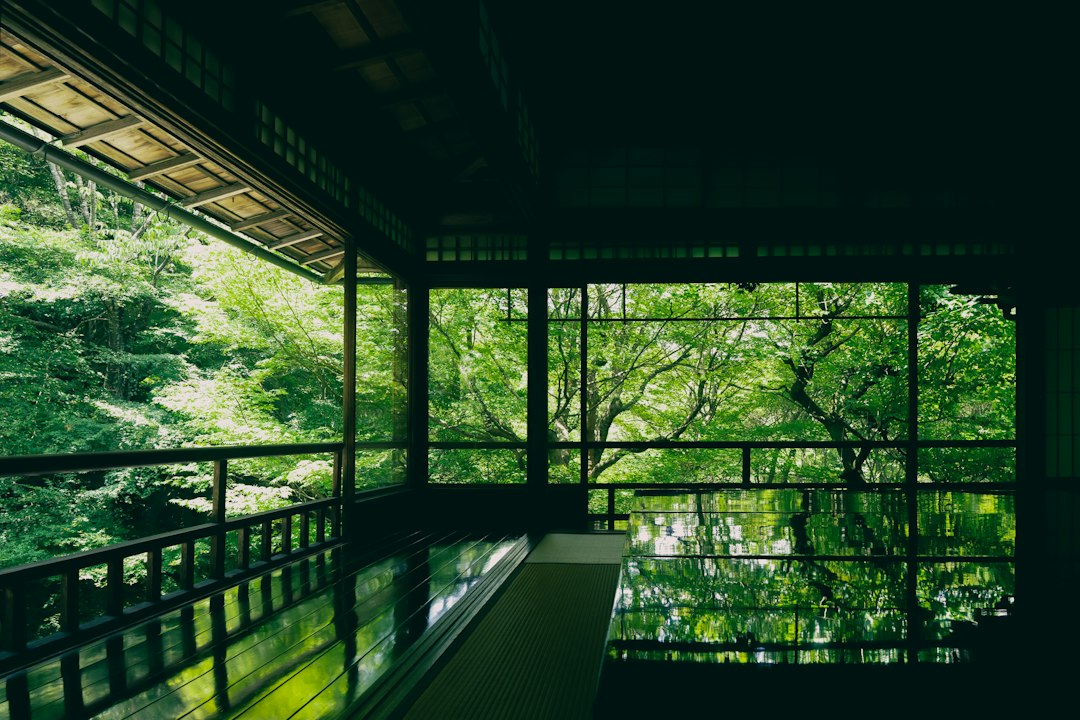
The café occupies a renovated tea factory at the back of the property. Seating looks onto a garden, and the Kyoto city tourism office describes a pine tree on the site as around 250 years old and listed among Uji’s hundred notable trees. In late spring and early summer the garden is at its greenest, which suits a tea house better than cherry blossom does.
The front of the property is the tea shop. It is worth walking through even if you are only there for the café, because it gives you a sense of how many grades of matcha, gyokuro, and sencha a serious tea merchant keeps. Staff will explain the differences if you ask.
Hours, Queues, and the Waiting List
The shop and café are both listed as open from 10:00 to 17:30. Café reception closes at 16:00 and last orders are at 16:30, and the store notes that it may stop taking guests earlier on busy days. Café seats cannot be reserved in advance.
That last point shapes everything. On weekends, public holidays, and through the autumn leaf season, the wait at the honten can run from one hour to several. Visitors report a waiting-list system in which you register at the entrance and check your turn by phone, which frees you to walk around Uji instead of standing in line.
Our advice is plain: arrive at opening, register first, and then go and see Byodo-in. The temple is about ten minutes away on foot. By the time you have walked its pond and come back along the river, your table is often close to ready. Arriving at 13:00 on a Saturday and hoping for the best is how people end up eating lunch at three.
Getting There From Kyoto
From Kyoto Station, the JR Nara Line reaches JR Uji Station in about 20 minutes on a rapid train and closer to 30 minutes on a local. The main store is a one-minute walk from the station exit. The ride is covered by the Japan Rail Pass.
The Keihan Uji Line is the alternative if you are staying near Gion or Sanjo. Keihan Uji Station sits across the river, about ten minutes’ walk from the main store over Uji Bridge.
Expert Tip
If you are visiting in November, go on a weekday and get to the main store before 10:00. Weekends during the autumn leaf season are when the reports of three- and four-hour waits come from, and weekday mornings are consistently the calmest window. If you can only go on a weekend, register at the honten first and treat Byodo-in as the thing you do while you wait, not after.
What to Order at Nakamura Tokichi
Most people order the same two or three things, and in this case the crowd is mostly right.
Nama Cha Jelly
The dish Nakamura Tokichi is known for is its tea jelly, sold as nama cha jelly. It is soft, loosely set matcha jelly, served with traditional Japanese accompaniments that vary by branch and season. A hojicha version uses roasted green tea and tastes deeper and less grassy.
The texture is the point. It barely holds its shape, and the bitterness of the tea arrives before any sweetness does. At the main store it comes in a bamboo cup, a presentation the Kyoto tourism office describes as exclusive to the honten. If you order one thing, order this.
The Parfait, the Soba, and a Proper Bowl of Tea
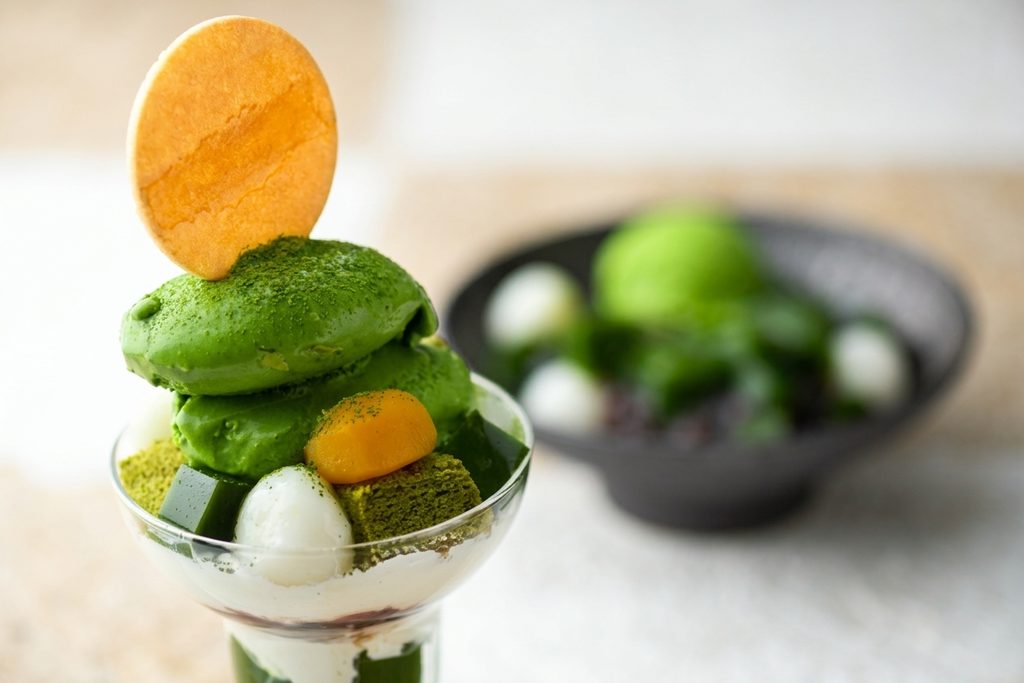
The Maruto Parfait, named after the company’s trade mark, is the more elaborate option: layers of matcha components built up in a tall glass. It is rich, and for most people it is a dessert rather than a lunch.
For something savoury, the main store serves soba, including a green tea soba set. Order it if you are arriving close to midday and want a real meal. Noodle orders can close earlier than the dessert menu, so check at reception if you are arriving mid-afternoon.
We would also argue for ordering a bowl of matcha on its own, alongside whichever sweet you choose. Dessert matcha is designed to be pleasant. A bowl of properly whisked tea tells you what the merchant actually sells, and it is the better introduction to Uji. If you are curious about how matcha is served in a formal setting, our guide to tea ceremony etiquette covers the basics.
Buying Tea to Take Home
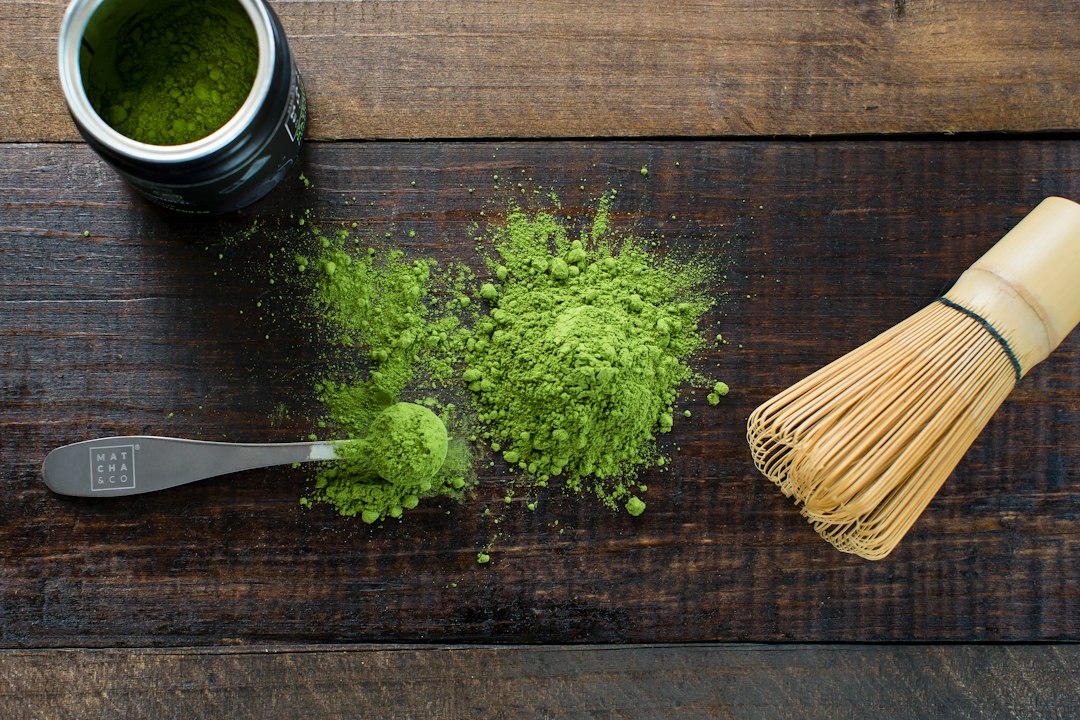
The shop at the front sells matcha in several grades, along with gyokuro, sencha, hojicha, genmaicha, and a house blend called Nakamura-cha. For most visitors, a small tin of mid-grade matcha is the right purchase. The top grades are meant for koicha and are wasted on lattes.
Matcha loses aroma quickly once opened. Buy the smaller size, keep it sealed and cool, and use it within a few weeks rather than saving it for a special occasion. For more on choosing tea and sweets as gifts, see our guide to authentic Japanese souvenirs.
The Byodoin Store and the City Branches
Nakamura Tokichi has several shops in Kyoto and others in Osaka and Tokyo. They are not interchangeable, and choosing the right one depends on how much time you have.
Byodoin Store: The Quicker Option
The Byodoin store opened in 2006 on the approach road to Byodo-in, a short walk from Uji Bridge. It runs as a self-service café with a tea shop and takeaway counter, open 10:00 to 17:00 with last orders at 16:30. Like the main store, it takes no reservations.
Self-service means you find a seat before ordering, and turnover is faster. When the honten wait is past two hours, this is where we point people. You lose the old factory and the garden, but you keep the tea, and you are already standing where you meant to go next.
Kyoto Station and Beyond
The Kyoto Station store is on the third floor of JR Kyoto Isetan, in the restaurant area next to the JR west exit gate. Its café is open from 11:00 until 22:00, with last orders at 21:00, which makes it the most practical branch for anyone who never gets to Uji.
In practice, this is the branch we suggest for the evening before an early Shinkansen, or for the hour after a Gion dinner when most cafés in central Kyoto have closed. There is also a Shijo store in the city centre, and branches in Osaka and in Tokyo’s Ginza and Azabudai. All of them are useful. None of them are the reason to use the name “Nakamura Tokichi” in the same sentence as “Uji”.
Building a Day Around It
A morning in Uji pairs well with the rest of Kyoto’s food. Uji gives you the tea. The city gives you everything else, from the pickle and tofu stalls of Nishiki Market in the afternoon to the izakaya of Gion and Pontocho after dark.
On our Nishiki Market walk, the guide leads you through seven tastings at stalls chosen rather than queued at. Travelers who spent the morning in Uji tend to find the contrast useful: one day, two very different ways Kyoto eats.
Expert Tip
Uji works best as a morning. Take an early JR Nara Line train, register at the main store at opening, see Byodo-in, eat, and be back in central Kyoto by early afternoon. That leaves the rest of the day for the city, and it keeps you out of Uji during the hours when day-trip crowds arrive from Kyoto and Osaka.
Nakamura Tokichi: Frequently Asked Questions
Can you make a reservation at Nakamura Tokichi?
No. The main store and the Byodoin store both state that café seats cannot be reserved. The main store instead operates a waiting list on the day, so the practical strategy is to arrive at opening, register, and use the waiting time to see the rest of Uji.
Is the Kyoto Station branch as good as the Uji main store?
The tea and sweets are of the same standard, and the Kyoto Station branch has much longer hours. What you lose is the setting: the historic buildings, the garden, and the former tea factory. If you have half a day, go to Uji. If you have an hour before a train, the station branch is a sensible substitute.
How long should I plan for a visit to Uji?
Allow at least half a day. The train from Kyoto takes about 20 minutes each way, the café visit itself takes around an hour, and Byodo-in and a walk along the Uji River take another hour or two. Add waiting time on weekends and in autumn.
Related Tours



Conclusion
Nakamura Tokichi is popular for good reasons, and the queue is not a sign that the place has been hollowed out by attention. The tea is serious, the buildings are real, and the nama cha jelly holds up to its reputation. The only thing that goes wrong is timing.
Go on a weekday if you can, reach the main store before 10:00, and register before you do anything else in Uji. If the wait is long, walk to the Byodoin branch or accept that the Kyoto Station store will do. And buy a small tin of matcha on the way out, because the version you make at home a week later is how you will remember the place.
Plan Your Japan Trip with Local Experts
Our team has guided 40,000+ travelers across Japan. Tell us about your trip and we’ll get back to you within 24 hours.