In this article:
- Decoding Sake Classifications
- Temperature and Flavor
- Best Tasting Experiences
- Vessels and Pouring Etiquette
- Food Pairings and Brewery Tours
- Sake Tasting: Frequently Asked Questions
Introduction of
Many visitors’ experience of sake begins and ends with a small cup of something warm at a sushi restaurant. That is a shame, because sake has as much range as wine — dry to sweet, fragrant to earthy, served ice-cold or gently warmed, each grade and region telling a different story.
You do not need to become an expert to enjoy tasting your way through it. A little vocabulary and a few good tasting spots open the whole thing up. Here is where to start.
Decoding Sake Classifications
The labels look daunting but follow a simple logic once explained.
Junmai and Non-Junmai
The first divide is junmai, meaning “pure rice” — sake made with only rice, water, yeast, and koji — versus styles with a small amount of distilled alcohol added. Neither is better; added alcohol can lighten and lift aromas, while junmai tends to be fuller and more rice-forward. It is a matter of style, not quality.
Polishing Ratios
The other key is how much the rice is polished before brewing. More polishing generally means a more refined, fragrant sake: honjozo and junmai are less polished, ginjo more so, and daiginjo the most, yielding delicate, aromatic brews. The polishing ratio on the label tells you roughly what to expect.
Special Styles
Beyond the grades, look for namazake, unpasteurized sake that is fresh and lively, and nigorizake, a cloudy, unfiltered style that is often sweeter and richer. These special brews add variety worth seeking out once you know the basics.
Temperature and Flavor
Chilled vs. Warmed
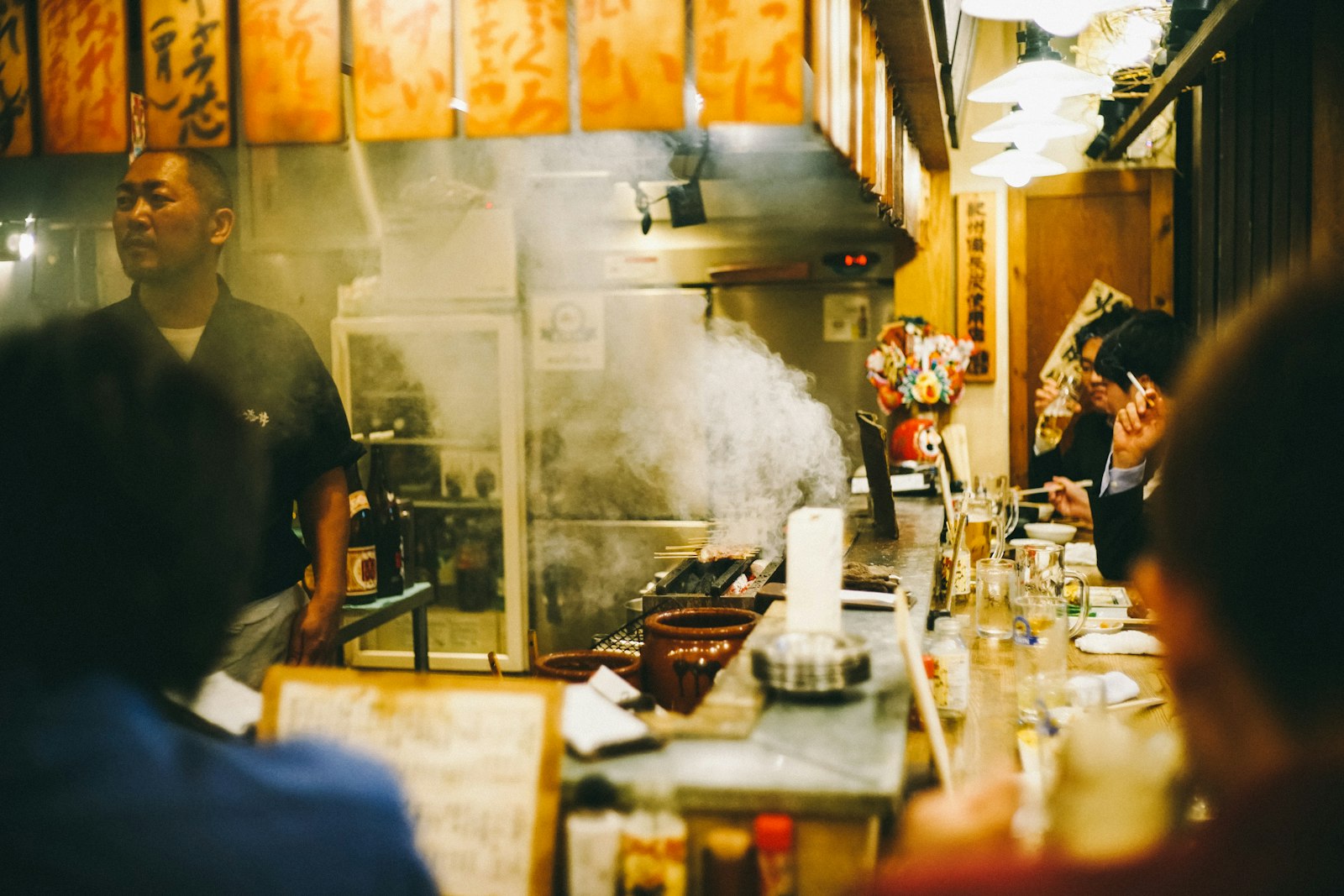
Temperature changes sake dramatically. Served chilled (hiya), fragrant sakes show their crisp, fruity side; served warmed (atsukan), fuller styles open up into rounder, deeper flavors. The same bottle can taste like two different drinks, so experiment with temperature to find what you like.
Dry vs. Sweet
Sake ranges from dry (karakuchi) to sweet (amakuchi), often indicated by the Sake Meter Value (nihonshudo) on the label — positive numbers drier, negative sweeter. It is a rough guide, but a useful one when choosing. Tell a tasting bar whether you prefer dry or sweet and they will steer you well.
The Aroma Spectrum
Aroma spans from bright and fruity — think apple, pear, melon in the fragrant ginjo styles — to earthy and rice-forward in fuller junmai. Neither is superior; they suit different moods and foods. Smelling before sipping is half the pleasure.
Best Tasting Experiences
Self-Pour Sake Bars in Tokyo
Tokyo has self-pour tasting bars — the KURAND Sake Market chain is a well-known example — where a set fee gives you free rein over a hundred or more craft sakes to pour and compare yourself. For a fun, low-pressure crash course in the breadth of sake, it is hard to beat.
Fushimi in Kyoto
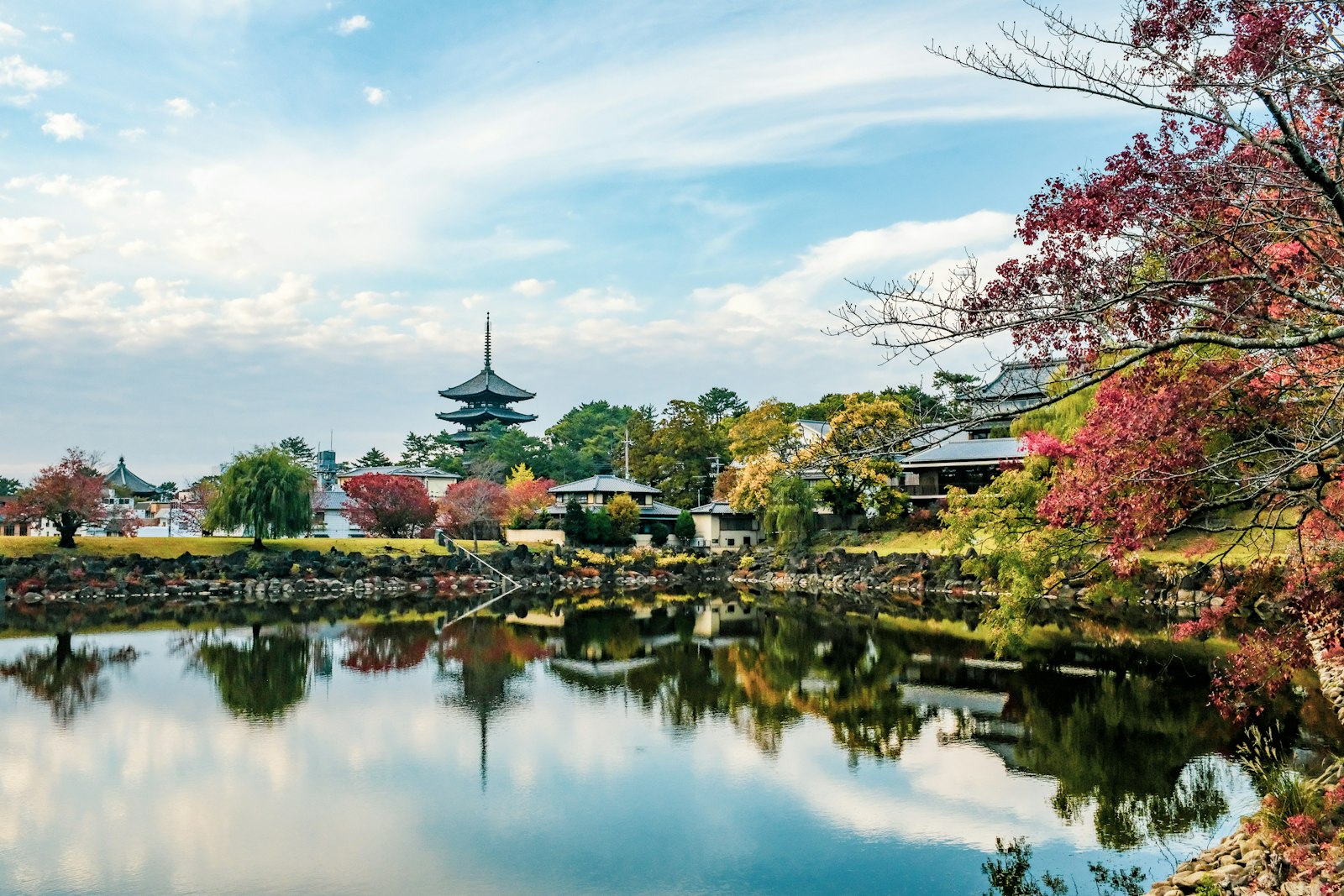
Kyoto’s Fushimi district is one of Japan’s great sake regions, its historic breweries lining old canals, many with tasting rooms and museums. Walking Fushimi, tasting as you go, pairs the drink with the atmosphere of the place that makes it. It is a lovely half-day.
Nada near Kobe
The Nada district near Kobe is Japan’s largest sake-producing area, home to major, historic breweries you can visit and taste at. For serious sake interest, Nada offers a look at the industry at its most significant scale.
Vessels and Pouring Etiquette
Cups and Flasks
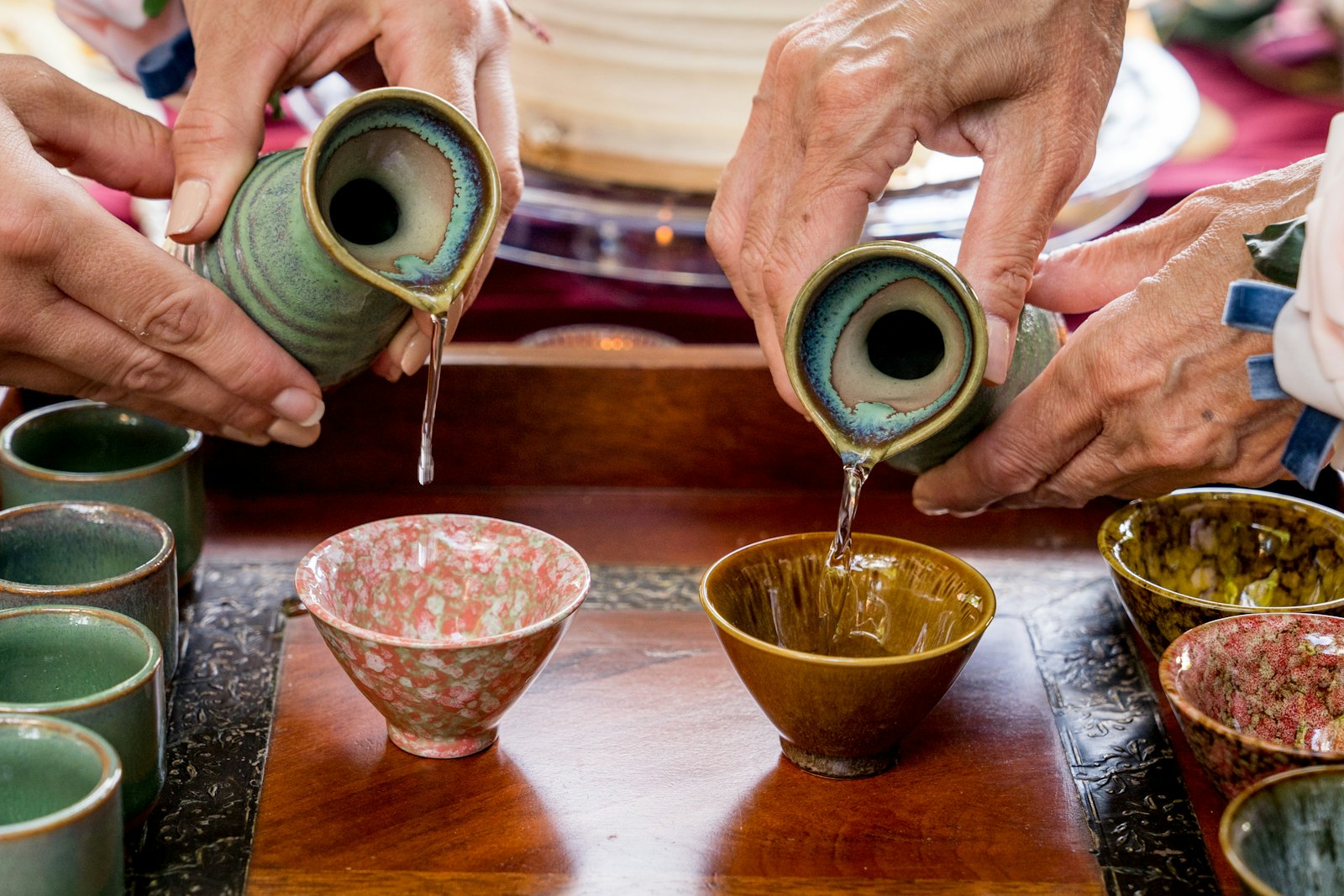
Sake is traditionally served from a small flask (tokkuri) into little cups (ochoko), or poured into a glass set in a wooden masu box and filled to overflowing as a gesture of generosity. Each vessel is part of the ritual, and the overflowing masu pour is a small, memorable flourish.
Pour for Others First
The key etiquette: pour for your companions, not yourself, and let them pour for you. Keeping an eye on others’ cups and refilling them is a courtesy at the heart of Japanese drinking culture. Filling your own cup is considered a little graceless in company.
Receiving a Pour
When someone pours for you, lift your cup slightly toward them, ideally with a hand supporting it, to receive graciously. It is a small gesture of respect and thanks. Return the courtesy by keeping their cup topped up in turn.
Food Pairings and Brewery Tours
Pairing Sake with Food
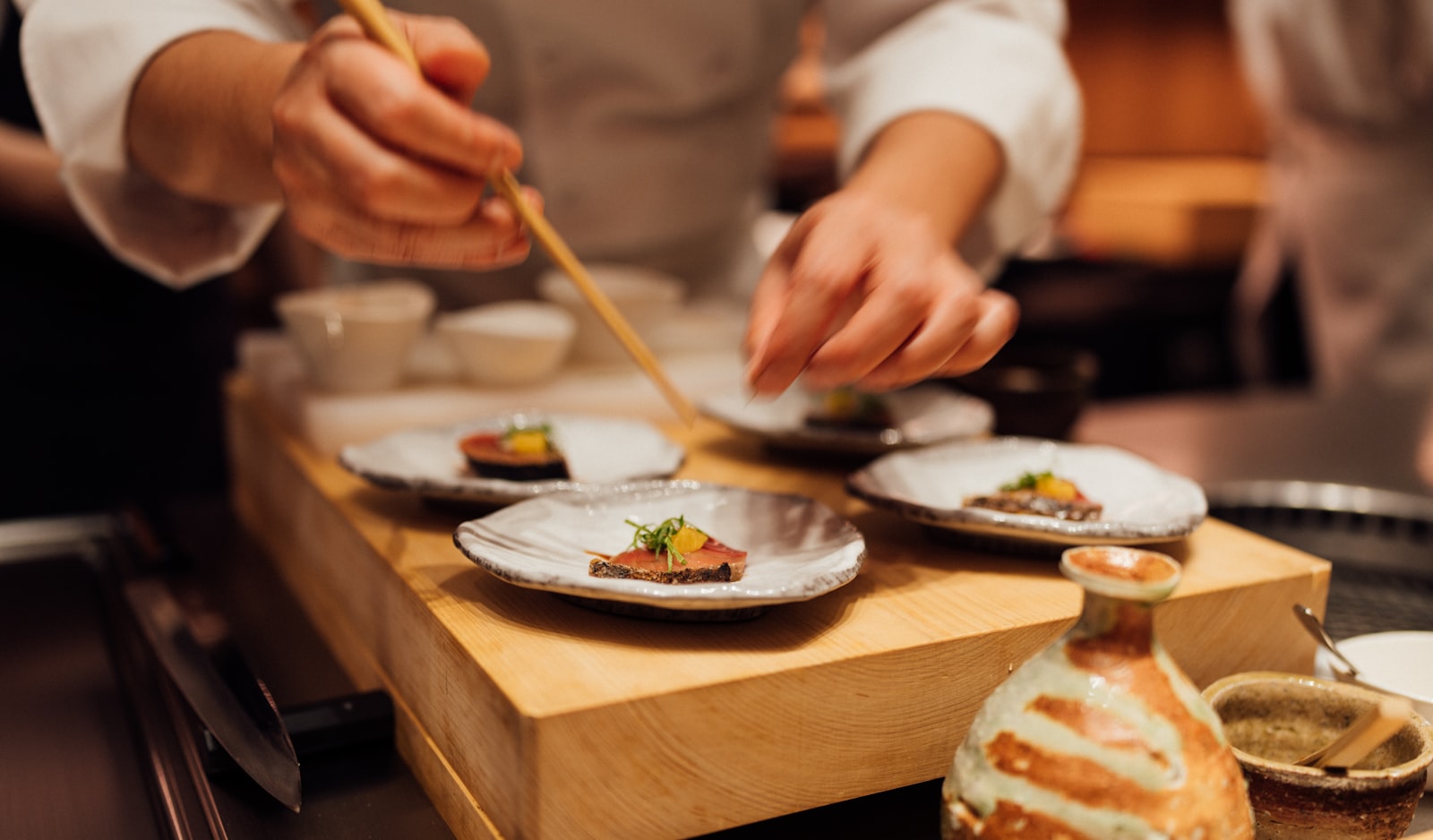
Sake is wonderfully food-friendly: crisp dry styles with sashimi, richer sakes with grilled yakitori, and some fuller brews even with aged cheeses. Because it is lower in acidity than wine, it flatters delicate Japanese flavors rather than overwhelming them. Ask for a pairing and let the sake guide the meal.
Brewery Tours
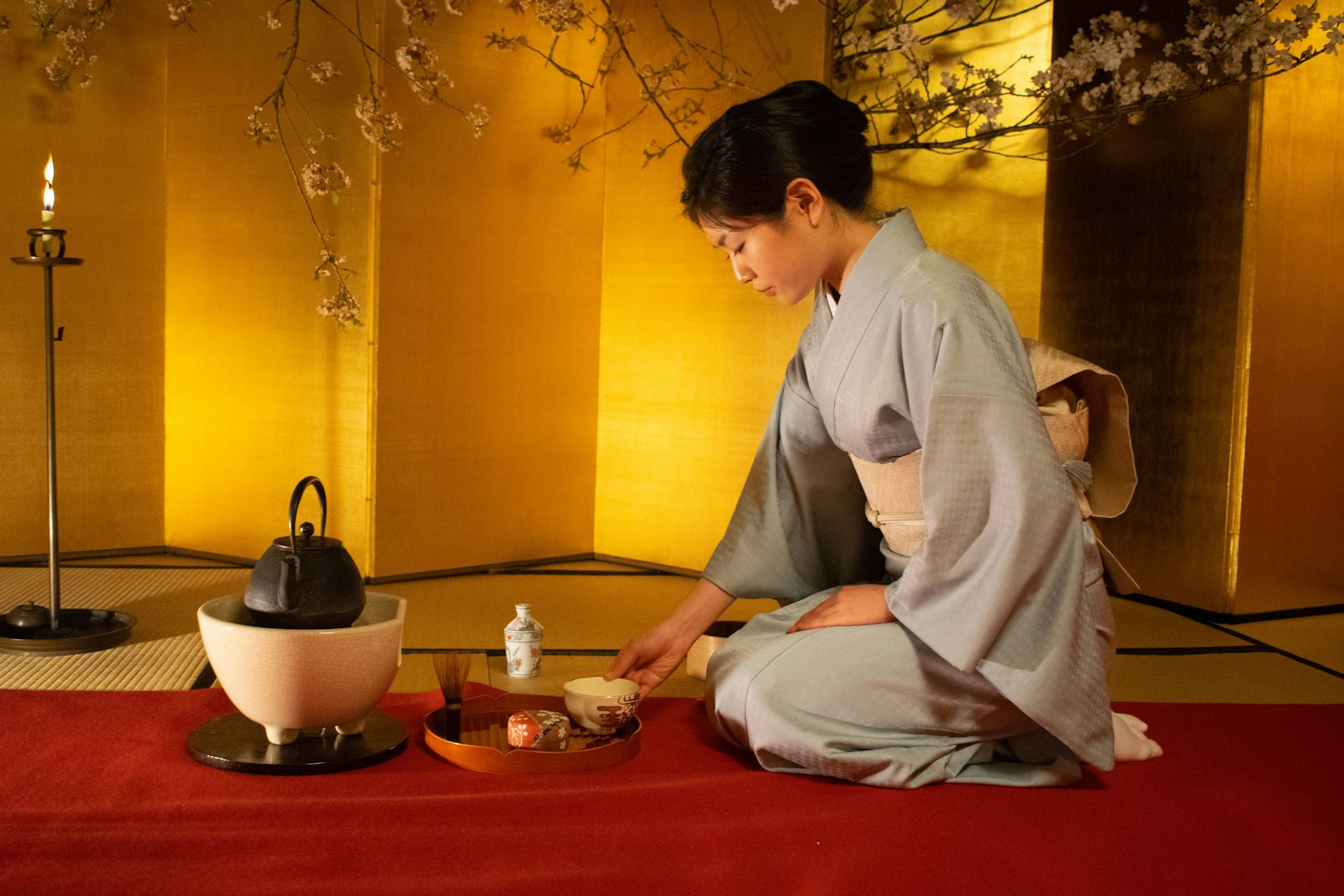
Visiting a working brewery (sakagura) lets you see the fermentation process and hear from the brewers (kuramoto) themselves, deepening your appreciation of the craft. Many offer tastings, and standing where the sake is made adds meaning to every later cup.
Buying Bottles
Sake makes an excellent souvenir, and specialty shops and breweries sell bottles you will not find at home. Pack them carefully for the flight — wrapped and cushioned in checked luggage — and note customs allowances for bringing alcohol home.
Expert Tip
Start your tasting with a self-pour sake bar before visiting a brewery or ordering at a restaurant. An hour comparing a dozen styles side by side teaches you your own preferences — dry or sweet, fragrant or earthy, chilled or warm — faster than any guide can. Armed with that, you can order confidently anywhere for the rest of your trip, and a brewery visit or a kaiseki pairing means far more.
Sake Tasting: Frequently Asked Questions
What is the alcohol content of sake? Most sake is around 15% ABV, a little stronger than most wine, though it varies by style, with some lower-alcohol and undiluted (genshu) versions higher. Sip and pace yourself accordingly.
How do I read a sake label? Look for the grade (junmai, ginjo, daiginjo), the polishing ratio, and the Sake Meter Value for dry-versus-sweet. Even without full Japanese, these markers tell you a lot; staff at tasting bars can translate the rest.
Can I ask for warm sake at a high-end restaurant? Yes, though at top sushi and kaiseki places the chef may serve a particular sake at a specific temperature for a reason. It is fine to state a preference, but also worth trying it as intended, since temperature is chosen to suit the brew.
Related Tours
Conclusion
Sake is one of the great pleasures of Japan, and it opens up the moment you learn a little of its language — the grades, the temperatures, the regions. Taste widely, note what you like, and pour for your companions before yourself.
Plan Your Japan Trip with Local Experts
Our team has guided 40,000+ travelers across Japan. Tell us about your trip and we’ll get back to you within 24 hours.