In this article:
- Two Winters in One Country
- Shaping a Winter Itinerary
- The Winter Calendar: Dates That Change the Plan
- Cold-Weather Practicalities
- Japan Winter Trip: Frequently Asked Questions
Introduction
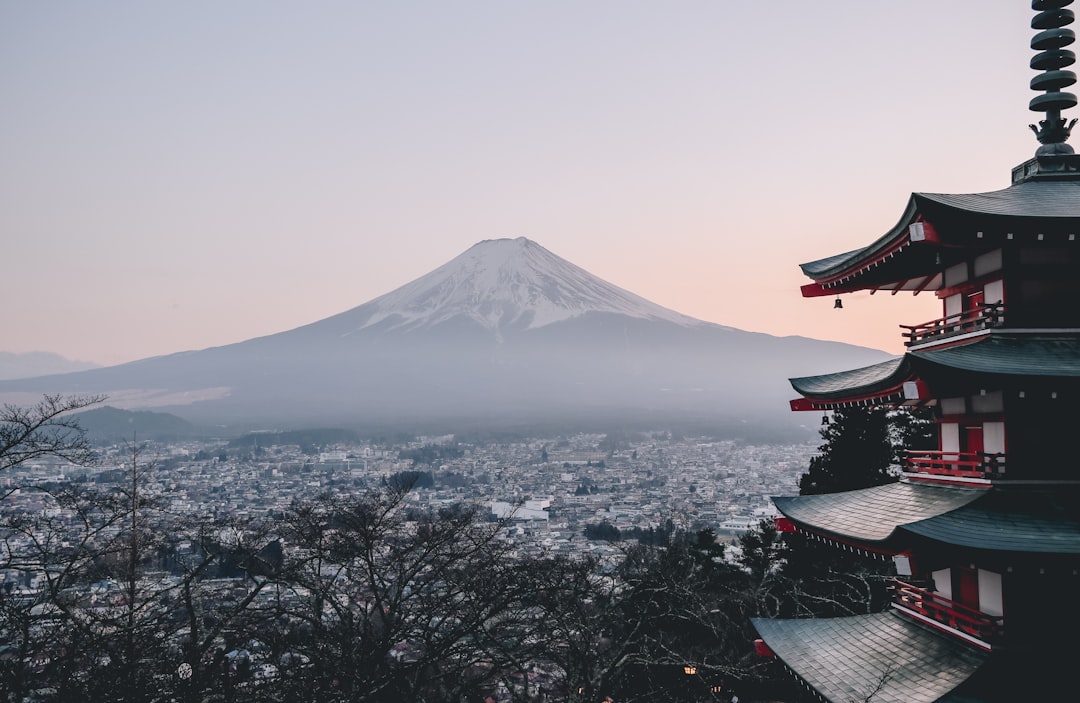
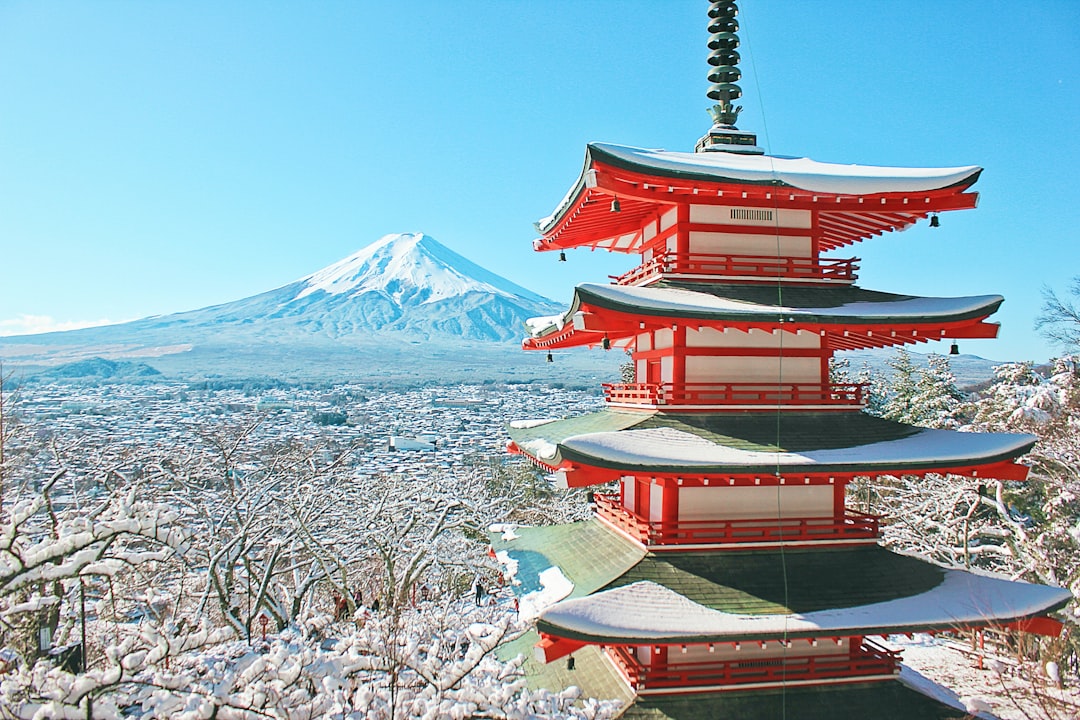
Most people planning a Japan winter trip picture one thing: snow. What they find on arrival in Tokyo is something else. The sky is a hard, clean blue, the air is dry, and on a clear January morning Mount Fuji sits on the horizon from the upper floors of city office towers.
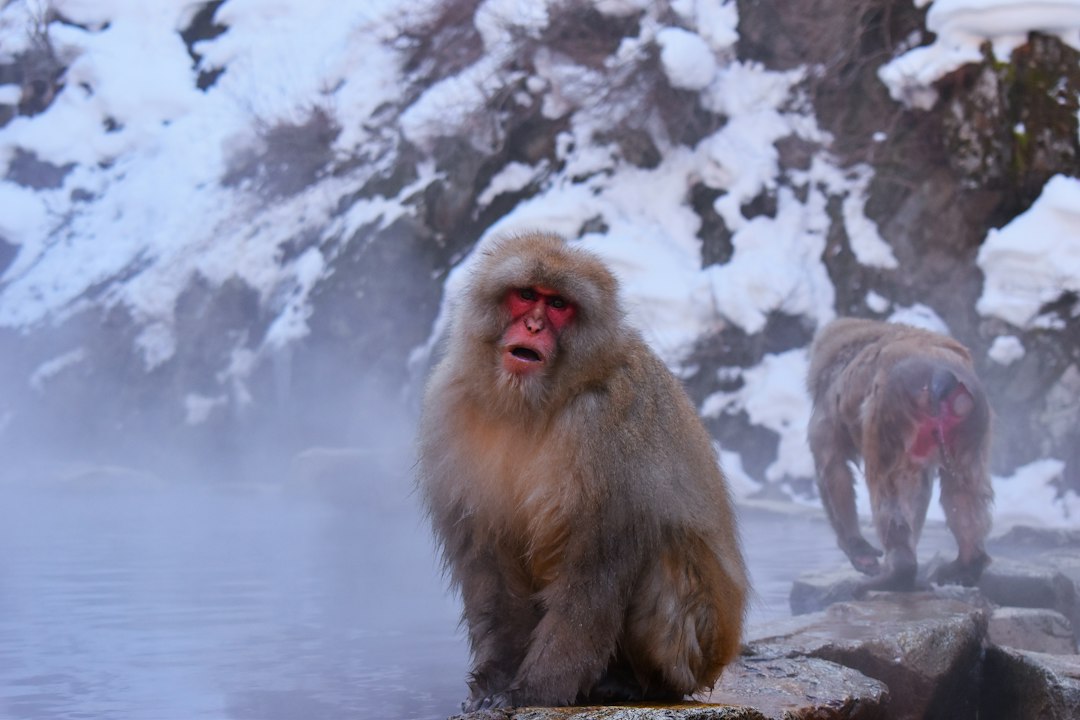
The snow is there. It is on the other side of the mountains, a two-hour train ride away, and in some places it falls almost every day from December to February. That split is what makes winter the most rewarding season to plan carefully. A single trip can take in temples with almost no queues, a hot spring bath under falling snow, and wild monkeys steaming in a pool in the Nagano hills.
We run private tours through the winter in both Nagano and Hokkaido, and the travelers who enjoy it most are the ones who built their route around the weather and the calendar rather than against them. What follows is how we would plan it.
Two Winters in One Country
Japan’s winter depends almost entirely on which side of the central mountains you are standing on.
Cold air moves in from the Asian continent across the Sea of Japan, picks up moisture, and drops it as snow when it hits the mountain spine running down the main island. By the time the same air reaches Tokyo, Nagoya, and Osaka, it is dry. The result is two winters a few hours apart.
The Pacific Side: Cold, Dry, and Clear
Tokyo, Kyoto, and Osaka are cold in winter but rarely snowy. Days are frequently sunny, and when snow does fall in central Tokyo it is an event that makes the evening news.
For sightseeing, this is excellent weather. Photographs are sharp, gardens are empty, and walking all day in a good coat is comfortable. Kyoto is the colder of the two, with a damp chill in its basin that locals complain about every year. Still, a light dusting on the roof of Kinkaku-ji happens a few times a winter, and it is worth an early alarm if the forecast suggests it.
The Japan Sea Side and the Alps: Where the Snow Falls
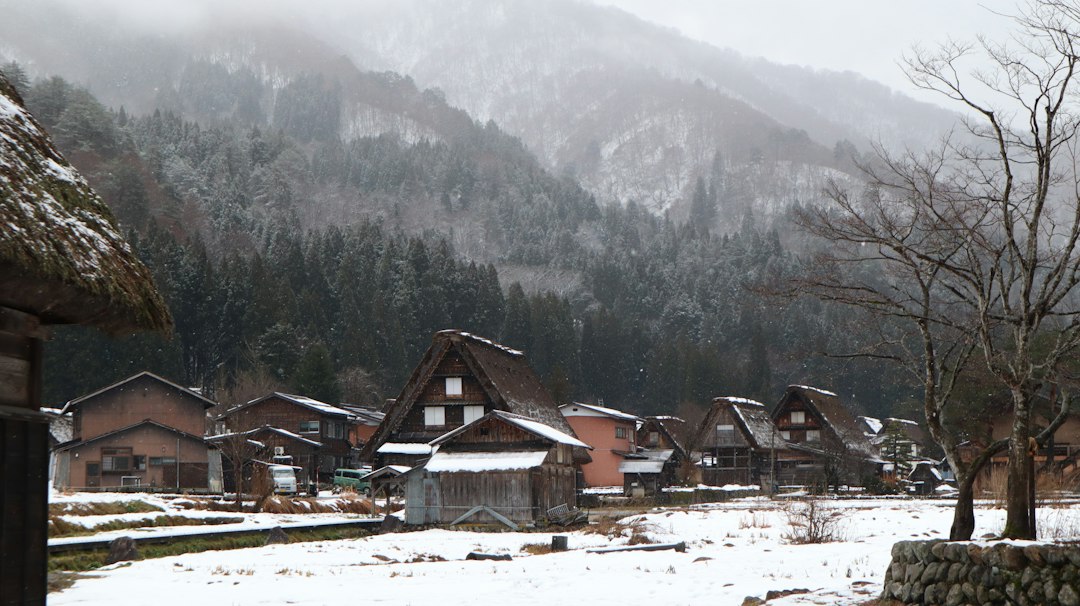
Cross the mountains and the landscape changes completely. Niigata, the northern Nagano valleys, the Hida region around Takayama, and the villages of Shirakawa-go sit under heavy snow for much of the season.
This is the Japan of the winter photographs: farmhouses with steep thatched roofs buried to the eaves, onsen towns with gas lamps reflected in wet snow, ski resorts such as Hakuba and Nozawa Onsen. It is also where travel takes more time. Roads close, local buses thin out, and a two-night stay works far better than a day trip.
Hokkaido: A Climate of Its Own
Hokkaido is colder, drier, and snowier than anywhere on the main island. The powder snow at Niseko and Furano is famous among skiers for good reason, but Sapporo itself is a full city, with a subway, underground shopping streets, and seafood brought in from three surrounding seas.
In our experience, travelers underestimate the cold here more than anywhere else. Sapporo in late January is a different proposition from Tokyo, and the guidance we give on footwear below applies here first.
Shaping a Winter Itinerary
The strongest winter routes pair one or two clear-weather cities with one or two snow regions. A two-week trip we often suggest looks like Tokyo, a night or two in Nagano or the Alps, Kyoto, and then a flight north to Sapporo at the end.
Which snow region you choose matters less than giving it enough time. For month-by-month detail, our guide to visiting Japan in January covers the heart of the season.
Tokyo and Kyoto in Their Quietest Weeks
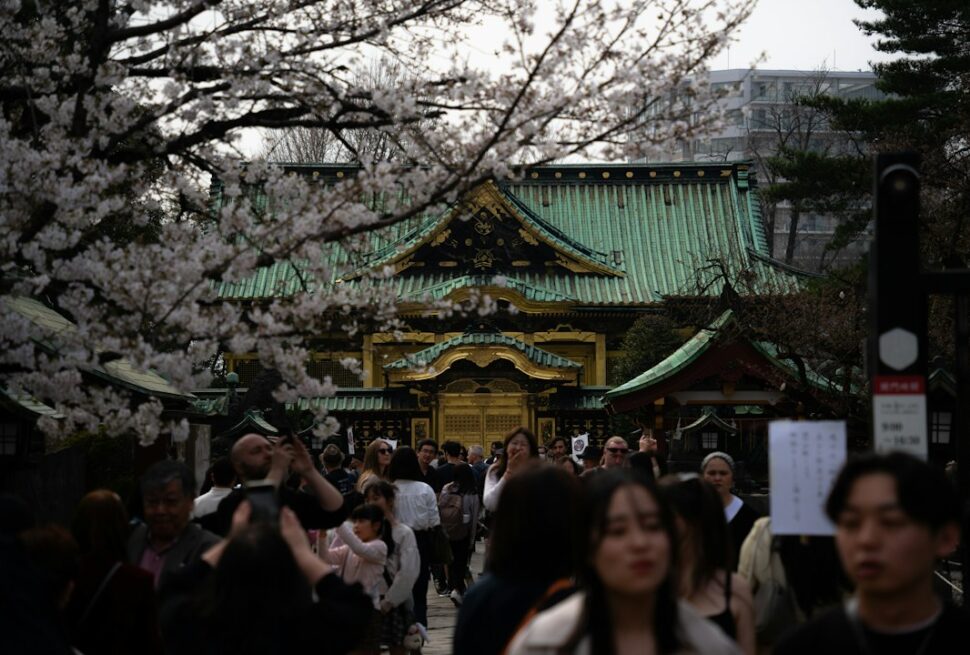
From early January to the end of February, outside the New Year holiday itself, the big cities are at their most manageable. Fushimi Inari before breakfast, the moss gardens of Kyoto, the museums of Ueno: all feel less pressured than they do in spring or autumn.
We recommend using these weeks for the places that are hardest to enjoy in peak season. Kyoto temples that are shoulder to shoulder in November can be close to empty on a weekday morning in February. That quiet is the main argument for a winter trip, and it rarely makes the brochures.
Nagano: Snow Monkeys and Zenko-ji in One Day
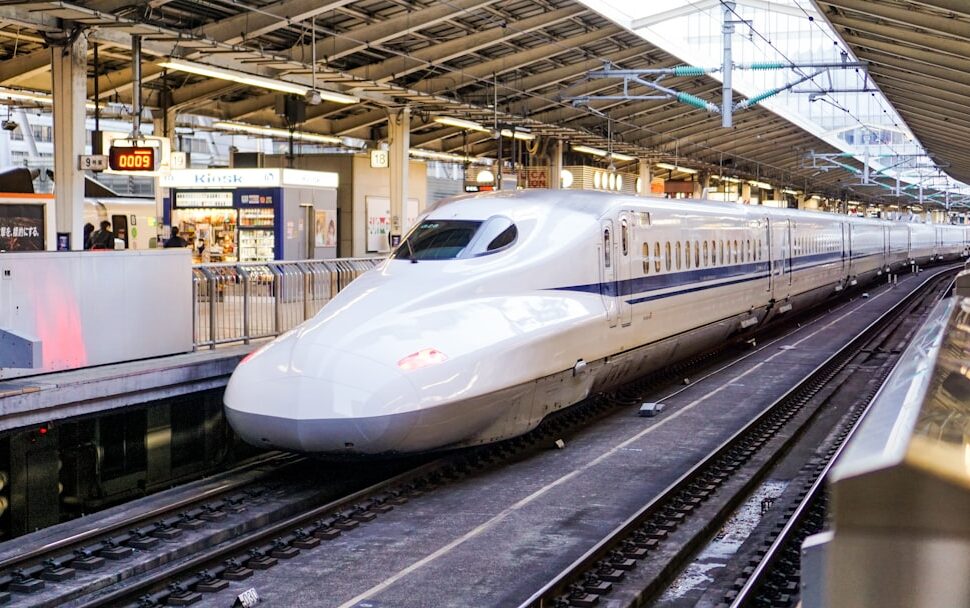
Nagano is the most accessible snow country from Tokyo, around ninety minutes by shinkansen. Two things bring most visitors here.
The first is Jigokudani, where wild Japanese macaques began using a hot spring in the 1960s. They are unfenced and walk past you on the path, entirely indifferent. Reaching them means a walk of around a kilometre and a half each way through woodland, uphill in places and packed with snow in winter. It takes about half an hour, and it is part of why the valley has kept its atmosphere. Our guide to the Jigokudani snow monkey park covers the walk and the rules in detail.
The second is Zenko-ji, founded in the seventh century, before Japanese Buddhism split into the sects that run most other temples. It belongs to no single one of them. Beneath the main hall is a passage in complete darkness where visitors feel along the wall for a key. On our private day trip from Tokyo, the guide handles the trains and the timing and fits in a bowl of Nagano soba between the two.
Sapporo and Hokkaido Beyond the Ski Resorts
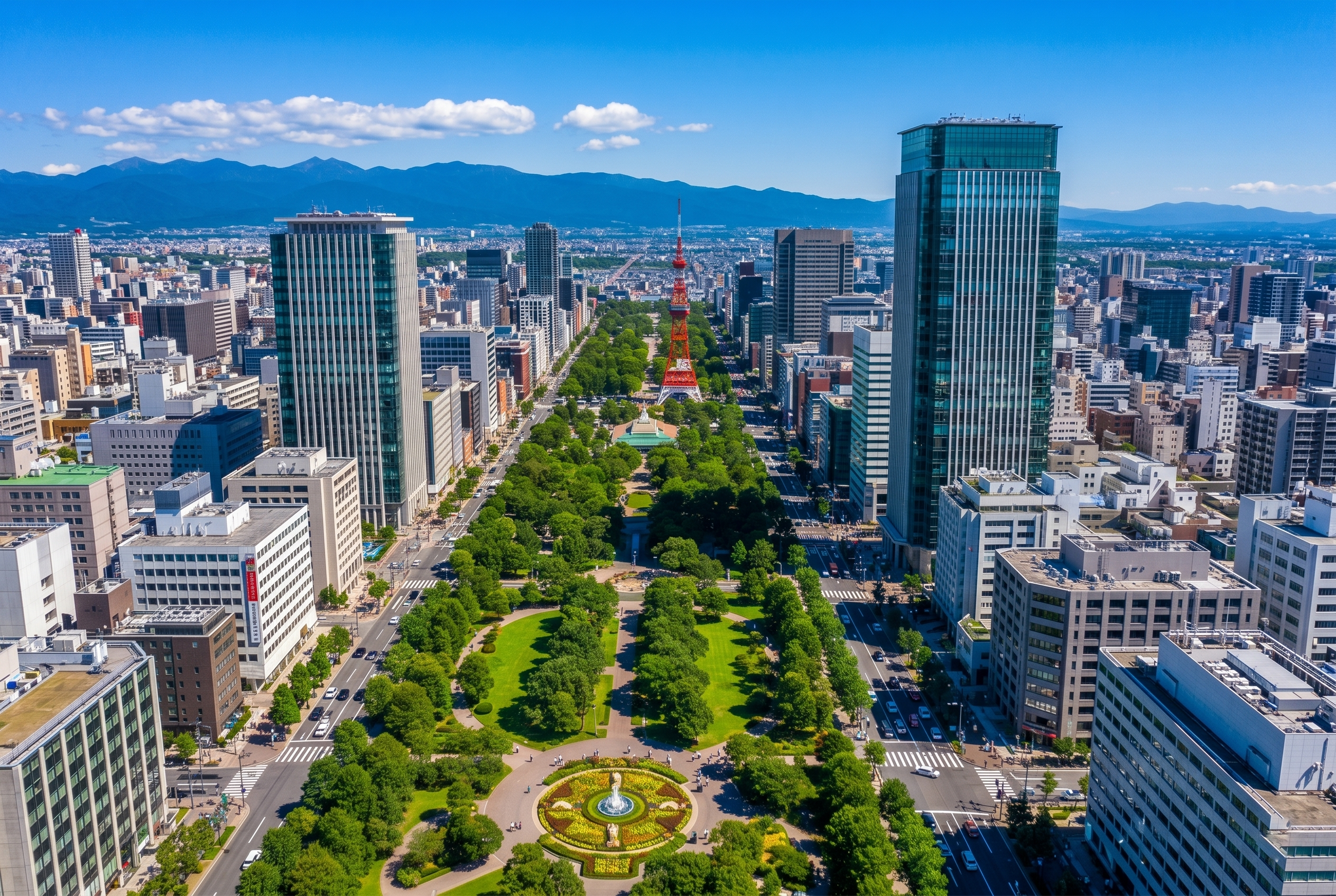
Sapporo was planned rather than grown. In 1869 the new government laid it out on a numbered grid to develop Hokkaido, which is why its streets are wide and straight and its Clock Tower is a New England-style wooden building.
Non-skiers often wonder whether Hokkaido is worth the flight. We think it is. Hokkaido Shrine sits in the snowy woods of Maruyama Park, the Sapporo Beer Museum occupies the original brick brewery, and the Mount Moiwa ropeway rises to a view over the whole lit grid after dark. Miso ramen was born here, and Nijo Market sells crab and sea urchin from the surrounding seas. When we plan a private Sapporo day in winter, we usually finish on Moiwa, because the city looks best at night and sunset comes early.
Snow Villages That Now Require Booking
Some of the most photographed winter places in Japan have introduced controls in recent years, and a spontaneous visit is no longer realistic.
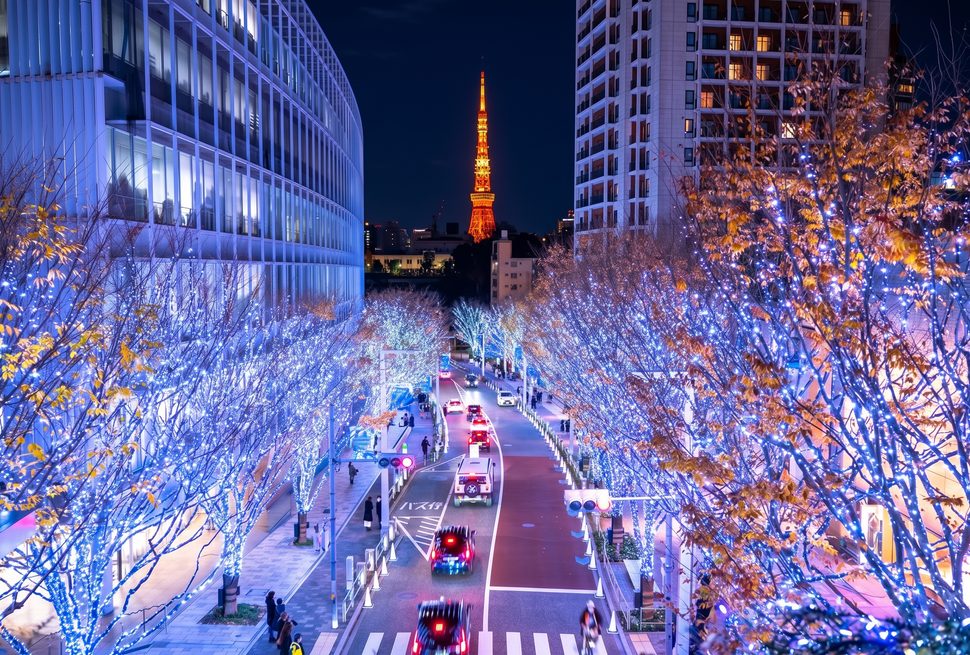
Shirakawa-go’s winter light-up, when the gassho-zukuri farmhouses are illuminated against the snow, is by advance reservation only. For 2027 it runs on four January evenings, and the tourist association states that visitors without a reservation will not be admitted. Our article on visiting Shirakawa-go in winter explains the options, including staying overnight.
Ginzan Onsen in Yamagata, the lamp-lit onsen street that circulates widely on social media, has capped evening day-visitor numbers in recent winters and required advance tickets. If either place is on your list, check the official sites in the autumn before you travel rather than in December.
Expert Tip
If you want a snow village without the reservation scramble, stay the night. Ryokan guests at Shirakawa-go and Ginzan Onsen see the place after the day visitors leave, which is when the light and the silence are at their best. Rooms go early, so treat the ryokan booking as the first thing you secure, before flights.
The Winter Calendar: Dates That Change the Plan
Winter in Japan has a few fixed dates that reshape everything around them. Plan these first and fit the rest of the route between them.
The New Year Shutdown
The New Year is the most important holiday in the Japanese year, and it is a family occasion rather than a party. Around the first three days of January many museums, smaller restaurants, and independent shops close. Trains and planes are full with people returning to their home towns, and hotel prices rise.
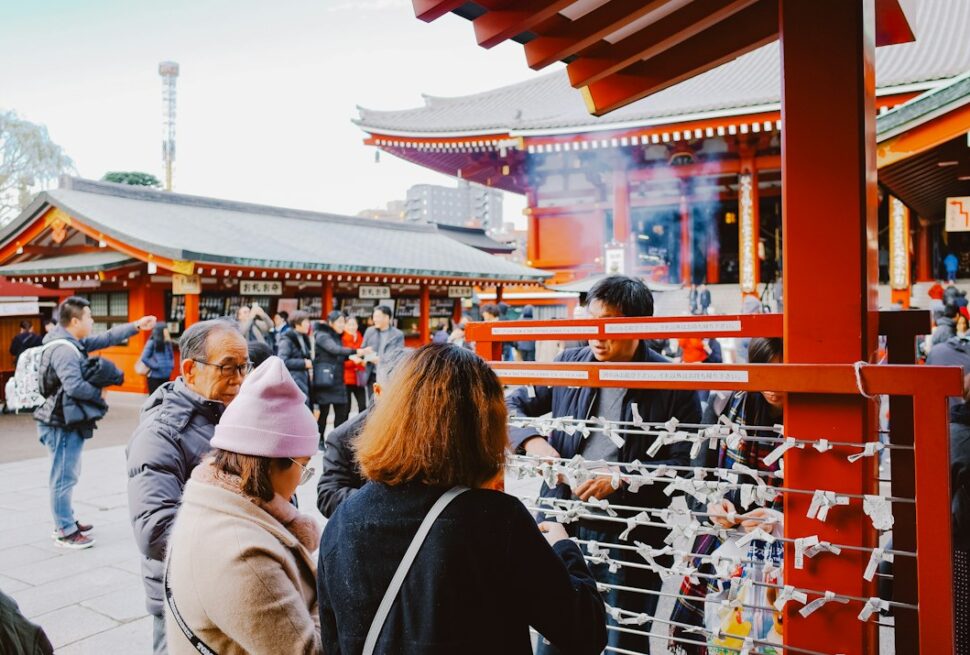
At the same time, shrines are at their most alive. Meiji Jingu in Tokyo and Fushimi Inari in Kyoto draw enormous crowds for hatsumode, the first shrine visit of the year. We would not avoid this period, but we would plan it deliberately: a slower few days, a ryokan, the shrine early, and restaurants booked in advance.
Snow Festival Week in Sapporo
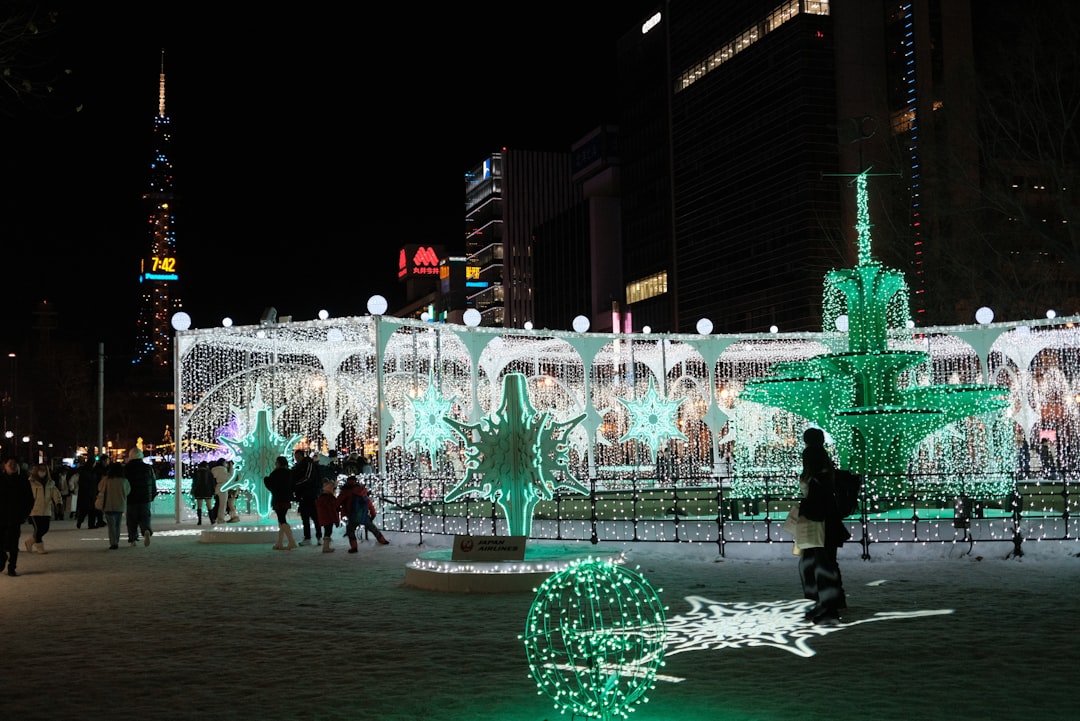
The Sapporo Snow Festival runs from 4 to 11 February 2027 across three sites: Odori Park, Susukino, and the Tsudome dome. Snow and ice sculptures line Odori Park for about a kilometre and a half, and the city fills.
Accommodation during festival week is scarce and expensive. If you want to see it, book Sapporo as soon as your dates are fixed. If you do not, avoid that week in Hokkaido entirely and enjoy a calmer, cheaper city in late January or late February instead.
Late February Into March
By late February, plum blossoms start to open in Tokyo and Kyoto while Hokkaido and the Alps are still deep in snow. This is an underrated window. You can walk a plum garden in the morning in a light coat and be in snow country the same evening.
The snow monkeys are in the valley year-round, but they bathe most in the coldest weeks. For the classic photographs, aim for January and February.
Cold-Weather Practicalities
Most winter problems we see are small ones: wet feet, a missed sunset, a train connection lost to snow. All of them are avoidable with a little planning.
Boots, Layers, and the Indoor Problem
Footwear matters more than anything else in your bag. In Sapporo from December to March the pavements ice over, and boots with real grip are essential. The path to Jigokudani is packed snow, and ordinary city shoes are not enough.
Layers matter because Japanese interiors are warm. Trains, department stores, and restaurants are heated well, so a single heavy coat over a thin shirt leaves you overheating indoors and cold outside. A thermal base layer, a light fleece, and a windproof shell work far better. Disposable heat pads, sold at every convenience store, are a small luxury that locals rely on.
Remember too that ryokan and temples involve taking your shoes off. Boots that lace up quickly will save you time many times a day.
Short Days
In December the sun sets in Tokyo before half past four, and earlier still in Sapporo. That shortens the sightseeing day more than most visitors expect.
Start early. Winter mornings are often the clearest part of the day, and temples and gardens open before the crowds arrive. Save the evenings for illuminations, a long dinner, and the onsen, which is where a winter day in Japan is meant to end.
Weather Delays and Building in Slack
The shinkansen is remarkably resilient in snow, but local lines, buses, and flights to and from Hokkaido are not immune. Heavy snowfall can cancel mountain buses or delay flights at New Chitose.
We advise against planning a tight connection on the final day, particularly a flight out of Sapporo on the day of an international departure from Tokyo. Leave a night in the city you are flying home from. It costs a little, and it removes the one scenario that genuinely ruins a trip.
Expert Tip
If you are combining Hokkaido with the main island, fly into Sapporo at the end of the trip rather than the start. Your body adjusts to the cold gradually over a week in Tokyo and Kyoto, and you arrive in Hokkaido already knowing which layers you actually wear. Book the domestic flight as an open-jaw where possible so you are not doubling back.
Japan Winter Trip: Frequently Asked Questions
Is winter a good time for a first trip to Japan?
Yes, and in some ways a better one than spring or autumn. The cities are quieter, the skies are clear, and hot springs, snow country, and winter food add experiences that other seasons do not offer. The main things to plan around are the New Year closures in early January and the short daylight hours.
How many days do I need to add Hokkaido to a winter itinerary?
Three nights is a sensible minimum for Sapporo with a half day in Otaru, which is around forty minutes away. If you want to ski at Niseko or Furano, or go further to the east of the island, allow five nights or more. Hokkaido is large, and winter roads slow everything down.
Can I see the snow monkeys as a day trip from Tokyo?
Yes. Nagano is around ninety minutes from Tokyo by shinkansen, followed by a bus and the walk in to the park, so it makes a full day of about nine hours. Many travelers pair it with Zenko-ji in Nagano city. Admission, transport, and lunch are paid on the day, so carry cash.
Related Tours


Conclusion
A good winter route in Japan is built from its fixed points outward. Decide first whether you want the New Year, the Snow Festival, or a Shirakawa-go light-up, because those dates decide your accommodation, and the accommodation decides everything else.
After that, the season does most of the work. Spend the clear days in the cities, give snow country at least two nights, and end each day somewhere warm. If you are starting to plan now, the reservations for the January light-ups and February festival week open in the autumn, and they are the first bookings to make.
Plan Your Japan Trip with Local Experts
Our team has guided 40,000+ travelers across Japan. Tell us about your trip and we’ll get back to you within 24 hours.