In this article:
- The Tohoku Summer Circuit
- The Obon Rush
- Beer Gardens, Kakigori, and Cold Noodles
- Heat and Typhoons
- Mountain Escapes
- Japan in August: Frequently Asked Questions
Introduction
August is the month we most often advise people against, and also the month with the single most spectacular thing in the Japanese festival calendar. Both statements are true and the resolution is geographic.
Tokyo, Kyoto, and Osaka in August are 35°C with humidity to match, and the middle of the month adds the Obon travel rush on top. Tohoku, in the first week, hosts a run of festivals that are on a scale nothing in the Golden Route can match, in weather several degrees cooler.
If you are coming in August, go north for the first week. That single decision changes the month completely.
The Tohoku Summer Circuit
Three major festivals fall within days of each other in early August, in cities linked by the Tohoku Shinkansen.
Aomori Nebuta Matsuri
From 2 to 7 August, enormous illuminated floats of mythological warriors — built on wire frames over washi paper, lit from within, some nine metres wide — are pushed through Aomori at night by teams of dozens.
Dancers called haneto leap alongside in costume, and anyone can join if they buy or rent the outfit. That participation is unusual among major Japanese festivals and is the reason to go rather than watch.
Akita Kanto Matsuri
From 3 to 6 August, performers balance kanto — bamboo poles up to twelve metres tall, hung with 46 paper lanterns and weighing around 50 kilograms — on their palm, forehead, shoulder, and hip.
They are lit with real candles. Watching a performer transfer a swaying twelve-metre pole from hand to forehead in a crowd is genuinely tense, and it is done by hundreds of people simultaneously along a closed street.
Sendai Tanabata
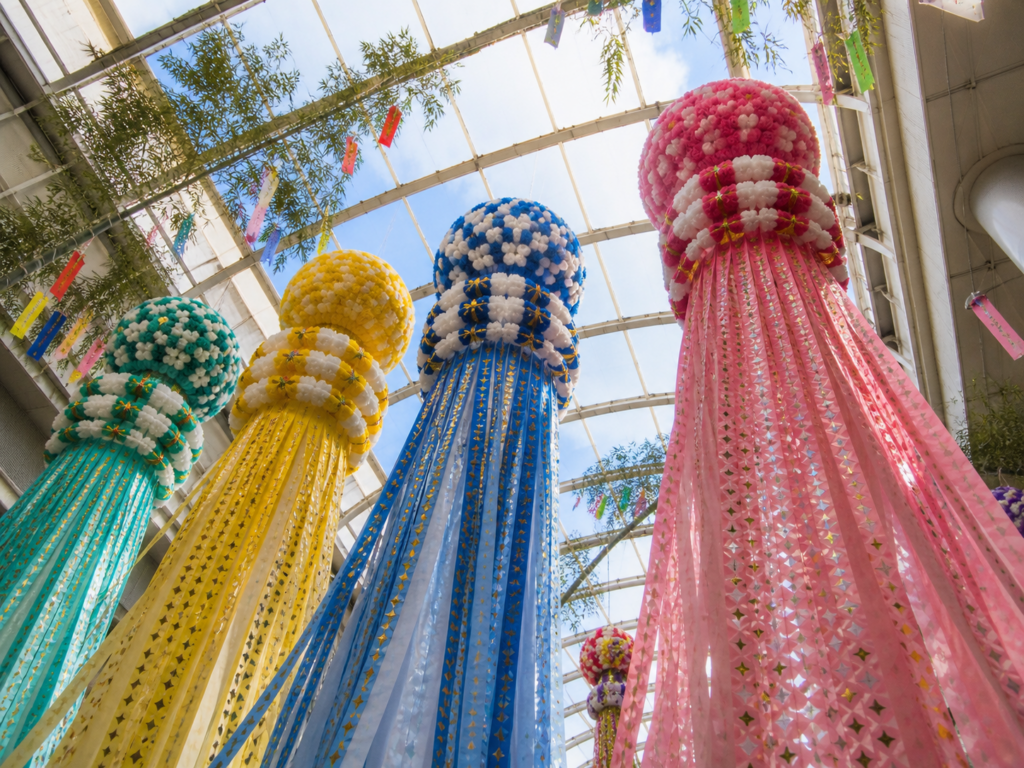
From 6 to 8 August, Sendai’s covered arcades are hung with thousands of streamers of handmade washi paper, some five metres long, replaced fresh every year.
It is the calmest of the three and the most photogenic in daylight. Roughly two million people attend across three days.
Expert Tip
The three festivals are deliberately staggered and the shinkansen links them, so the full circuit is doable in four nights: Aomori, Akita, Sendai. Accommodation in all three books out six months to a year ahead at inflated rates. If you are late, base in a nearby city — Hachinohe for Aomori, or Morioka as a central hub — and commute in.
The Obon Rush
Obon is the second of Japan’s two great domestic travel periods and it dominates mid-August.
What Obon Is
Obon is a Buddhist observance in which ancestral spirits are believed to return home, marked by family gatherings, grave visits, and bon odori dancing. It is generally observed 13 to 16 August.
It is not a public holiday in the formal sense, but most companies close, and essentially the entire country travels to its hometown at once.
The Practical Impact
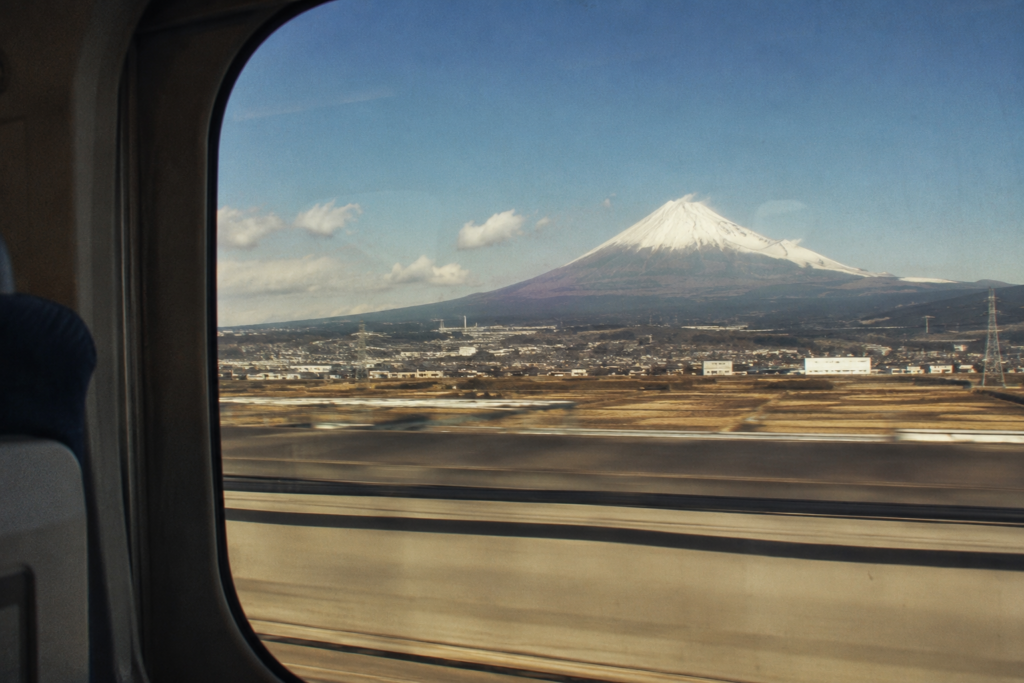
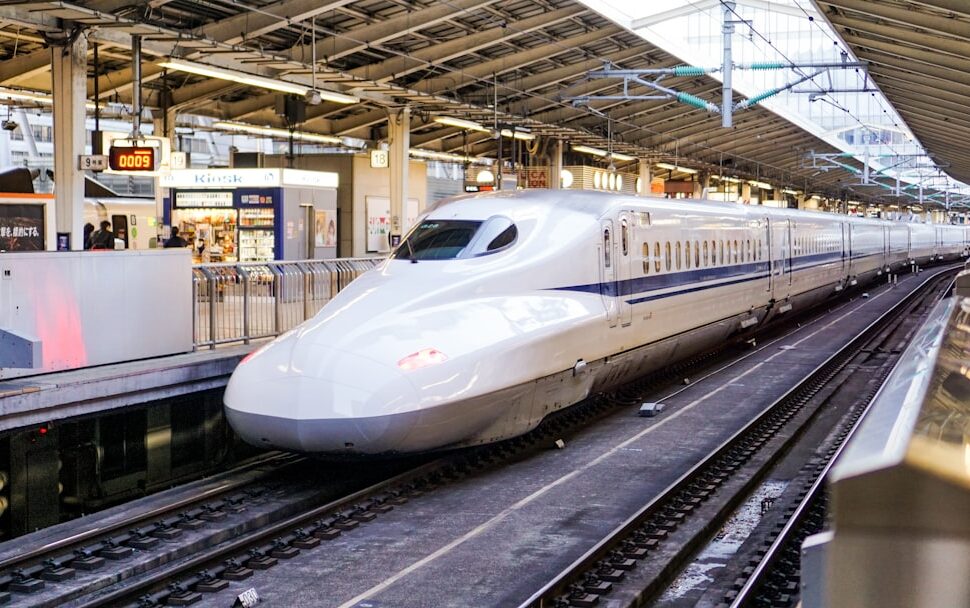
Shinkansen reserved seats sell out weeks ahead and non-reserved cars run at well over capacity — standing for the full Tokyo to Osaka journey is normal. Expressways jam for tens of kilometres. Domestic flights and hotels price at their annual peak.
Book reserved seats the moment the one-month window opens. If you cannot, travel against the flow: out of the cities on the way in, back on the way out.
What Is Actually Good About It
Obon produces some of the most atmospheric events of the year. Kyoto’s Gozan no Okuribi on 16 August lights five enormous character-shaped bonfires on the mountains around the city to send the spirits back.
Bon odori dances run in neighbourhood parks nationwide and welcome participants. Toro nagashi — floating paper lanterns down rivers — happens in many cities. None of this requires tickets.
Beer Gardens, Kakigori, and Cold Noodles
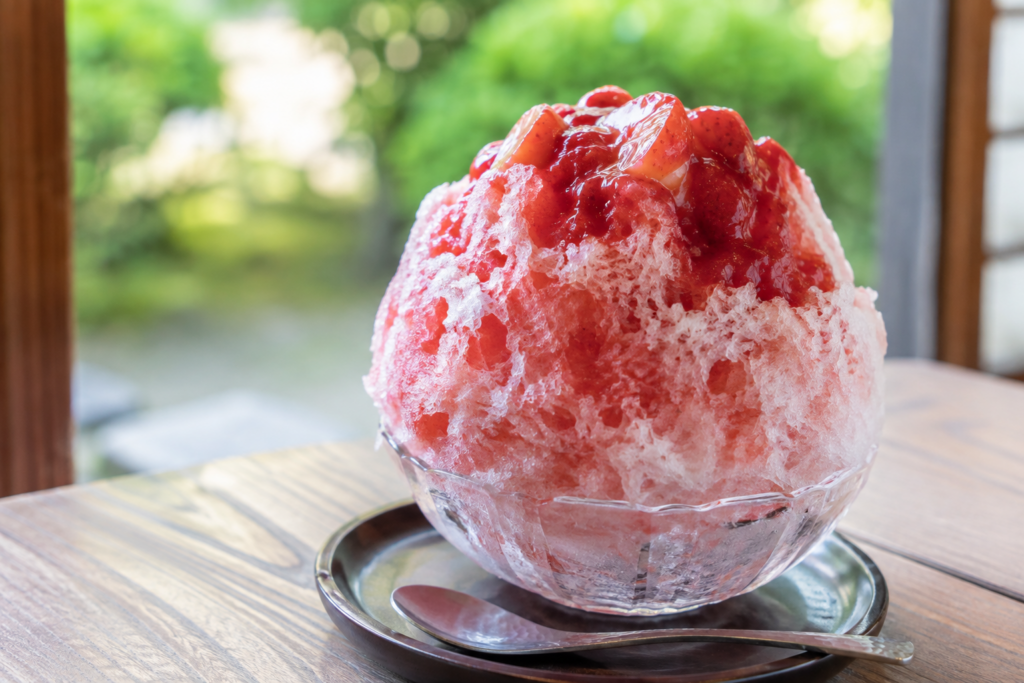
Japanese summer food exists to make August survivable and it does the job well.
Rooftop Beer Gardens
Department stores and hotels open rooftop beer gardens from roughly June to September, typically all-you-can-drink for a fixed period with a grill menu.
They open around five and run to nine or ten. It is a mainstream summer institution rather than a niche one, and the rooftops are noticeably cooler than street level.
Kakigori
Kakigori is shaved ice, and the good version is nothing like a snow cone — ice shaved thin enough to collapse on the tongue, built into a mound, with syrup and often condensed milk.
Specialist shops using natural ice, frozen slowly outdoors in winter, produce a finer texture. Nikko and a handful of other producers supply these, and shops serving it queue in August.
Cold Noodles
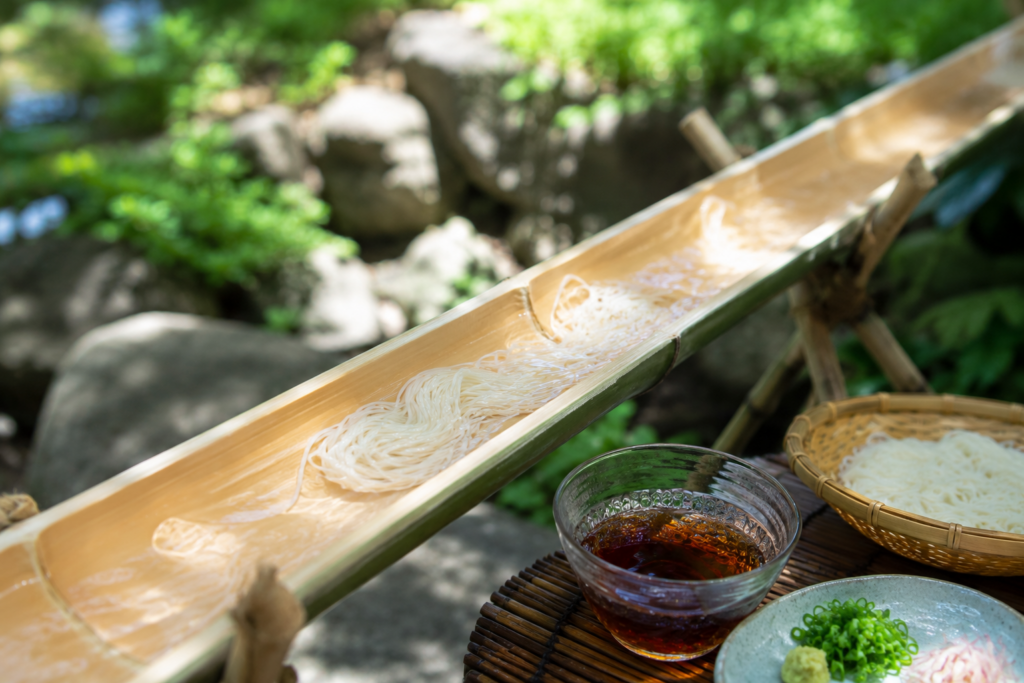
Zaru soba — chilled buckwheat noodles on a bamboo mat with dipping sauce — is the staple. Hiyashi chuka is cold ramen with shredded toppings and a vinegared dressing, sold everywhere from June to September and gone by October.
Nagashi somen is the spectacle version: thin noodles sent down a split bamboo flume in cold water, caught with chopsticks as they pass. Restaurants offering it are mostly rural and it is a summer-only fixture.
Heat and Typhoons
August carries two weather risks and both need planning for.
The Heat
Tokyo, Kyoto, and Osaka average roughly 26°C to 35°C, with individual days exceeding 38°C in recent years and humidity above 70 percent. Nights frequently stay above 25°C, which the Japanese term nettaiya, a tropical night.
Heatstroke is a genuine public health problem in August, with thousands hospitalised nationally. Treat the midday hours as unusable for outdoor activity rather than as something to push through.
Prevention
Hydrate continuously with electrolyte drinks rather than water alone, take salt tablets, use a parasol, and plan indoor time from late morning to mid-afternoon.
Warning signs are dizziness, cramps, and stopping sweating. Convenience stores and public buildings are all air-conditioned and nobody minds you stepping in.
Typhoons
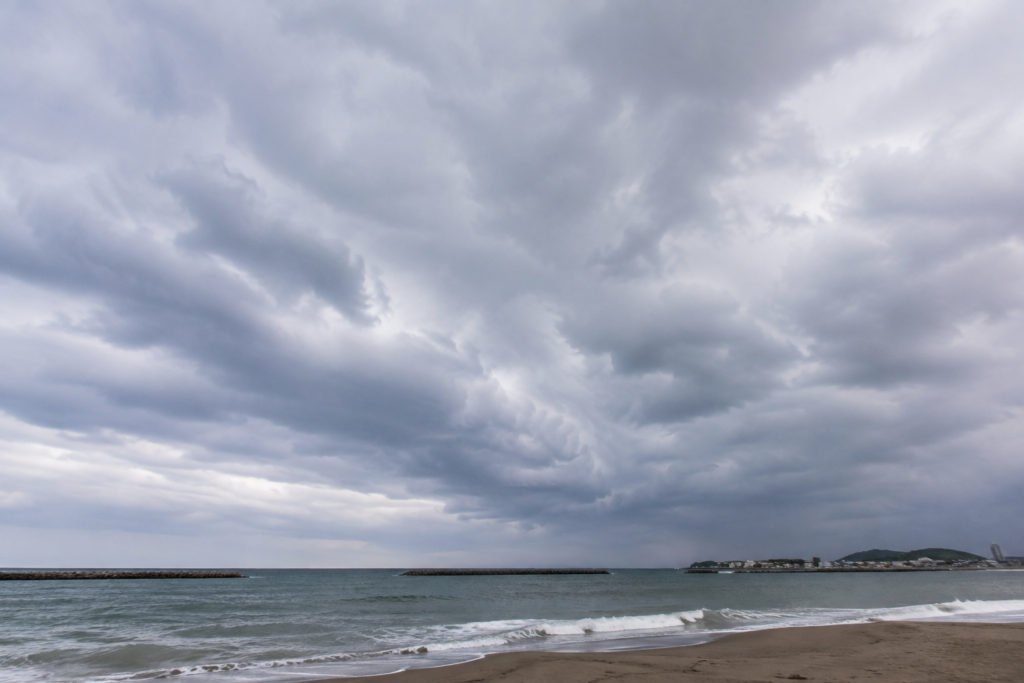
August and September are peak typhoon months. Storms typically approach from the south, affecting Okinawa and Kyushu first, and can bring transport suspensions for a day or two.
Japanese authorities suspend rail services pre-emptively and airlines cancel in advance. Monitor the Japan Meteorological Agency site, keep an indoor fallback for each day, and build a spare day into any itinerary that ends with an international flight.
Mountain Escapes
Altitude and latitude are the two ways out of the August heat.
Kamikochi and Tateyama
Kamikochi at 1,500 metres runs roughly ten degrees below the plains. The Tateyama Kurobe Alpine Route crosses the Northern Alps by cable car, ropeway, and trolleybus, topping out at 2,450 metres.
Both are busy in August and both are worth it. The Alpine Route needs a full day and is best done as a through-journey rather than a return trip.
Daisetsuzan
Daisetsuzan in central Hokkaido is Japan’s largest national park, with alpine flower meadows in August and genuine wilderness — brown bear country, with the precautions that implies.
The Asahidake ropeway gives access to high trails without a long approach. This is the coolest accessible hiking in Japan in August.
Karuizawa
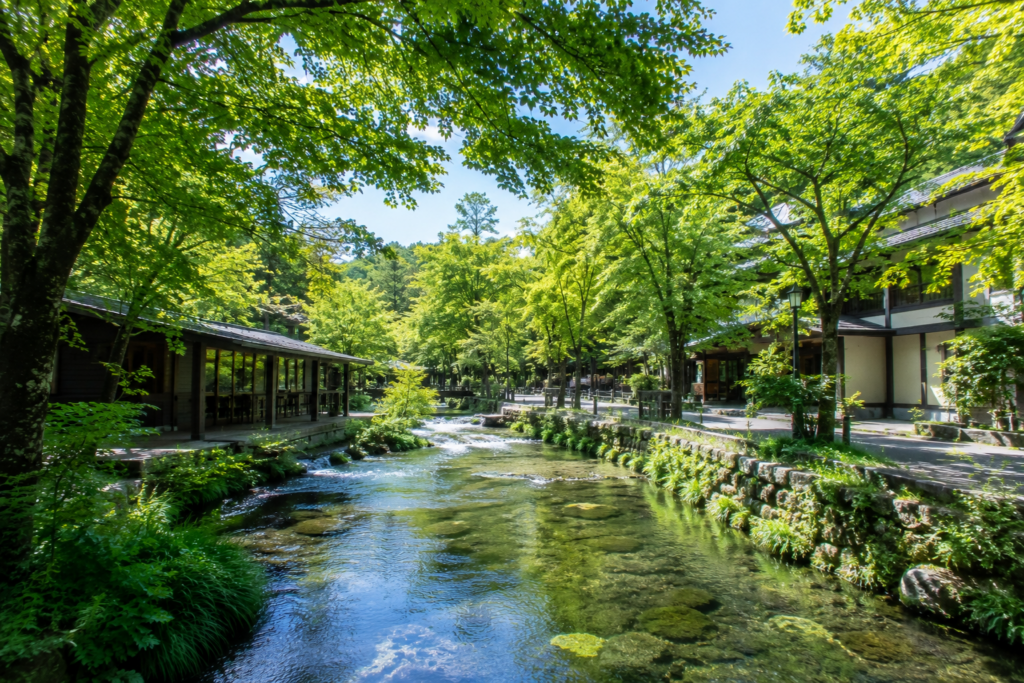
Karuizawa in Nagano sits at around 1,000 metres and is roughly an hour from Tokyo by shinkansen — a forested resort town developed as a summer retreat by foreign missionaries in the Meiji period.
It runs several degrees cooler than Tokyo, has an outlet mall, cycling routes, and good restaurants. As a two-day break from the city heat it requires almost no planning.
Expert Tip
Hokkaido’s lavender peaks in July and is largely finished by early August, but the flower fields are not over — sunflowers, salvia, and mixed plantings run through August at Farm Tomita and the Biei hills. Travelers who assume they have missed the season skip Furano entirely in August, which is a mistake.
Japan in August: Frequently Asked Questions
Should I travel during Obon week? Avoid moving between cities from 11 to 17 August if you can. Trains, roads, and flights run at maximum load and prices peak. Staying in one place through that week works fine, and the Obon events themselves — Gozan no Okuribi, bon odori, lantern floating — are among the best things in the Japanese year.
How do I avoid heatstroke? Drink electrolyte drinks continuously, use salt tablets, carry a parasol, and stay indoors from about eleven to four. Watch for dizziness, cramps, or stopping sweating, and get into air conditioning immediately if any appear. Every convenience store is a cooling station.
Are Hokkaido’s flower fields still blooming in August? Lavender finishes in early August, but the fields are planted in succession — sunflowers and other summer flowers run through the month. Furano and Biei remain worth visiting, and the crowds thin once the lavender ends.
Related Tours
Conclusion
Go north in the first week. The Tohoku festival circuit is the strongest reason to be in Japan in August, and it happens before the Obon rush begins.
Then find altitude for the middle of the month while the country is on the move. Come back to the cities at the end of August, when Obon is over, the crowds have gone home, and the heat is starting to break.
Plan Your Japan Trip with Local Experts
Our team has guided 40,000+ travelers across Japan. Tell us about your trip and we’ll get back to you within 24 hours.