In this article:
- Gion Matsuri and Tenjin Matsuri
- Summer Fireworks
- Climbing Mount Fuji
- Escaping the Heat
- Surviving the Humidity
- Japan in July: Frequently Asked Questions
Introduction
July in Japan is genuinely uncomfortable. Tokyo runs to 31°C with humidity that makes the air feel solid, and midday sightseeing in a city is hard work rather than pleasure.
It is also the month with the best festivals in the country. Gion Matsuri occupies the whole of July in Kyoto, Tenjin Matsuri closes Osaka’s rivers with boats and fireworks, and hanabi displays run somewhere most weekends.
The strategy for July is straightforward and it works: do nothing outdoors between eleven and four, and put your energy into the evenings, when the festivals happen anyway.
Gion Matsuri and Tenjin Matsuri
Two of Japan’s three great festivals fall in July, a week apart, in cities 40 minutes from each other.
Gion Matsuri
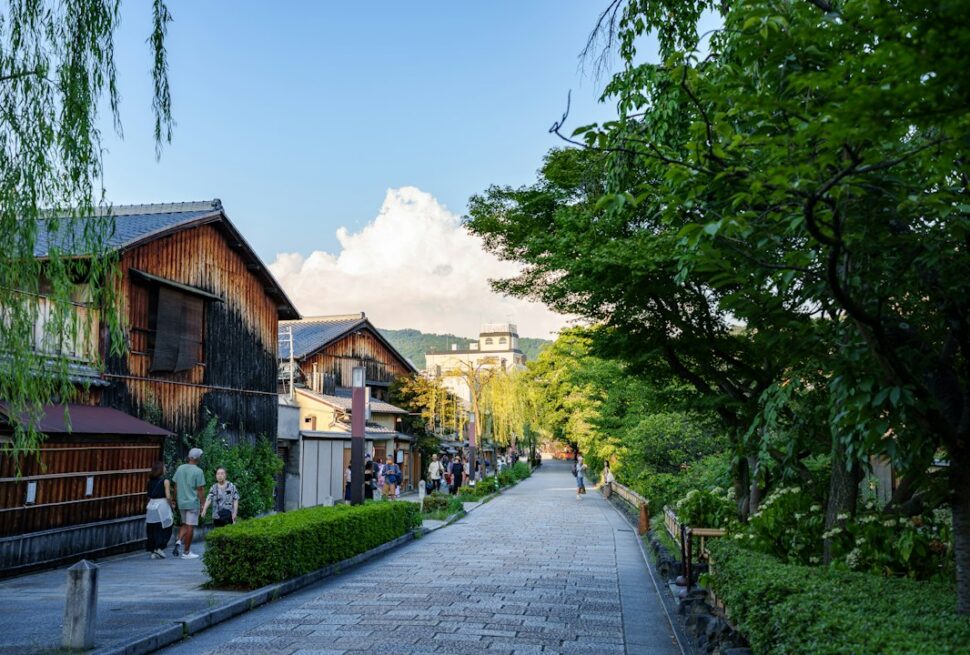
Gion Matsuri runs the entire month in Kyoto, dating back to 869 when it began as a ritual to end an epidemic. The centrepiece is the Yamahoko Junko float procession on 17 July, with a second, smaller procession on the 24th.
The floats are enormous — the largest hoko stand around 25 metres and weigh some 12 tonnes, pulled by teams of dozens on wooden wheels, turned at corners by laying split bamboo and water under them. That turning manoeuvre is the thing to position yourself for.
Yoiyama
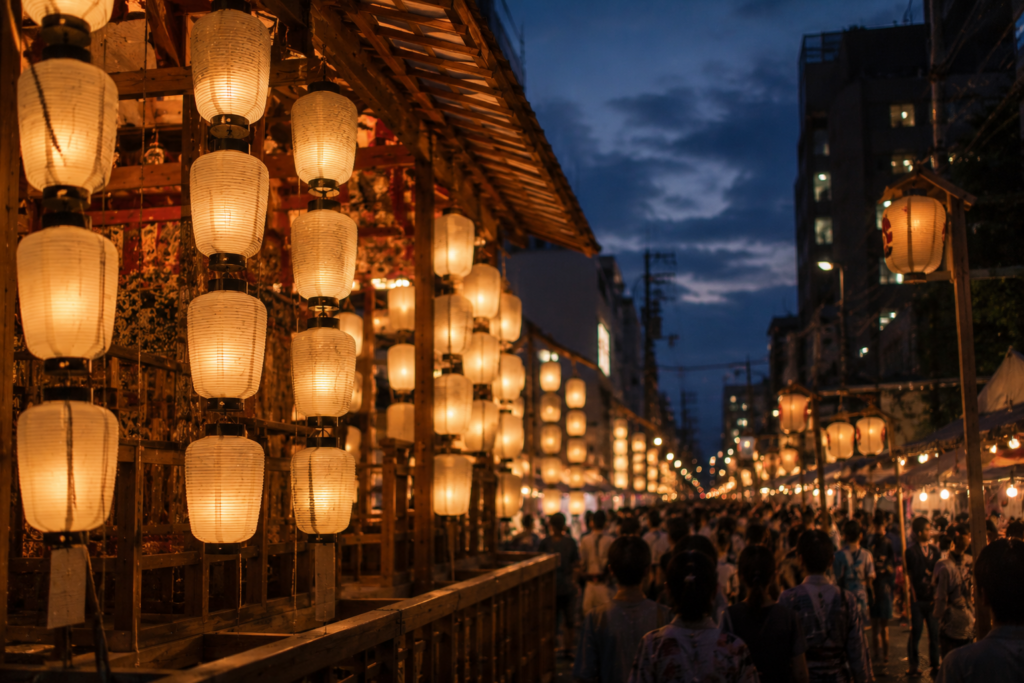
The three evenings before each procession are yoiyama, when the finished floats stand lit in the streets, the central roads close to traffic, and the whole district fills with stalls.
This is the better experience for most visitors. The procession is a daytime event in extreme heat with fixed viewing; yoiyama is a warm evening walking among the floats with food and beer.
Tenjin Matsuri
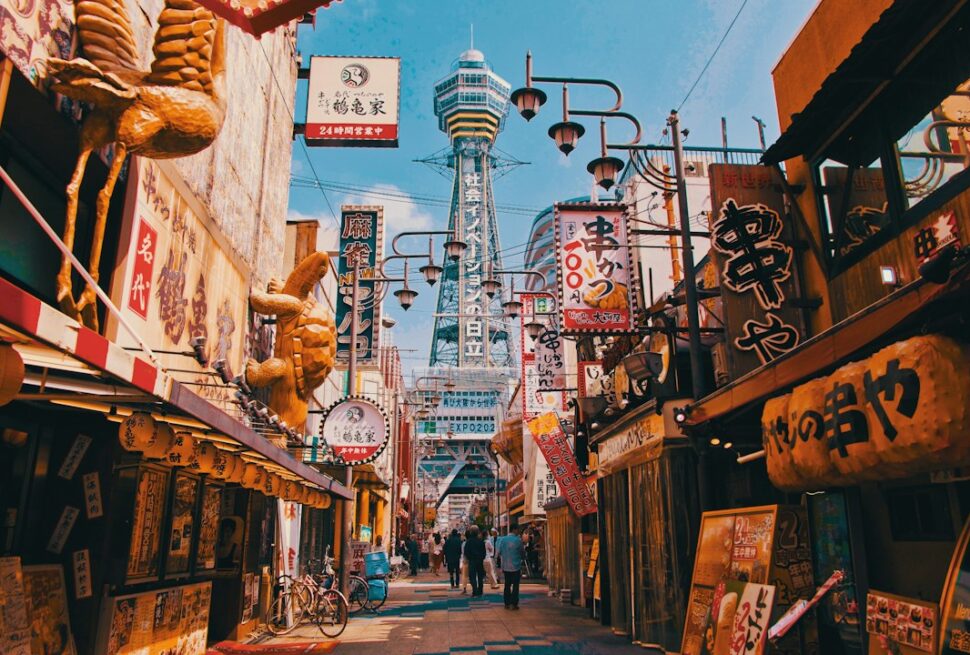
Osaka’s Tenjin Matsuri, on 24 and 25 July, moves onto the water — around a hundred boats carrying portable shrines and musicians down the Okawa River, with roughly 5,000 fireworks over them.
The land procession involves several thousand participants in period costume. Riverbank positions fill hours ahead; paid seating is sold in advance and is worth it for this one.
Expert Tip
Both festivals have paid grandstand seating sold through official channels weeks ahead, and for Gion Matsuri’s 17 July procession it is the difference between watching comfortably and standing in 33°C heat behind four rows of people. For yoiyama evenings, no ticket exists or is needed — just arrive around six.
Summer Fireworks
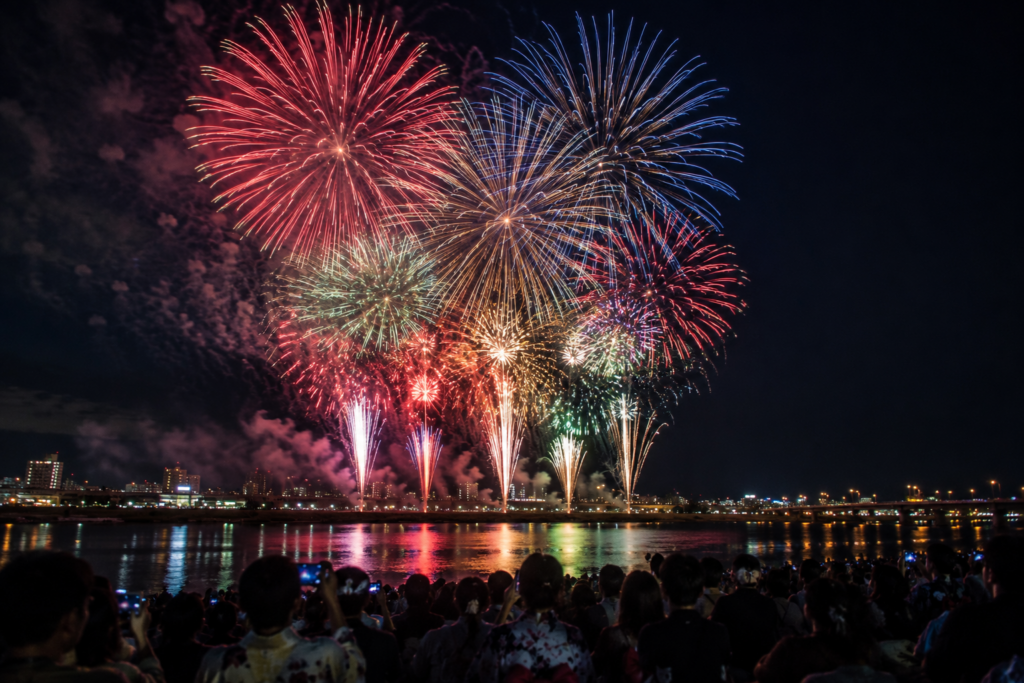
Hanabi taikai are a distinct art form in Japan, and July and August are the season.
The Sumida River Display
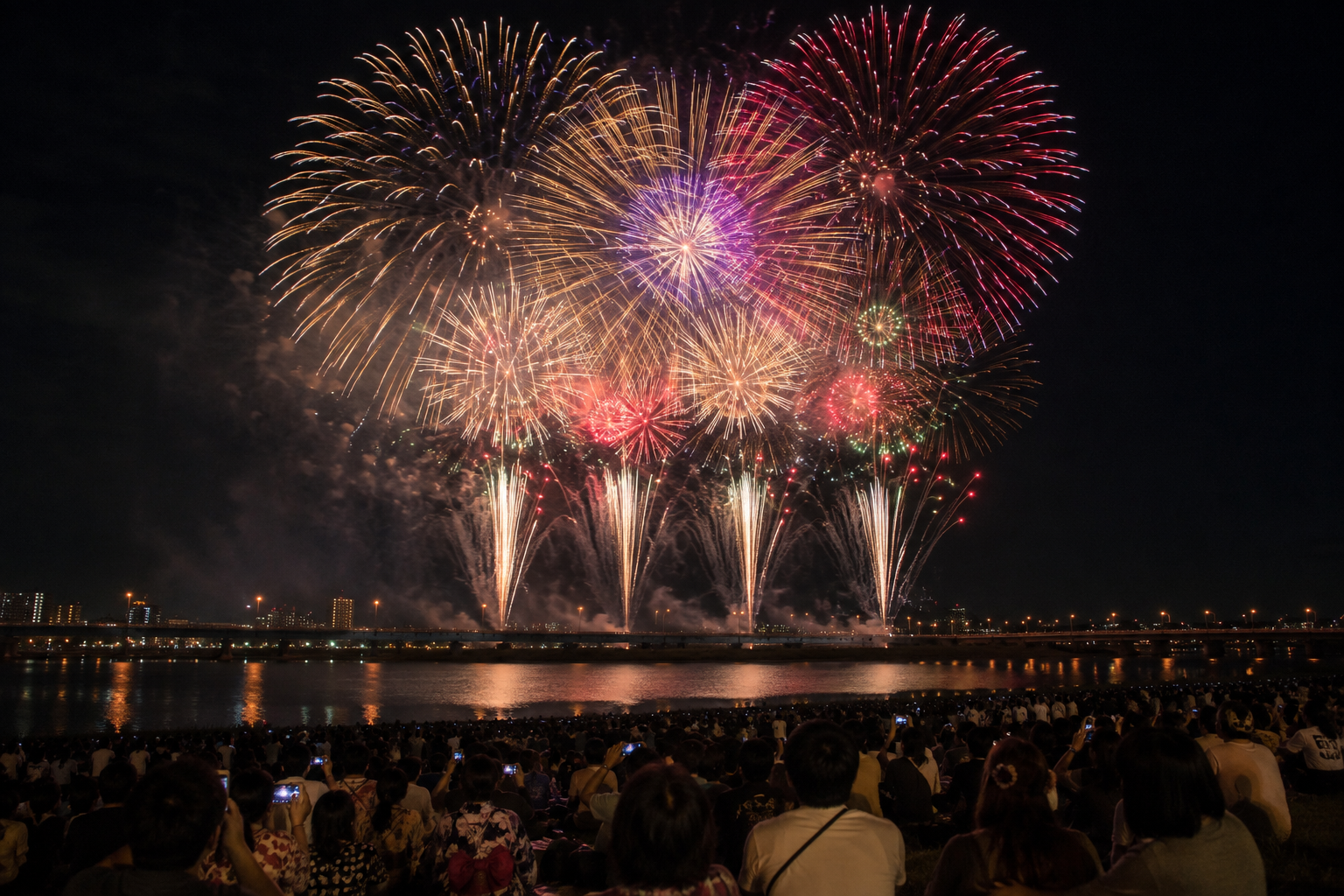
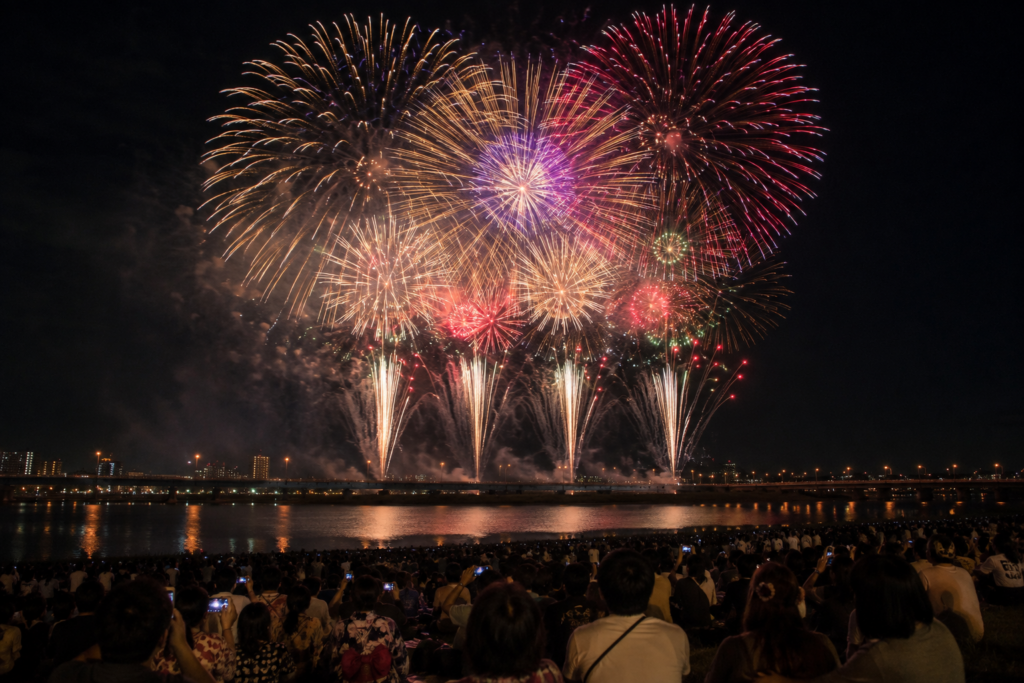
Tokyo’s Sumida River fireworks, held in late July, launch around 20,000 shells across two competing sites, with Tokyo Skytree in the frame. It draws roughly a million spectators.
Public riverbank space fills from early afternoon. Rooftop bars and restaurants along the river sell tickets months ahead at substantial prices, and hotel rooms with a view are booked a year out.
Yukata
Attending in yukata — the light unlined cotton kimono worn in summer — is standard rather than costume. Rental shops in Kyoto, Tokyo, and Asakusa dress you for a few thousand yen including obi and geta.
Wear it with the left side over the right. The reverse is used only for dressing the dead, and it is the one mistake that will get you quietly corrected.
Getting a Spot
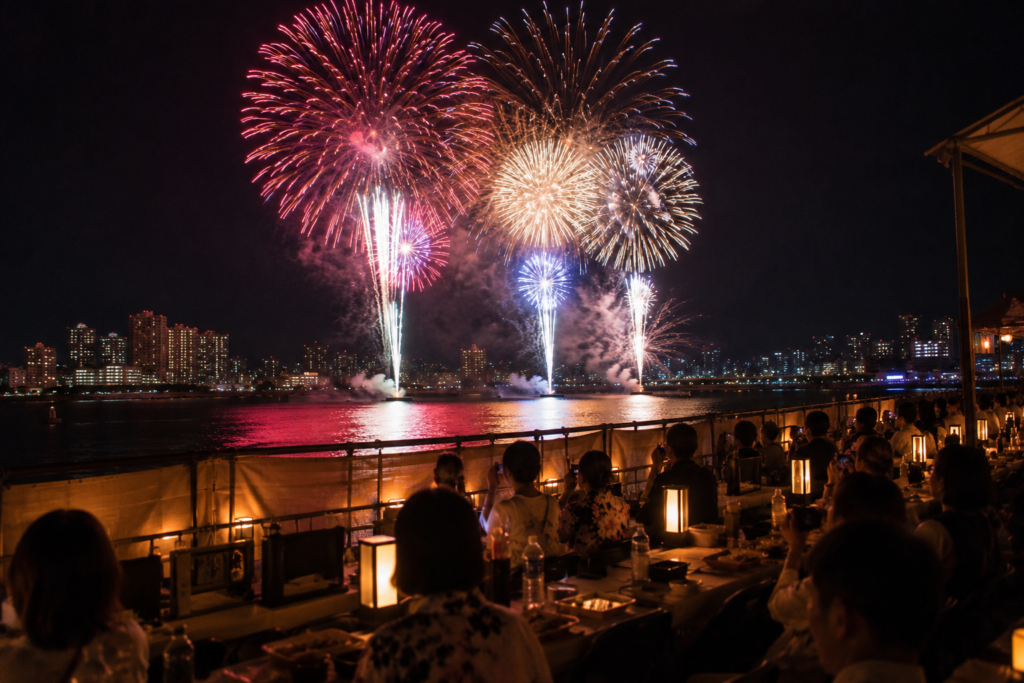
For the major displays, either buy paid seating in advance or arrive three to four hours early with a mat. Both are normal.
The smaller local displays — every city and many wards run one — need none of this. They are a fraction of the scale and, for a visitor, often the better evening.
Climbing Mount Fuji
The official climbing season opens in early July and runs to early September. Outside it, the mountain is genuinely dangerous and the huts are closed.
The Season and the Trails
Four trails reach the summit. Yoshida on the Yamanashi side is the most used, with the most huts and the best access from Tokyo. Fujinomiya, Subashiri, and Gotemba are on the Shizuoka side.
The Yoshida trail typically opens 1 July; the Shizuoka trails open around 10 July. Dates are confirmed by the prefectures annually and occasionally shift for snow conditions.
Reservations and Fees
Both prefectures now operate entry charges and controls, introduced in response to overcrowding and unprepared climbers. The Yoshida trail requires advance online booking with a daily climber cap and an entry fee, and closes the fifth-station gate overnight to those without hut reservations.
Fees and rules have been revised each year since introduction. Check the official Yamanashi or Shizuoka prefectural climbing site when you book — guidebook figures go out of date within a season.
Mountain Huts
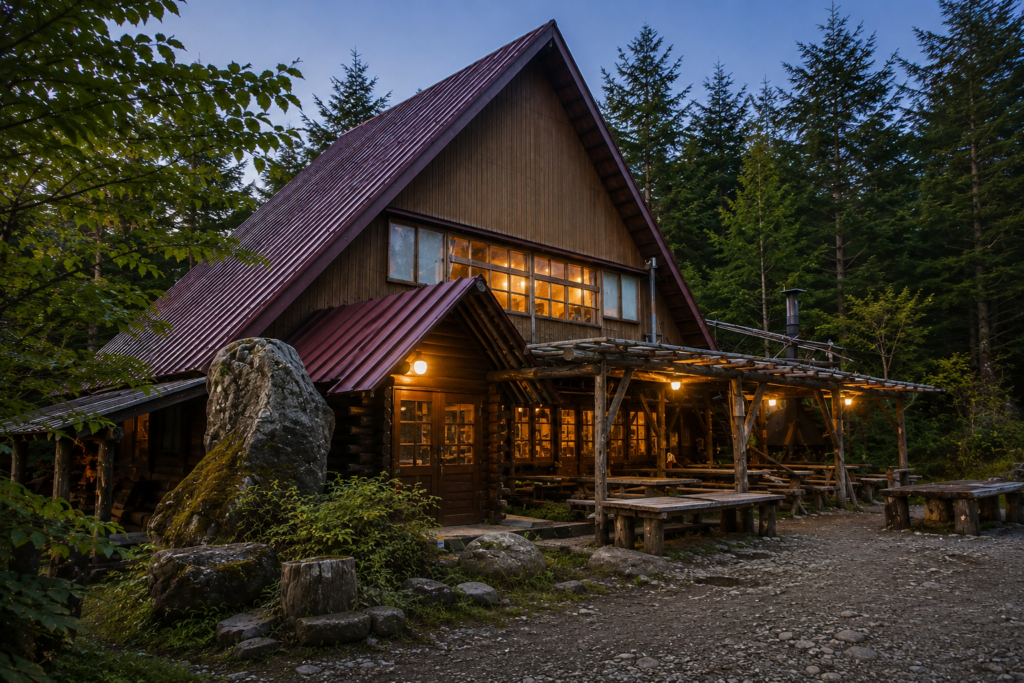
The standard approach is to climb to a hut at the seventh or eighth station in the afternoon, sleep a few hours, and continue before dawn to reach the summit for sunrise.
Huts are basic — shared sleeping platforms, no showers — and book out for July and August weekends months ahead. Attempting the climb overnight without a hut booking, known as bullet climbing, is actively discouraged and now restricted on the Yoshida route.
Is It Hard?
Fuji requires no technical skill but it is a serious effort: around 1,400 metres of ascent from the fifth station on Yoshida, on loose volcanic rock, at altitude where the air is noticeably thin above 3,000 metres.
Reasonably fit walkers manage it. Proper boots, layers for near-freezing summit temperatures, a headtorch, and cash for the huts and summit toilets are the minimum. Altitude sickness is the common reason people turn back.
Escaping the Heat
Two regions and one altitude band offer a genuine alternative to the July heat.
Hokkaido
Hokkaido in July runs around 17°C to 26°C with low humidity, and it is when the lavender peaks. Farm Tomita in Nakafurano is the best-known field, with the Biei patchwork hills nearby.
July is Hokkaido’s busiest month domestically for exactly this reason. Book accommodation in the Furano and Biei area well ahead.
Okinawa
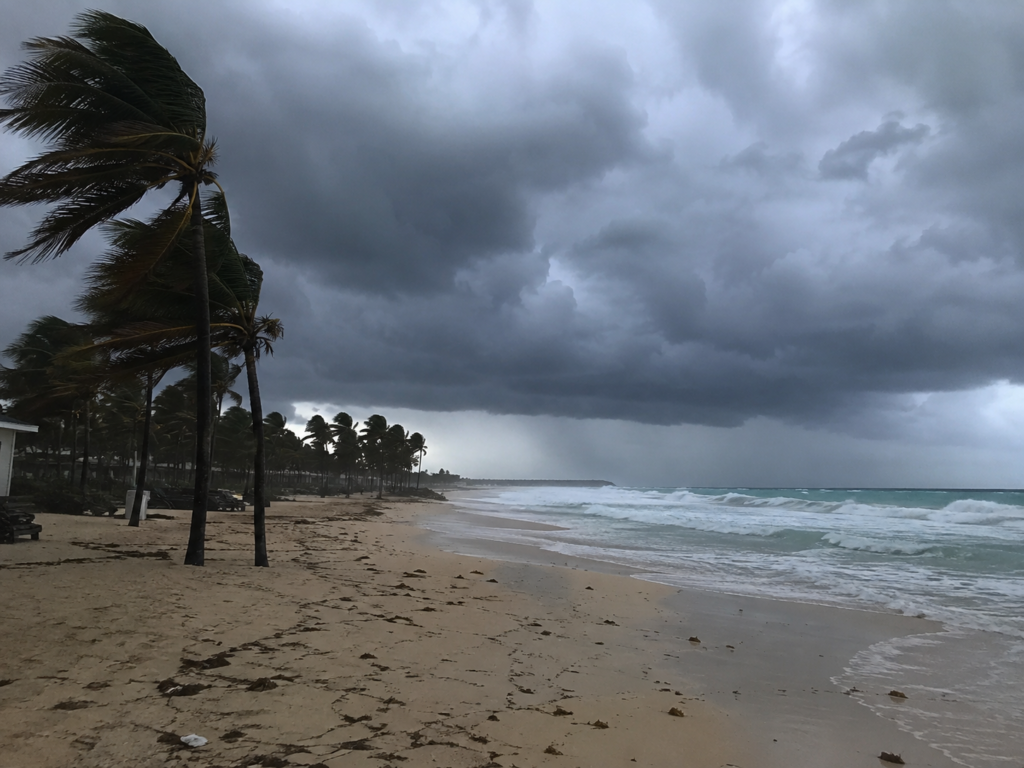
Okinawa’s rainy season ends in late June, making July the start of its best beach weather — hot, but with sea breezes and water at swimming temperature.
It is also typhoon season from July onward. Build flexibility into island itineraries; ferries to the outer islands suspend well before flights do.
The Alps
Kamikochi at 1,500 metres sits around ten degrees below Tokyo, and the Northern Alps hiking season is at its peak in July.
Hakuba, Tateyama, and the Kiso valley all offer the same trade. For anyone finding July cities unbearable, two or three days at altitude resets the trip.
Surviving the Humidity
Japan has built an entire product category around this month and it is worth using.
The Numbers
Tokyo and Kyoto average roughly 24°C to 31°C, with humidity frequently above 75 percent. Kyoto is worse than Tokyo because the surrounding mountains trap air in the basin.
Heat advisories are common and heatstroke — netsuchusho — is treated as a serious public health issue with daily warnings.
Hydration
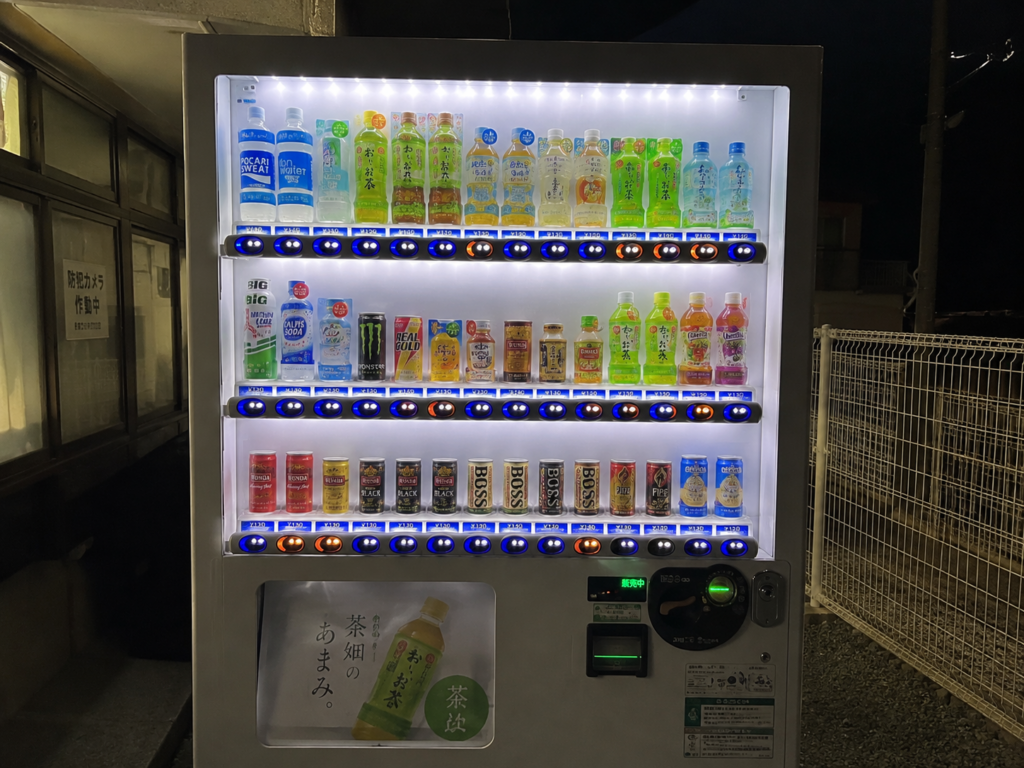
Vending machines are everywhere, roughly one for every twenty people nationally. Pocari Sweat and Aquarius are the standard electrolyte drinks and are more effective than water alone in this humidity.
Salt tablets and salt candies are sold in convenience stores for the same reason. Japanese people use them routinely in July; visitors generally do not and should.
Cooling Products
Drugstores stock menthol body wipes, cooling neck bands, portable electric fans, and cooling sprays for clothing. Most cost a few hundred yen.
Parasols are used by men and women alike and make a measurable difference. Buy one on arrival rather than packing an umbrella that only handles rain.
Expert Tip
Structure July days around indoor time in the middle. Museums, department stores, aquariums, and underground shopping networks are all fully air-conditioned, and Japanese people use them exactly this way. Sightseeing from seven to eleven, indoors until four, then out again until late is the pattern that makes the month work.
Japan in July: Frequently Asked Questions
How do I get a spot for the Tokyo fireworks? Either buy paid seating through the official site when it opens, typically months ahead, or arrive at a public riverbank site three to four hours early with a mat. Restaurants and hotels along the Sumida sell view packages at high prices. Smaller ward-level displays need none of this.
Can a casual hiker climb Mount Fuji in July? Yes, with preparation. It needs no technical skill but involves around 1,400 metres of ascent at altitude. Book a mountain hut, take proper boots and warm layers, carry cash, and go up over two days rather than overnight. Reservation and fee requirements now apply on the main routes and change annually — check the official prefectural site.
What should I wear in July? Light, breathable, quick-drying fabrics, a hat, and a parasol. Bring a layer for indoor air conditioning, which is aggressive. If you plan to attend a festival, a rented yukata is comfortable, practical, and entirely normal.
Related Tours
Conclusion
Treat July as an evening month. The heat makes daytime sightseeing a poor use of energy, and everything worth seeing this month — the floats at yoiyama, the fireworks, the beer gardens — happens after six anyway.
If you have a week and the heat is wearing on you, spend the middle of it in Hokkaido or at altitude. Coming back to Kyoto for Gion Matsuri after three days at 20°C is a much better trip than sitting through the whole month at sea level.
Plan Your Japan Trip with Local Experts
Our team has guided 40,000+ travelers across Japan. Tell us about your trip and we’ll get back to you within 24 hours.