In this article:
- Peak Autumn Foliage
- The November Viewpoints
- The Weather
- Winter Illuminations Begin
- What to Wear
- Japan in November: Frequently Asked Questions
Introduction
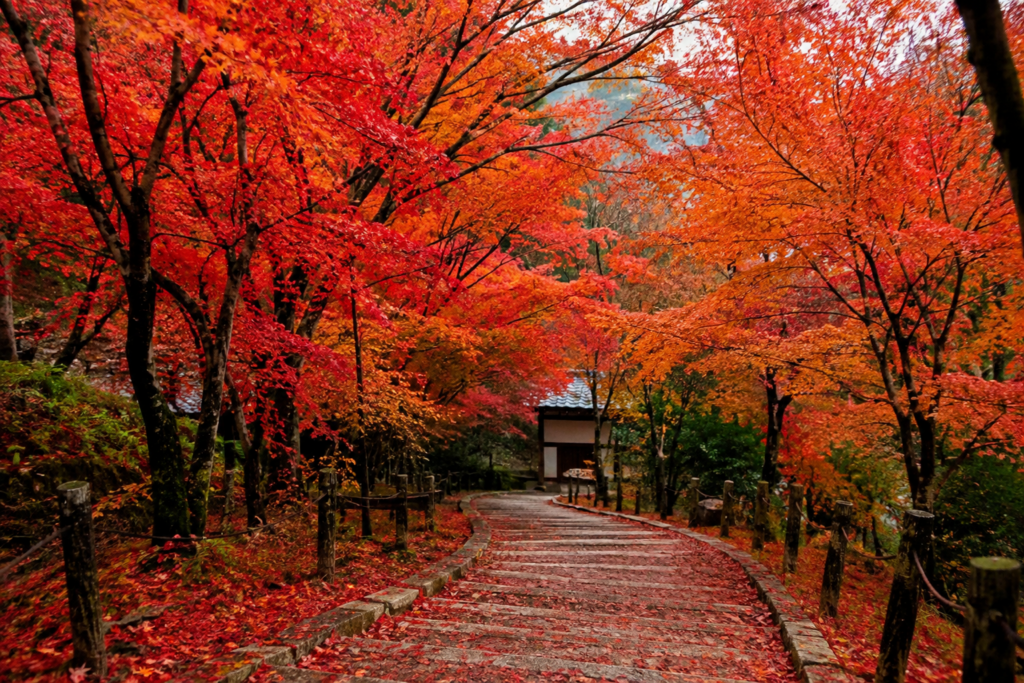
Ask a Japanese person which month is best for travelling in their own country and most will say November. The weather is dry and clear, the humidity has gone, temperatures sit in a comfortable range, and the maples turn.
The consequence is that Kyoto in the second half of November is now the most crowded it gets at any point in the year — a fact that surprises people who assume cherry blossom season is the peak. It is not, and the gap is widening.
None of which is a reason to avoid it. It is a reason to book early, start days at dawn, and know which sites are worth the crowd and which are not.
Peak Autumn Foliage
Koyo moves from north to south and from high ground to low, which spreads the season across nearly two months nationally.
When the Colour Peaks
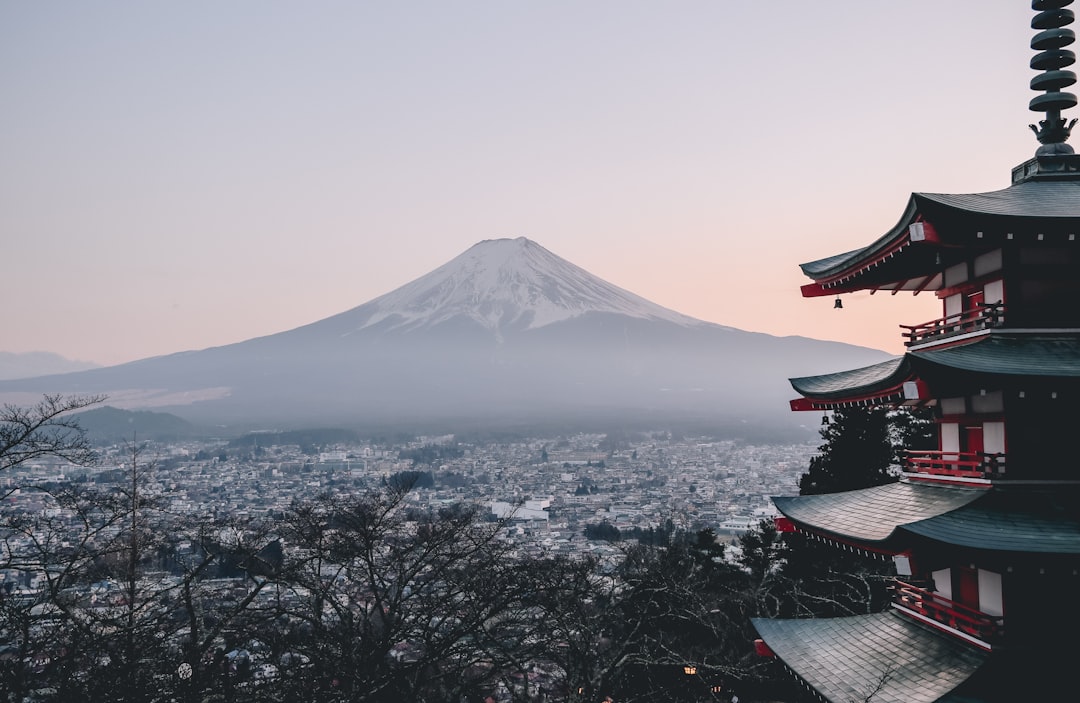
Kyoto and Tokyo typically peak from around the third week of November into the first days of December. Nikko, Hakone, and the mountain areas turn two to three weeks earlier, in late October into early November.
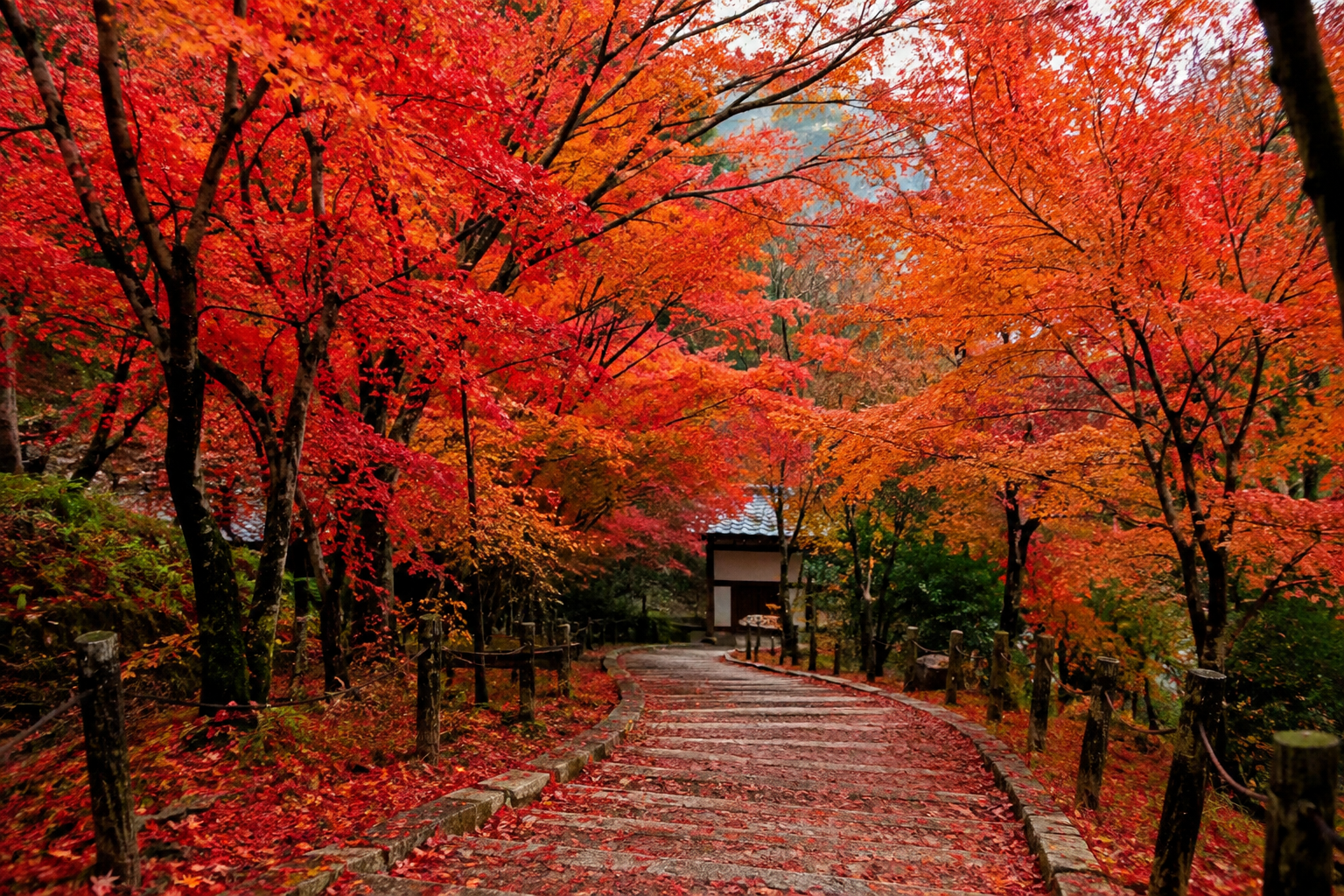
Momiji — Japanese maple — produces the deep red that defines the season, while ginkgo turns a saturated yellow. The two peak at slightly different times, with ginkgo often holding a little later in the cities.
Night Illuminations
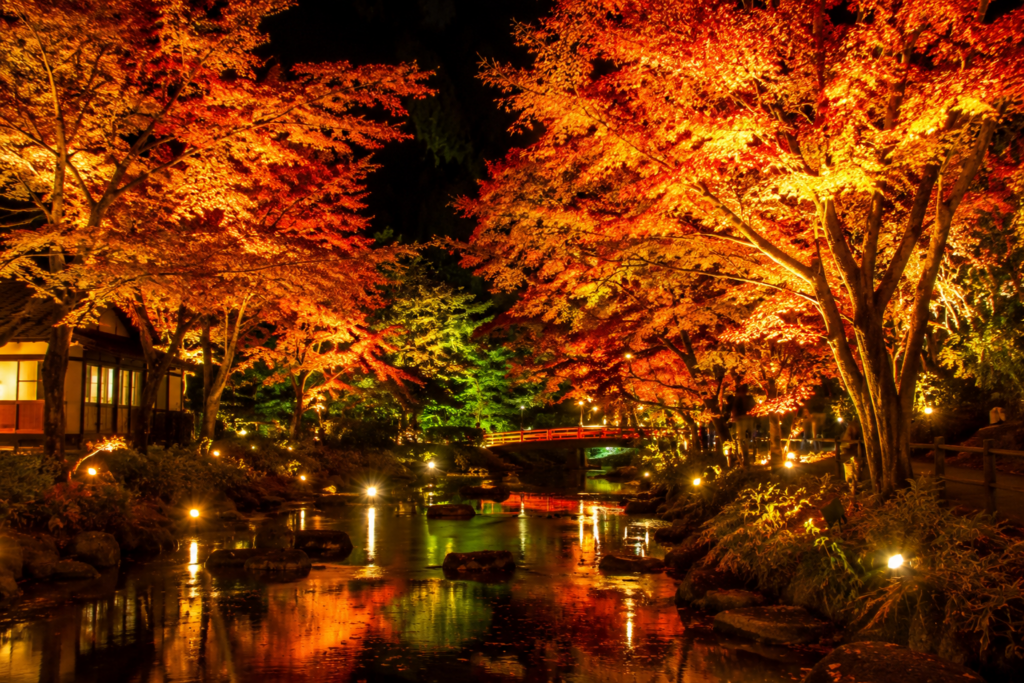
Many Kyoto temples open in the evening during the foliage season, lighting the maples and gardens with the halls reflected in ponds. It is a completely different experience from the daytime version.
Kodai-ji, Eikan-do, Kiyomizu-dera, and Tofuku-ji all run illumination periods. Some now require advance timed tickets, and the popular ones sell out — check each temple’s own site rather than assuming you can pay at the gate.
Ginkgo Avenues
Tokyo’s ginkgo avenues are the city’s answer to Kyoto’s maples, and they need no temple entry fee.
Meiji Jingu Gaien has around 150 trees in a formal avenue that turns solid gold in late November. Icho Namiki at the University of Tokyo and Showa Kinen Park are the other main sites.
Expert Tip
The foliage forecast works like the cherry blossom forecast and is published by the same organisations from around September, updated weekly. It is more reliable than the sakura forecast because autumn colour develops over weeks rather than days, and it holds longer once it arrives. Check it at the three-week mark and you can reasonably plan around it.
The November Viewpoints
Three places are genuinely worth the November crowds.
Tofuku-ji and Eikan-do
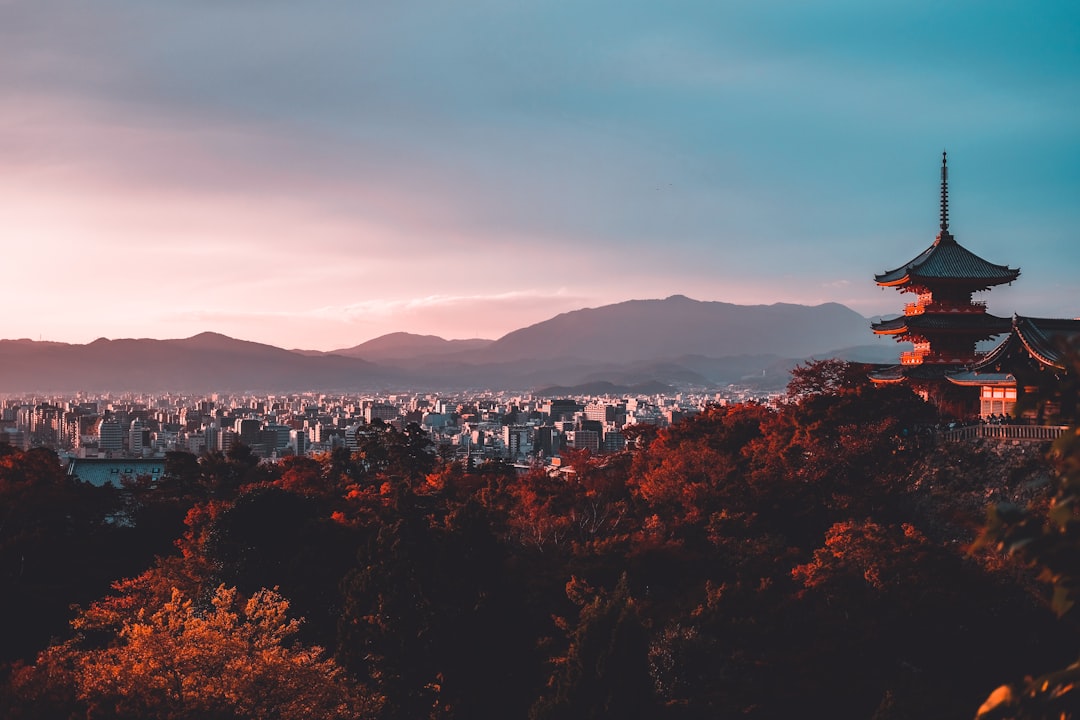
Tofuku-ji’s Tsutenkyo bridge crosses a valley containing around 2,000 maples, and standing on it in peak season is like looking into a red canopy from above. Photography from the bridge is prohibited at peak to keep people moving.
Eikan-do is the other essential Kyoto site, with a hillside pagoda above a pond and a reflection that appears on every autumn poster in Japan. Both are extremely crowded; both justify it.
Lake Kawaguchiko
The Momiji Corridor at Kawaguchiko is a short avenue of maples along a stream with Mount Fuji behind, illuminated in the evening during the festival period in early to mid-November.
November has the best Fuji visibility of the autumn. The mountain is snow-capped by this point and the air is dry enough to see it clearly from a distance.
Beyond the Famous Sites
Kyoto’s northern Ohara valley, the Takao district in the western hills, and Kurama all have colour of comparable quality with a fraction of the visitors.
Ohara’s Sanzen-in and Hosen-in are our standard recommendation for a peak-season Kyoto day. An hour by bus from the centre buys you a completely different experience of the same season.
The Weather
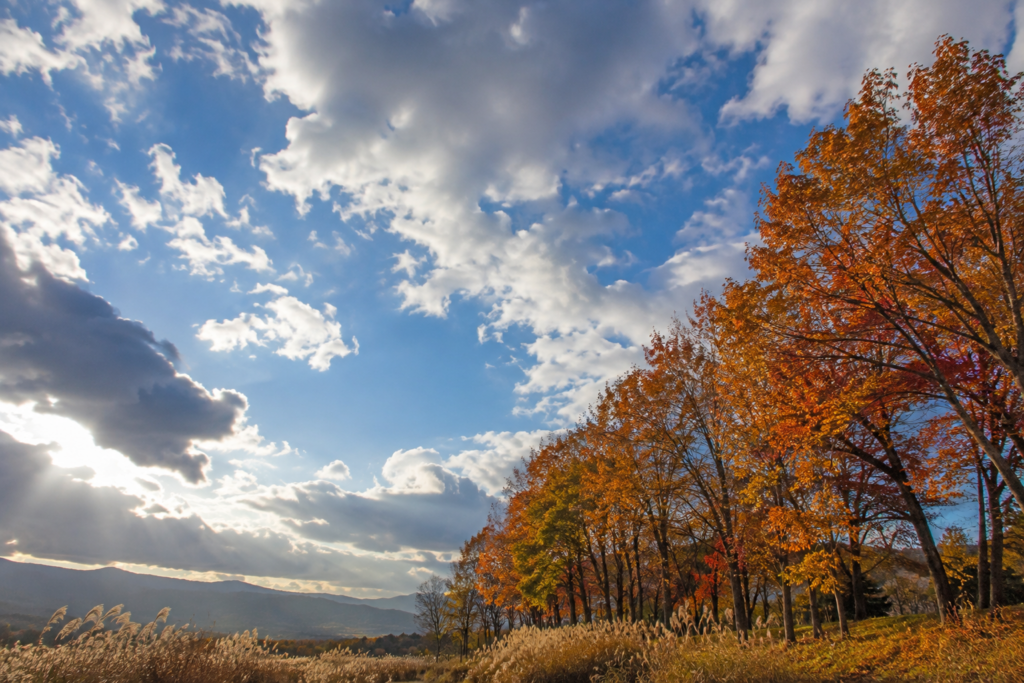
The climate is the underrated half of November’s appeal.
Temperatures
Tokyo and Kyoto run roughly 8°C to 17°C, cooling steadily through the month. Days are comfortable for walking; evenings need a proper coat by the end of November.
Kyoto gets colder than Tokyo at night because of the basin. Temple illumination visits in late November are genuinely cold and people underdress for them.
Low Rainfall
November is among the driest months of the Japanese year, with frequent clear days and low humidity.
This is what makes it so good for walking-heavy itineraries. It is the opposite of June in every respect that matters to a traveler.
Mount Fuji Visibility
Fuji visibility improves sharply from November as the humid summer air clears, and stays good through winter.
From Tokyo, the observation decks in Roppongi and Shibuya have a realistic chance of the mountain on a clear November morning. Winter mornings are the reliable window.
Winter Illuminations Begin
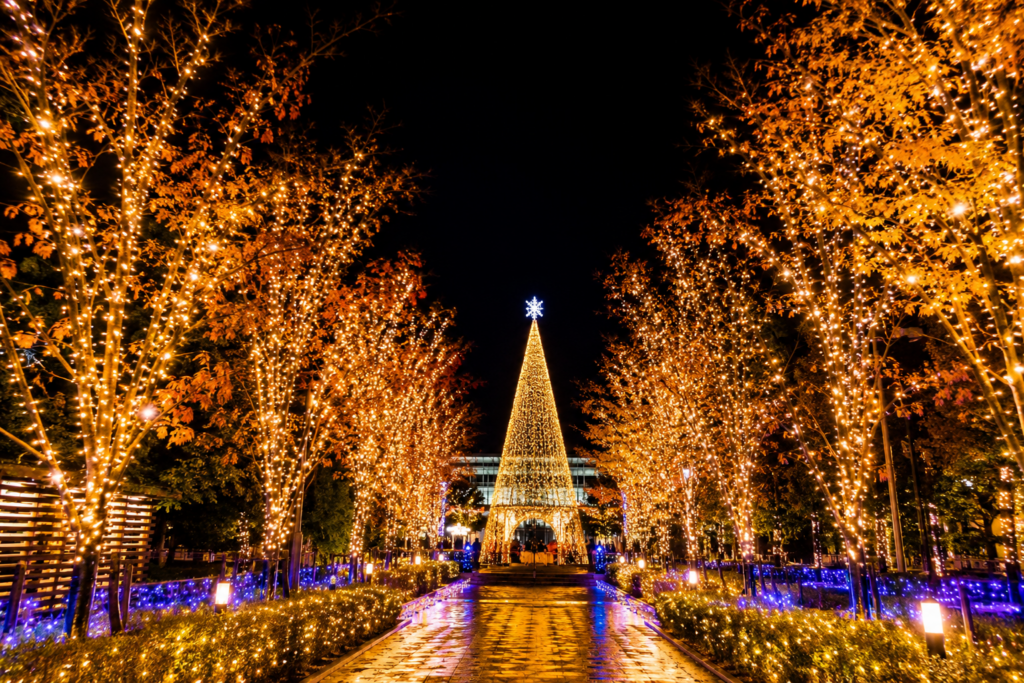
Japan’s illumination season starts in November and overlaps with the last of the foliage.
Tokyo
Roppongi’s Keyakizaka lights, with Tokyo Tower framed at the bottom of the slope, and Tokyo Midtown’s display both start in mid-November. Shibuya’s Blue Cave lines Koen-dori and Yoyogi Park with blue LEDs.
Caretta Shiodome runs a choreographed light and music show on a fixed schedule through the evening. All are free.
Osaka
The Midosuji Illumination lines about four kilometres of Osaka’s main boulevard with lit trees from early November, and it is the longest continuous illuminated street in Japan.
It requires no ticket and no plan — it is simply there as you walk the city in the evening.
Kobe Luminarie
Kobe Luminarie was created in 1995 as a memorial to the Great Hanshin earthquake, using hand-painted Italian light sculptures forming arcades and a cathedral-like structure.
It runs for about ten days, historically in December though recent editions have shifted dates. It is a memorial event rather than a Christmas display, and it is treated as such by attendees.
Expert Tip
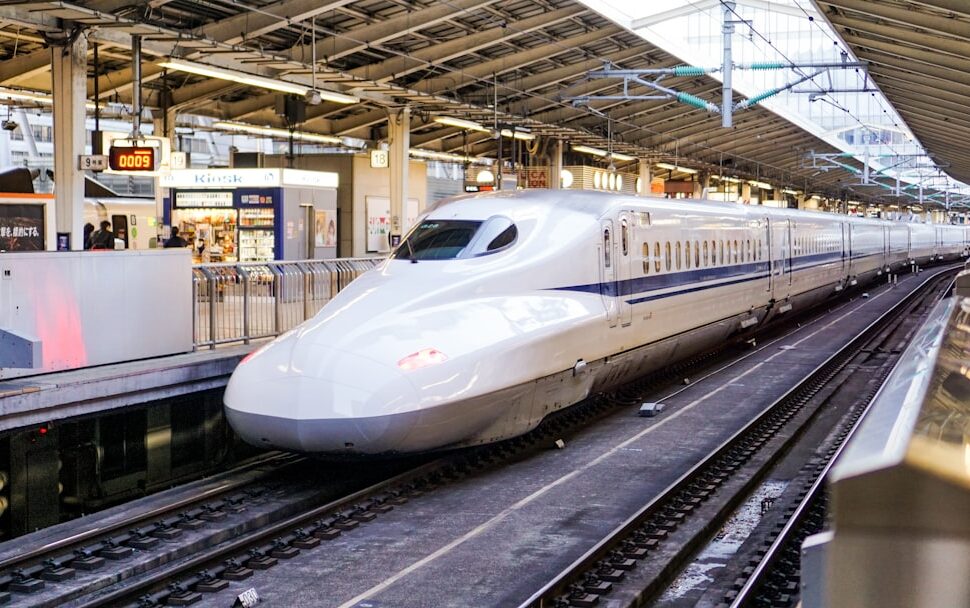
Kyoto accommodation in the second half of November now books out earlier than for cherry blossom season, at higher rates. Six months ahead is the working minimum. Basing in Osaka and taking the 15-minute shinkansen into Kyoto each morning is the standard workaround and saves a substantial amount.
What to Wear
November spans a wide range and the evenings are the part people underestimate.
Layers
A sweater with a light wool coat or trench covers most of the month. Early November is mild enough for a jacket alone; late November wants something warmer.
The gap between a sunny afternoon and a temple garden after dark is substantial. Plan for both in the same day rather than for the daytime average.
Evening Extras
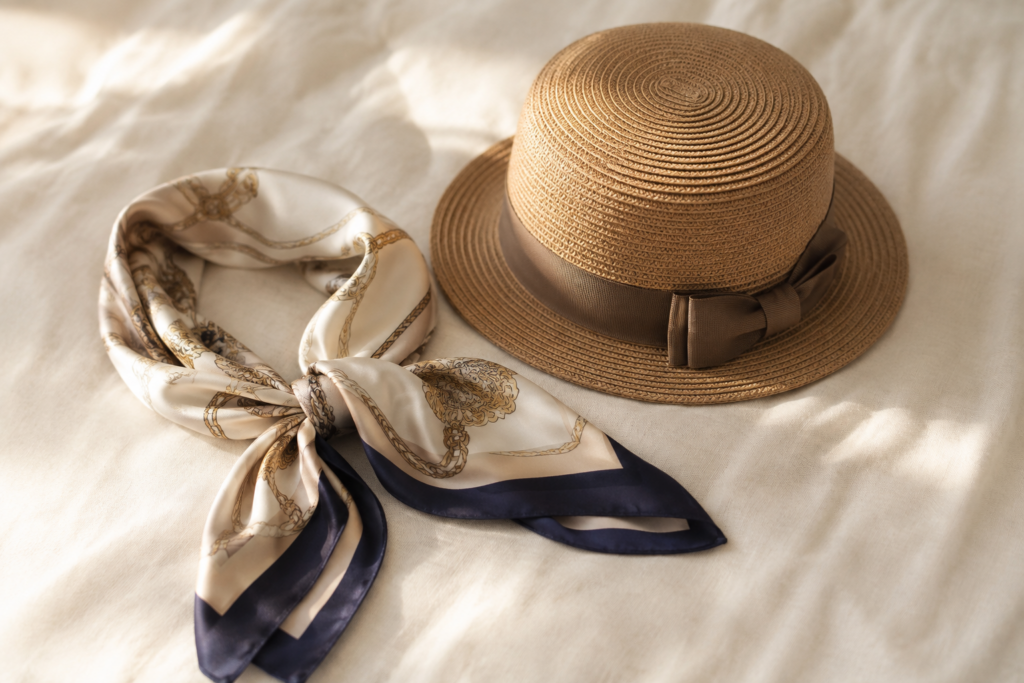
A scarf and a hat are worth carrying from mid-November, specifically for the illumination and night viewing events, which involve standing still outdoors for an hour or more.
Kairo heat pads appear in convenience stores from around this point in the year and cost about a hundred yen.
Footwear
Supportive walking shoes or boots. Foliage viewing means long distances on gravel temple paths and hill routes, often for several days in succession.
November’s dry weather means waterproofing is less critical than in other seasons, but temple gravel is hard going in thin soles.
Japan in November: Frequently Asked Questions
When exactly do the leaves peak? Kyoto and Tokyo generally peak between about 20 November and 5 December. Nikko, Hakone, and the mountains peak in late October to early November. Check the published foliage forecast about three weeks ahead — it is reliable, unlike the cherry blossom equivalent.
Is November expensive in Kyoto? Yes, and it is now the peak. Rates in the second half of November exceed cherry blossom season, and availability disappears six months out. Osaka or Otsu as a base, with a short train in, is the practical alternative.
Do I need to book temple illuminations in advance? Increasingly, yes. Several Kyoto temples have moved to timed advance tickets for their evening viewing, and the popular ones sell out. Check each temple’s official site when your dates are fixed rather than assuming same-day entry.
Related Tours
Conclusion
Book six months out, be at the famous temples by opening, and give at least one day to somewhere off the standard list — Ohara, Takao, or Kurama.
The season is genuinely as good as its reputation. The mistake is treating it like an ordinary sightseeing month and arriving at Tofuku-ji at eleven on a Saturday in late November, which is the one version of this month that nobody enjoys.
Plan Your Japan Trip with Local Experts
Our team has guided 40,000+ travelers across Japan. Tell us about your trip and we’ll get back to you within 24 hours.